Viña Santa Ema
The winery operates within a sub-valley that has shaped Chilean Cabernet Sauvignon's international reputation across decades. For visitors tracking serious Chilean production, it belongs on the same itinerary as the valley's other prestige-tier estates.

Pearl is the En Primeur Club membership app — saves, bookings, and concierge access live there. Same editors, same standards.
- Address
- Izaga 1096, 9790163 Isla de Maipo, Región Metropolitana
- Phone
- +56 2 2663 7100
- Website
- santaema.cl
- Directions
- Get directions
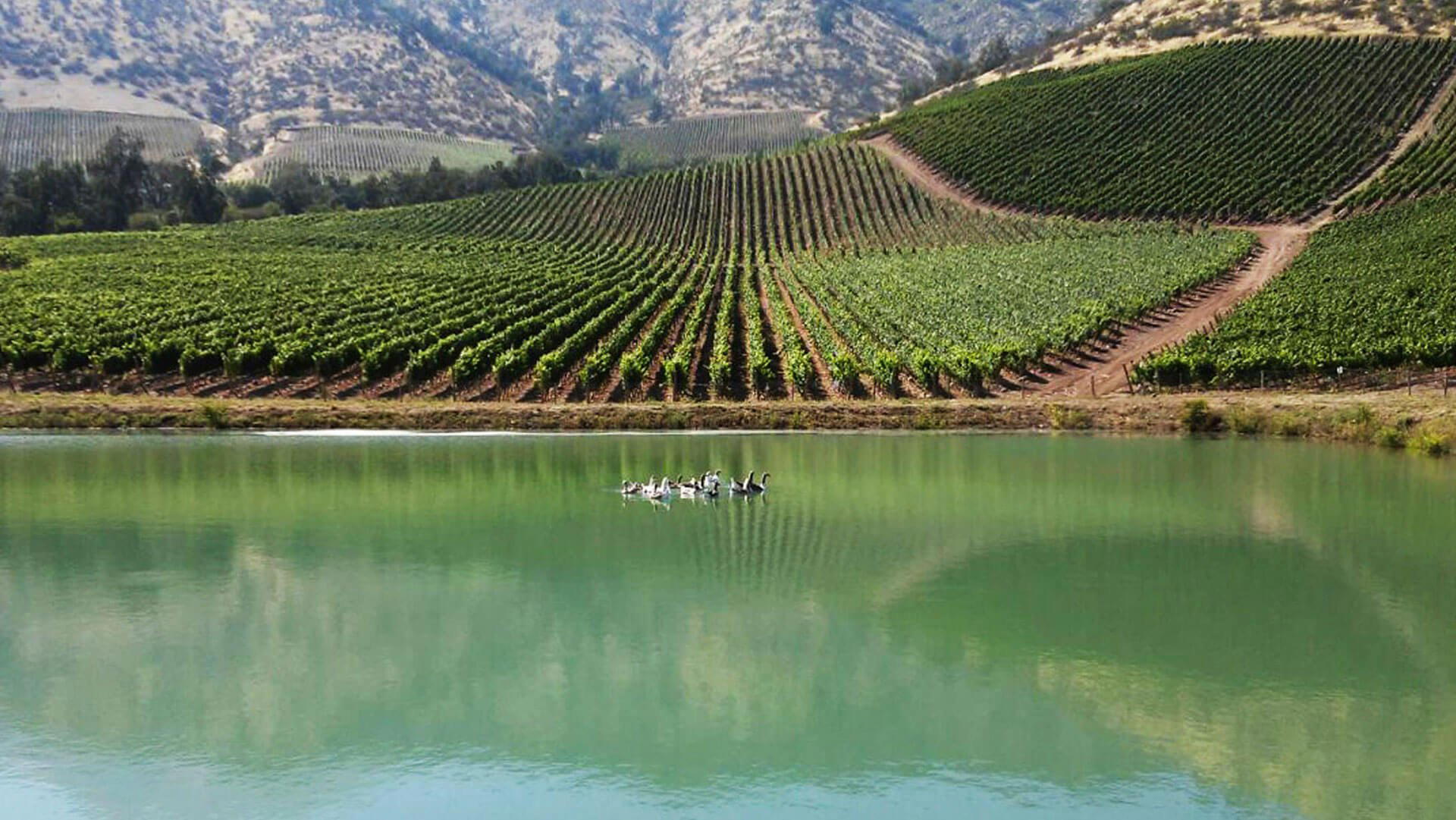
Maipo Valley and the Weight of Cabernet Country
Chile's central wine corridor runs south from Santiago through a series of sub-valleys where the Andes drain cold air overnight onto soils that retain afternoon heat. Isla de Maipo sits inside this corridor, in a section of the Maipo Valley where Cabernet Sauvignon achieves the mineral sharpness and structural definition that first put Chilean reds on European buying lists in the 1990s. The valley is not a romantic unknown — it is a working production region with decades of export history, a well-mapped road between Santiago and the Andes foothills, and a peer group of estates that ranges from high-volume commercial houses to smaller prestige-focused operations. Viña De Martino and Viña Tarapacá represent that range within the same sub-valley, and understanding where Viña Santa Ema sits among them is the first useful editorial task.
The Maipo Valley's prestige tier has consolidated around Cabernet-dominant programs that emphasize site specificity and restrained extraction — a shift away from the extraction-heavy style that dominated Chilean red exports twenty years ago. Estates in this tier tend to price against a Latin American prestige benchmark rather than against entry-level Chilean production, and they earn recognition through award bodies and allocation channels rather than supermarket placement.
For Chilean wine specifically, a rating at this level places Viña Santa Ema in a peer group that includes estates with serious export credibility and, typically, a defined range of varietal expressions suited to international critical attention.
Context from the broader Chilean prestige tier helps calibrate this. Across Chile's wine regions, 2025 has seen Pearl-level recognition extended to estates operating in very different geographical conditions: Viña Falernia in Vicuña, working with high-altitude Elqui Valley fruit; Viña Casa Silva in San Fernando, anchored in Colchagua's clay-heavy soils; and Viña MontGras in Palmilla, representing the western Colchagua corridor. Viña Santa Ema earns its place through production standards rather than through the Maipo Valley's inherited prestige.
The Isla de Maipo Address and What It Implies
The winery's registered address at Izaga 1096 in Isla de Maipo places it in the agricultural core of the sub-valley, away from the tourist-facing concentration of estates closer to Santiago. Isla de Maipo has historically been a production-first zone: its farms, irrigation channels, and winery buildings are working infrastructure, not designed for the choreographed visitor experience that some newer Chilean wine destinations have built around international tourism. That context matters when planning a visit. The estate sits approximately 45 kilometres southwest of central Santiago, accessible by car along the Ruta 78 corridor and then south into the agricultural flatlands where the Maipo River's influence on soil drainage becomes most pronounced.
The sub-valley character here differs from the higher-altitude sectors of Maipo closer to the Andes. Soils in Isla de Maipo tend toward alluvial deposits with gravel and clay layers, producing wines with structural weight and mid-palate density, characteristics that have historically suited Cabernet Sauvignon to long cellaring rather than early release. Estates choosing to work with this terroir are making an implicit argument about the style of wine they want to produce: the Isla de Maipo address is a position statement, not just a postal code.
Winemaking Orientation in a Valley with a Point of View
Maipo Valley has a strong institutional identity around Cabernet Sauvignon, and the estates that have maintained prestige-tier recognition here tend to be those that have resisted the temptation to dilute that identity with trend-driven varieties or aggressive commercial diversification. The valley's winemaking culture, shaped partly by early European investment and partly by the influence of enological schools in Santiago, has historically emphasised technical precision over rusticity: clean fermentations, structured tannin management, and cellar programs that give red wines time before release.
For a producer. What distinguishes estates at this level is usually the degree to which they have moved from technically correct to genuinely expressive, wines that reflect the specific drainage and temperature conditions of their blocks rather than simply meeting a category standard. The relevant comparison set for Viña Santa Ema includes not only its Isla de Maipo neighbours but also Maipo Valley producers operating from different sub-zones: Viña Santa Rita in Buin to the east, and Viña Undurraga in Talagante to the northwest. Each sub-valley position carries different alluvial histories, and the wines produced from each reflect those differences in ways that reward comparative tasting.
Chile's Prestige Tier in 2025: A Broader Pattern
Chilean wine's international position in 2025 is more differentiated than it was a decade ago. The country no longer competes primarily on value-for-money in the under-fifteen-dollar bracket; that market has been absorbed by competition from South Africa, Spain, and Argentina. The estates that have maintained international buyer attention are those that have built quality narratives around specific terroirs, reduced yields, and longer aging programs. Pearl-rated producers across Chile's regions, from Viña Seña in Panquehue and Viña Ventisquero in Santiago to Viña Valdivieso in Lontué, share this orientation toward quality-first positioning regardless of their regional base.
It is a producer that has earned recognition within a competitive national field rather than simply benefiting from the Maipo Valley's inherited name. For international visitors building a Chilean wine itinerary, that distinction matters: the Pearl tier represents a floor of seriousness, not a ceiling of ambition.
Planning Your Visit
Isla de Maipo is most accessible between October and April, when the road conditions through the agricultural zone are reliable and the harvest calendar between February and April offers the opportunity to observe production at its most active. The winery's address at Izaga 1096 is navigable by GPS from Santiago, with the drive running roughly 45 to 55 minutes depending on traffic leaving the city. Chile's wine regions have generally moved toward reservation-only visits at prestige-tier estates, so assuming walk-in access is inadvisable. For a broader orientation to the sub-valley's estates and dining options, our full Isla de Maipo guide maps the wider visitor context. Those extending a Chilean wine trip beyond Maipo should consider the contrast offered by El Gobernador (Miguel Torres Chile) in Curicó to the south, or the entirely different register of Pisco Alto del Carmen Distillery in Huasco for those tracking Chilean spirits alongside wine.
Pricing, Compared
Comparable venues nearby, for context on price, style, and recognition.
| Venue | Cuisine | Price | Awards | Notes |
|---|---|---|---|---|
| Viña Santa EmaThis venue — the venue you are viewing | Not listed | $20–30 | Not listed | Not listed |
| Viña De Martino | Not listed | $20–30 | Falstaff Winery - Listed | Isla de Maipo, Carmenère, Cabernet Sauvignon |
| Viña Tarapacá | Not listed | $150–200 | Not listed | Isla de Maipo, Cabernet Sauvignon, Carmenere |
| Balduzzi Winery | San Javier, Carmenere, Chardonnay | $10–20 | Not listed | Not listed |
| Viña Cousiño-Macul | Macul, Cabernet Sauvignon, Merlot | $20–30 | Falstaff Winery - Listed | Not listed |
| Bouchon Family Wines | Mingre, País, Carmenère | Not listed | Falstaff Winery - Listed | Not listed |
Continue exploring
More in Isla de Maipo
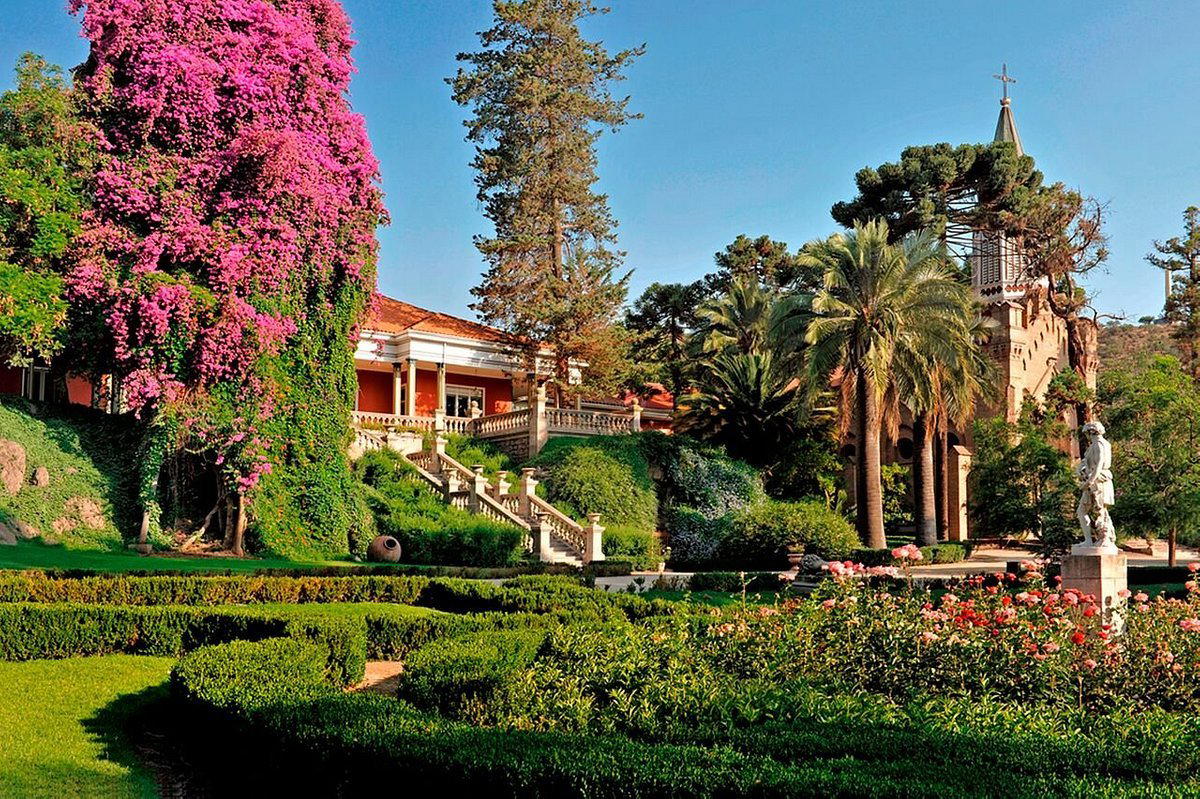
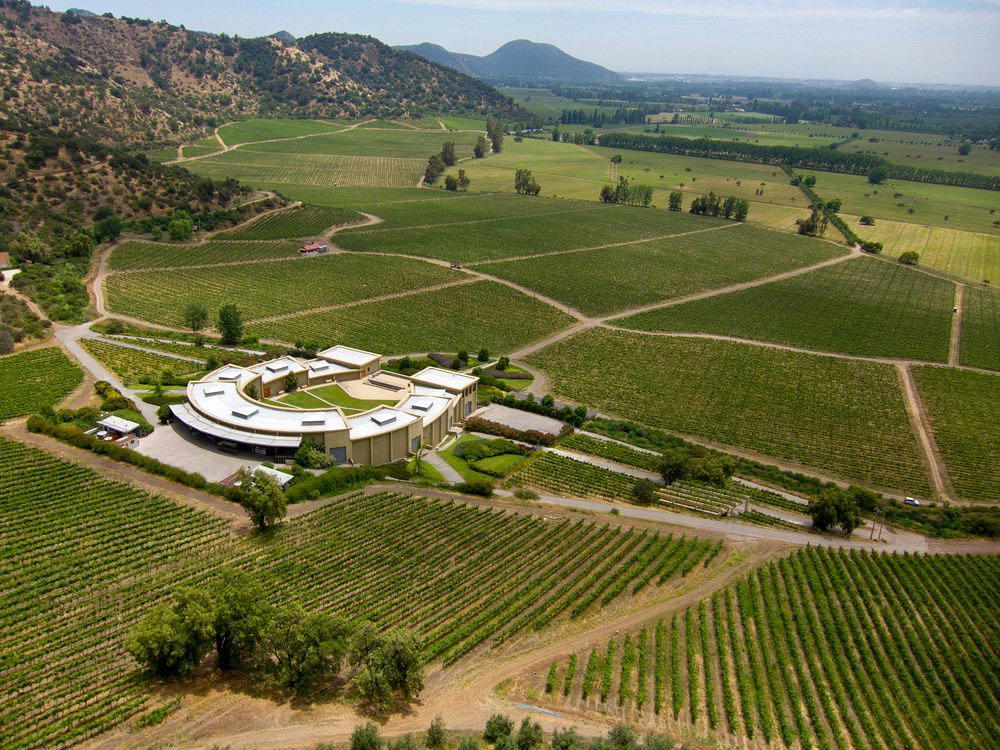
Wineries in Isla de Maipo
Browse all →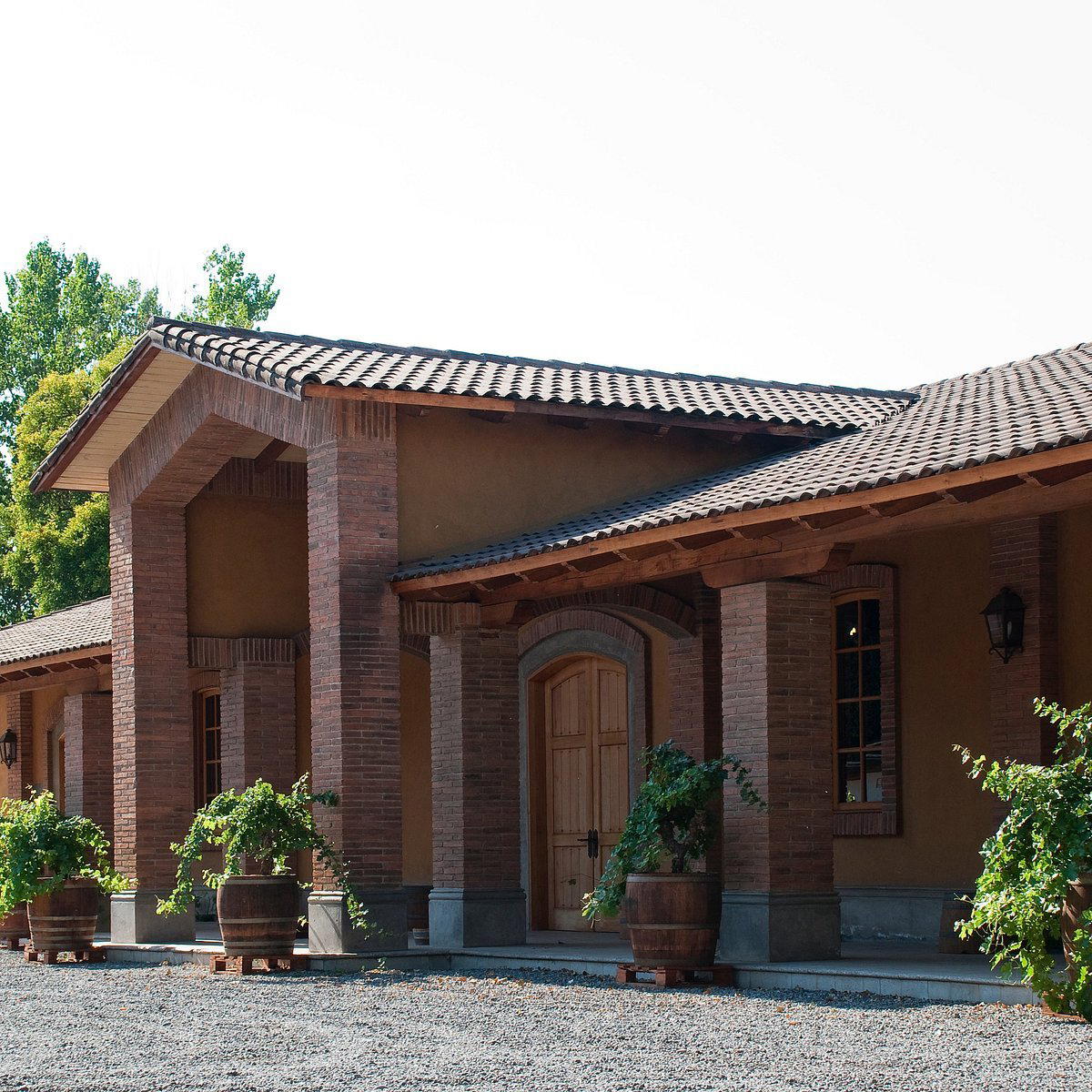
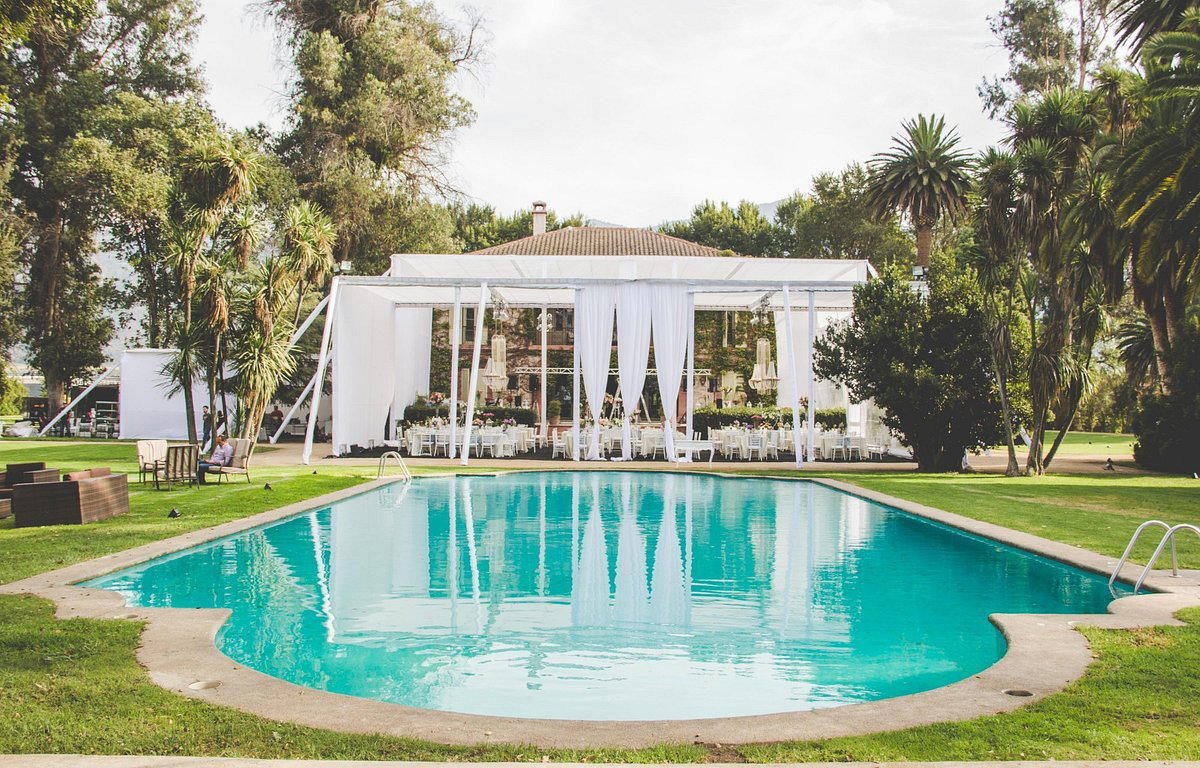
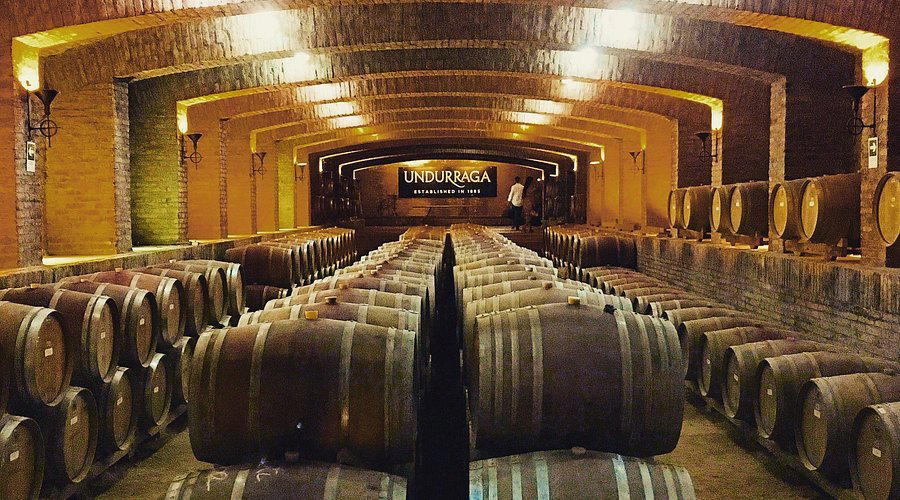
Bars in Isla de Maipo
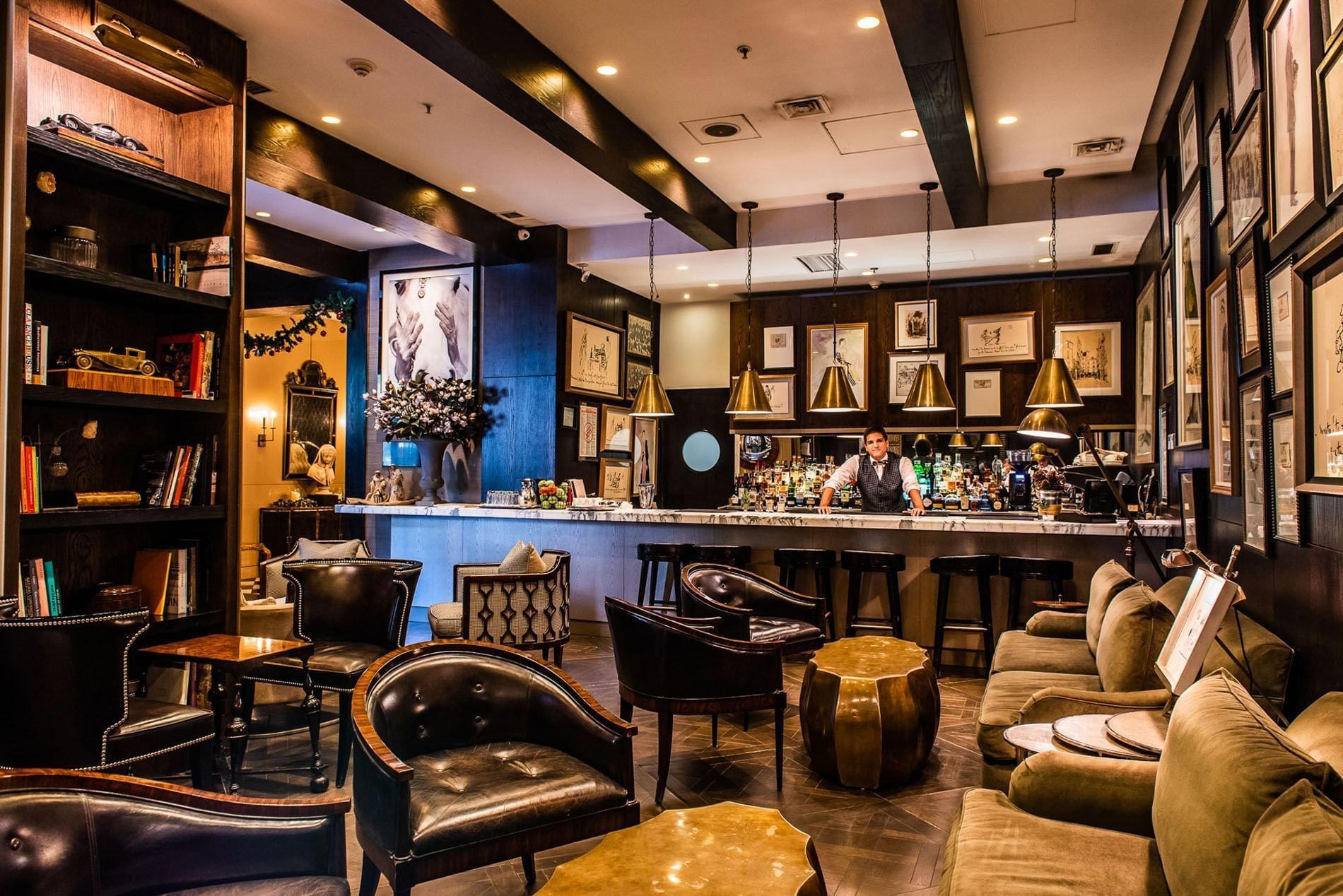
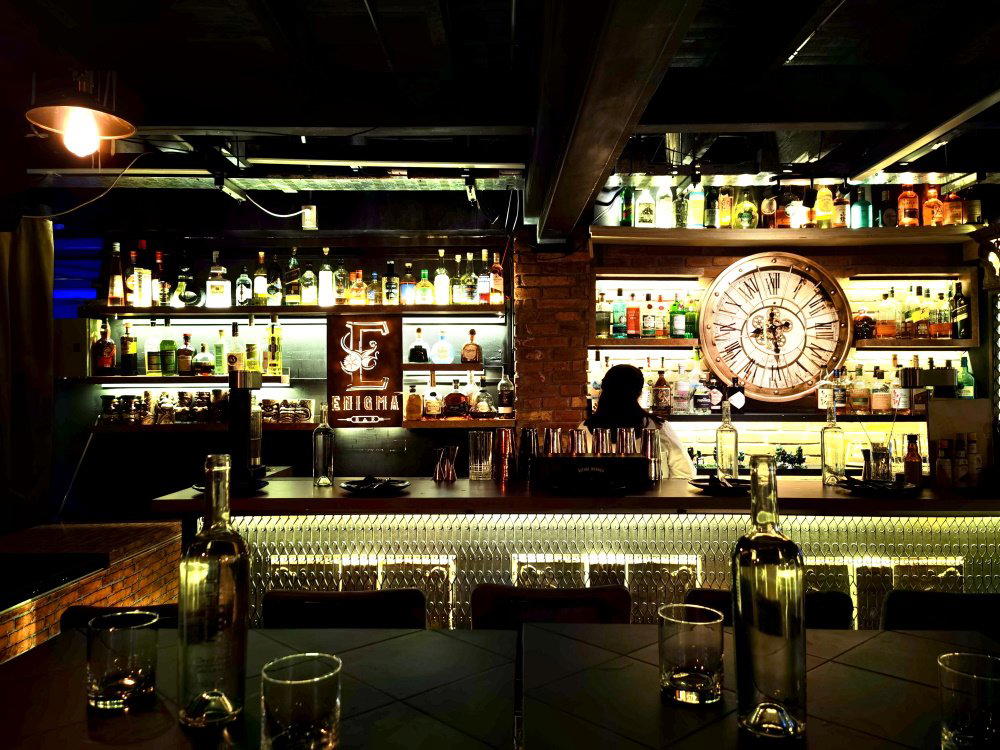
Browse all →

Restaurants in Isla de Maipo
Browse all →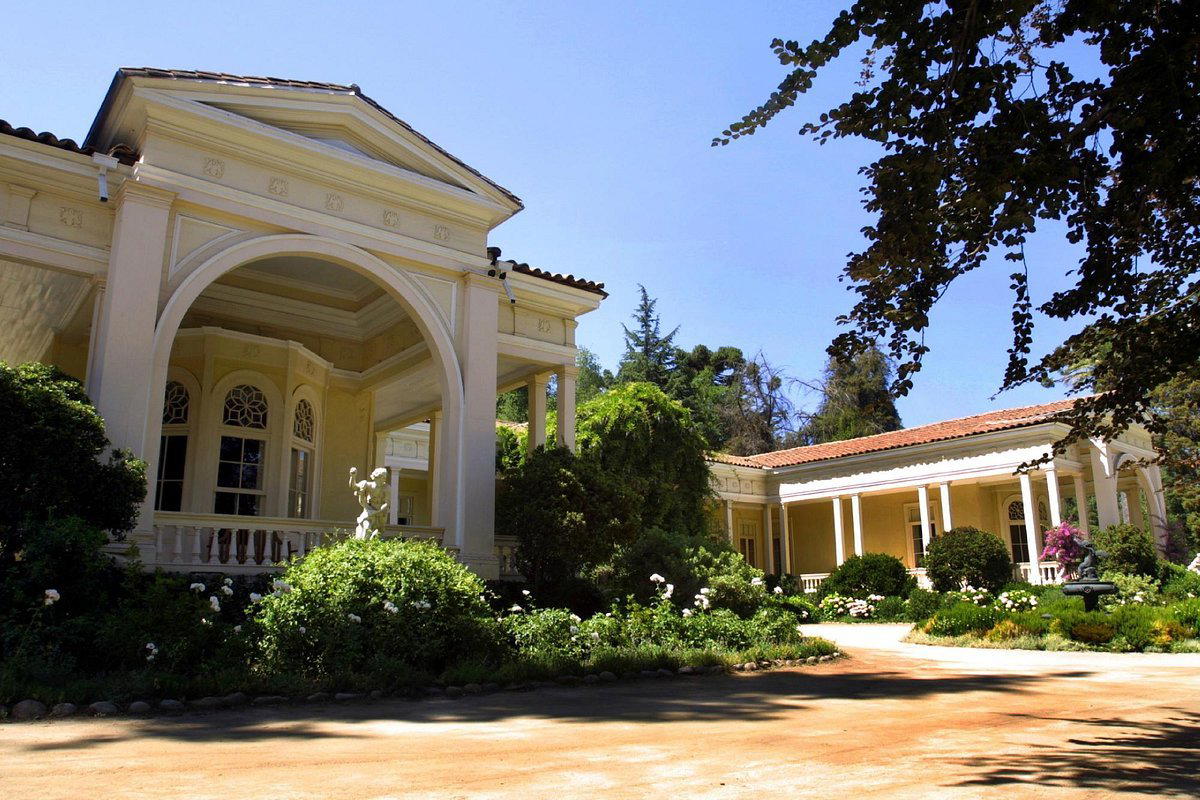


Details
- Rustic
- Scenic
- Classic
- Wine Education
- Group Outing
- Solo Exploration
- Vineyard Tour
- Barrel Room
- Sustainable
- Vineyard
- Mountain
- Cabernet Sauvignon
- Carmenere
- Merlot
- Pinot Noir
- Still Red
- Still White
- Still Rosé
- Guided Tasting
- Spanish
- English
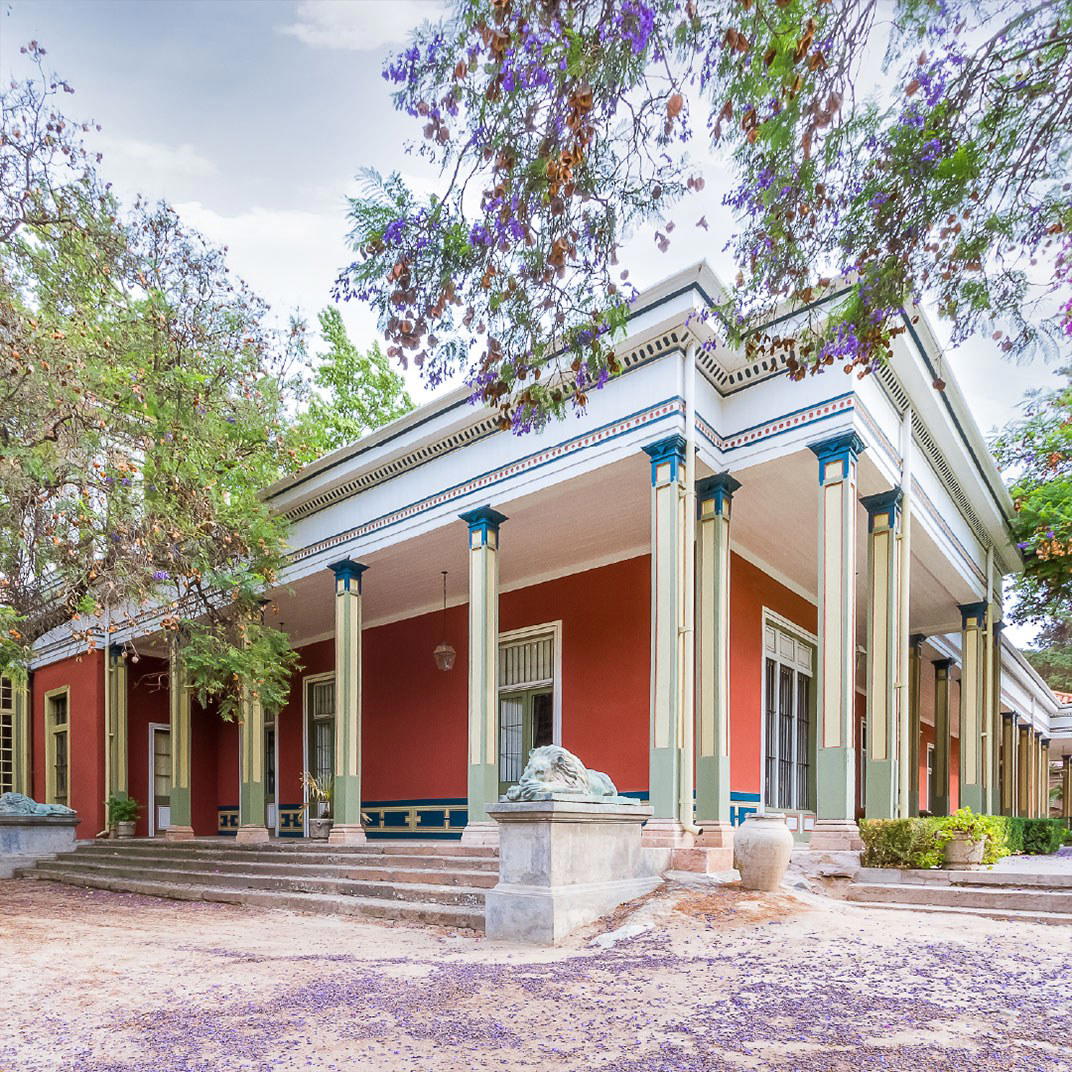
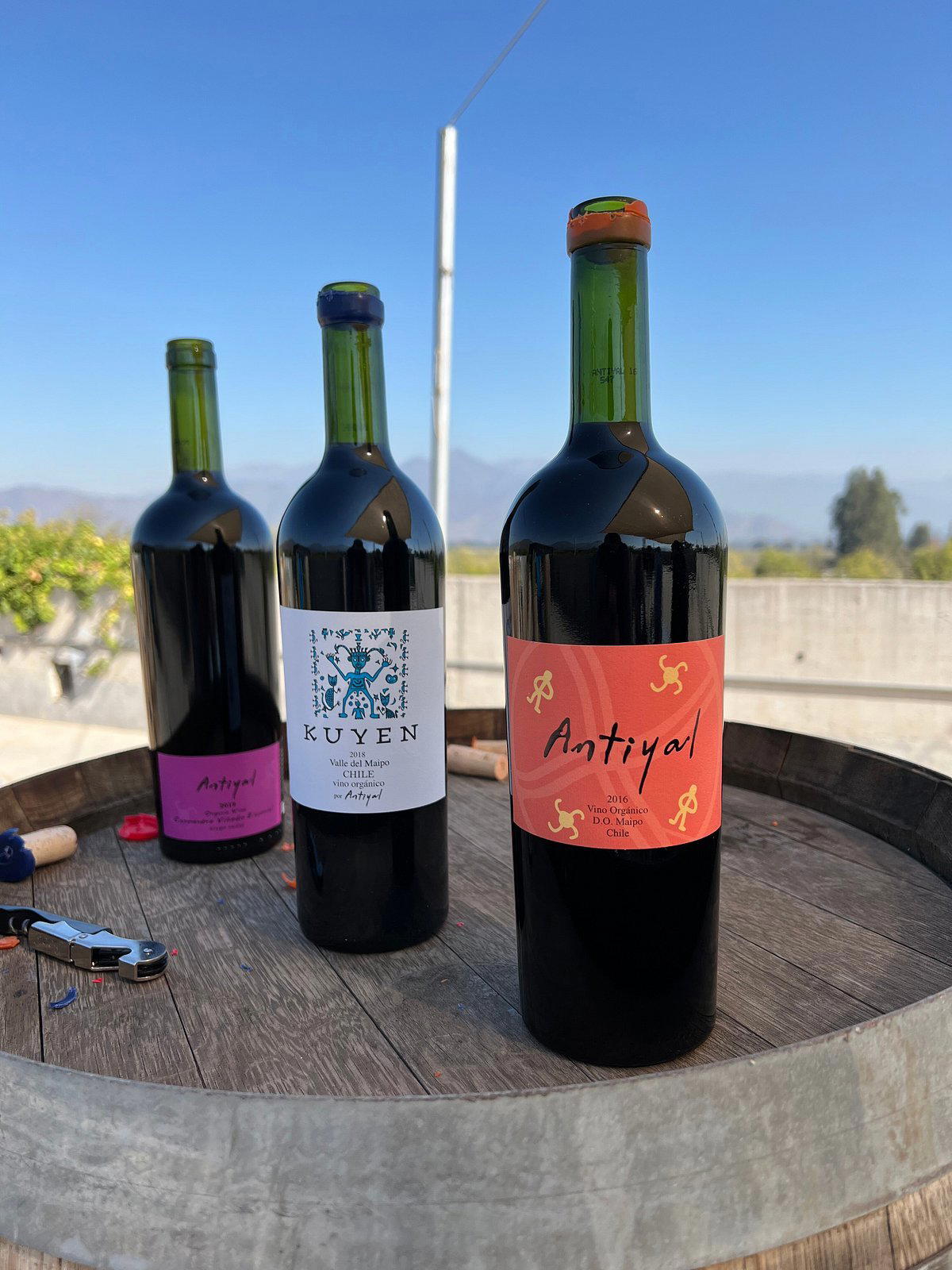
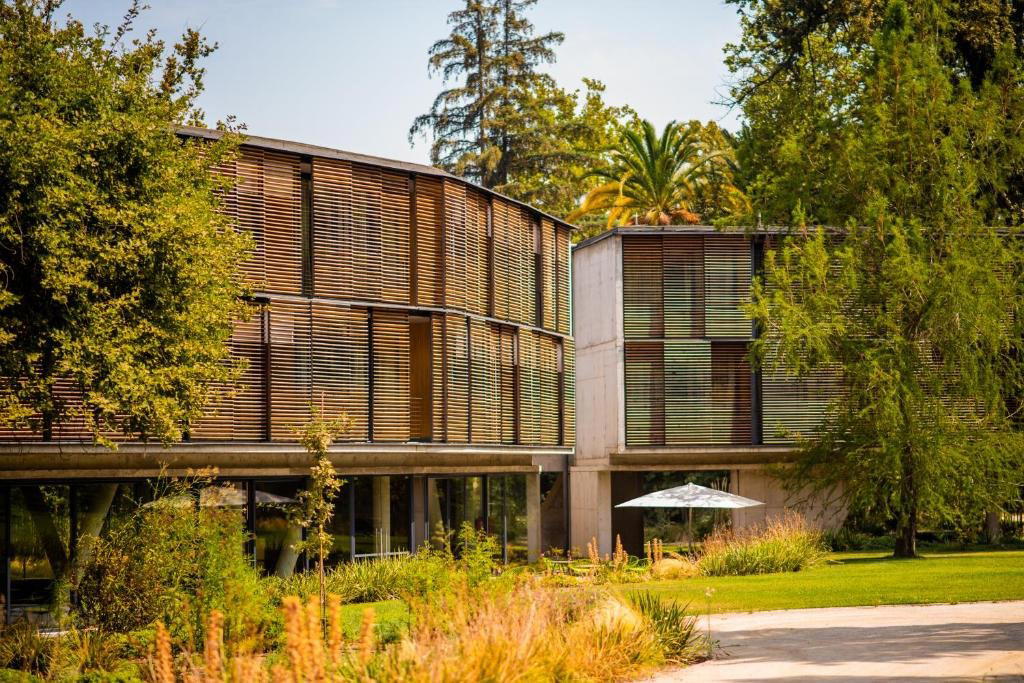
Modern and comfortable facilities surrounded by beautiful vineyards with extraordinary mountain views, offering a relaxed and scenic tasting atmosphere.