Ober occupies a address on Rijselstraat in Bruges, placing it within the city's quieter southern quarter rather than the canal-front tourist corridor. The restaurant sits in a Flemish dining scene where menu architecture increasingly defines a kitchen's identity, and where the gap between neo-bistro formats and structured tasting programs continues to narrow. For Bruges, that positioning is itself a statement.
Pearl is the En Primeur Club membership app — saves, bookings, and concierge access live there. Same editors, same standards.
- Address
- Rijselstraat 63, 8200 Brugge, Belgium
- Phone
- +3250111980
- Website
- ober-brugge.be
- Directions
- Get directions
 Saves & bookings on Pearl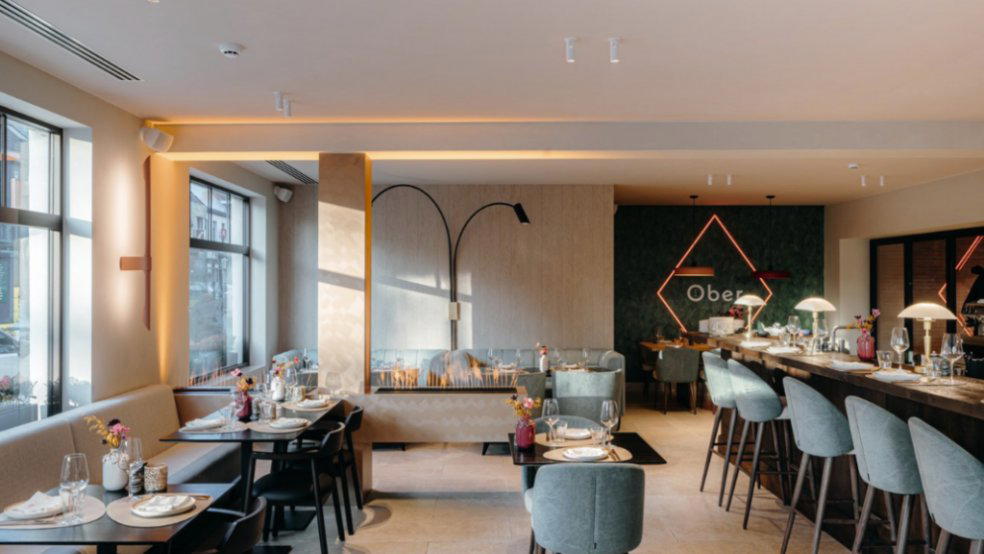
Rijselstraat and the Quiet End of Bruges Dining
Most of Bruges's better-known restaurants cluster around the Markt or within walking distance of the major canal circuits, where footfall guarantees covers and tourist euros soften the pressure to build a committed local following. Rijselstraat sits further south, in a residential stretch of Sint-Andries that functions more like a neighbourhood than a destination. That geography matters. Restaurants that survive on Rijselstraat do so because people seek them out, not because they happened to walk past. Ober, a Modern Belgian-French Bistro at Rijselstraat 63 in Brugge, occupies that earned-attention tier of the city's dining map.
Bruges is often read as a medieval stage set with food to match, a city where the architecture does the heavy lifting and the kitchens service the scenery. That reading underestimates what has developed here over the past decade. The city now holds a cluster of serious cooking addresses: Mémoire working the precise end of Modern French, Sans Cravate pushing Creative French in a more personal register, and Zet'Joe by Geert Van Hecke and De Karmeliet representing the established fine-dining bracket. Ober enters this scene from the southern edge, both literally and in terms of its positioning relative to those better-catalogued addresses.
What Menu Architecture Reveals About a Kitchen
In Flemish cooking right now, one telling signal about a restaurant's ambitions is not the ingredient list or the wine cellar, it is how the menu is structured. The region's most interesting kitchens have moved away from the à la carte model that dominated through the 1990s and early 2000s toward formats that assert a point of view: fixed tasting menus that control the narrative from first course to last, or shorter set formats that sit between bistro flexibility and the full omakase-style commitment demanded by Bruges's upper-tier addresses.
This structural shift reflects something broader happening across Belgian fine dining. At Boury in Roeselare and Hof van Cleve in Kruishoutem, the menu format is inseparable from the kitchen's identity, the sequence of courses is itself an argument about how ingredients should be experienced. Further afield, Zilte in Antwerp has built its reputation partly on how the menu's architecture frames the restaurant's relationship to the North Sea. Even coastal addresses like Bartholomeus in Heist and Willem Hiele in Oudenburg treat menu structure as a philosophical statement rather than a commercial convenience.
Ober sits within this same regional conversation. The address on Rijselstraat places it inside the Bruges scene without the institutional weight of the Markt-adjacent establishments, and that positioning typically correlates with a menu format that is either more experimental or more focused than the city's established dining rooms.
The Flemish Context That Surrounds It
Belgium's cooking culture has always operated in the shadow of French technique while being fed by different ingredients and a different relationship to informality. The neo-bistro wave that reshaped Paris in the 2010s arrived in Flemish cities with a slight delay but considerable force, producing a generation of kitchens that combine classical training with looser formats and shorter menus. Bruges felt that shift later than Ghent or Antwerp, in part because its tourism economy rewards the familiar, but the pressure from within the local dining community has been consistent.
Addresses like 't Apertje represent one response to that pressure: the neighbourhood-scale room that functions on quality and regularity rather than occasion dining. Ober on Rijselstraat reads as another kind of response, one that bets on the southern quarter of the city developing its own dining gravity separate from the canal-front circuit.
For context on what ambitious Belgian cooking looks like outside city limits, L'air du Temps in Liernu and d'Eugénie à Emilie in Baudour demonstrate how Wallonia handles the same tension between formality and accessibility. In Bruges, that tension plays out differently, shaped by a visitor economy that can support occasion dining but rarely builds the kind of regular local clientele that sustains a kitchen through menu evolution. De Jonkman in Sint-Kruis, just outside the city, has navigated that dynamic by positioning itself as a destination that the city's dining scene orbits rather than one that orbits the city. Ober's Rijselstraat address suggests a different strategy: embed in the residential city and earn the neighbourhood.
Where Ober Sits in a Broader Belgian Frame
At the international reference level, the structural ambitions of Belgian fine dining have parallels in rooms like Le Bernardin in New York City, where menu architecture is understood as a primary expression of kitchen philosophy, or Atomix in New York City, where the sequence and framing of courses carries as much meaning as the dishes themselves. Those comparisons are generational and scale rather than direct, but they point to a global conversation about what menu structure communicates that Flemish kitchens are actively participating in. Closer to home, Bozar Restaurant in Brussels and Castor in Beveren each represent distinct positions within that Belgian strand of the argument.
What is clear is that Rijselstraat 63 exists in a city with a serious and evolving dining scene, in a country whose kitchens have been producing cooking of European consequence for decades, and in a neighbourhood that rewards kitchens willing to build slowly rather than capitalise on location alone.
Planning a Visit
Ober is at Rijselstraat 63 in Sint-Andries, the southern residential quarter of Bruges, a twenty-minute walk from the Markt and more easily reached from Bruges station than from the canal-front tourist zone. Reservations are recommended. For a broader orientation to what the city offers, the EP Club Bruges restaurants guide maps the full range of addresses across price points and cooking styles.
Standing Among Peers
Comparable venues nearby, for context on price, style, and recognition.
| Venue | Cuisine | Price | Awards | Notes |
|---|---|---|---|---|
| OberThis venue — the venue you are viewing | Modern Belgian-French Bistro | $$$ | Not listed | Not listed |
| Den Gouden Harynck | French-Inspired Fine Dining | $$$$ | Not listed | Historic Center |
| Laissez-Faire | Modern French Bistro | $$$ | Not listed | St. Pieters |
| Franco Belge | Modern French-Belgian | $$$ | Michelin Plate | St-Anna |
| Mosh | Artisanal Smashburgers | $$ | Not listed | Sint-Jansplein |
| Rombaux | Modern French Bistro | $$$ | Not listed | Sint-Kruis |
Continue exploring
More in Bruges
Restaurants in Bruges
Browse all →
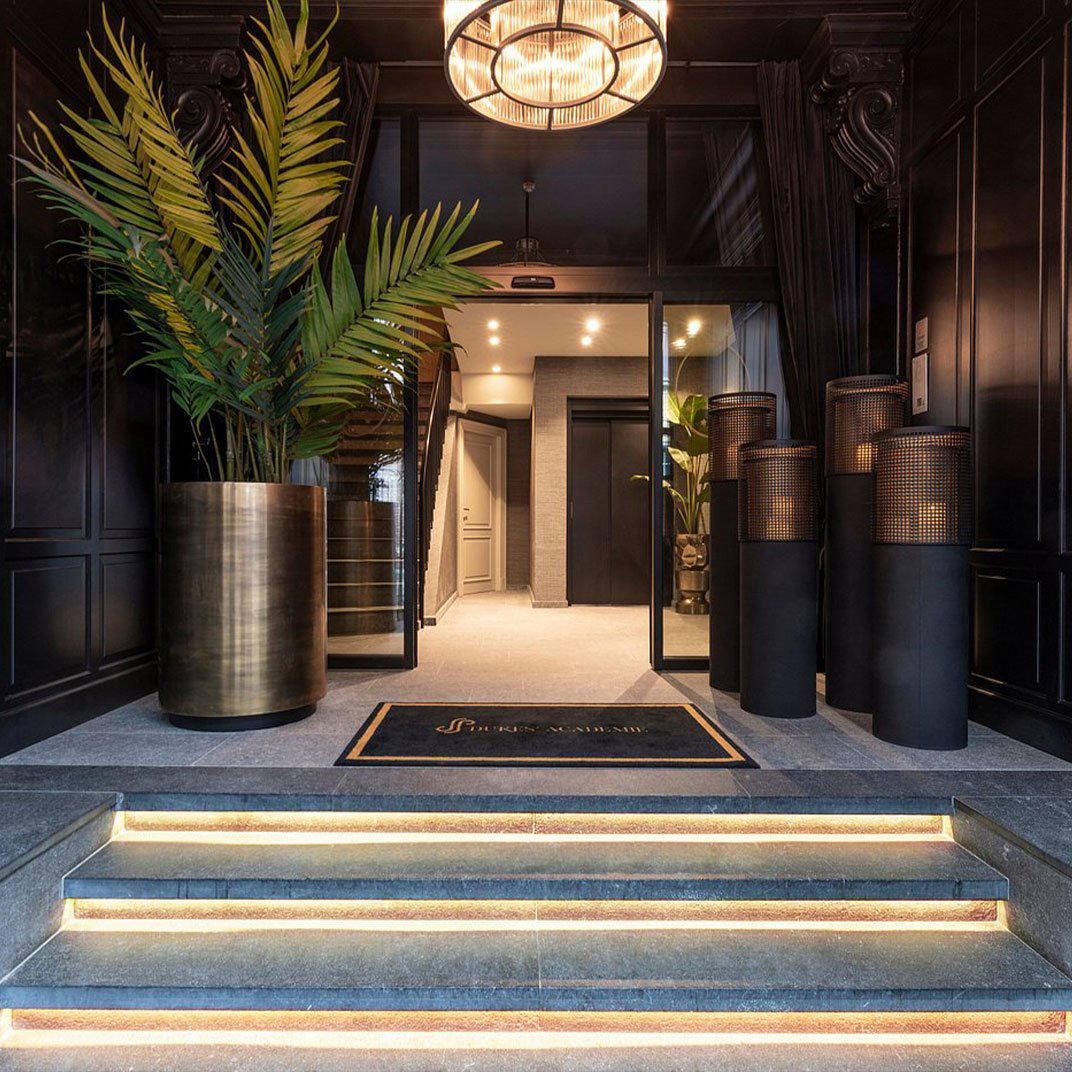
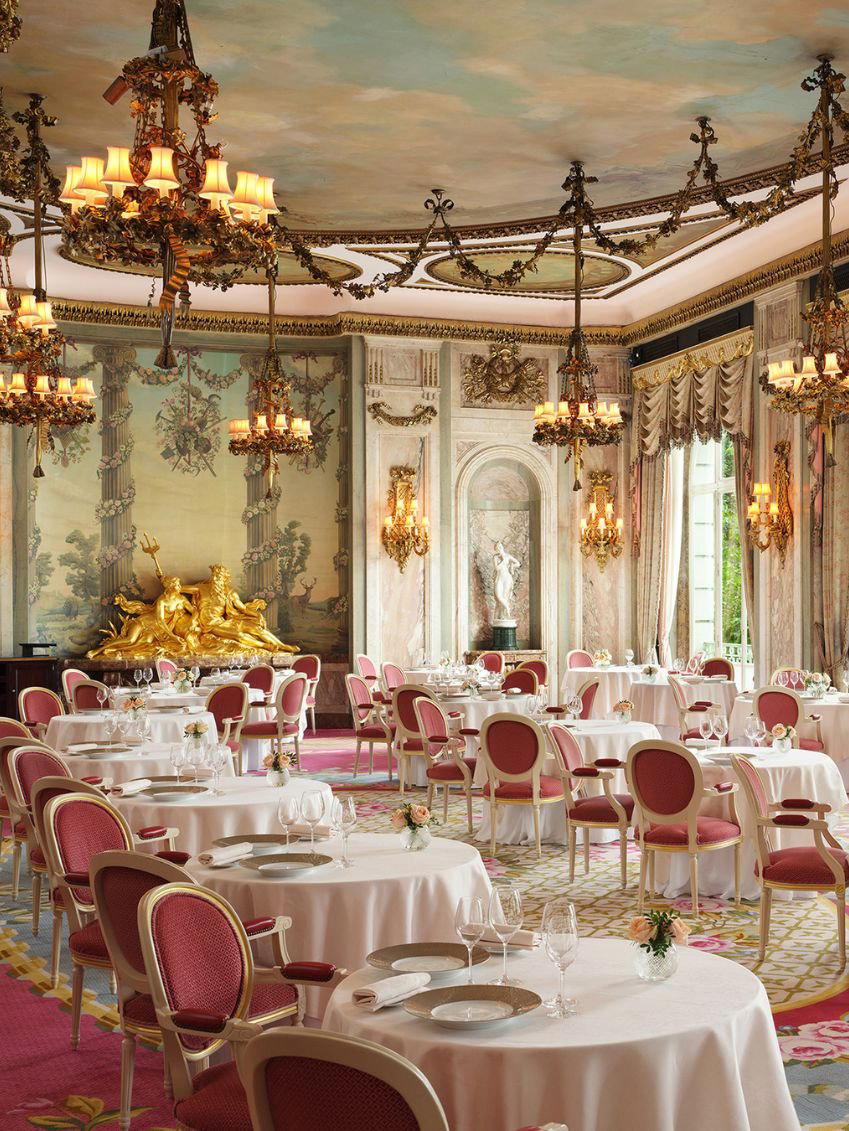
Bars in Bruges
Browse all →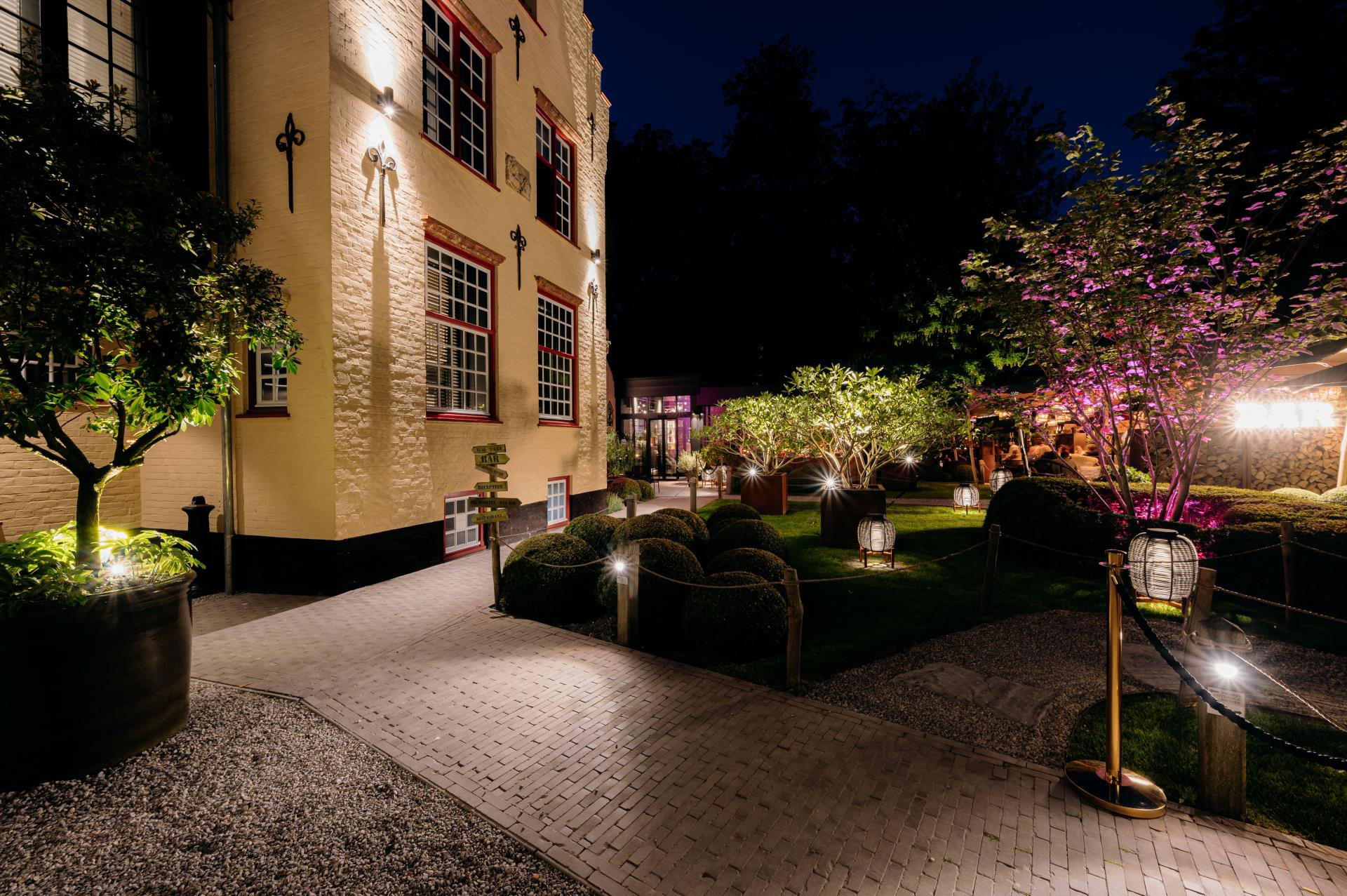
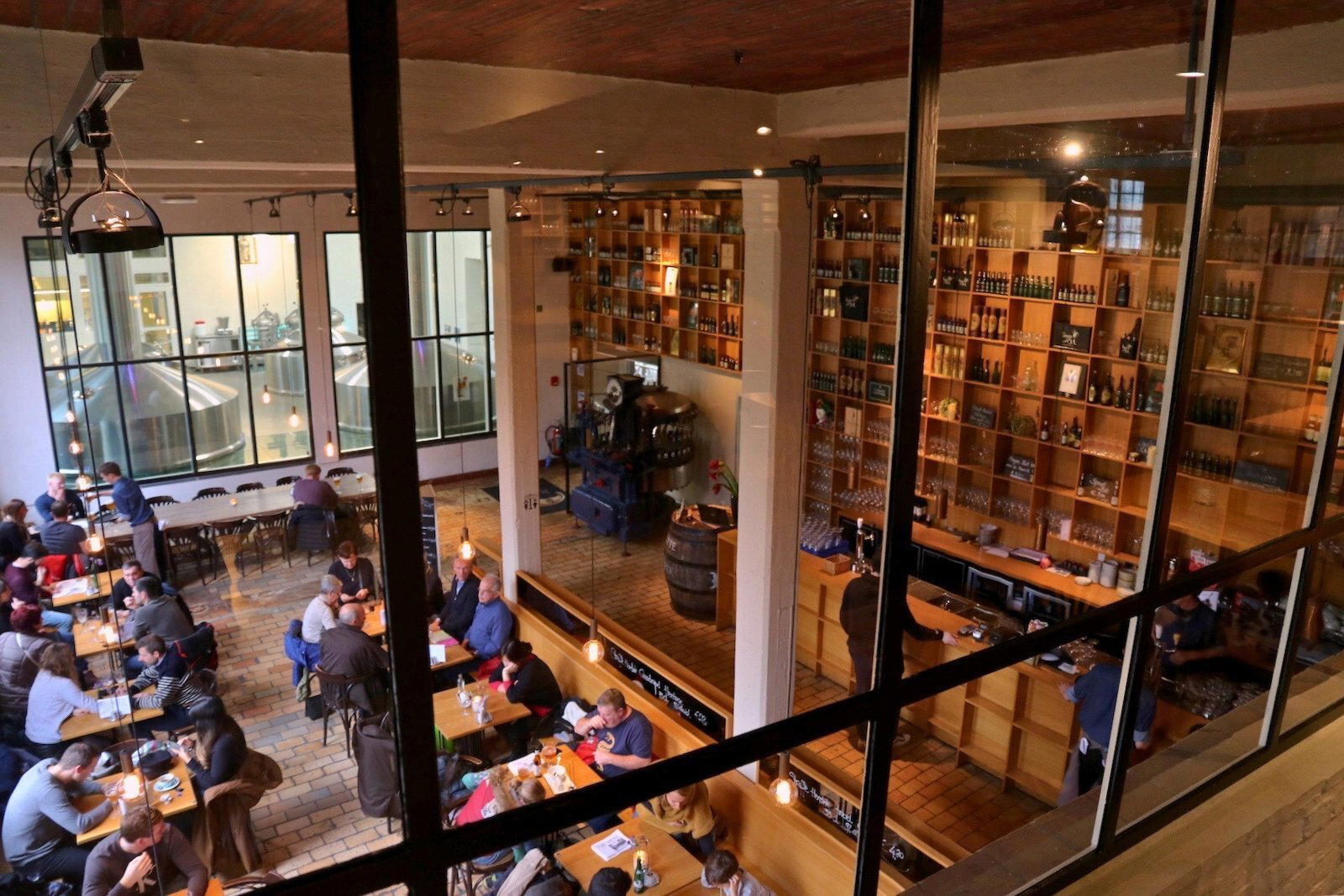
Hotels in Bruges
Browse all →
Wineries in Bruges
Browse all →
At a Glance
- Cozy
- Romantic
- Sophisticated
- Date Night
- Business Dinner
- Casual Hangout
- Standalone
- Beer Program
- Local Sourcing
Current opening hours
- Monday
- Closed
- Tuesday
- 12–2 PM, 6:30–8:30 PM
- Wednesday
- 12–2 PM, 6:30–8:30 PM
- Thursday
- 12–2 PM, 6:30–8:30 PM
- Friday
- 12–2 PM, 6:30–8:30 PM
- Saturday
- 12–2 PM, 6:30–8:30 PM
- Sunday
- Closed
Hours can change for holidays and private events. Last verified .
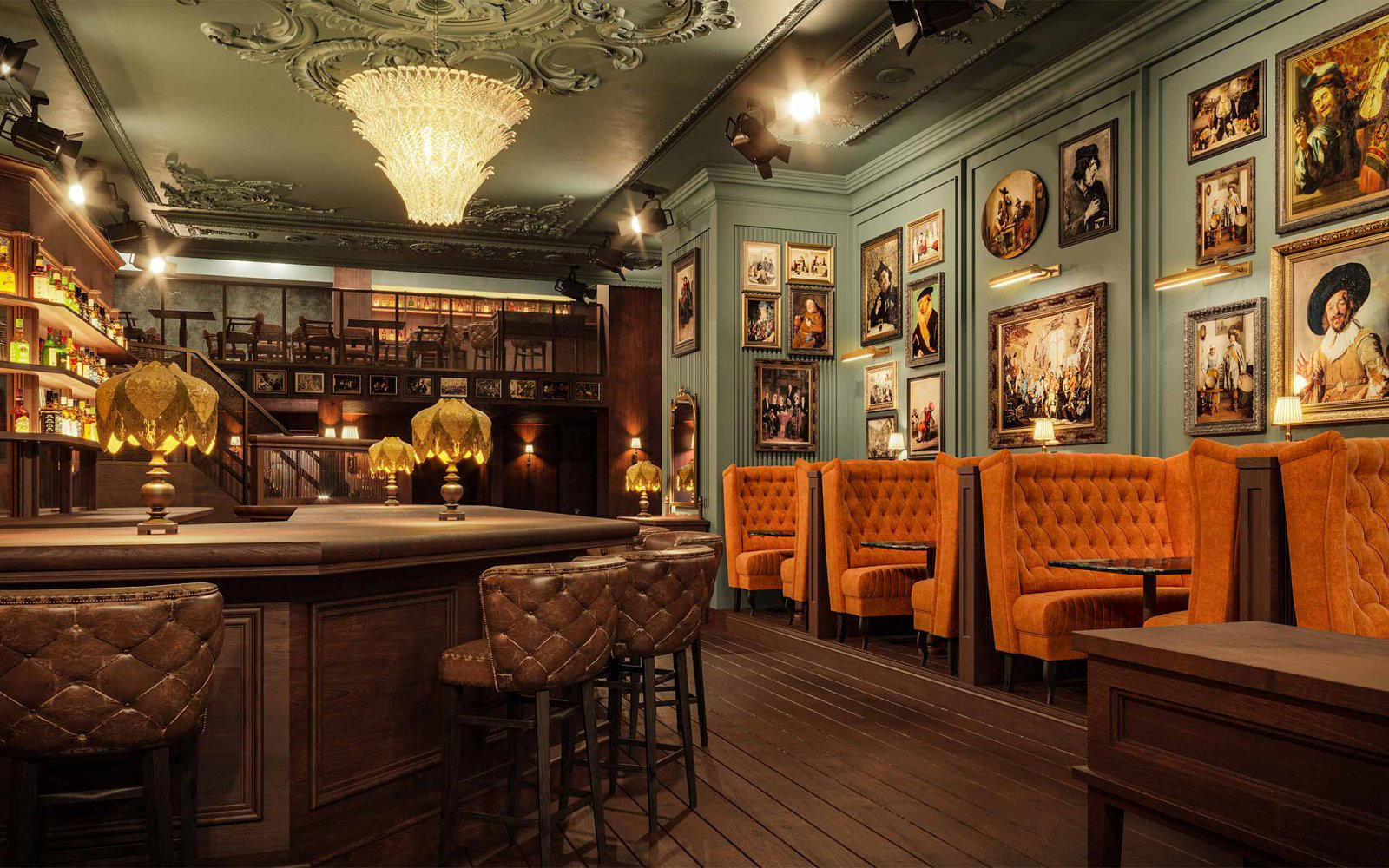
Welcoming and atmospheric, with a cozy setting suited to romantic dinners, meals with friends, and business dinners.