

1 Michelin Star
Our verdict
A Michelin-starred address on the quiet edge of Bruges, Goffin has held its star through 2024 and 2025 while earning an Opinionated About Dining Casual in Europe Highly Recommended citation. Chef Timothy Goffin works within a modern Belgian framework, operating tight lunch and dinner sittings across a four-day week that signals deliberate restraint over volume.

Pearl is the En Primeur Club membership app, where members save venues, book tables and use the concierge.
The menu
What to order
- Pigeon BBQ with green cabbage, celeriac, truffle and croquette
- Langoustine carpaccio with pickled vegetables and herring eggs
- Turbot with endive and lobster béarnaise
A Quiet Road, a Serious Kitchen
Maalse Steenweg is not where most visitors to Bruges expect to find a Michelin-starred kitchen. The road runs through Sint-Kruis, a calm residential commune that sits just beyond the historic canal ring, where the city's tourist density drops sharply and the surroundings shift to domestic Flemish scale: modest facades, neighbourhood rhythm, no performance of grandeur. Arriving at number 2, there is no grand entrance to decode. What the address communicates instead is a deliberate removal from the theatre that surrounds so much fine dining in historic Belgian cities, and that removal is part of the proposition.
That restraint is consistent with a broader pattern in contemporary Belgian cooking. Over the past decade, a generation of chefs has moved toward smaller, more personal formats, prioritising control over capacity. Goffin sits squarely in that cohort: the operating schedule alone, running four days per week with tightly compressed lunch and dinner windows, signals a kitchen that is managing output rather than chasing covers.
Belgian Cooking at Its Quieter End
Belgian cuisine occupies an unusual position in European gastronomy. It has world-recognised credentials, three-starred houses like Boury in Roeselare and multi-starred addresses like De Jonkman nearby in Sint-Kruis itself, yet it rarely receives the sustained international attention that French or Scandinavian cooking generates. Part of that is geography; part is a cultural tendency to understate. The country's leading restaurants often operate with a quiet confidence that does not translate well to global marketing cycles, which means the gap between local reputation and international recognition is frequently wider here than elsewhere.
Modern Belgian cuisine, as Goffin practices it, tends to work from a foundation of regional produce and classical technique while allowing contemporary influence to enter without announcement. This is distinct from the more theatrical creativity found in houses like Castor in Beveren or Cuchara in Lommel, both of which operate at the €€€€ tier with two Michelin stars and a more overt creative posture. Goffin's pricing at €€€ positions it a tier below those addresses in cost, which is relevant context: maintaining a Michelin star at that price point requires a tightly disciplined kitchen with minimal margin for waste or inconsistency.
The cultural roots of Belgian cooking are often traced through two threads: the French influence, which runs through classical technique, sauce work, and a respect for produce provenance; and the Flemish tradition, which brings a more direct, ingredient-led sensibility, a preference for the land and the sea over architectural abstraction. Goffin's classification as Belgian and Modern Cuisine suggests both threads are present, though the modern framing indicates the kitchen is not constrained by either one in isolation. That reading aligns with the OAD Casual in Europe Highly Recommended designation from 2023, a citation that tends to recognise cooking where skill is evident but the register is deliberately approachable rather than ceremony-led.
What the Awards Signal
Consecutive Michelin stars in 2024 and 2025 confirm the kitchen is consistent, not lucky. A single star retained across two cycles in the current Michelin framework indicates a house that has absorbed the initial scrutiny and maintained its standard, which is a harder achievement than the first recognition itself. Many one-star addresses in Belgium and France hold that single star for years without progress and without regression; they occupy a stable middle ground in the country's fine dining architecture.
The OAD Casual in Europe citation adds a different layer. Opinionated About Dining draws on a community of experienced diners rather than the anonymous inspector model, and its Casual Europe list specifically tracks restaurants where the cooking quality is high but the format does not require formal-dining comportment. Being recommended in that context in 2023 suggests Goffin built its reputation partly on accessibility of manner, not just quality of plate. That combination, Michelin's consistency signal alongside OAD's accessibility signal, is a fairly precise descriptor of where this kitchen sits in the Belgian field.
For a wider map of Belgian fine dining, Hof van Cleve in Kruishoutem and Zilte in Antwerp represent the upper tier, while addresses like Willem Hiele in Oudenburg and Bartholomeus in Heist demonstrate the coastal Flemish variant of the same modern Belgian impulse. Goffin is closer in register to those coastal addresses than to the grand multi-starred houses, even if its geography is inland.
Internationally, the model of a tightly run, owner-chef kitchen earning and sustaining a single Michelin star at the accessible end of fine dining pricing echoes what has become a recognised format in cities from New York to Tokyo. The discipline required to hold that position, where the starred expectation must be met without the financial buffer of a multi-course tasting menu at premium price, is worth noting when considering what Goffin has built.
The Sint-Kruis Context
Sint-Kruis as a dining destination is small but not accidental. The commune has both Goffin and De Jonkman within its boundaries, the latter a two-starred address operating at the €€€€ level with a Modern Flemish and Creative designation. Having two starred addresses in a residential commune of this scale reflects a pattern visible in other parts of Flanders, where chefs have chosen to open outside city centres where property and operating costs are lower, often at the cost of walk-in trade but with the benefit of a committed, destination-driven clientele.
Bistro Rombaux adds a modern French dimension to the local offer, giving the area a short but credible restaurant strip for those spending time around Bruges. The city itself, while visited primarily for its medieval architecture and canal network, supports a dining scene that extends well beyond the tourist-facing addresses in the Markt and Burg areas. For visitors with the inclination to move a few kilometres east, the picture changes considerably.
For a full account of what the area offers beyond restaurants, the Sint-Kruis restaurants guide, hotels guide, bars guide, wineries guide, and experiences guide cover the wider commune in detail.
Planning a Visit
The operating schedule at Goffin requires attention. The kitchen serves lunch and dinner on Monday, Tuesday, Thursday, and Friday only, with the restaurant closed Wednesday, Saturday, and Sunday. Lunch sittings run from noon to 1pm; dinner sittings from 7pm to 7:30pm. Those compressed windows, particularly the 30-minute dinner start window, point to a single-sitting format for each service, which is standard practice in this category of Belgian restaurant but demands advance planning from visitors. Arriving in Bruges mid-week and assuming availability is a reasonable mistake to make once. The address is at Maalse Steenweg 2, 8310 Brugge, in the Sint-Kruis commune, accessible by car from central Bruges in under ten minutes. Booking well ahead is advisable for both lunch and dinner across all four operating days.
Those with a broader appetite for Belgian fine dining at similar or higher tiers might cross-reference Bozar Restaurant in Brussels for the capital's version of this modern-Belgian register, or look internationally at Le Bernardin in New York and Atomix in New York for benchmarks of what sustained recognition at the top of a defined culinary category looks like across different markets. The comparisons are not direct, but they illustrate how Goffin's combination of consistency, accessibility, and deliberate format discipline maps to a recognisable type of serious restaurant operating at a register below the headline multi-starred tier.
Frequently asked questions
When is Goffin open?
Hours at Goffin: Hours: Monday 12–1 pm, 7–7:30 pm Tuesday 12–1 pm, 7–7:30 pm Wednesday Closed Thursday 12–1 pm, 7–7:30 pm Friday 12–1 pm, 7–7:30 pm Saturday Closed Sunday Closed.
Is Goffin award-winning?
Goffin has received recognition including: Michelin 1 Star (2025); Michelin 1 Star (2024); Opinionated About Dining Casual in Europe Highly Recommended (2023).
What do regulars order at Goffin?
The kitchen is classified as Belgian and Modern Cuisine, and given the narrow service windows, lunch seatings at 12–1 pm and dinner at 7–7:30 pm across just four days a week, the format points firmly toward a set or tightly structured menu rather than à la carte choice. That operating rhythm, combined with two consecutive Michelin stars in 2024 and 2025, suggests the kitchen works within a fixed progression where the chef determines the direction. Specific dish details are not published, so the practical approach is to arrive without a fixed agenda and follow the menu as it runs.
Cuisine Context
| Venue | Cuisine | Price | Awards | Notes |
|---|---|---|---|---|
| GoffinThis venue (the venue you are viewing) | Modern French-Belgian Fine Dining | $150–200 | 1 Michelin Star | Not listed |
| Boury | Creative French Fine Dining | $300–500 | 3 Michelin Stars · La Liste Top Restaurants | Modern Frlemish, Creative French |
| Comme chez Soi | French - Belgian, Classic Cuisine | Not listed | Michelin 1 Star | Not listed |
| De Jonkman | Modern Flemish Seafood Fine Dining | $100–150 | 2 Michelin Stars · La Liste Top Restaurants | Modern Flemish, Creative |
| L'Eau Vive | Modern French Fine Dining | $150–200 | 2 Michelin Stars · La Liste Top Restaurants | French, Modern French |
| La Durée | Modern French Fine Dining | $150–200 | 2 Michelin Stars · La Liste Top Restaurants | French-Belgian, Creative |
Recognition history
Dated appearances from independent guides and award organizations, with the underlying list record or original source where available.
Michelin 1 Star
Michelin
Opinionated About Dining Casual in Europe Highly Recommended
Opinionated About Dining
Full recognition history (4 entries)
Michelin 1 Star
Michelin
Michelin 1 Star
Michelin
Continue exploring
More in Bruges
Restaurants in Bruges
All restaurants in Bruges →
Bars in Bruges
All bars in Bruges →
Hotels in Bruges
All hotels in Bruges →
Wineries in Bruges
Browse all →
Details
- Intimate
- Elegant
- Sophisticated
- Cozy
- Date Night
- Special Occasion
- Celebration
- Open Kitchen
- Standalone
- Private Dining
- Sommelier Led
- Byob
- Local Sourcing
- Tasting Menu
- Set Menu
- Wine Pairing
- Homemade Juices
- Allergy Accommodating
Current opening hours
- Monday
- 12–1 p.m., 7–7:30 p.m.
- Tuesday
- 12–1 p.m., 7–7:30 p.m.
- Wednesday
- Closed
- Thursday
- 12–1 p.m., 7–7:30 p.m.
- Friday
- 12–1 p.m., 7–7:30 p.m.
- Saturday
- 7–7:30 p.m.
- Sunday
- Closed
Hours can change for holidays and private events. Hours as of .
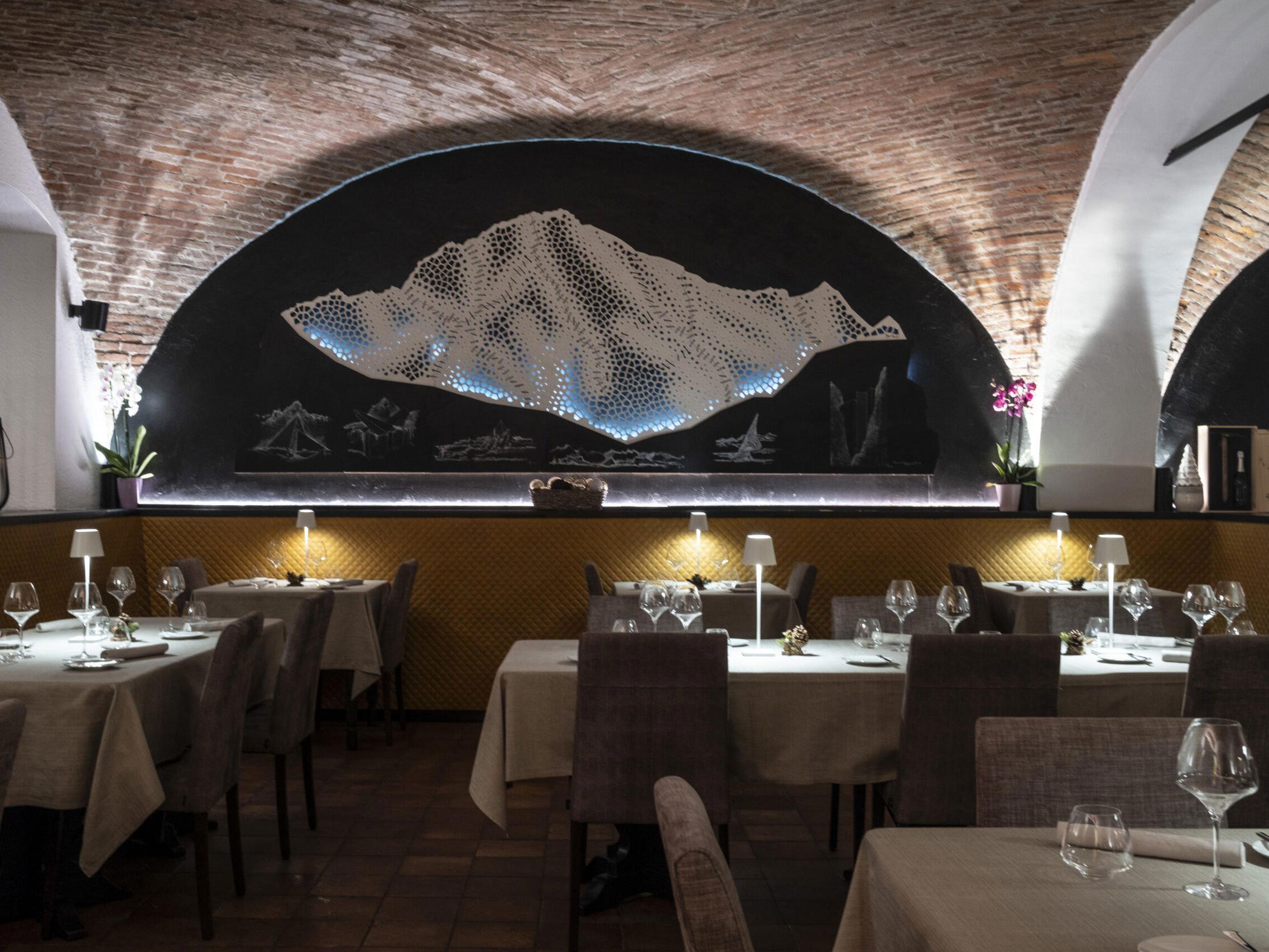
Elegant and spruce with dark walls, modern art, and vintage tiled floor; intimate and peaceful with generous spacing between tables and pleasant ambient music.