Oak and Honey
Our verdict
On North Broadway in Lakeview, Oak and Honey occupies a neighbourhood tier that Chicago's sustainability-forward dining scene has been quietly building for years. Where the city's marquee progressive tables concentrate on technical spectacle, this address takes a different position, one where sourcing provenance and low-waste kitchen practice carry as much editorial weight as technique. Worth tracking for travellers whose dining priorities extend beyond the Michelin shortlist.

Pearl is the En Primeur Club membership app, where members save venues, book tables and use the concierge.

The menu
What to order
- Almond Croissant
- Short Rib
- Oak & Honey Beef Burger
- Duck au Jus
Lakeview's Quieter Argument for Ethical Sourcing
The stretch of North Broadway running through Lakeview has never competed with the West Loop for column inches, and that relative anonymity is part of what defines it. This is a neighbourhood where restaurants tend to earn their regulars through consistency and conviction rather than through opening-week press. Oak and Honey, at 3124 N Broadway, occupies that context: a dining room that reads as considered rather than theatrical, in a part of the city where that distinction still matters to the people choosing where to spend their Tuesday evenings.
Chicago's sustainability story in dining is not new, but it has split into two legible tiers over the past decade. At the upper end, you have farm-partnership programs attached to tasting-menu restaurants where sourcing is a branded narrative and the price point reflects it. Alinea, Smyth, and Oriole all operate in that bracket, where the progressive American table has become Chicago's most internationally recognised dining export. Below that, and often more interesting for what it reveals about a city's actual food culture, are the neighbourhood rooms where ethical sourcing is a kitchen practice rather than a marketing line. Oak and Honey positions itself in this second tier.
The Sustainability Frame: What It Actually Means on North Broadway
Across American dining, the language of sustainability has been so thoroughly absorbed into restaurant marketing that it has lost most of its signal value. The meaningful distinction now is between venues that use sustainability as a descriptor and those that build their operational logic around it. The latter group tends to share a few legible characteristics: shorter menus with higher ingredient rotation, supplier relationships that precede the menu rather than following it, and a willingness to work with whole animals or secondary cuts in ways that tasting-menu formats rarely permit.
This operational approach has genuine precedents at the upper end of American dining. Blue Hill at Stone Barns in Tarrytown made the farm-to-table argument at the highest price tier, with a working farm on the property and a menu that changes with what is harvested that day. Single Thread Farm in Healdsburg operates with its own farm and inn in a configuration that treats the sourcing chain as architecture rather than afterthought. Lazy Bear in San Francisco built its communal-table format around a similar philosophy of direct-sourced, waste-conscious cooking. These are reference points for what rigorous sustainability practice looks like at the tasting-menu level. Oak and Honey's Lakeview address places it in a different price conversation, but the underlying orientation toward sourcing integrity belongs to the same broader shift in American dining.
Chicago's Neighbourhood Dining Scene and Where Oak and Honey Fits
Chicago's dining geography is more layered than the West Loop concentration suggests. The full Chicago restaurants picture includes neighbourhood rooms in Lakeview, Logan Square, and Andersonville that operate at price points accessible to repeat visits rather than anniversary dinners, and these rooms often carry the kind of local knowledge that marquee restaurants cannot generate. Kasama on North Milwaukee made this argument on behalf of Filipino cooking; Next Restaurant made a different version of it through its rotating concept format. Both demonstrate that Chicago's most interesting dining developments in recent years have not always come from the addresses the Michelin inspectors circle first.
Lakeview specifically has a neighbourhood dining culture built around longevity rather than novelty. The restaurants that survive on North Broadway tend to do so because they serve a local population that returns regularly, which places different demands on a kitchen than a tourist-facing room. Menus need to rotate with enough frequency to reward repeat visits. Waste discipline matters financially in a way it does not when average covers push past a hundred dollars per head. These structural conditions make Lakeview a more natural home for genuine sustainability practice than a West Loop room designed to capture the expense-account market.
American Dining's Sustainability Tier: A Comparative View
Across American cities, the restaurants doing the most operationally coherent work around sustainability tend to cluster in a recognisable pattern. Providence in Los Angeles has long maintained a sustainability certification alongside its Michelin recognition, treating responsible sourcing and fine dining as compatible rather than competing priorities. Addison in San Diego has built regional sourcing into its tasting-menu format. The Inn at Little Washington maintains kitchen gardens that supply the dining room directly. Bacchanalia in Atlanta established its farm-sourcing relationships before the practice became standard hospitality rhetoric.
What these venues share is an operational commitment that predates the current marketing cycle around sustainability. The same standard applies to neighbourhood-tier rooms: the question is whether the sourcing practice shapes the menu or the menu shapes the sourcing claim after the fact. Oak and Honey's position on North Broadway, in a neighbourhood where the economics require genuine kitchen discipline, makes the former more likely than the latter.
For context on what rigorous sustainability practice looks like at the top of the American tasting-menu tier, The French Laundry in Napa maintains one of the most documented kitchen garden programs in American fine dining. Le Bernardin in New York has operated with sustainable seafood sourcing as a defined program for years. Emeril's in New Orleans built Louisiana regional sourcing into its identity from the beginning. Atomix in New York approaches ingredient provenance through the lens of Korean culinary tradition, with sourcing decisions embedded in the tasting format. 8½ Otto e Mezzo Bombana in Hong Kong demonstrates that the sourcing conversation is not limited to North American dining. These reference points define what verified, award-backed sustainability practice looks like at scale.
Planning Your Visit
Oak and Honey is at 3124 N Broadway, Chicago, IL 60657, in the Lakeview neighbourhood. The Red Line's Belmont stop places the address within walking distance for those arriving from the city centre. Lakeview dining tends to be less reservation-intensive than the West Loop tasting-menu circuit, though neighbourhood rooms with consistent followings can fill on weekend evenings with less notice than you might expect.
| Venue | Neighbourhood | Format | Price Tier | Sustainability Focus |
|---|---|---|---|---|
| Oak and Honey | Lakeview | Neighbourhood dining room | Not confirmed | Sourcing-forward positioning |
| Smyth | West Loop | Tasting menu | $$$$ | Farm partnership program |
| Kasama | Ukrainian Village | Tasting menu / daytime café | $$$$ | Seasonal ingredient focus |
| Next Restaurant | West Loop | Rotating concept tasting menu | $$$$ | Concept-driven sourcing |
Frequently asked questions
Where do I go for Oak and Honey?
Oak and Honey is located at 3124 N Broadway, Chicago, IL 60657, Chicago.
Is Oak and Honey in Chicago's Lakeview a neighbourhood alternative to the West Loop dining scene?
Oak and Honey sits at 3124 N Broadway in Lakeview, a neighbourhood that operates well outside the West Loop's concentration of tasting-menu destinations and restaurant-week press coverage. That separation is practical for diners who want a sustainability-oriented room without the reservation lead times or per-head minimums that define the city's higher-profile corridors. The Red Line's Belmont stop puts the address within walking distance, making it accessible from across the North Side without a cab or rideshare.
What's the best thing to order at Oak and Honey?
What the venue's sustainability-forward positioning in Lakeview suggests is a kitchen built around sourcing decisions that precede the plate, meaning seasonal availability shapes the menu more than a fixed signature item. Ask staff directly what's driving the rotation on the day you visit; that question will tell you more than any standing recommendation.
What's the best way to book Oak and Honey?
For Lakeview neighbourhood rooms at this tier, walk-in availability is often realistic outside peak Friday and Saturday evening windows.
The Quick Read
Comparable venues nearby, for context on price, style, and recognition.
| Venue | Cuisine | Price | Notes |
|---|---|---|---|
| Oak and HoneyThis venue (the venue you are viewing) | New American Bistro | $30–50 | Not listed |
| Butcher & The Burger | Custom American Burgers | $20–30 | Lincoln Park, Custom American Burgers |
| Willow Café and Bistro | American Bistro with German Influences | $20–30 | Lincoln Square, American Bistro with German Influences |
| Smoke Daddy | Chicago BBQ | Not listed | Wrigleyville, Chicago BBQ |
| Milk & Honey Cafe | American Cafe | Not listed | Wicker Park, American Cafe |
| Carpenter Street | Elevated American Comfort Food | Not listed | West Loop, Polished American Comfort Food |
Continue exploring
More in Chicago
Restaurants in Chicago
All restaurants in Chicago →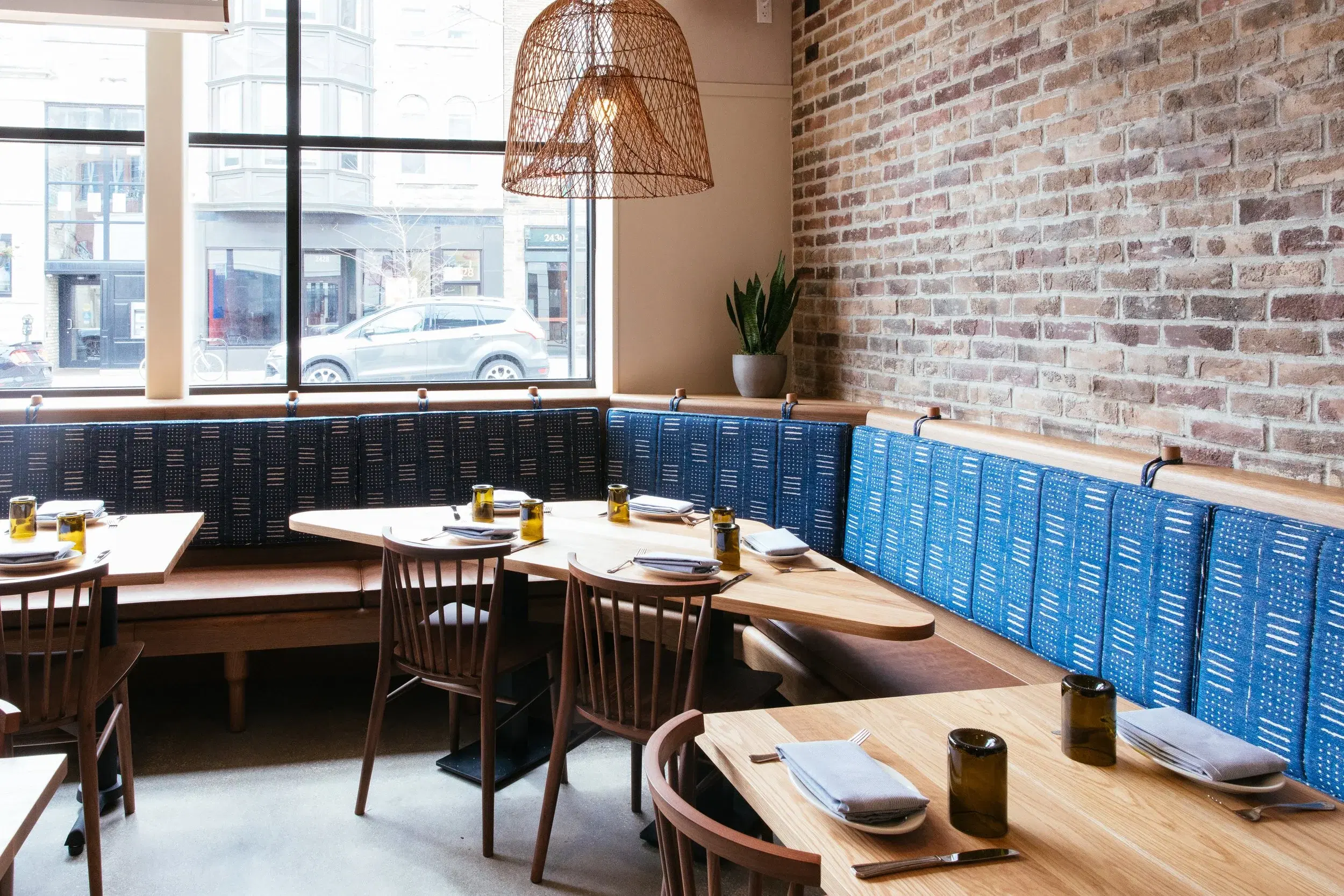
Bars in Chicago
All bars in Chicago →



Details
- Cozy
- Rustic
- Charming
- Date Night
- Brunch
- Celebration
- Open Kitchen
- Craft Cocktails
- A La Carte
- Small Plates
- Craft Cocktails
- Vegetarian Friendly
- Vegan Options
Current opening hours
- Monday
- Closed
- Tuesday
- Closed
- Wednesday
- 9 AM–9 PM
- Thursday
- 9 AM–9 PM
- Friday
- 9 AM–9 PM
- Saturday
- 9 AM–9 PM
- Sunday
- 9 AM–3 PM
Hours can change for holidays and private events. Hours as of .
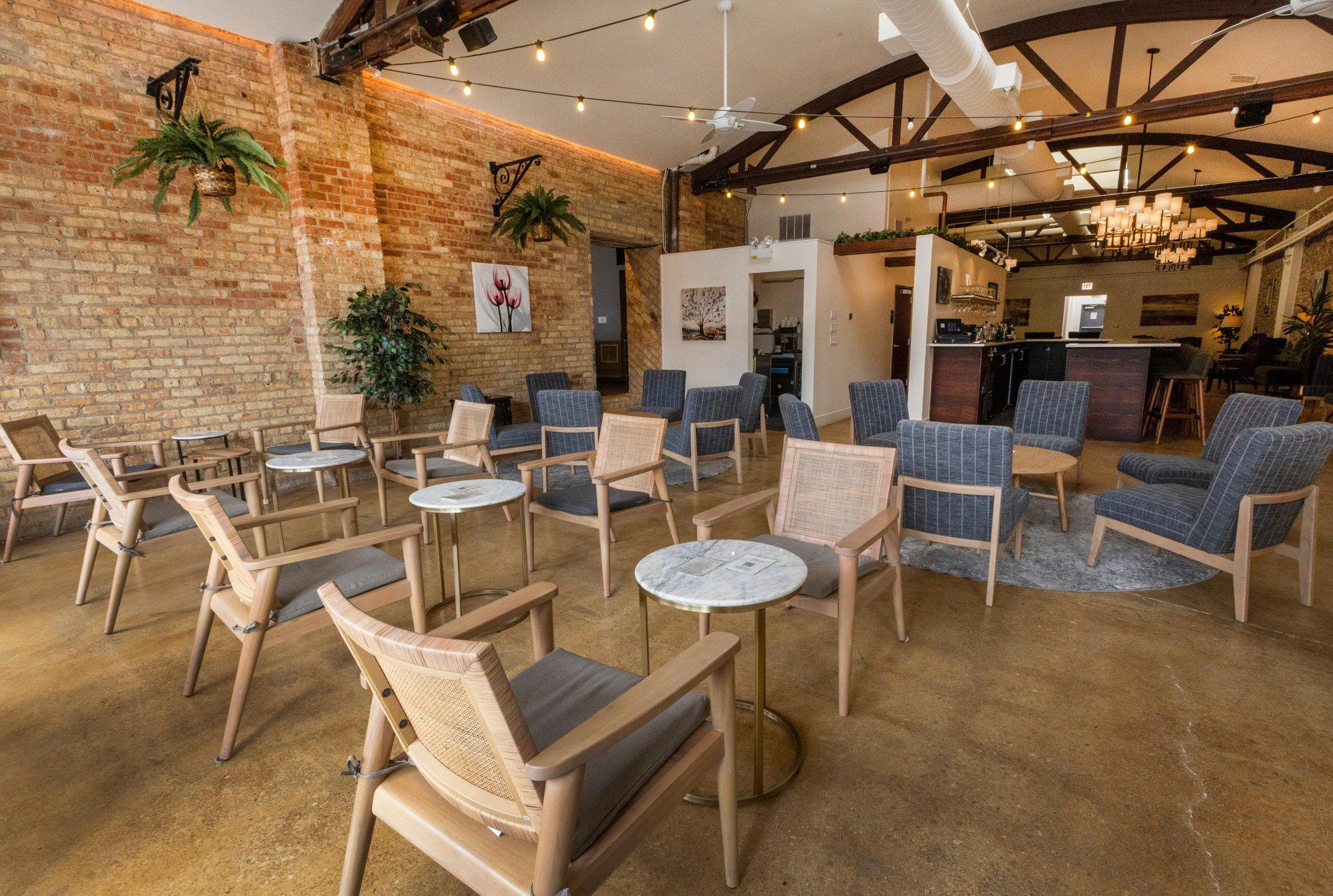
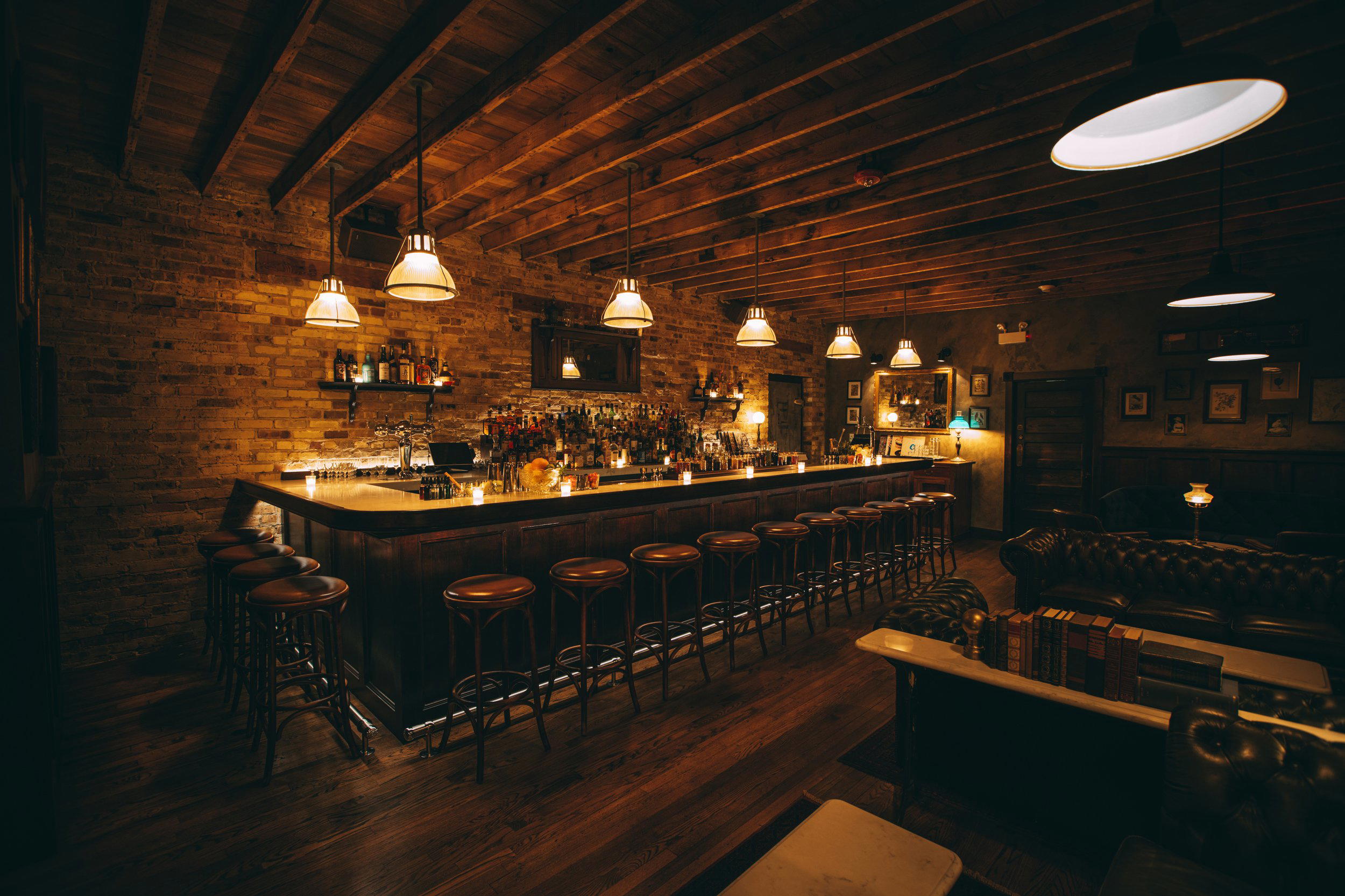
Warm, stylish, and relaxed with rustic wooden details, fresh-baked aromas, cozy yet lively atmosphere praised for brunch and dates.