Skip to Main Content
Custom American Burgers
← Collection
Chicago, United States

Butcher & The Burger

Price≈$20
Dress CodeCasual
ServiceCasual
NoiseLively
CapacitySmall

On West Armitage in Lincoln Park, Butcher & The Burger occupies a specific position in Chicago's burger hierarchy: a craft-focused counter where the patty itself is the argument. The format is deceptively simple, the sourcing choices deliberate, and the result is one of the neighborhood's more considered takes on a format that most of the city treats as an afterthought.

Pearl is the En Primeur Club membership app — saves, bookings, and concierge access live there. Same editors, same standards.

Plan your visit on PearlPlan Your Visit
Address
1021 W Armitage Ave, Chicago, IL 60614
Phone
+17736973735
Butcher & The Burger restaurant in Chicago, United States
About

Lincoln Park and the Craft Burger Conversation

West Armitage Avenue runs through one of Chicago's most residential stretches of Lincoln Park, a neighborhood where the dining room competes with the living room for weeknight loyalty. It is not the city's flashiest dining corridor. That is precisely why a place like Butcher & The Burger fits here rather than in the River North dining district, where concept restaurants perform for out-of-towners and expense accounts. At 1021 W Armitage Ave, the proposition is local and focused: a burger counter that treats its core product with the same seriousness that Chicago's tasting-menu tier, represented by destinations like Alinea and Smyth, applies to multi-course progressions. Butcher & The Burger is a custom American burger restaurant in Chicago's Lincoln Park neighborhood, with a casual dress code, recommended reservations, and an average price around $20 per person.

The American burger has a complicated cultural biography. It arrived as working-class utility food, became a fast-food industrial product through the mid-twentieth century, and then split into two divergent streams in the 2000s: the smash-patty minimalist school and the craft-butcher school, the latter defined by proprietary blends, provenance transparency, and the argument that the grind itself is where flavor is made or lost. Butcher & The Burger belongs to the craft-butcher lineage, where the name is not branding but a declaration of method.

Why the Grind Matters More Than the Topping

In American burger culture, the topping conversation has historically outrun the patty conversation. Menus multiplied their condiment columns while the beef itself remained an afterthought, sourced from commodity channels and cooked to uniform doneness regardless of fat ratio. The craft correction to this pattern began in earnest around the mid-2000s, when a handful of operations, concentrated initially in New York and then spreading to Chicago, San Francisco, and Los Angeles, started treating the burger as a butchery product first and a sandwich second.

The logic is direct: fat-to-lean ratio, cut selection, coarseness of grind, and resting temperature after cooking all determine texture and flavor in ways that no amount of sauce can compensate for. When a place calls itself a butcher, it is asserting that these upstream decisions are the ones worth controlling. The customization format that follows from this premise, where the diner selects a blend rather than simply a topping configuration, inverts the typical fast-casual hierarchy and puts the protein decision at the center.

This is the broader shift that Butcher & The Burger participates in, and it sits at a different register from Chicago's more decorated dining rooms. Oriole and Kasama command national attention and Michelin recognition. Next Restaurant has built its identity around theatrical menu rotations. Butcher & The Burger operates at street level, in a format that requires no reservation and no fluency in tasting-menu protocol, but still asks its customer to make an informed protein decision.

The Lincoln Park Context

Lincoln Park as a dining neighborhood rewards the counter-service and casual-serious hybrid format in ways that downtown Chicago does not. The customer base skews residential and repeat rather than occasion-driven and tourist-inflected. That repeat-visitor dynamic favors operations where the product holds up across multiple visits and where the format does not demand the commitment of a full tasting-menu evening. A place like Butcher & The Burger in this context functions less as a destination and more as a reliable anchor, the kind of neighborhood restaurant that a city's food culture depends on but that travel media consistently underweights in favor of tasting-menu flagships.

For comparative context across American dining cities: the craft-burger format has produced recognized operations in several markets. Lazy Bear in San Francisco and Emeril's in New Orleans represent the full-service, chef-driven American dining tier. The burger counter occupies a different but equally legitimate register, one where the discipline is in sourcing and grind rather than in plating and sauce construction. That the format has sustained in Lincoln Park says something about how thoroughly the craft-butcher argument has been absorbed into everyday American eating.

Where It Sits in the Chicago Dining Picture

Chicago's dining identity has long been broader than its Michelin coverage suggests. The city's tasting-menu tier, anchored by destinations that also draw national and international comparison, including peers like Le Bernardin in New York City, The French Laundry in Napa, Providence in Los Angeles, Blue Hill at Stone Barns, Addison in San Diego, The Inn at Little Washington, Frasca Food & Wine in Boulder, Atomix in New York City, Single Thread Farm in Healdsburg, and even internationally recognized operations like Atelier Moessmer Norbert Niederkofler in Brunico, represents one end of the quality spectrum. Butcher & The Burger represents the other end of the same argument: that ingredient quality and process discipline matter at every price point, not just at the tasting-menu tier.

Signature Dishes
House Blend Prime Beef BurgerGrass-Fed Beef Burger

What It’s Closest To

Comparable venues nearby, for context on price, style, and recognition.

At a Glance
Vibe
  • Trendy
  • Lively
  • Industrial
  • Rustic
Best For
  • Casual Hangout
  • Group Dining
Experience
  • Open Kitchen
Drink Program
  • Beer Program
Sourcing
  • Local Sourcing
Dress CodeCasual
Noise LevelLively
CapacitySmall
Service StyleCasual
Meal PacingQuick Bite

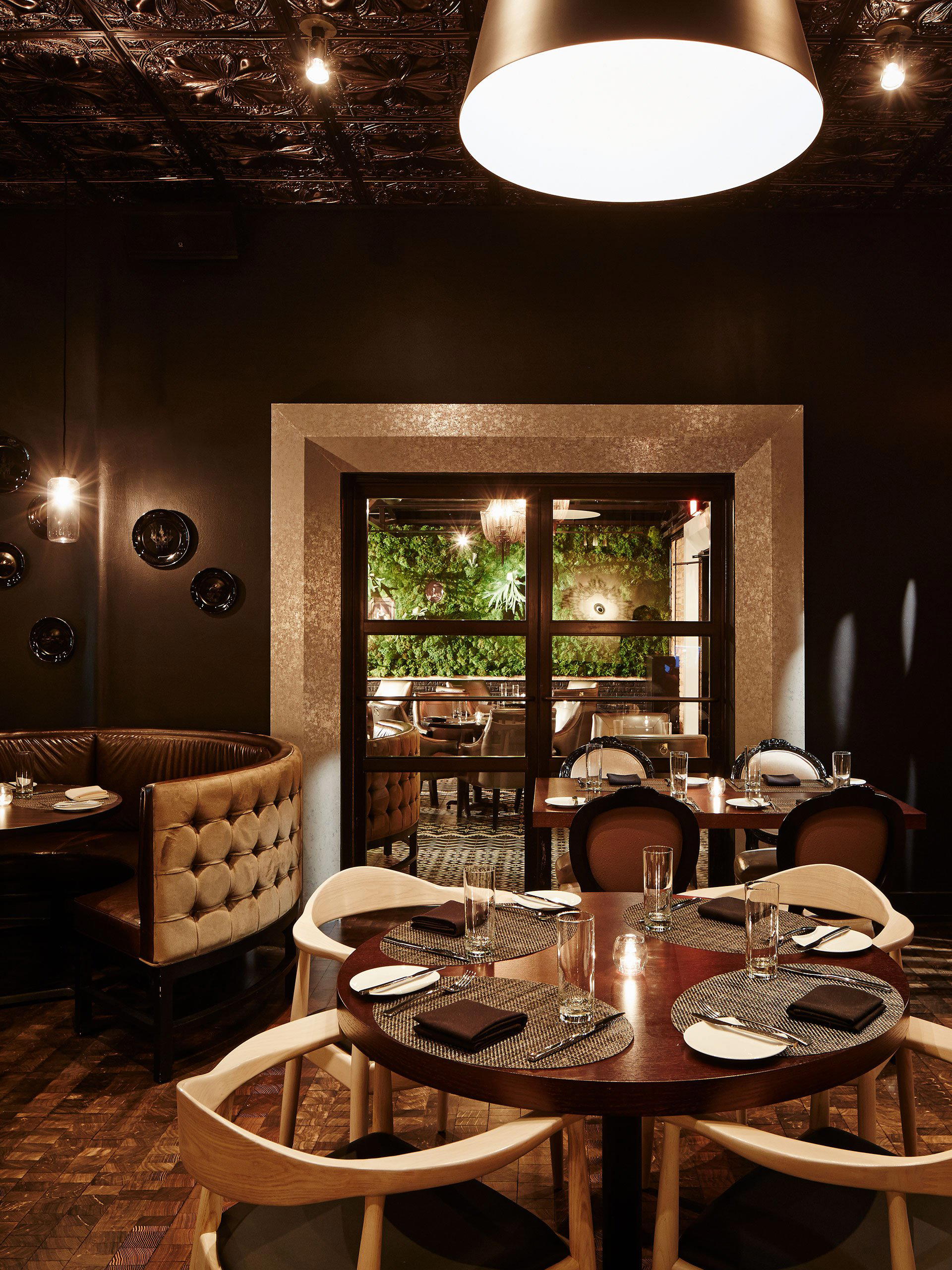
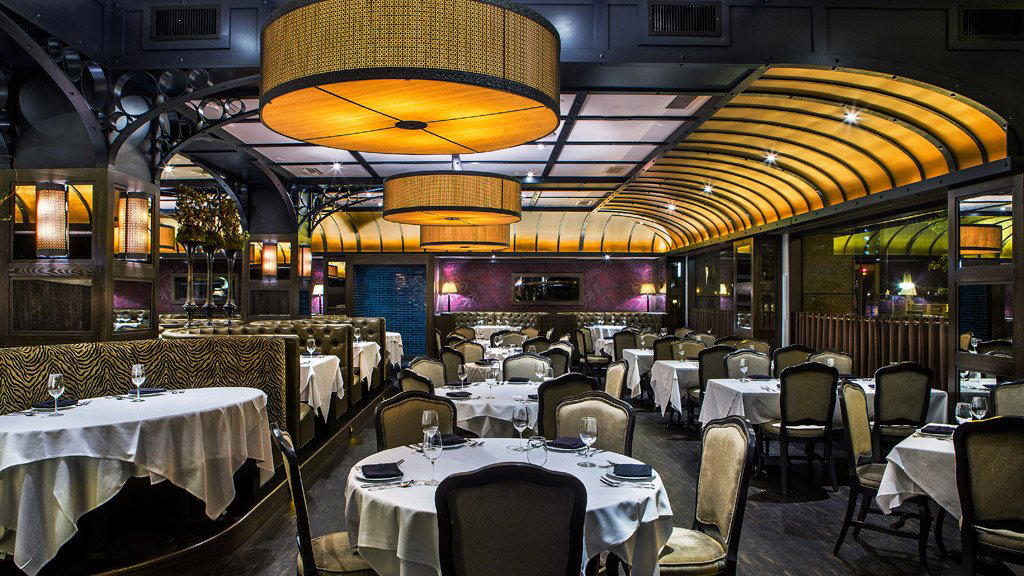
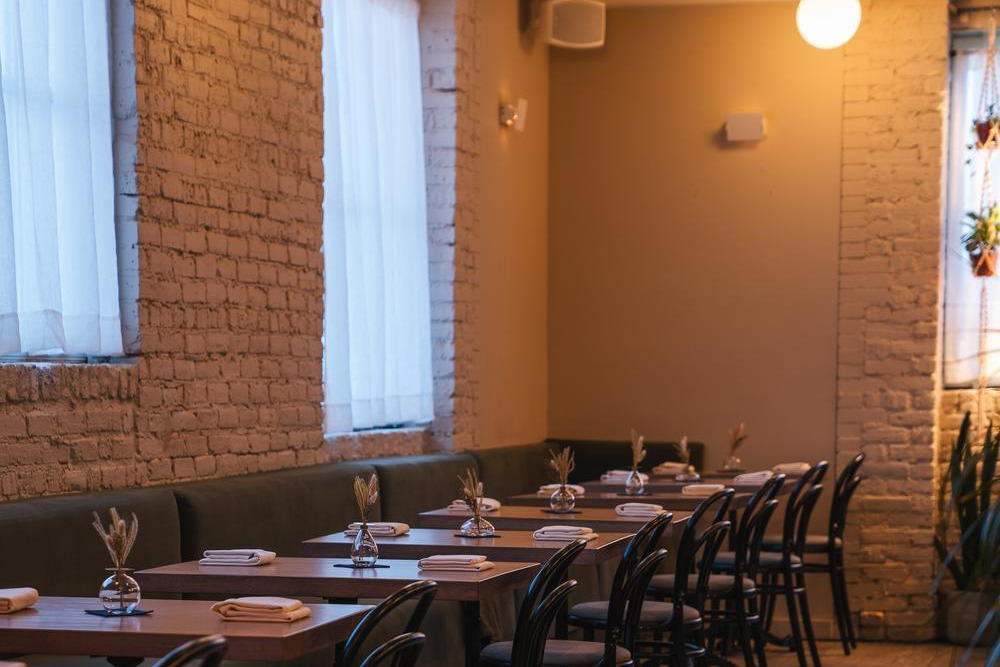
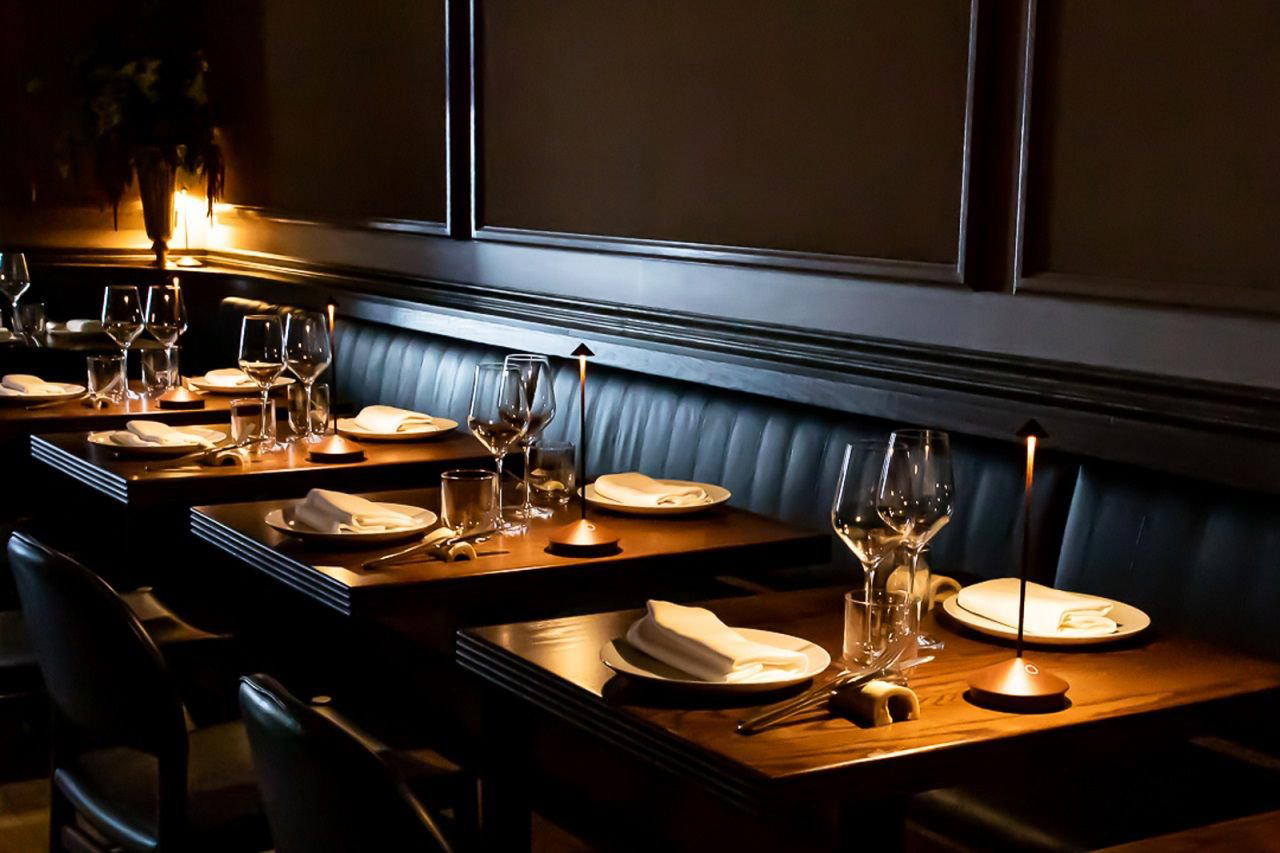
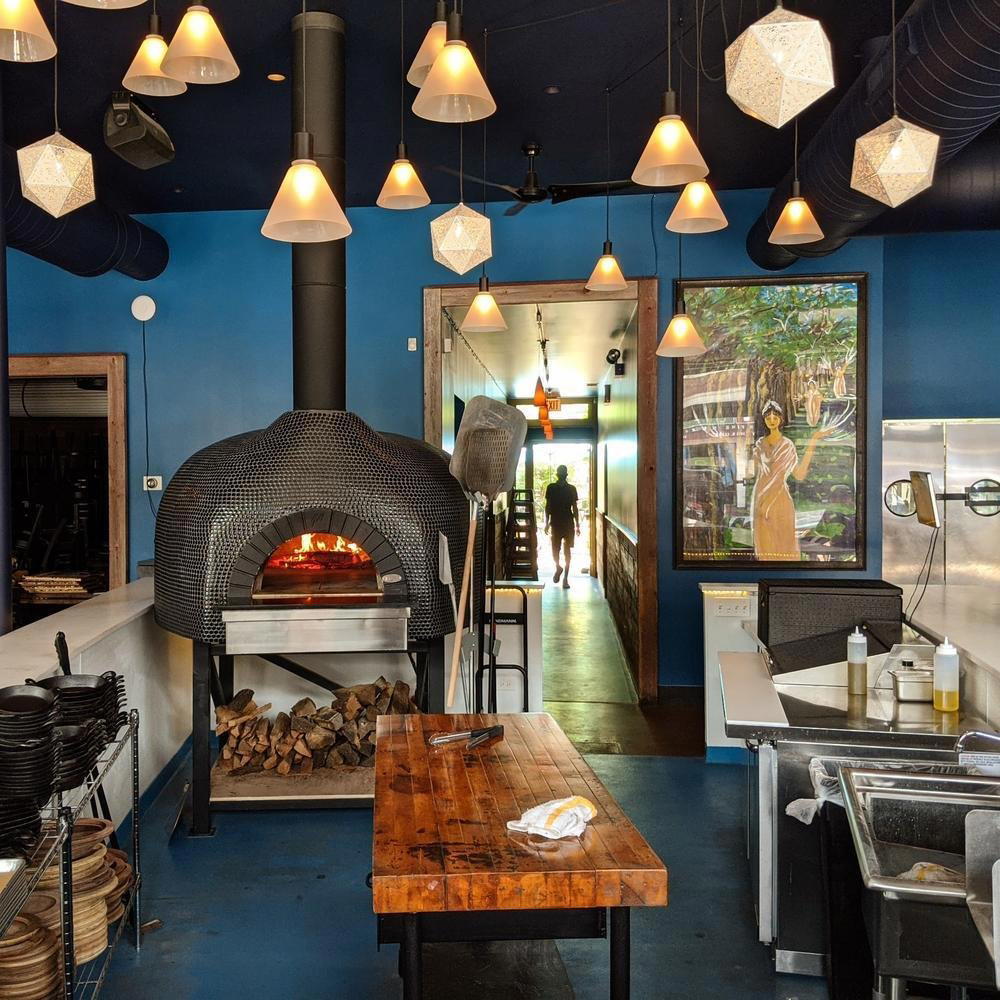
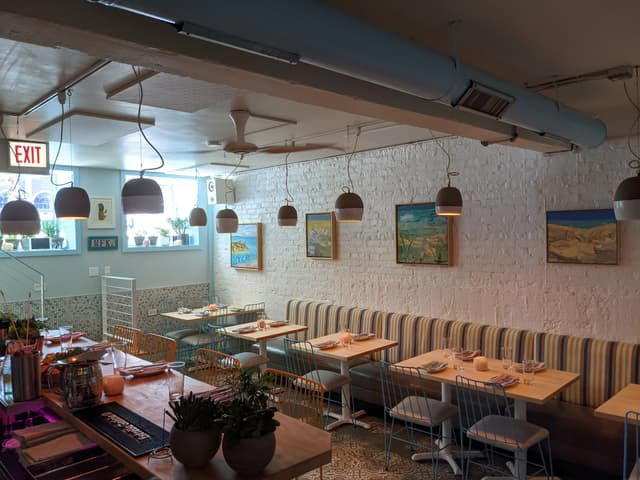
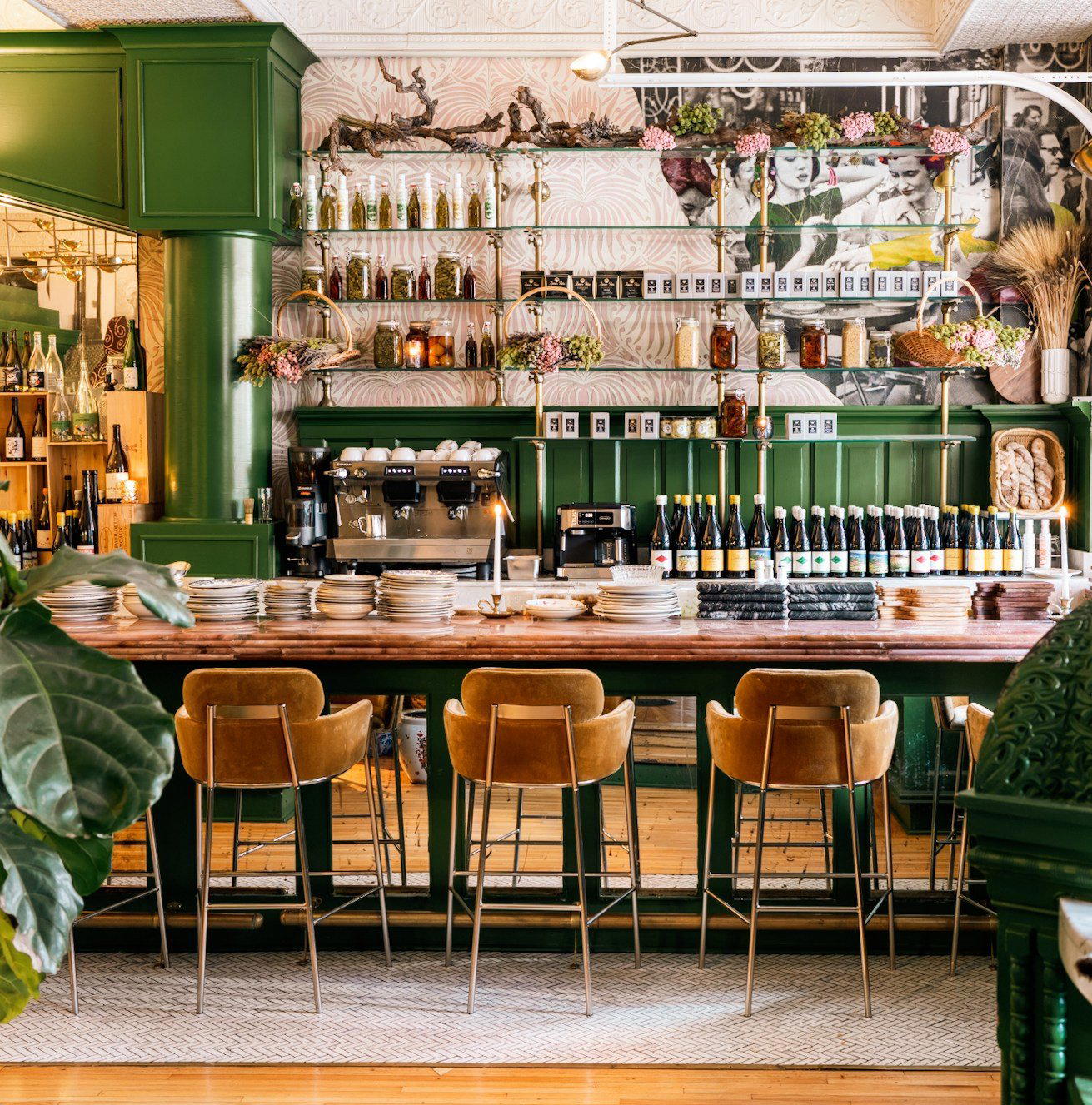
Casual neighborhood spot with retro butcher shop decor, zinc bar, century-old farm table, and a trendy, energetic vibe praised for its lively atmosphere.

Signature Dishes
House Blend Prime Beef BurgerGrass-Fed Beef Burger