Carpenter Street
Carpenter Street sits in Chicago's West Loop, a neighbourhood that has become the city's most concentrated address for serious tasting-menu dining. Located at 111 N Carpenter St, the restaurant occupies a district where progressive American cooking has displaced the wholesale meat trade, placing it among a cohort of destination-level counters that attract both local regulars and visiting diners tracking the city's evolving fine-dining scene.
- Address
- 111 N Carpenter St, Chicago, IL 60607
- Phone
- +13129000550
- Website
- carpenterst.com
- Directions
- Get directions
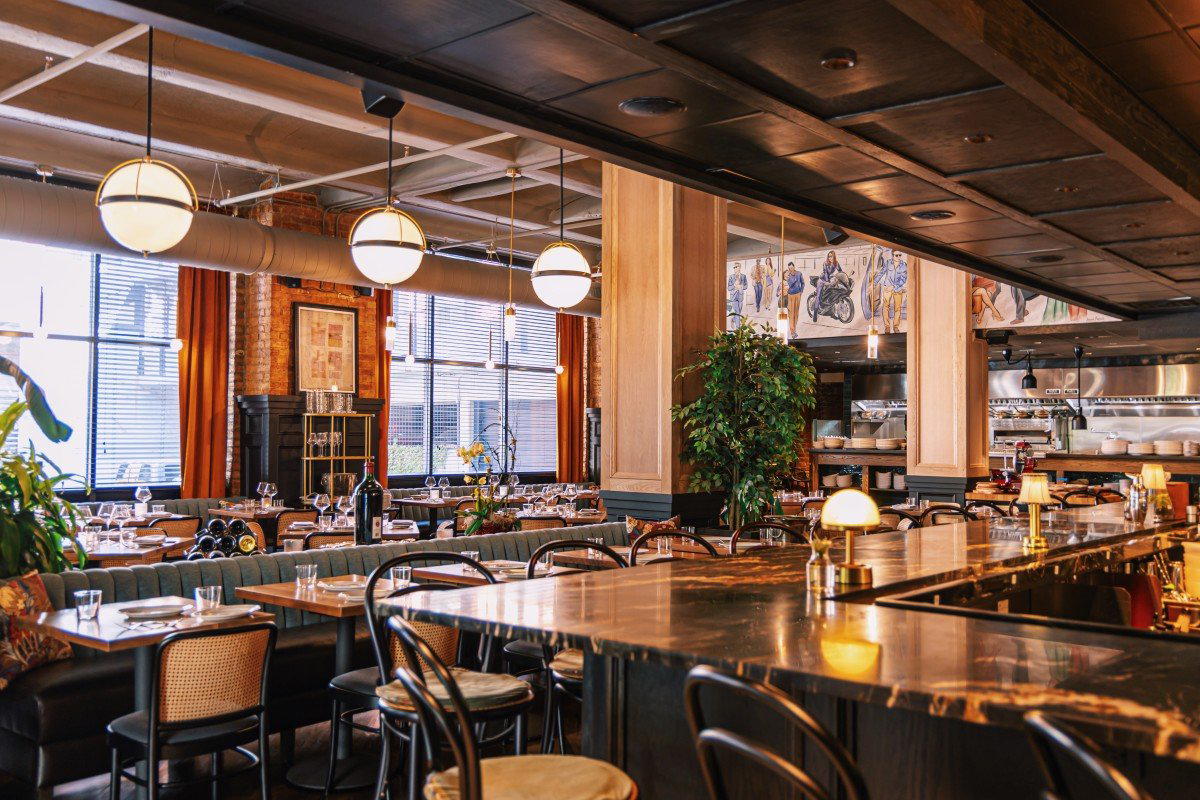
West Loop, Where Chicago's Tasting-Menu Scene Took Hold
The transformation of Chicago's West Loop from a meatpacking district into the city's most consequential dining corridor happened gradually, then decisively. By the mid-2010s, the neighbourhood around Randolph Street and its cross streets had accumulated enough serious kitchens to constitute a genuine scene rather than a cluster of coincidences. Today, the West Loop operates as the primary address for progressive, multi-course dining in Chicago, a city that has consistently punched above its weight in that category nationally. Carpenter Street, at 111 N Carpenter St, is a restaurant in Chicago serving polished American comfort food at a price tier around $25 per person.
That tension is not incidental to how Chicago's tasting-menu culture works. The city's best-known progressive kitchens, including Alinea and Smyth, have built reputations on conceptual rigour delivered in spaces that read as considered rather than ornate. The West Loop rewards that approach: the architecture provides the drama so the kitchen does not have to manufacture it through décor. Carpenter Street operates within this same logic, positioned in a district where the threshold for entry is high and where diners arrive with calibrated expectations.
The Arc of a Meal in This Corner of the City
Multi-course sequencing at the level Chicago's West Loop restaurants now operate is less about individual dishes and more about how a meal accumulates meaning across its length. The format that defines this tier of dining, whether at Oriole, at Next Restaurant, or at the Filipino-inflected counter at Kasama, is a progression that earns its length. Early courses tend toward precision and restraint, mid-meal courses carry the kitchen's most technically demanding work, and the close returns to something more grounding. The arc is not arbitrary; it mirrors the structure of a well-edited argument. Diners who approach the West Loop's tasting menus as a series of individual dishes miss the point. The subject is the sequence itself.
This structural approach puts Chicago's progressive kitchens in direct conversation with peers in other American cities. Lazy Bear in San Francisco uses a communal format to shape its progression; Le Bernardin in New York City applies classical French sequencing to seafood; The French Laundry in Napa maintains a bi-coastal standard against which American tasting menus are still measured. Chicago's contribution to this conversation has been a particular combination of conceptual ambition and unpretentiousness in service, a tone that the West Loop's industrial-meets-refined character seems to produce naturally.
A Neighbourhood Built for Serious Eating
The West Loop's density matters for readers planning around Carpenter Street. This is not a neighbourhood where a single reservation makes the trip. The surrounding blocks reward a longer engagement: evening drinks on the front end, a considered tasting menu as the main event, and the awareness that comparable kitchens are operating within a short walk. The concentration of serious restaurants in this grid is unusual even by the standards of American food cities. The restaurant address specifically sits within the corridor where foot-traffic between venues is genuinely plausible.
Seasonality matters in this part of Chicago more than most coastal cities acknowledge. The city's access to Midwestern agriculture, from Great Lakes fish to Illinois grain-belt produce, gives its progressive kitchens a seasonal calendar with real variation. Spring and autumn tend to produce one interesting menus at this tier, when local sourcing is at its most expressive and kitchens are recalibrating between the extremes of summer abundance and winter restraint. Diners arriving between October and early November often find West Loop tasting menus at their most layered, drawing on late-harvest ingredients that have genuine depth rather than summer's easier sweetness.
How Carpenter Street Fits the Progressive American comparable set
Progressive American cooking as a category covers significant range, from the theatrical deconstruction associated with Alinea's long-running Michelin three-star run to the farm-integrated ethos of Blue Hill at Stone Barns in Tarrytown or the wine-forward precision of Frasca Food and Wine in Boulder. At the national level, Providence in Los Angeles, Addison in San Diego, and The Inn at Little Washington each represent distinct regional inflections of the same broad impulse: American ingredients, European technique, and an increasingly confident sense of local identity. The Korean-American tasting counter Atomix in New York City and the alpine-sourcing discipline of Atelier Moessmer Norbert Niederkofler in Brunico point toward how tightly the leading multi-course formats are now connected to specific sourcing philosophies. Single Thread Farm in Healdsburg and Emeril's in New Orleans represent the range of what serious American dining looks like when it commits to place.
Chicago's position within this national conversation rests on the West Loop's concentration and on the city's willingness to sustain multiple tasting-menu formats at the summit tier simultaneously. That density creates a competitive environment that sharpens the kitchens operating within it. The restaurant sits inside that environment, at a restaurant address that has become shorthand among serious diners for the neighbourhood's ambition.
Know Before You Go
Know Before You Go
- Address: 111 N Carpenter St, Chicago, IL 60607
- Neighbourhood: West Loop, Chicago
- Format: Tasting-menu tier consistent with West Loop progressive kitchens
- Planning note: The West Loop rewards multi-stop evenings; comparable kitchens operate within walking distance
- Seasonal timing: October to early November typically represents one ingredient-driven period for this corridor
Peers Worth Knowing
Comparable venues nearby, for context on price, style, and recognition.
| Venue | Cuisine | Price | Notes |
|---|---|---|---|
| Carpenter StreetThis venue — the venue you are viewing | Polished American Comfort Food | $$ | Not listed |
| About Last Knife | Modern American Bistro with Global Flair | $$ | Loop/Theater District |
| Chef Art Smith's Reunion | Southern Comfort Food | $$ | Streeterville |
| The Warbler | Modern American with Asian and Mediterranean influences | $$ | Lincoln Square |
| Call Your Mother | Modern Bagel Deli | $$ | Wicker Park |
| Beatrix Loop | Modern American Comfort | $$ | Loop |
At a Glance
- Cozy
- Lively
- Modern
- Casual Hangout
- Date Night
- Brunch
- Craft Cocktails
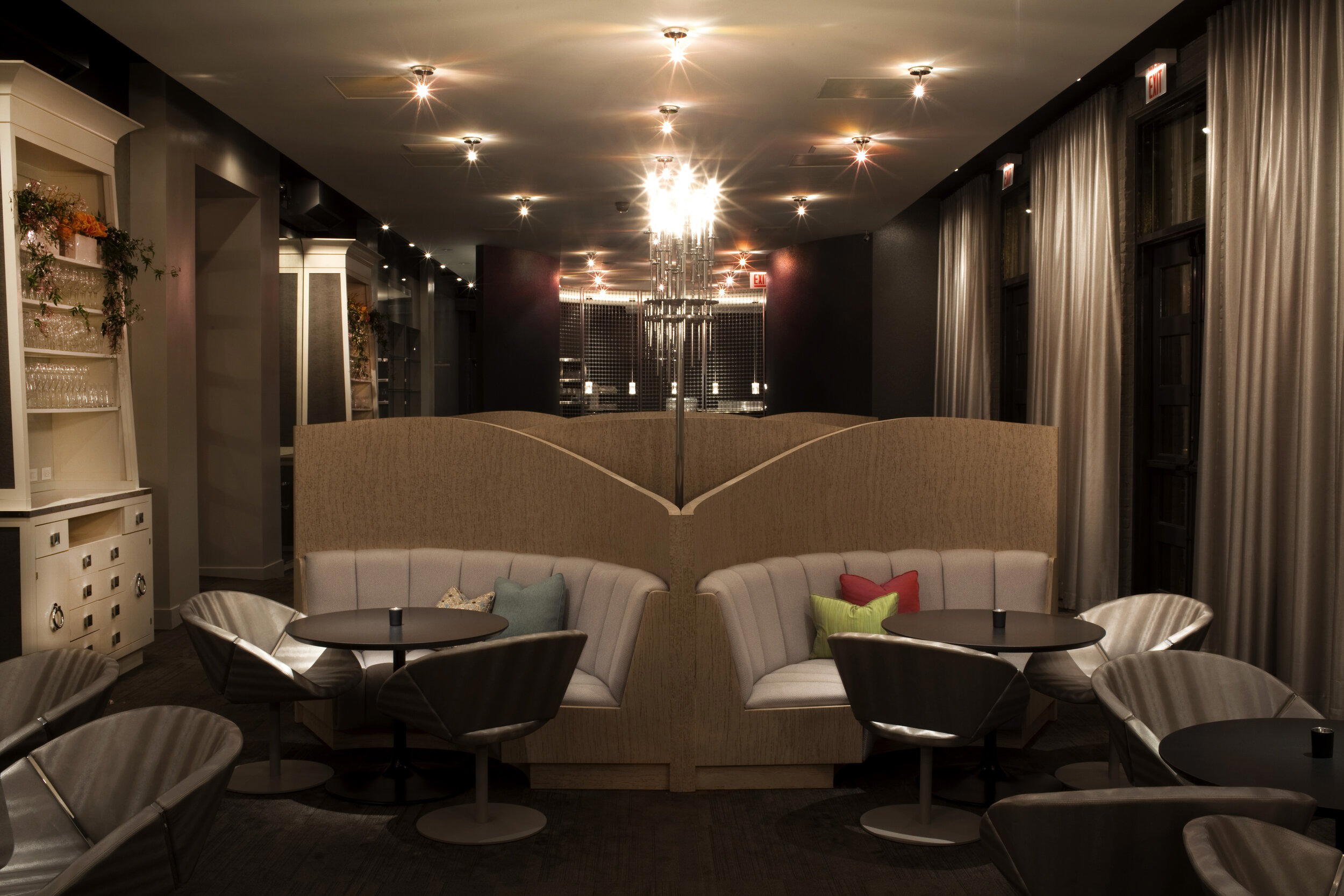
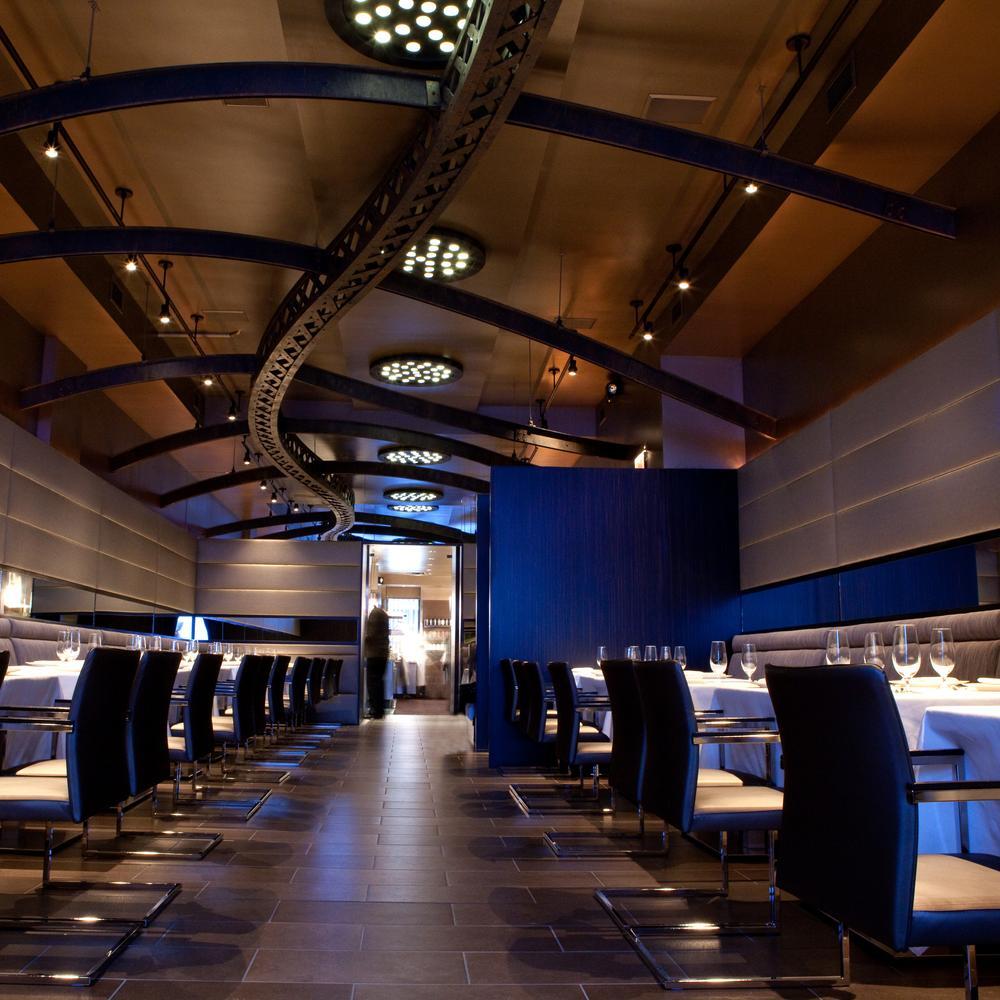
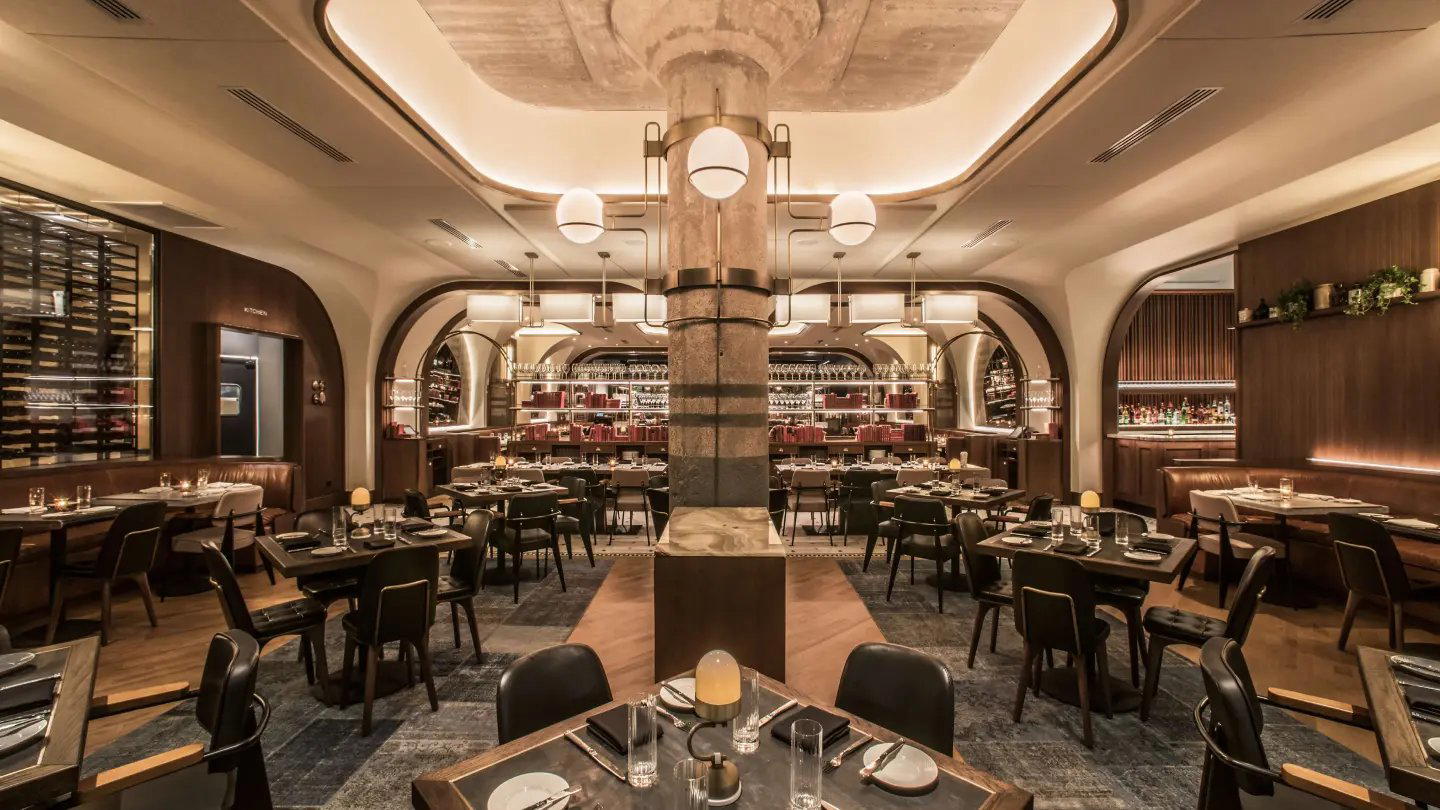
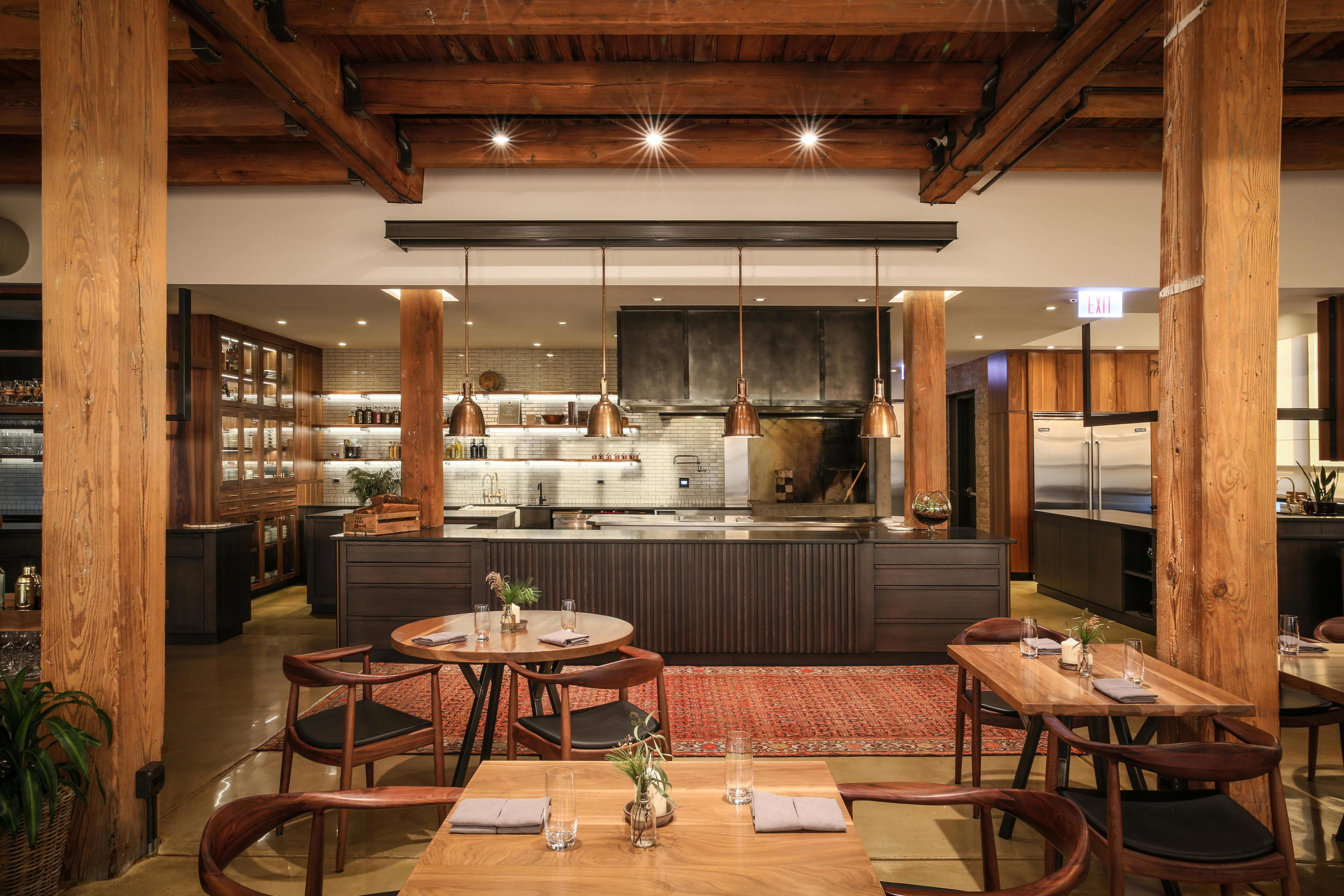
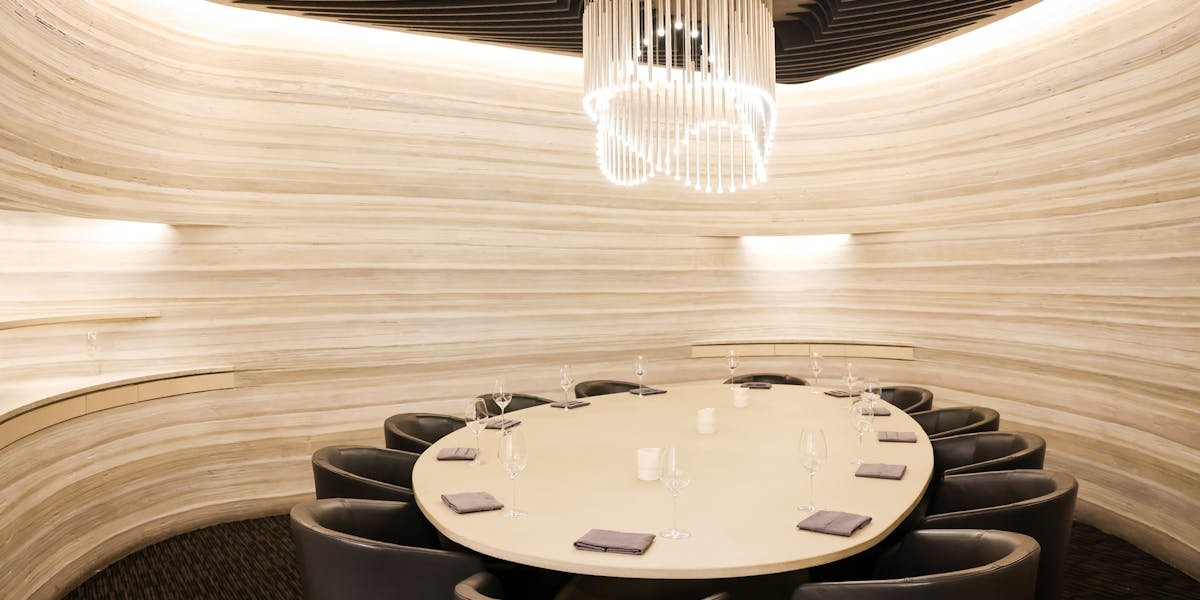
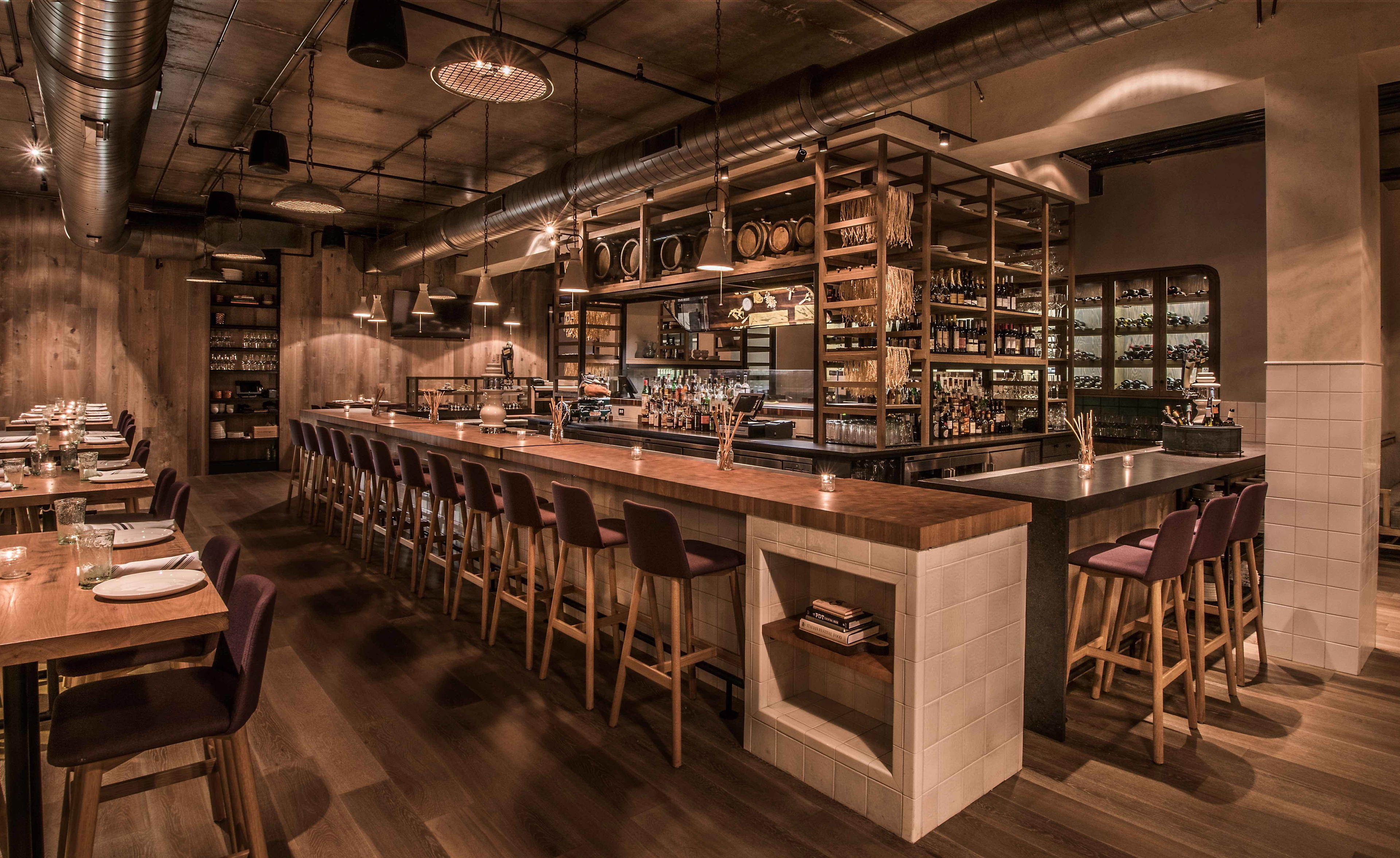
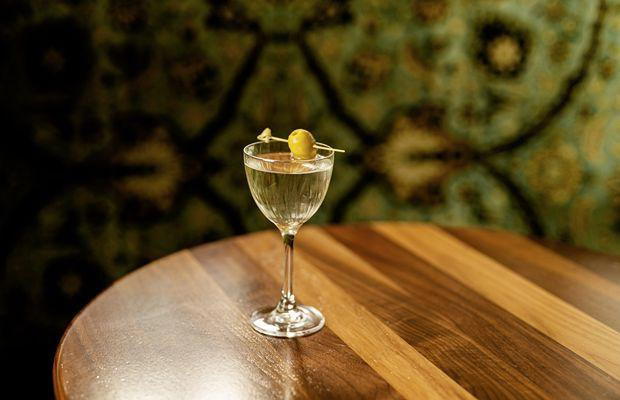
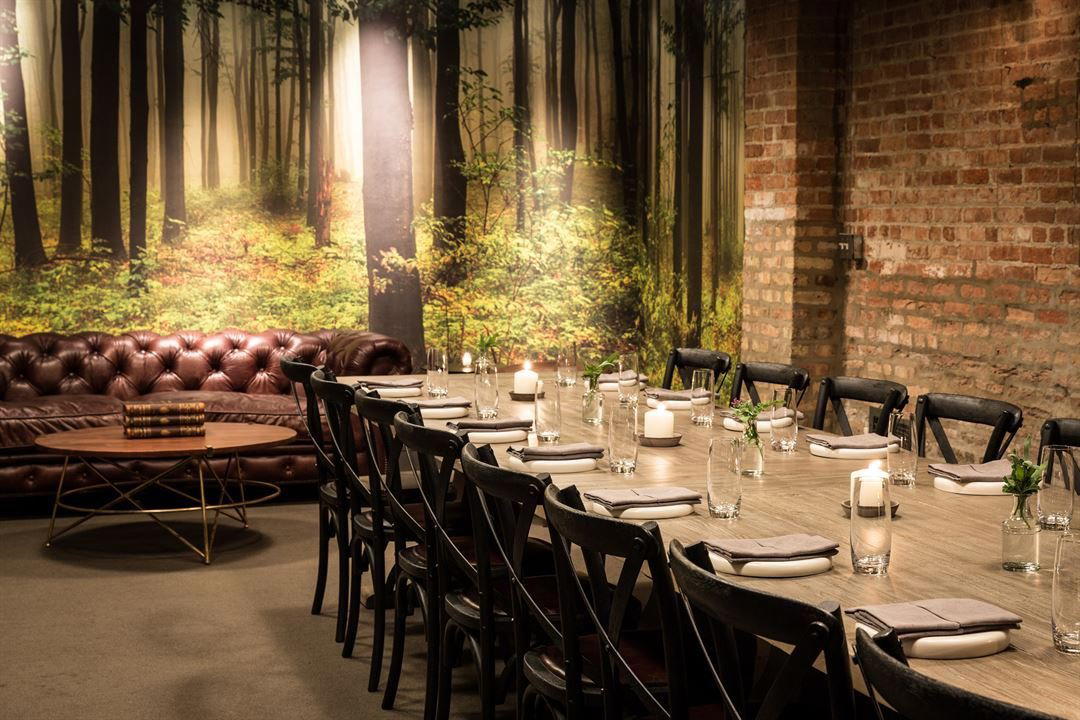
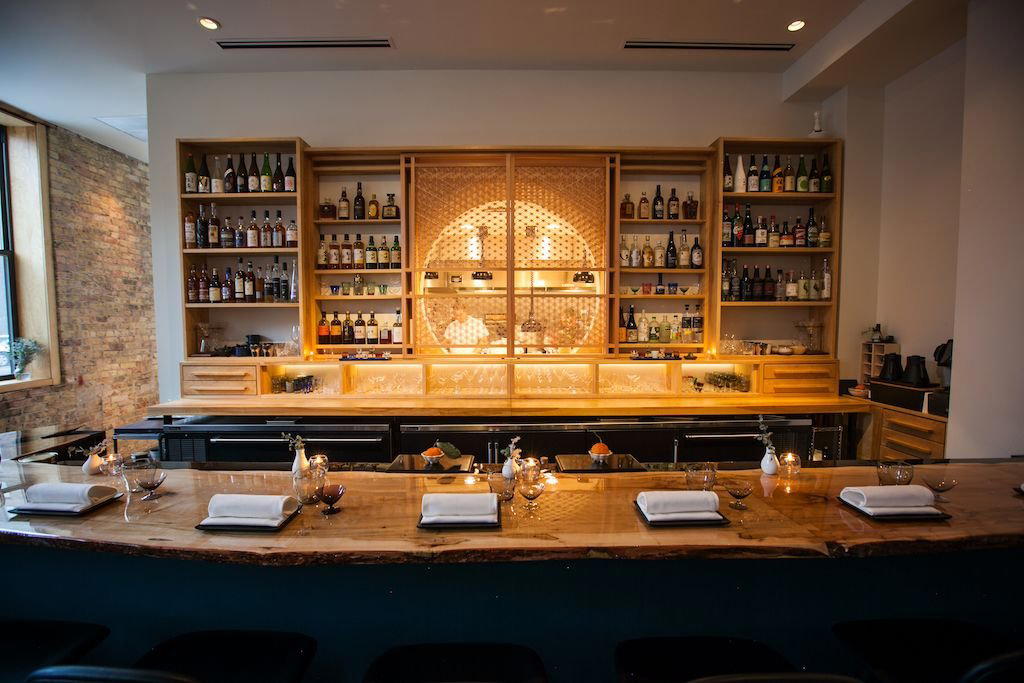
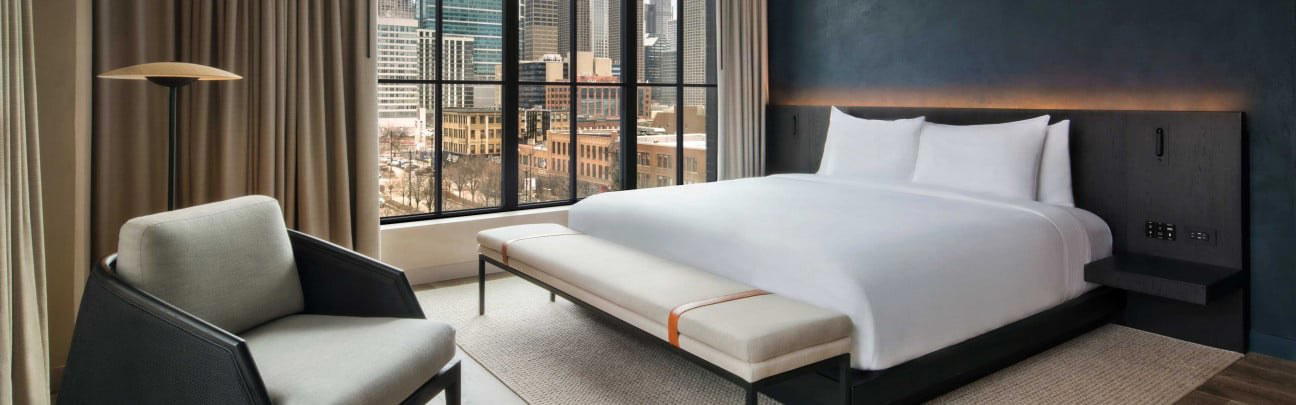
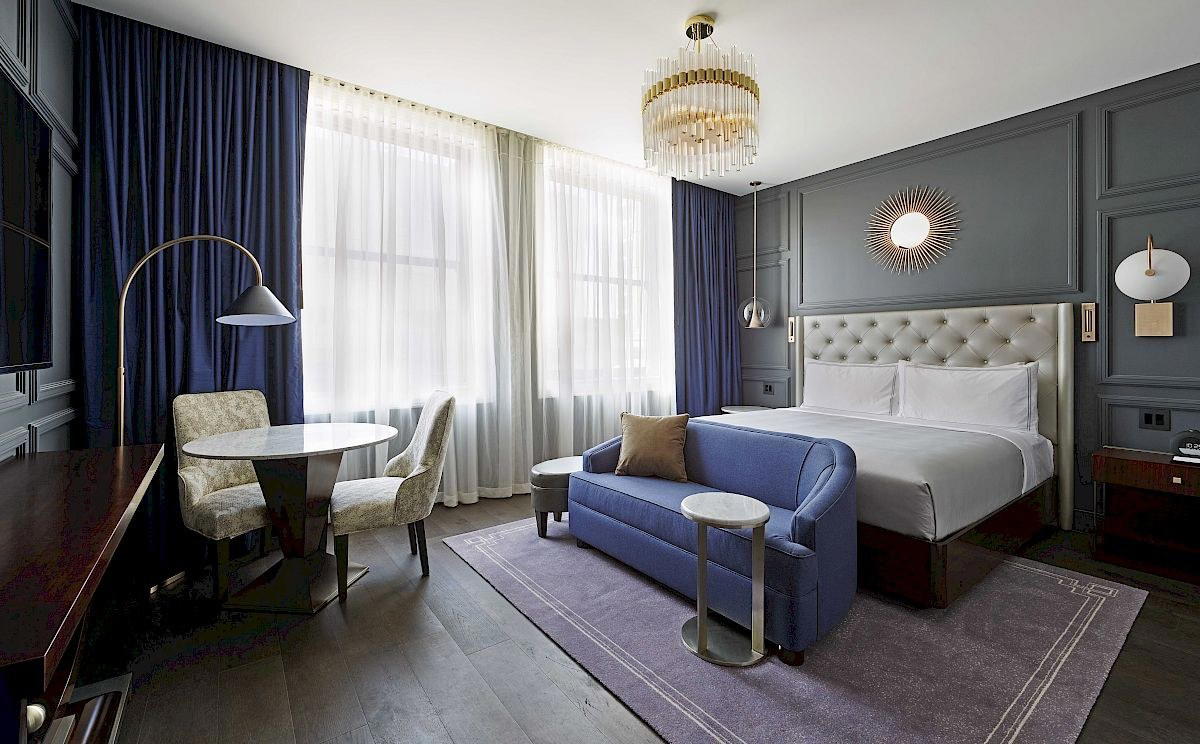
Lively patio ambiance with a modern, welcoming, and cozy neighborhood atmosphere.