Milk & Honey Cafe
A Wicker Park neighborhood café at 1920 W Division St, Milk & Honey Cafe occupies the everyday end of Chicago's all-day dining spectrum, a counterpoint to the city's tasting-menu tier. Suited to casual drop-ins rather than planned occasions, it sits in a corridor of independent coffeehouses and brunch spots that define the neighborhood's character.
- Address
- 1920 W Division St, Chicago, IL 60622
- Phone
- +17733959434
- Website
- milkandhoneycafe.com
- Directions
- Get directions
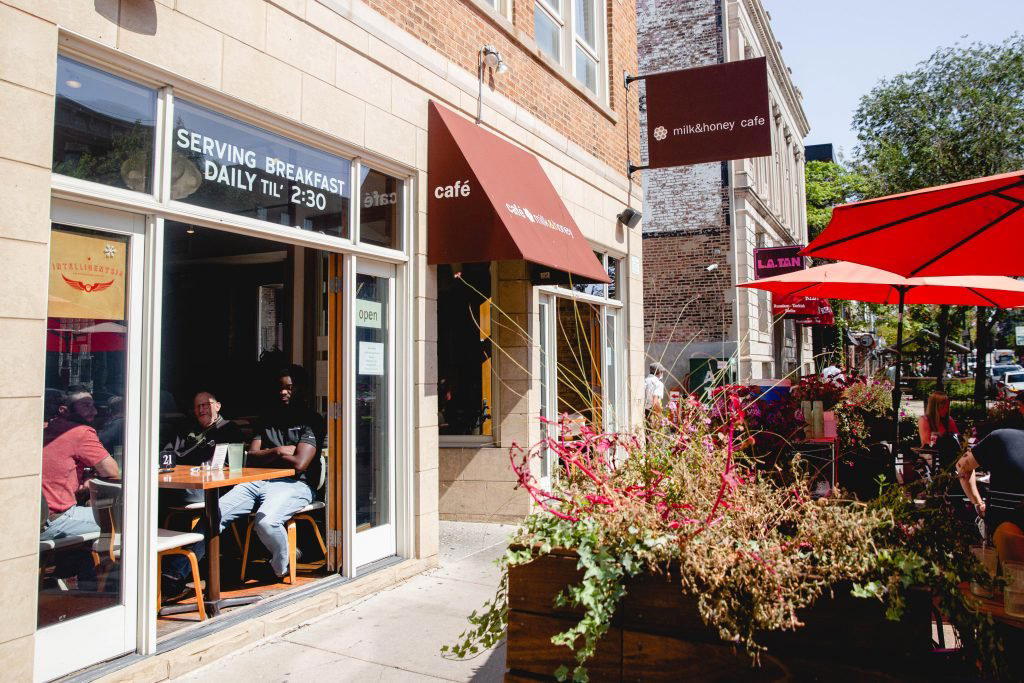
Division Street and the Daytime Dining Tradition It Carries
Wicker Park's stretch of Division Street has functioned as a neighborhood social spine for decades. Long before Chicago's fine-dining tier consolidated around River North and the West Loop, the corridors running through Wicker Park and Bucktown were where the city's working creative class ate: independently owned cafés, no-reservation brunch spots, and coffeehouses that doubled as informal offices. That tradition is still legible in the block where Milk & Honey Cafe sits at 1920 W Division St, even as the broader neighborhood has shifted upmarket around it.
Understanding the café in that frame matters, because Chicago's daytime dining culture is genuinely bifurcated. At one end sit the destination tasting-menu counters: Alinea, Smyth, and Oriole operate in a register of advance reservations, multi-course progression, and price points that put them in the same competitive conversation as The French Laundry in Napa or Le Bernardin in New York City. At the other end sits the neighborhood café: walk-in, casual, priced for regulars, and valued precisely because it does not ask anything complicated of the people who use it.
Milk & Honey Cafe belongs to the latter category. Its address places it squarely in the pedestrian rhythm of Wicker Park rather than in any destination-dining corridor, and the format it represents has deeper roots in Chicago's neighborhood identity than the city's internationally recognized fine-dining scene.
The Wicker Park Context: What the Neighborhood Asks of Its Cafés
Chicago's 2020s dining map has reorganized itself around a handful of anchor neighborhoods. The West Loop absorbed the highest concentration of ambitious restaurant openings through the last decade, drawing comparisons to similar consolidations seen in New York's Flatiron district or San Francisco's SoMa corridor. Wicker Park, by contrast, held its character as a neighborhood for residents rather than destination diners. The cafés and casual spots that populate Division Street serve a local population that values consistency and accessibility over occasion-dining theatrics.
That positioning creates a specific kind of institutional value. A café that has operated long enough to become part of a neighborhood's daily rhythm occupies a role that award-chasing restaurants do not. Where Kasama in Ukrainian Village has become a destination in its own right, earning recognition that places it in a different competitive tier entirely, neighborhood cafés on Division Street answer a different question: what does the block look like on a Tuesday morning?
The all-day café format has its own American lineage. In cities like New Orleans, where spots such as Emeril's defined an era of chef-driven casual dining, or in Atlanta, where Bacchanalia brought fine-dining rigor to a market that had fewer such anchors, the café as neighborhood institution serves a stabilizing social function. Chicago has its own version of that dynamic, and Wicker Park has been one of its most consistent hosts.
What the Format Implies for the Visitor
For a traveler approaching Chicago's dining scene from the outside, the café tier requires a different decision framework than the tasting-menu tier. A visit to Next Restaurant involves ticket-format booking and a structured progression that takes the decision-making out of the diner's hands. A neighborhood café visit involves none of that, but it also requires the visitor to supply more context about what they are actually looking for.
Milk & Honey Cafe at 1920 W Division St sits in a block that rewards walking. The Division Street corridor between Damen and Western connects several of Wicker Park's most durable independent businesses, and the café occupies a position in that pedestrian sequence rather than functioning as a standalone destination. Visitors arriving from the Milwaukee Avenue transit corridor will find it a short walk; the area is dense enough that a café visit can be threaded into a broader Wicker Park itinerary without requiring dedicated planning.
The contrast with destination-dining formats is sharpest at the planning stage. Restaurants like Lazy Bear in San Francisco, Providence in Los Angeles, or Addison in San Diego each carry booking windows measured in weeks or months. A neighborhood café operates on no such logic. The access barrier is low; the experience is calibrated to repetition rather than occasion.
Chicago's Café Culture in a Broader American Frame
The independent neighborhood café is one of the more resilient formats in American urban dining, in part because it is structurally resistant to the forces that pressure fine-dining restaurants. High-end tasting-menu formats, the kind found at Blue Hill at Stone Barns in Tarrytown or The Inn at Little Washington, carry significant overhead in staffing, sourcing, and physical plant. The neighborhood café's lower price point and simpler service model can help it absorb economic cycles that would threaten a more ambitious operation.
Chicago has benefited from that resilience in its neighborhood fabric. Where cities that over-indexed on destination dining saw their neighborhood food culture hollowed out during periods of economic stress, Chicago's grid of working-class and mixed-income neighborhoods maintained a denser layer of everyday spots. Division Street is one of several corridors that reflect that continuity.
For visitors comparing Chicago's café scene to analogues in other cities, the relevant frame is less the Michelin-recognized tier that includes Atomix in New York City or 8½ Otto e Mezzo Bombana in Hong Kong, and more the question of what a given city's residential neighborhoods actually look like at street level. By that measure, Wicker Park's Division Street offers one of Chicago's more coherent answers.
Planning a Visit: Practical Orientation
| Venue | Format | Price Tier | Booking Required | Location |
|---|---|---|---|---|
| Milk & Honey Cafe | Neighborhood café | Not confirmed | Not confirmed | Wicker Park, 1920 W Division St |
| Alinea | Tasting menu | $$$$ | Yes (weeks ahead) | Lincoln Park |
| Kasama | Filipino, daytime + tasting menu | $$$$ | Yes (tasting menu) | Ukrainian Village |
| Next Restaurant | Ticket-format tasting menu | $$$$ | Yes (ticket purchase) | West Loop |
Budget and Context
Comparable venues nearby, for context on price, style, and recognition.
| Venue | Cuisine | Price | Notes |
|---|---|---|---|
| Milk & Honey CafeThis venue — the venue you are viewing | Wicker Park, American Cafe | $$ | Not listed |
| Guinness Open Gate Brewery - Chicago | Not listed | $$ | West Loop, Modern Irish-American Gastropub |
| Black Barrel Tavern | West Loop, Modern American Gastropub | $$ | Not listed |
| Tiny Tapp & Tiny Café | Not listed | $$ | Theater District, Contemporary American Riverside Café |
| SPACE 519 (Gold Coast) | Not listed | $$ | Gold Coast, California-Style American Café |
| Willow Café and Bistro | Not listed | $$ | Lincoln Square, American Bistro with German Influences |

At a Glance
- Cozy
- Brunch
- Casual Hangout
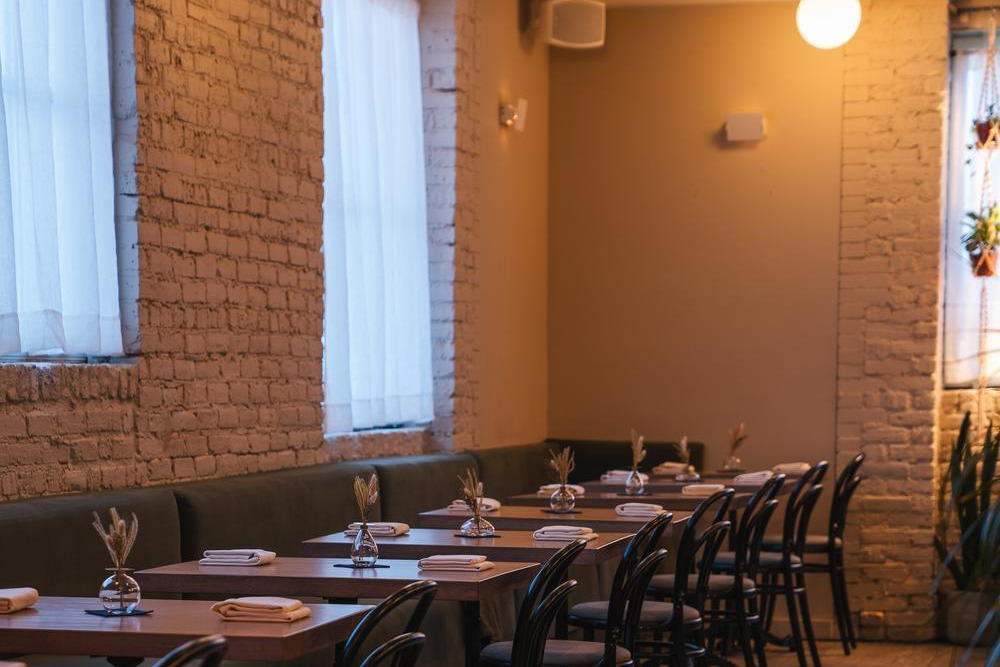
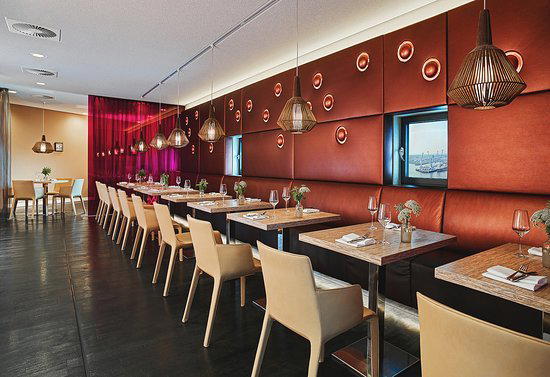
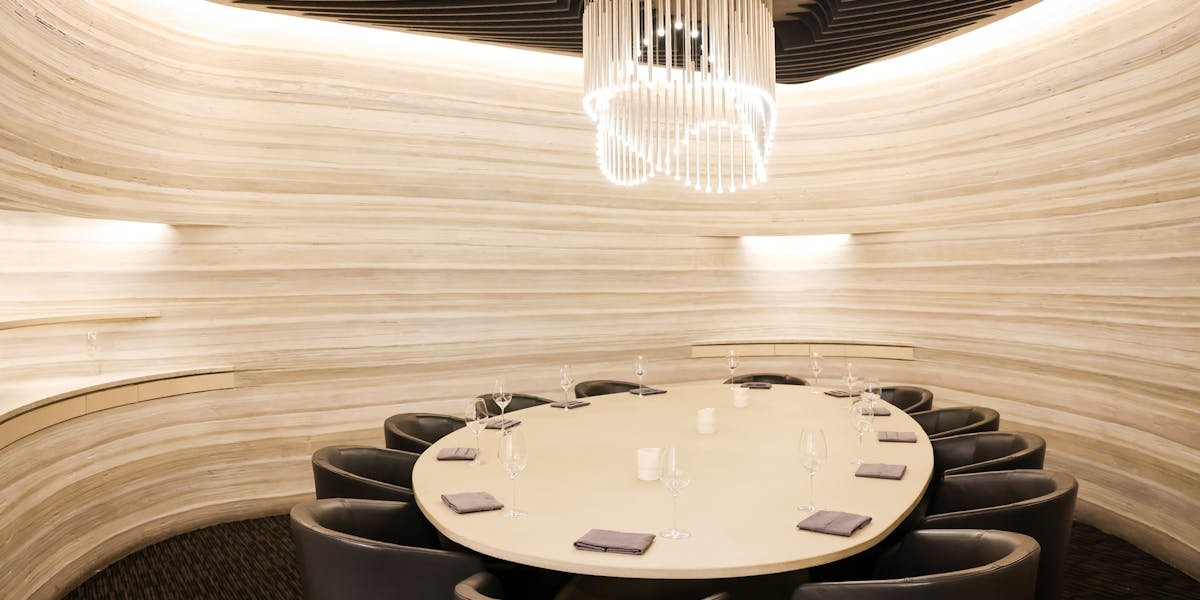
Cozy counter-service cafe with patio seating and a welcoming neighborhood feel.