Willow Café and Bistro
Willow Café and Bistro occupies a storefront on Lincoln Avenue in Chicago's Lincoln Square, a neighbourhood where independent dining rooms have long held ground against the city's more celebrated corridors. The café sits within a local tradition of ingredient-conscious cooking that connects neighbourhood restaurants to the broader Midwestern sourcing conversation happening across the city's dining scene.
Pearl is the En Primeur Club membership app — saves, bookings, and concierge access live there. Same editors, same standards.
- Address
- 4729 N Lincoln Ave, Chicago, IL 60625
- Phone
- +17737540341
- Website
- willowcafeandbistro.com
- Directions
- Get directions
 Saves & bookings on Pearl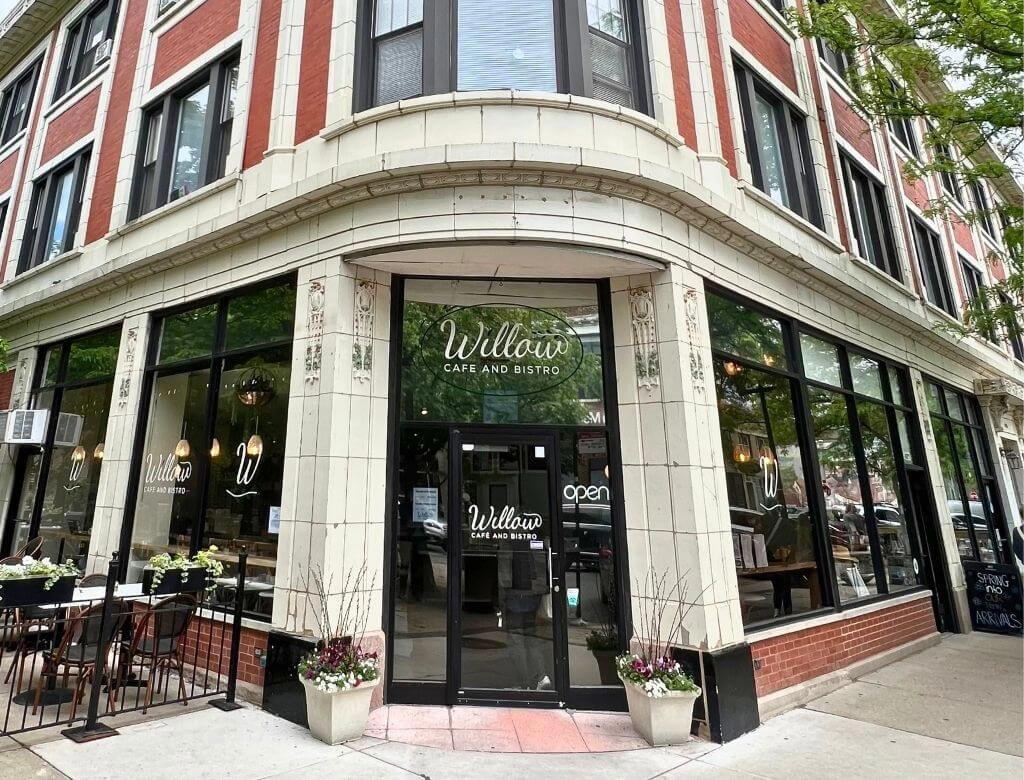
Lincoln Square and the Neighbourhood Dining Room
Lincoln Avenue through Lincoln Square moves at a different pace than the West Loop or River North. The storefronts here have depth, old German bakeries, independent bookshops, music venues that have survived multiple cycles of the city's cultural economy. At 4729 N Lincoln Ave, Willow Café and Bistro occupies that same register: a neighbourhood dining room in a corridor that rewards the kind of attention usually reserved for destination restaurants further south. Alinea, Smyth, Oriole, and the quieter neighbourhood rooms where the city's residents actually eat through the week. Willow sits in the latter category, and that positioning carries its own set of expectations.
Where the Food Comes From
The Midwestern sourcing conversation has deepened considerably over the past decade. What began as a marketing posture at upmarket restaurants, a line about local farms on a tasting-menu cover, has filtered into the neighbourhood dining tier in more substantive ways. Across Chicago, café and bistro formats on the North Side have increasingly built their identities around what the regional agricultural calendar actually offers: Illinois sweet corn in late July, door-county cherries in early summer, Great Lakes whitefish through the colder months. This is the food-systems argument made tangible at the plate level, and it shapes what a neighbourhood room like Willow can credibly offer across the year.
The ingredient-sourcing frame matters here because it determines the ceiling of what a bistro format can achieve. Rooms that commit to regional supply chains accept tighter menus and shorter preparation windows in exchange for produce at a different quality tier than what a broadline distributor delivers. That trade-off is visible in the café and bistro category across comparable cities: Lazy Bear in San Francisco built its entire reputation on this logic, and Blue Hill at Stone Barns in Tarrytown made the farm-to-table commitment so structural that the farm is literally on the property. Those are the far end of a spectrum that neighbourhood rooms access at a different scale and price point, but the underlying principle is the same.
The Seasonal Argument in Practice
Late spring through early autumn is when Chicago's sourcing-driven rooms make their clearest case. The Illinois growing season concentrates its leading output into a relatively short window, roughly May through October, and neighbourhood bistros that track it closely shift their menus with enough frequency that a return visit two months apart can feel like an entirely different room. This is the version of seasonality that matters most at the café tier: not the theatrical menu-change announcements of a tasting-menu kitchen, but the quieter rotation of what's actually available from nearby producers week to week.
Winter in Chicago tests that commitment. The city's restaurant scene bifurcates in the colder months between rooms that lean into preserved, fermented, and stored ingredients, root vegetables, dried legumes, house-cured proteins, and those that quietly revert to year-round commodity sourcing. The neighbourhood bistro format has always been where this tension is most visible, because the price point doesn't easily absorb the cost premium of sourcing through a thin winter supply. For diners timing a visit, the shoulder seasons, May and September, tend to offer the highest-quality produce alongside reasonable booking availability before the summer peak compresses both.
Lincoln Square in the Broader Chicago Context
Understanding where Willow sits in Chicago's dining geography requires some orientation. The city's most discussed restaurants cluster in a different geography: the West Loop tasting-menu corridor, the River North expense-account rooms, and the spots like Kasama and Next Restaurant that generate national attention. Lincoln Square operates outside that circuit, which is precisely what gives its independent dining rooms their character. The neighbourhood has a residential permanence that the more touristic corridors lack, and its restaurants respond to a repeat-diner economy rather than a first-visit-only one.
That dynamic shapes the café and bistro format in specific ways. A room that serves the same guests multiple times a month has to change, has to have depth beyond a single signature dish, has to earn its place in a weekly routine rather than a special-occasion calendar. The comparison set for Willow is less the celebrated rooms that draw national press, The French Laundry in Napa, Le Bernardin in New York City, Providence in Los Angeles, and more the neighbourhood institutions that anchor a block and outlast the trend cycles. Bacchanalia in Atlanta built its reputation over decades on exactly this kind of sustained neighbourhood credibility. That's the longer game, and it's the one neighbourhood bistros play.
Planning a Visit
Willow Café and Bistro is located at 4729 N Lincoln Ave in Chicago's Lincoln Square neighbourhood, reachable via the Brown Line at Western station, roughly a five-minute walk south along the avenue. For diners approaching from the Loop, the commute runs around 30 minutes by transit. The restaurant is recommended for reservations and prices average about $25 per person. The neighbourhood rewards a longer evening: Lincoln Square has enough independent retail and bar presence to extend a dining visit into a fuller outing, particularly between April and October when the avenue's foot traffic picks up.
For a fuller picture of where Willow sits in Chicago's dining scene, maps the city's key neighbourhoods and dining tiers. Readers interested in farm-sourcing-led formats elsewhere in the country should also look at Single Thread Farm in Healdsburg and Addison in San Diego, both of which operate the sourcing commitment at a different price tier. The Inn at Little Washington and Atomix in New York City represent the tasting-menu end of ingredient-focused cooking for readers cross-referencing across formats. Emeril's in New Orleans and 8 1/2 Otto e Mezzo Bombana in Hong Kong round out the comparison for readers tracking how different cities handle ingredient-forward cooking at varying price points.
Peers in This Market
Comparable venues nearby, for context on price, style, and recognition.
| Venue | Cuisine | Price | Notes |
|---|---|---|---|
| Willow Café and BistroThis venue — the venue you are viewing | American Bistro with German Influences | $$ | Not listed |
| Mirella's Tavern | Modern American Tavern | $$ | Wicker Park |
| Milk & Honey Cafe | American Cafe | $$ | Wicker Park |
| Green Door Tavern | Classic American Gastropub | $$ | River North |
| Brix Catering and Events | Contemporary American Catering | $$ | Roscoe Village |
| Windy City Sweets | Gourmet Candy & Handmade Chocolates | $$ | Lake View East |
At a Glance
- Lively
- Cozy
- Brunch
- Casual Hangout
- Family
- Standalone
Current opening hours
- Monday
- 7:30 AM–8 PM
- Tuesday
- 7:30 AM–8 PM
- Wednesday
- 7:30 AM–8 PM
- Thursday
- 7:30 AM–8 PM
- Friday
- 7:30 AM–8 PM
- Saturday
- 7:30 AM–8 PM
- Sunday
- 7:30 AM–8 PM
Hours can change for holidays and private events. Last verified .
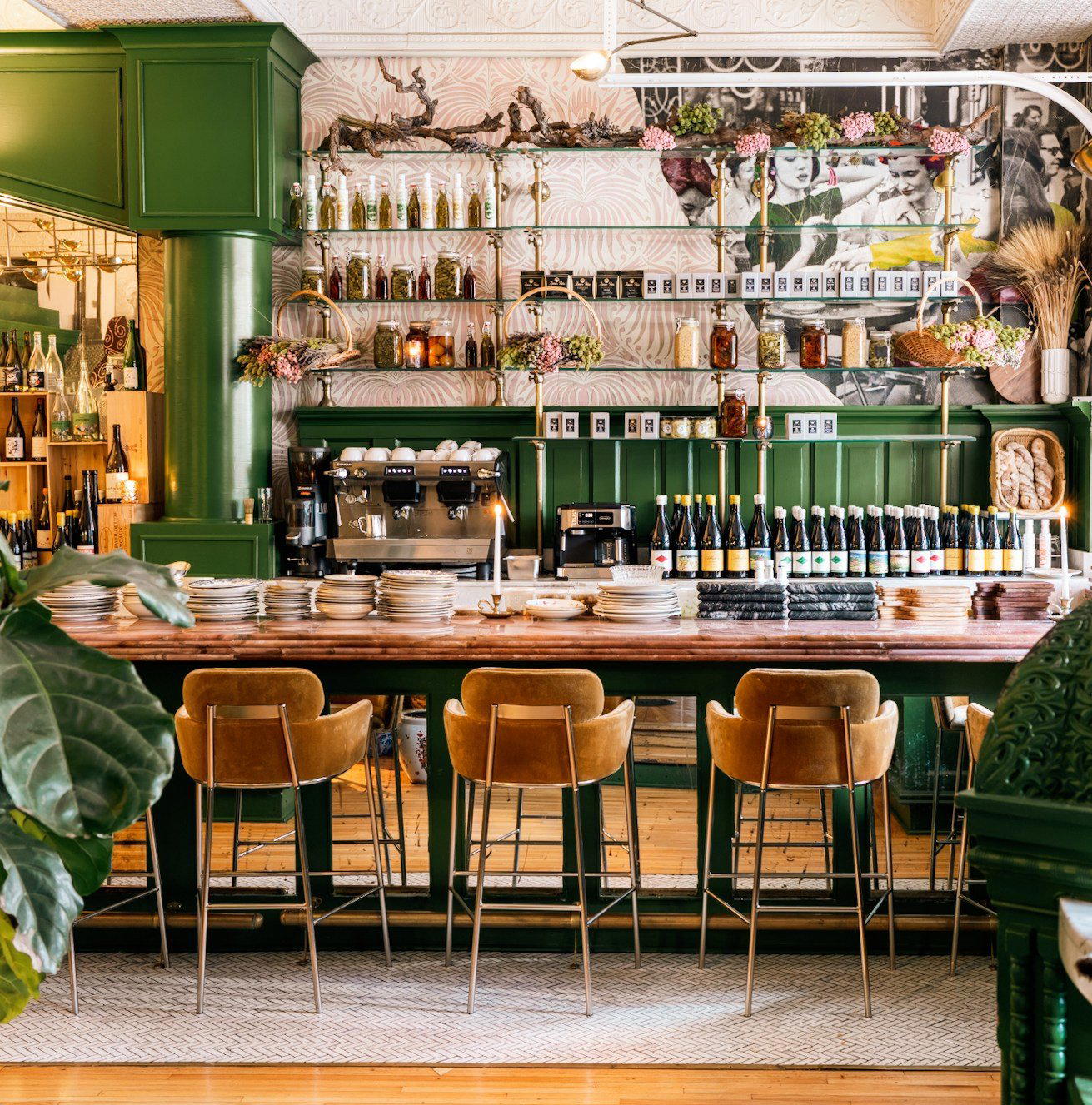
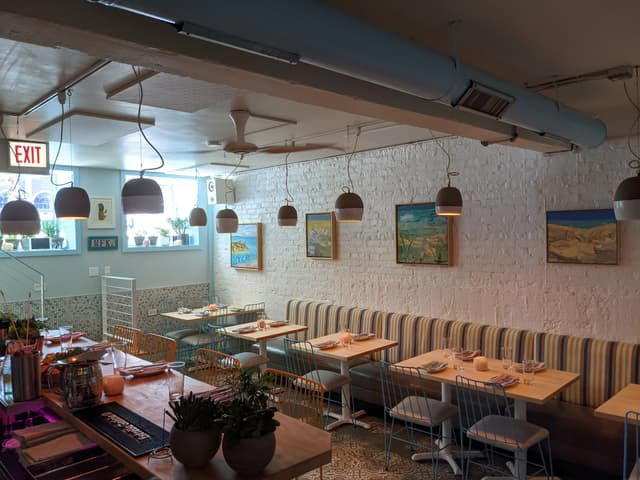
Bright windows and lively seating creating a welcoming, breezy atmosphere.