Our verdict
Nussberg sits in Vienna's 19th district, where the city's wine-growing slopes meet the Danube valley. The area has long defined a particular style of Austrian dining: ingredient-led, seasonally anchored, and rooted in the vineyards that begin almost at the restaurant's doorstep. For visitors tracing the serious end of Vienna's dining scene, the Nussberg hillside is a natural reference point.

Pearl is the En Primeur Club membership app, where members save venues, book tables and use the concierge.
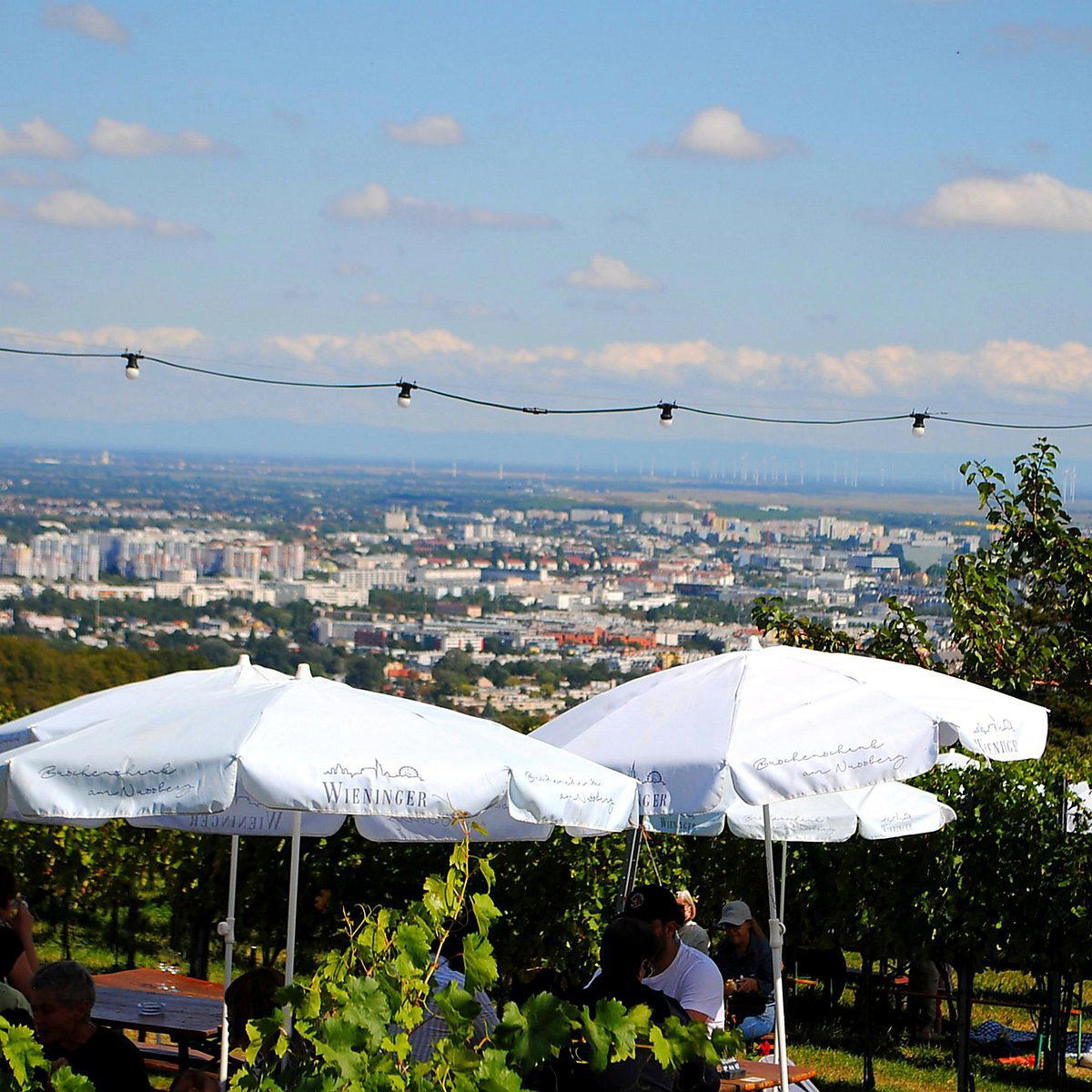
Where Vienna's Vineyards Begin
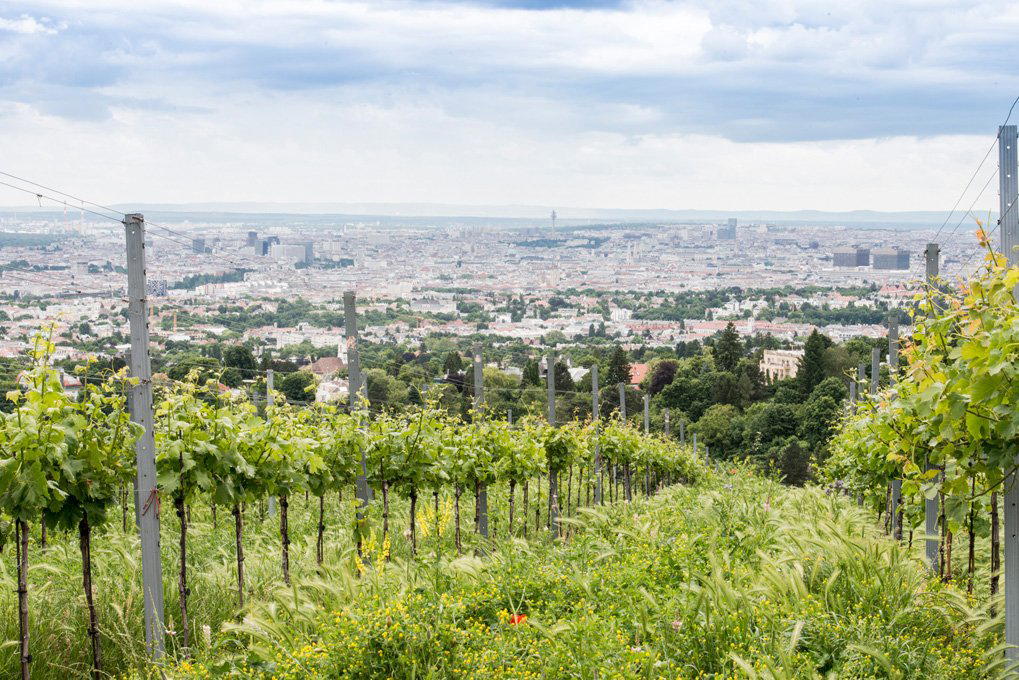
The 19th district of Vienna, Döbling, occupies a stretch of terrain that most European capitals simply don't have: working vineyards within the city boundary, sloping down toward the Danube from the Wienerwald. The Nussberg hill sits at the northern edge of this growing area, and it gives its name to one of Vienna's most prized Grüner Veltliner and Riesling sites. Dining in this part of the city carries a particular character as a result. Producers and restaurateurs here operate with the vineyard as a literal backdrop, not a branding device, and ingredient sourcing decisions tend to reflect that proximity in ways that feel less performative than in the city centre.
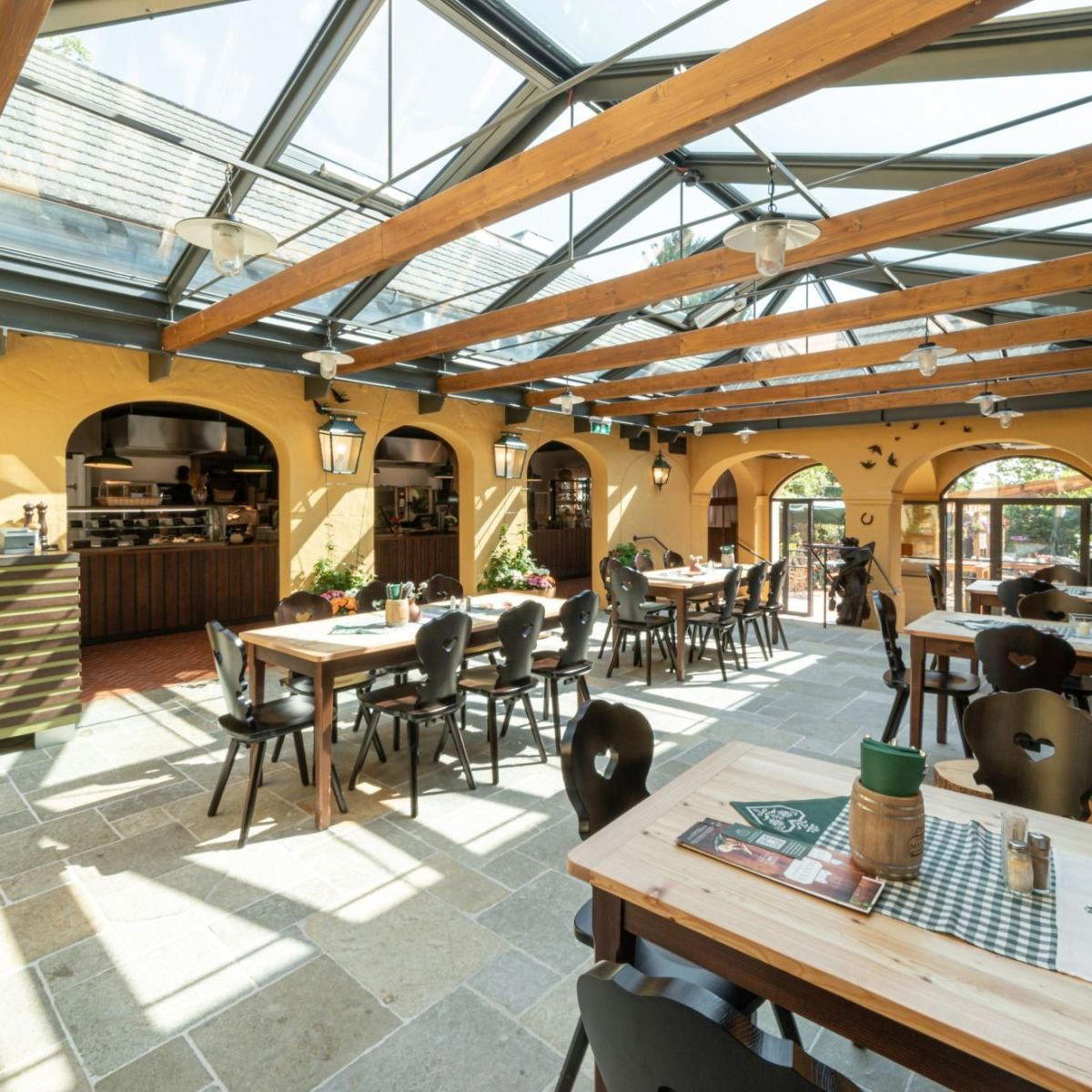
This is the context that shapes what eating and drinking at Nussberg means. Vienna's wine villages, known as Heurigen, have operated on the city's fringes for centuries under rules established by Joseph II in 1784, which permitted growers to sell their own wine directly to the public. The Nussberg area sits within that tradition, but the dining options here have moved considerably beyond the classic Heuriger format of cold platters and open-courtyard carafes. The hillside now accommodates a range of formats, from traditional wine taverns to more structured table-service restaurants, all of them working with produce that the geography makes almost unavoidably local.
Sourcing as Geography
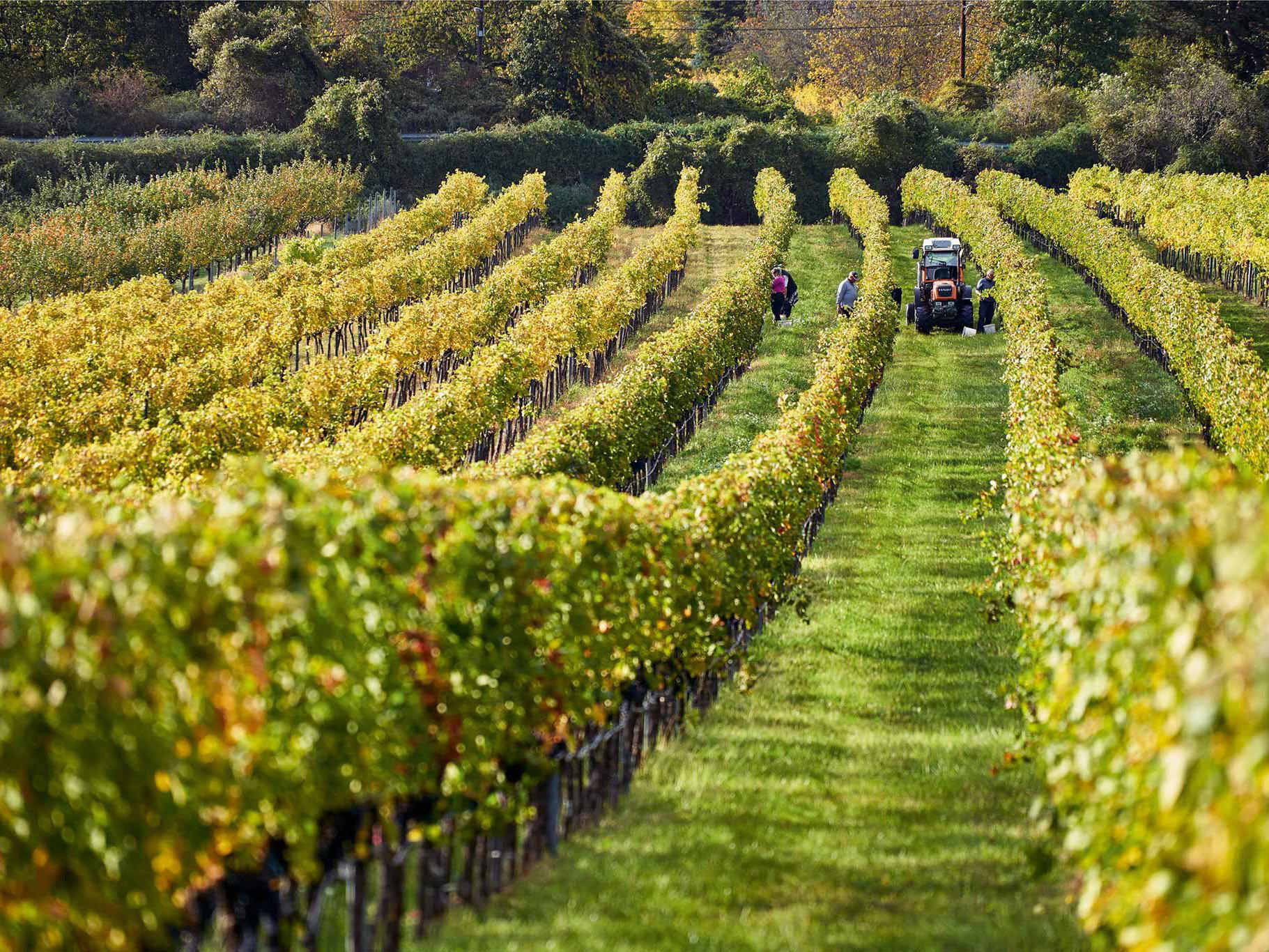
The ingredient story at venues in this part of Vienna is partly a story about altitude and soil. The Nussberg site itself is known for primary-loess soils that drain well and warm quickly, conditions that produce wines with a mineral precision Viennese growers have documented across multiple decades of small-scale production. Restaurants operating in the shadow of these slopes have access to those wines at a proximity that changes how wine lists are constructed. Rather than importing Austrian wine from Kamptal or Wachau as a premium addition, a venue on the Nussberg can source from producers whose cellars are within walking distance.
That same logic extends to other ingredients. The Wienerwald behind the hill provides forage territory, and the market gardens of the Danube plain below have supplied Vienna's kitchens for generations. The Austrian tradition of seasonal, regionally anchored cooking, visible at high-recognition addresses like Steirereck im Stadtpark in Vienna and, further afield, at Landhaus Bacher in Mautern an der Donau, finds one of its more natural expressions in a district where the ingredients are, in the most literal sense, grown on-site or nearby. This is not farm-to-table as a marketing category; it is farm-to-table as a consequence of where you are.
For comparison, consider how the Austrian alpine dining scene handles the same sourcing logic. Addresses like Döllerer in Golling an der Salzach and Obauer in Werfen have built reputations specifically around the hyper-local sourcing that mountain terrain enforces. The Nussberg hillside operates on a different geographic logic, urban rather than alpine, but the underlying relationship between place and plate is structurally similar.
The Dining Character of the Area
What you find on the Nussberg reflects Viennese dining at its least self-conscious. The city centre, with its grand hotel dining rooms and the competitive cluster around the Ringstrasse, has a formality that the 19th district rarely matches or attempts to match. Tables here tend toward a slower pace, meals built around the wine rather than the other way around, and a general assumption that the people sitting down have come specifically for the setting and the produce, not to be seen or to collect a status experience.
That makes Nussberg a reasonable choice for evenings that favour conversation over occasion-dining theatrics. The area is not where Vienna's most technically ambitious cooking happens. For that register, Steirereck im Stadtpark remains the city's most recognised address, and the broader Austrian dining circuit, which stretches from Taubenkobel in Schützen am Gebirge to Ikarus in Salzburg, offers more elaborate tasting formats. What Nussberg offers is a different register entirely: ingredient-led, wine-forward, and grounded in a place that happens to produce some of the most distinctive urban wine in Europe.
The area also has a strong local following, which matters for reading how a neighbourhood dining scene works. Venues that attract primarily local regulars tend to price and programme differently from those that depend on tourist cycles. In Döbling, the clientele walking up to Nussberg is as likely to be Viennese as international, which keeps the format honest and the seasonal programming responsive to what is actually in season rather than what reads well on a translated menu.
Getting There and Planning a Visit
Vienna's public transport makes the 19th district accessible without difficulty. Tram lines D and 37 connect the Nussberg area to the city centre, and the journey from the Ringstrasse takes roughly twenty minutes. From the tram stop, the hillside venues require a short walk uphill, which in warm months becomes part of the experience rather than an obstacle. The Nussberg is at its most atmospheric from late spring through October, when the vines are in leaf and the outdoor terrace culture of the area fully opens. Winter visits are possible but the character of the area shifts considerably once the growing season ends.
For visitors building a wider Austrian dining itinerary, the 19th district works as a local anchor alongside more formal stops. The Nussberg experience pairs logically with a visit to Pizzeria Riva, another Döbling address with a strong neighbourhood reputation, or can be positioned as the informal complement to a more structured evening at one of Vienna's recognised fine dining addresses. Those exploring Austria's broader dining geography should also consider Ois in Neufelden, Kräuterreich by Vitus Winkler in Sankt Veit im Pongau, and Atelier Fischer in Sankt Gilgen, all of which operate on similar ingredient-first principles in regional settings. Our full Wien restaurants guide maps the city's dining options across price points and formats.
For those with a broader international frame of reference, the Nussberg model of place-rooted dining is not unlike what has emerged at celebrated addresses in other geographies, including the community-format approach at Lazy Bear in San Francisco or the produce-first emphasis at Le Bernardin in New York City, where sourcing integrity is the organising principle rather than an afterthought.
Frequently asked questions
Can I bring kids to Nussberg?
The Nussberg area in Vienna's 19th district has an outdoor, neighbourhood character rather than a formal dining-room atmosphere, which generally suits families with children. The terrain is hilly, so factor in mobility when planning with young kids. Trams D and 37 connect the area to the city centre, making it straightforward to reach without a car.
Is Nussberg better for a quiet night or a lively one?
Nussberg sits in Döbling, well away from the city centre's grand hotel dining rooms and the competitive noise of the inner districts. The character here runs toward the unhurried end: vine-facing tables, local regulars, and wine drawn from primary-loess soils that have shaped the hillside for generations. This is not the address for a late, loud evening.
What makes Nussberg distinctive among Vienna's wine-growing sites?
Nussberg is one of the few vineyard sites within a European capital that sits inside the city boundary while still producing wine classified under its own named location. The primary-loess soils on the hillside give wines from this slope a mineral signature that distinguishes them from the clay-heavy sites further down into Döbling. For visitors based in Vienna's 1190 postal district, it represents the city's most direct connection between urban life and an active wine-growing tradition.
What do people recommend at Nussberg?
Venues in this part of Vienna are closely tied to what the loess-soil vineyards of the Nussberg site produce, so local wine is the anchor of any visit. Grüner Veltliner and Riesling grown on the hillside tend to be the reference point around which food choices are made. Ask what is poured from the estate's own vines first.
What's Nussberg's location?
Nussberg is located at 1190 Vienna, Austria, Wien.
How hard is it to get a table at Nussberg?
The 19th district's Heuriger and dining venues operate on seasonal rhythms, with vineyard-facing spots filling quickly during the spring and autumn wine periods. Walking in without a reservation is more viable here than in central Vienna, but calling ahead during harvest season is advisable.
In Context: Similar Options
| Venue | Cuisine | Price | Awards | Notes |
|---|---|---|---|---|
| NussbergThis venue (the venue you are viewing) | Austrian Buschenschank Wine Tavern | $20–30 | Not listed | Not listed |
| Steirereck im Stadtpark | Modern Austrian Fine Dining | $200–300 | 3 Michelin Stars · World's 50 Best #33 | Creative |
| Döllerer | Modern Alpine Cuisine | $100–150 | 2 Michelin Stars · La Liste Top Restaurants | Contemporary Austrian, Innovative |
| Landhaus Bacher | Classic Austrian Fine Dining | $100–150 | 2 Michelin Stars · La Liste Top Restaurants | Austrian, Classic Cuisine |
| Obauer | Modern Austrian Fine Dining | $50–100 | 2 Michelin Stars · La Liste Top Restaurants | Classic Cuisine |
| Taubenkobel | Regional Austrian Fine Dining | Not listed | 2 Michelin Stars · La Liste Top Restaurants | Modern Austrian, French Contemporary |
Continue exploring
More in Vienna
Restaurants in Vienna
All restaurants in Vienna →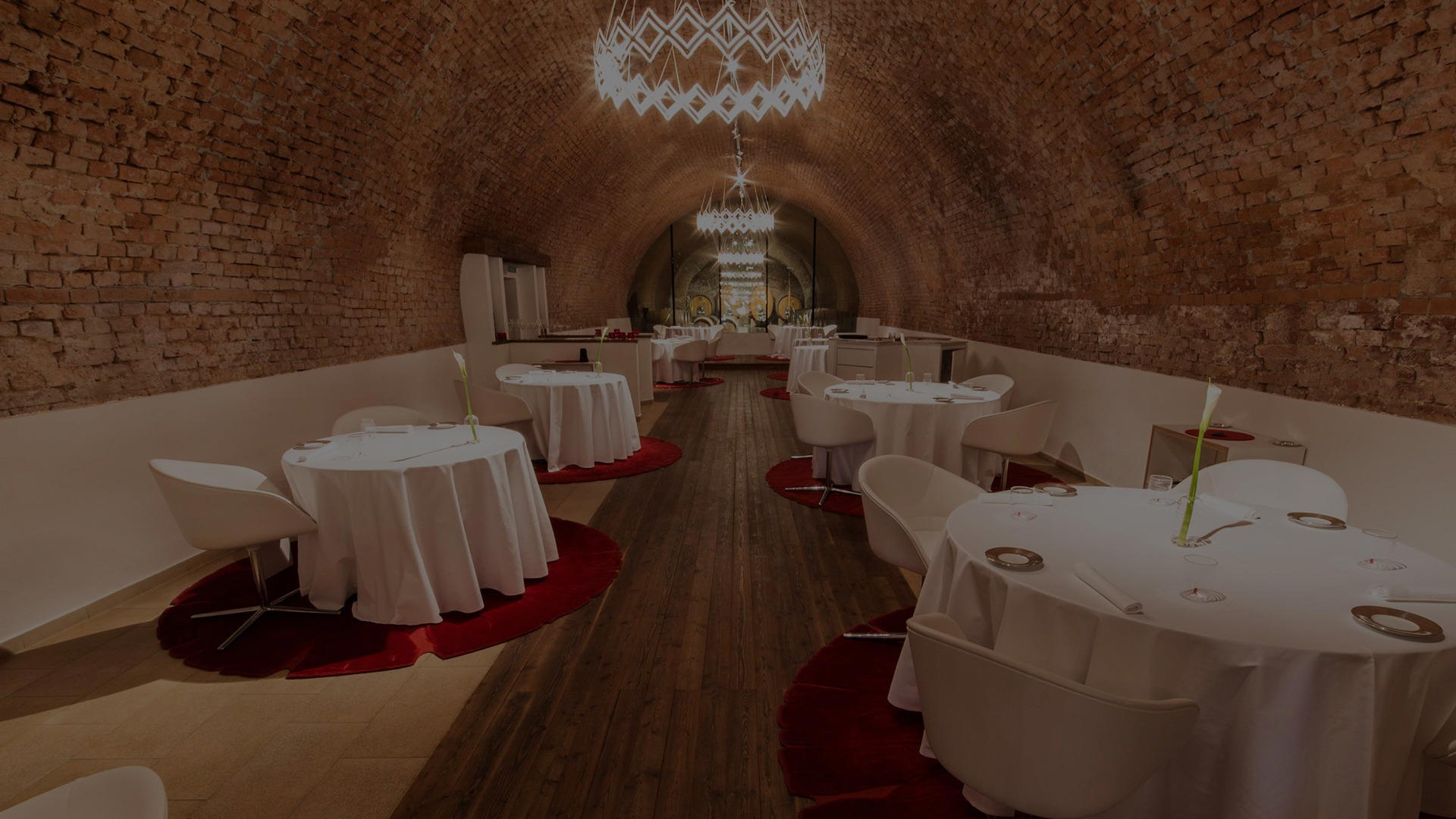
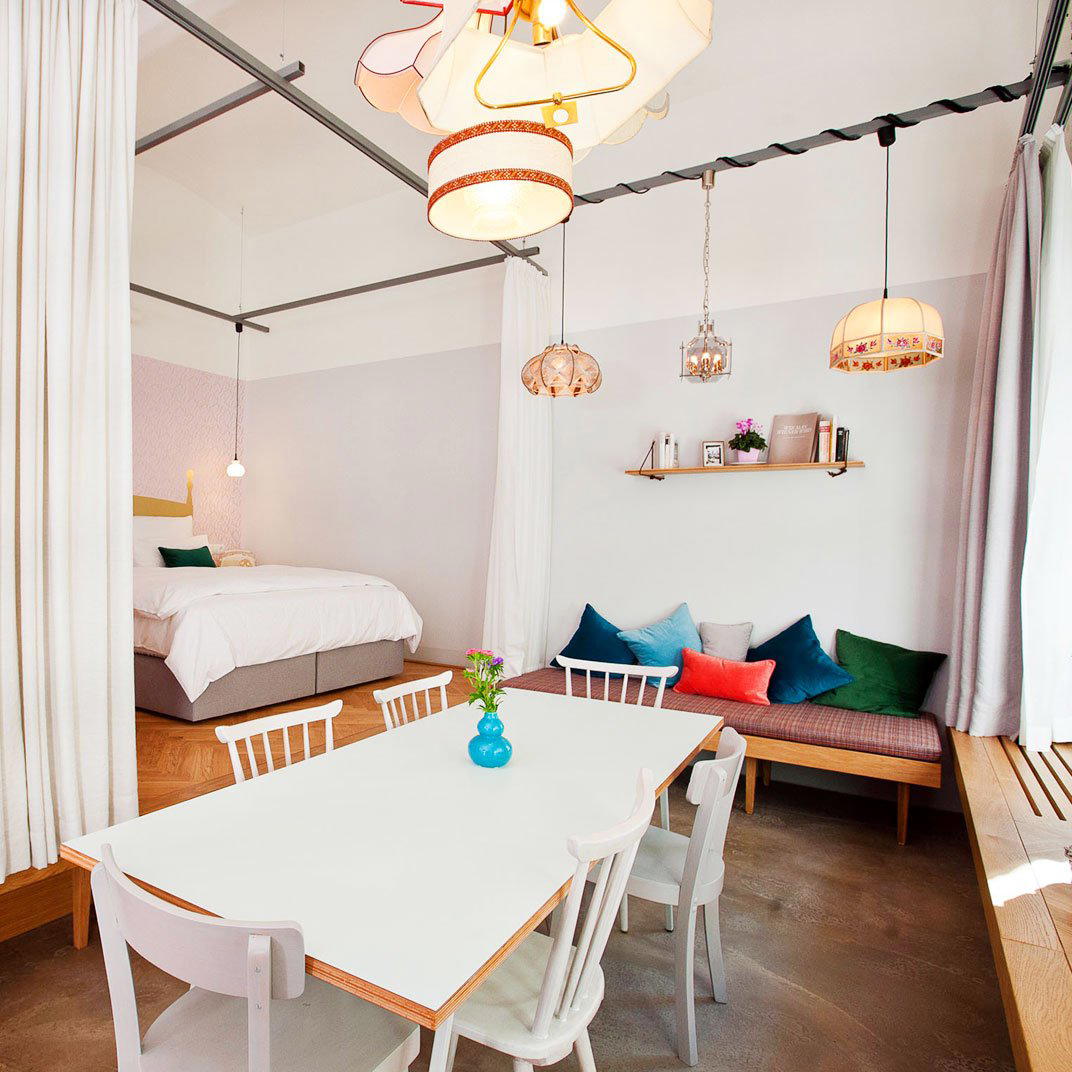
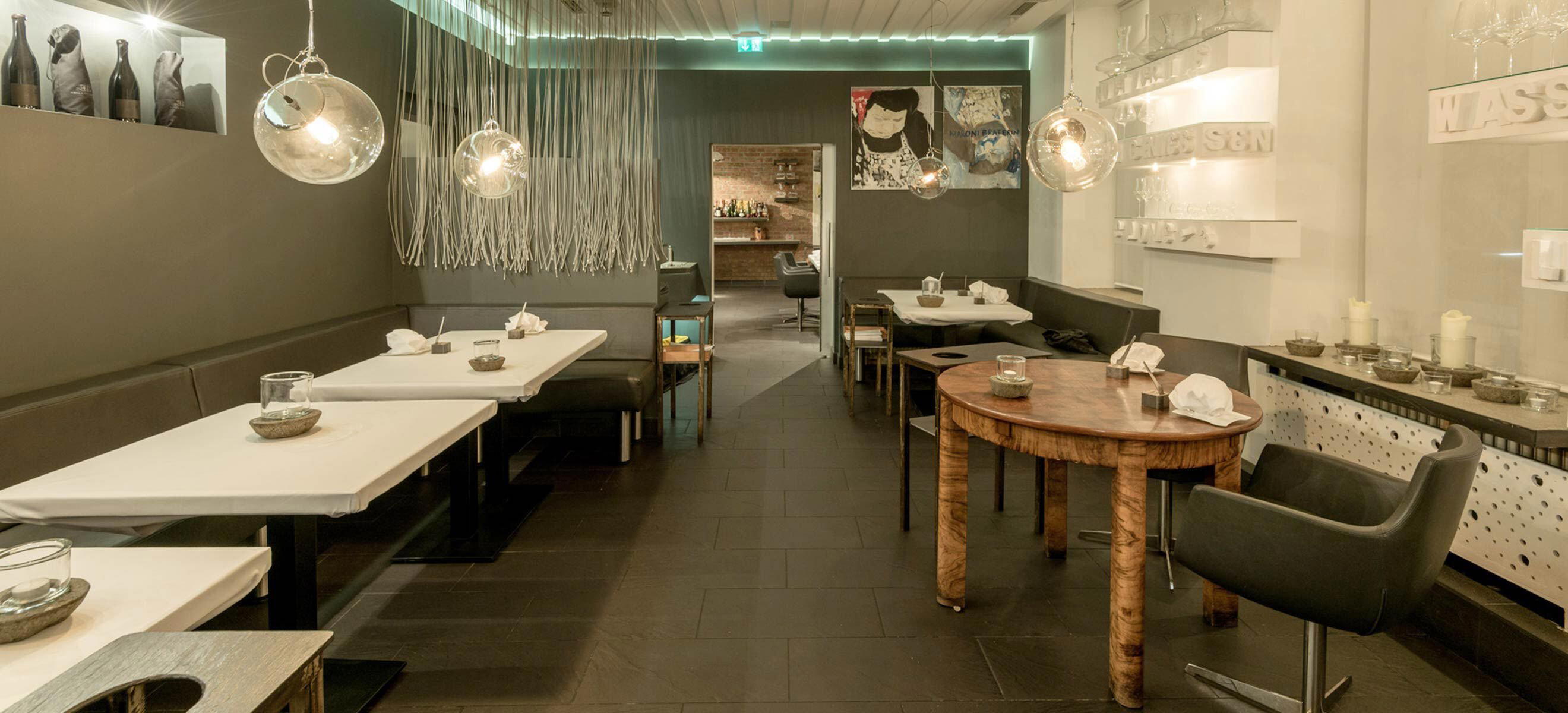
Bars in Vienna
All bars in Vienna →
Hotels in Vienna
All hotels in Vienna →
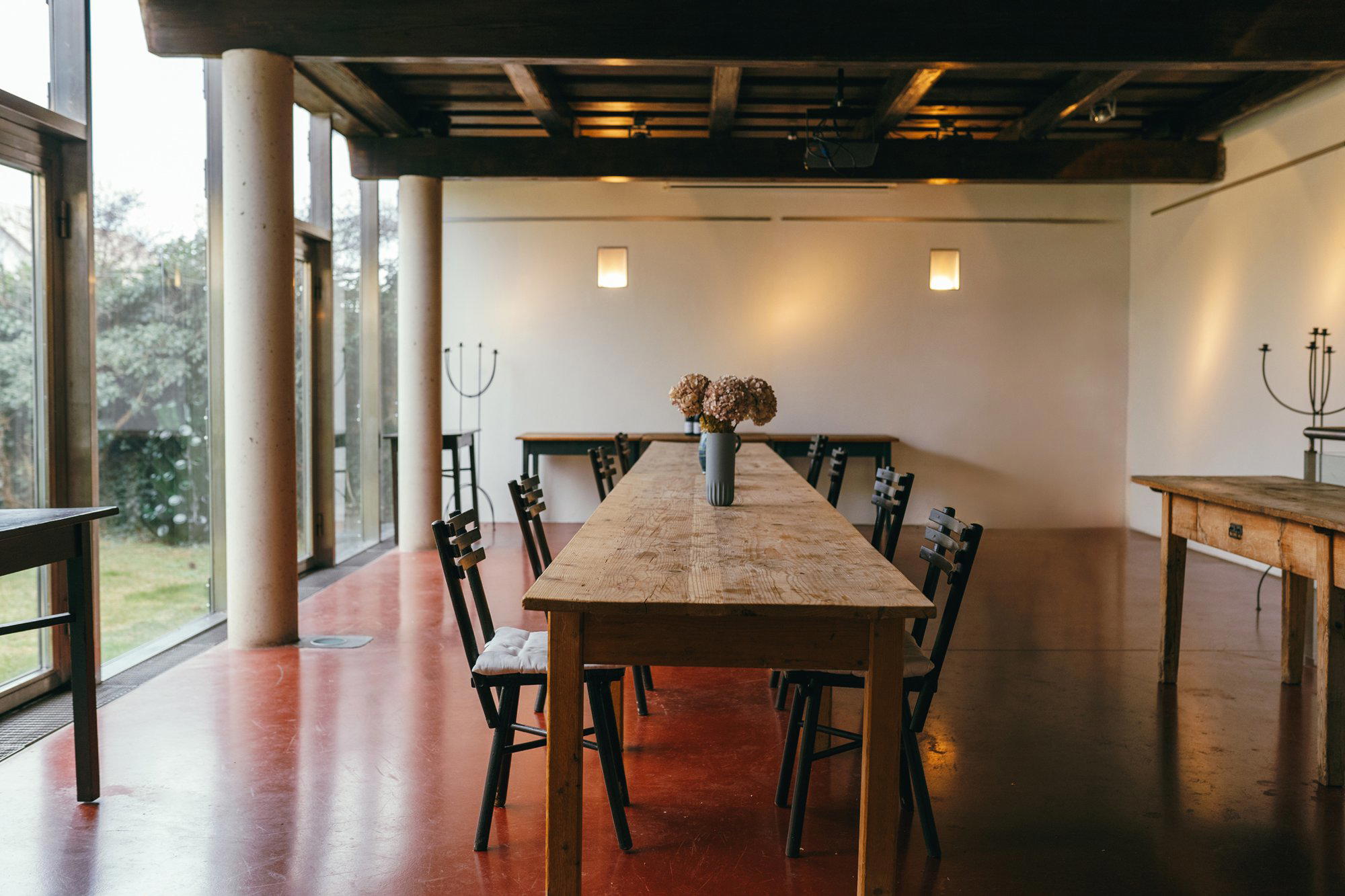
Details
- Scenic
- Cozy
- Rustic
- Elegant
- Date Night
- Casual Hangout
- Special Occasion
- Terrace
- Panoramic View
- Extensive Wine List
- Biodynamic
- Local Sourcing
- Vineyard
- Skyline
- Small Plates
- Vegetarian Friendly
Fantastic terrace atmosphere with dramatic views, though can be lively and crowded with younger crowds.