
Our verdict
Pizzeria Riva on Billrothstraße in Vienna's 19th district makes the case for Neapolitan pizza as a serious culinary form. Built around authenticated Southern Italian ingredients, Neapolitan flour, San Marzano tomatoes, the kitchen applies a discipline that separates it from the city's broader pizza offer. For Vienna winters, when the appetite runs toward honest, ingredient-led cooking in a warm room, few addresses in the district deliver with comparable focus.

Pearl is the En Primeur Club membership app, where members save venues, book tables and use the concierge.
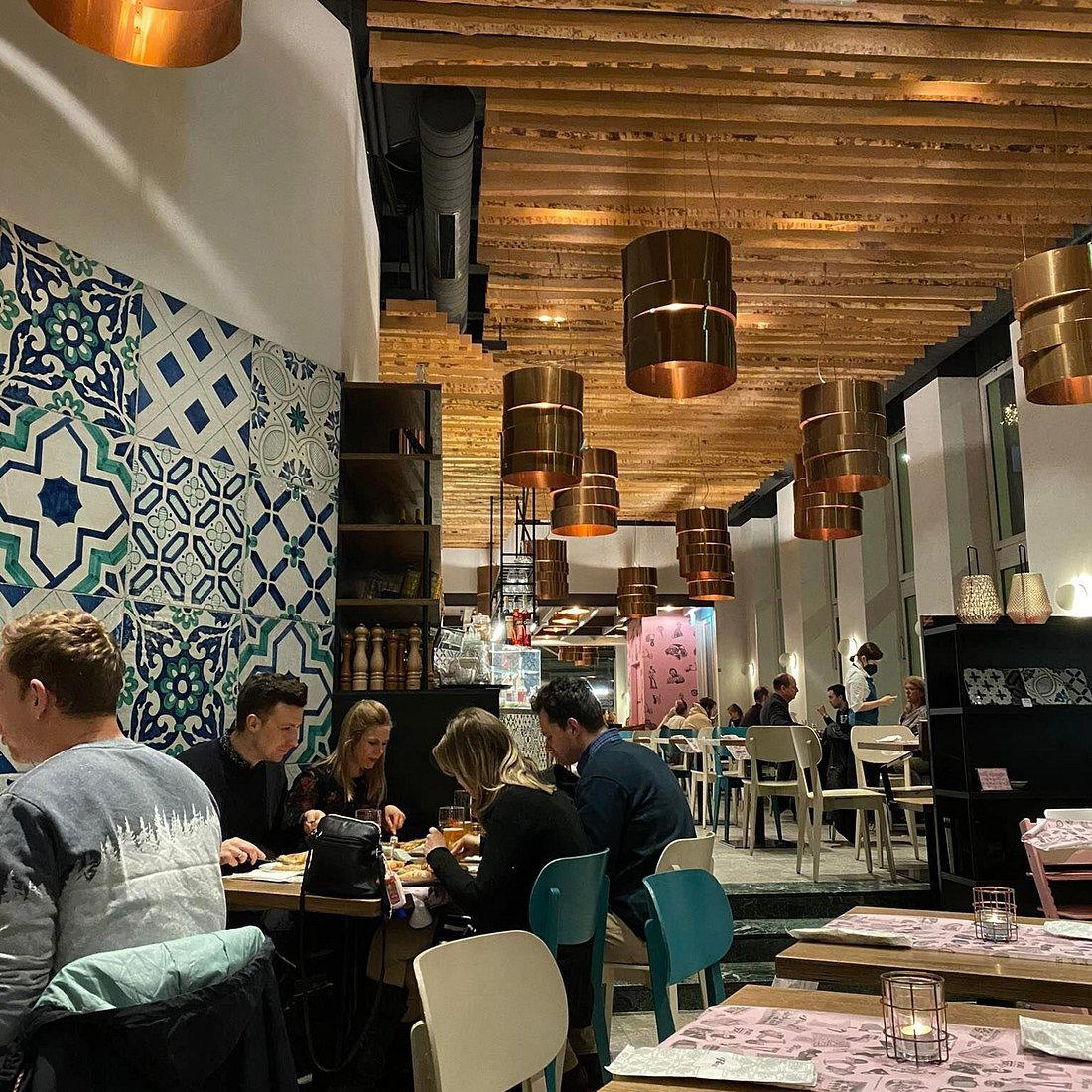
Where Neapolitan Discipline Meets Vienna's 19th District
Billrothstraße cuts through Döbling with a residential composure that belongs to prosperous inner suburbia rather than tourist Vienna. The 19th district sits above the Ring, beyond the Gürtel, closer to the Wienerwald than to the Innere Stadt's restaurant density. That geography matters. Eating well here is less about spectacle and more about the kind of neighbourhood anchoring that any serious city needs: a place that earns repeat visits from people who live within walking distance and know exactly what they're coming for. Pizzeria Riva, at the corner of Billrothstraße 19 and Schegargasse, occupies that role with a specific culinary argument, that Neapolitan pizza, made with the right materials and the right method, has a place in a city whose fine-dining conversation is dominated by the likes of Steirereck im Stadtpark and whose tasting-menu culture runs deep.
The Ingredient Case for Southern Italian Authenticity
Neapolitan pizza's credibility rests almost entirely on sourcing. The tradition's governing body, the Associazione Verace Pizza Napoletana, certifies pizzerias that adhere to input and process specifications, and the conversation around Naples-style pizza internationally tends to pivot on two materials above all others: the flour and the tomato. Pizzeria Riva builds its offer around both. Neapolitan flour, a soft wheat type milled to a lower protein specification than bread flour, produces the characteristic cornicione: a rim that puffs and chars at the same time, with an open crumb that holds moisture without going slack. San Marzano tomatoes, grown in the volcanic soil of the Agro Sarnese-Nocerino DOP zone south of Naples, carry a lower acidity and a denser pulp than standard plum varieties, which translates directly to a sauce that doesn't thin out or turn sharp under oven heat.
In Vienna, where pizza sits in a competitive category ranging from mass-market chains to Italian-owned trattorias of variable seriousness, a kitchen that specifies its flour origin and tomato provenance is making a precise claim. It is not simply saying the pizza is good. It is saying the pizza is made the way it is supposed to be made, from the materials the tradition requires. That's a harder claim to sustain, and it tends to filter out the casual operators fairly quickly.
The Ambience Argument: Modern Setting, Southern Italian Logic
The physical environment at Pizzeria Riva reads as modern and accessible rather than rustic-Italian in the decorative sense. Vienna has its share of red-checked tablecloths and terracotta-tiled Italian restaurants from an earlier era of the city's dining culture. Riva's described ambience runs in a different direction, contemporary in fit-out, the kind of setting where the food is meant to be the focus rather than the room's costuming. That positioning aligns Riva with a broader European shift in how serious pizza operations present themselves: less trattoria theatre, more kitchen confidence.
For the winter months, January through March, and into November, when Vienna's restaurant scene bends toward heavier, warming formats, the specificity of a wood-fired Neapolitan pizza in a room with this kind of focus carries a particular appeal. The char on a well-made cornicione, the steam rising from a sauce made with dense San Marzano pulp: these are sensory facts, not marketing claims, and they belong to the season as naturally as a Viennese Tafelspitz or a Salzburger Nockerl from the mountain kitchens of Obauer in Werfen.
Pizzeria Riva Inside Vienna's Broader Restaurant Picture
Vienna's restaurant conversation at the higher end runs through Austrian cuisine in its contemporary and classic forms. The city's Michelin-recognised addresses and the names that dominate editorial attention, from the creative Austrian cooking at Steirereck to the innovative work at Döllerer further afield, operate in a different tier and a different mode entirely. Pizza, even serious pizza, doesn't compete in that conversation. What it does is fill a category that those addresses leave open: daily cooking, accessible pricing, a format that doesn't require a three-month booking window or a tasting-menu appetite.
Within that accessible category, the differentiator is sourcing discipline. Most pizza in Vienna, as in most European cities outside Naples and its immediate hinterland, is made with compromise ingredients: generic flour, industrial tomato paste, cheese that approximates rather than replicates the original. Riva's commitment to Neapolitan flour and San Marzano tomatoes places it above that compromise tier. For visitors who want to eat well without the full commitment of Vienna's haute cuisine circuit, or for residents in Döbling who want a reliable, honest meal close to home, that positioning is directly relevant.
If you're building a broader picture of eating and drinking in the city, our full Wien restaurants guide maps the range from fine dining to neighbourhood staples, alongside our Wien bars guide, hotels guide, and experiences guide for a complete picture of the city. For those planning wider Austrian travel, the alpine dining circuit at places like Griggeler Stuba in Lech, Stüva in Ischgl, or the herb-led cooking at Kräuterreich by Vitus Winkler offers a useful contrast with the urban restaurant culture Vienna represents. Further afield, internationally acclaimed kitchens like Le Bernardin in New York or Atomix benchmark the global fine dining standard that Austria's leading tables, including Ikarus in Salzburg and Tannenhof in Sankt Anton, operate alongside. Also worth noting for the Austrian circuit: Ois in Neufelden, Restaurant 141 by Joachim Jaud in Mieming, and Schwarzer Adler in Hall in Tirol.
Planning Your Visit
Pizzeria Riva sits at Billrothstraße 19, corner of Schegargasse, in Vienna's 19th district. The address is accessible by tram from central Vienna, a practical consideration for visitors staying in the city centre who want to eat outside the Innere Stadt's well-trodden circuit. Dress code is casual by nature of the format.
Frequently asked questions
Is Pizzeria Riva okay with children?
The modern, accessible setting at Billrothstraße 19 suits families well. Neapolitan pizza is a format children take to readily, and the neighbourhood's residential character in Döbling means the crowd skews local rather than late-night.
Is Pizzeria Riva formal or casual?
Casual. The ambience is described as modern and appealing rather than formal or rustic-theatrical. Döbling locals in everyday dress set the tone here, not a dressed-up dining room crowd.
Has Pizzeria Riva won any awards?
Pizzeria Riva has received recognition including: Pizzeria Riva offers the most pronounced Neapolitan pizza cuisine in Vienna, reinterpreting a Southern Italian tradition in a modern and appealing ambience. They use authentic ingredients like Neapolitan flour and San Marzano tomatoes.
What's the best thing to order at Pizzeria Riva?
The pizza is the entire point of the visit. Riva is recognised for the most pronounced Neapolitan pizza offering in Vienna, built on San Marzano tomatoes and Neapolitan flour, so ordering anything other than pizza would miss the kitchen's focus entirely.
Where exactly is Pizzeria Riva?
Pizzeria Riva is located at Billrothstraße 19 Ecke, Schegargasse, 1190 Wien, Austria, Wien.
Is Pizzeria Riva reservation-only?
Given its Döbling address and local reputation as Vienna's most committed Neapolitan pizza address, booking ahead for weekend visits is a reasonable precaution.
What is Pizzeria Riva known for?
Pizzeria Riva is recognised as the most pronounced Neapolitan pizza address in Vienna, using authenticated Southern Italian ingredients including San Marzano tomatoes and Neapolitan flour. It reinterprets a Campanian tradition with enough rigour to stand apart from Vienna's broader Italian restaurant offer.
A Quick Peer Check
| Venue | Cuisine | Price | Awards | Notes |
|---|---|---|---|---|
| Pizzeria RivaThis venue (the venue you are viewing) | Neapolitan Pizza | $10–20 | Not listed | Not listed |
| Steirereck im Stadtpark | Modern Austrian Fine Dining | $200–300 | 3 Michelin Stars · World's 50 Best #33 | Creative |
| Döllerer | Modern Alpine Cuisine | $100–150 | 2 Michelin Stars · La Liste Top Restaurants | Contemporary Austrian, Innovative |
| Ikarus | Guest Chef Fine Dining | $200–300 | 2 Michelin Stars · La Liste Top Restaurants | Modern European, Creative |
| Mraz & Sohn | Contemporary Austrian Fusion | $150–200 | 2 Michelin Stars · La Liste Top Restaurants | Modern Austrian, Creative |
| Obauer | Modern Austrian Fine Dining | $50–100 | 2 Michelin Stars · La Liste Top Restaurants | Classic Cuisine |
Recognition history
Dated appearances from independent guides and award organizations, with the underlying list record or original source where available.
50 Top Pizza 50 Top World Artisan Pizza Chains #44
50 Top Pizza
Continue exploring
More in Vienna
Restaurants in Vienna
All restaurants in Vienna →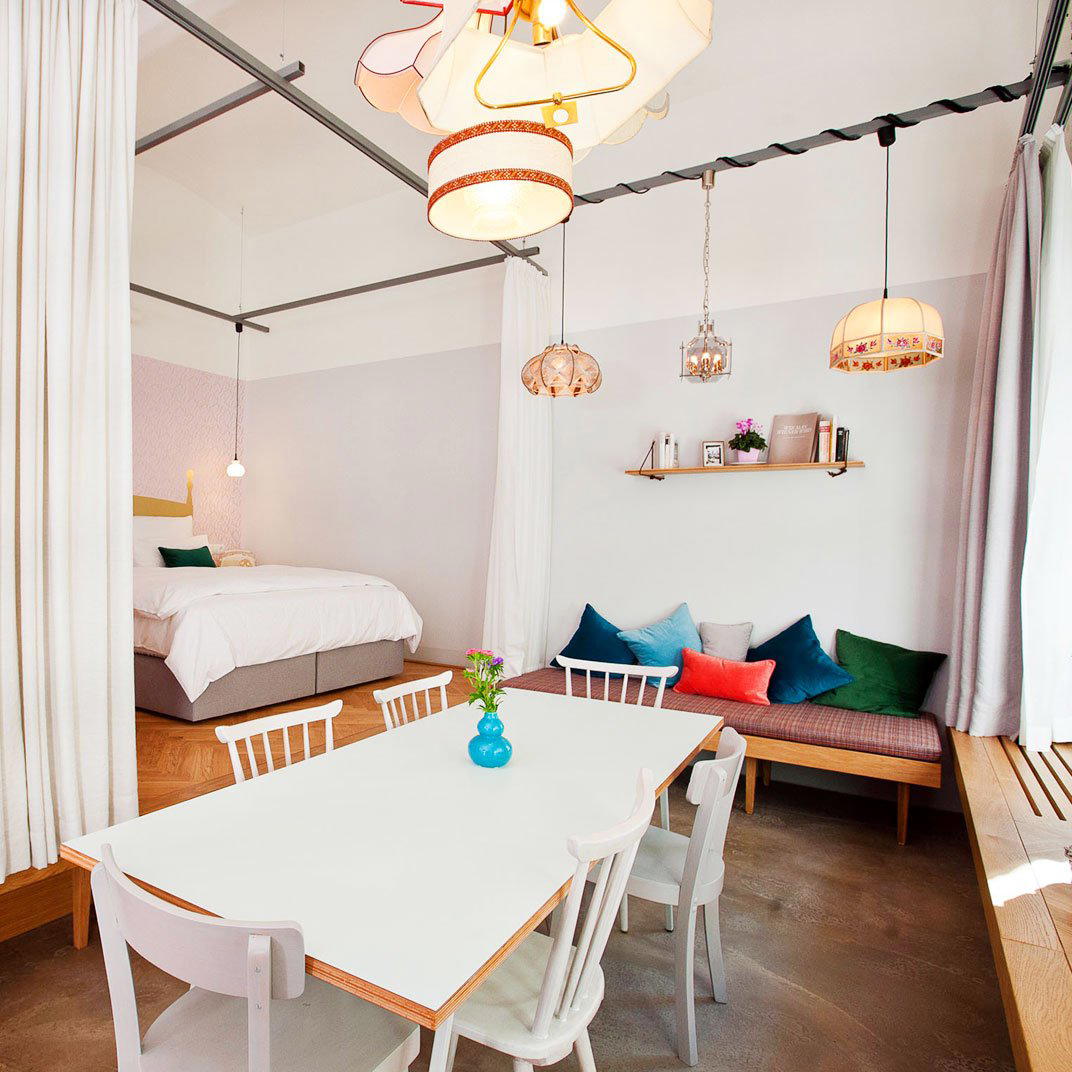
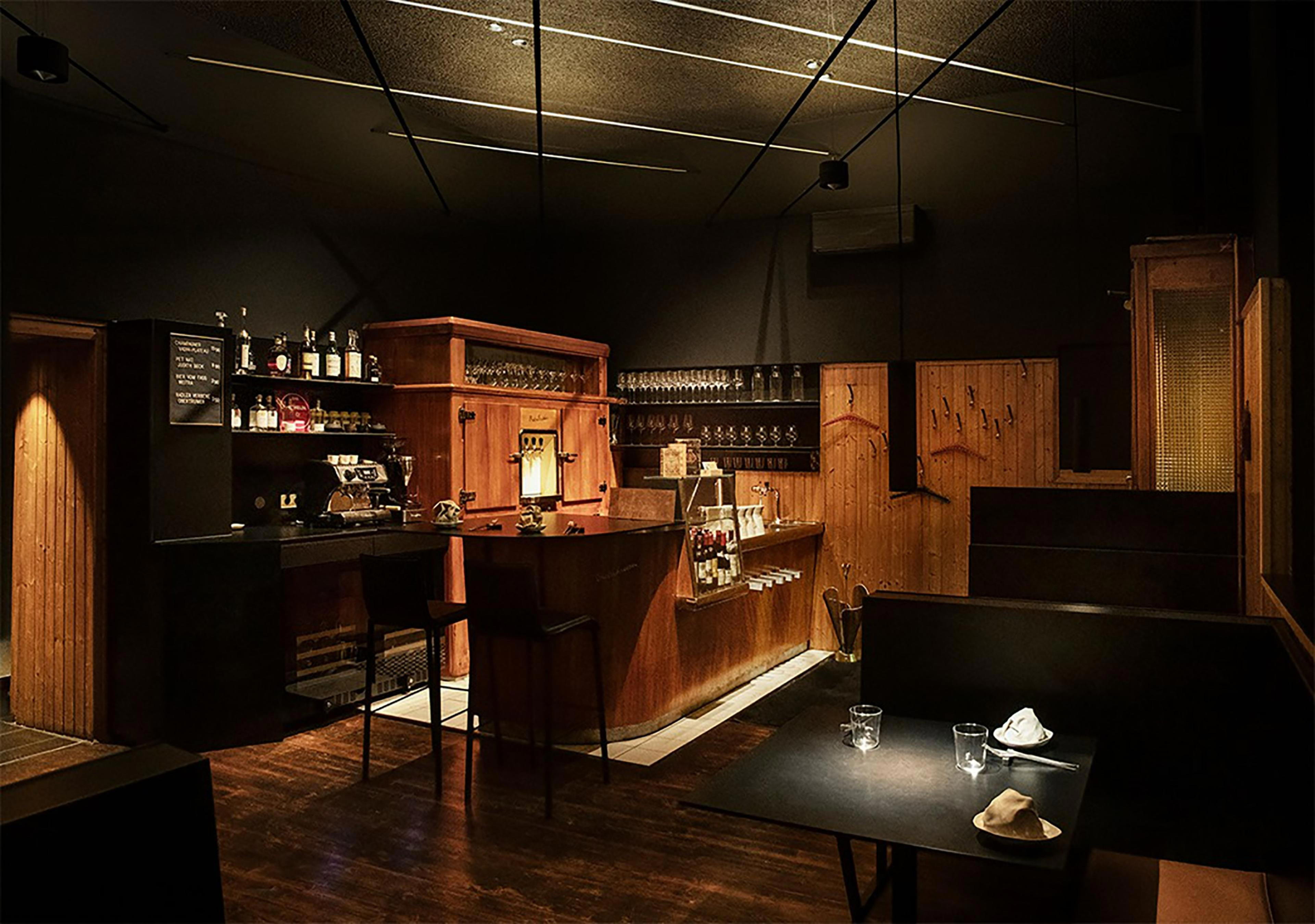
Bars in Vienna
All bars in Vienna →
Hotels in Vienna
All hotels in Vienna →

Details
- Lively
- Cozy
- Casual Hangout
- Family
- A La Carte
- Vegetarian Friendly
Current opening hours
- Monday
- 5–10:30 PM
- Tuesday
- 5–10:30 PM
- Wednesday
- 5–10:30 PM
- Thursday
- 5–10:30 PM
- Friday
- 5–10:30 PM
- Saturday
- 5–10:30 PM
- Sunday
- 5–10 PM
Hours can change for holidays and private events. Last verified .
Nice buzz with a cozy atmosphere in a small space.