
Michelin Plate · We're Smart World 5 Radishes
Our verdict
Nœud. TOKYO sits in Chiyoda's Hirakawachō basement, where an 'All Sustainable French' philosophy turns vegetable stems, peels, and leaves into a modern French menu built around aroma. Holding a Michelin Plate in 2025 and rated 4.8 on Google across 126 reviews, it occupies a distinct position among Tokyo's French restaurants, plant-forward, waste-minimising, and increasingly recognised for it.

Pearl is the En Primeur Club membership app, where members save venues, book tables and use the concierge.
Tokyo's French Table Grows Up Around the Vegetable
The French restaurant in Tokyo has never been a static category. From the white-tablecloth formalism of Château Restaurant Joël Robuchon at one end of the spectrum to the Japan-inflected naturalism of L'Effervescence at the other, the city has spent two decades producing French kitchens that gradually shed deference to the Paris template. Nœud. TOKYO, in the basement of a building in Chiyoda's Hirakawachō district, represents the furthest point yet in that trajectory: a French kitchen that has rebuilt its logic from the vegetable up, treating roots, stems, peels, and leaves not as garnish or afterthought but as the architecture of every dish.
That position was not arrived at overnight. The philosophy described as 'All Sustainable French', using everything, wasting nothing, reflects an approach that has sharpened and deepened over time. The 2025 Michelin Plate signals formal recognition at a stage when the kitchen's direction has become fully legible: this is not a restaurant experimenting with plant-forward cooking as a trend, but one that has committed to a specific intellectual position and is now being assessed within it.
The Aroma-First Kitchen and How It Got There
Among Tokyo's French restaurants in the ¥¥¥ price tier, which includes ESqUISSE and sits below the ¥¥¥¥ bracket occupied by Florilège and L'Effervescence, Nœud. TOKYO has staked out a position that has no obvious peer. The stated focus is aroma above all else, which is a meaningful editorial choice: aroma-led cooking deprioritises visual spectacle and texture complexity in favour of the volatile compounds that emerge from heat, fermentation, and reduction. It is a discipline that rewards restraint and precision over abundance.
Chef Naoto Nakatsuka's training under Nadia Sammut at La Ferrière in Lourmarin, a restaurant in Provence that has long explored plant-centred, allergen-conscious French cooking, planted the methodological foundation. That Provençal lineage matters as context: the south of France has its own tradition of vegetable-forward cooking that predates the current global interest in plant-based menus by decades. What Nakatsuka has done is carry that sensibility into a Tokyo kitchen and discipline it further, through the specific lens of zero waste and daily seasonal evolution.
The menu changes according to what arrives and what the season dictates. That is not unusual among serious French restaurants in Tokyo, where Sézanne and others have built reputations on ingredient responsiveness. What distinguishes the Nœud. approach is the transformation of parts that most kitchens discard: the stalks, the peels, the leaves. These are not featured as tokens of sustainability theatre but as the actual medium through which new flavour dimensions are discovered. The layering of flavours and textures described in the kitchen's own framing is the practical result of treating the whole vegetable as a palette rather than a single note.
Reinvention Inside a Single Conviction
The editorial angle here is evolution without contradiction. Nœud. TOKYO has not pivoted; it has deepened. The progression from a 3-Radish to a 5-Radish rating in 2025 from the guide that tracks it, combined with a Michelin Plate in the same year, suggests a kitchen that has crossed a threshold. Recognition of this kind typically follows a period of internal consolidation: a moment when the technique has caught up with the intention.
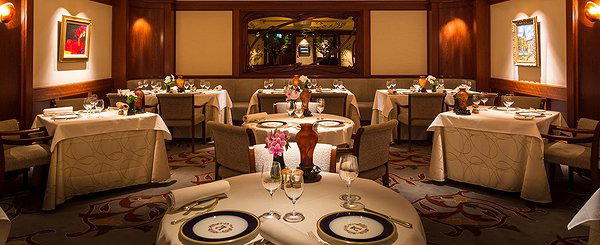
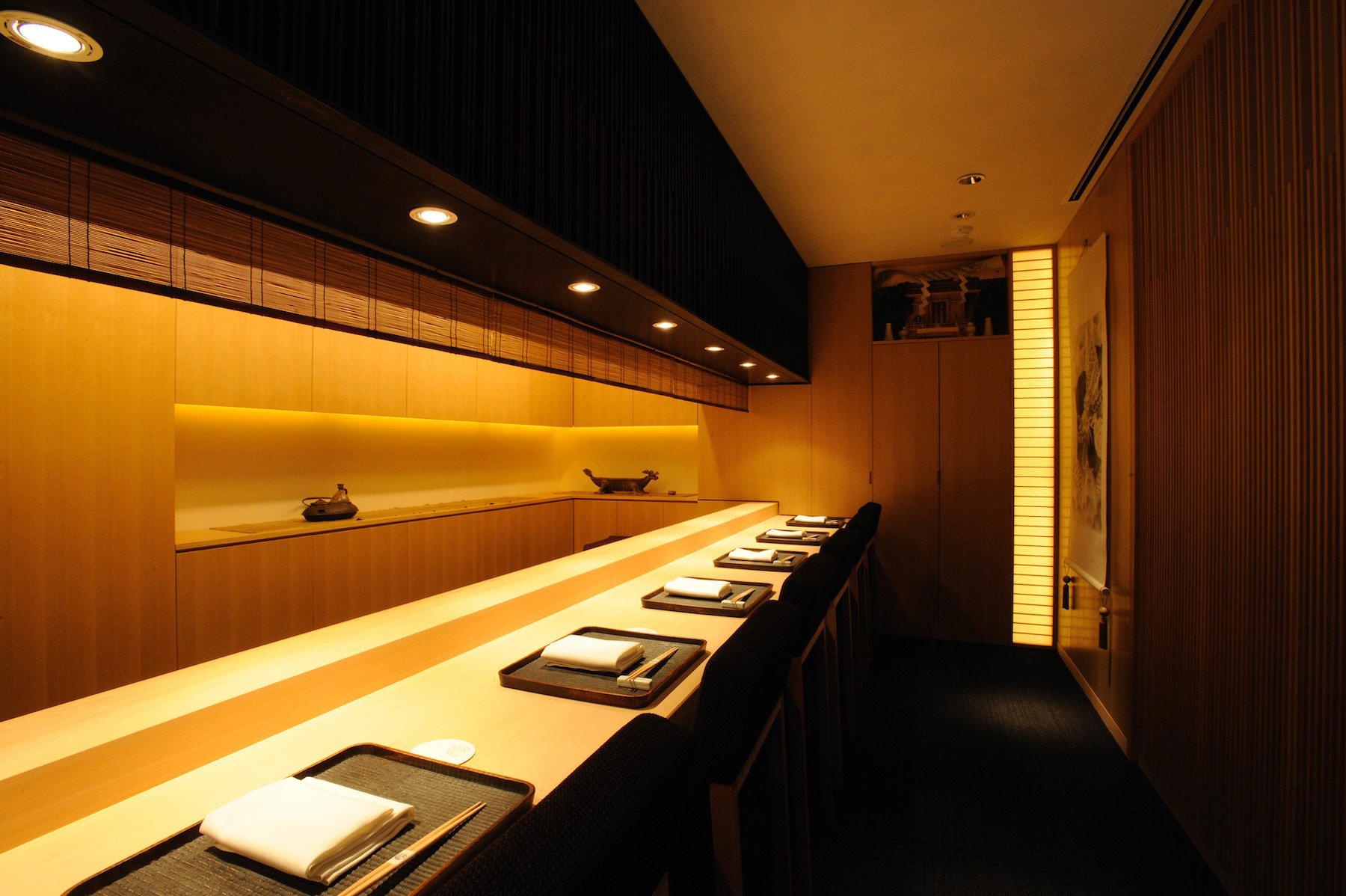
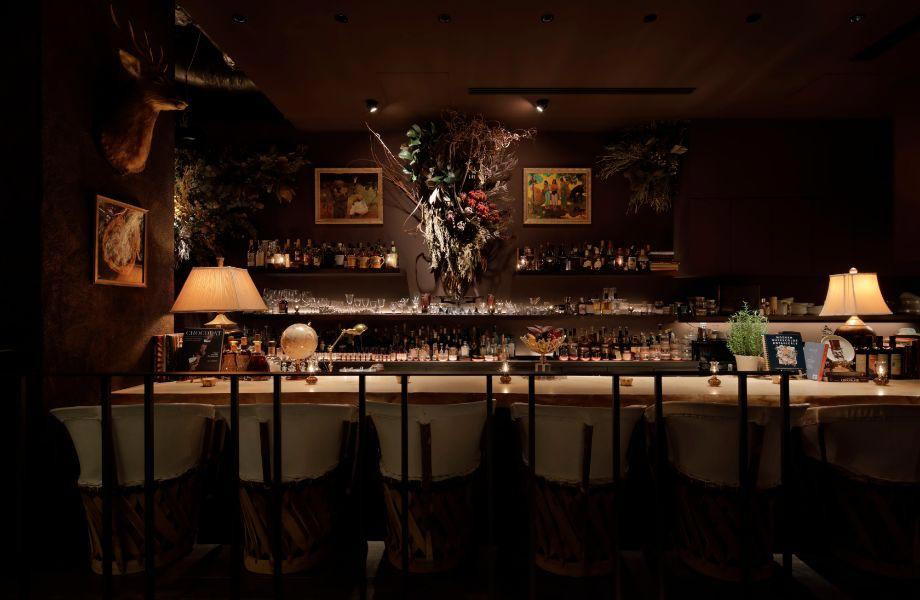
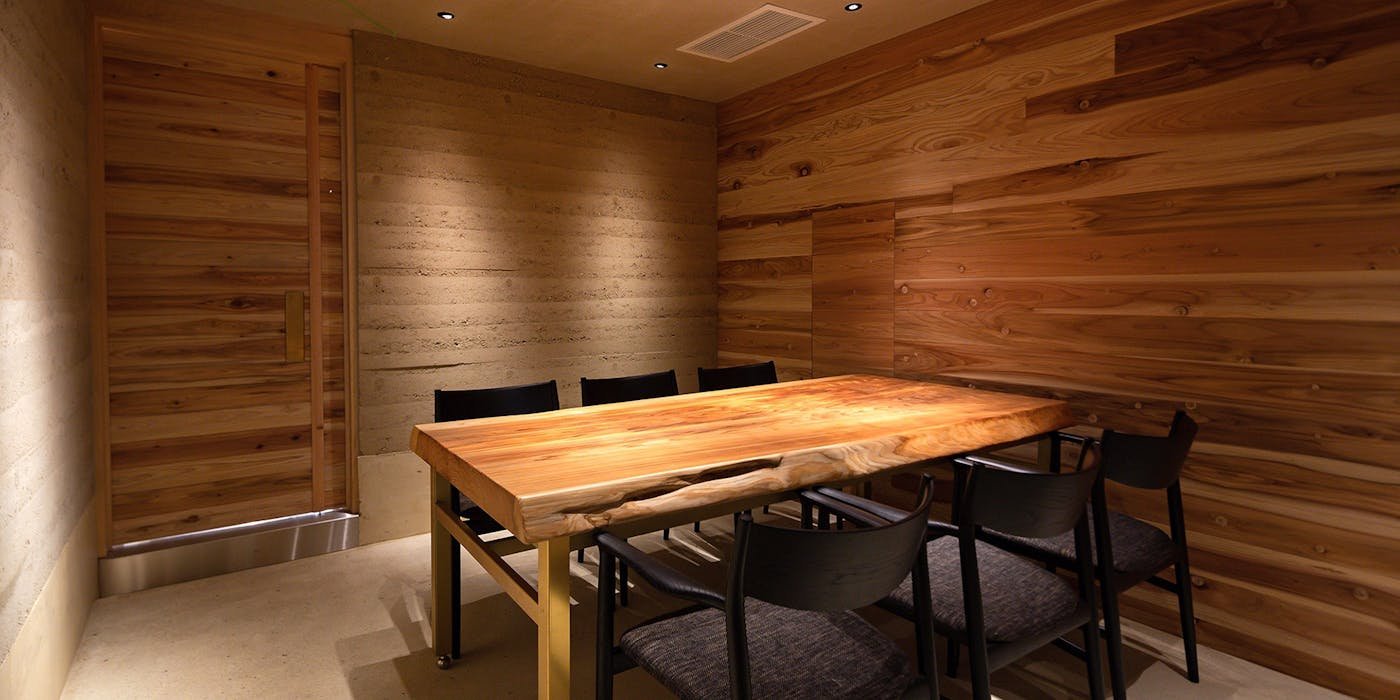
Room reinforces the position. Recycled materials in the décor operate as a physical expression of the same logic that governs the kitchen: nothing is treated as disposable. A basement dining room in Hirakawachō is not a prestige address in the way that, say, Ginza or Minami-Aoyama connotes premium French dining in Tokyo. That choice of location reads as deliberate, consistent with a restaurant that is not positioning itself through postcode signals but through the specificity of what it does at the table.
For a basement restaurant without a broad marketing footprint, that number suggests a guest base that returns and refers actively, the signature of a restaurant with a clear offer that meets expectation consistently.
Where Nœud. Sits in the Wider Japan French Conversation
Plant-forward French cooking in Japan is less niche than it was. HAJIME in Osaka has long treated vegetables as the primary subject. akordu in Nara approaches seasonal produce through a different European lens. The conversation is happening across the country, not just in Tokyo, and internationally it connects to what Hotel de Ville Crissier in Switzerland and Les Amis in Singapore each demonstrate in their own ways: that French technique applied to local or seasonal produce is now a global methodology, not a French domestic one.
Within Tokyo specifically, Nœud. TOKYO occupies a gap. The city's French restaurants at the top tier, including those with multiple Michelin stars, tend toward protein-anchored tasting menus where vegetable courses play a supporting role. The ¥¥¥¥ houses reviewed across our full Tokyo restaurants guide largely confirm this pattern. Nœud. offers a different proposal: the same technical rigour applied to a fundamentally different ingredient hierarchy. For a guest who has already eaten at the upper tier and wants a restaurant that is doing something structurally distinct, this is the relevant address.
For context on the full range of what Tokyo offers across dining, accommodation, and after-dinner drinking, see our full Tokyo hotels guide, our full Tokyo bars guide, and our full Tokyo experiences guide. Those planning a wider Japan itinerary may also want to reference Gion Sasaki in Kyoto, Goh in Fukuoka, 1000 in Yokohama, and 6 in Okinawa to understand the breadth of serious cooking now operating outside Tokyo.
Know Before You Go
- Address: 2 Chome-5-7 Hirakawachō B1F, Chiyoda City, Tokyo 〒102-0093
- Price range: ¥¥¥ (mid-to-upper tier; below the ¥¥¥¥ bracket of Tokyo's starred French houses)
- Awards: Michelin Plate 2025; 3–5 Radishes (2025 progression)
- Cuisine: All Sustainable French, plant-forward, zero-waste, aroma-led
- Menu format: Seasonal, changes daily based on available produce
- Booking: Contact details not publicly listed; approach via third-party reservation platforms or direct enquiry to the Hirakawachō address
- Nearest area: Hirakawachō, Chiyoda, accessible from Hanzōmon and Tameike-Sannō stations
Frequently asked questions
What price level is Nœud. TOKYO?
Pricing at Nœud. TOKYO is listed as ¥¥¥.
What's Nœud. TOKYO's location?
Nœud. TOKYO is located at Japan, 〒102-0093 Tokyo, Chiyoda City, Hirakawachō, 2 Chome−5−7 B1F, Tokyo.
What's Nœud. TOKYO known for in terms of accolades?
Nœud. TOKYO has received recognition including: The focus of the cuisine is aroma above all. Dishes are built around vegetables, with parts such as leaves, stalks and peels transformed through a variety of cooking methods. Presentation is modern, a layering of flavours and textures. The ….
What dish is Nœud. TOKYO famous for?
Nœud. TOKYO does not anchor its identity to a single signature dish. The menu evolves daily with the seasons, which means the defining expression of the cooking shifts visit to visit rather than residing in one fixed preparation.
What cuisine category does Nœud. TOKYO fall under?
Nœud.
The Essentials
| Venue | Cuisine | Price | Awards | Notes |
|---|---|---|---|---|
| Nœud. TOKYOThis venue (the venue you are viewing) | Sustainable Vegetable-Centric French | $150–200 | Michelin Plate · We're Smart World 5 Radishes | Not listed |
| Harutaka | Edo-Style Omakase Sushi | $200–300 | 3 Michelin Stars · World's 50 Best #76 | Sushi |
| RyuGin | Modern Kaiseki | $500+ | 3 Michelin Stars · World's 50 Best #41 | Kaiseki, Japanese |
| L'Effervescence | Modern French with Japanese Influences | $200–300 | 3 Michelin Stars · World's 50 Best #69 | French |
| HOMMAGE | Modern French with Japanese Influences | $150–200 | 2 Michelin Stars · World's 50 Best #78 | Innovtive French, French |
| MAZ | Innovative Peruvian-Japanese Fusion | $150–200 | 2 Michelin Stars · World's 50 Best #28 | Innovative |
Recognition history
Dated appearances from independent guides and award organizations, with the underlying list record or original source where available.
Michelin Plate
Michelin
We're Smart World 5 Radishes
We're Smart World
Full recognition history (4 entries)
Michelin Plate
Michelin
Michelin Plate
Michelin