
A seven-seat creative Japanese counter in Nagoya operating under strict confidentiality, with no published address or phone number. Nozawa has held Tabelog Gold in 2020 and 2021, Silver in 2019, 2022, and 2025, and has appeared on the Tabelog Japanese Cuisine EAST 100 list in 2021, 2023, and 2025. Course meals open at JPY 25,000, with review-based averages suggesting dinners often reach JPY 40,000 to JPY 49,999.
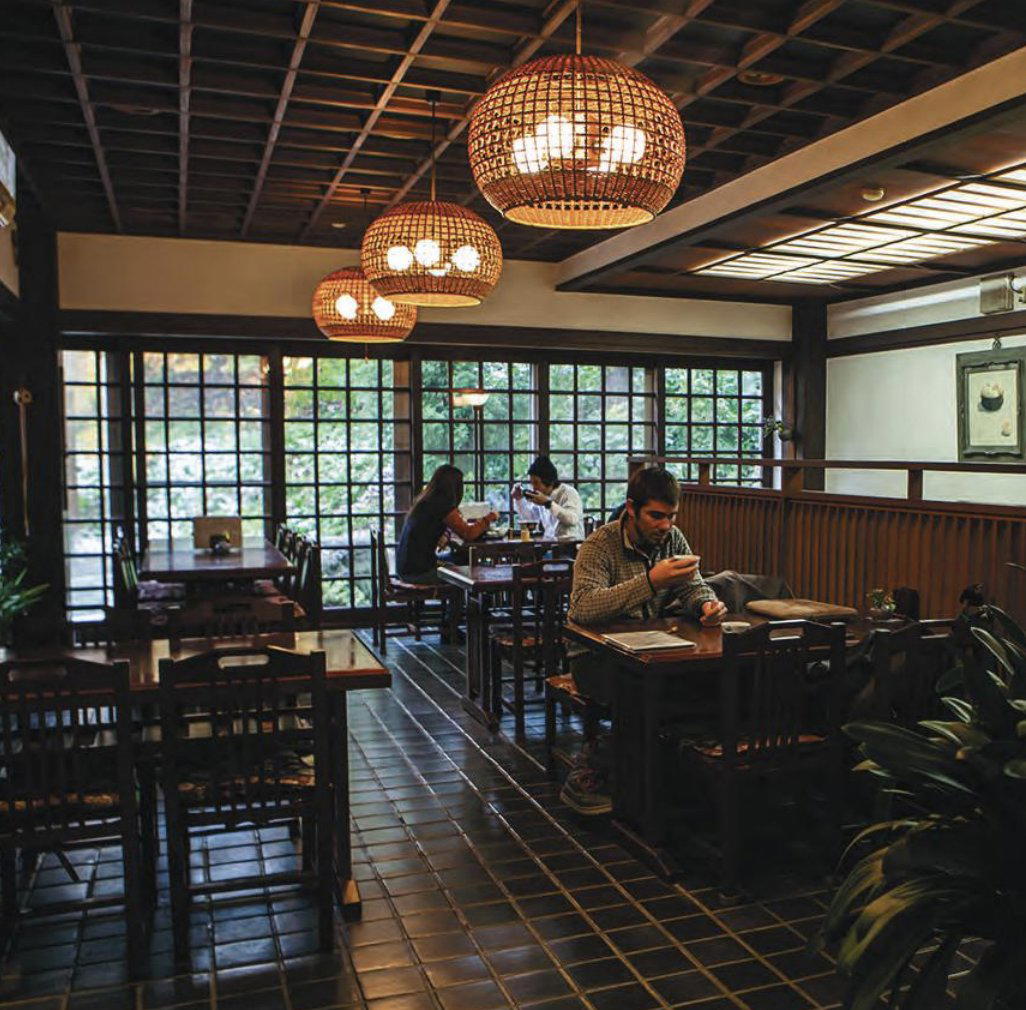
Finding a Counter That Doesn't Want to Be Found
Nagoya's serious dining scene has always operated at a remove from the louder restaurant circuits of Tokyo and Osaka. The city's high-end kaiseki and creative Japanese counters attract a local clientele that rarely generates international press noise, and some of its most decorated rooms are effectively invisible to anyone outside a narrow network of registered diners. Nozawa sits at the outer edge of that tendency. Its phone number is not published. Its address is not disclosed. Exterior and interior photography is prohibited. The only route in is through a verified reservation system that requires prior registration. For a restaurant that has scored a Tabelog rating of 4.37 and appeared on the Tabelog Japanese Cuisine EAST 100 list in 2021, 2023, and 2025, that degree of structural opacity is a deliberate editorial choice about who the room is for.
This is a recognisable model in Japan's most guarded fine dining tier. Counters in this format rely on word-of-mouth referral networks rather than discoverability, and the confidentiality terms serve a dual function: they filter reservations toward guests who understand the format, and they preserve the atmosphere of a room that was built for seven people at a time. Compare this with Harutaka in Tokyo, another small counter where access depends more on knowing the right channel than finding the right search result, or Atomix in New York City, where a deliberately constrained booking structure maintains the integrity of a progression-focused format. Nozawa operates in that same register, applied to Nagoya's specific context of Aichi-area Japanese cuisine.
The Arc of a Seven-Seat Course
The format here is a single course meal, opening at JPY 25,000, with the restaurant noting that prices increase seasonally depending on ingredients. Review data on Tabelog places actual spending between JPY 40,000 and JPY 49,999 at dinner, which suggests the base price functions as a floor rather than a typical expenditure. That gap between listed minimum and reported average is common at counters where ingredient quality dictates real spend, and it matters for planning: the meal you are likely to eat costs roughly double what the floor figure implies.
The cuisine is classified as Japanese and Creative on Tabelog, a pairing that positions Nozawa inside a small but significant niche within Nagoya's dining spectrum. Traditional kaiseki follows a codified sequence: sakizuke, hassun, yakimono, mushimono, shokuji. Creative Japanese counters at this level tend to maintain the structural logic of that progression while introducing ingredients, techniques, or presentations that sit outside the classical repertoire. The arc of the meal matters as much as any individual dish, and the seven-seat configuration means the kitchen can calibrate timing precisely to the table rather than managing multiple rooms or seatings simultaneously.
Drinks include sake, shochu, and wine, with the listing noting a particular focus on wine selection. That combination is less common at traditional Japanese counters, where sake pairings dominate, and it signals an openness to European pairing logic alongside the course structure. Guests who prefer wine over sake will find both options available rather than a sake-only list. For reference points elsewhere in Japan, Gion Sasaki in Kyoto and HAJIME in Osaka operate at a similar intersection of tradition and creative interpretation, each within their own city's context. Nozawa's Nagoya positioning places it in a different food culture: the Aichi region's ingredient traditions, including its notable fish markets and agricultural supply, inform the kitchen's seasonal options differently than Kyoto's vegetable-led heritage or Osaka's market-driven abundance.
Eight Years of Award Consistency
Nozawa opened on 19 April 2017. Over the eight years since, it has accumulated a continuous run of Tabelog Awards: Silver in 2019, Gold in both 2020 and 2021, Silver again in 2022, Bronze in 2023 and 2024, Silver in 2025, and Bronze in 2026. That trajectory, peaking at Gold and then settling back into a Silver-Bronze band, is worth reading carefully. Tabelog scores shift year to year as review volume increases and as the algorithm weights recency. A restaurant that peaked at Gold and now sits at Bronze is not necessarily declining in quality; it may simply be operating in a more competitive scoring environment, or have a smaller annual review count due to its size and confidentiality policies. Seven seats and a prohibition on photography will naturally constrain the review pipeline.
What the consistent Tabelog 100 appearances (2021, 2023, and 2025) confirm is that Nozawa has maintained a position inside the Tabelog editorial selection of the hundred most significant Japanese cuisine restaurants in the eastern half of Japan across multiple cycles. That list is editorial rather than purely algorithmic and tends to reflect sustained quality rather than a single strong year. Within Nagoya's Japanese cuisine tier, that places Nozawa alongside venues like Amaki, Fujisawa, and aru, all operating in the city's upper bracket. HIRO NAGOYA and GapricE represent different points on Nagoya's broader fine dining spread. Nozawa's particular position, small, confidential, and creative rather than classically categorical, makes it a different proposition from the city's more accessible high-end rooms.
For context on how this tier compares across Japan, Goh in Fukuoka and akordu in Nara both demonstrate how regional Japanese cities support serious creative dining outside the main metropolitan centres. 1000 in Yokohama offers another data point on how Japan's secondary cities produce rooms that compete on the same award circuits as the capital. Le Bernardin in New York City provides an international reference for what sustained award recognition at the summit of a precision-focused cuisine category looks like over decades.
Planning the Visit
The booking structure here requires advance registration through Tabelog before a reservation request can be made. Credit cards (Visa and Mastercard) are accepted. The restaurant is non-smoking throughout. Children are not permitted. There are no private rooms. The seven seats configure as a counter; the listing describes the space as a relaxing environment, and parking is not available at the venue, though coin lockers are noted nearby. Closure days are listed as irregular rather than fixed weekly days off, which means confirming availability close to the intended date is necessary regardless of how far in advance you plan.
Given the price trajectory from minimum to reported average (JPY 25,000 base, JPY 40,000 to JPY 49,999 in practice), the meal sits in Nagoya's highest price tier for the dinner format. For visitors building an Aichi itinerary around this booking, the broader context is available through our full Aichi restaurants guide, with supporting resources on accommodation in our full Aichi hotels guide, and on the city's bar, winery, and experience programming through our full Aichi bars guide, our full Aichi wineries guide, and our full Aichi experiences guide.
One operational note that matters before you go: the Tabelog listing carries a status flag indicating that the restaurant's operational status is currently unconfirmed and that the listing is on hold pending clarification of whether the venue has closed, relocated, or is temporarily inactive. This is standard Tabelog language for restaurants that have stopped updating their page. Anyone planning a visit should verify current operational status directly through the Tabelog reservation system before committing to travel.
Comparable Options
Comparable venues nearby, for context on price, style, and recognition.
| Venue | Cuisine | Price | Notes |
|---|---|---|---|
| NozawaThis venue — the venue you are viewing | Modern Creative Japanese | $$$$ | Not listed |
| Setsugekka Tanaka Satoru | Modern Japanese Yakiniku | $$$$ | Sakae |
| Fujisawa | Nagoya Sushi | $$$$ | Ueda Yama |
| HIRO NAGOYA | Premium Yakiniku | $$$$ | Nishi-ku |
| Tempura Kusunoki | Modern Tempura Omakase | $$$$ | Shikemichi |
| Amaki | Precise Sushi Omakase | $$$$ | Nishi-ku |
Recognition history
Dated appearances from independent guides and award organizations, with the underlying list record or original source where available.
Tabelog Bronze #329
Tabelog
Tabelog 100 #48 · No. 48
Tabelog · Tabelog 100 - Japanese cuisine - EAST - 2025
Tabelog Silver
Tabelog
Continue exploring
More in Aichi
Restaurants in Aichi
Browse all →
Bars in Aichi
Browse all →
Hotels in Aichi
Browse all →
Wineries in Aichi
Browse all →
At a Glance
- Elegant
- Intimate
- Sophisticated
- Minimalist
- Special Occasion
- Date Night
- Chefs Counter
- Sake Program
Current opening hours
- Monday
- 7:30–10:30 PM
- Tuesday
- 7:30–10:30 PM
- Wednesday
- 6–11 PM
- Thursday
- 6–11 PM
- Friday
- 6–11 PM
- Saturday
- 6–11 PM
- Sunday
- Closed
Hours can change for holidays and private events. Last verified .
Unadorned, comfortable interior with functional warm lighting, quiet conversational atmosphere, and discreet attentive service focused on the dishes.