In the Savinja Valley village of Braslovče, Nova Rajngla occupies a tradition of Slovenian rural hospitality rooted in proximity to farmland and forest. The gostilna format here places local sourcing at the centre of the menu, positioning it within a broader movement of ingredient-led cooking that defines Slovenia's most compelling dining outside Ljubljana. A practical base for exploring the wider Savinja and Šaleška region.
Pearl is the En Primeur Club membership app — saves, bookings, and concierge access live there. Same editors, same standards.
- Address
- Preserje 9a, 3314 Braslovče, Slovenia
- Phone
- +38641721299
- Website
- novarajngla.si
- Directions
- Get directions
 Saves & bookings on Pearl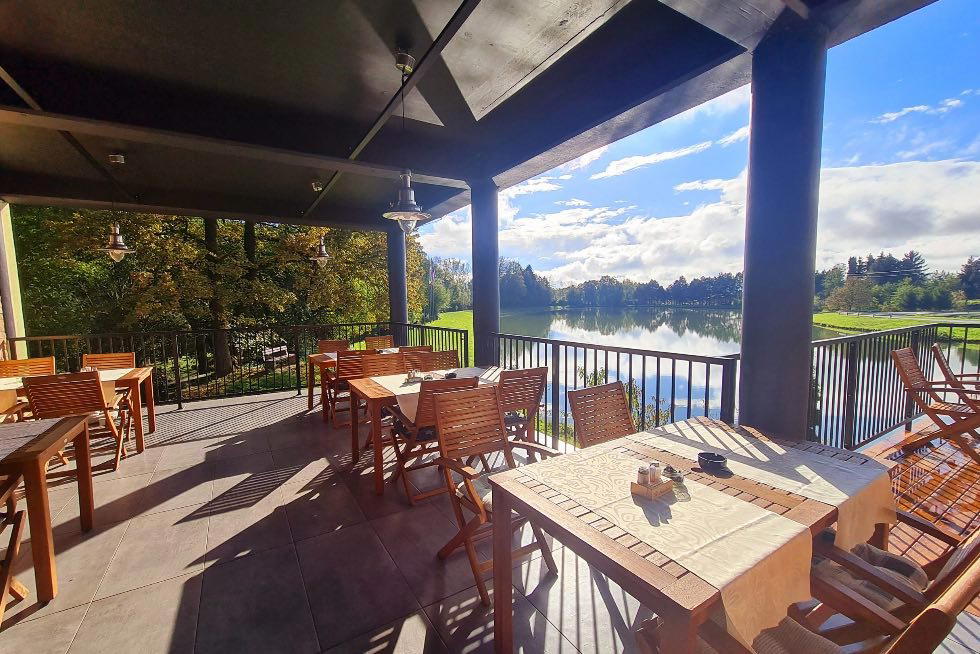
Where the Savinja Valley Sets the Table
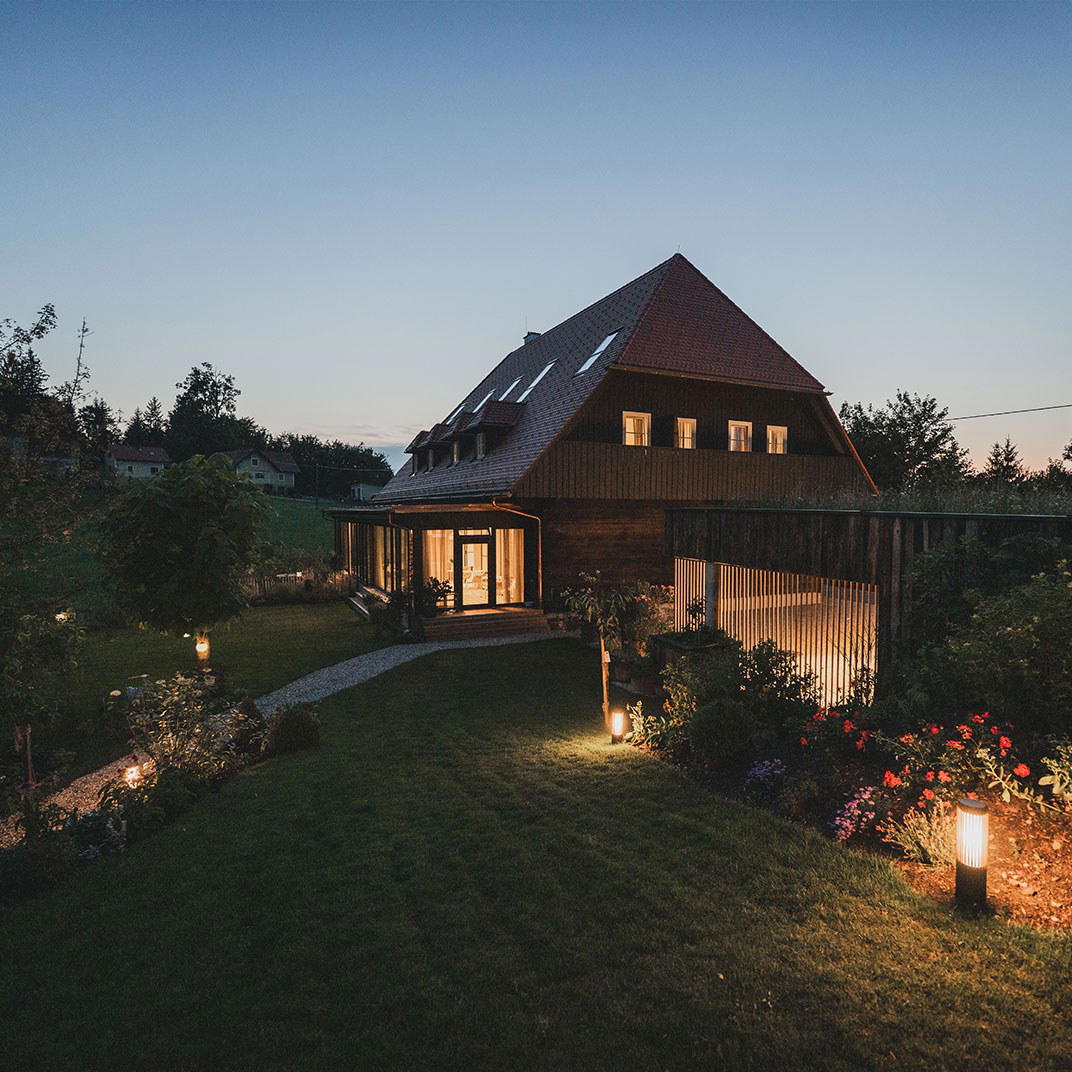
Nova Rajngla is a restaurant in Braslovče, Slovenia, serving modern Slovenian freshwater fish at a midrange price point. The country's geography, a compressed range of alpine meadows, river valleys, and karst terrain, means that provenance is rarely an abstract marketing claim. In the Savinja Valley, where the hills above Braslovče slope toward managed forest and working farmland, that relationship between place and plate is built into the fabric of how people eat. Nova Rajngla, addressed at Preserje 9a in Braslovče, sits within this tradition of valley hospitality rather than apart from it.
The gostilna model, the Slovenian iteration of the village inn-restaurant that predates any contemporary farm-to-table movement by generations, functions on the premise that the kitchen draws from its immediate geography. What arrives at the table in places like this reflects what the surrounding land and season can actually produce. That is a different proposition from urban restaurants that consciously construct a provenance narrative. Here, the sourcing logic is inherited rather than curated.
Ingredient Sourcing in the Savinja Valley Context
The Savinja Valley sits in the broader Štajerska region of northeastern Slovenia, an area defined by river agriculture, hop production, and cattle farming. The valley floor supports dairy and arable farming, while the surrounding slopes carry mixed forest with seasonal mushroom, game, and wild herb cycles. For a kitchen operating in Braslovče, this geography represents a credible and dense local supply network that functions across all four seasons.
Across Slovenian rural dining, consistent markers of ingredient-led cooking are freshwater fish from local rivers, dairy from regional farms, and game from managed hunting grounds. The Savinja River itself runs close to the valley settlements, and freshwater species have historically appeared on tables throughout the region. This is a different raw material base from coastal gostilnas, where Adriatic seafood drives the menu, or from the Vipava Valley tradition where Gostilna Pri Lojzetu in Vipava and Dam in Nova Gorica work with Mediterranean-influenced produce alongside indigenous vegetables and wine.
The farm-to-table idiom has become a framework for Slovenia's most awarded restaurants, including Grič in Šentjošt nad Horjulom, which operates at the €€€€ tier with a format built explicitly around direct producer relationships. Nova Rajngla and venues of its type in smaller valley settlements represent a less formalised version of the same underlying logic, where the sourcing is embedded in daily operation rather than presented as a programme.
The Gostilna Format and What It Means for the Meal
Understanding what kind of meal the restaurant offers requires understanding what the gostilna format has traditionally delivered across Slovenia. These are not tasting-menu destinations in the mode of Hiša Franko in Kobarid or Milka in Kranjska Gora, both of which operate at the €€€€ tier with creative, internationally recognised programmes. The gostilna sits in a different register: lunch-anchored, portion-generous, and structured around dishes that are recognisable rather than experimental.
That format carries specific implications for the visitor. A gostilna meal in a Savinja Valley setting tends toward roasted and braised preparations, seasonal soups, house-made bread, and dairy-forward desserts. The cooking reference point is Štajerska regional tradition, which runs heavier and richer than the Mediterranean-influenced west of Slovenia. Context matters here: the same country produces different tables depending on which valley you're eating in.
For travellers moving across Slovenia's dining geography, this kind of stop provides a calibration point. Between the precision of Hiša Linhart in Radovljica in the northwest and Pavus in Lasko further down the Savinja corridor, places like Nova Rajngla hold a practical middle ground.
Arriving in Braslovče
Braslovče is a dispersed municipality in the lower Savinja Valley, roughly equidistant between Celje to the south and Velenje to the northwest. It is not a destination in the way that the Soča Valley or the Brda wine region generates independent visitor traffic. Travellers typically arrive here as part of a route through central Slovenia or as a regional detour from the A1 motorway corridor.
The village setting at Preserje suggests a rural approach: arrive by car rather than on foot from a town centre, and plan around a meal rather than a day's itinerary of independent activities. This type of venue rarely carries formal booking infrastructure, though it is worth making contact ahead of arrival, particularly for groups or weekend visits.
For visitors building a broader Slovenian itinerary around ingredient-led dining, useful reference points in adjacent regions include Gostilna Mlinar in Idrija, Gostišče Karavla 297 in Trzic, Gostilna Oštirka in Celje which sits nearest in geographic terms, and Gostilna Pr'Bizjak in Preddvor to the northwest. Each occupies a similar niche in its local geography, and together they sketch out a Slovenian rural dining circuit that runs parallel to the country's Michelin-tier narrative.
At the eastern end of that spectrum, Hiša Denk in Zgornja Kungota near the Austrian border demonstrates how Štajerska ingredients can underpin creative fine dining, providing useful comparative context for understanding what the same regional larder can produce at different levels of ambition and elaboration.
Planning Your Visit
As a working gostilna in a rural Savinja Valley setting, it operates on a format that prioritises the local dining community, with visitor traffic secondary to regular trade. Visiting midweek at lunch, when rural Slovenian gostilnas typically operate at full capacity, gives the leading read of what the kitchen does consistently. Weekend evenings in the Savinja Valley can see increased demand from Celje and Velenje residents, making advance contact advisable in those windows.
For comparison, Restavracija Strelec in Ljubljana and Gostišče Neptun in Piran anchor the urban and coastal ends of the Slovenian dining spectrum respectively. Turistična Kmetija Breg in Brda in the wine country west offers the structural parallel to the restaurant's format, combining agro-tourism with a kitchen grounded in what the surrounding land produces. Understanding how these venues relate to one another as a national dining network is as useful as evaluating any single address in isolation.
In Context: Similar Options
Comparable venues nearby, for context on price, style, and recognition.
| Venue | Cuisine | Price | Notes |
|---|---|---|---|
| Nova RajnglaThis venue — the venue you are viewing | Modern Slovenian Freshwater Fish | $$$ | Not listed |
| Gostilna PEC | Modern Slovenian | $$$ | Spodnja Selnica |
| Gostilna Theodosius | Modern Slovenian Fine Dining | $$$ | Vipava Valley |
| Opok27 | Modern Styrian Seasonal | $$$ | Zgornja Kungota |
| RG Bistro | Traditional Slovenian Bistro with Sparkling Wine Focus | $$$ | Gornja Radgona |
| Rose Restavracija | Modern Slovenian Fine Dining | $$$ | Lake Bled |
Continue exploring
More in Braslovce
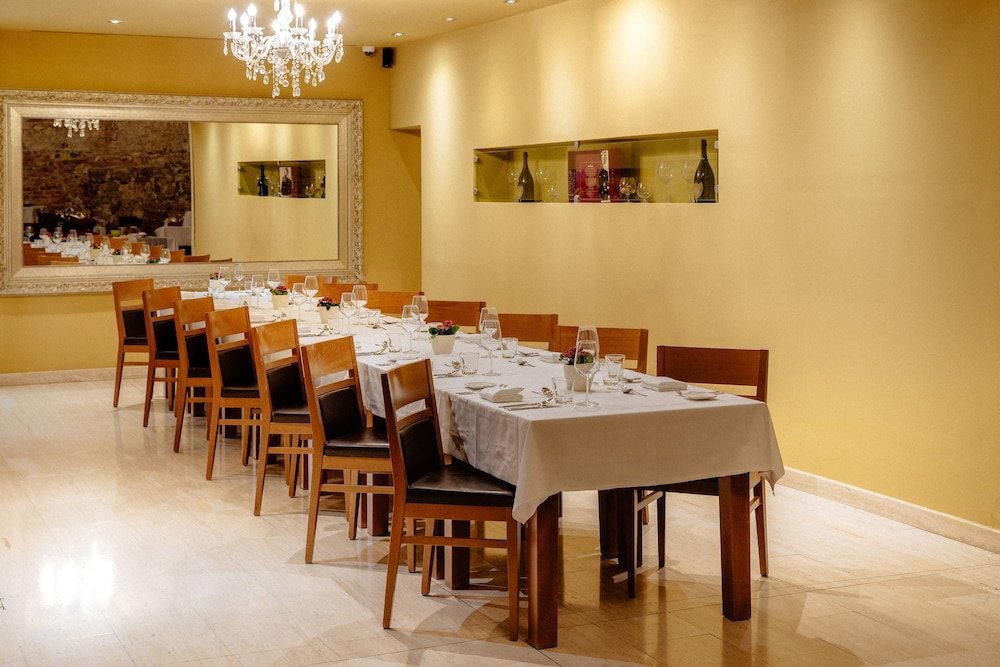
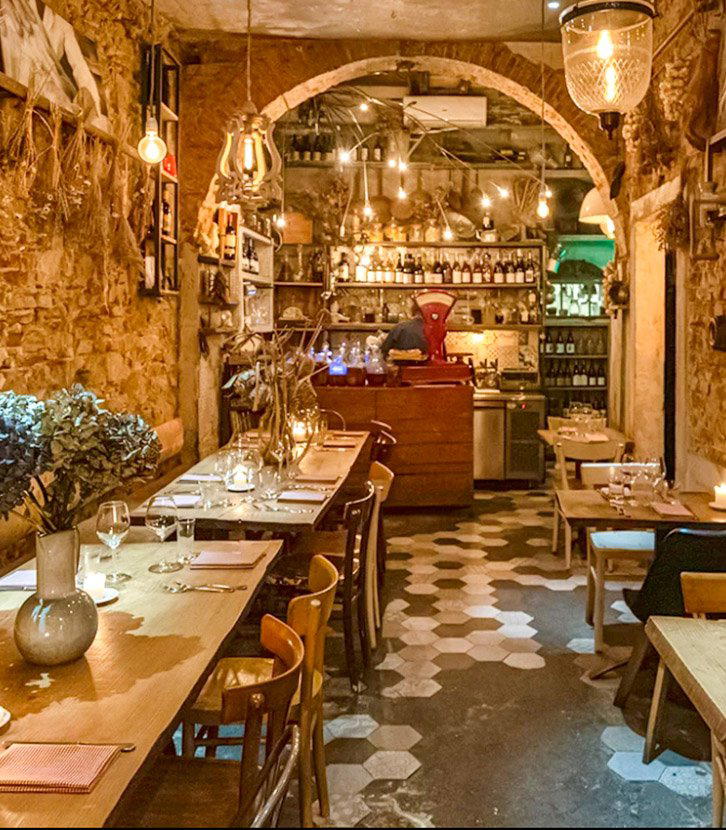
Restaurants in Braslovce
Browse all →
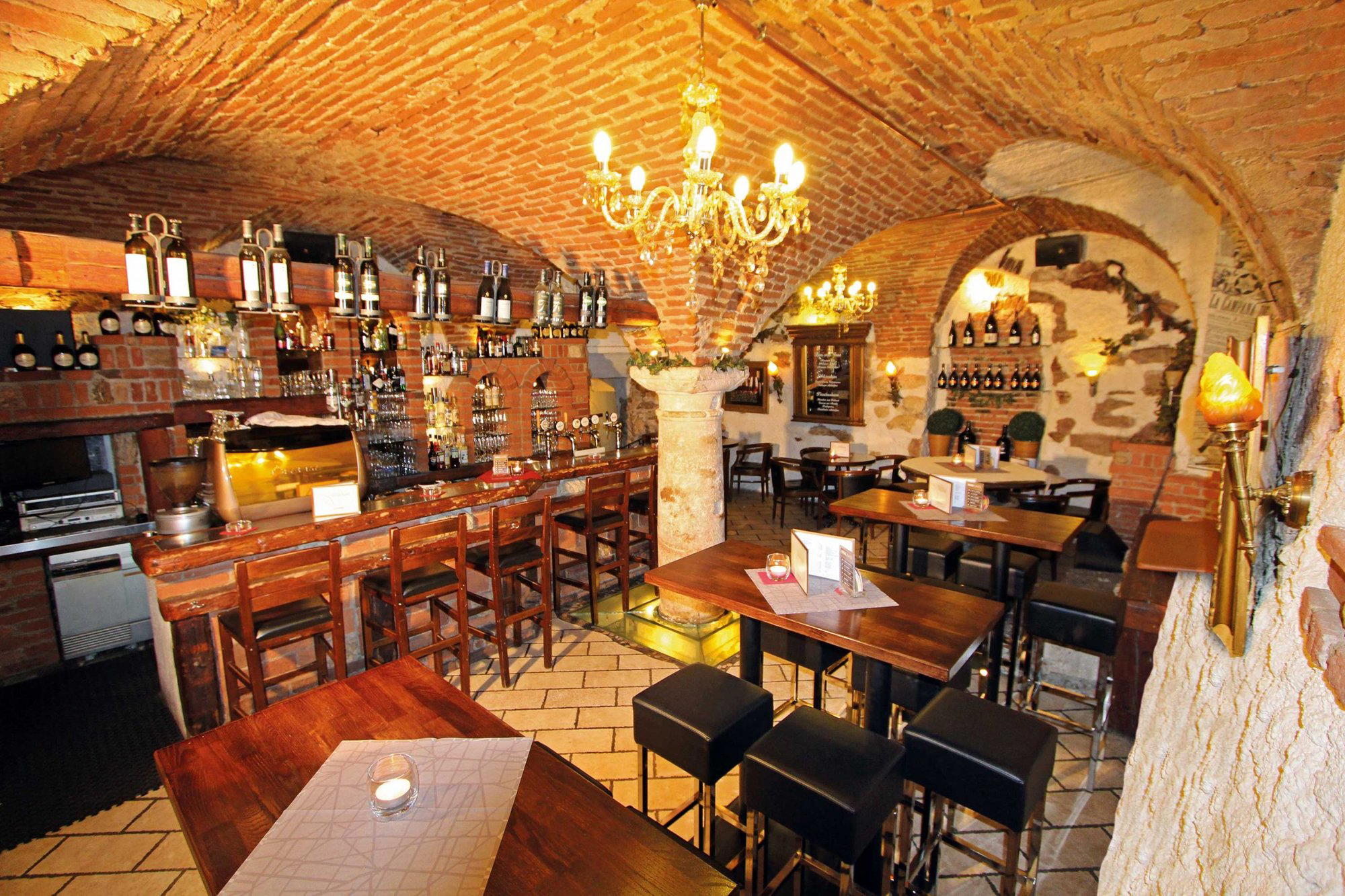
Bars in Braslovce
Browse all →
Hotels in Braslovce
Browse all →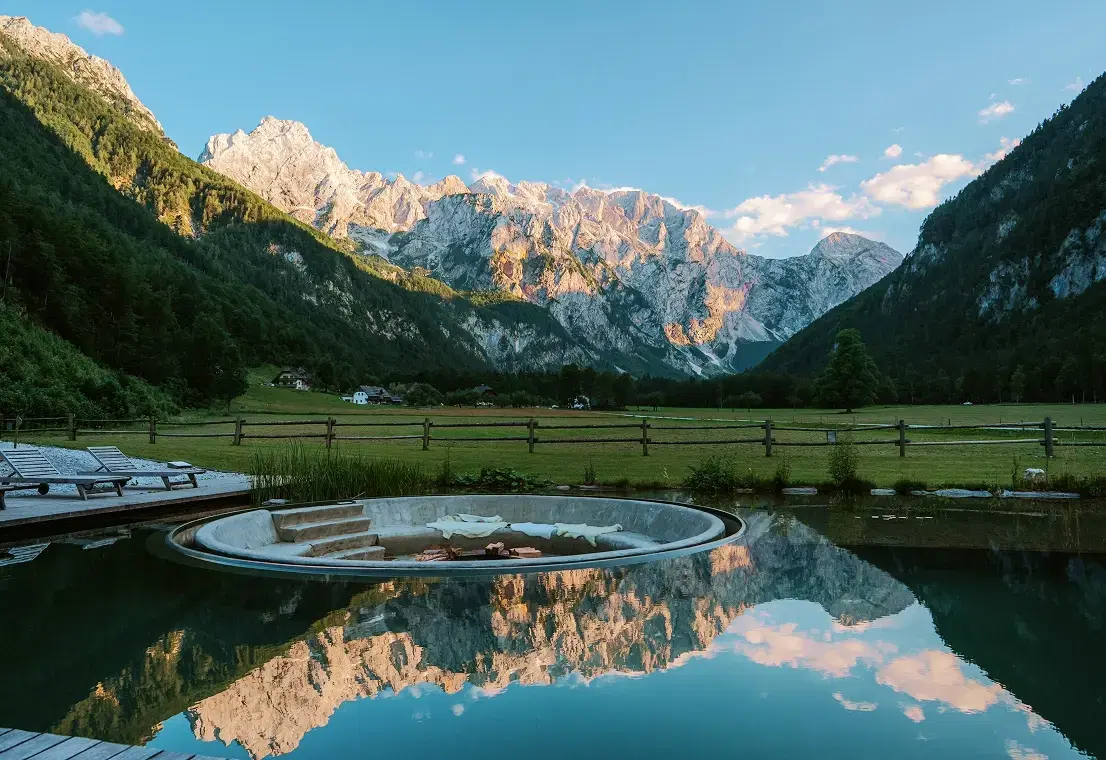

At a Glance
- Scenic
- Cozy
- Special Occasion
- Family
- Terrace
- Extensive Wine List
- Local Sourcing
- Waterfront
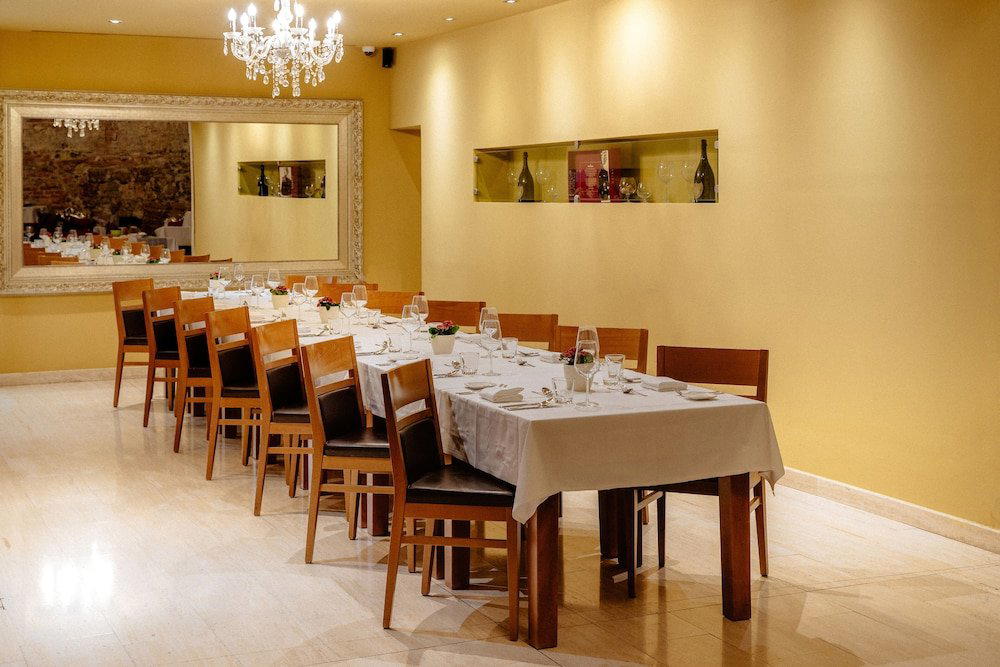
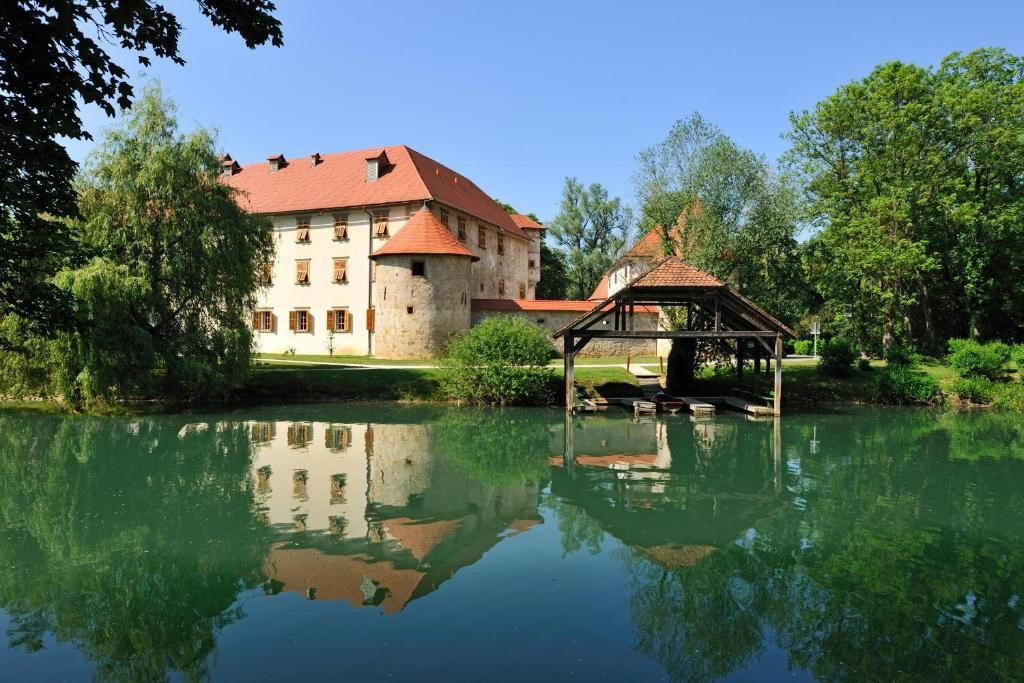
Large terrace above the lake with floor-to-ceiling windows overlooking a pond, complemented by a spacious dining room with fine tableware.