Set in Vrhpolje on the edge of the Vipava Valley, Gostilna Theodosius represents the kind of rooted village dining that defines this corner of western Slovenia, where karst winds, local wine, and hyper-regional produce shape the plate before a chef ever touches it. The address alone places it within one of Slovenia's most compelling rural dining corridors, a short drive from benchmark names like Gostilna Pri Lojzetu and Dvorec Zemono.
Pearl is the En Primeur Club membership app — saves, bookings, and concierge access live there. Same editors, same standards.
- Address
- Vrhpolje 80b, 5271 Vipava, Slovenia
- Phone
- +38640232090
- Directions
- Get directions
 Saves & bookings on Pearl
Where the Vipava Valley Sets the Table
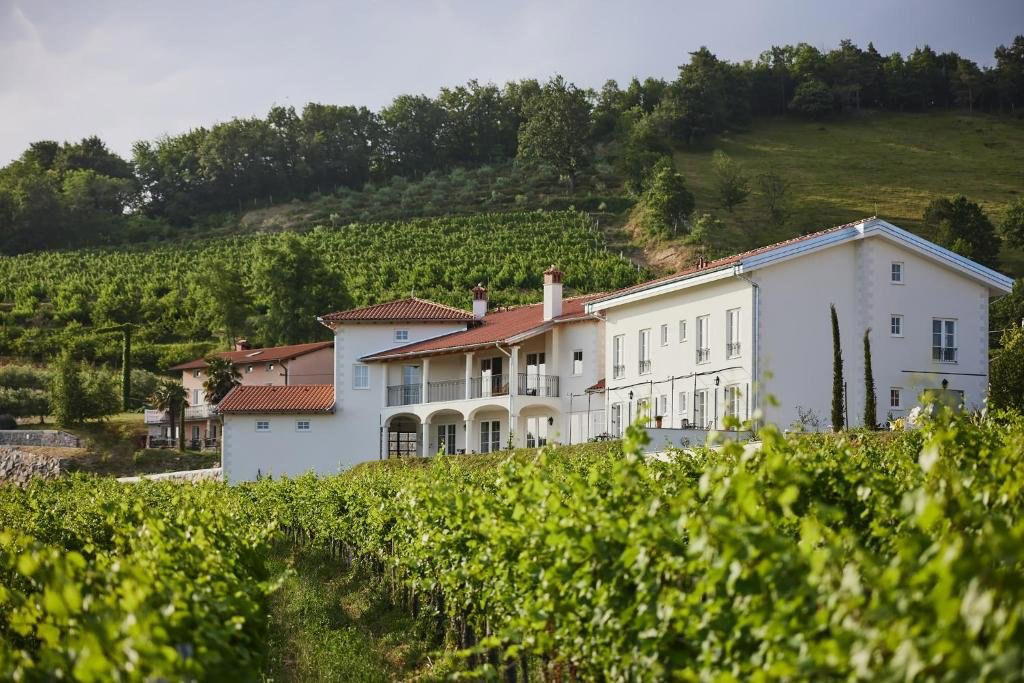
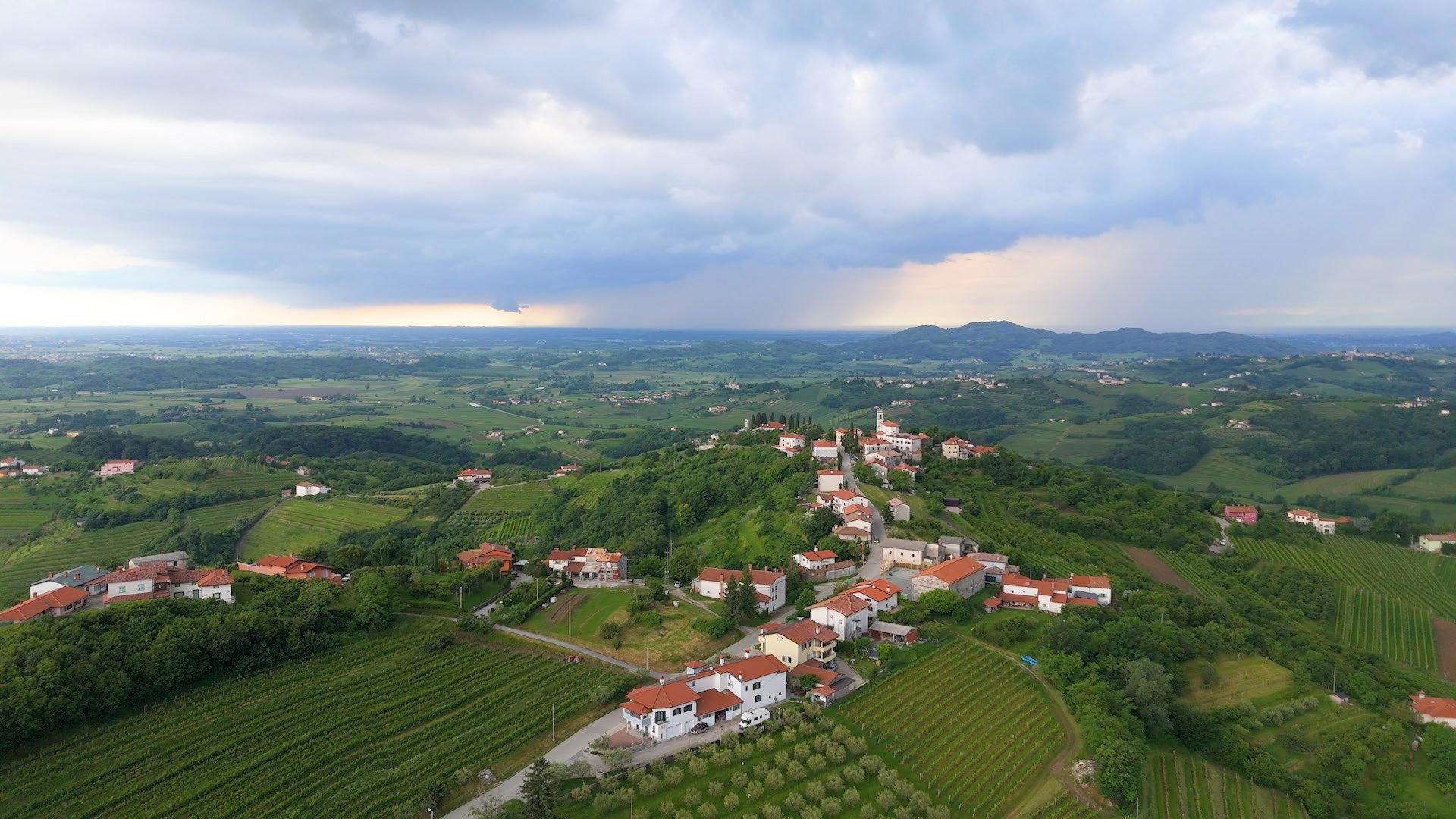
Arrive at Vrhpolje on a clear afternoon and the context arrives before the food does. The Vipava Valley's light is particular, sharp and Mediterranean-adjacent, cutting across limestone karst and vine rows in a way that reads more like Friuli than Central Europe. Gostilna Theodosius sits at Vrhpolje 80b, 5271 Vipava, Slovenia, in western Slovenia's Vipava Valley. In a region where the gostilna, the Slovenian inn-restaurant, has functioned for generations as a civic institution as much as a dining room, the format carries weight that no amount of urban restaurant theatre can replicate.
The Vipava Valley's dining scene has attracted international attention over the past decade, partly because it sits at an unusual crossroads. Geographically and culturally, the valley absorbs influences from the Slovenian interior, the Italian border, and the Adriatic coast, producing a cooking tradition that is difficult to categorise from outside but immediately legible on the plate. Bora wind-dried meats, cold-pressed local oils, foraged greens from the surrounding hillsides, and wines from indigenous grapes, Zelen, Pinela, Vitovska, form a pantry that predates the contemporary locavore movement by several centuries. When a gostilna in this valley commits to that tradition, the result is not nostalgia but precision about place.
The Gostilna as Cultural Format
To understand Gostilna Theodosius, it helps to understand what the gostilna format historically demands. Unlike the trattoria or the bistro, which evolved in urban commercial contexts, the Slovenian gostilna developed as a rural gathering point, a place where farming communities, travellers crossing the karst, and local wine producers would share the same room and often the same dishes. The menu was shaped by what the land produced and what the season allowed. That constraint produced a cooking style defined by economy, directness, and deep familiarity with a narrow set of ingredients prepared repeatedly until mastery became instinctive.
That inheritance still defines the better gostilne across the valley. Compare the positioning of Gostilna Theodosius in Vrhpolje with the approach taken by Gostilna Pri Lojzetu, which has moved its interpretation of Vipava cooking into a more explicitly modern register with a €€€€ price point, or with Dvorec Zemono, set in a baroque manor above the valley floor and carrying its own distinct architectural and culinary context. Each operates within the same regional tradition but occupies a different position in the local hierarchy. The restaurant, as a village-address gostilna in Vrhpolje, signals something closer to the unpretentious, community-embedded end of that spectrum, a format where the relationship between kitchen and locality is assumed rather than performed.
Other valley addresses worth cross-referencing include Gostilna Podfarovž and Krhne, both of which contribute to the broader picture of how Vipava's dining scene distributes itself across the valley's villages. For a complete orientation, the full Vipava restaurants guide maps the area's options against each other in detail.
Slovenia's Wider Dining Ambition
The Vipava Valley does not exist in isolation from the rest of Slovenian gastronomy. Over the past fifteen years, the country has built among the more coherent rural fine-dining networks in Europe relative to its size, with recognitions from Michelin and other bodies distributed across geographically distant addresses. Hiša Franko in Kobarid brought international attention to Slovenian mountain-edge cooking. Hiša Denk in Zgornja Kungota and Hiša Linhart in Radovljica extended that pattern eastward and northward. In Ljubljana, Restavracija Strelec demonstrated that urban Slovenian cooking could hold its own against the capital cities of neighbouring countries.
What distinguishes the Vipava Valley within this national picture is its dual identity as both wine and food territory. The valley's indigenous white varieties, Zelen and Pinela in particular, have no meaningful counterpart elsewhere in Europe, which gives local restaurants a wine program that cannot be replicated by importing bottles from outside the region. This specificity rewards diners who make a deliberate detour rather than those who arrive by accident, and it places the better gostilne of the valley in a different evaluative frame from urban restaurants with deep imported cellars.
For context on how Slovenia's rural dining model compares with other addresses across the country, Milka in Kranjska Gora, Dam in Nova Gorica, Grič in Šentjošt nad Horjulom, Pavus in Lasko, Gostilna Mlinar in Idrija, Gostišče Karavla 297 in Trzic, and Gostišče Neptun in Piran each illustrate how differently the same national tradition expresses itself across climate zones and local ingredient sets. For an international benchmark on what technically serious cooking at high commitment levels looks like, Le Bernardin in New York City and Atomix in New York City represent the kind of sustained precision that gives any serious diner a useful point of comparison.
Planning a Visit to Vrhpolje
Vrhpolje sits within the Vipava Valley roughly between the town of Vipava and the Nova Gorica border crossing into Italy, making it accessible by car from both Ljubljana (approximately ninety minutes) and Trieste (under an hour). The valley rewards a full day rather than a quick meal stop, with wine producers, karst viewpoints, and several dining addresses within a compact geography. Given the rural setting and the typical gostilna format, a reservation is recommended. Seasonal timing matters in this part of Slovenia: spring and autumn bring coherent alignment between local produce cycles and valley weather, though summer evenings, when the bora wind has dropped and the light stays long, carry their own distinct character.
Cost and Credentials
Comparable venues nearby, for context on price, style, and recognition.
| Venue | Cuisine | Price | Awards | Notes |
|---|---|---|---|---|
| Gostilna TheodosiusThis venue — the venue you are viewing | Not listed | $$$ | Not listed | Not listed |
| Gostilna Podfarovž | Vipava, Modern Slovenian Vipava Valley | $$$ | Not listed | Not listed |
| Dvorec Zemono | Not listed | $$$$ | Not listed | Vipava Valley, Modern Slovenian with Deconstructionist Techniques |
| Krhne | Vipava Old Town, Modern Slovenian | $$ | Not listed | Not listed |
| Gostilna in vinoteka Faladur | Dining | Not listed | Bib Gourmand | Not listed |
| Gostilna Pri Lojzetu | Slovenian | $$$$ | Michelin 1 Star | Not listed |
Continue exploring
More in Vipava
Restaurants in Vipava
Browse all →
Bars in Vipava
Browse all →
Hotels in Vipava
Browse all →

At a Glance
- Rustic
- Elegant
- Special Occasion
- Standalone
- Extensive Wine List
- Local Sourcing
- Vineyard