



A medieval Gothic castle on its own island in the Krka River, Hotel Grad Otočec is one of Slovenia's most architecturally arresting hotels. A Relais & Châteaux member earning 93 points in the 2026 La Liste Top Hotels ranking, the property runs just 16 rooms and suites, with rates from around $435 per night. The kitchen draws on its own kitchen garden, and a historic tower houses the wine cellar.
Pearl is the En Primeur Club membership app — saves, bookings, and concierge access live there. Same editors, same standards.
- Address
- Grajska cesta 2, 8222 Otočec
- Phone
- +386 7 384 89 01
- Website
- grad-otocec.com
- Directions
- Get directions
 Saves & bookings on Pearl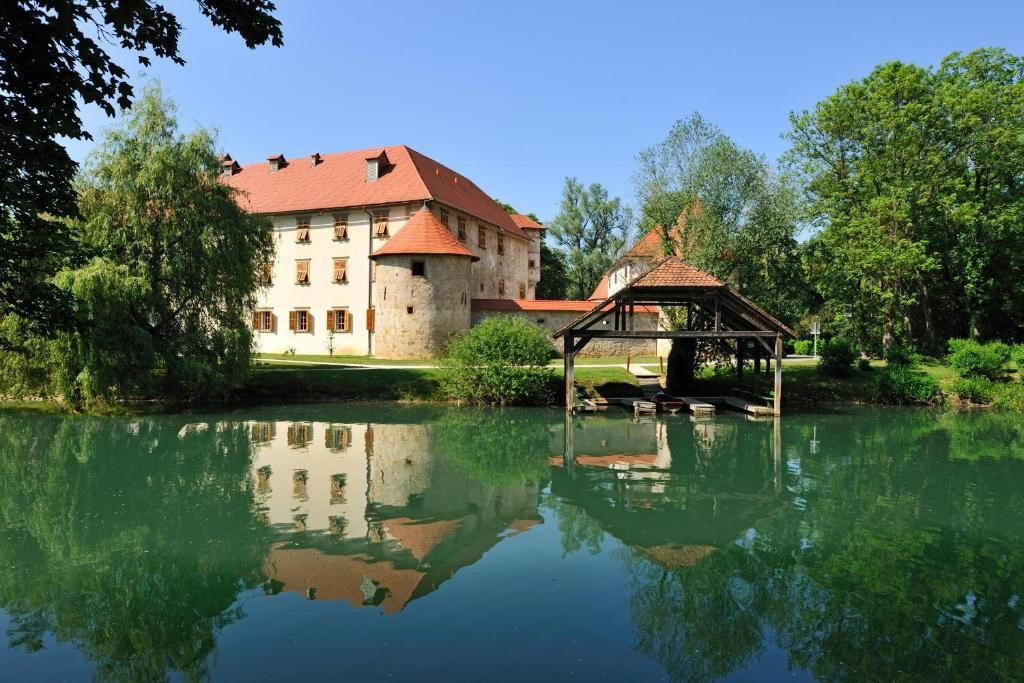
A Castle That Earns Its Silhouette
Approach Hotel Grad Otočec along the wooded bank of the Krka River and the scene does most of the persuasion work before you cross the bridge. A Gothic castle, its stone walls reinforced by centuries of Slovenian weather, sits on its own island in the middle of a river whose colour reads green-grey depending on the light and the season. There is no cluster of buildings, no spa wing grafted onto a historic core, no modern lobby interpolated between old walls. What you see from the riverbank is what you get: a medieval structure on an island, with a surrounding park that provides enough canopy to keep the grounds cool through summer. The approach, on foot across a bridge, is the kind of arrival that larger castle-conversion hotels frequently promise and rarely deliver.
The architectural category Hotel Grad Otočec occupies is specific. Castle hotels across Central Europe tend to fall into two types: those that have preserved the exterior while hollowing the interior for contemporary amenities, and those that have maintained a consistent period atmosphere throughout, at some cost to modern comfort. Otočec sits closer to the latter than the former, with Gothic structural elements that remain legible in the walls, the tower, and the courtyard arrangement. The surrounding park, with mature trees that shade the grounds even in July and August, reinforces the sense that the setting is inseparable from the product.
What 16 Rooms Signals in This Category
Slovenia's premium hotel market has a clear divide between mid-scale resort properties, which tend to be larger and more facility-heavy, and a smaller cohort of boutique properties where limited keys are the point. At 16 rooms and suites, Hotel Grad Otočec sits firmly in the latter group. That capacity constraint is not incidental: it shapes staffing ratios, the pace of the experience, and the degree to which individual guest preferences can actually be accommodated. Properties of this size, particularly those carrying Relais & Châteaux membership, operate on a service model that larger castle hotels structurally cannot replicate.
The Relais & Châteaux affiliation places the property within a global comparable set defined by independent ownership, architectural character, and table quality. Within Slovenia, comparable properties in that tier include Kendov Dvorec in Spodnja Idrija, another manor-style Relais & Châteaux member with an emphasis on heritage atmosphere. Otočec's point of differentiation within that comparison is the island setting: the Krka River forms a natural perimeter that no land-based property can reproduce. The 2026 La Liste Leading Hotels ranking awarded the property 93 points, positioning it among Slovenia's most credentialed accommodation options and within a competitive tier that includes properties like Grand Hotel Toplice in Bled.
The Tower Cellar and the Kitchen Garden
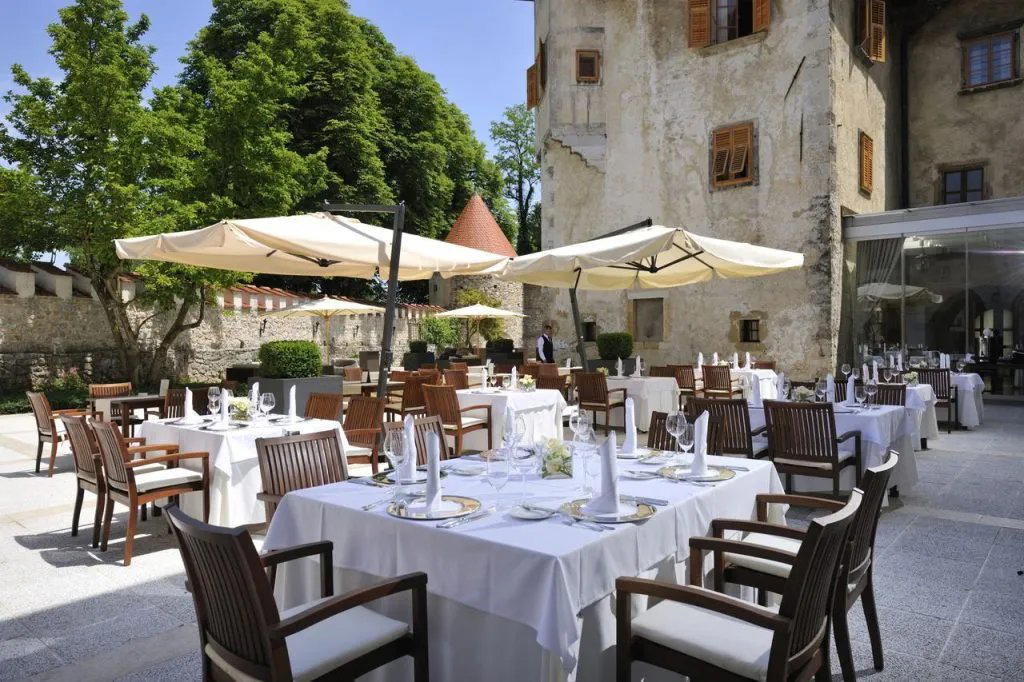
Garden-to-table cooking has become a common claim in the European luxury hotel segment, but the physical reality varies considerably. At Otočec, the kitchen garden is on-site, supplying fresh produce directly to the restaurant. The island's enclosed geography makes this arrangement legible rather than notional: there is no supply chain mystery when the garden is visible from the castle walls. The restaurant serves guests within a setting shaped by the same Gothic architecture that defines the rest of the property, with the kitchen's sourcing logic consistent with the broader emphasis on place.
One of the castle's historic towers houses the wine cellar, which functions as both a storage space and a setting for tastings. Tower cellars in Central European castle hotels are not unusual as architectural features, but the combination of a functional wine program with an intact medieval tower is less common. Wine programming of this kind tends to attract guests who view the cellar visit as part of the architectural experience as much as a hospitality amenity, and properties like Otočec have used that overlap deliberately. For broader context on Slovenian wine culture, the country's Dolenjska region, within which Otočec sits, produces wines that remain less internationally distributed than those from Brda or Štajerska, giving the cellar a regional specificity worth noting.
Events, Weddings, and the Castle as Setting
The castle's visual clarity makes it a sought-after venue for weddings and private events. The combination of the island setting, the park, and the Gothic exterior creates a backdrop that requires minimal additional staging. Castle hotels across the region compete for the premium wedding market, and Otočec's physical enclosure by the river gives it a natural separation from the outside world that event planners and couples value. The property tailors wedding packages accordingly, and the staff's operational emphasis on both discretion and professional coordination is consistent with the demands of high-end private events.
Getting There and Planning Your Stay
Hotel Grad Otočec sits at GPS coordinates 45.8381, 15.2352, near the village of Otočec in Slovenia's Dolenjska region. By car, the property is reached via the Kronovo exit from the main Ljubljana-Novo Mesto road: from Ljubljana international airport the drive takes approximately one hour covering 98 kilometres, while Zagreb's international airport is around 81 kilometres away. The nearest train station is in Novo Mesto, 8 kilometres from the property. Rates start from approximately $435 per night, with some configurations priced from $521 according to La Liste data. Given the 16-room capacity and the property's event programming, booking well in advance is advisable, particularly for summer and for weekend dates when weddings may occupy portions of the property.
For travellers planning a wider Slovenian itinerary, the country's hospitality tier has expanded considerably across regions. Chalet Sofija in Kranjska Gora represents the alpine end of the market, while Hotel Palace Portorož anchors the Adriatic coast segment. Nebesa Chalets in Kobarid and Vila Planinka in Zgornje Jezersko sit in the boutique alpine-rural category. In Ljubljana, Hostel Celica represents the city's design-led accommodation offer at a different price point entirely. Peterc Vineyard Estate in Kojsko is the reference point for wine-focused rural accommodation in the Brda region. For our broader look at where to eat and stay in the area, see our full Otočec restaurants guide.
Internationally, Otočec's castle-on-water premise finds its closest architectural parallels among a small set of European properties where the geography and the structure are inseparable. Castello di Reschio in Umbria operates within the same restored-fortress category with comparable Relais & Châteaux positioning. Properties like Aman Venice or Hotel Sacher Wien represent the urban historic-building tier at the higher end of the European luxury market, while Badrutt's Palace in St. Moritz anchors the alpine resort category. None of those comparisons are direct equivalents: Otočec's island isolation, its Gothic structure, and its 16-room scale put it in a comparable set defined more by setting specificity than by price or brand affiliation.
How It Stacks Up
Comparable venues nearby, for context on price, style, and recognition.
| Venue | Cuisine | Price | Awards | Notes |
|---|---|---|---|---|
| Hotel Grad Otočec | Luxurious castle hotel with preserved Gothic and Renaissance elements. | $$$$ | Michelin 1 Key | Otočec |
| Zlata Ladjica Boutique Hotel | Restored 18th-century inn with storytelling rooms preserving historical elements. | $$$$ | Michelin 1 Key | Ljubljana City Centre |
| AS Boutique Hotel | Modern luxury boutique hotel blending contemporary design with curated vintage elements and Slovenian cultural references in a historic setting. | $$$$ | Michelin 1 Key | Historic Center |
| Peterc Vineyard Estate | Upscale family-owned vineyard estate blending luxury with wine country charm. | $$$$ | Michelin 1 Key | Kojsko |
| Chalet Sofija | Contemporary mountain luxury with modernist architecture set on a hillside, blending minimalist design with alpine hospitality. | $$$$ | Michelin 2 Key | Gozd Martuljek |
| Hotel Palace Portoroz | Belle Époque historic palace with modern annex | $$$$ | 5-Star | Portoroz |
Recognition history
Dated appearances from independent guides and award organizations, with the underlying list record or original source where available.
La Liste Top Hotels
La Liste
Relais Chateaux Award
Relais Chateaux
Virtuoso Luxury Hotel Partner
Virtuoso
Michelin 1 Key
Michelin
Relais Chateaux Award
Relais Chateaux

At a Glance
- Romantic
- Elegant
- Scenic
- Quiet
- Sophisticated
- Honeymoon
- Romantic Getaway
- Anniversary
- Weekend Escape
- Waterfront
- Historic Building
- Panoramic View
- Terrace
- Wi Fi
- Pool
- Spa
- Fitness Center
- Room Service
- Concierge
- Restaurant
- Sauna
- Garden
- Waterfront
- Garden
- Wi Fi
- Pool
- Spa
- Fitness Center
- Room Service
- Concierge
- Restaurant
- Sauna
- Garden
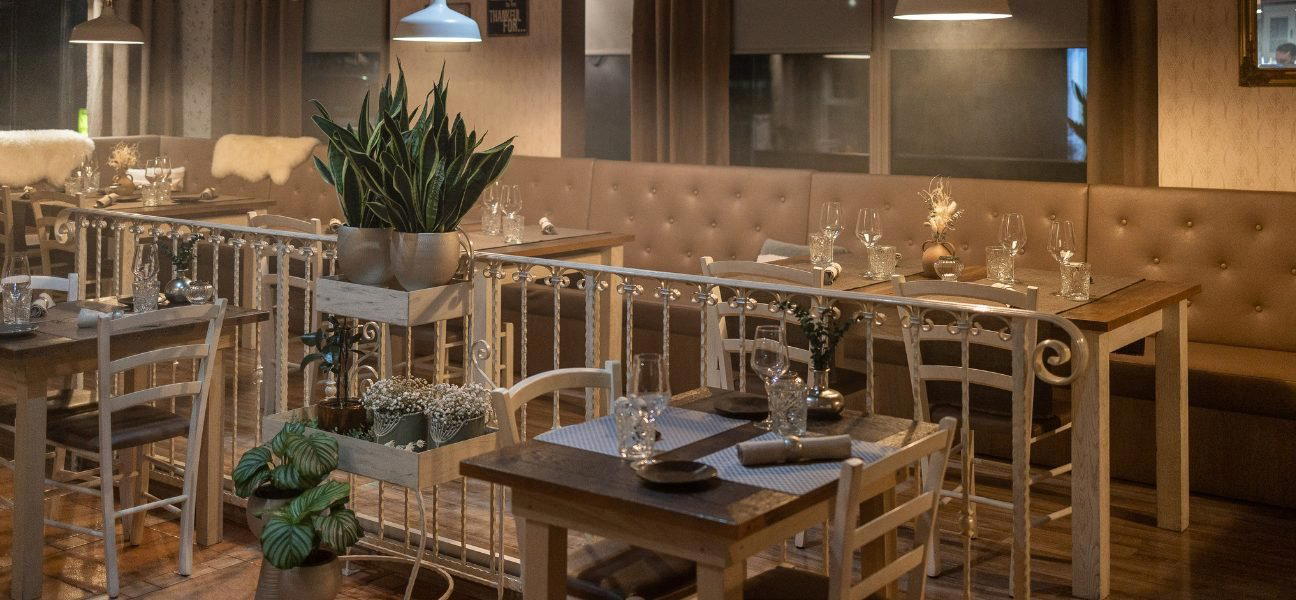
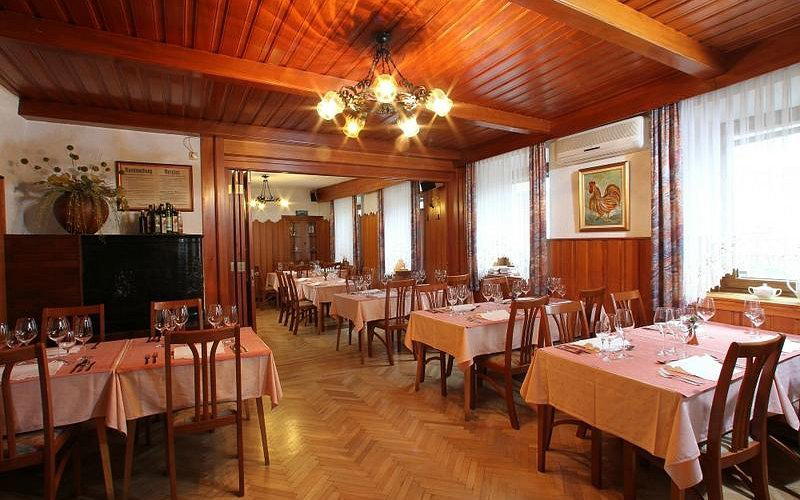
Elegant castle atmosphere with soothing natural materials, river and park views, creating a serene and romantic setting.