
A compact Sapporo ramen address near the market district, NOUILLES JAPONAISE Tokuichi reads as part of the city’s newer ramen conversation: lighter technical ambition beside Hokkaido’s familiar appetite for bowls with substance. Its Tabelog Ramen HOKKAIDO 100 selections in 2024 and 2025 give it a clear quality signal, while the format remains casual enough for a focused morning or midday stop.
Pearl is the En Primeur Club membership app — saves, bookings, and concierge access live there. Same editors, same standards.
- Address
- Japan, 〒060-0011 Hokkaido, Sapporo, Chuo Ward, Kita 11 Jonishi, 22 Chome−1−26 1F
- Phone
- +81 11-699-6707
- Website
- instagram.com
 Saves & bookings on Pearl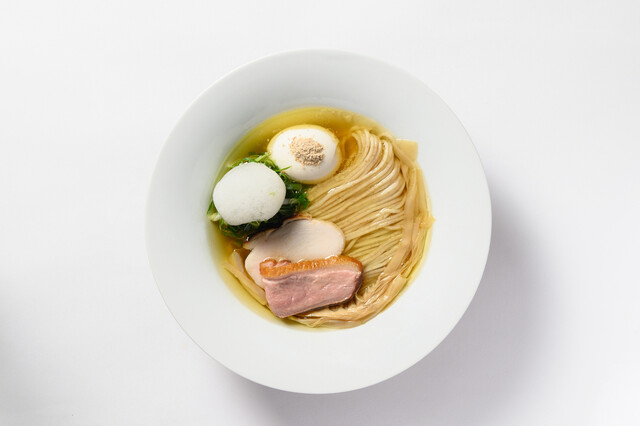
The approach is market-side, not ceremonial: a working Sapporo setting, compact room, and ramen format built for quick concentration rather than long-form dining. In a city where ramen can be winter ballast and technical showcase, NOUILLES JAPONAISE Tokuichi sits in the latter camp without abandoning the everyday grammar of the bowl.
Sapporo’s ramen reputation is often reduced to miso, corn, butter, and snow-country appetite, but the current scene is broader and more competitive. Better counters now split into old-school miso shops, seafood-driven bowls, spicy tantanmen specialists, and newer kitchens borrowing precision from outside ramen’s usual playbook. For visitors comparing casual dining spend, the argument is value through focus: a narrow, high-turnover format with enough recognition to justify planning around it.
Fish-led ramen in a city better known for heavier bowls
Hokkaido ramen is strongly associated with richness, partly because Sapporo’s climate rewards fat, salt, and heat. A fish-conscious ramen shop changes the rhythm, asking the diner to look for clarity, seasoning control, and broth structure rather than sheer weight. That helps travellers eating across Sapporo over several days: one bowl can cover classic miso, another can test the city’s seafood instincts, and another can push into spice or curry.
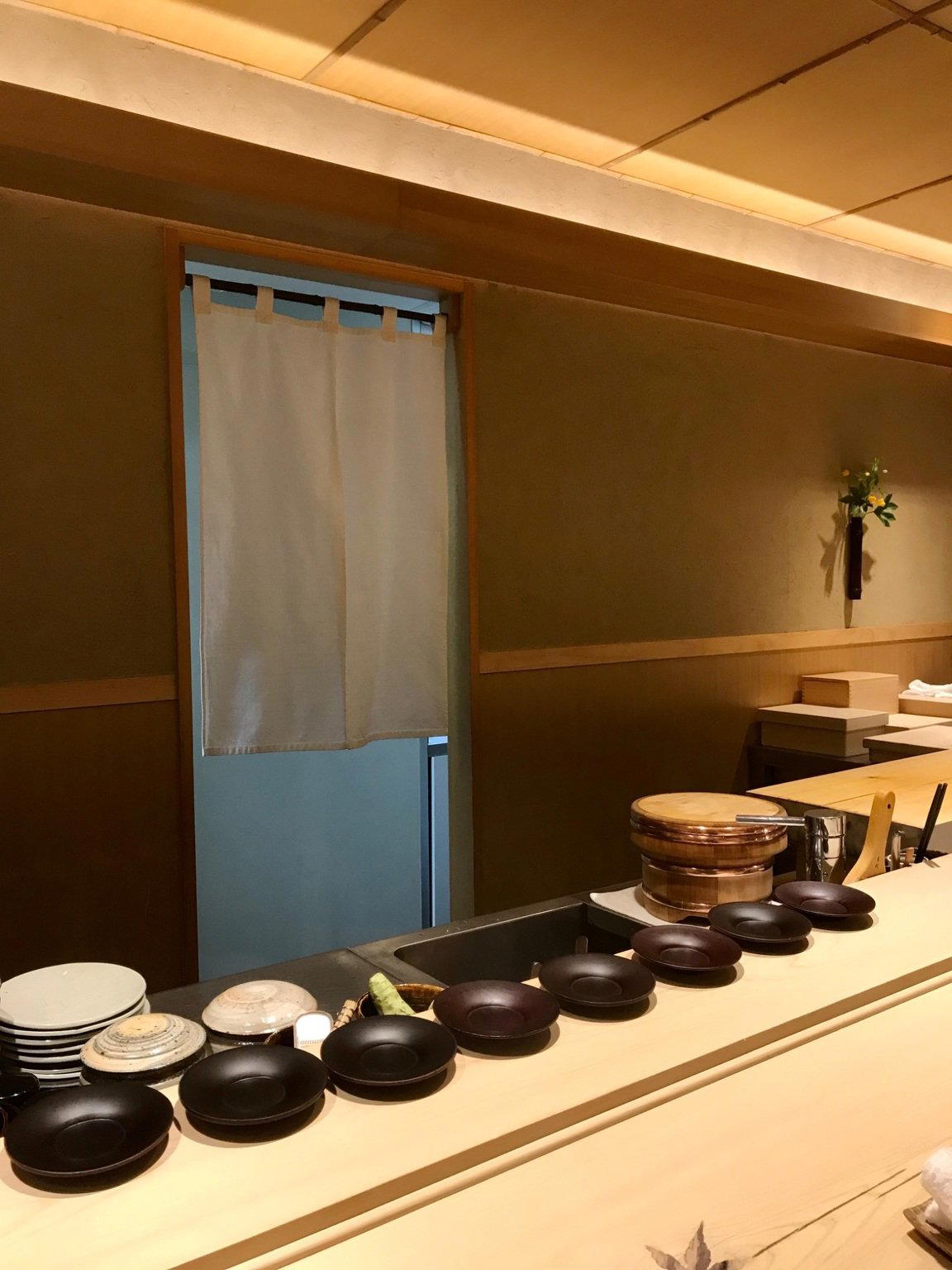
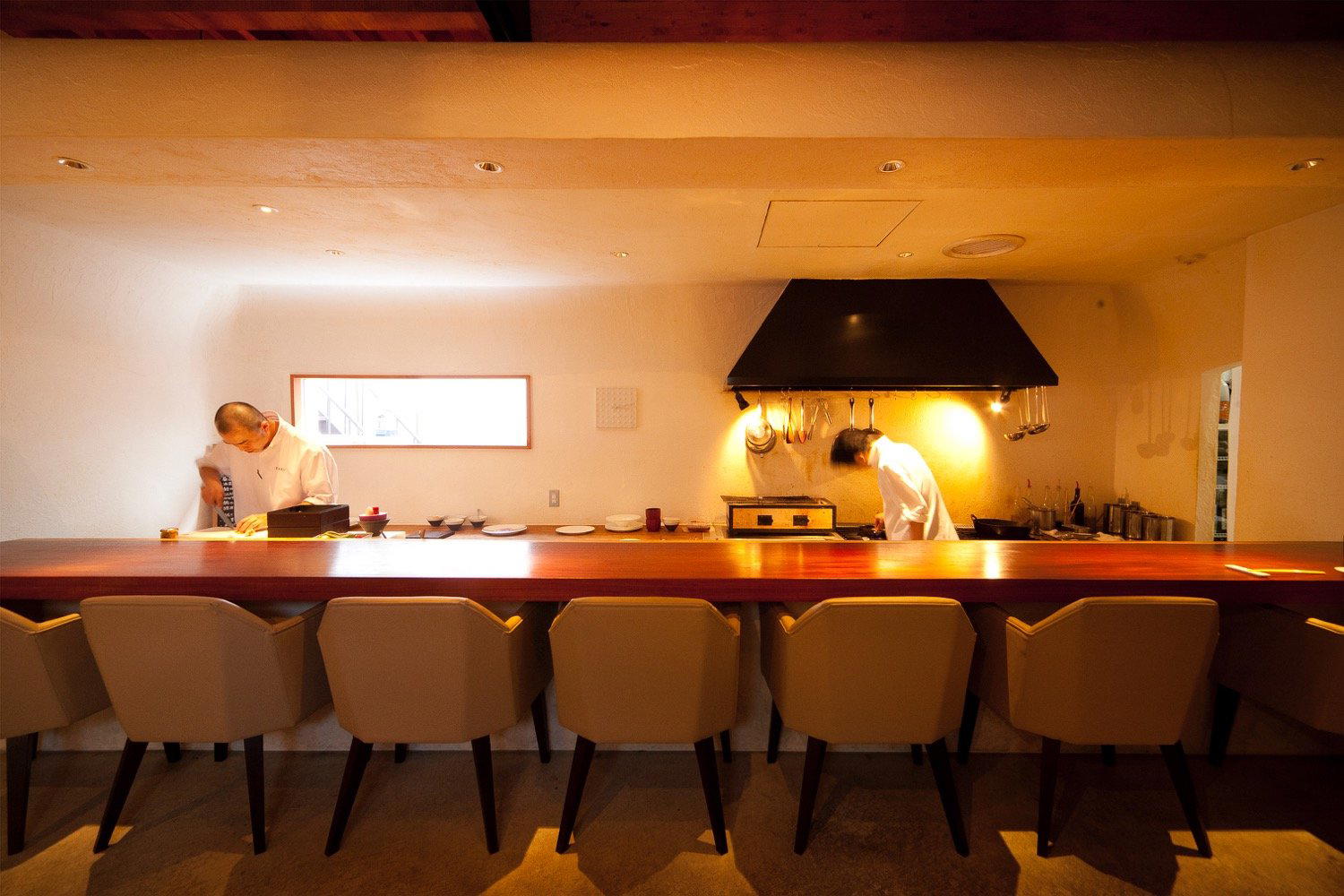
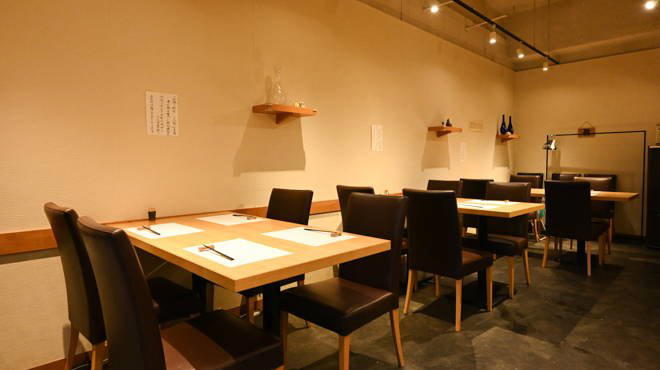
The public description points to fish and breakfast availability, placing the kitchen slightly outside the late-night ramen stereotype. Morning ramen is not a novelty in Japan, but in Sapporo it gives the meal a different role: less post-drinking recovery, more market-adjacent fuel. The small room also shapes expectations. Sixteen seats means a compact noodle counter experience rather than a lingering restaurant meal, even with table seating in the mix.
The trust signal is concrete. Selection for Tabelog Ramen HOKKAIDO 100 in both 2024 and 2025 puts the shop inside a curated regional ramen group, not the city’s general pool of noodle counters. Tabelog’s user culture rewards consistency over spectacle, so repeated inclusion is stronger than one burst of attention. It also frames the competitive set: not priced or staged like Sapporo’s formal dining rooms, but serious within ramen.
For a broader read on the city’s noodle map, 175°DENO Tantanmen Sapporo kitaguchi ten covers the spicy sesame lane, while ramen peer Araton Honten operates in a similar casual spend band. That spread is the point. Sapporo rewards repeat bowls, not one definitive stop.
What the spend buys in Sapporo's casual dining tier
The strongest case for this address is category efficiency, not extravagance. Sapporo has plenty of casual meals that cost little and say little. Here, the diner gets a recognized ramen counter, defined fish angle, non-smoking conditions, and an English menu signal in a compact format. For international visitors, that removes friction without pushing the meal into tourist-restaurant territory.
Compared with Teishoku Meshiya, in a higher casual bracket, ramen keeps the decision sharper: one main bowl, faster pacing, fewer variables. Compared with Kokopelli or Patisserie Shiiya, the value is less about lingering and more about precision per minute. Sushi Miyakawa belongs to another Sapporo conversation, where ceremony, sourcing, and reservation stakes reshape the meal. This shop occupies useful middle ground: serious enough to schedule, casual enough not to dominate the day.
That makes it a strong fit for a Sapporo itinerary built around contrast. A traveller could use Our full Sapporo restaurants guide to balance noodles with curry at [Curry Senmon Ten] Maruyama Kyoju., Indo-style spice at Ajanta Indo Curry Ten or Ajanta Sohonke, and a coastal detour such as Aigues Vives. That is a more accurate picture of Sapporo dining than ramen alone: wheat, seafood, dairy, spice, and cold-weather appetite pulling in different directions.
The format suits solo diners and families, not a small detail in Japan’s ramen culture. Many serious counters are efficient but not always flexible. A shop that welcomes children and strollers broadens the audience without changing the core proposition. Wheelchair accessibility adds another practical layer, and the cash-only policy keeps the transaction old-school. These details are not glamorous, but they define how easily a meal fits into a day.
How to place it inside a Sapporo trip
NOUILLES JAPONAISE Tokuichi works well as a daytime anchor rather than a destination dinner. Its neighborhood position near Nijuyonken and the wholesale-market orbit gives it a different feel from Susukino’s later-night circuit. That location suits travellers who want a meal attached to morning movement, market browsing, or a less bar-driven slice of the city.
Broader trip planning should stay disciplined. Sapporo is not only a restaurant city; it is a base for hotels, bars, winter sports access, and Hokkaido food systems. Use Our full Sapporo hotels guide for where to sleep, Our full Sapporo bars guide for the evening drinking circuit, Our full Sapporo wineries guide for regional bottles, and Our full Sapporo experiences guide for the non-restaurant side of the city. Ramen is one chapter, not the whole book.
For readers mapping Japanese dining more widely, this compact specialist sits far from the sukiyaki structure of -Grilled beef Sukiyaki- KAMAKURA TANUKIAN 鎌倉 たぬき庵 in Kamakura, the izakaya framing of. 鮪と炭火焼き うお炭 秋葉原店 in Tokyo, the café rhythm of.cafe in Osaka, and the contemporary dining register of.know in Kumamoto. It also shows how Japanese casual formats travel and mutate, from (Shoku) Vietnam in Kawasaki and [ki:] in Kyoto to Japanese-accented drinking and snack culture abroad at Jōdo Saké Bar in Los Angeles and Onigiri Time in Pasadena.
The editorial read is clear: a low-friction, high-signal ramen stop for diners who care about category credibility and do not need ceremony to feel rewarded. In Sapporo, where a bowl can be cheap, filling, and forgettable, recognition plus a defined fish-led identity gives this one a sharper reason to be on the route.
Reputation First
Comparable venues to place this listing in its category.
| Venue | Cuisine | Price | Notes |
|---|---|---|---|
| NOUILLES JAPONAISE TokuichiThis venue — the venue you are viewing | French-inspired Japanese ramen | $$ | Not listed |
| Menya Yukikaze Susukino ten | Japanese Ramen | $$ | Chūō |
| soup curry tom tom kikir | Japanese Soup Curry | $$ | Kiyota |
| Hana Maru | Japanese Ramen | $$ | Kiyota |
| sapporo soup curry dip | Sapporo Soup Curry | $$ | Kita |
| Tezukuri Hamburger Steak Kobo Toshi | Handmade Japanese hamburger steak (yōshoku) | $$ | Chūō |
Recognition history
Dated appearances from independent guides and award organizations, with the underlying list record or original source where available.
Tabelog 100 #72 · No. 72
Tabelog · Tabelog 100 - Ramen - HOKKAIDO - 2025



At a Glance
- Modern
- Cozy
- Trendy
- Solo
- Casual Hangout
- After Work
- Group Dining
- Standalone
- Design Destination
- Local Sourcing
- Street Scene
Current opening hours
- Monday
- 9 AM–3 PM
- Tuesday
- 9 AM–3 PM
- Wednesday
- Closed
- Thursday
- 9 AM–3 PM
- Friday
- 9 AM–3 PM
- Saturday
- 9 AM–3 PM
- Sunday
- 9 AM–3 PM
Hours can change for holidays and private events. Last verified .
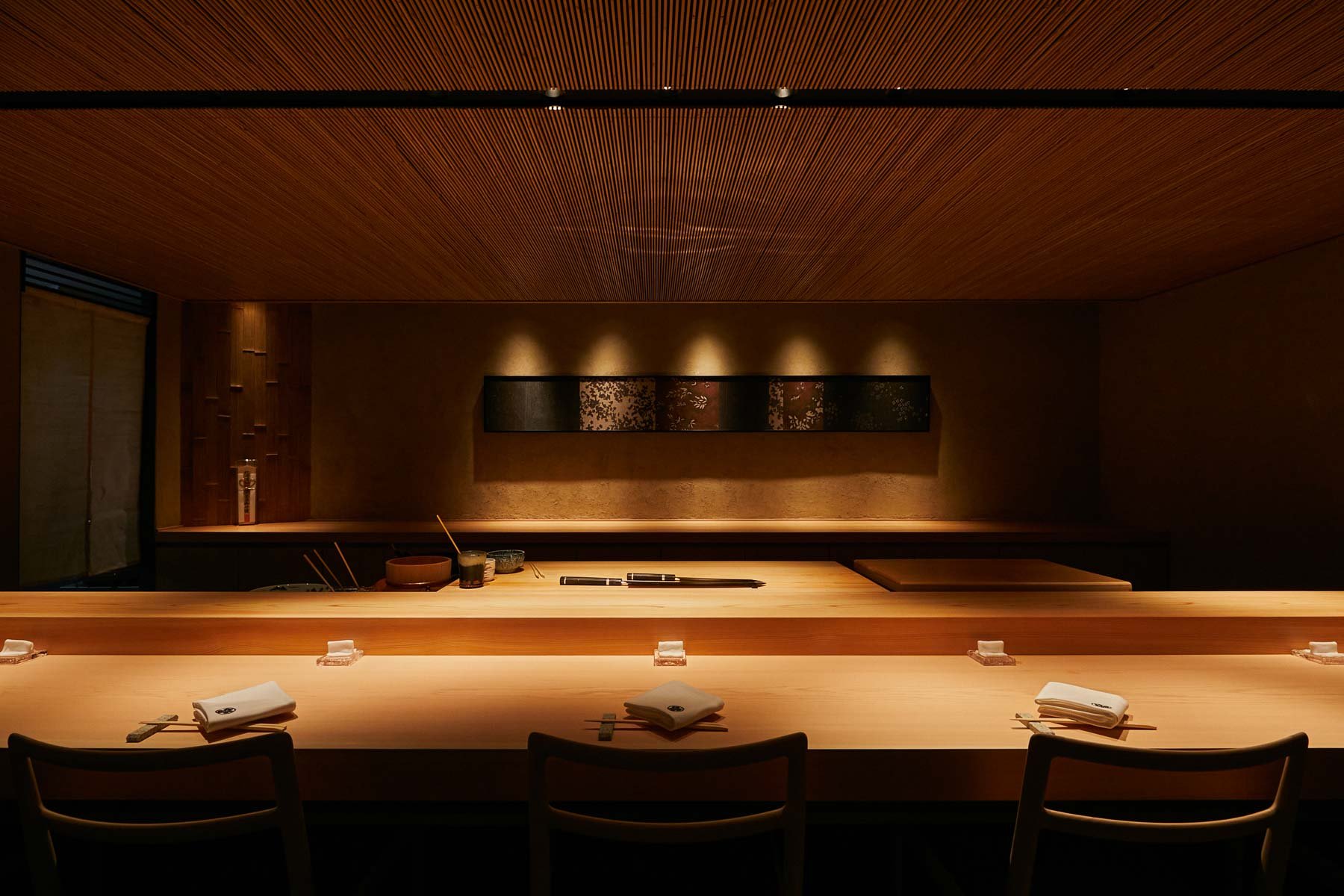
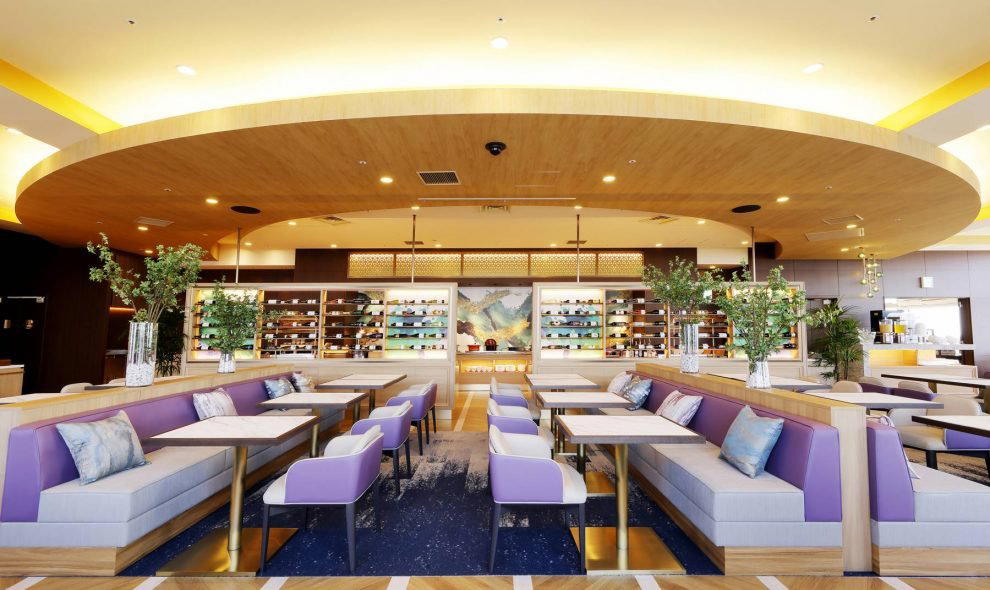
A small 16-seat ramen shop inside the bustling Sapporo Central Wholesale Market, with a clean modern design, communal table seating, and an energetic yet relaxed market-side atmosphere focused on refined bowls rather than decor.