
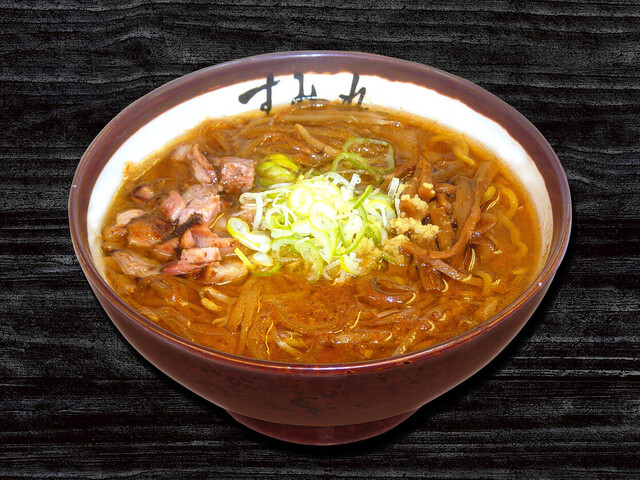
Sapporo’s ramen culture is at its sharpest in Susukino, where late-night counters compete on speed, depth of broth, and repeat local traffic rather than ceremony. Menya Yukikaze Susukino ten belongs to that compact, high-demand format: a 12-seat counter known for miso ramen, dumplings, and repeated Tabelog 100 recognition for Hokkaido ramen.
Pearl is the En Primeur Club membership app — saves, bookings, and concierge access live there. Same editors, same standards.
- Address
- 4 Chome-2-6 Minami 7 Jonishi, Chuo Ward, Sapporo, Hokkaido 064-0807, Japan
- Phone
- +81 11-512-3022
- Website
- menyayukikaze.com
 Saves & bookings on Pearl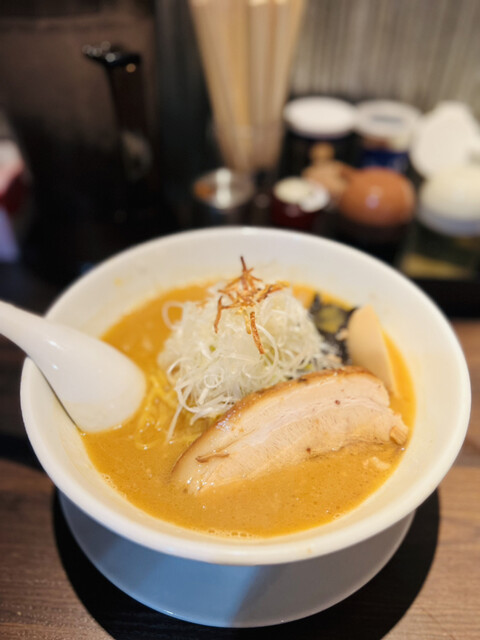
Susukino ramen rooms announce themselves differently from formal dining rooms. The cues are tighter: a counter visible from the entrance, steam working against the cold, diners moving with the economy of people who know exactly what they came for. In Sapporo, ramen is not a secondary meal after seafood and beer; it is part of the city’s winter grammar, and miso is the dialect visitors usually come to learn.
Menya Yukikaze Susukino ten sits inside that language rather than outside it. The format is compact, counter-led, and built for high turnover, but the reputation is not casual. Selection for Tabelog 100 Ramen Hokkaido in 2025, with earlier Tabelog 100 selections across 2024, 2021, 2020, and 2019, places it among Hokkaido ramen shops that have moved beyond neighbourhood convenience into destination eating. That matters in Sapporo, where ramen fame can be inflated by tourist traffic; repeated recognition points to a shop that has held attention across several award cycles.
Susukino ramen is built for precision, not ceremony
Sapporo’s premium dining spectrum runs wide, from tempura counters such as Tempura Araki to higher-spend meat rooms such as Susukino Yakiniku Kiraku and Susukino Niku Seafood Robata Shinshin. Ramen occupies a different economy. It compresses the decision into broth, noodle, heat, queue management, and speed. The comparison is useful because it explains the appeal: a serious ramen counter can deliver a sharply defined local meal without the time, spend, or formality attached to sushi, tempura, yakiniku, or kappo-style dining.
The shop’s public description centres on rich miso ramen made with three types of miso, including white and red miso, with a broth based on pork bone, chicken paitan, niboshi, and katsuobushi, finished with burnt oil. That ingredient list reads like a Sapporo thesis. Miso ramen in Hokkaido often works through density and temperature rather than delicacy; the pleasure is in how fermented salt, animal stock, dried fish, and aromatic oil create momentum through the bowl. Dumplings round out the category rather than competing for attention.
This is the key distinction for travellers planning a Sapporo eating itinerary: ramen here is not a consolation prize between reservations. It belongs in the same city map as curry specialists such as [Curry Senmon Ten] Maruyama Kyoju., spice-driven rooms such as Ajanta Indo Curry Ten and Ajanta Sohonke, and noodle alternatives such as 175°DENO Tantanmen Sapporo kitaguchi ten. Each solves cold-weather appetite differently. Menya Yukikaze Susukino ten’s lane is Sapporo miso ramen with enough recognition to justify building a stop around it.
A small counter changes the planning equation
The booking experience here is defined less by reservations than by patience and timing. A 12-seat counter creates a narrow service rhythm, and ramen shops with this level of recognition can feel more exposed to surges than larger restaurants. That does not make the experience complicated, but it changes expectations: this is a counter meal, not a lingering table. Arrive ready to decide, eat, and let the room reset.
That compactness is also part of the cultural reading. Sapporo’s late-night dining culture has long depended on places that can absorb drinkers, workers, and visitors without turning dinner into theatre. In that context, Menya Yukikaze Susukino ten sits closer to the practical heart of Susukino than higher-budget restaurants such as Matsukura or destination-format rooms such as Hidetaka. The value is not in luxury cues. It is in how directly the shop connects a neighbourhood, a regional ramen style, and a bowl built for cold weather.
Travellers often make the mistake of treating ramen as spontaneous. In Tokyo or Osaka that can work because alternatives cluster densely around major stations; in Sapporo, the better move is to decide which style matters. Miso is the regional anchor. Soup curry is another civic language. Bread, pastry, and European technique appear in places such as Aigues Vives, but ramen remains the meal that most clearly ties Susukino’s after-dark energy to Hokkaido’s appetite for warmth, fat, and salt.
Where this fits in a Sapporo itinerary
For a first Sapporo trip, the smartest use of this counter is as a focused ramen stop rather than the only food plan for the day. Pair it with a broader reading of the city through Our full Sapporo restaurants guide, then build around neighbourhoods rather than chasing isolated names. Susukino rewards that approach because bars, casual counters, seafood rooms, and late meals sit close together in both geography and mood.
Visitors staying in the city should also treat logistics as part of the meal. Sapporo’s winter conditions can make short distances feel longer, and a small counter offers little margin for leisurely uncertainty. For overnight planning, Our full Sapporo hotels guide helps place the ramen stop within a workable base. For the rest of the night, Our full Sapporo bars guide is the natural companion; for broader trip-building, there are also the city’s wineries and experiences guides.
What separates a good ramen plan from a vague one is context. Across Japan, compact specialist restaurants often carry more signal than their size suggests: a sukiyaki-focused room such as -Grilled beef Sukiyaki- KAMAKURA TANUKIAN 鎌倉 たぬき庵 in Kamakura, a Tokyo grill such as. 鮪と炭火焼き うお炭 秋葉原店 in Tokyo, or small-format addresses like.cafe in Osaka.know in Kumamoto, (Shoku) Vietnam in Kawasaki, and [ki:] in Kyoto all reward travellers who understand format before arrival. The same principle applies outside Japan, from Jōdo Saké Bar in Los Angeles to Onigiri Time in Pasadena: small places need sharper planning.
The editorial call is simple. The restaurant is a strong Sapporo ramen target for travellers who want the city’s miso tradition in a compact, recognised counter setting, without stretching dinner into a formal reservation event. The draw is not novelty. It is a clear expression of a regional style, delivered in the kind of room where Sapporo ramen works well.
Cuisine Lens
Comparable venues at a glance for context.
| Venue | Cuisine | Price | Notes |
|---|---|---|---|
| Menya Yukikaze Susukino tenThis venue — the venue you are viewing | Japanese Ramen | $$ | Not listed |
| Picante | Sapporo soup curry | $$ | Kita |
| Teishoku Meshiya | Casual Japanese seafood bowls & shio ramen | $$ | Chūō |
| sapporo soup curry dip | Sapporo Soup Curry | $$ | Kita |
| Gop no Anagura | Sapporo soup curry & spice-driven curry house | $$ | Nishi |
| Yoshoku Konoyoshi Kiyotaku kitano ten | Japanese Yoshoku | $$ | Kiyota |
Recognition history
Dated appearances from independent guides and award organizations, with the underlying list record or original source where available.
Tabelog 100 #40 · No. 40
Tabelog · Tabelog 100 - Ramen - HOKKAIDO - 2025
At a Glance
- Lively
- Cozy
- Classic
- Solo
- Late Night
- Casual Hangout
- Standalone
- Beer Program
- Street Scene
Current opening hours
- Monday
- 11 AM–2 PM, 6 PM–2:30 AM
- Tuesday
- 11 AM–2 PM, 6 PM–2:30 AM
- Wednesday
- 11 AM–2 PM, 6 PM–2:30 AM
- Thursday
- 11 AM–2 PM, 6 PM–2:30 AM
- Friday
- 11 AM–2 PM, 6 PM–3:30 AM
- Saturday
- 11 AM–2 PM, 6 PM–3:30 AM
- Sunday
- 11 AM–2 PM, 6 PM–12 AM
Hours can change for holidays and private events. Last verified .
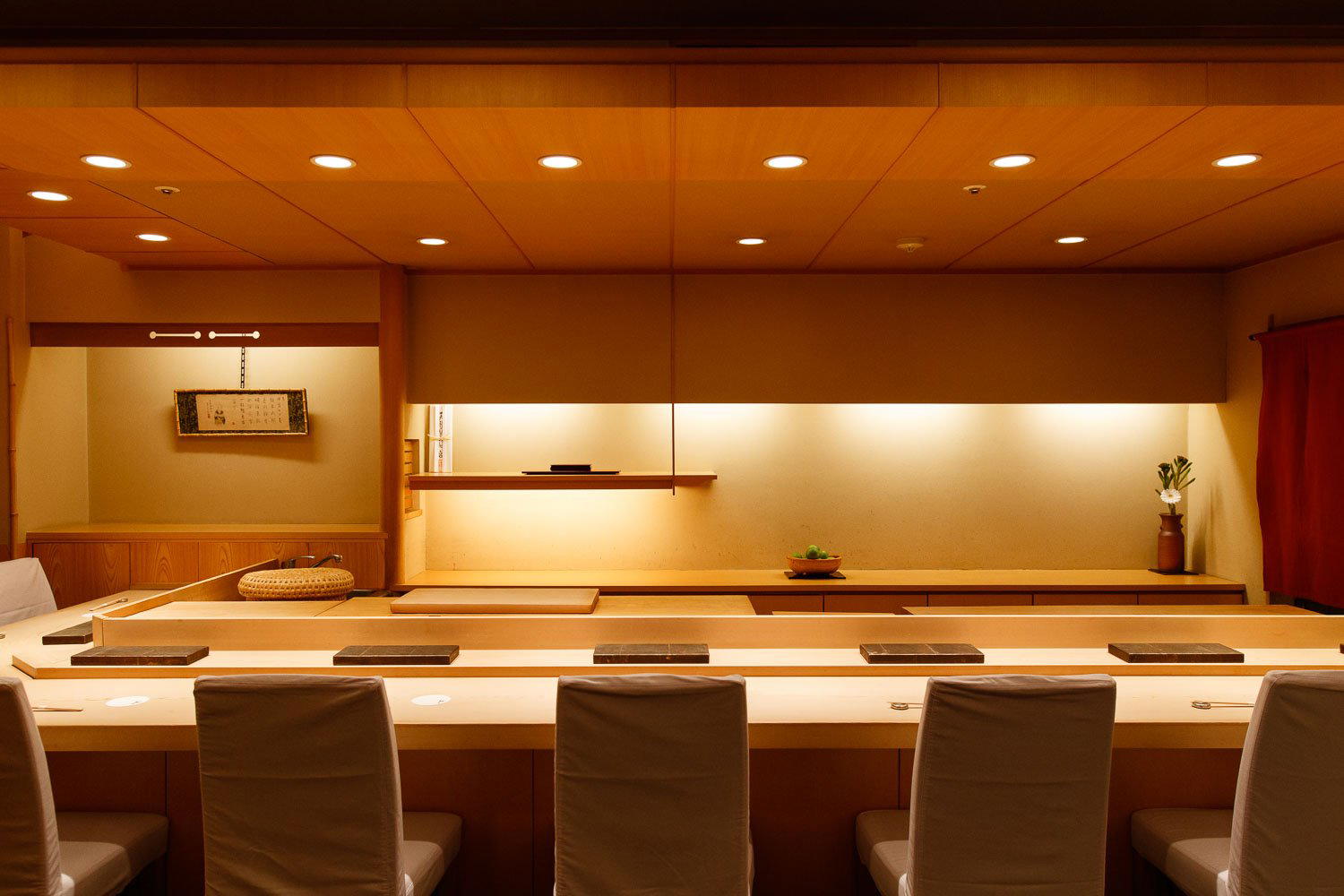
Compact, no-frills ramen counter atmosphere with a busy late-night energy and a practical after-drinking feel.