
Hana Maru is a compact counter-only ramen shop in Sapporo’s Kiyota Ward, selected for Tabelog 100 Ramen HOKKAIDO in 2024 and 2025. Its appeal sits in the city’s everyday ramen culture rather than luxury dining: modest pricing, an eight-seat format, and a serious local following in a residential district away from the central station circuit.
Pearl is the En Primeur Club membership app — saves, bookings, and concierge access live there. Same editors, same standards.
- Address
- 7 Chome-1-33 Utsukushigaoka 3 Jo, Kiyota Ward, Sapporo, Hokkaido 004-0813, Japan
- Phone
- +81 11-883-5003
- Website
- menhanamaru.official.ec
 Saves & bookings on Pearl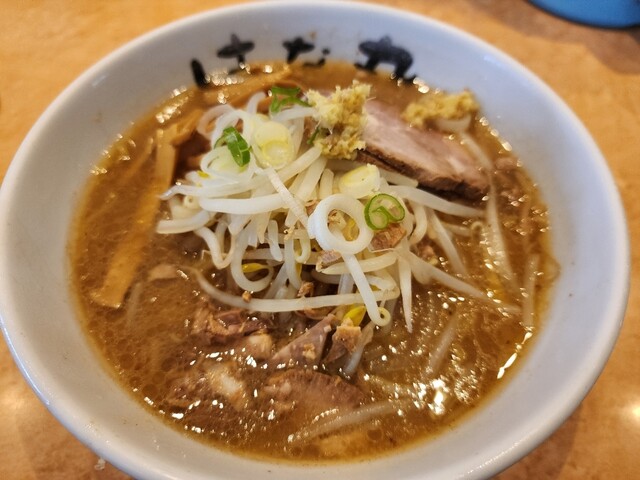
Sapporo ramen is often defined by weather before appetite: cold streets, low winter light, and a hot bowl eaten without ceremony. In Kiyota Ward, away from the visitor-facing ramen corridors of central Sapporo, the experience narrows to a small counter, quick turnover, and a local rhythm that suits Hokkaido’s ramen culture better than staged dining. Hana Maru fits: compact, direct, and built on everyday precision that earns attention without changing scale.
Sapporo’s ramen identity is often reduced to miso, butter, corn, and snow-country appetite, but the stronger story is technical. Hokkaido ramen shops work with local expectations of richness, heat retention, and produce-driven depth, using Japan’s broader ramen grammar: tare balance, broth structure, noodle texture, and counter service paced to minutes rather than courses. That intersection of regional product and national technique is where the city’s serious bowls live. Selection in Tabelog 100 Ramen HOKKAIDO for both 2024 and 2025 places Hana Maru in a competitive local bracket, especially given the price tier and residential location.
Kiyota Ward ramen, judged by counter discipline rather than spectacle
The eight-seat, counter-only format matters. In ramen, capacity is not atmosphere dressing; it shapes the meal. Small counters keep production close to the guest, compress service, and expose timing flaws. A bowl has a short window: noodles soften, fat cools, aroma thins. The counter is the control room.
That makes Hana Maru’s place in the Hokkaido ramen conversation more interesting than a simple award line. The shop operates at neighborhood-utility scale yet is judged beside better-known city names. In price terms, it sits alongside Pot-au-feu and Tenjiku Sapporo kiyota honten, both in the JPY 1,000 to JPY 1,999 band, while Ramen RS Kai and Noka no Chaya Shizen Mankitsu Club occupy a lower listed bracket. Soup curry tom tom kikir, another Sapporo comparison point in the same price range, shows how the city’s casual dining strength extends beyond ramen into spice, broth, and warmth as local habits rather than visitor novelties.
The reader decision is not whether this is luxury. It is not. The question is whether a Sapporo itinerary should include a residential ramen counter when central options sit closer to hotels, bars, and trains. For travelers who read ramen as craft rather than convenience, yes: Kiyota gives a clearer view of local demand outside the tourist core. The trade-off is planning; the reward is Sapporo ramen culture less shaped by visitor foot traffic.
Hokkaido ingredients meet ramen technique without turning into theatre
Hokkaido’s food reputation rests on agriculture, dairy, seafood, wheat, and cold-climate abundance. Sapporo ramen shops need not announce that inheritance heavily. It appears in substance: broths with staying power, noodles that carry heat, and seasoning built for northern appetite. The global element is not imported luxury but ramen’s technical grammar, shaped by Chinese origins, Japanese regionalization, and modern counter specialization. In Sapporo, that grammar is filtered through Hokkaido’s pantry and climate.
The restaurant’s recognition by Tabelog’s Hokkaido ramen list signals consistency in a demanding casual tier. Tabelog scores can be severe by international standards, and a 3.61 rating in this category carries more weight than it would on a looser platform. The stronger signal is repeated selection in 2024 and 2025. One inclusion can reflect attention; consecutive appearances suggest continued relevance in a crowded local field.
There is useful contrast with Sapporo’s broader dining map. Curry specialists such as Ajanta Sohonke, Ajanta Indo Curry Ten, and [Curry Senmon Ten] Maruyama Kyoju. show the city’s appetite for spice and heat in another register, while 175°DENO Tantanmen Sapporo kitaguchi ten moves toward Sichuan-inflected sesame and chilli. Aigues Vives sits elsewhere in the regional food story, proof that Sapporo’s dining interest is not confined to bowls. The ramen counter remains the city’s clearest expression of technique, weather, and appetite meeting at speed.
How to place it inside a Sapporo food itinerary
For a premium traveler, the case for a modest ramen counter depends on editing. Sapporo can absorb days of eating, from curry and seafood to hotel dining and cocktail bars, but the city makes less sense if ramen is only a late-night fallback. The restaurant works better as a deliberate daytime stop, paired with a wider look at Kiyota and the south-eastern side of the city rather than forced between central reservations.
The format suits solo diners or small parties better than groups. Counter ramen is democratic, but not flexible like a hotel restaurant or izakaya. That limitation is cultural: arrive ready to eat, not linger. The setting favors concentration over conversation, which is why serious ramen shops can feel closer to a workshop than a dining room.
Readers building a broader Sapporo plan should treat the city by category rather than by a single hit list. Use Our full Sapporo restaurants guide for the eating map, then cross-check where the day should end with Our full Sapporo bars guide and where it should begin with Our full Sapporo hotels guide. For travelers extending the trip beyond dining rooms, Our full Sapporo experiences guide and Our full Sapporo wineries guide frame the city as more than a sequence of meals.
For a wider Japan and diaspora reading list, compare how regional Japanese formats travel and mutate: -Grilled beef Sukiyaki- KAMAKURA TANUKIAN 鎌倉 たぬき庵 in Kamakura. 鮪と炭火焼き うお炭 秋葉原店 in Tokyo.cafe in Osaka.know in Kumamoto, (Shoku) Vietnam in Kawasaki, [ki:] in Kyoto, Jōdo Saké Bar in Los Angeles, and Onigiri Time in Pasadena. The connective tissue is not sameness; it is how Japanese food formats hold discipline when they change address, audience, or price point.
The restaurant is strongest as restraint: a small Sapporo ramen counter, priced for regular use, with enough external recognition to justify the detour. It needs no grand narrative. In a city where ramen is comfort and craft, the serious pleasure is watching a local format work without asking for more attention than the bowl requires.
Pricing, Compared
Comparable venues to place this listing in its category.
| Venue | Cuisine | Price | Notes |
|---|---|---|---|
| Hana MaruThis venue — the venue you are viewing | Kiyota, Japanese Ramen | $$ | Not listed |
| Yoshoku Konoyoshi Kiyotaku kitano ten | Kiyota, Japanese Yoshoku | $$ | Not listed |
| Le Coq | Chūō, Yakitori Izakaya | $$ | Not listed |
| Rakkyo | Nishi, Sapporo Soup Curry | $$ | Not listed |
| Menya Yukikaze Susukino ten | Chūō, Japanese Ramen | $$ | Not listed |
| Yakiniku Horumon Fudo. | Not listed | $$ | Chūō, Yakiniku, horumon & jingisukan tavern |
Recognition history
Dated appearances from independent guides and award organizations, with the underlying list record or original source where available.
Tabelog 100 #60 · No. 60
Tabelog · Tabelog 100 - Ramen - HOKKAIDO - 2025


At a Glance
- Classic
- Cozy
- Solo
- Casual Hangout
- Family
- Standalone
Current opening hours
- Monday
- Closed
- Tuesday
- 10 AM–3 PM
- Wednesday
- 10 AM–3 PM
- Thursday
- 10 AM–3 PM
- Friday
- 10 AM–2:30 PM
- Saturday
- 10 AM–3 PM
- Sunday
- 10 AM–3 PM
Hours can change for holidays and private events. Last verified .
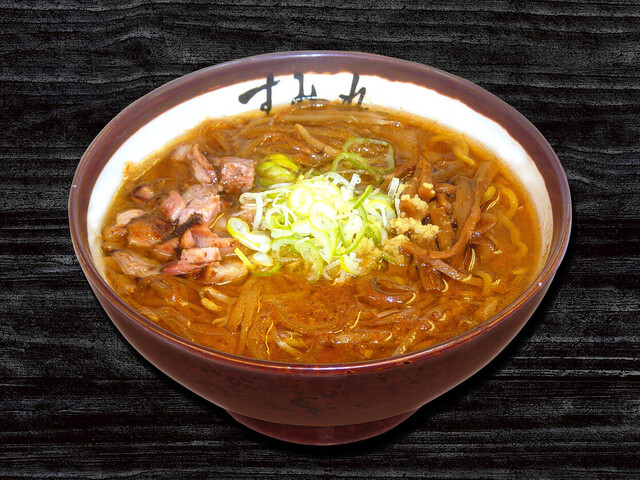
Direct, no-frills ramen-shop atmosphere focused on comfort and the familiar taste of classic Sapporo ramen.