
A Sapporo soup-curry address with Tabelog 100 Curry EAST selections in 2019, 2020, 2023, and 2024, soup curry tom tom kikir belongs to the city’s serious everyday-curry tier rather than its occasion-dining circuit. The appeal is the format: soup curry as a progression of broth, spice, rice, and toppings, served in a small Kiyota room built for families, solo diners, and regulars.
Pearl is the En Primeur Club membership app — saves, bookings, and concierge access live there. Same editors, same standards.
- Address
- 北海道札幌市清田区清田三条2-14-15
- Phone
- +81118816280
- Website
- tabelog.com
 Saves & bookings on Pearl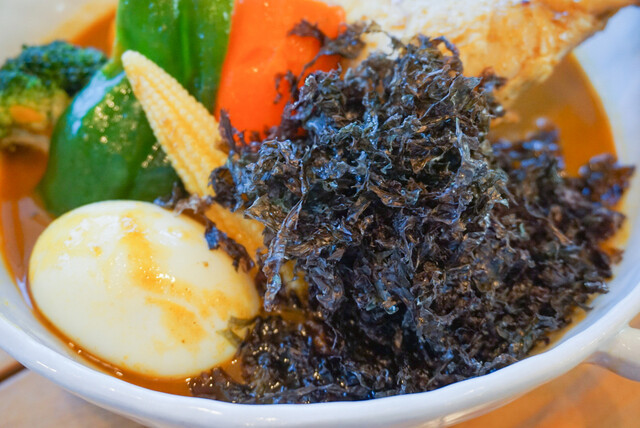
Approaching a Sapporo soup-curry house in Kiyota feels different from entering the city’s central dining grid. The rhythm is suburban, practical, and meal-led: cars, families, solo diners, and a room where counter seats and raised tatami seating suggest repeat use rather than spectacle. That context matters. Soup curry in Sapporo is not a side note to ramen culture; it is one of the city’s defining casual-dining forms, with its own grammar of broth, spice level, rice, vegetables, and toppings.
soup curry tom tom kikir sits inside that grammar with unusual recognition for a restaurant outside the obvious tourist corridors. Its inclusion in Tabelog 100 Curry EAST in 2019, 2020, 2023, and 2024 places it among curry specialists Japanese diners actively compare, not just neighbourhood places serving a local dish well. In a city where curry can mean Indian-influenced spice houses, Japanese curry-rice counters, and Sapporo’s broth-forward soup curry, that repeated selection is the useful signal: this is part of the serious curry conversation, not a casual detour.
Soup curry as a sequence, not a single plate
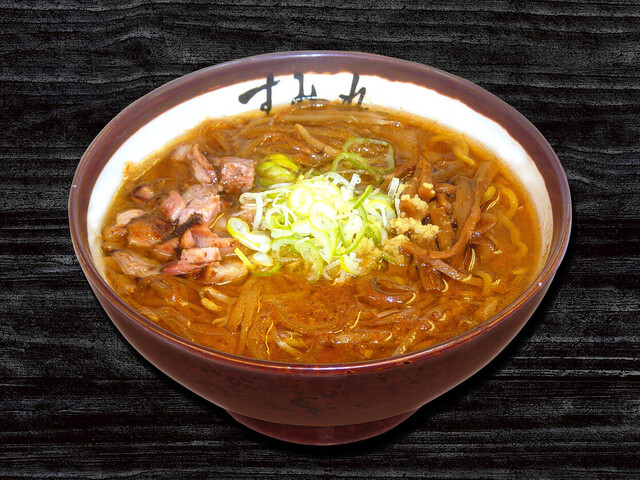
The pleasure of Sapporo soup curry is its pacing. Unlike thick Japanese curry, which folds rice and sauce into one comforting mass, soup curry separates the components and lets the meal progress in stages: broth and spice first, rice as modifier, then vegetables and proteins that change each spoonful’s weight. The diner controls the arc rather than receiving a fixed composition.
That makes the category sensitive to balance. If the broth is too thin, the meal feels unfinished; if spice overwhelms, vegetables become props; if the rice ratio is wrong, the bowl loses momentum. The better Sapporo soup-curry restaurants understand the format as a built sequence, not a single dish. Each bite can move from clean soup to starch, then back into spice and texture.
Here, the house style is framed around soup curry and curry rather than a broader multi-cuisine menu, an advantage in Sapporo’s curry field. Specialist restaurants compete on broth clarity, spice layering, topping choice, and consistency. The price tier keeps the experience in everyday territory, closer to an urban lunch ritual than a special-occasion booking. For travellers, Sapporo’s food culture is often strongest when functional, local, and repeatable.
Within the city’s casual-dining map, comparisons help if kept category-specific. Tenjiku Sapporo kiyota honten operates in a similar Kiyota curry bracket, while TORA, Ramen RS Kai, and Menya Takahashi point to the neighbouring noodle economy where quick meals and tight pricing shape expectations. Pot-au-feu, another Sapporo address in a comparable price lane, shows how much of the city’s appeal sits outside formal fine dining. For a wider scan, start with Our full Sapporo restaurants guide.
Kiyota gives the meal a local cadence
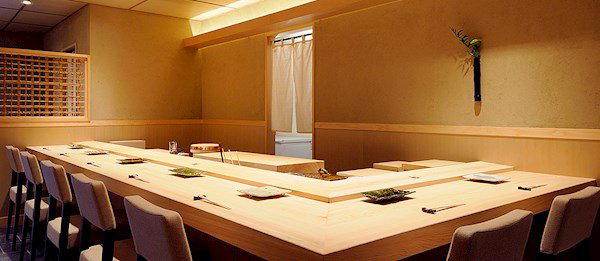
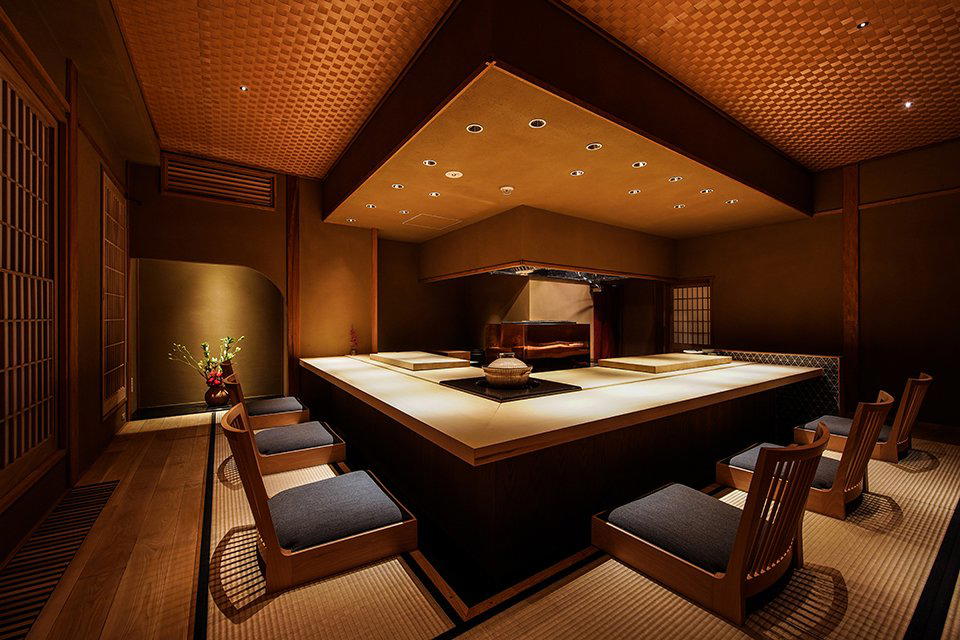
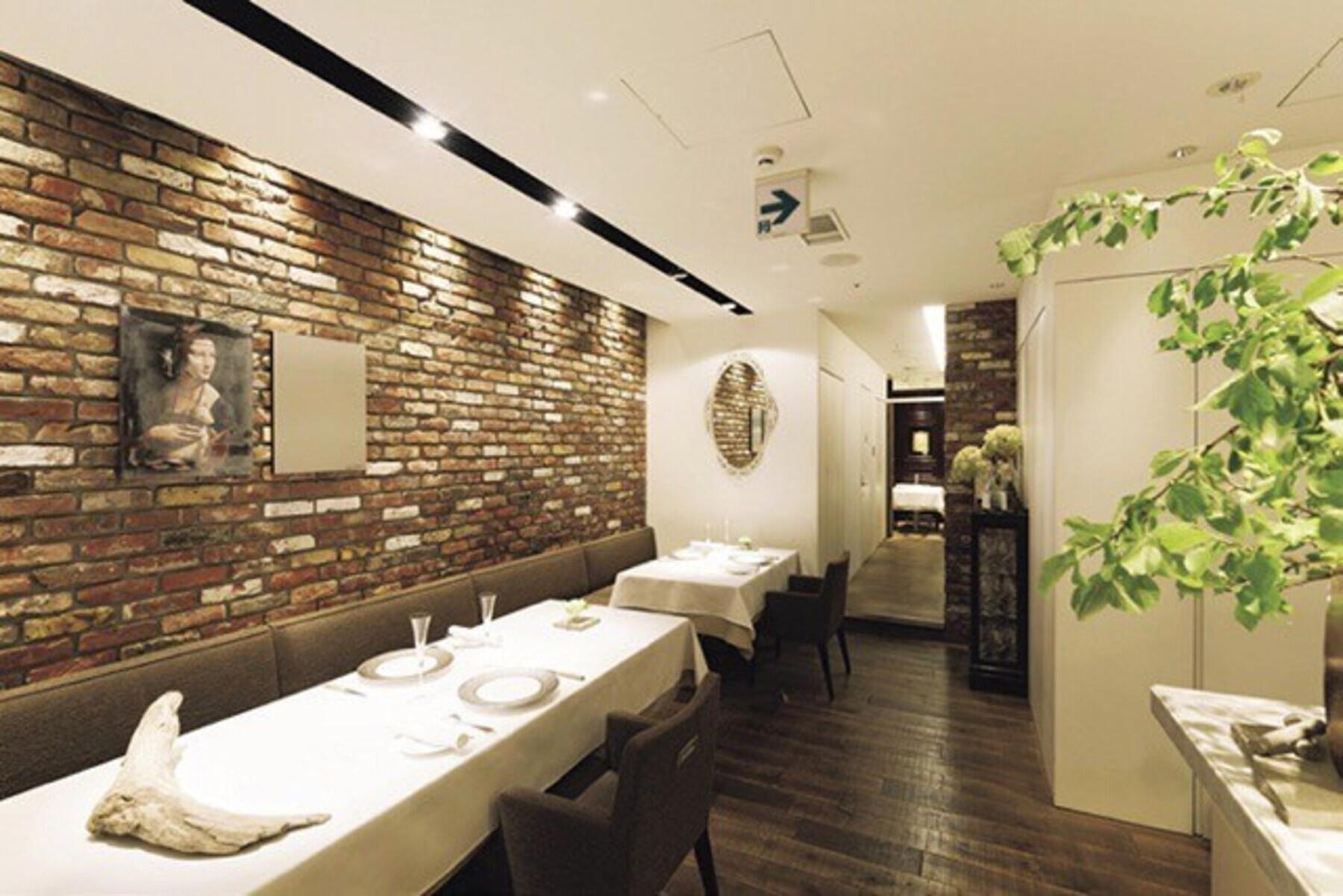
Kiyota is not the version of Sapporo built for a first-night hotel concierge list. That is why the setting explains the restaurant. The neighbourhood pulls the meal away from station-front convenience and toward residents planning around errands, family meals, and car access. A 21-seat room with counter, table, and raised seating creates a mixed-use pattern: solo curry at the counter, small groups at tables, children on tatami, and service that can handle takeout and delivery alongside eating in.
For soup curry, that mixed audience is a strength. The dish has enough customization for regulars, comfort for children, and spice architecture for serious diners. The non-smoking policy, children’s menu, children’s chairs, Bumbo seats, and option to bring baby food that can be warmed put it firmly in the family-capable end of Sapporo’s curry scene. That does not make the restaurant less interesting; it makes it more representative of how the dish functions in the city.
The award history sharpens the point. Tabelog’s Hyakumeiten curry selections are not luxury awards, which is their value. They track specialist appeal across everyday categories where Japanese diners judge consistency severely. A curry restaurant selected across multiple years has cleared a different test from a high-spend tasting counter: it has to remain useful, affordable, and convincing across repeat visits.
That is also why soup curry works as a tasting progression for travellers who may not read Japanese menus fluently. The format is intuitive once the bowl arrives. Taste the broth first, adjust rice into the sequence, then treat toppings as changes in weight and texture rather than garnish. The meal teaches its logic quickly, making Sapporo’s soup-curry tradition accessible without being simplified.
How to place it in a Sapporo itinerary
This is a curry stop to plan around neighbourhood movement rather than nightlife. It belongs on a day already pointing southeast of central Sapporo, or as a deliberate detour for diners who want the city’s soup-curry culture outside busier central zones. The practical profile is casual and compact: small room, no private rooms, no private-use format, no smoking, and payment in cash rather than cards, electronic money, or QR code systems.
The restaurant’s opening date, 2012.2.22, gives it enough history to sit beyond trend-cycle novelty. In Sapporo’s curry scene, longevity counts. Soup curry has passed from local curiosity to established city food, and stronger addresses now serve both dedicated curry hunters and ordinary neighbourhood diners. soup curry tom tom kikir’s repeated Tabelog 100 Curry EAST selections, small-capacity format, and family-ready room place it squarely in that middle ground: serious about curry, informal in use, and more revealing of Sapporo than another polished central-district meal.
Travellers building a fuller Sapporo brief can pair the restaurant map with Our full Sapporo hotels guide, Our full Sapporo bars guide, Our full Sapporo wineries guide, and Our full Sapporo experiences guide. Related restaurant references across Japan and beyond include 175°DENO Tantanmen Sapporo kitaguchi ten, [Curry Senmon Ten] Maruyama Kyoju., Aigues Vives, Ajanta Indo Curry Ten, Ajanta Sohonke, -Grilled beef Sukiyaki- KAMAKURA TANUKIAN 鎌倉 たぬき庵 in Kamakura. 鮪と炭火焼き うお炭 秋葉原店 in Tokyo.cafe in Osaka.know in Kumamoto, (Shoku) Vietnam in Kawasaki, [ki:] in Kyoto, Jōdo Saké Bar in Los Angeles, and Onigiri Time in Pasadena.
In Context: Similar Options
Comparable venues for context, by category and price tier.
| Venue | Cuisine | Price | Notes |
|---|---|---|---|
| soup curry tom tom kikirThis venue — the venue you are viewing | Japanese Soup Curry | $$ | Not listed |
| Menya Yukikaze Susukino ten | Japanese Ramen | $$ | Chūō |
| [Curry Senmon Ten] Maruyama Kyoju. | Japanese Curry House | $$ | Chūō |
| MEN-EIJI Hiragishi Base | Modern Hokkaido Ramen | $$ | Toyohira |
| SOUL STORE | Sapporo soup curry house | $$ | Chūō |
| sapporo soup curry dip | Sapporo Soup Curry | $$ | Kita |
Recognition history
Dated appearances from independent guides and award organizations, with the underlying list record or original source where available.
Tabelog 100 #2 · No. 2
Tabelog · Tabelog 100 - Curry - EAST - 2024



At a Glance
- Cozy
- Family
- Casual Hangout
- Solo
- Group Dining
- Standalone
Casual and relaxed, with a small neighborhood-restaurant feel and a family-oriented atmosphere.