Norma Gastronomia Siciliana


Michelin Bib Gourmand · Star Wine List
Our verdict
Norma Gastronomia Siciliana brings the cooking of western Sicily to Murray Hill with a focus that few Italian restaurants in New York can match. Chef Salvatore Fraterrigo, from Trapani, runs a trio of NYC locations rooted in regional authenticity: arancini filled with ragù and mozzarella, anelletti al forno, and the 'rianata pizza of Trapani. The wine list draws exclusively from Sicilian producers. Priced at $$.

Pearl is the En Primeur Club membership app, where members save venues, book tables and use the concierge.
The menu
What to order
- Arancini
- Rianata pizza of Trapani
- Busiate al pesto Trappanese
Sicily on 3rd Avenue
New York's Italian restaurant market is dense and stratified. At the upper end, places like Ai Fiori and Babbo operate as destination restaurants with tasting-menu ambitions and national recognition. Below that sits a broad middle tier of Italian-American dining with predictable red-sauce familiarity. What is harder to find is a restaurant anchored to a specific Italian region with enough conviction to hold that focus across the menu, the wine list, and the room itself. Norma Gastronomia Siciliana, at 438 3rd Avenue in Murray Hill, occupies that narrower position.
The restaurant is one of three New York City locations run by Chef Salvatore Fraterrigo, who comes from Trapani on Sicily's western coast. Regional specificity of this kind is relatively rare even within the city's substantial Italian dining scene. Most Italian restaurants in New York draw from a broad national palette; Norma anchors itself to one island, and more precisely to the culinary traditions of its western end. That decision shapes everything from the antipasti to the dessert list to the bottles on the back wall.
What the Room Tells You Before the Food Arrives
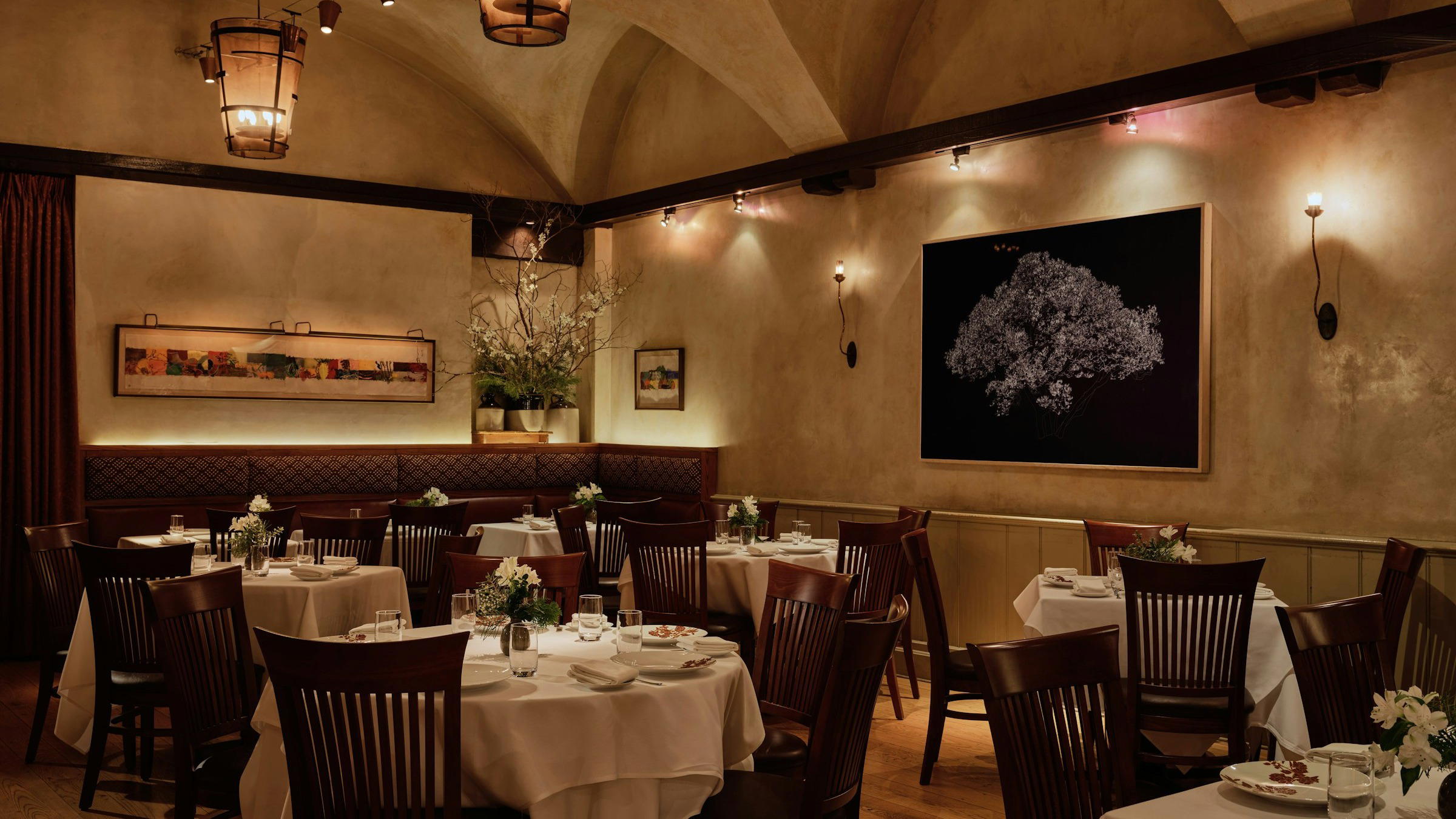
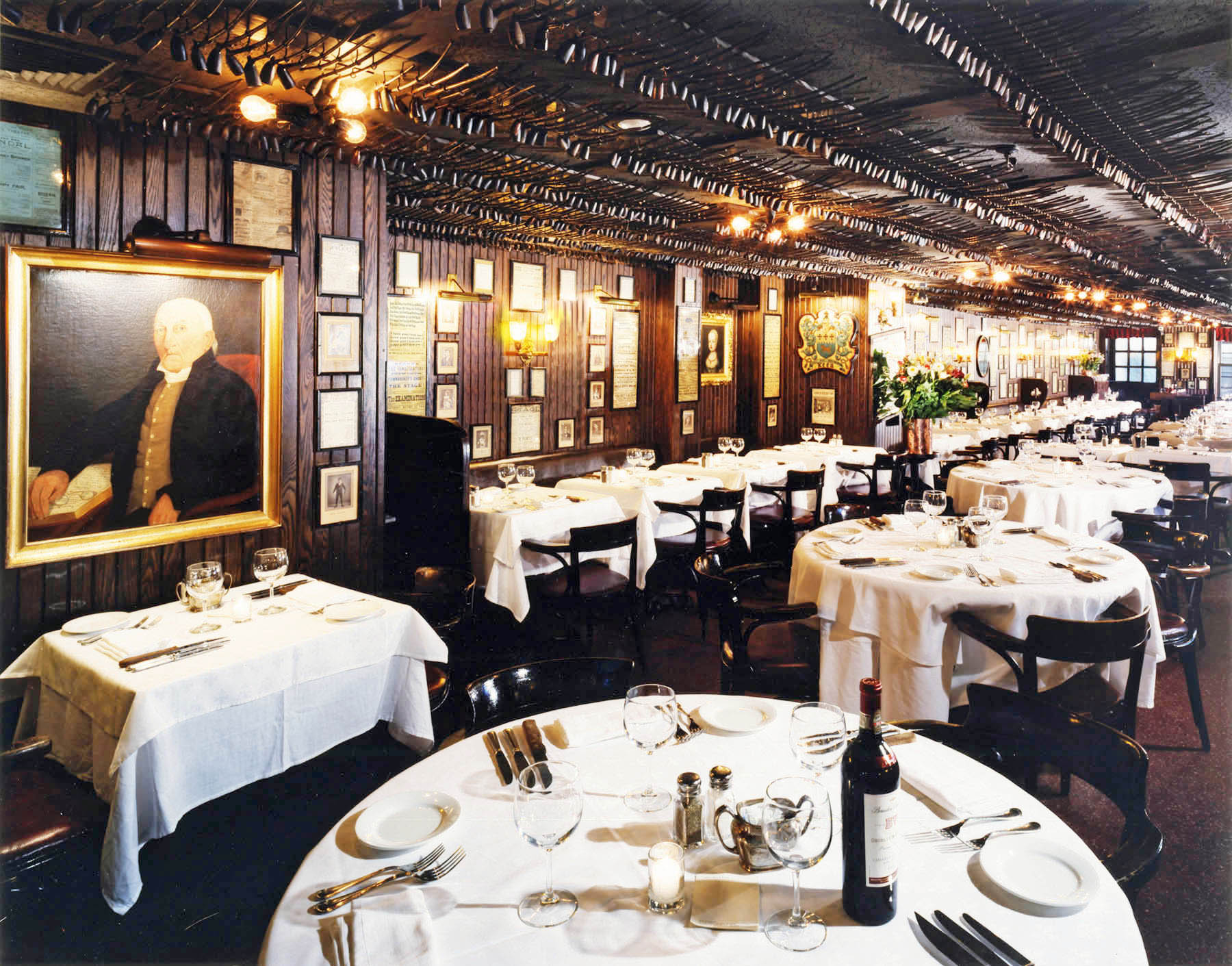
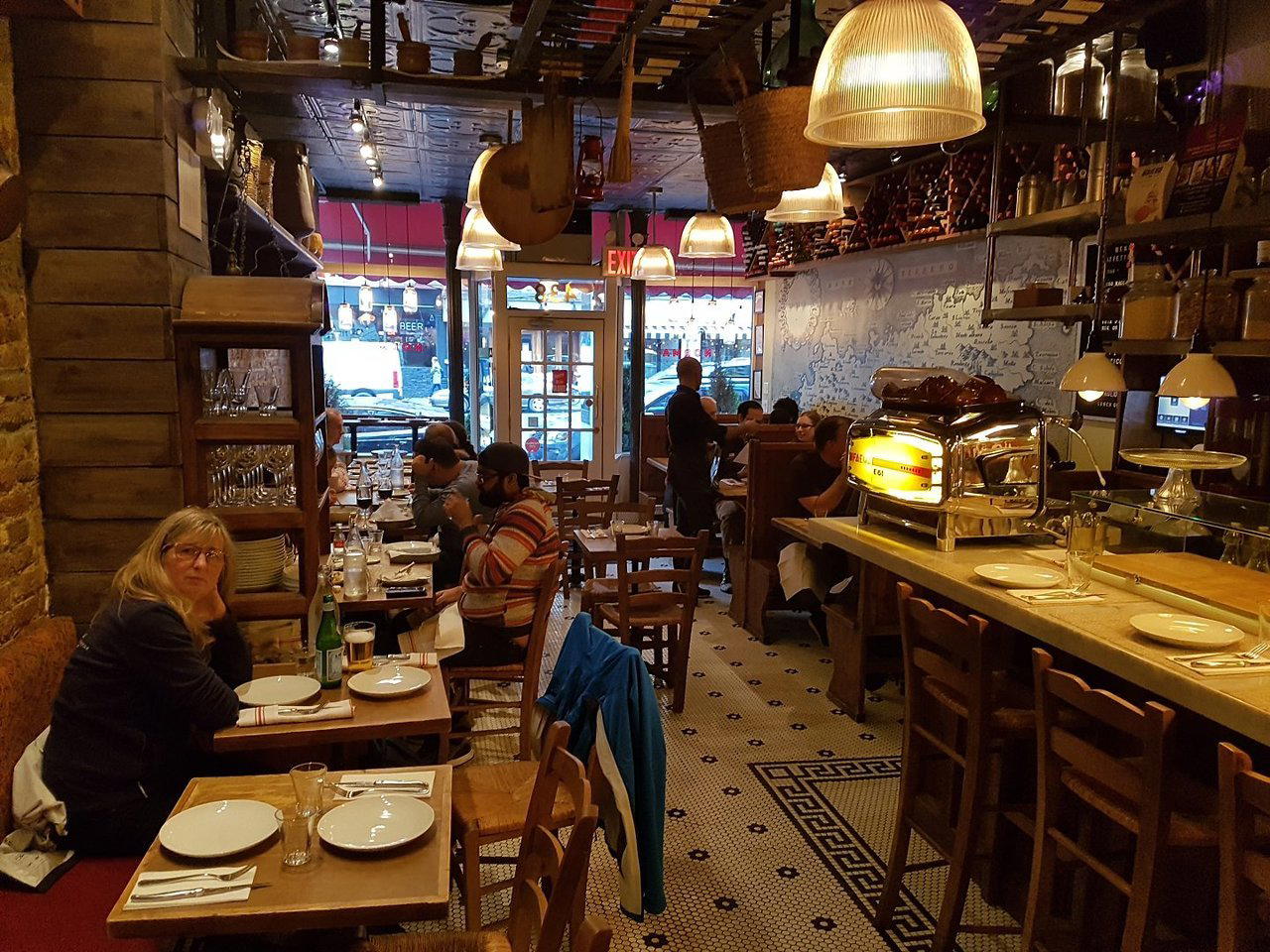
The atmosphere at Norma reads as deliberate rusticity rather than designed casualness. Crackle-glazed platters line the walls, the kind of ceramics that carry the visual weight of age, suggesting that the dishes being served from the kitchen have been made in similar vessels for generations. The effect is not theatrical nostalgia. It is closer to the feeling of eating in a Sicilian trattoria where the décor has accumulated rather than been curated, where the room functions as context for the cooking rather than competition with it.
Restaurant also stocks specialty Sicilian ingredients for sale, displayed strategically within the space. This is a signal common to Italian regional restaurants that take provenance seriously: the same producers supplying the kitchen are made available to take home. It positions Norma less as a restaurant operating in isolation and more as a point of access to a broader food culture.
For those accustomed to the spare minimalism of New York's higher-priced Italian options, or the calculated interior design of places like Altro Paradiso or Via Carota, Norma's room offers a different register: warmer, denser with visual information, and more explicitly rooted in a specific place.
The Arancini and What They Represent
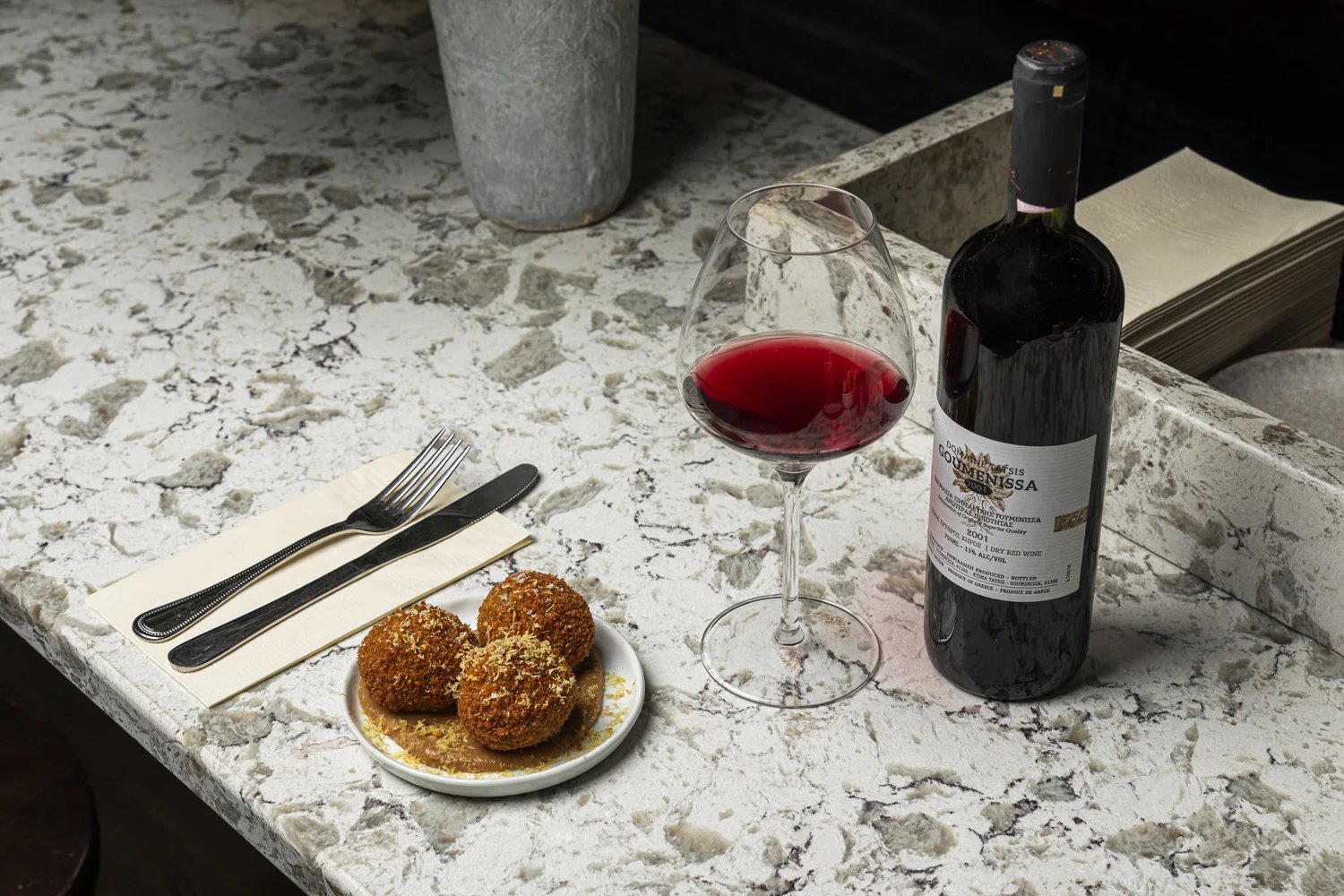
Arancini are among the most recognizable exports of Sicilian cuisine, which also makes them among the most frequently diluted. In New York, they appear on countless Italian menus as a generic starter, their origin largely incidental. What distinguishes Norma's version is adherence to the traditional construction: the rice cooked in chicken stock, the filling of ragù, peas, and mozzarella, the exterior fried to a consistent crispness, the whole thing presented in a pool of light tomato sauce. The detail of the rice cooked in broth rather than water is not a minor one; it changes the flavor baseline of the entire bite.
The 'rianata pizza of Trapani is another point of regional specificity that most of the city's Italian restaurants would not carry. This style of pizza, associated specifically with Trapani and its surroundings, is less well known internationally than Neapolitan forms and rarely appears on New York menus. Its presence at Norma is consistent with the restaurant's broader commitment to western Sicilian cooking rather than a generalized Italian-American repertoire.
The anelletti al forno is a further marker. This baked pasta, made with ring-shaped pasta and a rich tomato-meat sauce, is deeply associated with Sicilian home cooking and Sunday meals. Dishes with that kind of regional and domestic specificity do not often survive the translation to restaurant menus intact. The crackle-glazed platters on the walls of the restaurant are precisely the vessels in which dishes like this have traditionally been served, a detail that closes the loop between the room's atmosphere and the food being produced in the kitchen.
The Wine List as Editorial Statement
Norma's wine program is Sicilian exclusively. In a city where most restaurants, even those with strong regional Italian identities, maintain a broader Italian or European selection for commercial flexibility, a Sicily-only list is a meaningful restriction. It is also consistent with the restaurant's overall logic: if the food is anchored to one region, the wine follows. Sicily has sufficient range to support this position, with productive appellations including Etna, Marsala, and Nero d'Avola-based reds from across the island. The constraint does not represent a limitation so much as a point of view. That point of view is harder to find in New York Italian dining than the density of the city's restaurant scene might suggest.
For those interested in exploring Sicilian wine more broadly, Norma provides a lower-cost entry point compared to what similarly focused regional programs cost at the city's higher-end Italian addresses. The $$ pricing positions the restaurant within reach of regular visits rather than occasional ones.
Where Norma Sits in New York's Italian Dining Picture
New York offers Italian dining across a wide range of formats and price points, from the tasting-menu precision of Ai Fiori to the neighborhood warmth of Ammazzacaffè. Within that range, restaurants with genuine regional specificity and the track record to back it up occupy a distinct niche.
The comparison set for Norma is not the four-star Italian addresses or the tasting-menu destinations; it is the smaller group of New York Italian restaurants where a specific regional tradition is the actual subject of the menu, not a marketing category. In that set, Norma's western Sicilian focus, the provenance of its chef, and the coherence of its wine program place it in a position that is difficult to replicate without the same biographical grounding.
For those building a broader picture of New York's dining scene, the full New York City restaurants guide covers the city's range in detail. The full New York City bars guide and full New York City hotels guide provide further context for planning around a visit. Further afield, the Italian dining tradition translates across very different contexts at places like 8½ Otto e Mezzo Bombana in Hong Kong and cenci in Kyoto, where regional Italian cooking is reinterpreted through local ingredients and formats. American dining at the opposite end of the formality spectrum can be explored through destinations like Emeril's in New Orleans, Lazy Bear in San Francisco, Alinea in Chicago, The French Laundry in Napa, Single Thread Farm in Healdsburg, and Providence in Los Angeles. The full New York City wineries guide and full New York City experiences guide round out the picture for those spending extended time in the city.
Know Before You Go
- Address: 438 3rd Ave, New York, NY 10016
- Cuisine: Sicilian Italian
- Price range: $$ (moderate)
- Wine program: Sicilian wines exclusively
- Take-home: Specialty Sicilian ingredients available for purchase in-house
Frequently asked questions
What is the atmosphere like at Norma Gastronomia Siciliana?
The room leans toward deliberate rusticity: crackle-glazed ceramic platters line the walls, the kind that suggest actual use rather than decoration. Chef-owner Salvatore Fraterrigo, who hails from Trapani on Sicily's west coast, has carried that aesthetic through all three of his New York restaurants. Specialty Sicilian ingredients are also displayed for sale, so the space functions as part trattoria, part provisions shop.
Who runs the kitchen at Norma Gastronomia Siciliana?
The chef associated with Norma Gastronomia Siciliana is Salvatore Fraterrigo.
What do regulars order at Norma Gastronomia Siciliana?
The arancini draw consistent attention: filled with ragù, peas, mozzarella, and rice cooked in chicken stock, then served in a light tomato sauce. The 'rianata pizza of Trapani and the baked anelletti al forno are also documented fixtures on the menu. The wine list is Sicilian exclusively, so expect to choose from that region alone.
How would you describe the cuisine at Norma Gastronomia Siciliana?
What price level is Norma Gastronomia Siciliana?
Pricing at Norma Gastronomia Siciliana is listed as $$.
How do I find Norma Gastronomia Siciliana?
Norma Gastronomia Siciliana is located at 438 3rd Ave, New York, NY 10016, New York City.
Booking and Cost Snapshot
A quick peer check to anchor this venue’s price and recognition.
| Venue | Cuisine | Price | Awards | Notes |
|---|---|---|---|---|
| Norma Gastronomia SicilianaThis venue (the venue you are viewing) | Sicilian Gastronomia | $50–100 | Michelin Bib Gourmand · Star Wine List | Not listed |
| Le Bernardin | French Seafood Fine Dining | $300–500 | 3 Michelin Stars · World's 50 Best #13 | French, Seafood |
| Atomix | Modern Korean Tasting Menu | $300–500 | 2 Michelin Stars · World's 50 Best #7 | Modern Korean, Korean |
| Masa | Seasonal Hokkaido Tempura Omakase | $150–200 | Tabelog 100 #34 | Sushi, Japanese |
| Per Se | French Fine Dining Tasting Menu | $300–500 | 3 Michelin Stars · World's 50 Best #40 | French, Contemporary |
| Eleven Madison Park | Contemporary Plant-Based Fine Dining | $300–500 | 3 Michelin Stars · World's 50 Best #4 | French, Vegan |
Recognition history
Dated appearances from independent guides and award organizations, with the underlying list record or original source where available.
Michelin Bib Gourmand
Michelin
Star Wine List
Star Wine List
Full recognition history (3 entries)
Michelin Bib Gourmand
Michelin