NONONO
NONONO operates from a Madison Avenue address that places it at the intersection of Midtown's professional dining circuit and New York's increasingly technique-forward Korean restaurant scene. The restaurant engages the now-familiar tension between imported culinary methods and local product sourcing, a conversation that has reshaped how the city's most serious tables position themselves over the past decade.
Pearl is the En Primeur Club membership app — saves, bookings, and concierge access live there. Same editors, same standards.
- Address
- 118 Madison Ave, New York, NY 10016
- Phone
- +16467073227
- Website
- nonononyc.com
- Directions
- Get directions
 Saves & bookings on Pearl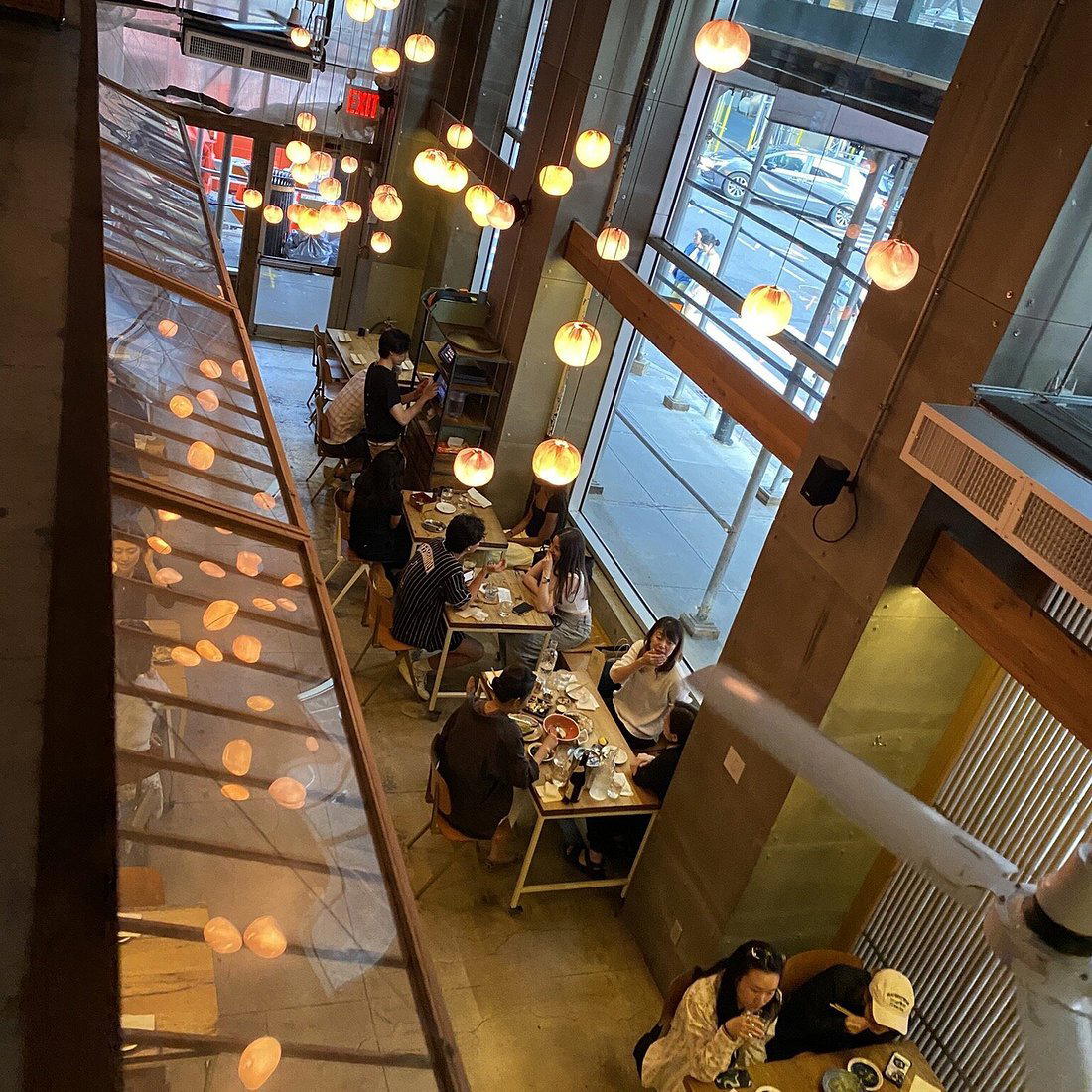
Madison Avenue and the New Wave of Korean Fine Dining in New York
New York's Korean fine dining tier has reorganized itself substantially since the mid-2010s. What began as a handful of tasting-menu experiments has hardened into a recognizable category, anchored by a comparable set that includes Atomix and Jungsik New York, both of which hold Michelin recognition and price against the city's French-lineage rooms rather than against the broader Korean dining market. NONONO is a Japanese Yakitori Grill at 118 Madison Avenue in New York City.Per Se and Le Bernardin, restaurants where technique is the first language and the product does the talking.
That geographic positioning matters. Madison Avenue in the high-30s sits closer to the consulting-firm corridor than to the creative-industry blocks further downtown, which shapes both the rhythm of service expected and the tolerance for formal tasting formats. For a Japanese yakitori grill to succeed here, it has to compete on the same axis as its French and Japanese counterparts, rooms like Masa where the price of entry assumes an audience that has already made peace with the commitment required.
Local Ingredients, Global Technique: The Central Argument
One productive frame for understanding where NONONO sits in the current New York dining conversation is the tension between imported culinary method and locally sourced product. This is not a new argument in American fine dining: it has been the operating logic at farm-to-table destinations like Blue Hill at Stone Barns in Tarrytown and Single Thread Farm in Healdsburg for years. What changes when Korean technique enters the equation is the specific vocabulary brought to bear on Northeast American ingredients: fermentation timelines calibrated to doenjang and ganjang traditions, knife work inherited from a long history of precision vegetable preparation, and a flavor architecture that treats acidity and funk as primary registers rather than supporting notes.
In cities where this intersection has been handled with discipline, the results have pushed fine dining's conceptual edge. Alinea in Chicago demonstrated that American fine dining audiences would follow ambitious technical programs far beyond classical European frameworks. Lazy Bear in San Francisco showed that a communal-table format could carry serious culinary weight. The question for a room on Madison Avenue is whether that same appetite exists in Midtown, where the format expectations are more conservative and the competitive set is older and more established.
The Midtown Fine Dining Context
Midtown Manhattan has historically rewarded consistency over experimentation. The rooms that have survived multiple decades here, including the French and Japanese flagships that define the neighborhood's upper tier, tend to operate with deep institutional knowledge and stable teams. A newer entrant positioning itself at the intersection of Korean technique and local American product occupies a more provisional status, and the Madison Avenue address cuts both ways: it provides proximity to a high-spending professional audience, but it also sets a standard for reliability that experimental kitchens sometimes struggle to maintain.
The broader American fine dining circuit offers useful comparisons. The French Laundry in Napa and Providence in Los Angeles built their reputations over time through consistent Michelin recognition and clearly articulated identities. Addison in San Diego and The Inn at Little Washington demonstrate that formal fine dining can establish itself outside the traditional power cities through sustained quality signals. Emeril's in New Orleans and Bacchanalia in Atlanta show that regional ingredient identity can anchor a room's reputation independently of European technique inheritance. NONONO's challenge, and its opportunity, is to establish that kind of identity clarity in a market where the competition is both more concentrated and more credentialed than in most American cities.
Internationally, the local-meets-global technical argument has produced particularly discussed rooms of the past two decades. 8 1/2 Otto e Mezzo Bombana in Hong Kong applied Italian fine dining methodology to a Chinese ingredient context with enough rigor to earn three Michelin stars. Alain Ducasse at Louis XV in Monte Carlo made Provençal product the foundation of a format trained in classical French technique. The pattern across these examples is consistent: particularly durable rooms in this category lead with product clarity and let the technique serve rather than dominate.
What to Expect When You Go
Peers in This Market
Comparable venues nearby, for context on price, style, and recognition.
| Venue | Cuisine | Price | Notes |
|---|---|---|---|
| NONONOThis venue — the venue you are viewing | Japanese Yakitori Grill | $$$ | Not listed |
| Wano | Modern Japanese Izakaya | $$$ | East Midtown-Turtle Bay |
| TOKIODELIC | Japanese Fusion Kawaii Café | $$$ | SoHo-Little Italy-Hudson Square |
| Dr. Clark | Hokkaido Japanese | $$$ | Chinatown-Two Bridges |
| Umi | Sushi & Seafood Buffet | $$ | Graniteville |
| Ippudo | Hakata-Style Tonkotsu Ramen | $$ | East Village |
Continue exploring
More in New York City
Restaurants in New York City
Browse all →
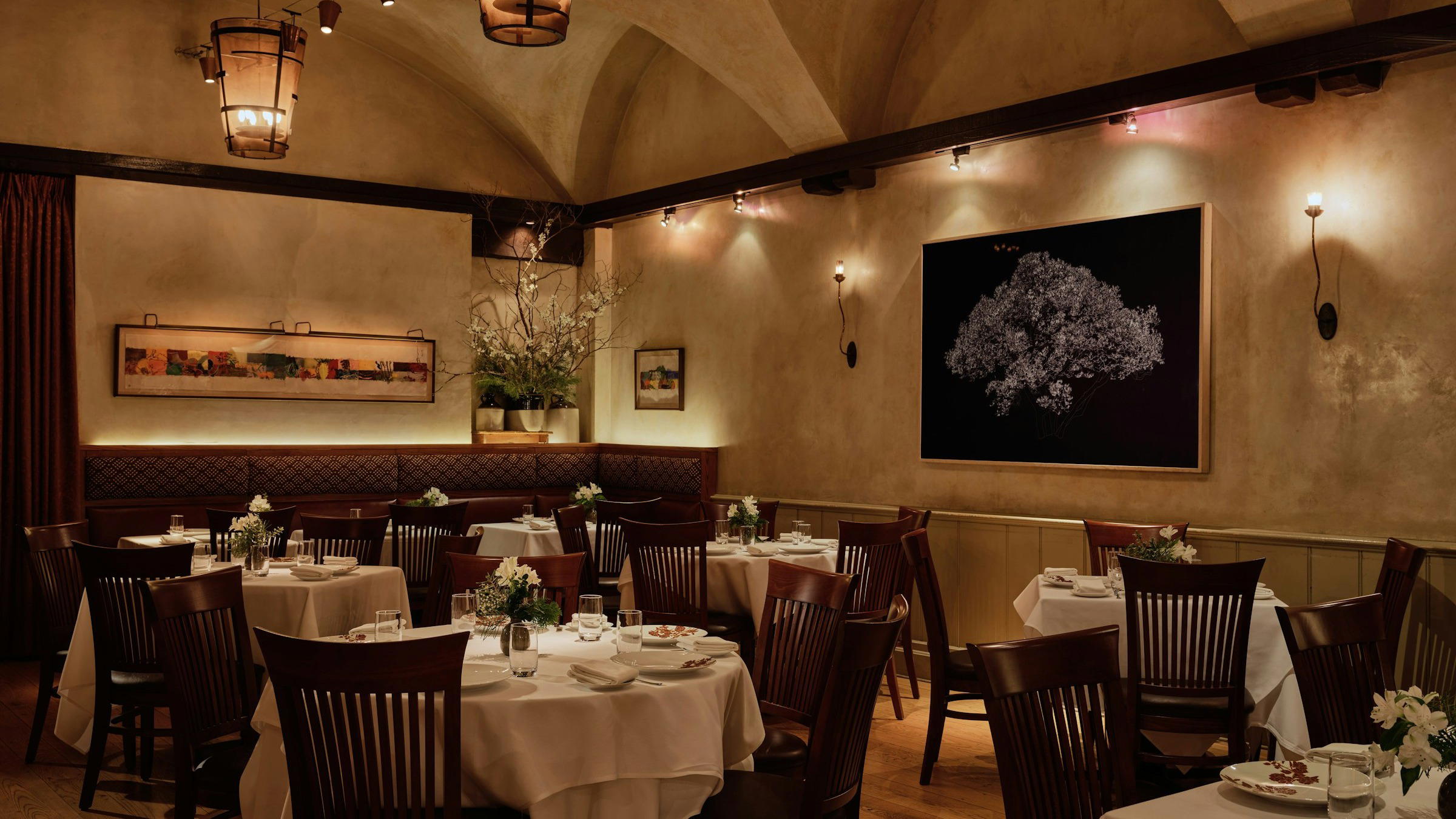
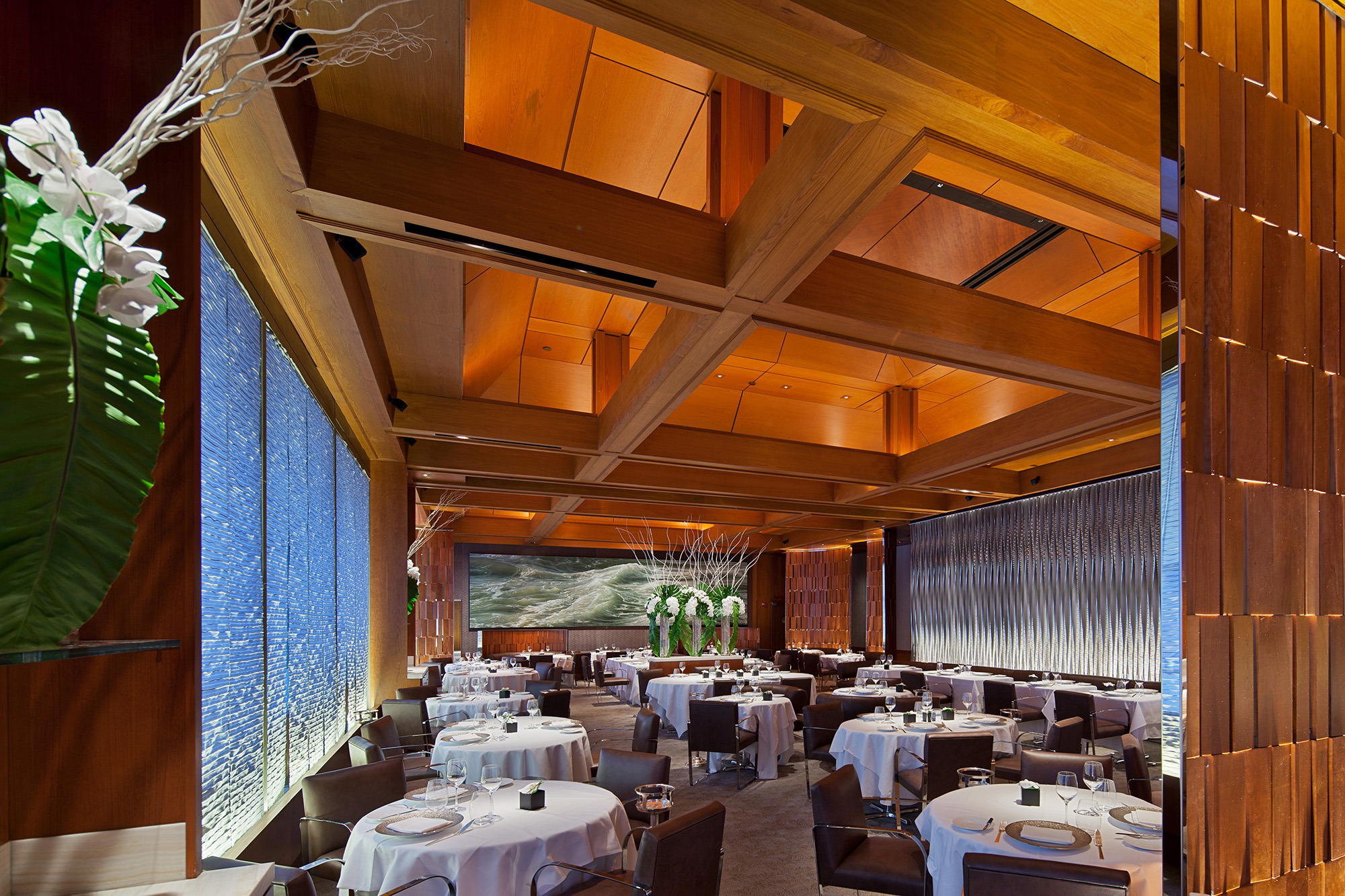
Bars in New York City
Browse all →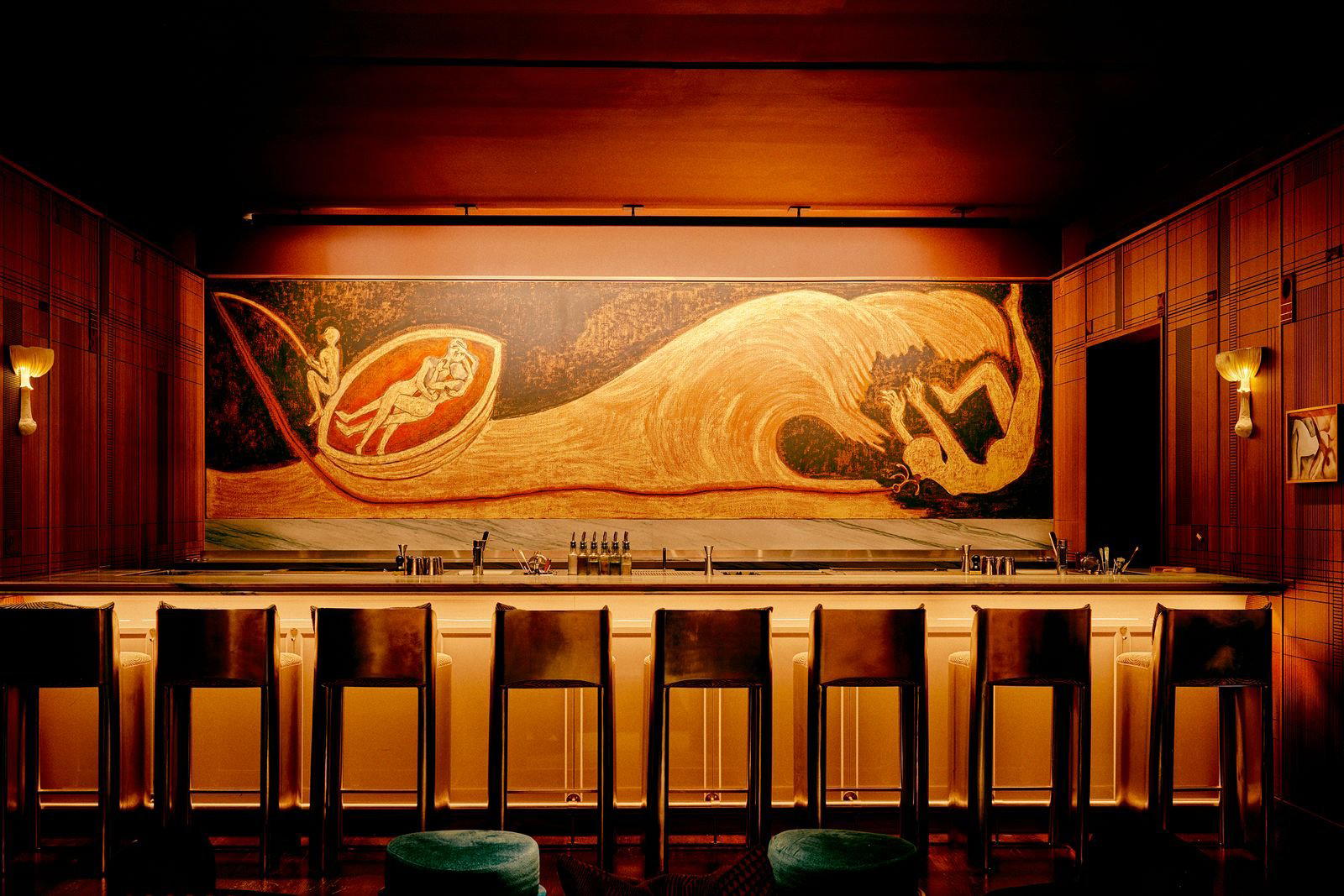
Hotels in New York City
Browse all →





At a Glance
- Trendy
- Cozy
- Modern
- Date Night
- Group Dining
- Casual Hangout
- Open Kitchen
- Sake Program
- Craft Cocktails
Current opening hours
- Monday
- 12–2:30 PM, 5–9:30 PM
- Tuesday
- 12–2:30 PM, 5–9:30 PM
- Wednesday
- 12–2:30 PM, 5–9:30 PM
- Thursday
- 12–2:30 PM, 5–10 PM
- Friday
- 12–2:30 PM, 5–10:30 PM
- Saturday
- 12–2:30 PM, 5–10:30 PM
- Sunday
- 12–2:30 PM, 5–9:30 PM
Hours can change for holidays and private events. Last verified .
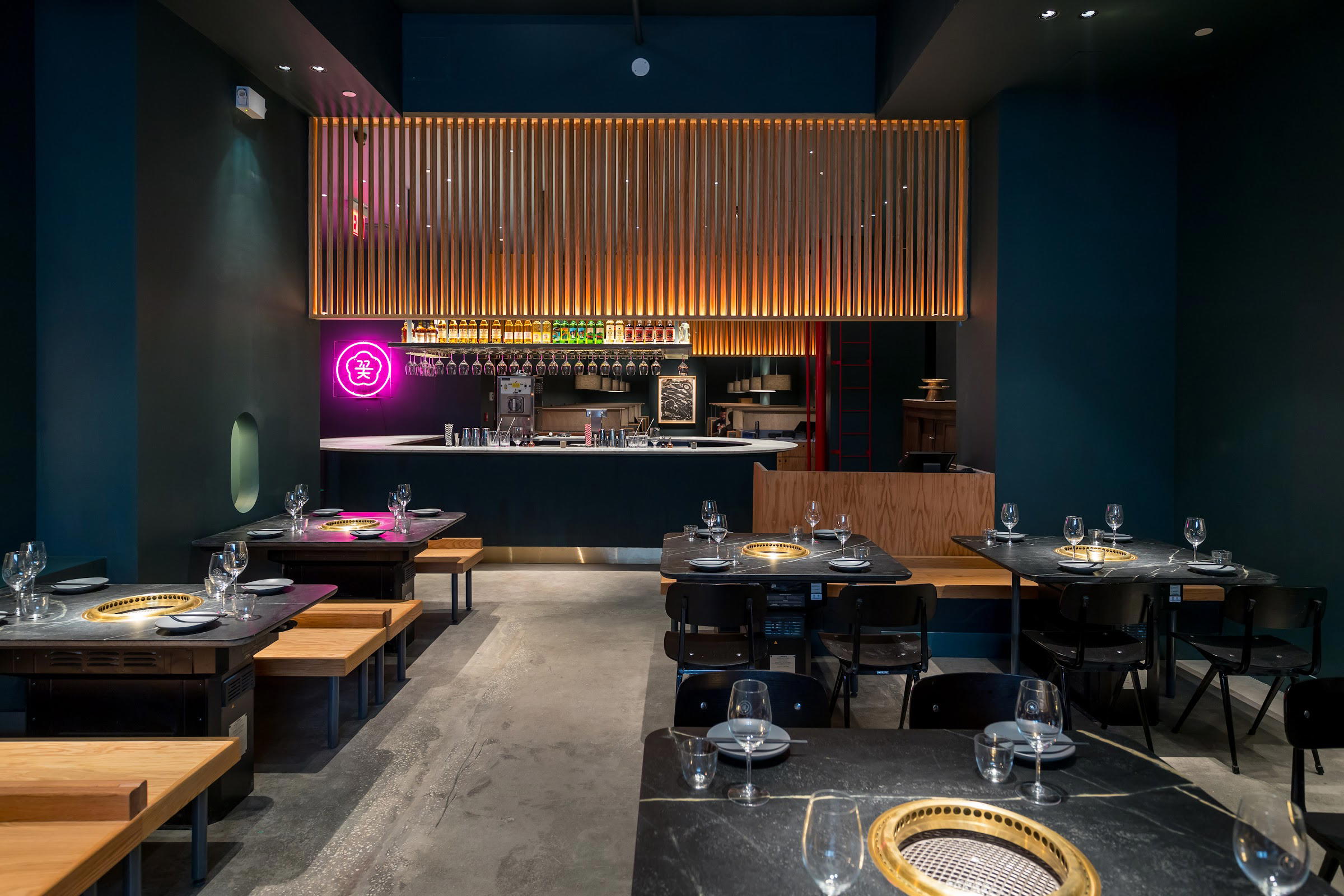
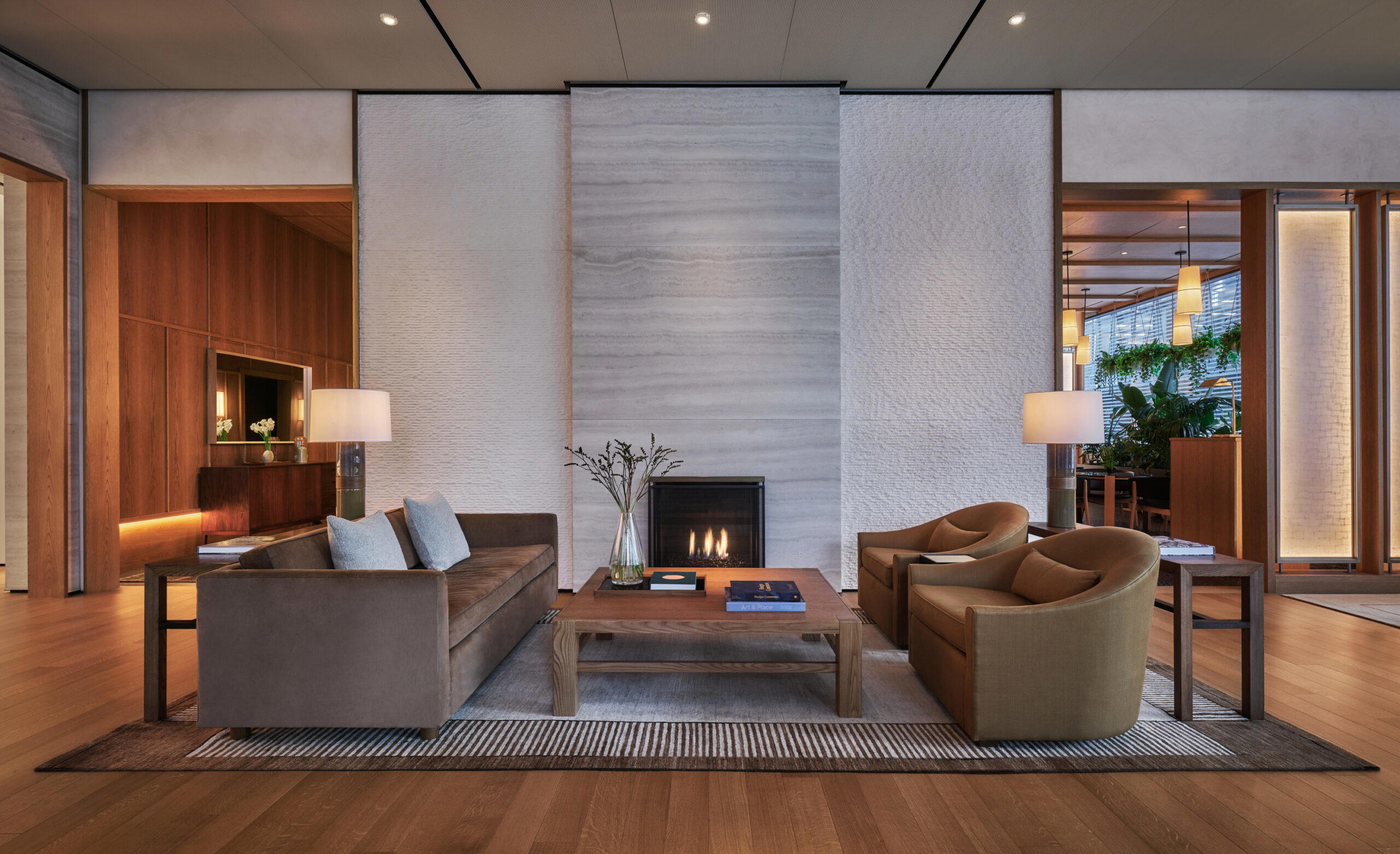
Buzzy and cozy with a lively grill-view atmosphere on the main floor and more intimate upstairs seating.