
Our verdict
Wano occupies a quietly considered address at 245 E 44th St in Midtown Manhattan, positioning itself within a neighbourhood that rewards those who look past the corporate-lunch default. The regulars who keep returning suggest a dining room with its own internal logic, a place where the unwritten menu, built from repeat visits and accumulated trust, matters as much as what appears on the page. EP Club places it in the broader conversation around New York's precision-focused dining tier.

Pearl is the En Primeur Club membership app, where members save venues, book tables and use the concierge.
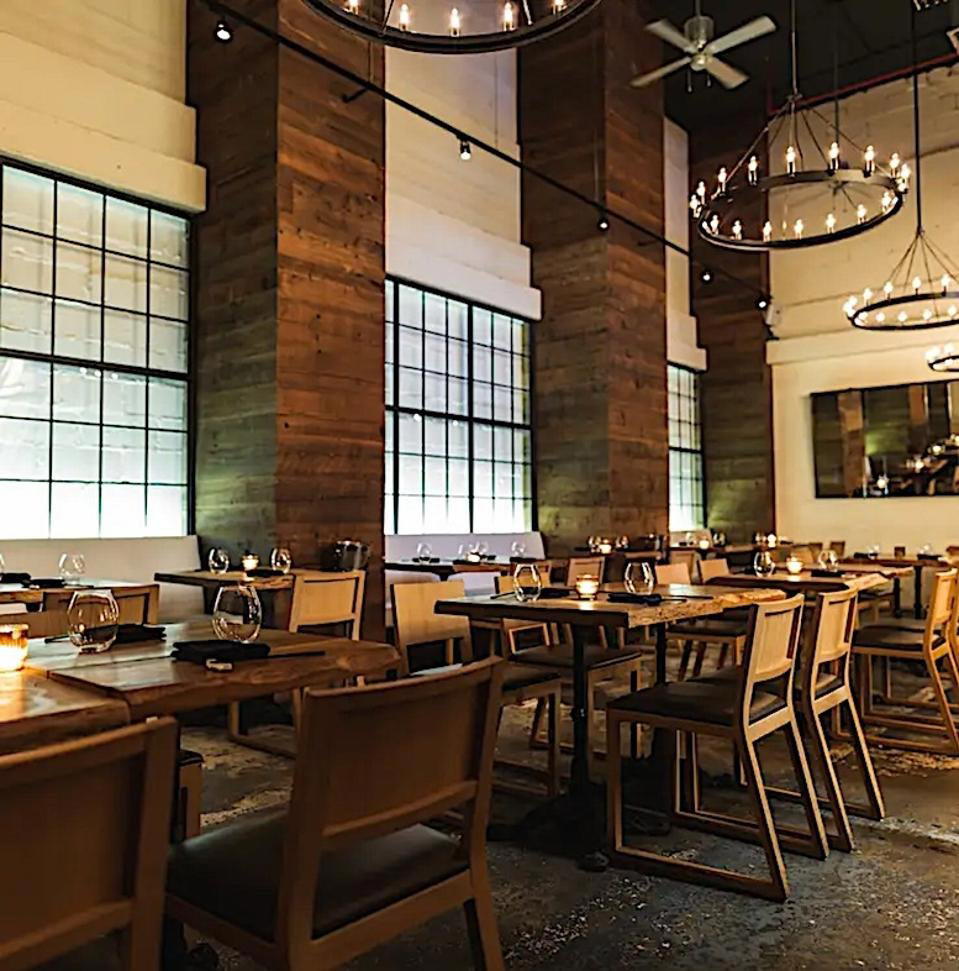
What Midtown's Regulars Already Know
The stretch of East 44th Street between Third and Second avenues runs through one of Manhattan's most navigationally efficient but gastronomically underestimated corridors. The Grand Central adjacency pulls a certain crowd, commuters, hotel guests, the UN-adjacent professional class, and most dining rooms in the immediate radius have calibrated their offer accordingly: broad menus, reliable sourcing, no particular ambition beyond throughput. Wano, at 245 E 44th St, occupies this same postcode but operates on a different set of assumptions.
The regulars are the tell. In a neighbourhood where most restaurants cycle through a revolving door of first-timers, a loyal returning clientele signals something worth investigating. Repeat visitors in this part of Midtown are rarely creatures of habit alone; more often, they have made a considered comparison against the alternatives and keep landing in the same place. That pattern, more than any single dish or décor choice, is the most useful thing to know about Wano before you arrive.
The Midtown Dining Context
New York's fine-dining conversation tends to orient around the obvious poles: the Michelin-weighted French houses along the west side, the omakase counters in Midtown and the East Village, the Korean tasting-menu operations that have reshaped the upper tier over the past decade. Le Bernardin defines one end of the French-seafood spectrum; Atomix and Jungsik New York have established that progressive Korean tasting formats can compete at the highest level of the city's dining hierarchy. Masa sits at the extreme of what a Japanese counter experience commands in New York, and Per Se continues to anchor the Columbus Circle end of Contemporary French.
Wano enters this conversation from a different angle. East Midtown is not where the city's critical attention typically concentrates, which means a restaurant building genuine repeat business here is doing so without the ambient hype that benefits venues in more editorially trafficked neighbourhoods. That is both a constraint and, for the regulars who have found it, a feature.
Across American fine dining more broadly, the venues that sustain loyal clientele tend to share certain structural qualities: consistency across visits, a format that rewards familiarity rather than novelty-seeking, and a sense that the kitchen and front-of-house are oriented toward the returning guest rather than the first-timer. Compare this to destination-driven restaurants, Alinea in Chicago, The French Laundry in Napa, Single Thread Farm in Healdsburg, which are built around a single, often once-in-a-career visit. Wano's position in Midtown suggests a different operating logic, one closer in spirit to the kind of neighbourhood anchor that a city like New York requires in its overlooked quadrants.
The Unwritten Menu and What Repeat Visits Reveal
In restaurants that develop a genuine regular clientele, a second tier of experience typically emerges alongside the printed menu. This is the unwritten menu: the off-list items that regulars know to request, the timing preferences the kitchen accommodates for familiar faces, the seat at the counter or the corner table that doesn't appear on the reservation system. It is the layer of hospitality that accrues through trust and repeated contact, and it is the layer that most first-time visitors never access.
For the regulars at Wano, the accumulation of visits is likely what sharpens the experience. A restaurant that occupies a less competitive, less observed part of Midtown has more room to develop this kind of granular relationship with its returning guests. Over time, that attentiveness compounds.
This dynamic is not specific to Wano; it is a pattern visible across the most durable neighbourhood restaurants in New York, and in comparable cities. Emeril's in New Orleans has sustained a local regular base alongside its tourist draw. Lazy Bear in San Francisco built its format explicitly around a communal, repeat-visitor sensibility. Blue Hill at Stone Barns in Tarrytown has developed an agricultural relationship with its guests that deepens across multiple visits. The leading neighbourhood restaurants are rarely the ones that photograph leading for a first visit; they are the ones that improve on the third.
Placing Wano in a Wider American Dining Map
The geographic spread of ambitious American dining has widened considerably. Providence in Los Angeles, Addison in San Diego, Bacchanalia in Atlanta, and The Inn at Little Washington each anchor a regional dining identity outside the traditional New York-San Francisco axis. Within New York itself, the critical geography has also shifted: Brooklyn and the Lower East Side attract the food press; Midtown is frequently written off as the preserve of expense-account dining with no particular character.
That dismissal is increasingly imprecise. There are pockets within Midtown, and East 44th Street is one candidate, where restaurants operate outside the hype cycle and build something more durable. For international visitors accustomed to restaurants like 8½ Otto e Mezzo Bombana in Hong Kong or Alain Ducasse's Louis XV in Monte Carlo, where a particular kind of professional polish is the baseline expectation, the question Wano raises is whether it meets that standard or operates in a more casual register. The answer requires a visit rather than a press release.
For a broader orientation to what New York's dining scene offers across all price tiers and neighbourhoods, our full New York City restaurants guide maps the terrain in more detail.
Planning Your Visit
Wano is located at 245 E 44th St, New York, NY 10017, in the East Midtown corridor within walking distance of Grand Central Terminal. Given the venue's apparent regular-clientele orientation, an advance reservation is advisable, particularly for dinner; walk-in availability is harder to predict in this format. The neighbourhood is accessible by multiple subway lines at Grand Central and by the 6 train at 42nd or 51st Street.
Quick reference: 245 E 44th St, New York, NY 10017. Grand Central is the nearest major transit hub.
Frequently asked questions
Is eating at Wano worth the cost?
Price range is, which makes a cost-to-value assessment against named peers like Atomix or Masa speculative. What the regulars' pattern suggests is that the venue delivers sufficient value on repeat visits to sustain loyalty, which is a more demanding test than a single occasion justifying the spend. Whether that translates to your specific expectations depends on what the confirmed price point turns out to be.
How does Wano compare to other Japanese or Asian-influenced restaurants in Midtown Manhattan?
Midtown Manhattan has a tiered Japanese dining scene that runs from high-volume sushi operations near Grand Central to counter-format omakase at the upper end of the market. What is clear is that the restaurant has developed a returning clientele in a neighbourhood that typically favours first-timer volume, a distinction that separates it from the standard Midtown Asian dining offer and warrants a visit to assess firsthand.
Comparison Snapshot
Comparable venues nearby, for context on price, style, and recognition.
| Venue | Cuisine | Price | Awards | Notes |
|---|---|---|---|---|
| WanoThis venue (the venue you are viewing) | Modern Japanese Izakaya | $50–100 | Not listed | Not listed |
| Zenkichi | Modern Japanese Izakaya | Not listed | Not listed | Williamsburg |
| KIKO | Modern Japanese Small Plates | Not listed | Esquire Best New Restaurants | SoHo-Little Italy-Hudson Square |
| Odo East Village | Kaiseki Izakaya | $50–100 | Michelin Plate | East Village |
| ChikaLicious | Japanese-Influenced Dessert Tasting Menu | $20–30 | Not listed | Greenwich Village |
Recognition history
Dated appearances from independent guides and award organizations, with the underlying list record or original source where available.
Opinionated About Dining Casual in North America Recommended
Opinionated About Dining
Continue exploring
More in New York City
Restaurants in New York City
All restaurants in New York City →
Bars in New York City
All bars in New York City →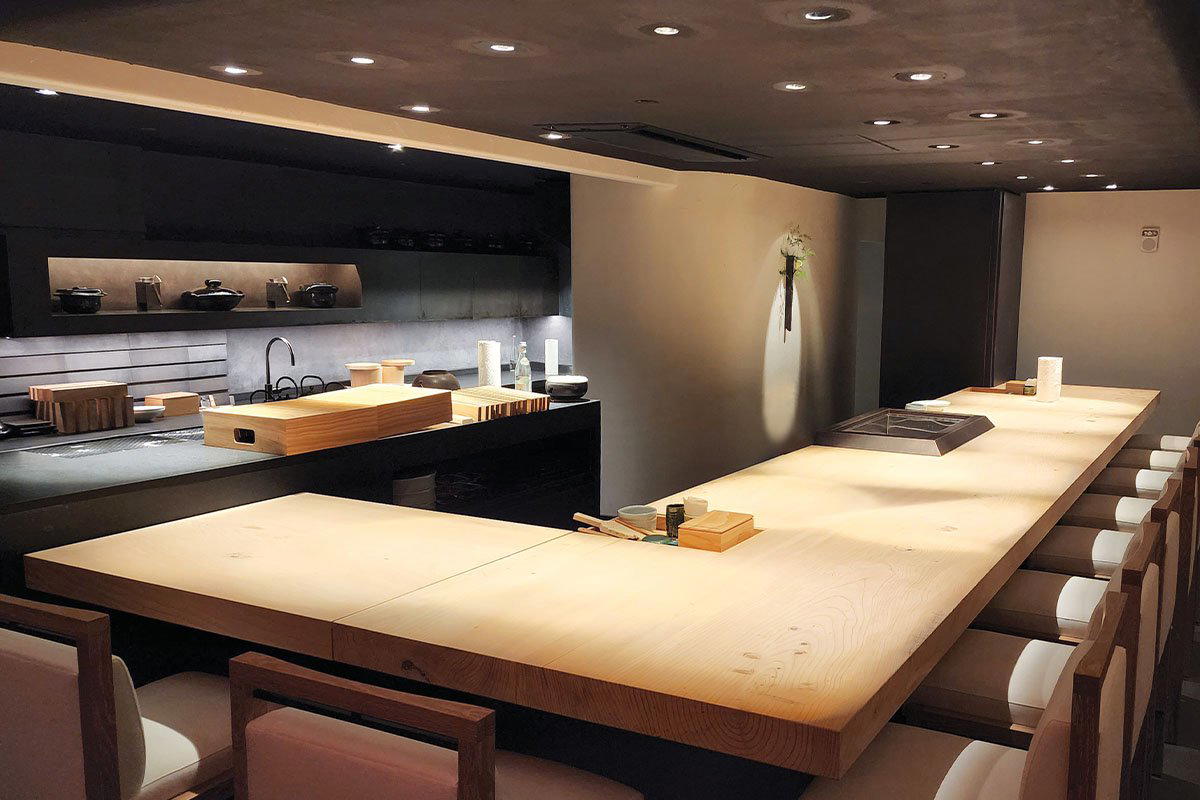




Details
- Trendy
- Modern
- Intimate
- Date Night
- Business Dinner
- Casual Hangout
- Sake Program
- A La Carte
- Small Plates
- Sake
Current opening hours
- Monday
- 11:30 AM–3 PM, 5–10 PM
- Tuesday
- 11:30 AM–3 PM, 5–10 PM
- Wednesday
- 11:30 AM–3 PM, 5–10 PM
- Thursday
- 11:30 AM–3 PM, 5–10 PM
- Friday
- 11:30 AM–3 PM, 5–10 PM
- Saturday
- 12–3:30 PM, 5–9:30 PM
- Sunday
- 12–3:30 PM, 5–9:30 PM
Hours can change for holidays and private events. Hours as of .
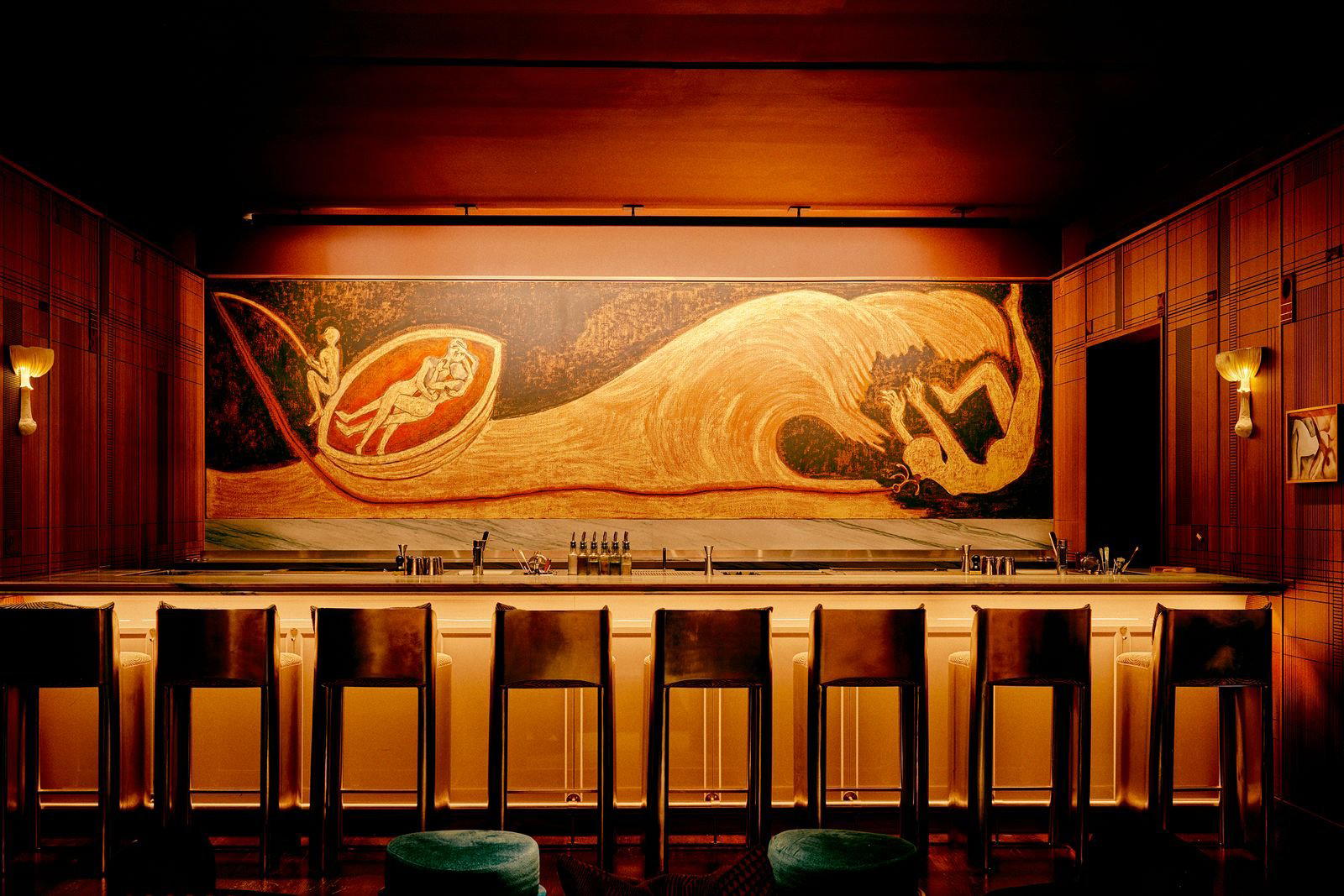
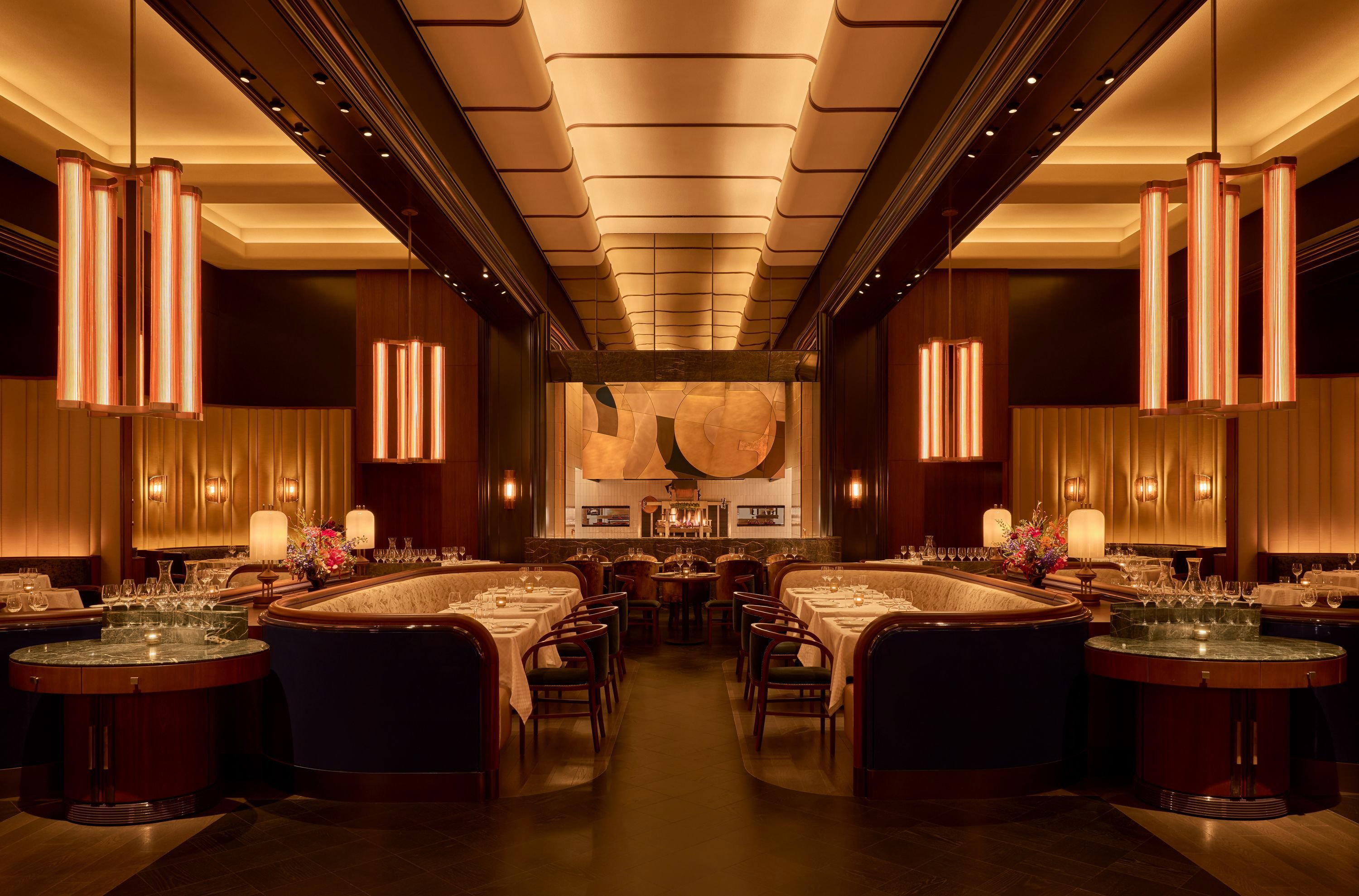
Clean, modern Japanese atmosphere with sushi bar seating, private back dining room, and Tokyo-inspired basement vibe.