Restaurante Guacamole Taqueria - Mercadoteca
Our verdict
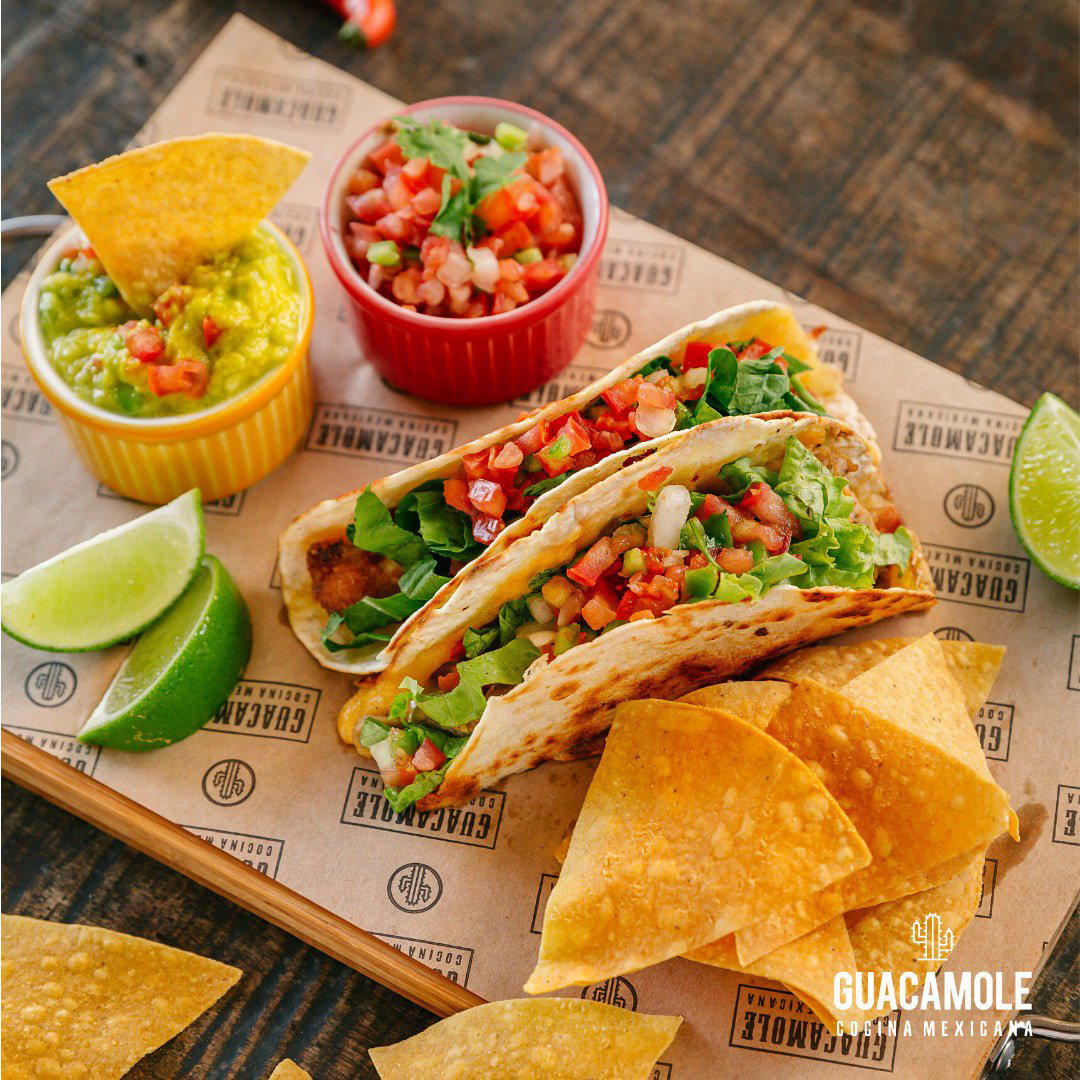
Restaurante Guacamole Taqueria - Mercadoteca serves Mexican taqueria fare in Florianópolis, with tacos, burritos, nachos and guacamole for a casual, lively quick bite.

Pearl is the En Primeur Club membership app, where members save venues, book tables and use the concierge.
Mexican Street Food in the Mercadoteca Format
Florianópolis has spent the last decade building a food market culture that sits somewhere between São Paulo's covered mercados and the open-air food hall model more common in southern Brazil. The Mercadoteca on SC-401 in Saco Grande is one expression of that shift: a multi-vendor space where different culinary traditions share a roof and compete, loosely, for the same diner. Within that format, taqueria operations occupy an interesting position. Mexican street food arrived in Brazilian cities not as fine dining but as a casual counterpoint to churrascaria and pizza, and the taqueria stall inside a food market is now one of the more reliable ways to find it executed at volume without the format degrading into fusion approximation.
Restaurante Guacamole Taqueria sits inside the Mercadoteca on SC-401, which places it in the Saco Grande district on the northern approach toward Santo Antônio de Lisboa. The address positions it away from the centro and from the beach-facing restaurant clusters of Jurerê and Lagoa da Conceição, serving a more neighbourhood-oriented clientele than the tourist-facing dining rooms closer to the waterfront. That geography matters for how a taqueria operates: the expectations are calibrated toward regulars rather than first-time visitors working through a travel list.
The Taqueria-in-Market Dynamic
Food market formats across Brazil have created a specific kind of team dynamic that differs from conventional restaurant operations. In a shared-hall model, the front-of-house role collapses somewhat: there is no maître d' managing a reservation book, no sommelier moving between tables. Instead, the coordination happens between kitchen staff preparing to order and whoever is managing the counter or the pass. For a taqueria operation, this compression actually suits the cuisine. Mexican street food has its own internal logic of mise en place: proteins braised or grilled in advance, salsas and guacamole prepared fresh, tortillas warmed to order. The craft is in the preparation cycle, not in tableside performance.
In that context, the kitchen-to-counter relationship at a taqueria stall becomes the defining dynamic. The quality signal is consistency: whether the al pastor or carnitas holds across a busy lunch service, whether the guacamole is made in batches calibrated to the day's footfall rather than prepared hours in advance and left to oxidise. These are the operational questions that separate a taqueria worth returning to from one that coasts on the novelty of the format. Florianópolis diners have enough options in the Mercadoteca and across Saco Grande to make that distinction quickly.
Florianópolis and the Casual Dining Tier
The city's restaurant scene has diversified considerably since its early reliance on seafood and churrasco. Italian-influenced dining is now well-established, with venues like Artusi Restaurante and Dolce Vita Restaurante anchoring that segment. Pizza has its own competitive tier, represented by operations like El Padre Pizzas and Forneria Catarina. Sushi counters like Noma Sushi have captured the Japanese-Brazilian dining tradition that runs through much of southern Brazil's coastal cities. Mexican, by contrast, remains a thinner category in Florianópolis, which gives a well-run taqueria a clearer competitive position than it might hold in São Paulo, where the format is more densely contested.
That thinner field is not without risk. When a cuisine category has few practitioners in a city, each one carries a disproportionate share of the category's reputation. A taqueria that cuts corners on tortilla quality or serves guacamole from a refrigerated portion pot shapes how the broader dining public thinks about Mexican food in the city. The standard set by the leading casual taquerias in Mexico City or in Brazil's larger urban centres, where competition has forced operators to sharpen their execution, does not automatically transfer. It has to be maintained deliberately.
For a broader view of where the Mercadoteca Guacamole Taqueria sits within the city's dining picture, the full Florianópolis restaurants guide maps the different tiers and neighbourhoods in more detail. Comparable casual operations elsewhere in Brazil include Cantina Pozzobon in Santa Maria and Bistro Fitz Carraldo in Manaus, both of which operate in the same mid-market, neighbourhood-first register. At the opposite end of Brazil's dining spectrum, D.O.M. in São Paulo and Lasai in Rio de Janeiro set the reference points for tasting-menu formality that the casual food market format explicitly rejects.
Planning a Visit
The Mercadoteca on SC-401 in Saco Grande is accessible by car from the centro in around fifteen to twenty minutes depending on traffic, with the SC-401 corridor being one of the main arteries northward through the island. Public transport options exist along this route but are slower, particularly during the summer peak season when the island's road network tightens considerably. For visitors staying in the northern beach zones, the Mercadoteca is a practical stop on the way back toward the centro rather than a standalone destination requiring a separate trip. Lunch tends to be the natural service window for food market formats, with kitchens often at their sharpest during that period.
Other casual dining references worth knowing in Brazil's wider network include Aero Burguer e Grill in Santa Cruz do Sul, Casa da Flor Restaurante in Dourados, and Famosa Pizza in Ribeirão Preto. For premium dining at the international level, Le Bernardin in New York City and Atomix in New York City represent a different register entirely, useful as reference points for understanding how far the casual food market format is from that tier, and why the two are not in competition for the same decision.
Frequently asked questions
Where is Restaurante Guacamole Taqueria - Mercadoteca in Florianopolis?
Restaurante Guacamole Taqueria - Mercadoteca is located at SC-401, 4150 - Saco Grande, Florianópolis - SC, 88032-005, Brazil, Florianopolis.
Is Restaurante Guacamole Taqueria - Mercadoteca a good option for a group visiting the Mercadoteca on SC-401?
The food market format at Saco Grande's Mercadoteca suits groups naturally, since communal seating and walk-in access remove the logistical friction of coordinating a reservation across multiple people. A taqueria anchor like Guacamole works well in that context because tacos and guacamole are format-friendly: shareable, quick to produce, and easy to order in multiples. The SC-401 location in Saco Grande is reachable from Florianópolis's centro in roughly fifteen to twenty minutes by car, making it a manageable detour from the island's central districts.
What should I order at Restaurante Guacamole Taqueria - Mercadoteca?
The name sets the agenda: guacamole and tacos are the structural centre of the menu. In a taqueria operating inside a food market hall, the practical move is to order both early, guacamole as an opener while the kitchen is at full pace, then tacos as the main event.
How hard is it to get a table at Restaurante Guacamole Taqueria - Mercadoteca?
The Mercadoteca on SC-401 in Saco Grande operates on a walk-in basis, so there are no reservations to chase. The practical constraint is timing: food market kitchens in Brazilian cities tend to wind down service earlier than standalone restaurants, and peak lunch hours fill communal seating fast. Arriving before midday or in the mid-afternoon lull gives the most reliable access to both seating and a full menu.
What's the signature at Restaurante Guacamole Taqueria - Mercadoteca?
The operation is built around the taqueria format, which means the taco functions as the kitchen's primary reference point. The name also foregrounds guacamole specifically, which in a taqueria context signals it is treated as a dish in its own right rather than a side condiment.
How does Restaurante Guacamole Taqueria - Mercadoteca handle allergies?
Mexican cooking frequently incorporates shared cooking surfaces, chilli-based sauces, and dairy in the form of cheese and crema, which are relevant considerations for common allergies. The counter format at Mercadoteca means staff are accessible in person, making a direct conversation at the stall the most reliable way to get allergy information before ordering.
Is Restaurante Guacamole Taqueria - Mercadoteca worth the price?
Taqueria operations inside food market formats in Florianópolis and broader Brazilian cities typically sit in the mid-to-lower casual dining tier, where per-head spend on tacos and shared plates runs well below that of the city's seated restaurants. At that price point, the relevant benchmark is whether the kitchen is executing the taqueria format with consistency, not whether it competes with fine dining.
Booking and Cost Snapshot
Comparable venues nearby, for context on price, style, and recognition.
| Venue | Cuisine | Price | Notes |
|---|---|---|---|
| Restaurante Guacamole Taqueria - MercadotecaThis venue (the venue you are viewing) | Mexican Taqueria | Not listed | Not listed |
| Restaurante Guacamole Cocina Mexicana - Floripa | Authentic Mexican Taqueria | $20–30 | Centro, Authentic Mexican Taqueria |
| El Padre Pizzas | Italian Pizza with Vegan Options | $10–20 | Itacorubi, Italian Pizza with Vegan Options |
| Taberna Ibérica | Traditional Portuguese & Mediterranean | $30–50 | City Center, Traditional Portuguese & Mediterranean |
| Restaurante Rancho de Canoa | Brazilian Seafood | Not listed | Barra da Lagoa, Brazilian Seafood |
| Forneria Catarina | Wood-Fired Italian Pizza | $20–30 | Centro, Wood-Fired Italian Pizza |
Continue exploring
More in Florianopolis
Details
- Lively
- Trendy
- Casual Hangout
- Group Dining
- Open Kitchen
- A La Carte
- Small Plates
Current opening hours
- Monday
- 11:30 AM–11 PM
- Tuesday
- 11:30 AM–11 PM
- Wednesday
- 11:30 AM–11 PM
- Thursday
- 11:30 AM–11 PM
- Friday
- 11:30 AM–11 PM
- Saturday
- 11:30 AM–11 PM
- Sunday
- 11:30 AM–10 PM
Hours can change for holidays and private events. Hours as of .
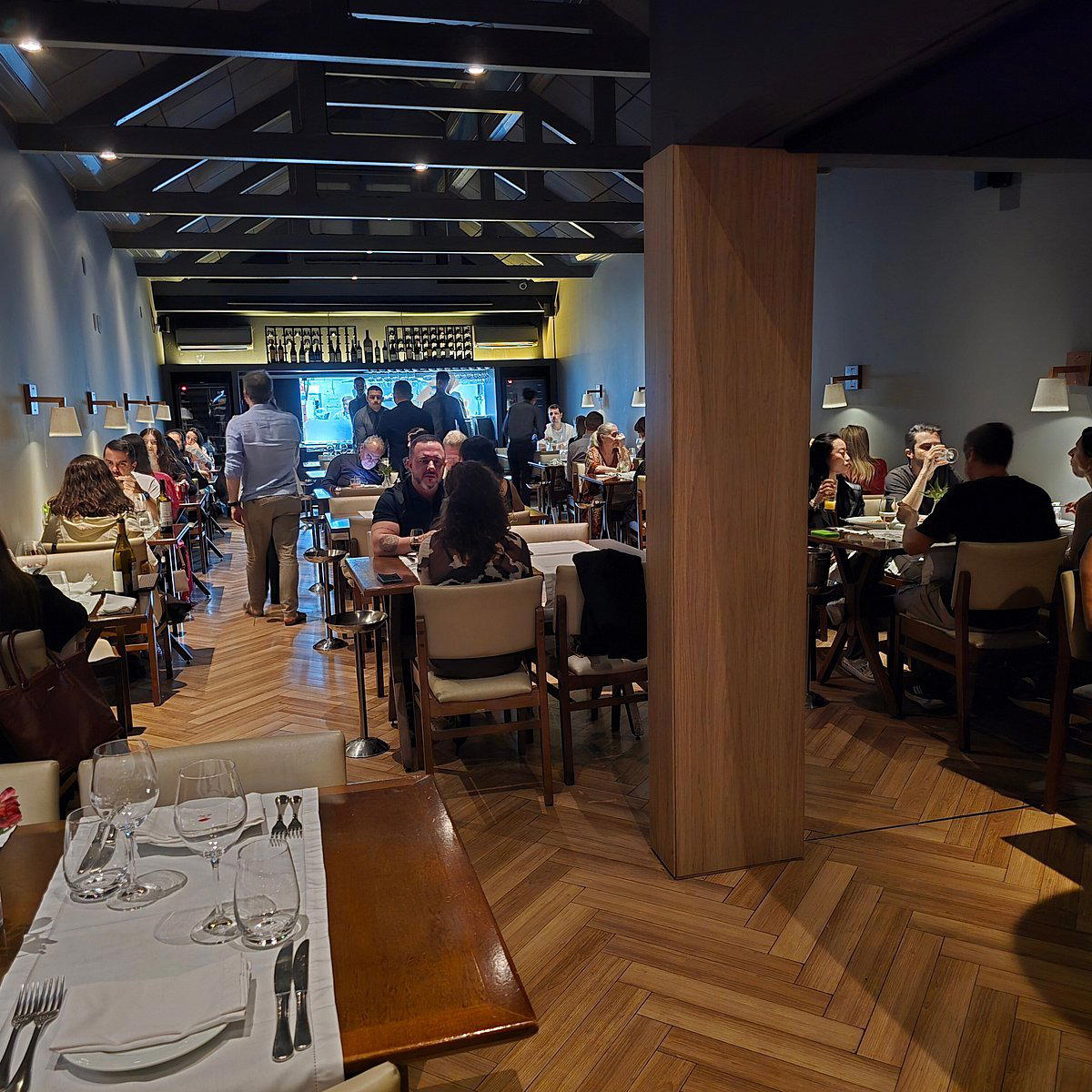
Lively and energetic atmosphere infused with Mexican culture in a lively market setting.