

Michelin Plate · Tabelog 100 #53
Our verdict
A Michelin Plate-recognised Chinese restaurant in Minami-Aoyama, Nogizaka yui applies Sichuan technique to Japanese seasonal produce sourced directly from farms. The kitchen works with restraint on seasoning, letting ingredients carry the dish, while the front-of-house ethos centres on the connections between guest, cook, and land.

Pearl is the En Primeur Club membership app, where members save venues, book tables and use the concierge.
The menu
What to order
- Mabo tofu
- Black vinegar sweet and sour pork
- Warm radish soup
Sichuan Technique in a Japanese Season
Tokyo's Chinese restaurant scene has always operated on a different axis from its kaiseki and sushi peers. Where the city's most decorated Japanese tables draw lineage through named masters and century-old forms, the Chinese kitchens here have been defined by a different tension: how much of the original regional tradition survives contact with Japan's ingredient culture, and how much transforms into something neither purely Chinese nor Japanese. That negotiation is where Nogizaka yui sits, and it makes a specific choice. Rather than softening Sichuan's heat and oil into something more palatable to a Tokyo mainstream, the kitchen holds to the logic of the tradition while routing it through local farms and the Japanese calendar.
The Minami-Aoyama address is relevant here. This part of Tokyo has never been a destination for cheap eats or tourist volume; the neighbourhood runs quieter and more deliberate than the broader Omotesando strip, and the restaurants that operate here tend to reflect that register. Nogizaka yui occupies a ground-floor space in a residential-commercial building, an address that would pass without notice in most cities, but in Tokyo signals a certain confidence in reputation over foot traffic.
The Wok, the Heat, and What It Actually Means
Sichuan cooking's claim on the professional kitchen is partly about flavour and partly about physics. High-heat wok technique, sometimes called wok hei in Cantonese culinary shorthand, produces a specific char and breath in a dish that no other cooking method replicates. It requires a commercial burner capable of heat outputs that dwarf domestic equipment, a cook who can work at speed without losing control of texture, and, critically, ingredients that hold up to that treatment rather than disintegrating. The difficulty for Japanese-context Chinese kitchens is that Japanese seasonal produce is often grown for delicacy of flavour and texture rather than structural resilience under flame. Getting the balance right means calibrating the wok's intensity to what the ingredient can carry.
At Nogizaka yui, the sourcing approach is a direct response to this problem. Vegetables arrive from farms with direct supply relationships, which means the kitchen has access to produce harvested closer to peak condition and with provenance it can account for. This is not unusual in high-end Tokyo dining broadly, but it is less common in Chinese restaurants operating at the mid-to-upper price range.
The seasonal menu structure reinforces the wok technique's relationship to ingredient quality. A sour soup of bamboo shoots and beef in spring works because bamboo shoots, at their peak, have the density to absorb broth without collapsing. An autumn stir-fry of organic maitake mushrooms in soy sauce relies on maitake's firm cluster structure holding together under high heat. These are not arbitrary seasonal choices layered over a fixed Chinese template; they reflect a genuine understanding of what each ingredient requires from the cooking process.
Restraint as a Technical Position
Sichuan cooking is more commonly associated with accumulation, layers of doubanjiang, Sichuan peppercorn numbing heat, dried chilies, than with restraint. The kitchen's approach here runs deliberately against that expectation. Seasoning is pulled back to let ingredients occupy the foreground, which is a harder technical task than it sounds. In high-heat Chinese cooking, seasoning is often the mechanism that holds a dish together; reducing it means the ingredient itself must provide enough complexity to sustain the palate. That demands better sourcing, better timing, and a cook who knows when to stop.
The Michelin Plate recognition in both 2024 and 2025 acknowledges a kitchen operating with consistency and intention, if not yet at the starred tier. In Tokyo's Chinese category, Michelin Plates cluster around restaurants that have made a credible argument for their approach without yet achieving the full committee consensus required for stars. Nogizaka yui's position in that cluster places it alongside a competitive set of Chinese tables in the city that take the cuisine seriously without being accessible only to expense accounts. For comparison, Chugoku Hanten Fureika and Chugoku Hanten Kohakukyu (Amber Palace) represent the more formal, institutionally recognised end of Tokyo's Chinese dining, while Ippei Hanten operates in a different regional tradition. Nogizaka yui carves a more specific position: Sichuan logic, Japanese produce, mid-range price, and a clear philosophical commitment expressed through the name itself.
The Name, the Service, the Room
The name yui, meaning ties or connections, is not incidental branding. It describes a specific operational philosophy: direct relationships with producers, a service ethos oriented around warmth rather than formality, and a stated intention to link guests with the sources of their food. Japanese fine dining has developed sophisticated language around producer-to-table relationships, most visibly in kaiseki contexts, and Nogizaka yui imports that logic into a Chinese framework. The proprietress's role in the dining room is part of this: the service style is described as gracious and warm-hearted, which in Tokyo's Chinese restaurant context distinguishes Nogizaka yui from the more transactional, volume-oriented service common at comparable price points.
Among Japanese restaurants using seasonal produce as a structural principle, itsuka and Koshikiryori Koki offer reference points from different cuisine traditions. Beyond Tokyo, the seasonal-produce-driven fine dining ethos appears at tables including Gion Sasaki in Kyoto and HAJIME in Osaka. For a comparison of how Chinese cooking traditions translate outside Asia, Restaurant Tim Raue in Berlin and Mister Jiu's in San Francisco both reframe Chinese technique through local ingredient cultures in ways that parallel what Nogizaka yui does in Tokyo.
For broader Tokyo dining planning, our full Tokyo restaurants guide covers the city's wider scene, and our Tokyo hotels guide, bars guide, wineries guide, and experiences guide provide the full picture. Elsewhere in Japan, akordu in Nara, Goh in Fukuoka, 1000 in Yokohama, and 6 in Okinawa illustrate how different cities approach the question of local produce and international technique.
Know Before You Go
- Address: 1 Chome-23 Minamiaoyama, Minato City, Tokyo (ground floor, Nogizaka area)
- Price range: ¥¥ (mid-range by Tokyo standards)
- Awards: Michelin Plate 2024 and 2025
- Cuisine: Sichuan-rooted Chinese with direct-from-farm Japanese seasonal produce
- Booking: Contact details not currently listed; check current reservation availability directly
- Hours: Not currently listed; confirm before visiting
Frequently asked questions
What should I eat at Nogizaka yui?
The kitchen structures its menu around Japanese seasonal produce interpreted through Sichuan technique, so the most coherent choices are those that reflect the current season. Spring brings a sour soup of bamboo shoots and beef, a dish that uses high-acidity balance to showcase the freshness of the shoots. Autumn centres on an organic maitake mushroom stir-fry in soy sauce, where the wok heat draws out the mushroom's depth without masking it. Across both dishes and the broader menu, seasoning is kept deliberate and restrained, the kitchen's Michelin Plate recognition in 2024 and 2025 reflects a consistent standard rather than a one-off performance. Visiting in season, and trusting the kitchen's current market choices, is the most direct way into what Nogizaka yui does well.
A Credentials Check
A quick peer list to put this venue’s basics in context.
| Venue | Cuisine | Price | Awards | Notes |
|---|---|---|---|---|
| Nogizaka yuiThis venue (the venue you are viewing) | Modern Sichuan-Chinese with Japanese Seasons | $100–150 | Michelin Plate · Tabelog 100 #53 | Not listed |
| Harutaka | Edo-Style Omakase Sushi | $200–300 | 3 Michelin Stars · World's 50 Best #76 | Sushi |
| RyuGin | Modern Kaiseki | $500+ | 3 Michelin Stars · World's 50 Best #41 | Kaiseki, Japanese |
| L'Effervescence | Modern French with Japanese Influences | $200–300 | 3 Michelin Stars · World's 50 Best #69 | French |
| HOMMAGE | Modern French with Japanese Influences | $150–200 | 2 Michelin Stars · World's 50 Best #78 | Innovtive French, French |
| MAZ | Innovative Peruvian-Japanese Fusion | $150–200 | 2 Michelin Stars · World's 50 Best #28 | Innovative |
Recognition history
Dated appearances from independent guides and award organizations, with the underlying list record or original source where available.
Michelin Plate
Michelin
Tabelog 100 #53 · No. 53
Tabelog · Tabelog 100 - Chinese cuisine - TOKYO - 2026
Full recognition history (4 entries)
Michelin Plate
Michelin
Michelin Plate
Michelin
Continue exploring
More in Tokyo
Restaurants in Tokyo
All restaurants in Tokyo →


Bars in Tokyo
All bars in Tokyo →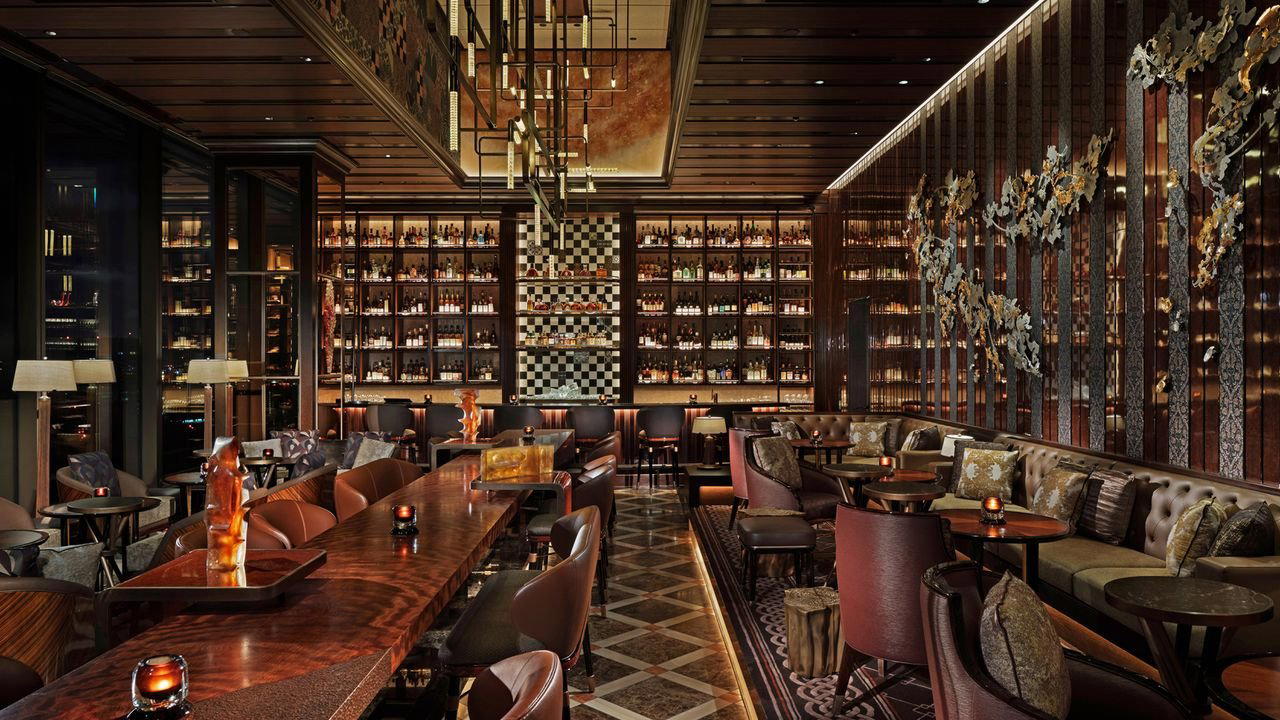

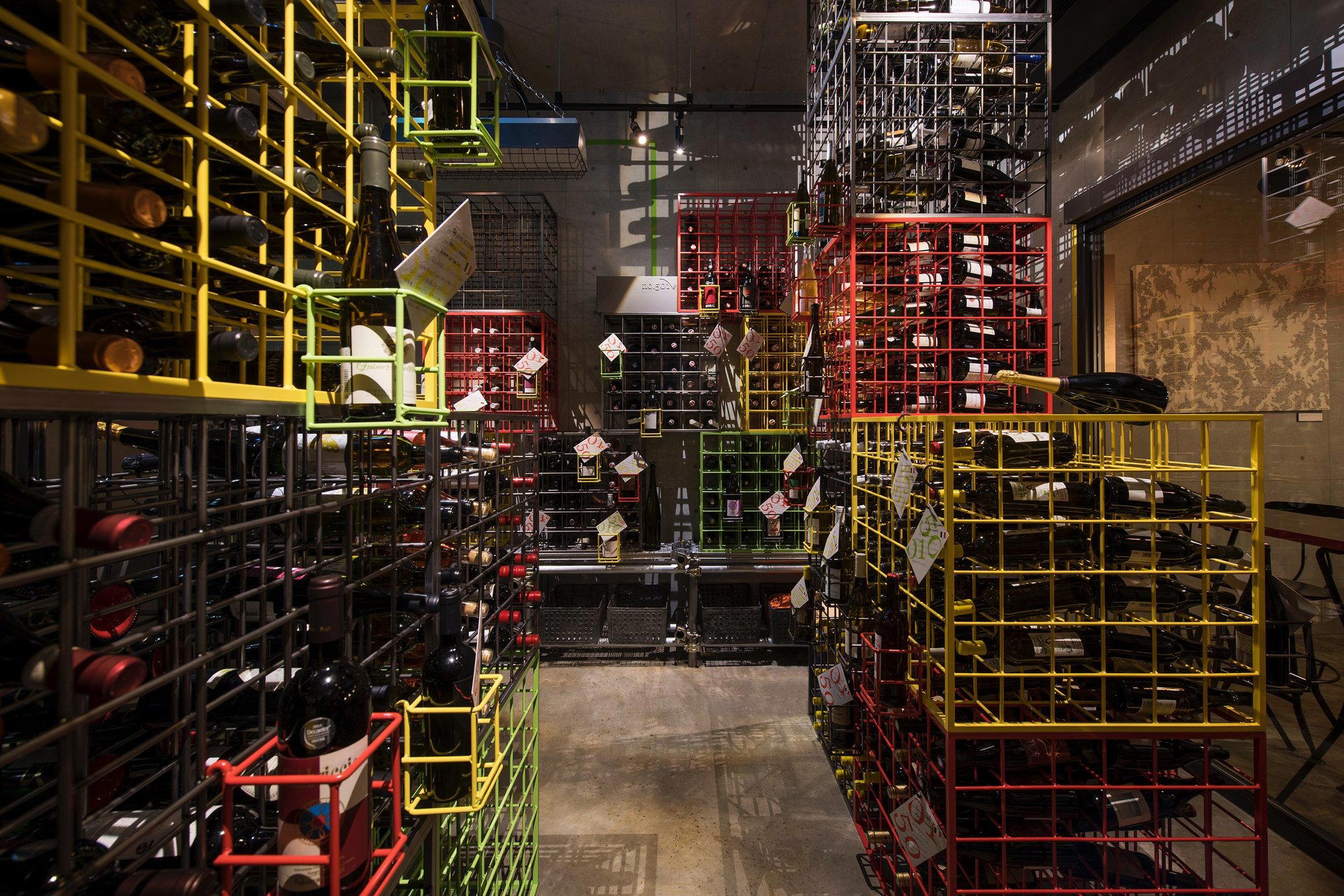
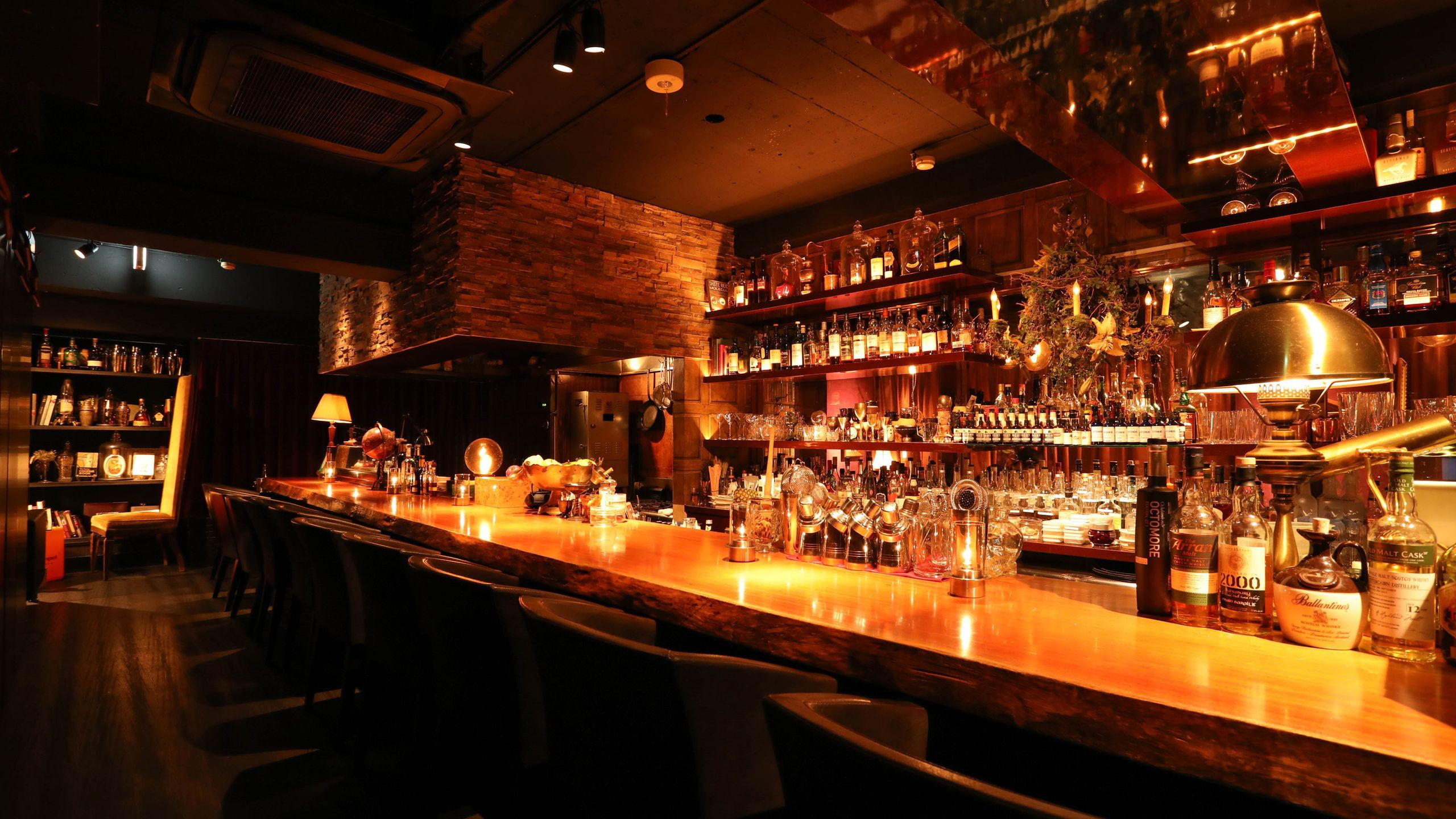





Details
- Intimate
- Elegant
- Cozy
- Sophisticated
- Date Night
- Business Dinner
- Family
- Special Occasion
- Private Dining
- Sake Program
- Local Sourcing
- A La Carte
- Sake Program
Current opening hours
- Monday
- 6–11 PM
- Tuesday
- Closed
- Wednesday
- 6–11 PM
- Thursday
- 6–11 PM
- Friday
- 12–2:30 PM, 6–11 PM
- Saturday
- 11:30 AM–2:30 PM, 6–11 PM
- Sunday
- 11:30 AM–2:30 PM, 6–11 PM
Hours can change for holidays and private events. Hours as of .
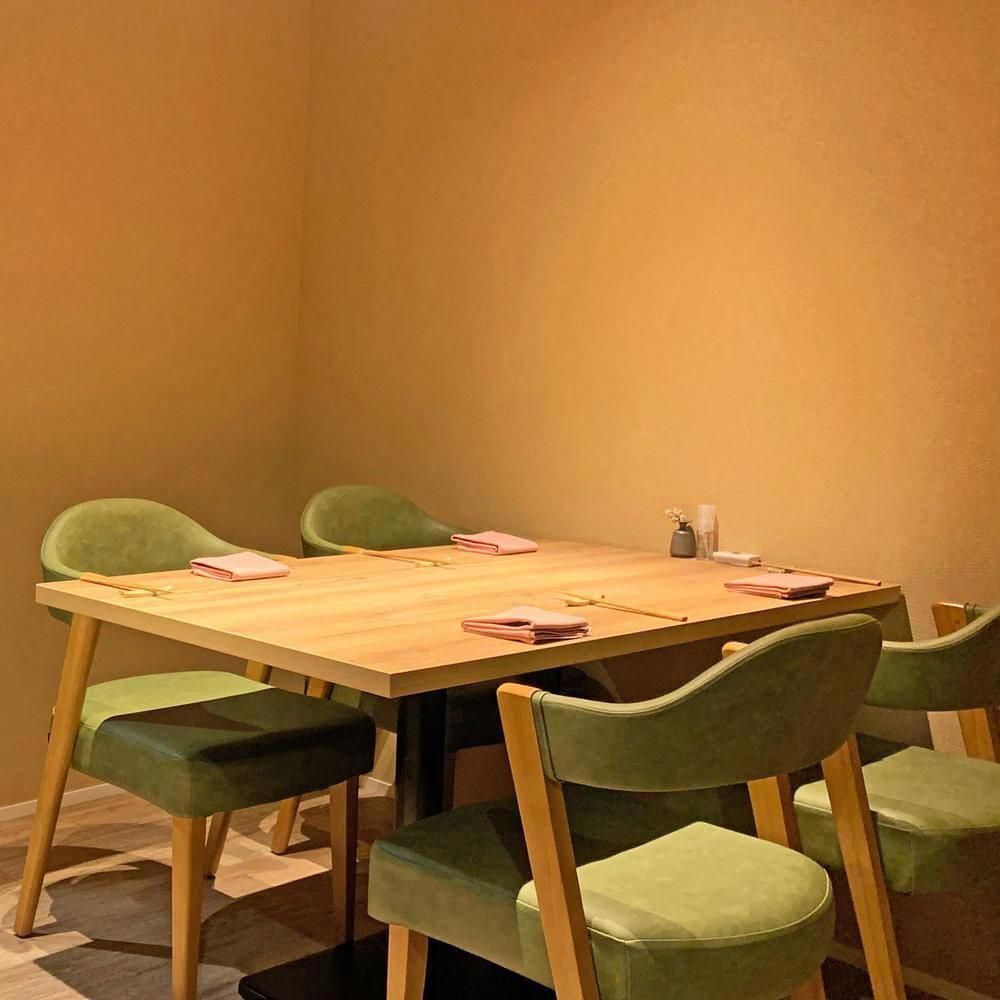
Warm, composed, gently luminous dining room with classic colors creating a sophisticated, cozy, and relaxing atmosphere.