On Kolokotroni Street in central Athens, Noel operates at the intersection where Greek seasonal produce meets technique drawn from further afield. The address places it inside the city's most concentrated pocket of serious dining, where a new generation of kitchens is redefining what contemporary Athenian food looks and tastes like. Book ahead.
Pearl is the En Primeur Club membership app — saves, bookings, and concierge access live there. Same editors, same standards.
- Address
- Kolokotroni 59B, Athina 105 62, Greece
- Phone
- +302112159534
- Website
- i-host.gr
- Directions
- Get directions
 Saves & bookings on Pearl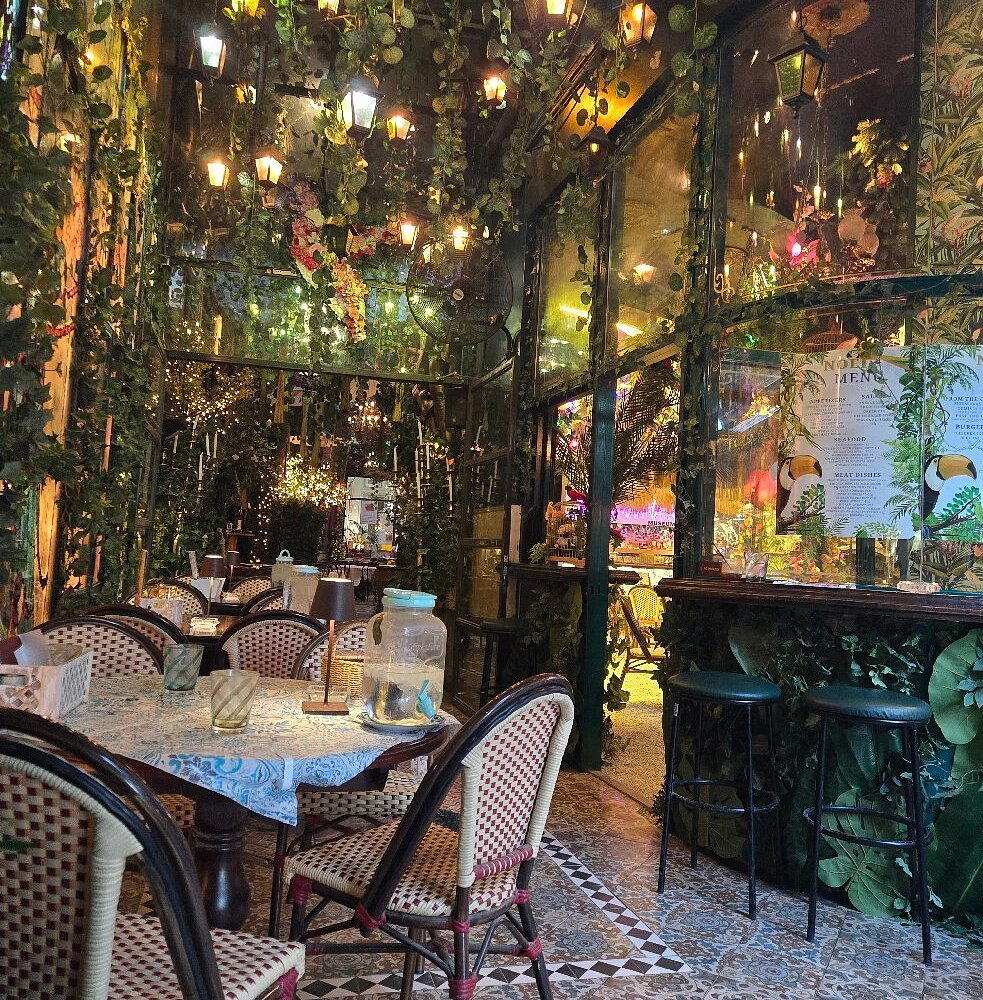
Kolokotroni Street and the Athens Dining Shift
Noel is a Modern Greek restaurant at Kolokotroni 59B in Athens, Greece. Noel sits at number 59B, inside a part of central Athens that has quietly accumulated some of the city's most considered cooking over the past decade.
The generation of restaurants that defined Greek fine dining through French-influenced formality, places that leaned heavily on continental technique and imported reference points, has been joined and in some cases supplanted by kitchens more interested in interrogating local ingredients on their own terms. This is the context in which Noel operates. The city's serious dining scene now includes addresses like Hytra, which works within a Modern Greek and modern cuisine framework at the €€€ tier, and Botrini's, which anchors the Mediterranean end of contemporary Greek cooking at €€€€. Noel's Kolokotroni address places it within this broader momentum without being defined by any single corner of it.
Local Ingredients, Global Technique: The Central Argument
The more instructive frame for understanding what kitchens like Noel are doing is the intersection of indigenous Greek produce with methods imported from professional kitchens in France, Japan, Scandinavia, and the wider Anglophone food world. This is not a new phenomenon globally, but it is arriving at a particular intensity in Athens right now. Greek agriculture produces ingredients of genuine distinction: Cretan olive oils with low acidity and complex polyphenol profiles, aged graviera from the Dodecanese, wild greens gathered from specific hillsides in Epirus, small-boat fish landed through the Aegean, and legumes from regions like Kastoria and Prespes that have no commercial equivalent elsewhere in Europe. The question is how to handle that material without reducing it to folklore or burying it under imported technique so thoroughly that its origin becomes decorative.
The kitchens that answer that question most convincingly tend to do a few things consistently: they build menus around shorter, more direct preparations that allow the ingredient to speak first; they apply precision-temperature cooking, fermentation, and controlled aging selectively rather than as default; and they resist the urge to signal sophistication through complexity. Comparable patterns are visible at Delta and Hervé. Makris Athens occupies a related but distinct position in the creative register. Noel sits within this peer group, shaped by the same city-wide pressure to define Greek food through specificity rather than generality.
To understand the ambition behind this address, it helps to map the wider Greek dining geography. Beyond Athens, restaurants across the islands and coastal towns are working through their own versions of the local-meets-global tension. Lure Restaurant in Oia approaches Santorini's celebrated produce from a different angle, while Cacio e Pepe in Thira Municipality demonstrates how Italian technique has taken root within the Cycladic context. In Piraeus, the city's historic fishing port just southwest of the centre, Jimy's Fish anchors the seafood end of the spectrum. Further afield, Knossos Greek Taverna Gouves in Crete represents the more traditional register that defines the baseline most contemporary kitchens are consciously departing from. Addresses like Aktaion in Firostefani, Feredini in Santorini, and Beauvoir in Katakolo extend the map further. Alykes in Palaio Faliro and Lake Vouliagmeni in Vouliagmeni serve the coastal Athenian suburbs where dining culture has its own distinct rhythms. Cash in Kifisia operates in the northern suburb that has historically attracted the city's higher-spending dining public.
Athens has absorbed those influences selectively, and Noel's position on Kolokotroni places it inside that absorption.
Athens dining moves with the seasons in ways that matter practically. Spring, from March through May, brings the wild greens, asparagus, and early Aegean shellfish that define the lightest, most ingredient-forward cooking of the year. Autumn, September through November, is when the city's serious restaurants tend to be at their most engaged: tourist volumes have dropped, local clientele returns from summer dispersal, and kitchens shift into the mushroom, game, and aged-legume register. Visiting Noel in either window gives a stronger chance of encountering a menu built around produce at its most direct. Summer brings heat and a more tourist-heavy dining public to the centre; kitchens adapt, but the dynamic shifts.
Comparable Spots
Comparable venues nearby, for context on price, style, and recognition.
| Venue | Cuisine | Price | Notes |
|---|---|---|---|
| NoelThis venue — the venue you are viewing | Modern Greek | $$$ | Not listed |
| Kuzina | Modern Greek Fusion | $$$ | Thiseio |
| Amber Athens | Modern Greek Mediterranean | $$$ | Syntagma |
| Vassilenas | Modern Creative Greek | $$$ | Pangrati |
| Oikonomou | Traditional Greek Taverna | $$ | Lofos Nymfon |
| ARCADIA RESTAURANT | Traditional Greek Taverna | $$ | Makrygianni |
Continue exploring
More in Athens
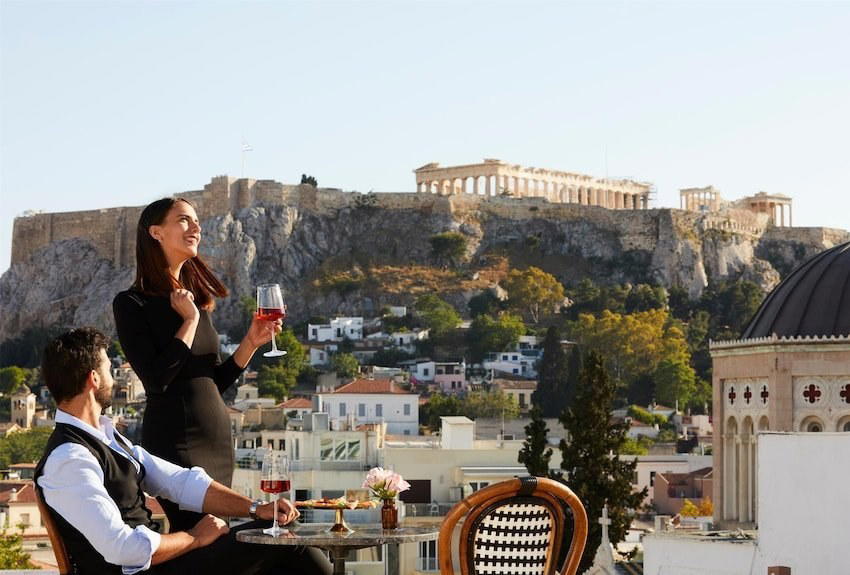
Restaurants in Athens
Browse all →
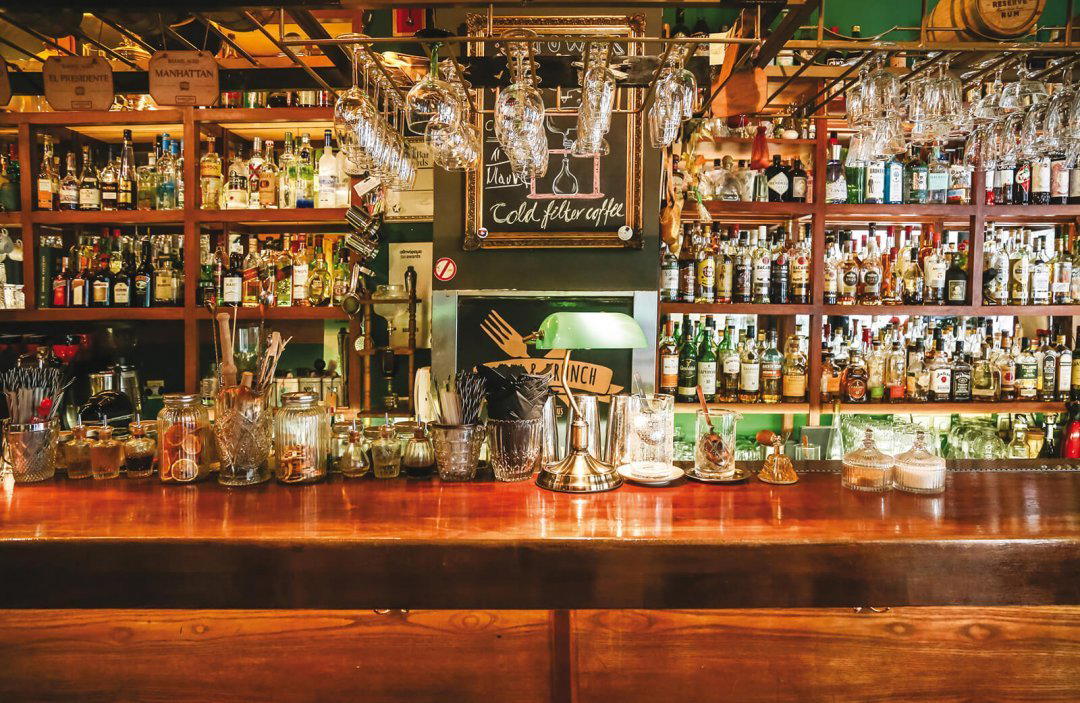
Bars in Athens
Browse all →
Hotels in Athens
Browse all →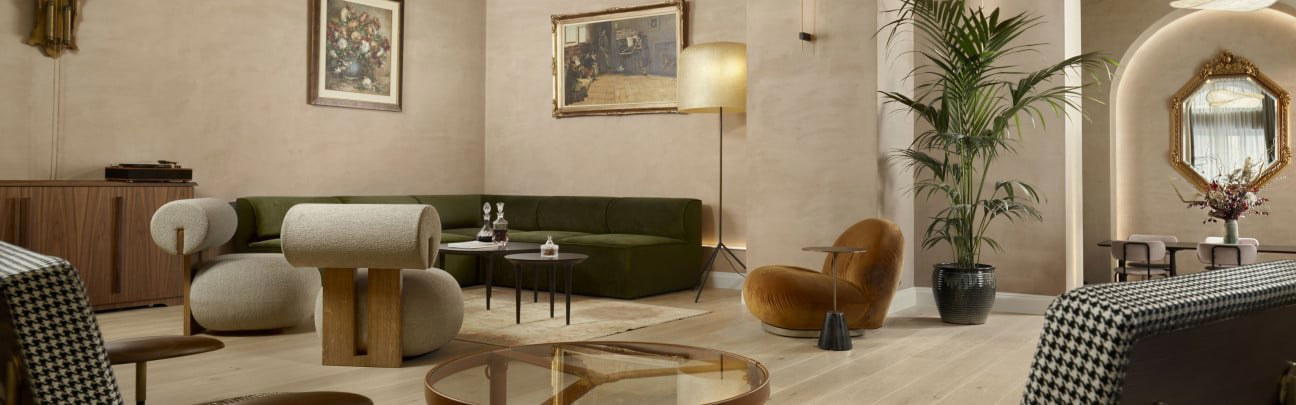
At a Glance
- Lively
- Cozy
- Trendy
- Elegant
- Date Night
- Casual Hangout
- Special Occasion
- Open Kitchen
- Craft Cocktails
- Local Sourcing
- Street Scene
Current opening hours
- Monday
- Closed
- Tuesday
- 4 PM–1 AM
- Wednesday
- 4 PM–1 AM
- Thursday
- 4 PM–1 AM
- Friday
- 4 PM–2 AM
- Saturday
- 10 AM–2 AM
- Sunday
- 10 AM–1 AM
Hours can change for holidays and private events. Last verified .
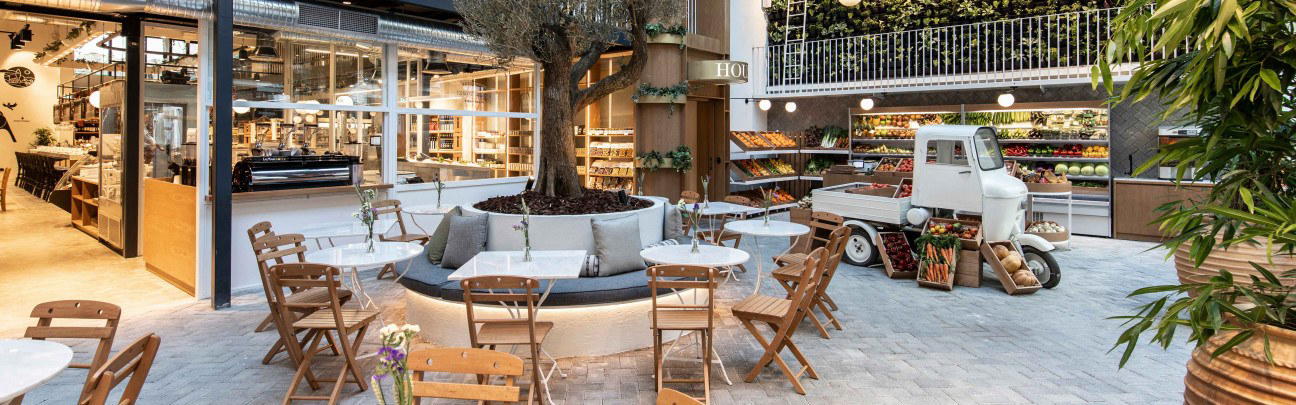
Lively, lively, and festive atmosphere with cozy holiday-themed decor in rich burgundy and green tones inside a historic arcade.