abraOvata
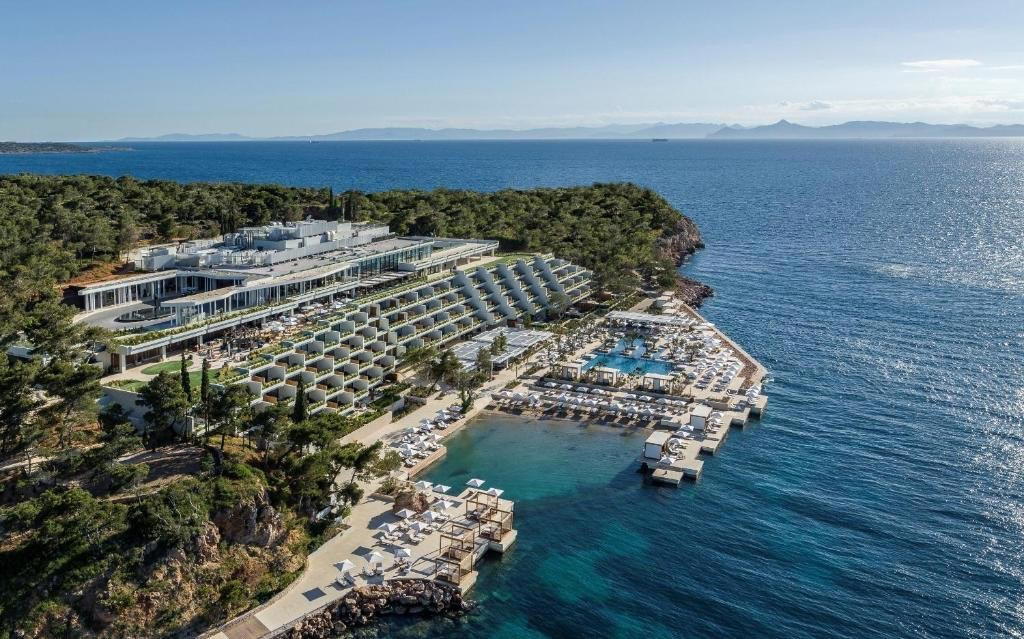
Lake Vouliagmeni sits at the southern edge of the Attica coast, where a natural thermal lake meets the Aegean in one of the Athens Riviera's most distinctive settings. The brackish, mineral-rich waters draw swimmers and wellness visitors year-round, making it a reference point for anyone exploring the broader Vouliagmeni dining and leisure circuit. For context on the surrounding restaurant scene, see our full Vouliagmeni guide.
Pearl is the En Primeur Club membership app — saves, bookings, and concierge access live there. Same editors, same standards.
- Address
- Vouliagmeni 166 71, Greece
- Directions
- Get directions
 Saves & bookings on Pearl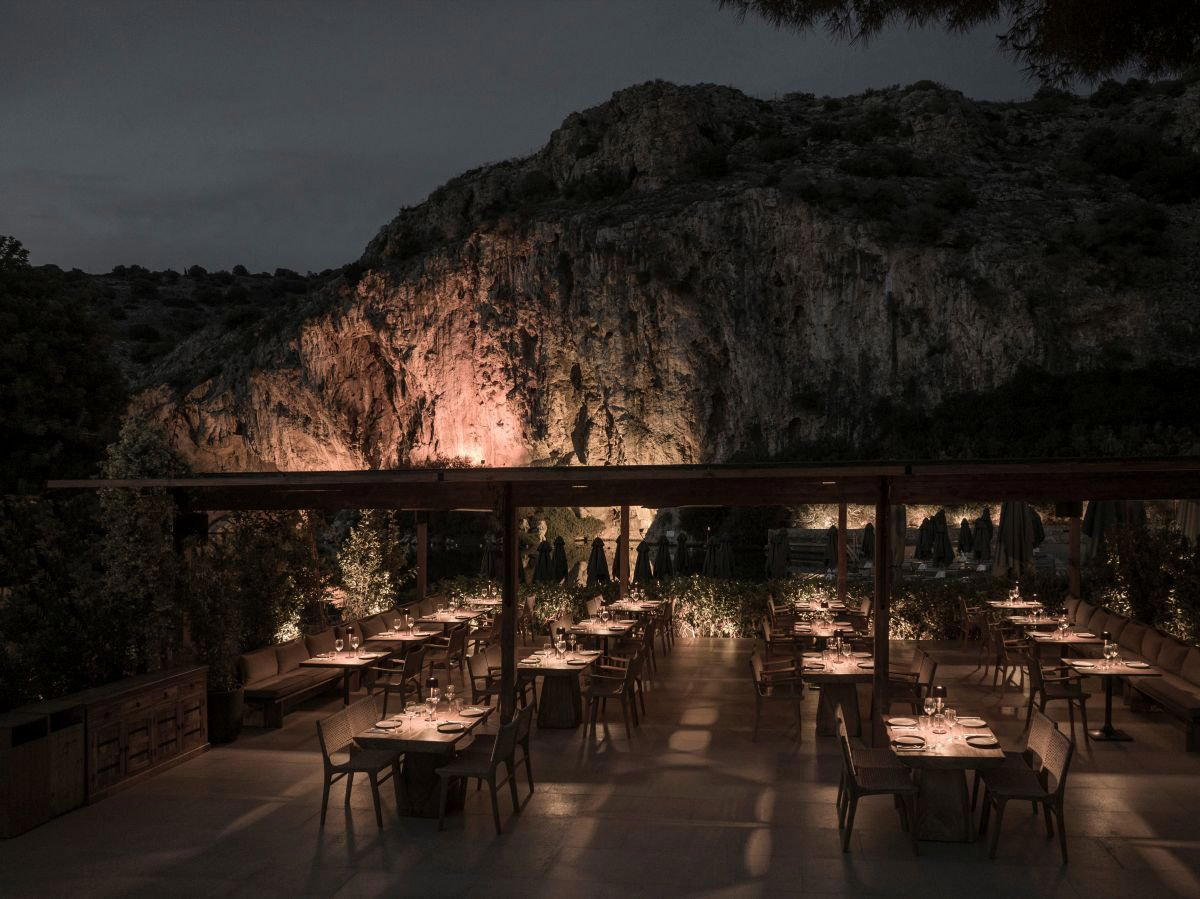
Where Thermal Water Meets the Attica Coast
Approaching Lake Vouliagmeni from the coastal road south of Athens, the landscape shifts before you arrive. The pine-covered limestone cliffs that frame the site drop toward a body of water that sits somewhere between lake and lagoon, brackish and faintly mineral, fed by subterranean channels that warm it to temperatures between 22°C and 29°C depending on season. The light here behaves differently than it does along the open Aegean shoreline, caught and softened by the surrounding rock faces. It is an environment that reads as geologically specific in a way that few leisure sites along the Athens Riviera can claim.
That specificity matters when placing Lake Vouliagmeni in its regional context. The Athens Riviera corridor, running south from Glyfada through Voula and into Vouliagmeni, has developed steadily as a premium leisure destination for Athenians and international visitors who prefer a slower, coast-anchored alternative to the city centre. Lake Vouliagmeni sits at the outer edge of that corridor, and its thermal character sets it apart from the direct beach clubs and marina-adjacent restaurants that define much of the strip. For visitors building an itinerary around the area, the broader options across the neighbourhood are easy to map from here.
The Thermal Source and What It Signals
Greece has a long relationship with mineral and thermal water, rooted in ancient balneology and sustained through a network of spa towns across the mainland and islands. Lake Vouliagmeni sits within that tradition, though it operates as a natural open-air site rather than a built spa facility. The water's mineral composition, which includes sulphur compounds and trace salts drawn from the limestone aquifer beneath the Attica peninsula, has been associated with therapeutic use since antiquity. Modern visitors arrive primarily for swimming and relaxation, but the site's reputation as a restorative environment has been consistent enough to draw a year-round clientele even during months when most Athenian beach venues close.
This year-round accessibility places it in a different category from the seasonal beach clubs and summer-only restaurants that dominate much of the Attica coast. Where venues like Matsuhisa Athens operate within the premium resort circuit that peaks between June and September, Lake Vouliagmeni maintains relevance across a longer calendar window, which shapes the kind of visitor it attracts and the rhythm of the area around it.
Ingredient Sourcing and the Wider Vouliagmeni Table
The editorial angle that connects Lake Vouliagmeni to the broader Attica dining conversation is provenance. The Attica region, often overlooked in favour of island cuisines, produces a distinct agricultural output: pine honey from the slopes above the coast, fish from the Saronic Gulf, olive oil from groves that extend inland from the shoreline. These local inputs appear across the restaurant circuit that has developed around Vouliagmeni, with kitchens at varying price points drawing on proximity to Athens' central market, the Varvakios, as well as direct relationships with small-scale Attic producers.
Contemporary Greek dining in Athens has moved toward sourcing transparency over the past decade, a shift visible in mid-range and high-end venues alike. Restaurants such as Delta in Athens and Selene in Santorini have built identities around named-producer relationships and regional specificity. Across the islands, venues including Almiriki in Mykonos, Olais in Kefalonia, and Cantina on Sifnos operate within this same sourcing-led logic, grounding menus in what the local environment actually produces rather than defaulting to a pan-Mediterranean repertoire. Margiora on Kythnos and To Psaraki in Vlychada represent the same approach in smaller, less-visited island settings.
For visitors to the Vouliagmeni area, this context matters because it frames what to expect from the local table. The proximity to Athens means access to supply chains that island kitchens cannot match, while the coastal position delivers fresh Saronic fish on shorter timelines than inland Attic restaurants. That combination gives the dining corridor around Lake Vouliagmeni a material advantage in sourcing, one that the better kitchens in the area are positioned to use.
How Vouliagmeni Sits Against the Greek Premium Tier
Greece's premium hospitality circuit has grown more geographically distributed in recent years. The concentration of high-end dining in central Athens, Santorini, and Mykonos has been supplemented by a second tier of properties and restaurants along the Attica coast and in overlooked island destinations. Venues such as Aktaion in Firostefani, Old Mill in Elounda, and Etrusco in Kato Korakiana illustrate how premium dining has spread into settings that lack the marketing infrastructure of the major island destinations but compensate with tighter sourcing, lower visitor volumes, and more direct relationships between kitchen and local producer.
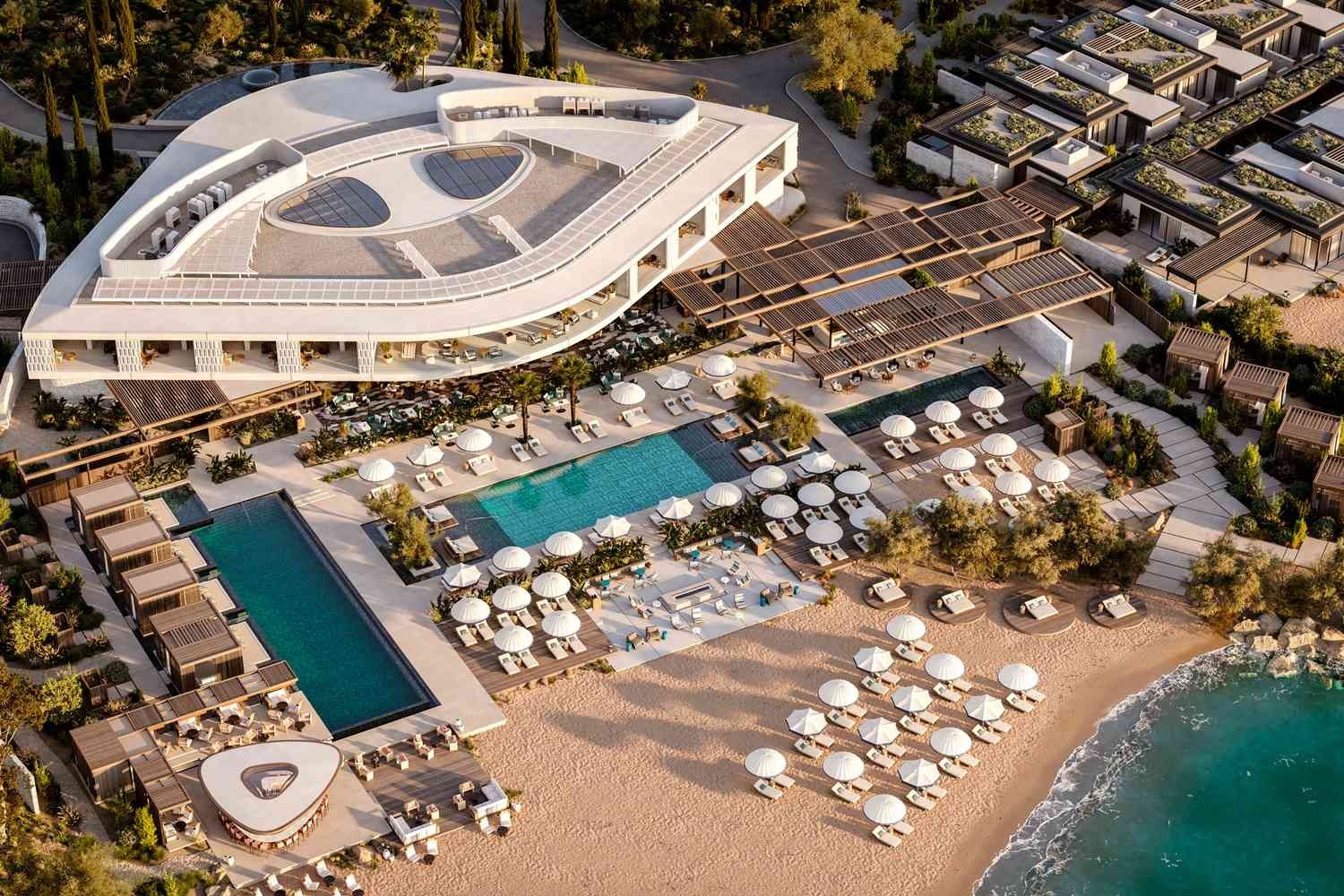
Vouliagmeni occupies a specific position in this distribution. It is close enough to Athens, roughly 25 kilometres south of the city centre, to function as a day-trip or short-break destination for residents of the capital, and far enough along the coastal road to feel removed from the urban noise. The resort infrastructure around the lake, including the Astir Palace complex nearby, has historically attracted a clientele that skews affluent and international, which has in turn supported a dining scene with higher price points and more formal service registers than comparable coastal villages further from the city. For comparison on how resort-adjacent dining formats operate at the Greek premium tier, Avaton Luxury Beach Resort in Halkidiki and Myconian Ambassador Thalasso Spa in Platis Gialos offer useful points of reference, as does Myconian Utopia Resort in Elia.
Against the Athens restaurant tier specifically, the Vouliagmeni area sits below the concentration of fine-dining addresses in the city centre, where venues such as Spondi, Botrini's, and Hytra compete at the summit end of Greek contemporary cuisine. The coast operates at a different register: more relaxed, more focused on the outdoor environment, and more dependent on the quality of raw ingredients than on kitchen technique alone. That is not a limitation so much as a different editorial proposition.
Planning a Visit
Lake Vouliagmeni is accessible by car from central Athens in under 40 minutes outside peak summer traffic, and by coastal bus from the Glyfada hub for visitors without private transport. The site operates on an entry-fee basis, which varies by season, and is open to swimmers throughout the year. Early morning visits in the shoulder months, April to May and September to October, offer the combination of warm water and manageable visitor numbers that peak-season weekends rarely allow. For visitors combining the lake with dinner, the restaurant circuit around Vouliagmeni covers a range of price points, from casual fish tavernas along the waterfront to the higher-register international address of Matsuhisa Athens.
Comparable Spots, Quickly
Comparable venues nearby, for context on price, style, and recognition.
| Venue | Cuisine | Price | Notes |
|---|---|---|---|
| Lake VouliagmeniThis venue — the venue you are viewing | Mediterranean Fusion with Latin-Asian Influences | $$$ | Not listed |
| Ithaki | Modern Mediterranean Seafood | $$$$ | Vouliagmeni |
| Matsuhisa Athens | Nobu-style Japanese-Peruvian Fusion | $$$$ | Vouliagmeni |
| Deos | Modern Mediterranean with Japanese Fusion | $$$ | Psikhikón |
| Ivis4 Restaurant | Modern Mediterranean | $$ | Psyri |
Continue exploring
More in Vouliagmeni
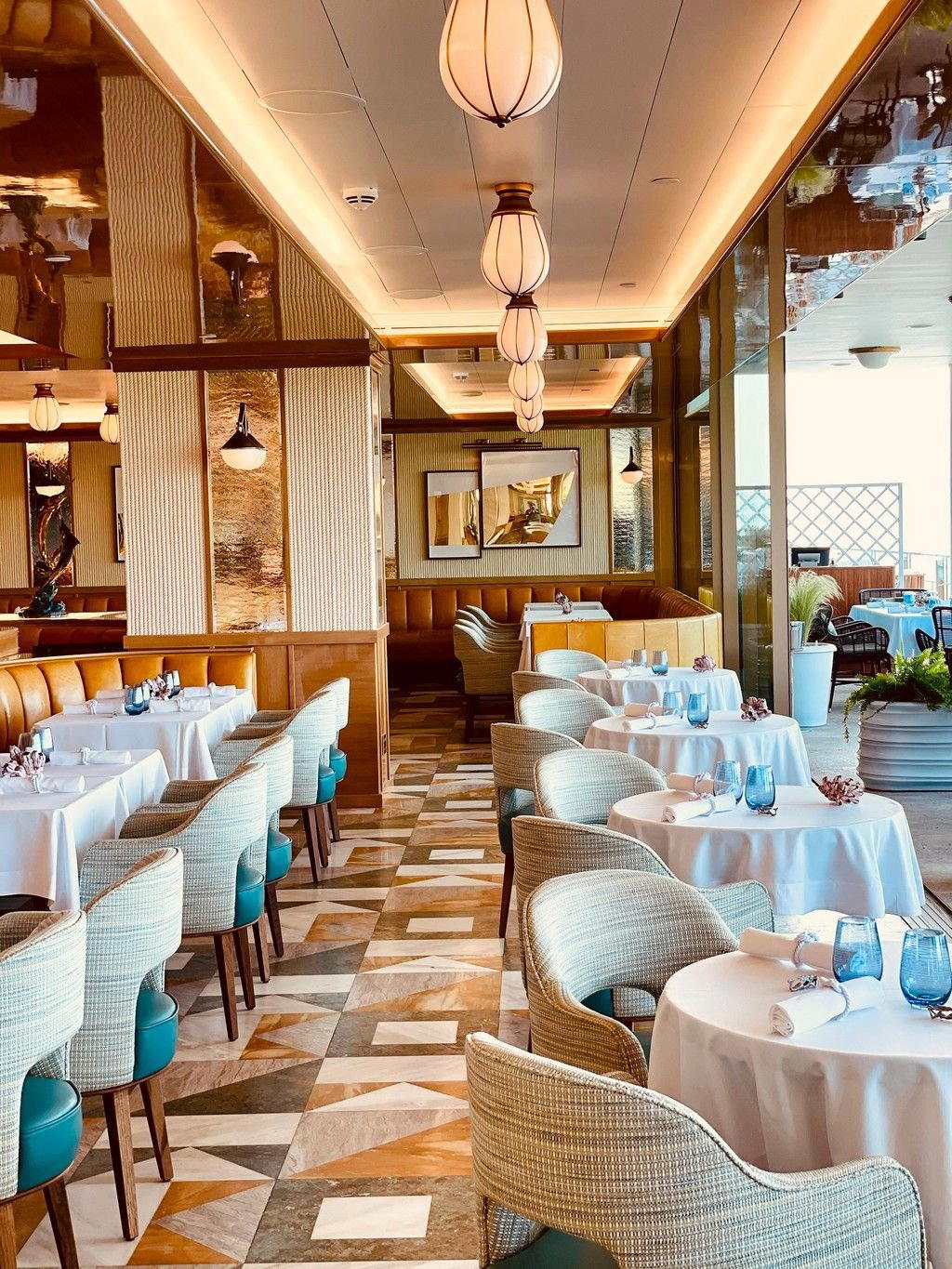
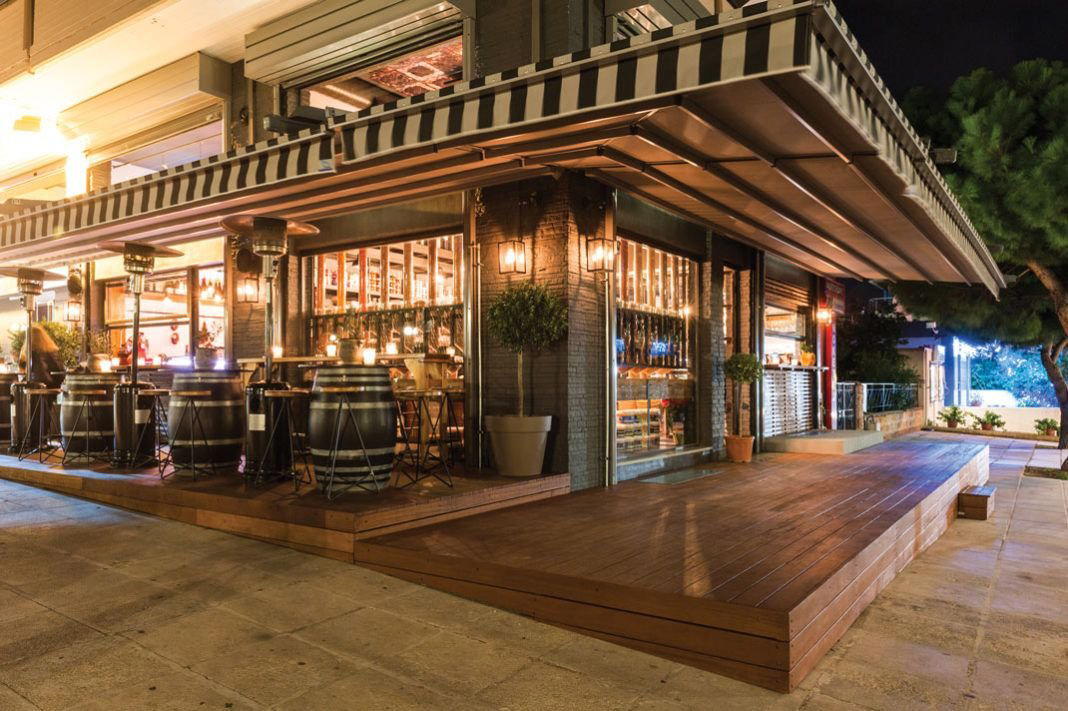
Restaurants in Vouliagmeni
Browse all →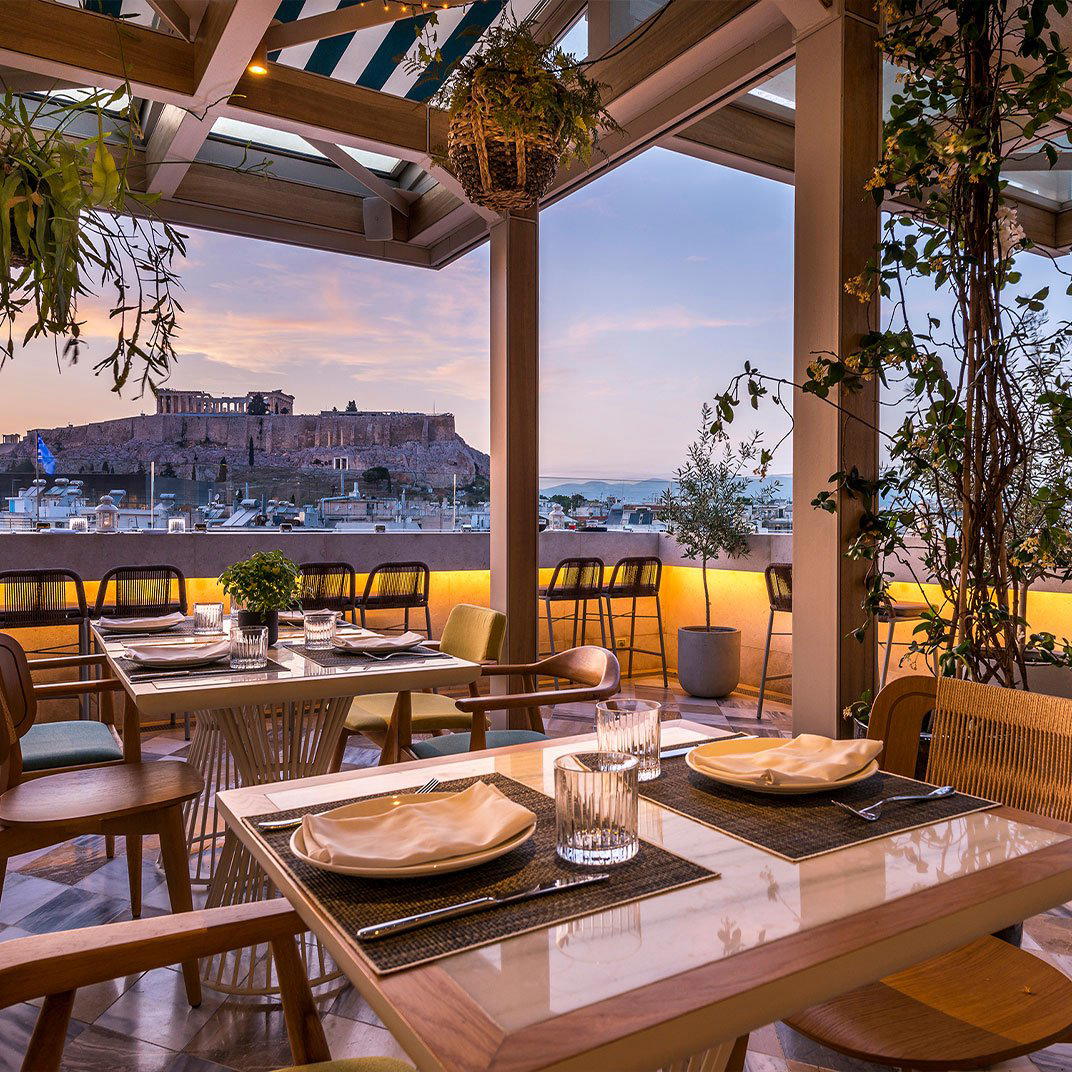
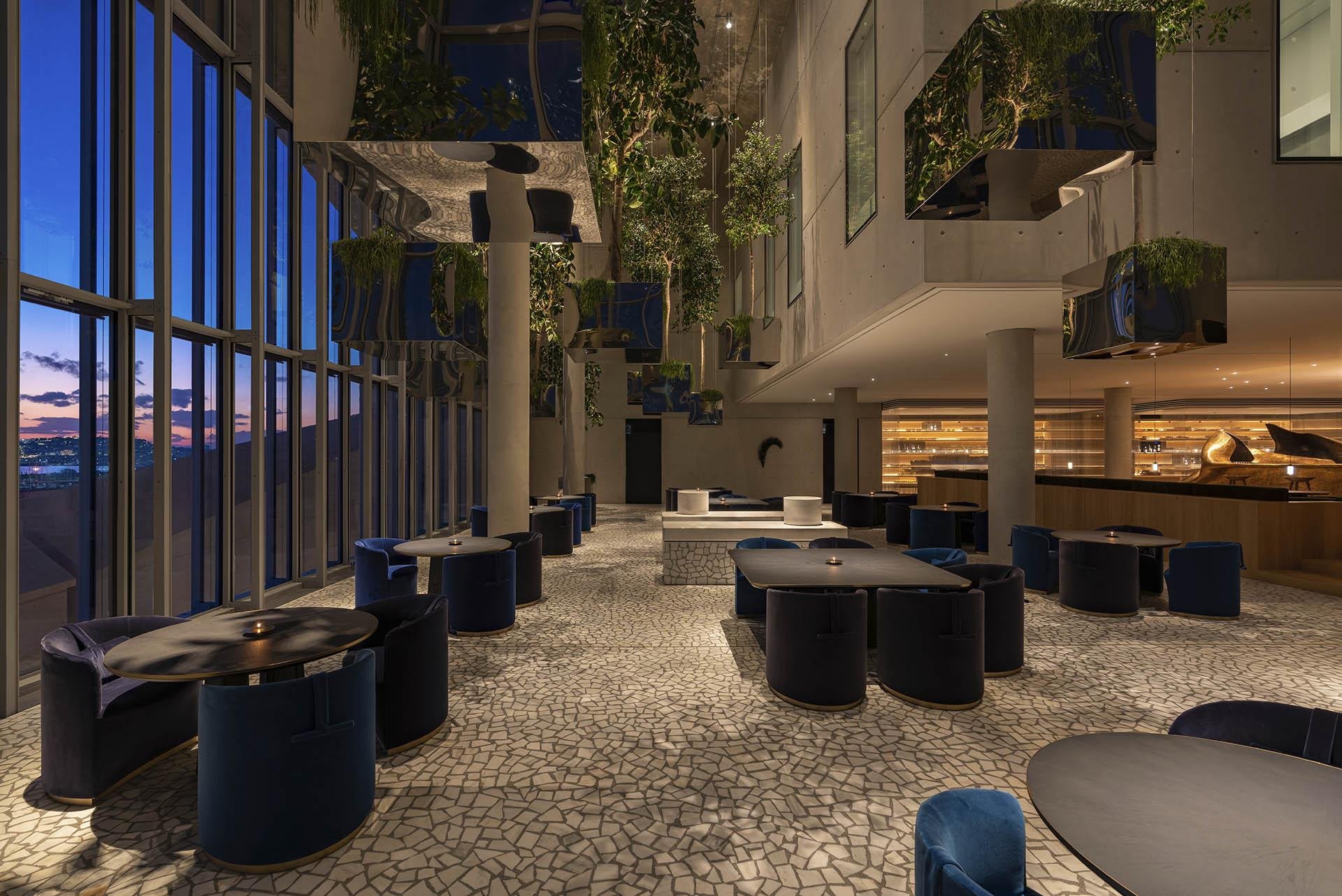
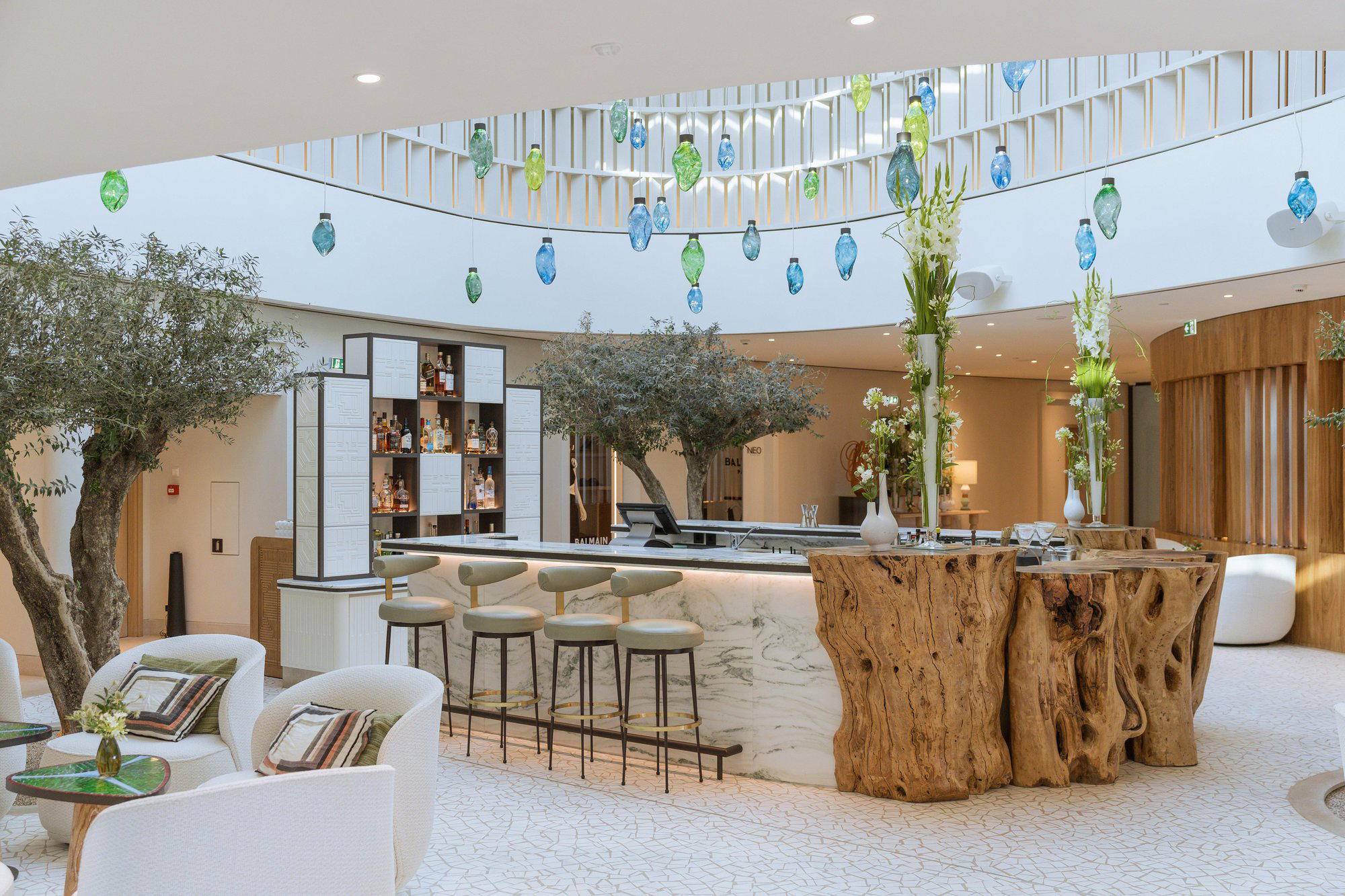
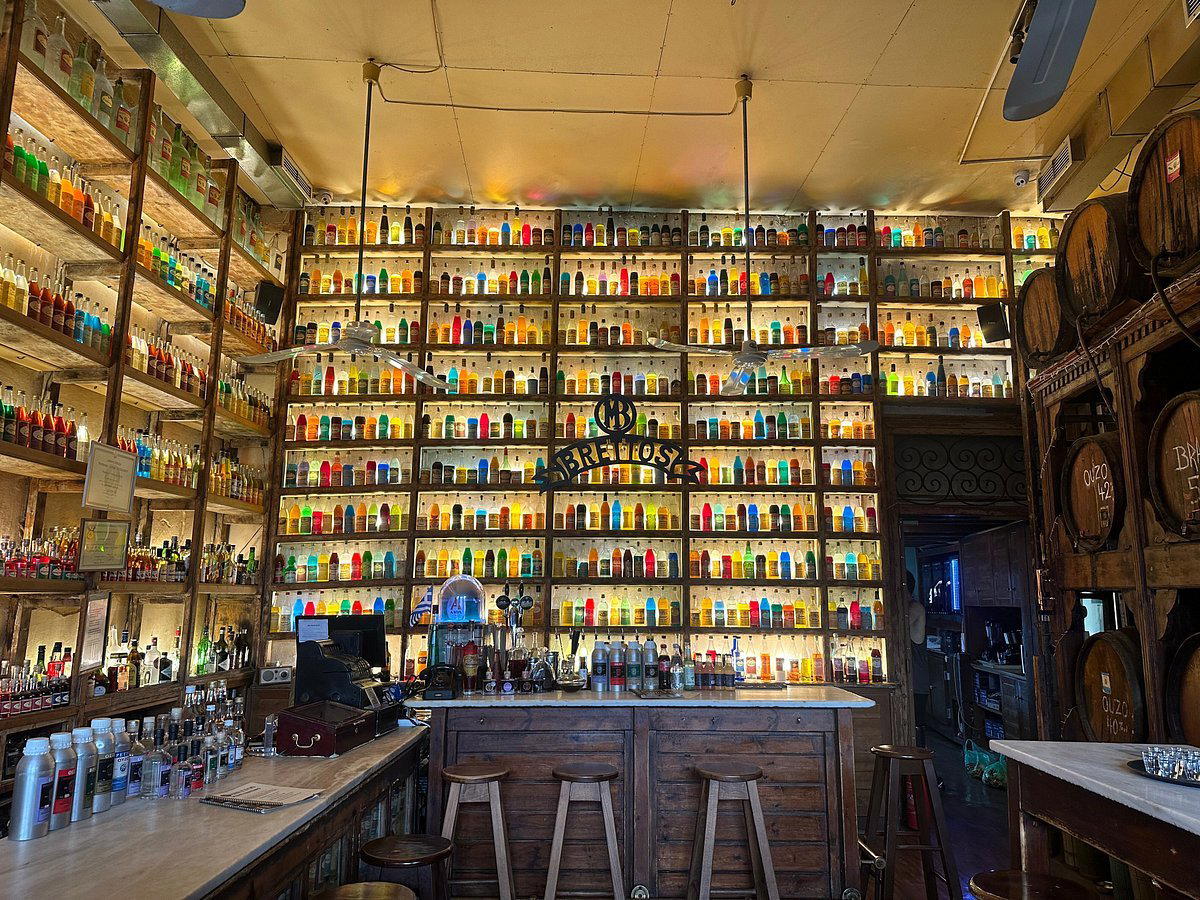
Bars in Vouliagmeni
Browse all →
Hotels in Vouliagmeni
Browse all →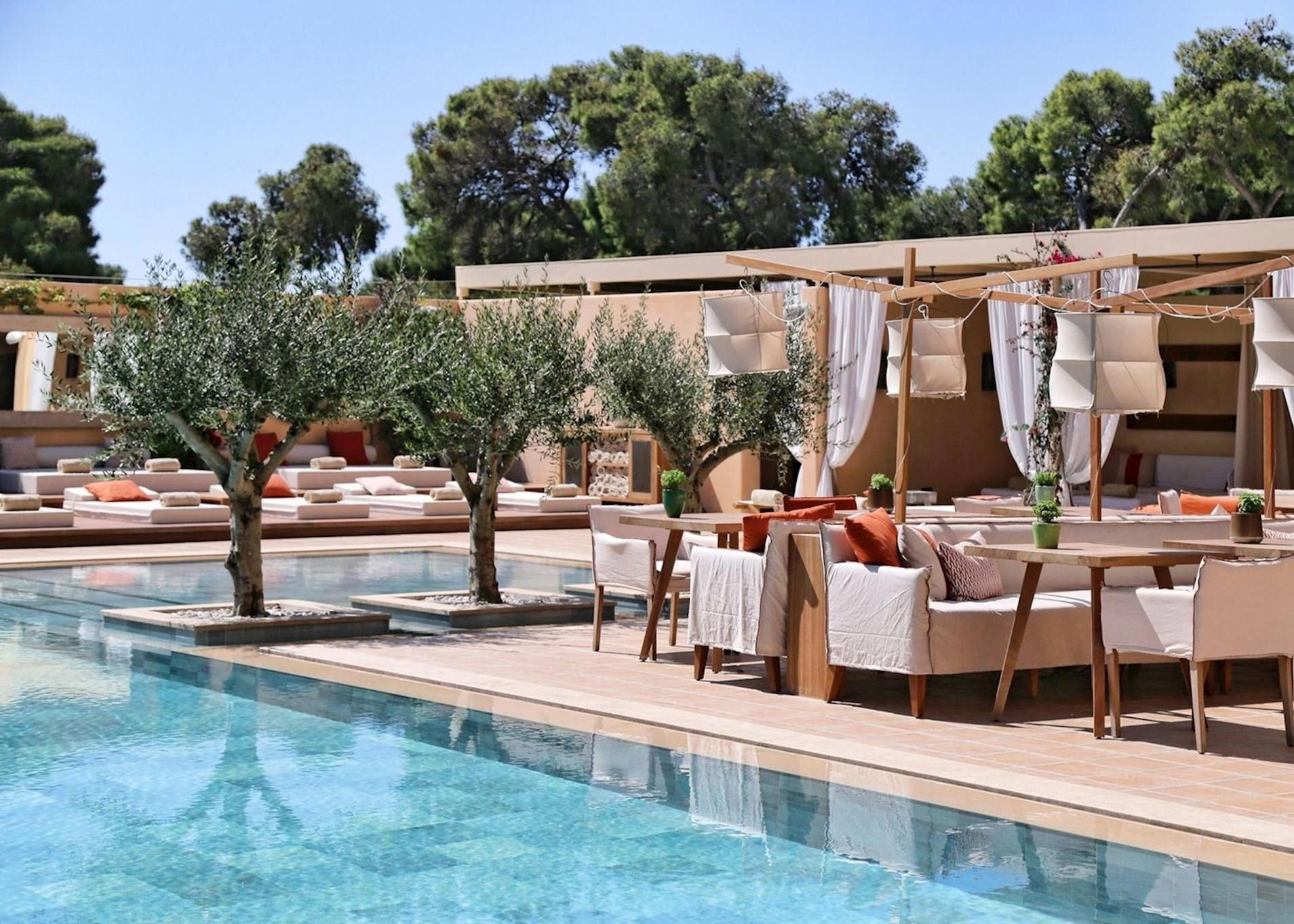

At a Glance
- Relaxed
- Elegant
- Romantic
- Scenic
- Date Night
- Group Dining
- Special Occasion
- Waterfront
- Terrace
- Craft Cocktails
- Local Sourcing
- Waterfront
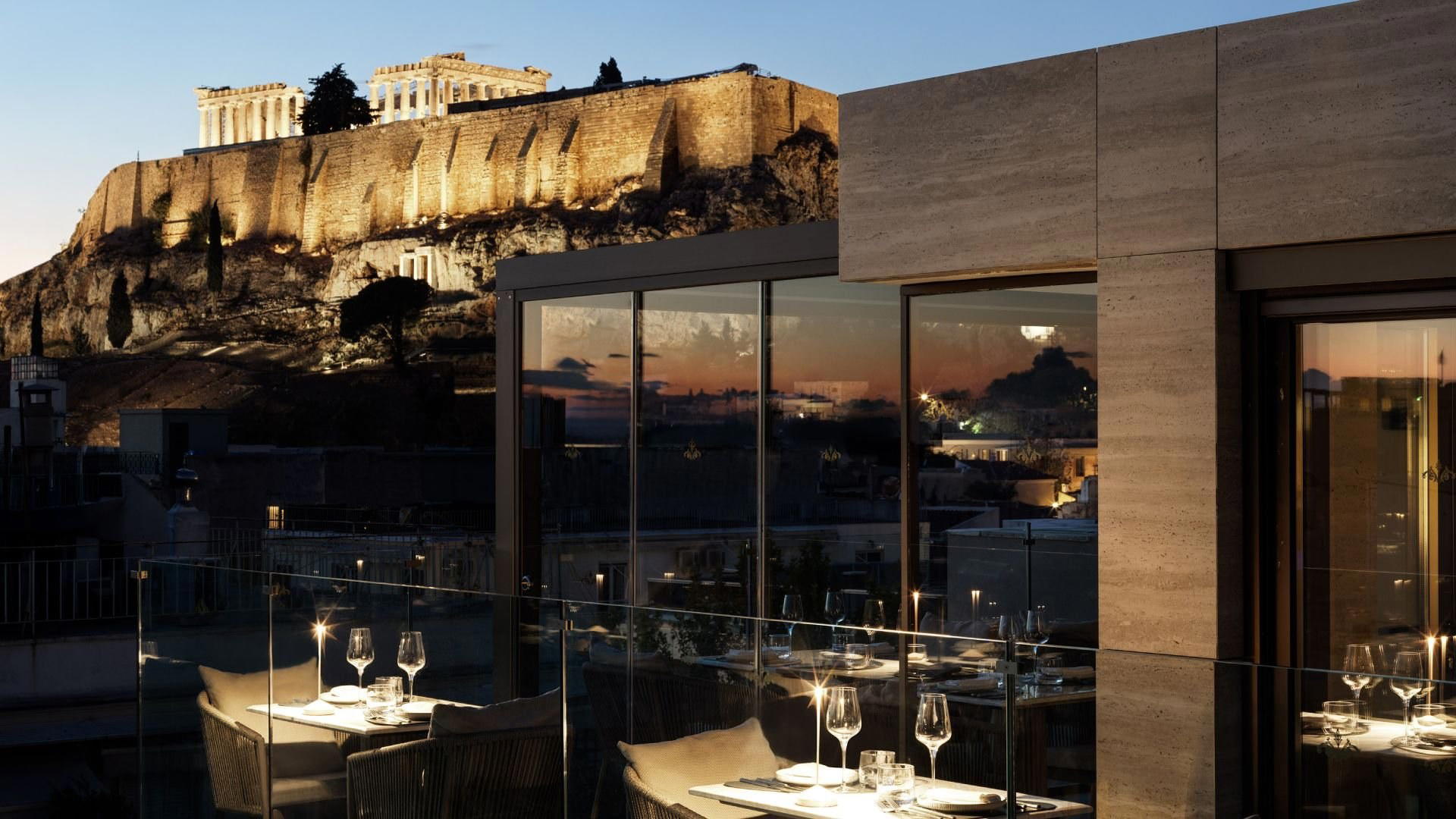
Relaxed yet refined atmosphere with open-sky tables right by the lake, dimmed lighting well-suited for lingering romantic dinners or group celebrations.