Beauvoir sits in Katakolo, the small Peloponnese port town that serves as the Olympia cruise gateway, where dining options tend to reflect the rhythms of the sea and the agricultural interior rather than any metropolitan trend. With sparse verified data on file, the editorial case for Beauvoir rests on its location within one of Greece's most ingredient-rich coastal corridors, where Ionian fish, Ilia olive oil, and Arcadian produce converge.
Pearl is the En Primeur Club membership app — saves, bookings, and concierge access live there. Same editors, same standards.
- Address
- Agios Andreas 270 67, Greece
- Phone
- +30 2621 041404
- Website
- beauvoir.gr
- Directions
- Get directions
 Saves & bookings on Pearl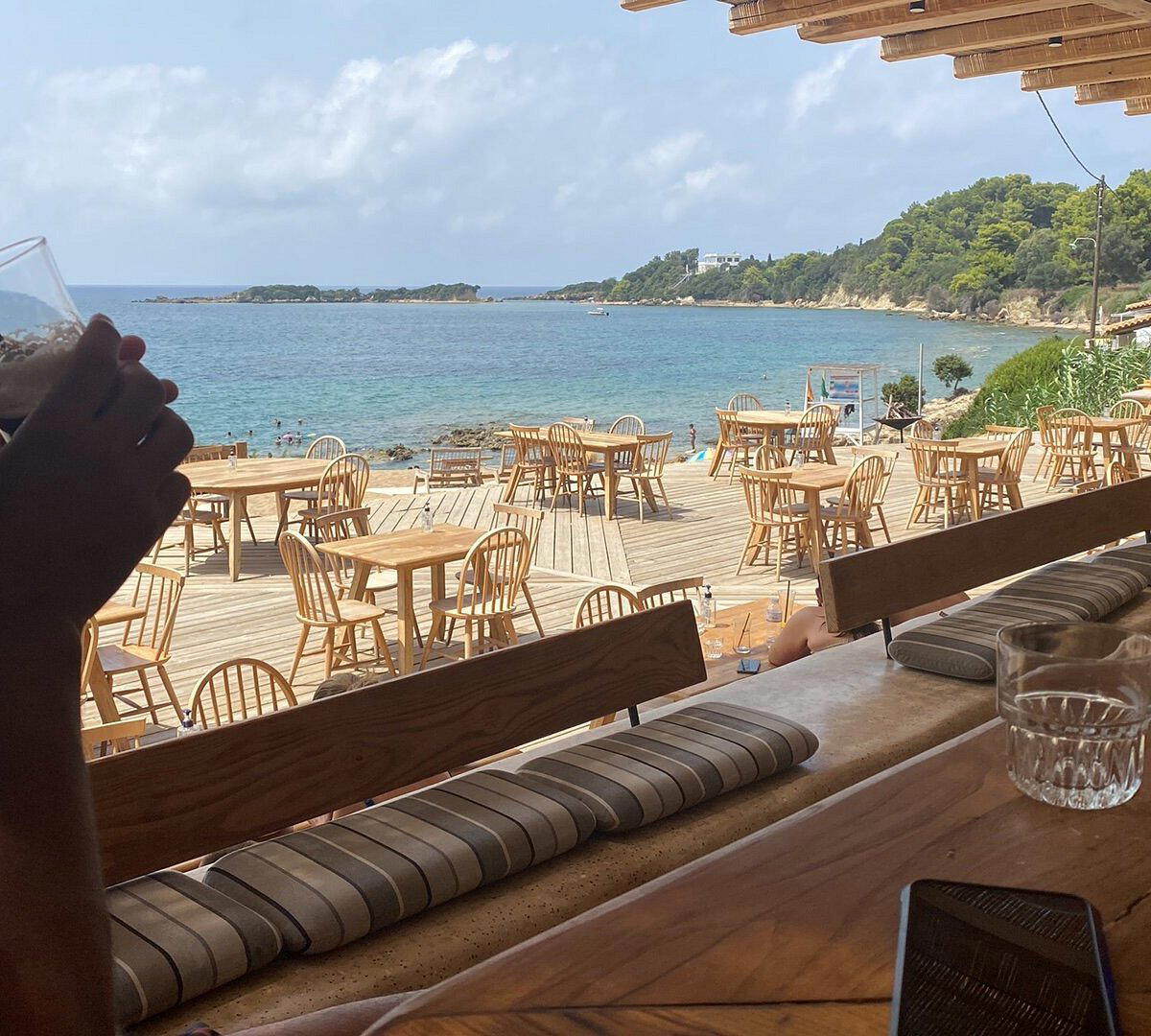
Katakolo's Ingredient Logic
The western Peloponnese is one of those Greek regions where the sourcing argument writes itself. Katakolo sits at the edge of Ilia prefecture, a coastal strip backed by some of the country's most productive olive groves, with the Ionian Sea delivering a narrower but consistent catch of sea bream, octopus, and small pelagic fish. The region's olive oil carries Protected Designation of Origin status, which places it in the same legislative tier as Kalamata PDO olives and Feta, a signal of how seriously this corridor takes its agricultural output. Dining here, at almost any point on the quality spectrum, is shaped by that proximity. The distance between water and kitchen is short, and the pressure to reach for imports is low.
That context matters when reading any restaurant operating out of Katakolo. The town itself is compact, oriented around a working port that receives cruise traffic for ancient Olympia, roughly 35 kilometres inland. Its dining scene is smaller and less documented than that of Nafplio or Kalamata, but the raw material conditions are comparable. A kitchen that takes those conditions seriously has genuine latitude to build a menu grounded in place rather than generic Mediterranean convention.
What Beauvoir Represents in This Setting
Beauvoir is a casual, walk-in-friendly restaurant in Agios Andreas, Katakolo, serving Traditional Greek Mediterranean cuisine at about $25 per person. That positioning puts it in a different competitive conversation than, say, Selene in Santorini or Almiriki in Mykonos, where the premium dining tier is crowded and expectations are calibrated by years of international visitor pressure. In Katakolo, the benchmark is set more by what local produce allows than by what a competitive comparable set demands.
Across Greece, the divide between port-side restaurants that trade on location alone and those that build deliberate sourcing programs is increasingly visible. Operations like Olais in Kefalonia and To Psaraki in Vilcahda have shown that Ionian-region kitchens can build credibility around the specific fish and vegetable vocabulary of their coastlines, without importing the format conventions of Athenian fine dining. Beauvoir exists within that broader movement, in a location where the Ionian catch and the olive groves of Ilia are the starting point for any serious kitchen conversation.
The Broader Greek Dining Shift
Greek restaurants outside the main island circuits have historically operated in the shadow of Athens-centred critical attention. The capital's upper tier, represented by kitchens like Delta in Athens and the contemporary Greek format that venues like Etrusco in Kato Korakiana have developed on Corfu, has tended to define what counts as serious Greek cooking for international visitors. That hierarchy is shifting. Regional kitchens that anchor their menus in hyper-local sourcing, such as Athenolia in Kyparissia, have started attracting the kind of attention previously reserved for the capital or the premium island circuits.
Katakolo sits just north of Kyparissia along the same western Peloponnese coastline, sharing much of the same agricultural and marine supply. A kitchen in this corridor that commits to PDO olive oils, day-boat fish, and the legume and grain traditions of the Ilia interior is working with ingredients that have genuine pedigree, even if the critical infrastructure to document that work remains underdeveloped relative to Santorini or Crete. Salis in Chania and Old Mill in Elounda illustrate how Cretan kitchens have built on that kind of documentation; the western Peloponnese is at an earlier point in that arc.
Island and Mainland Comparisons
For visitors arriving via the Katakolo port on cruise itineraries, the dining decision is often compressed into a few hours before returning to the ship. That format favours simpler, faster operations. But for travellers staying in the region, the picture is different. The Peloponnese rewards the kind of slower engagement with local producers and seasonal rhythms that venues like Cantina in Sifnos and Margiora in Kythnos have built their identities around in the Cyclades.
The resort-anchored dining model, visible at properties like Avaton Luxury Beach Resort in Halkidiki, Myconian Ambassador in Platis Gialos, and Myconian Utopia in Elia, represents one end of the Greek hospitality spectrum. Katakolo operates at the opposite end: smaller scale, less international visitor infrastructure, and a dining scene that has not yet been shaped by the demands of high-volume luxury tourism. That is both a limitation and a source of authenticity that the more developed island circuits can no longer easily claim.
Planning a Visit
Katakolo is accessible by road from Pyrgos, roughly seven kilometres to the northeast, which connects to the national road network linking the Peloponnese to Patras and Athens. Visitors based in the region for more than a day will find that timing around the local fish market rhythm, typically morning activity at the port, shapes what appears on menus later in the day.
Side-by-Side Snapshot
Comparable venues nearby, for context on price, style, and recognition.
| Venue | Cuisine | Price | Notes |
|---|---|---|---|
| BeauvoirThis venue — the venue you are viewing | Traditional Greek Mediterranean | $$ | Not listed |
| Φουλ του μεζέ | Traditional Greek Meze | $$ | Ladadika |
| Πασχαλιά | Traditional Ikarian Taverna | $$ | Kampos |
| Φλοίσβος | Traditional Greek | $$ | Evdilos |
| Kuzina | Modern Greek Fusion | $$$ | Thiseio |
| Valia Calda | Modern Greek Vlach Cuisine | $$ | Kalambaka |
Continue exploring
More in Katakolo
Restaurants in Katakolo
Browse all →
Bars in Katakolo
Browse all →
Hotels in Katakolo
Browse all →
Wineries in Katakolo
Browse all →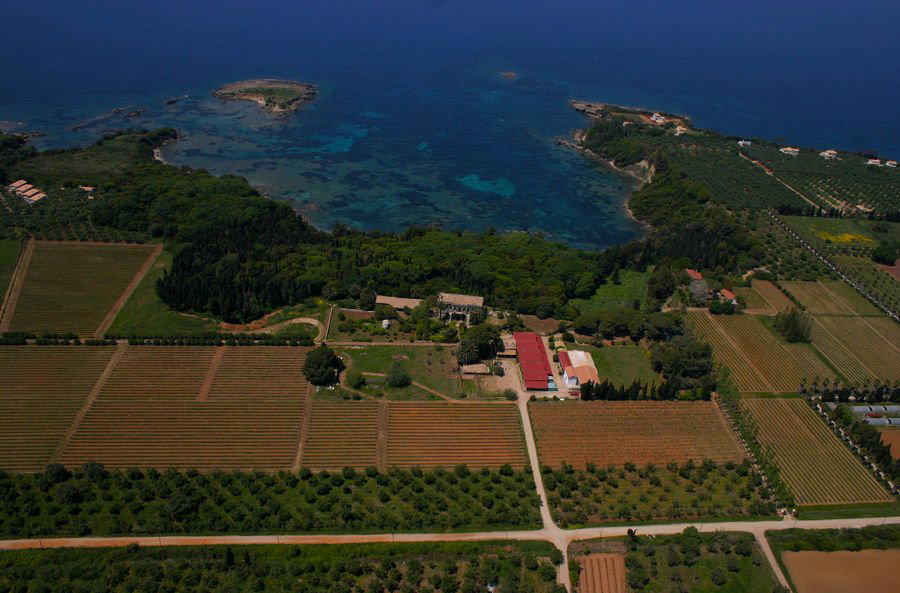
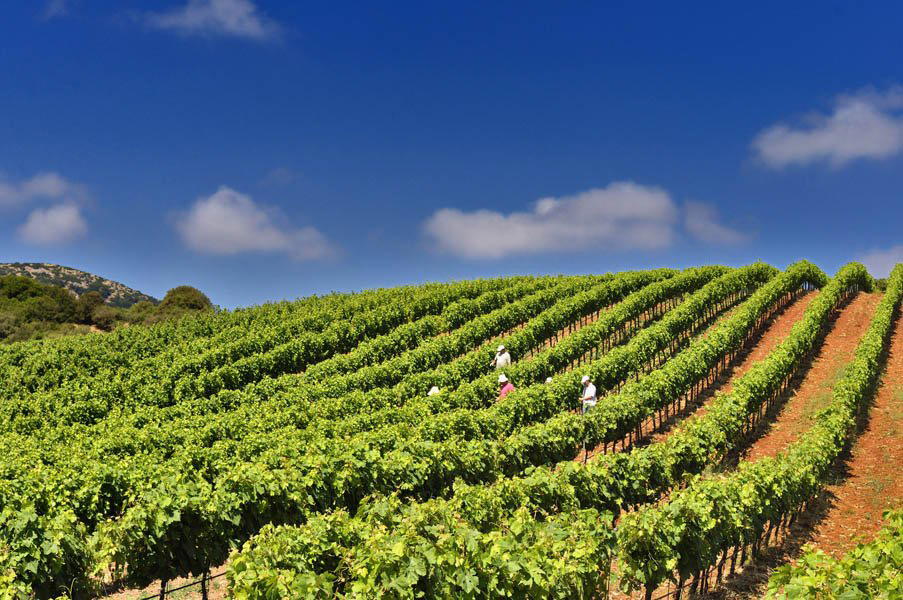
At a Glance
- Scenic
- Elegant
- Romantic
- Casual Hangout
- Date Night
- Waterfront
- Terrace
- Local Sourcing
- Waterfront
Current opening hours
- Monday
- 9 AM–1 AM
- Tuesday
- 9 AM–1 AM
- Wednesday
- 9 AM–1 AM
- Thursday
- 9 AM–1 AM
- Friday
- 9 AM–1 AM
- Saturday
- 9 AM–1 AM
- Sunday
- 9 AM–1 AM
Hours can change for holidays and private events. Last verified .
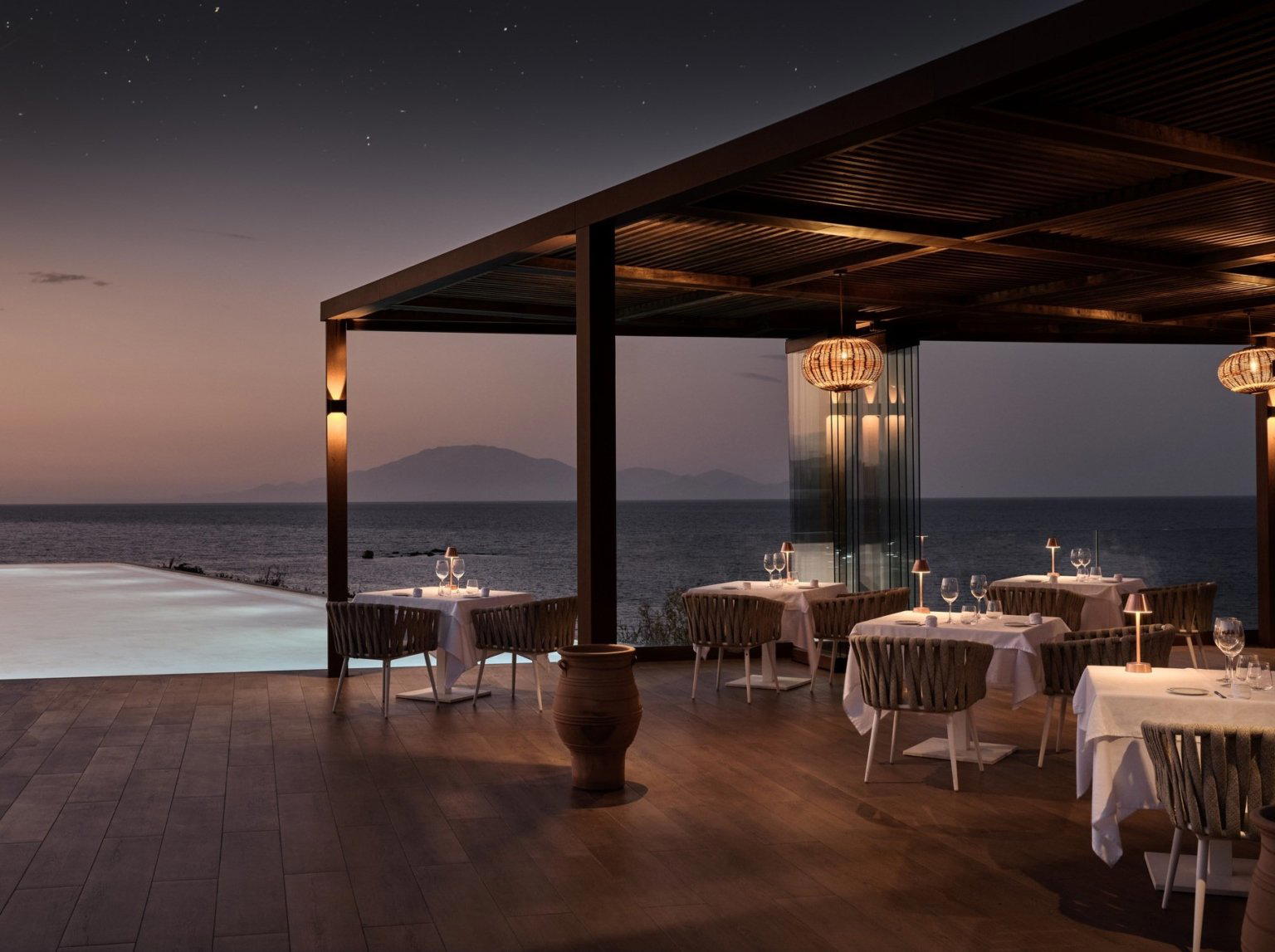
Elegant seaside setting with sunset views over the ocean, casual yet refined atmosphere suitable for daytime and evening dining.