Oikonomou sits in Athens's Petralona neighbourhood, a quarter where local tavernas have outlasted trends by sticking to what they know. The address on Kidantidon street places it within a dining culture that prizes continuity over novelty, making it a useful reference point for understanding how traditional Greek eating still operates away from the tourist-facing centre.
Pearl is the En Primeur Club membership app — saves, bookings, and concierge access live there. Same editors, same standards.
- Address
- Kidantidon 32, Athina 118 51, Greece
- Phone
- +302103467555
- Website
- tavernaoikonomou.gr
- Directions
- Get directions
 Saves & bookings on Pearl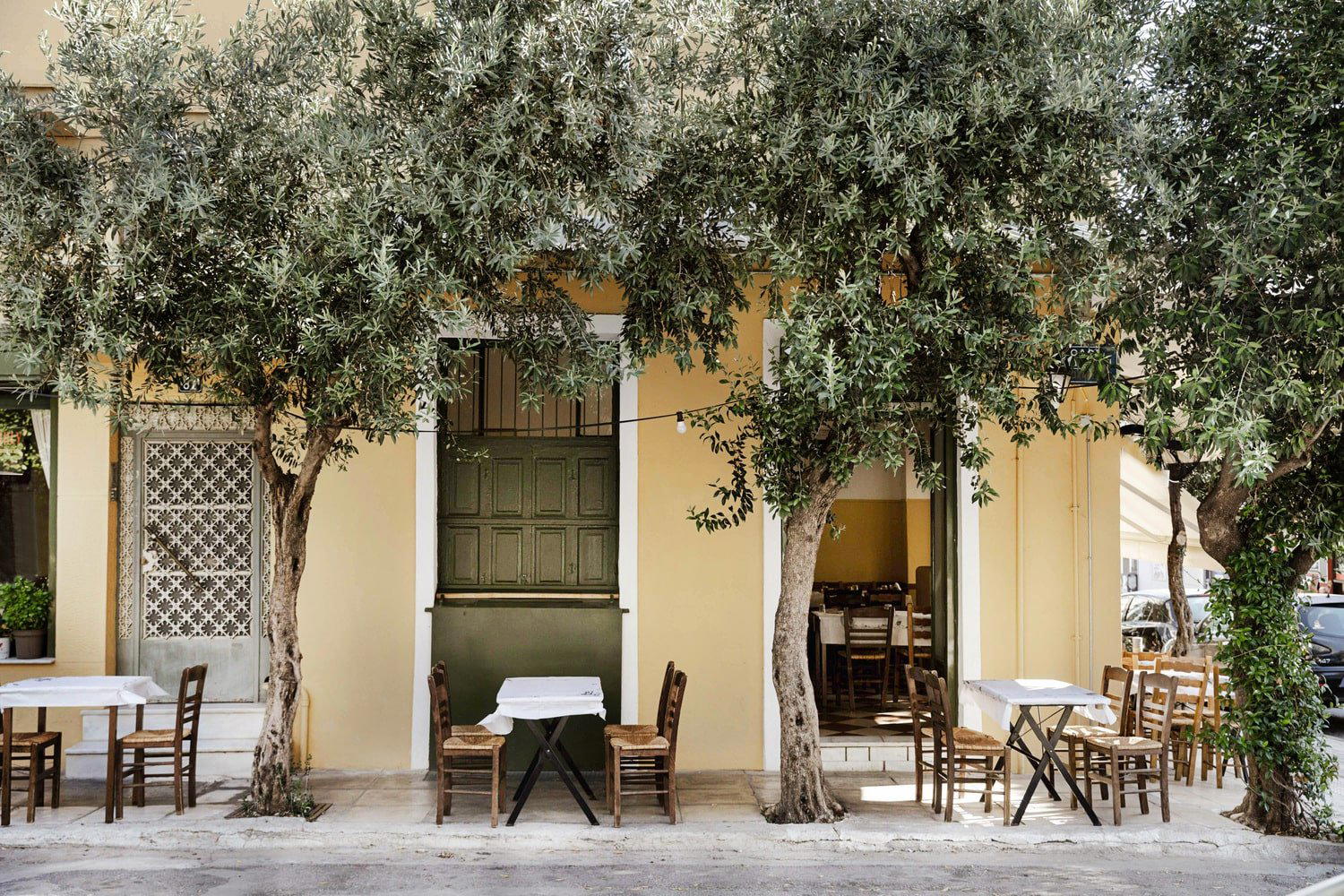
Where Petralona Still Sets the Terms
Athens has two dining cities running in parallel. One faces outward: the Michelin-tracked, Instagram-legible circuit of addresses like Delta, Hytra, and Botrini's, where contemporary technique and tasting-format menus drive the conversation. The other faces inward: neighbourhood rooms in Petralona, Kypseli, and Koukaki that operate on rhythms set by regulars, not by review cycles. Oikonomou, at Kidantidon 32 in the 118 51 postcode of Petralona, belongs to the second city. That distinction matters when you are trying to understand what Athens actually eats, rather than what Athens performs for visitors.
Petralona sits southwest of the Acropolis, between Thissio and Kallithea, close enough to the centre to be convenient but sufficiently removed from the Monastiraki and Plaka tourist corridors to maintain its own character. The streets here are residential in a working sense: dry cleaners, small supermarkets, kafeneions with chairs on the pavement by eight in the morning. A taverna in this neighbourhood earns its clientele through repetition and reliability, not through seasonal press previews.
The Greek Wine Question and How Tavernas Answer It
Athens's premium dining rooms have spent the last decade rebuilding the case for Greek wine, and they have done it well. The sommelier programs at places like Hervé and Makris Athens have introduced Assyrtiko aged in oak, old-vine Xinomavro from Naoussa, and Agiorgitiko from Nemea to a diner who might previously have reached for French or Italian bottles. That curatorial work at the fine-dining end has a parallel, less-discussed effect on the neighbourhood tier: the broader legitimacy it lends to Greek producers makes even a modest taverna list more interesting to read in 2024 than it would have been in 2004.
Traditional Athenian tavernas typically approach wine in one of two ways. The first is the barrel-and-carafe model, where house wine arrives in metal jugs or small ceramic pitchers, drawn from large barrels of local or regional production, priced by the kilo or the half-litre. This is the older tradition, and Petralona has historically been one of the neighbourhoods where it survives. The second approach involves a short printed list of mostly Greek bottles, often weighted toward whichever producer the owner has a relationship with. Neither approach aspires to the cellar depth of Atomix or Le Bernardin, but that is precisely the editorial point: in a taverna context, curation means restraint and regional specificity, not breadth.
What can be said is that a taverna of this type, in this neighbourhood, sits within a tradition where wine is treated as a daily staple rather than a destination category, and where the question of pairing is answered by geography before it is answered by variety.
What the Address Tells You About the Food
Kidantidon 32 is not a destination-dining address in the way that, say, a table near the Acropolis museum or on the rooftop circuit of Syntagma would be. It is a street address in a residential quarter, which in Athenian dining terms signals something specific: the kitchen will be cooking for people who eat there regularly, not for people arriving with expectation-management checklists. That pressure, or rather the absence of it, produces a different kind of cooking.
Traditional Athenian taverna menus are structured around a logic that predates the modern restaurant format. Cold starters, called mezedes, arrive first and are designed to accompany wine or ouzo rather than to function as a sequential course. Cooked dishes follow, typically braises, grilled meats, or oven-baked preparations like moussaka or pastitsio, depending on the day of the week and what the cook decided to prepare that morning. The menu is often partially verbal: a waiter recites what is available rather than handing over a laminated card. This is not a quirk; it is a system that respects the cook's judgment about what is good that day.
For diners accustomed to the format of tasting menus and printed wine pairings at addresses like Hytra, the taverna logic requires a different approach. You ask what is ready. You order more than you think you need, because the dishes are meant to accumulate on the table rather than arrive in sequence. You share everything. This is the format that most of the city's population uses most of the time, and understanding it changes how you read the Athens dining scene overall.
Petralona in the Wider Athens Context
The neighbourhood taverna tradition that Oikonomou represents connects to a broader pattern visible across the Attica region. From Alykes in Palaio Faliro to Jimy's Fish in Piraeus and Lake Vouliagmeni in Vouliagmeni, the coastal and suburban fringe of Athens maintains a dining culture grounded in locality and regularity. The same applies across the Greek islands: Lure Restaurant in Oia, Aktaion in Firostefani, Feredini in Santorini, and Cacio e Pepe in Thira Municipality each operate within a different version of that same local-first logic, adapted to their specific geography and clientele.
What Petralona offers that those coastal addresses do not is a specific urban density. The neighbourhood's residents are not seasonal, and neither are the tavernas that serve them. A room like Oikonomou builds its reputation over years of consistent weekday lunches and Sunday meals rather than through summer peaks and off-season closures. That continuity is its own credential in a city where the dining press is understandably more attentive to the contemporary end of the spectrum, covered at length in our full Athens restaurants guide.
Planning a Visit
Petralona is walkable from Thissio metro station on Line 1, and Kidantidon 32 is a few minutes on foot from that stop. The neighbourhood's tavernas typically fill for lunch between one and three in the afternoon and for dinner from eight onwards, with the later seating often the more animated. Phone details and a website are not currently listed in available records for Oikonomou, which means arriving in person or asking locally is the practical option for confirming hours and availability. For broader planning across the city, the comparison tier of addresses like Cash in Kifisia or Beauvoir in Katakolo and Knossos Greek Taverna in Gouves illustrates how differently the taverna format reads depending on its setting. In Petralona, it reads as daily life rather than as attraction, and that is the point.
How Oikonomou Athens compares with similar nearby venues.
| Venue | Cuisine | Price |
|---|---|---|
| Hervé | Modern Cuisine | €€€ |
| Cerdo Negro 1985 | Mediterranean Cuisine | €€ |
| Merceri | Greek | €€ |
Continue exploring
More in Athens
Restaurants in Athens
Browse all →
Bars in Athens
Browse all →
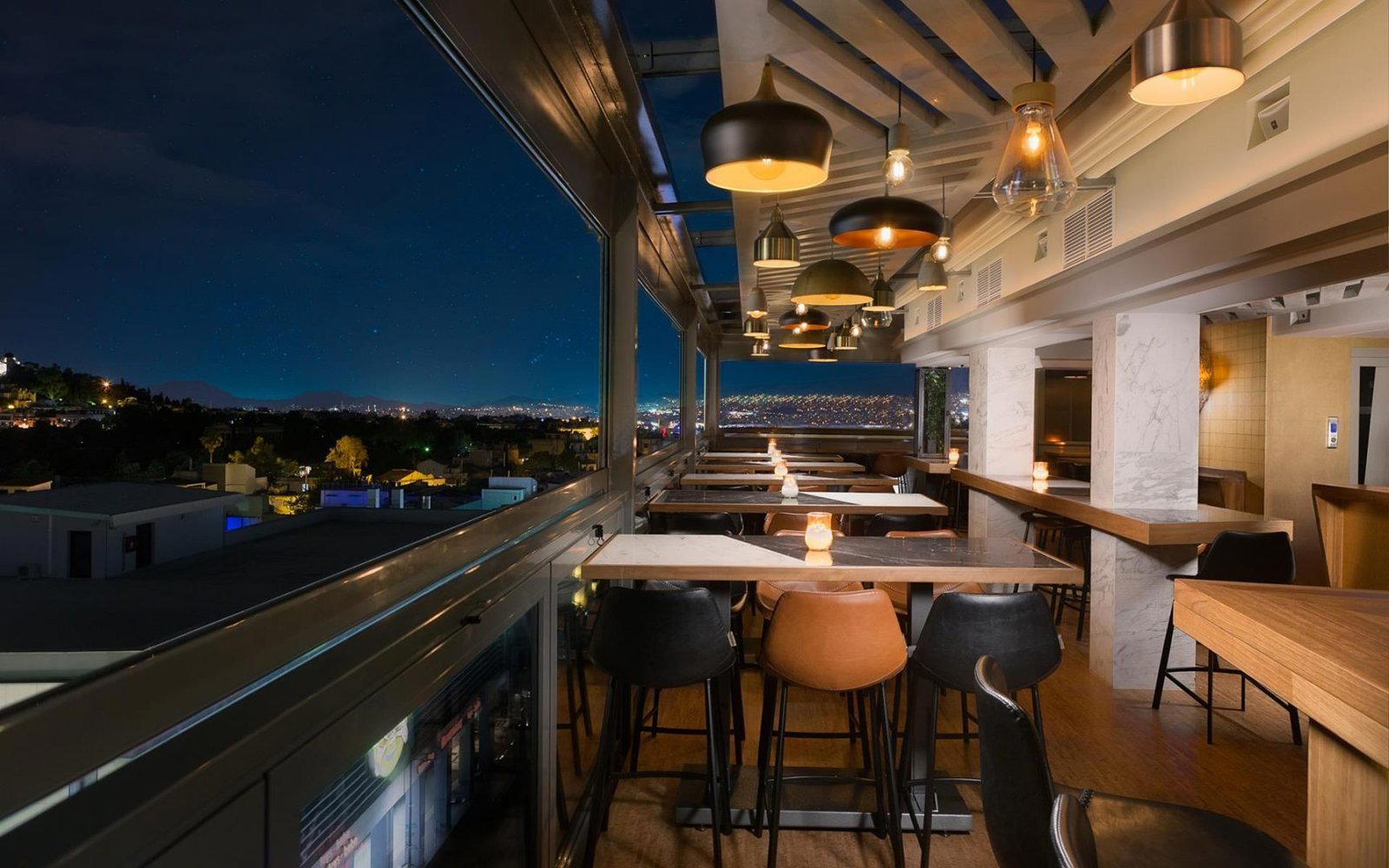
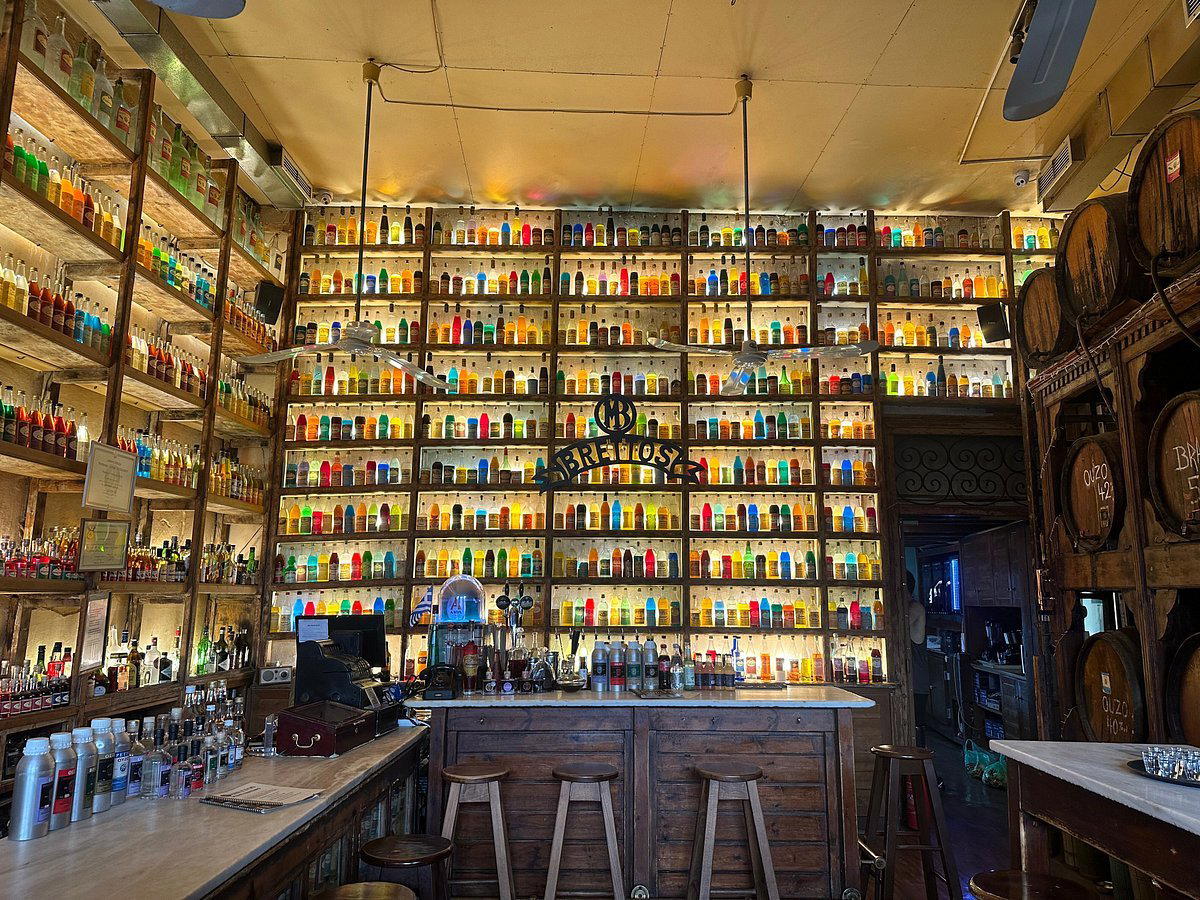
Hotels in Athens
Browse all →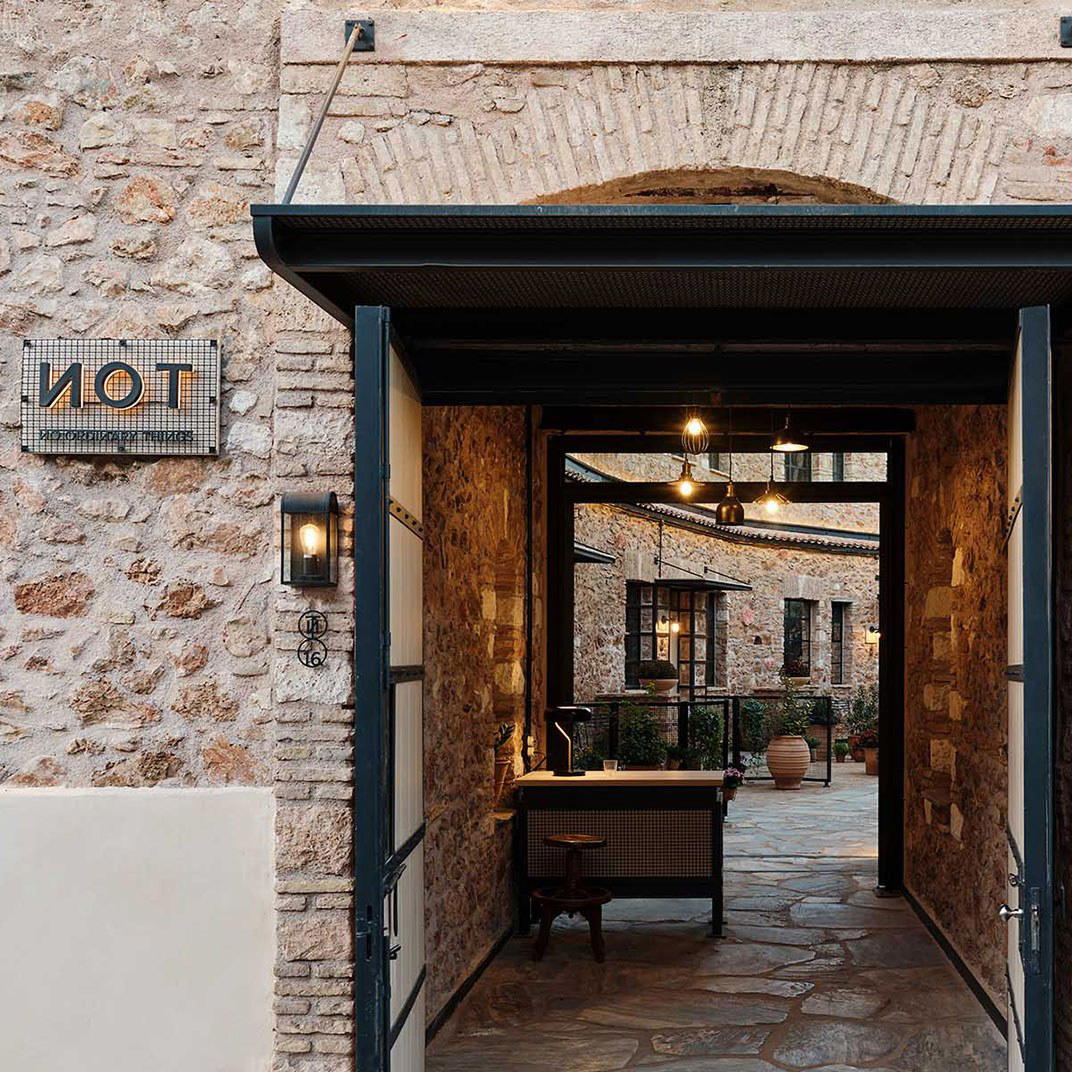

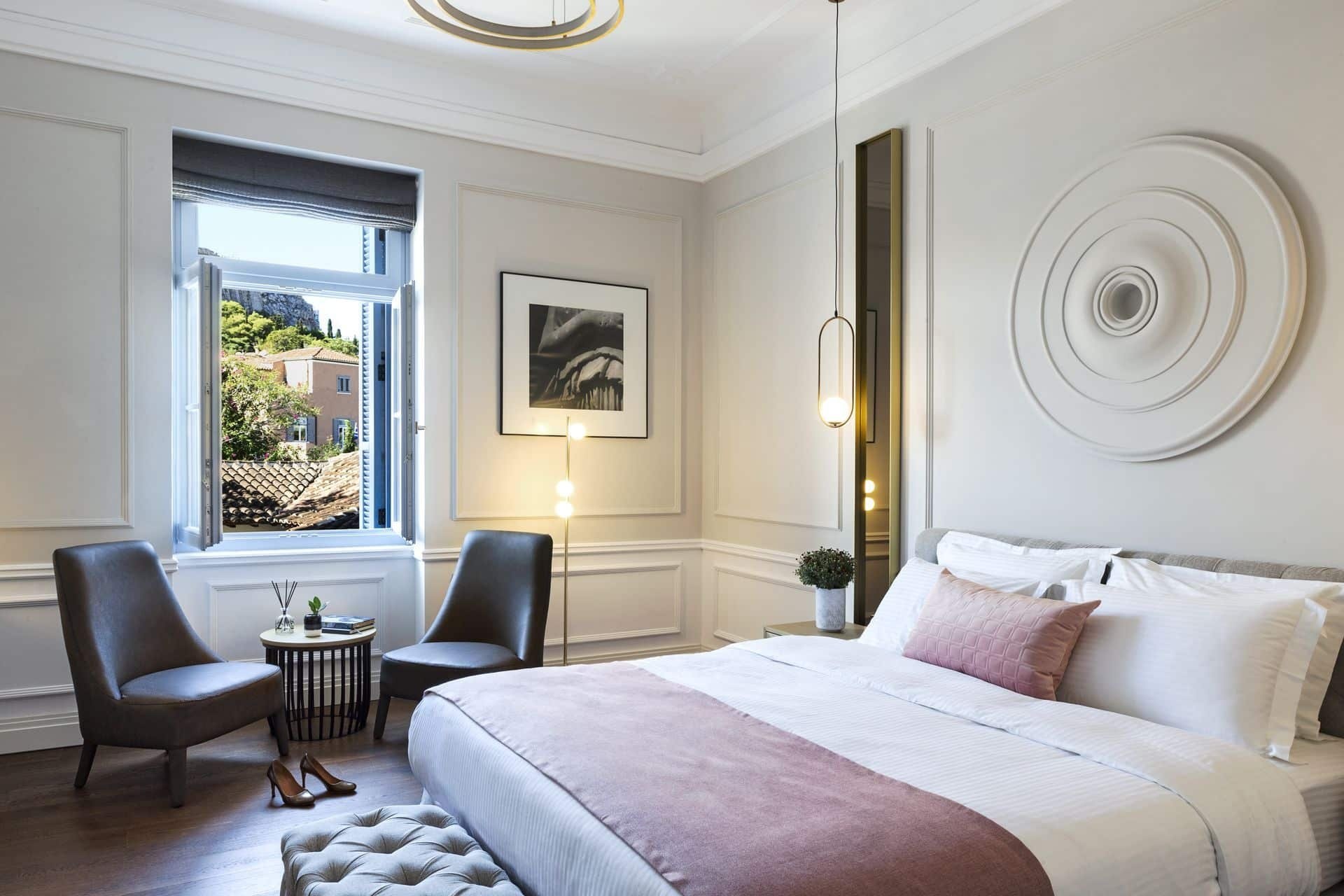

At a Glance
- Cozy
- Classic
- Rustic
- Casual Hangout
- Family
- Historic Building
- Extensive Wine List
- Local Sourcing
Current opening hours
- Monday
- 1 PM–12 AM
- Tuesday
- 1 PM–12 AM
- Wednesday
- 1 PM–12 AM
- Thursday
- 1 PM–12 AM
- Friday
- 1 PM–12 AM
- Saturday
- 1 PM–12 AM
- Sunday
- 1 PM–12 AM
Hours can change for holidays and private events. Last verified .
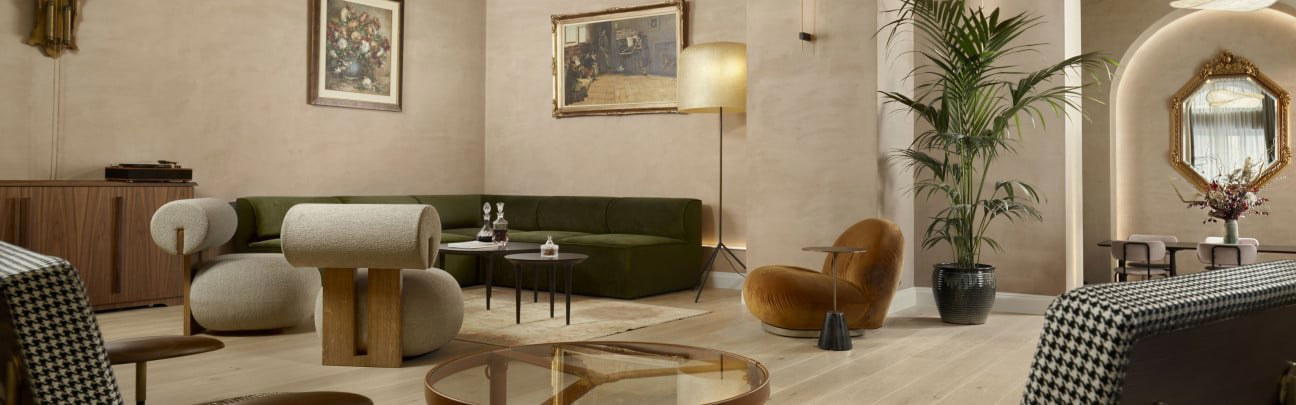
Warm, inviting, and cozy with white tablecloths, retro chairs, and checkered floors evoking traditional Greek taverna charm.