
Falstaff Winery - Listed
Aoton Winery operates from Peania, a municipality on the eastern edge of the Attica basin with a wine-producing tradition older than its proximity to Athens might suggest. For those tracing Attica's emerging fine-wine identity, Aoton represents a point of reference worth understanding.

Pearl is the En Primeur Club membership app — saves, bookings, and concierge access live there. Same editors, same standards.
- Address
- Ioannou Chatzikiriakou 13, Peania 190 02
- Phone
- +302106642347
- Website
- aoton.gr
- Directions
- Get directions
Wine at the Edge of Athens: The Attica Question
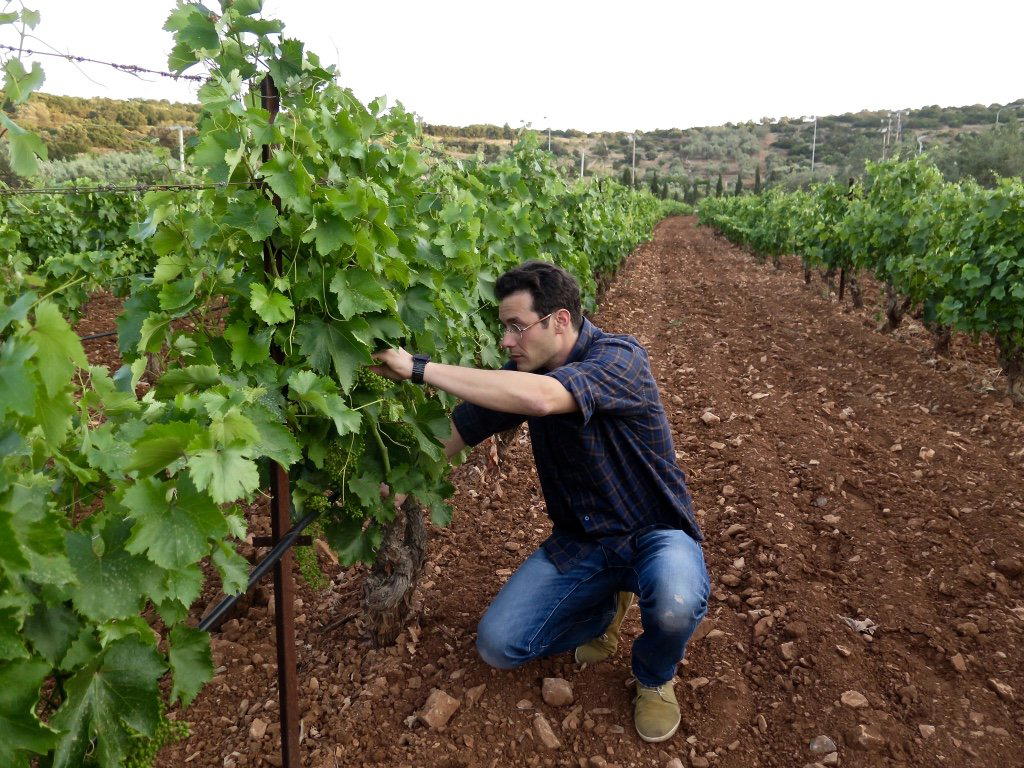
Greece's wine conversation tends to open with the islands — Santorini's Assyrtiko on volcanic pumice, Naoussa's Xinomavro in Macedonia's mountain shadow — and the mainland often gets framed as supporting cast. Attica complicates that reading. The region surrounding Athens has produced wine since antiquity, and Peania, a municipality on the eastern flank of the basin beneath Mount Hymettus, sits within a microclimate that the city proper never quite expresses: drier winds, limestone-threaded soils, and an elevation shift that slows ripening relative to the coastal plains.
What Peania's Terroir Actually Delivers
The Attica basin is not a single terroir but a gradient. Closer to the coast, temperatures stay refined and the maritime influence softens acidity. Move toward the eastern slopes of Hymettus and conditions change materially: the mountain acts as a windbreak against summer Aegean gusts while the limestone substrates drain freely, concentrating stress on the vine and building structure in the fruit. Peania sits within this eastern corridor, which is why producers here tend to make wines with more spine than those from flatter, warmer plots closer to the urban sprawl.
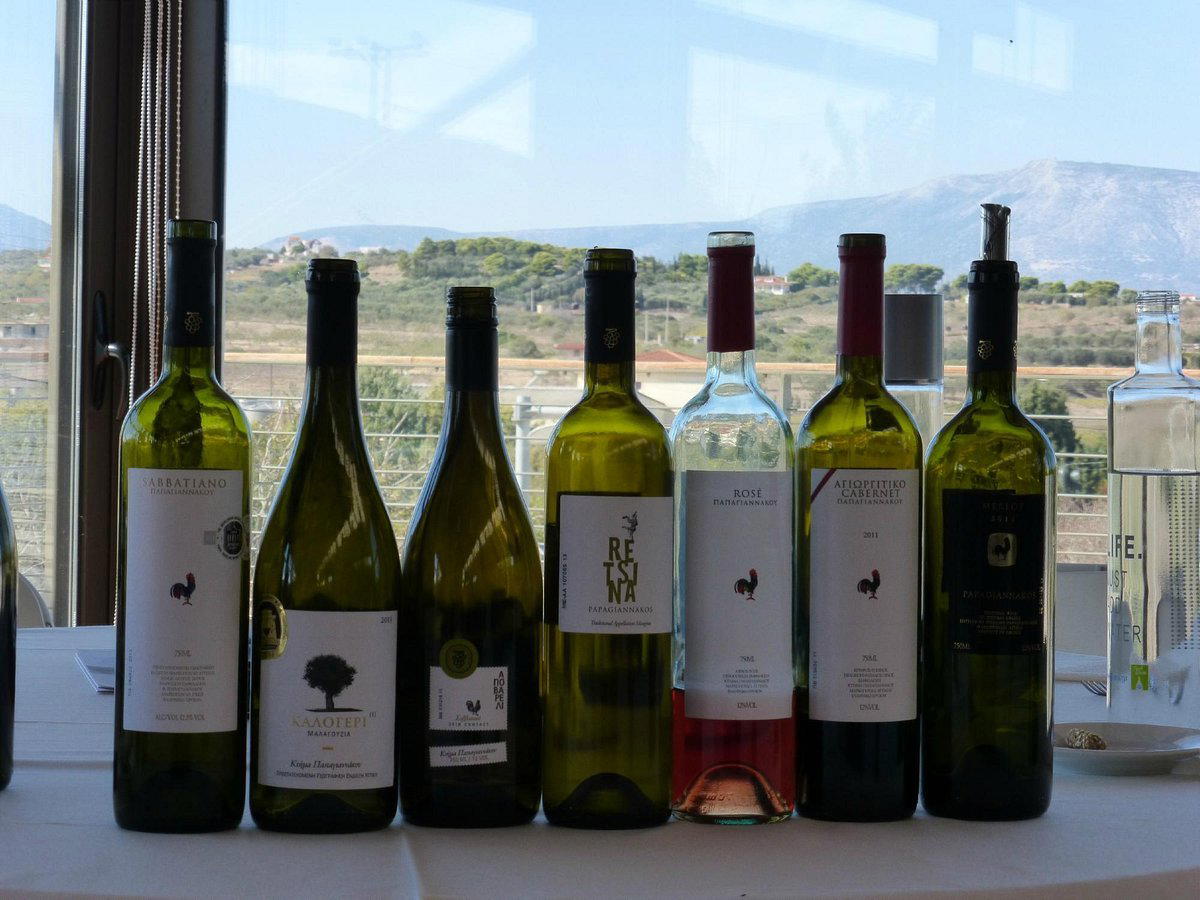
Greece's native variety portfolio is one of the widest in Europe, and Attica has historically been associated with Savatiano, a heat-tolerant white grape that covers more Greek vineyard area than any other variety. Savatiano's reputation suffered for decades because it was the backbone of retsina, Greece's resin-treated wine that served volume markets rather than quality signals. The contemporary reappraisal of Savatiano as a serious dry white, low-intervention, old-vine, terroir-expressive, is one of the more interesting reversals in Greek wine over the past fifteen years, and producers in Peania's refined plots are among those making the argument credible.
In the Greek wine scene, where formal international recognition has historically concentrated on a handful of island and northern mainland producers, an Attica winery holding a 2025 prestige-tier recognition is a meaningful data point, it suggests the winery is operating with quality discipline rather than simply benefiting from regional novelty.
For comparison within the Greek producer landscape, wineries like Alpha Estate in Amyntaio and Artemis Karamolegos Winery in Santorini operate in regions with more established international profiles, Amyntaio's Xinomavro and Santorini's Assyrtiko carry pre-existing critical frameworks. Aoton's position in Attica means it is making quality arguments without the automatic credibility those appellations provide, which makes the 2025 recognition more substantive, not less.
Attica's Positioning Within Greek Fine Wine
Greek fine wine in 2025 is not a monolith. The top tier is segmented by region, variety, and format. Santorini's basket-trained Assyrtiko commands the highest export prices and occupies the most column inches in international wine press. Macedonia's reds, Xinomavro from Naoussa and Goumenissa, Limnio from Chalkidiki, represent a different argument: age-worthiness, structural density, and a tannin profile that invites Barolo comparisons. Attica sits in a third position: proximate to a major consumer market in Athens, working with varieties that require re-education, and making quality claims that depend almost entirely on execution rather than inherited appellation prestige.
That positioning is both a constraint and an opportunity. Producers in Naoussa, for instance, including the Artisans Vignerons de Naoussa in Stenimachos, operate within a PDO framework with established rules and market recognition. Attica producers work with more flexibility but less automatic credibility. The winemaking decisions made by Peania producers are therefore more exposed: there is no appellation narrative to fall back on when a vintage underdelivers.
Other Greek producers working in different regional idioms include Avantis Estate in Chalkida, Anatolikos Vineyards in Xanthi, and Acra Winery in Nemea, each operating within distinct terroir and variety frameworks that illustrate how fragmented and geographically specific Greek wine quality has become. Understanding Aoton requires holding Peania's particular conditions in mind rather than defaulting to island or northern mainland reference points.
Getting to Peania
Peania is roughly 20 kilometres east of central Athens, accessible via the Attiki Odos and a short drive from Athens International Airport, which makes it one of the more logistically convenient wine destinations for visitors arriving in Greece and wanting producer-level access before heading into the city. The municipality is primarily residential and agricultural rather than tourist-facing, which means the experience of visiting a producer like Aoton is unlikely to involve the organized wine tourism infrastructure of, say, Santorini or Nemea. For broader Peania and greater Athens dining and drinking context, our full Peania restaurants guide covers the area in more depth.
How Aoton Fits the Broader Winery Map
For those building a picture of Greek wine beyond the headline appellations, Attica producers like Aoton sit alongside a wider set of regional operators that reward attention. Aiolos Winery in Palaio Faliro works in a coastal Attica setting with its own distinct conditions. The historic Achaia Clauss in Patras represents an older model of Greek wine production oriented toward volume and heritage. Newer producers like Abraam's Vineyards in Komninades and Akrathos Newlands Winery in Panagia represent a wave of small-scale producers making quality arguments in less obvious regions. Internationally, the contrast between Greek regional producers and technically sophisticated operations like Accendo Cellars in St. Helena underscores how different the quality frameworks can be across wine cultures, and why regional context matters as much as any single rating.
What that recognition points to, in Peania's specific terroir context, is a producer worth tracking as Attica's serious wine identity continues to develop.
A Quick Peer Check
Comparable venues nearby, for context on price, style, and recognition.
| Venue | Cuisine | Awards | Notes |
|---|---|---|---|
| Aoton WineryThis venue — the venue you are viewing | Savatiano, Mandilaria | Falstaff Winery - Listed | Not listed |
| Zefyros Distillery | Winery | Not listed | Athens |
| Polykala Distillery | Winery | Not listed | Kentrikos Tomeas Athinon |
| Ktima Tselepos | Moschofilero, Agiorgitiko | Falstaff Winery - Listed | Mantinia |
| Tsiperoglou Distillery | Winery | Not listed | Athens |
| Avantes Distillery | Agios Cronos, Collections | Not listed | Mitikas |
Recognition history
Dated appearances from independent guides and award organizations, with the underlying list record or original source where available.
Falstaff Winery - Listed
Falstaff




Details
- Rustic
- Classic
- Intimate
- Wine Education
- Solo Exploration
- Estate Grounds
- Private Tasting
- Organic
- Vineyard
- Mountain
- Savatiano
- Mandilaria
- Roditis
- Cabernet Sauvignon
- Malagouzia
- Merlot
- Still White
- Still Rosé
- Private Tasting
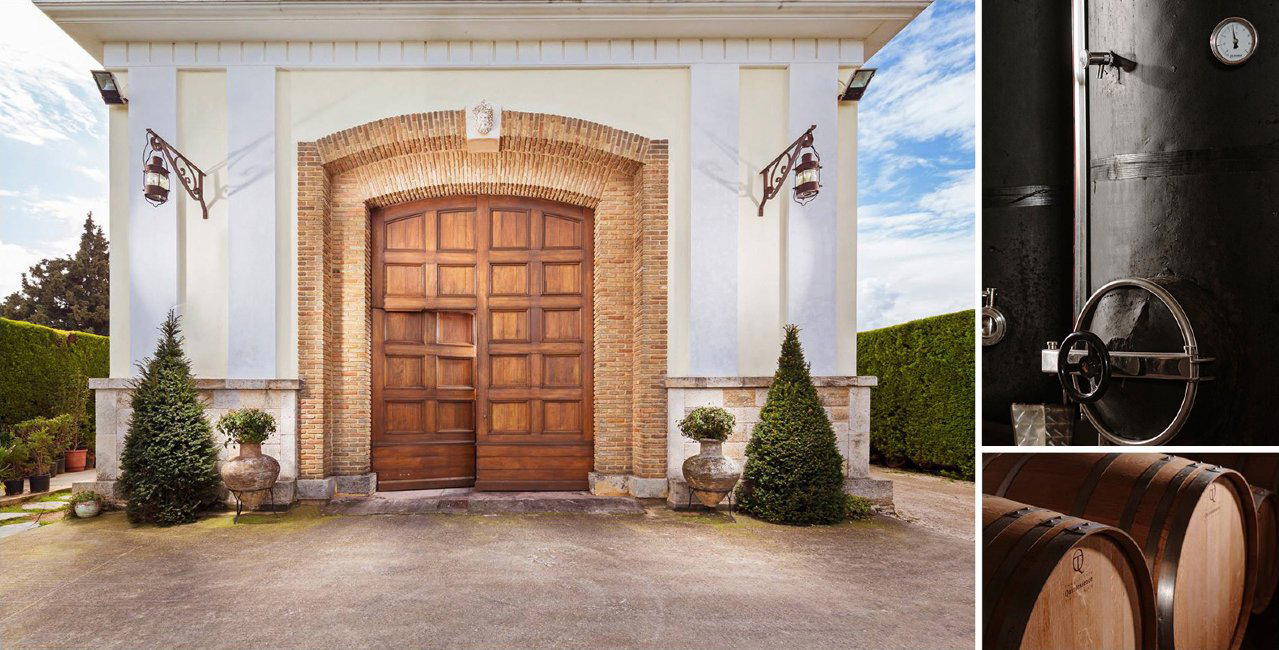
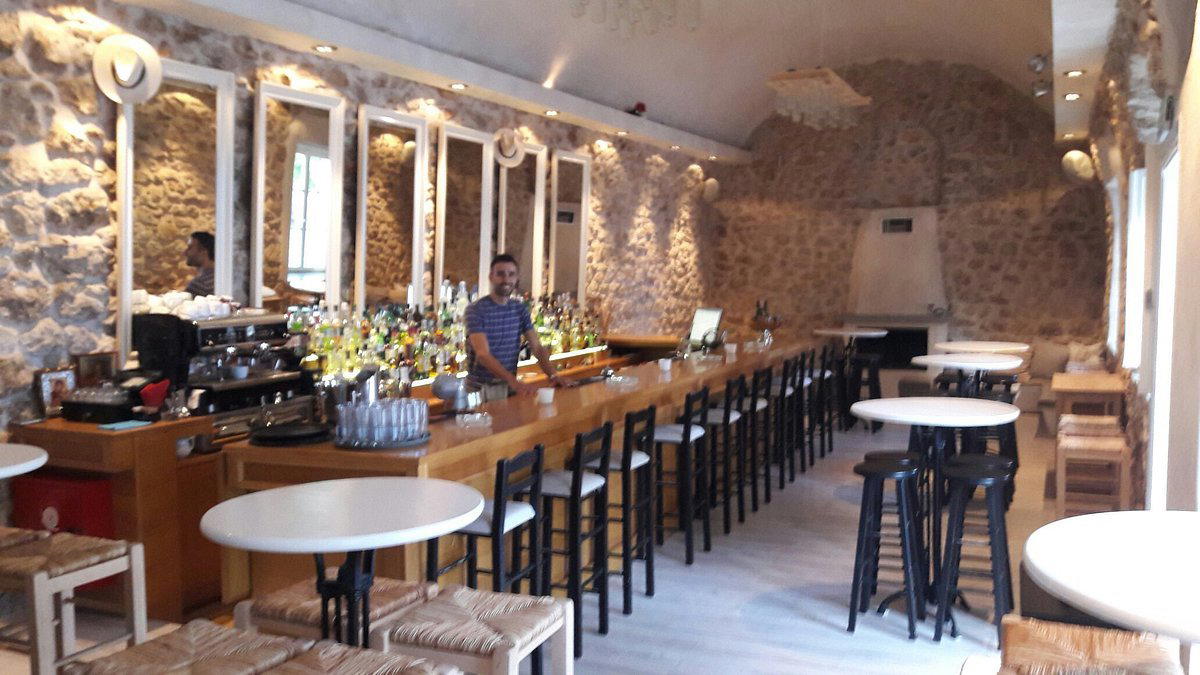
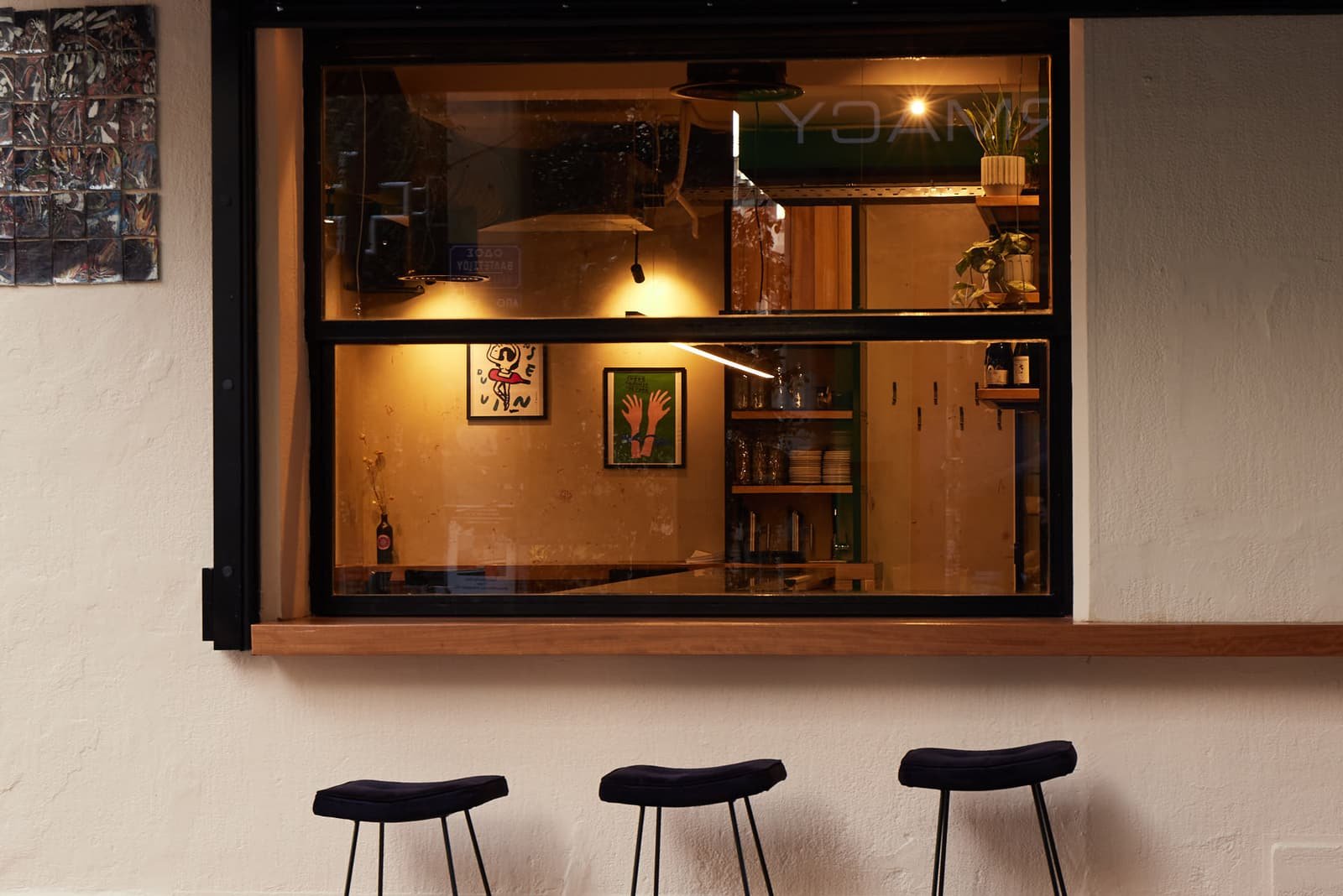
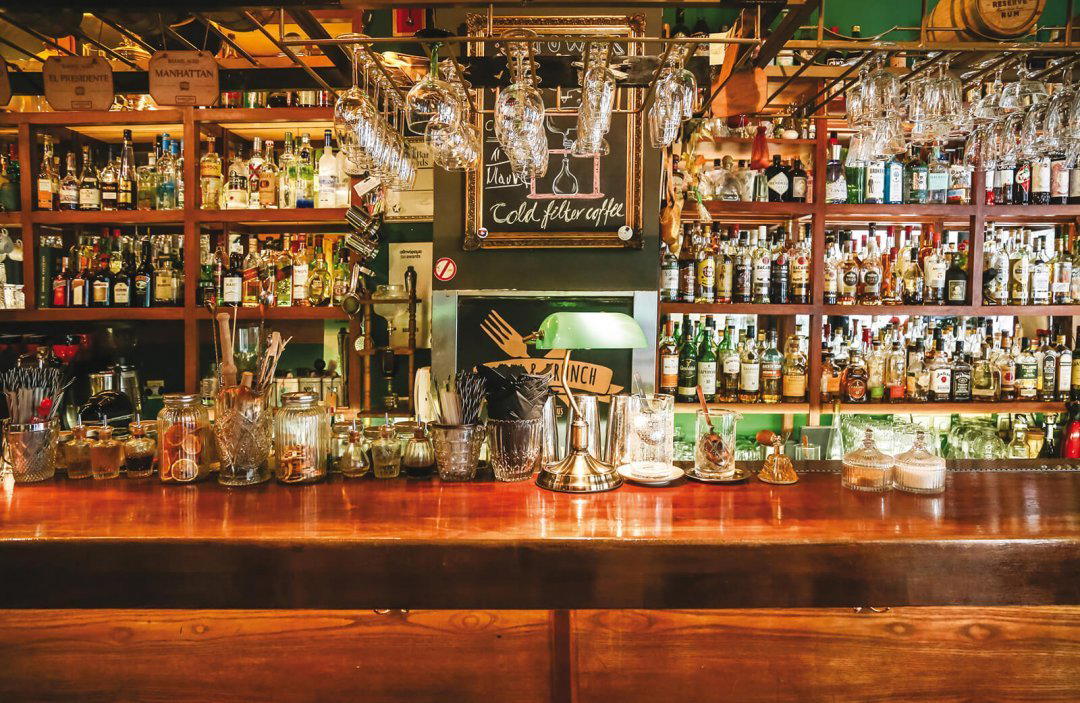
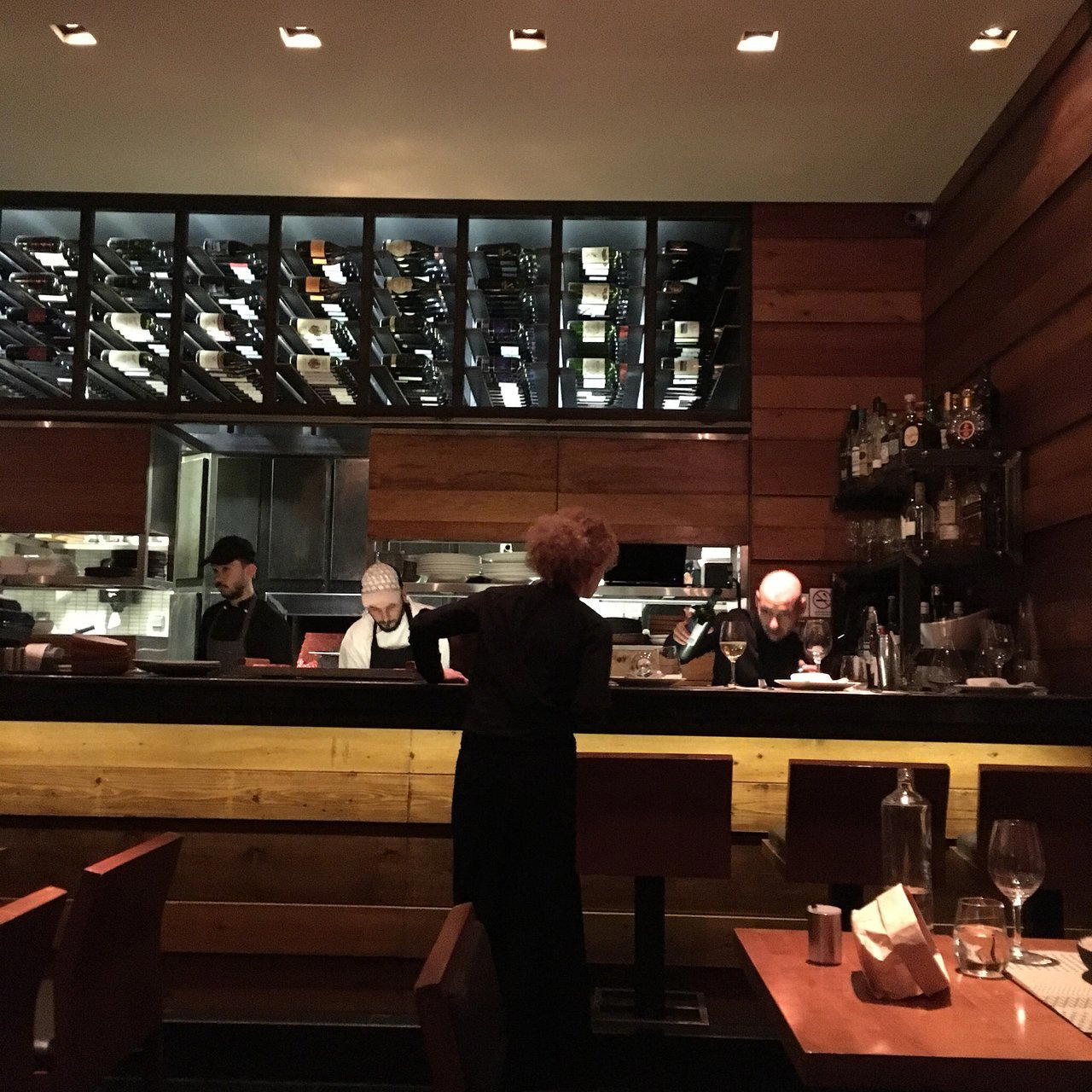
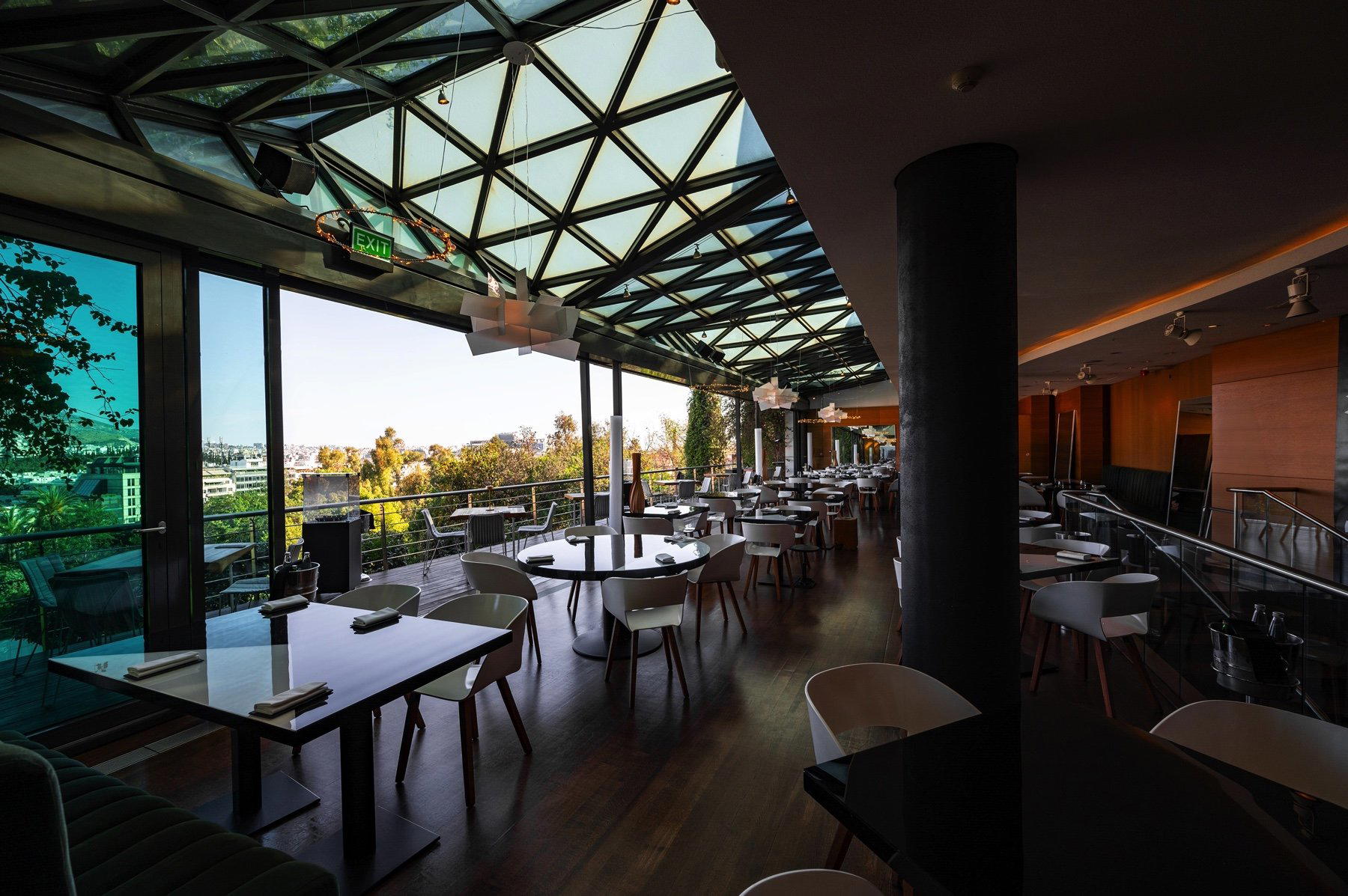
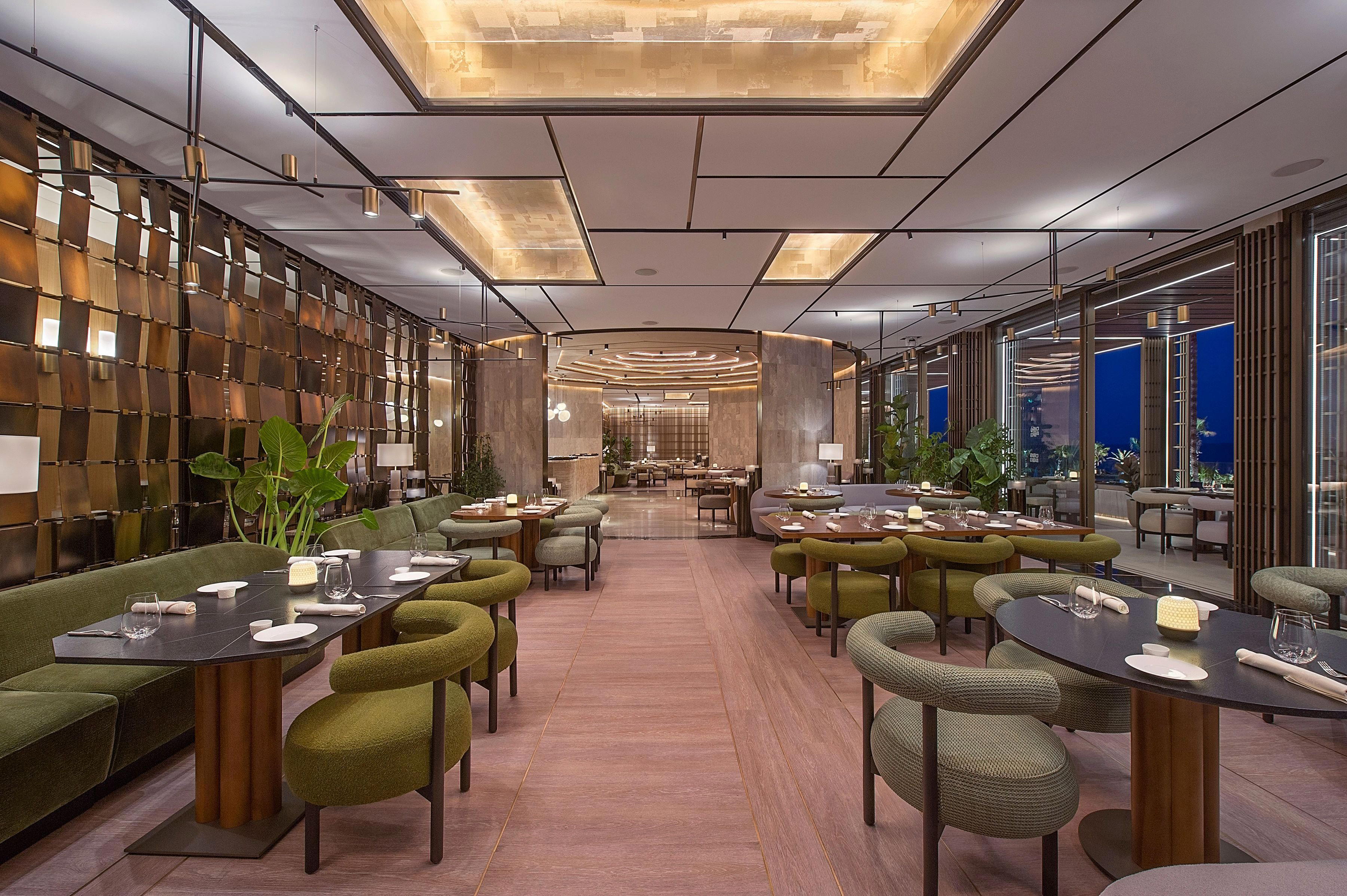
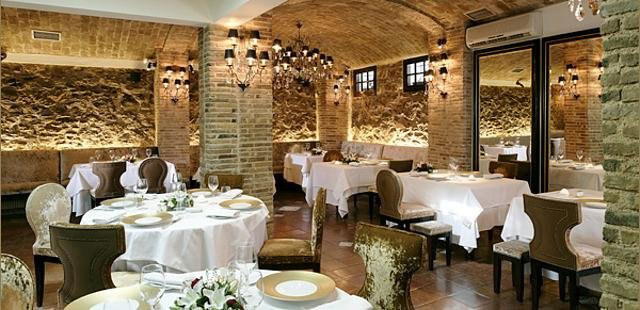
Cozy and authentic atmosphere bridging ancestral heritage and contemporary craftsmanship in a historic family winery setting.