




1 Michelin Star · Star Wine List · Falstaff Restaurant - 94 Falstaff Points
Our verdict
A Michelin-starred address in Halandri, a northern suburb of Athens, Botrini's operates at the intersection of Greek tradition and Italian influence, shaped by the dual heritage of chef-owner Ettore Botrini. Two tasting menus trace a route between the Ionian coast and Tuscany, set inside a converted school with an open-view kitchen and a chef's table. The restaurant holds a Michelin star (2024) and ranks 227th on Opinionated About Dining's Classical in Europe list.

Pearl is the En Primeur Club membership app, where members save venues, book tables and use the concierge.
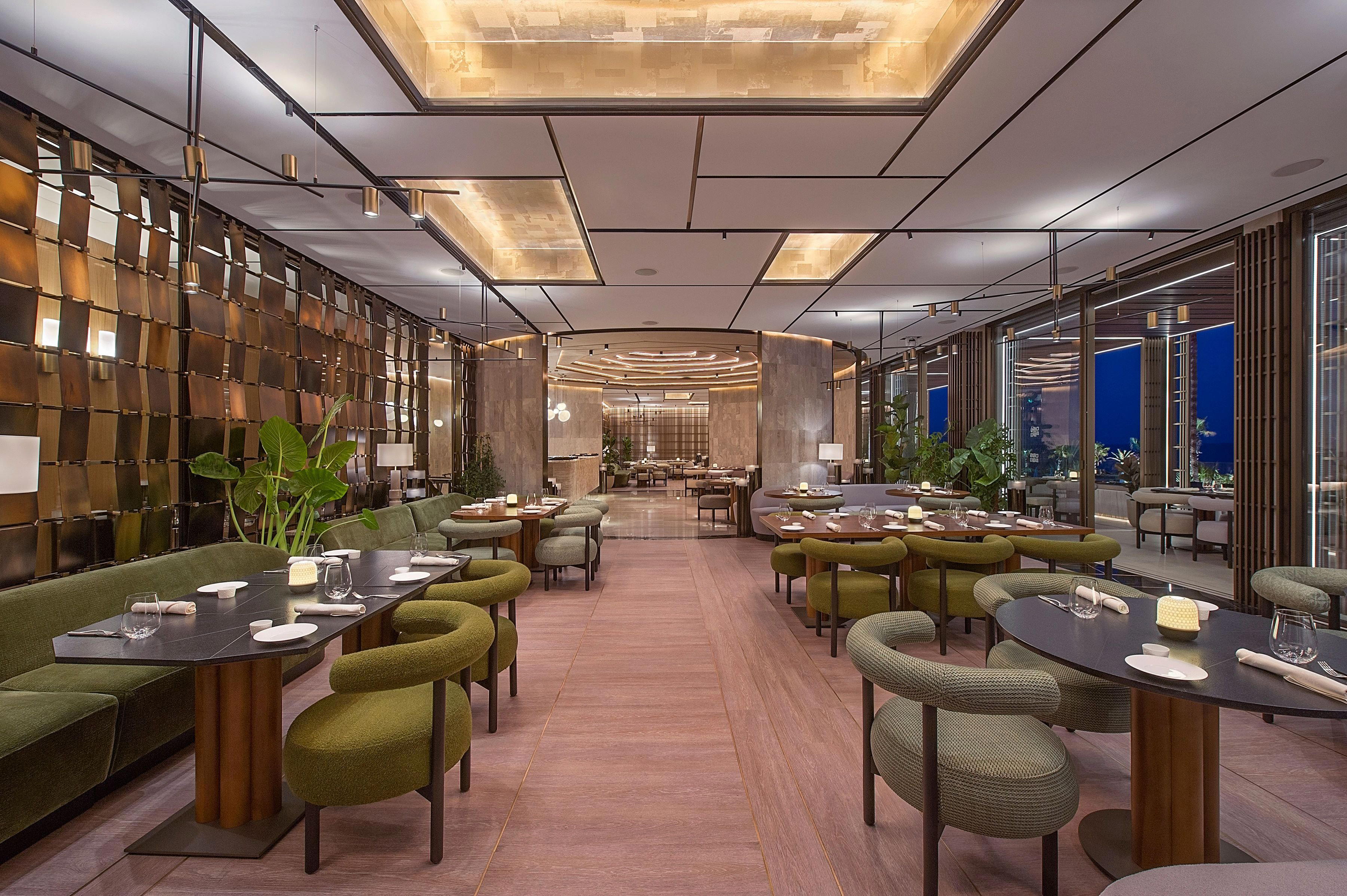
The menu
What to order
- Pappardelle with duck and truffle
- Slow-cooked lamb
- Carbonara of the sea
A Former School on the Northern Edge of Athens
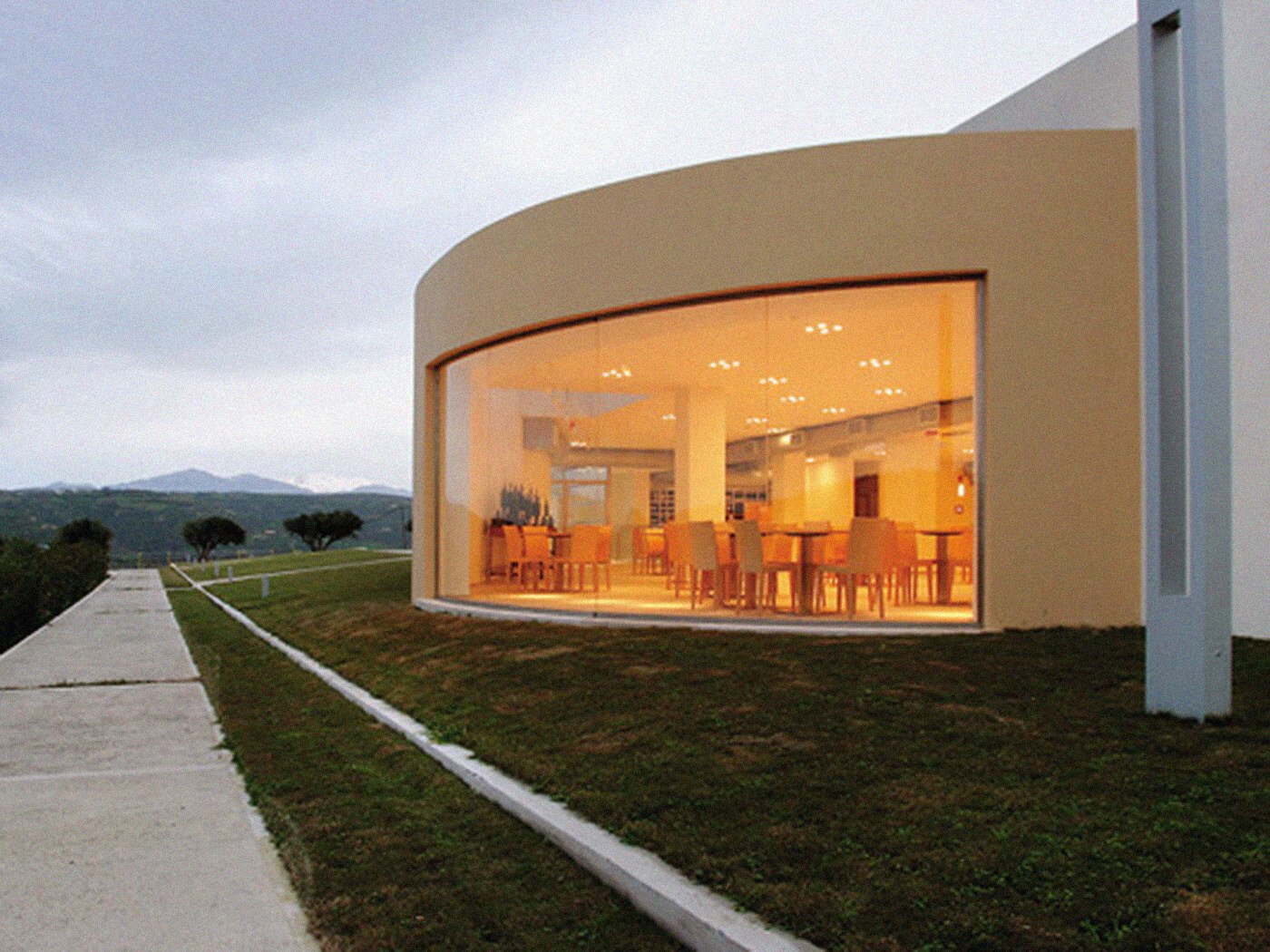
Athens's fine dining circuit has long concentrated itself within the central districts, but the suburb of Halandri, roughly seven kilometres north of Syntagma, has quietly established a different kind of credential. The neighbourhood is residential in character, quieter than Kolonaki or Psyrri, and the address on Leoforos Vasileos Georgiou reads more like a private dinner invitation than a restaurant destination. The building that houses Botrini's was once a school, and the conversion preserves something of that proportioned, deliberate architecture: high ceilings, structured space, a sense that the room was built for concentration rather than spectacle.
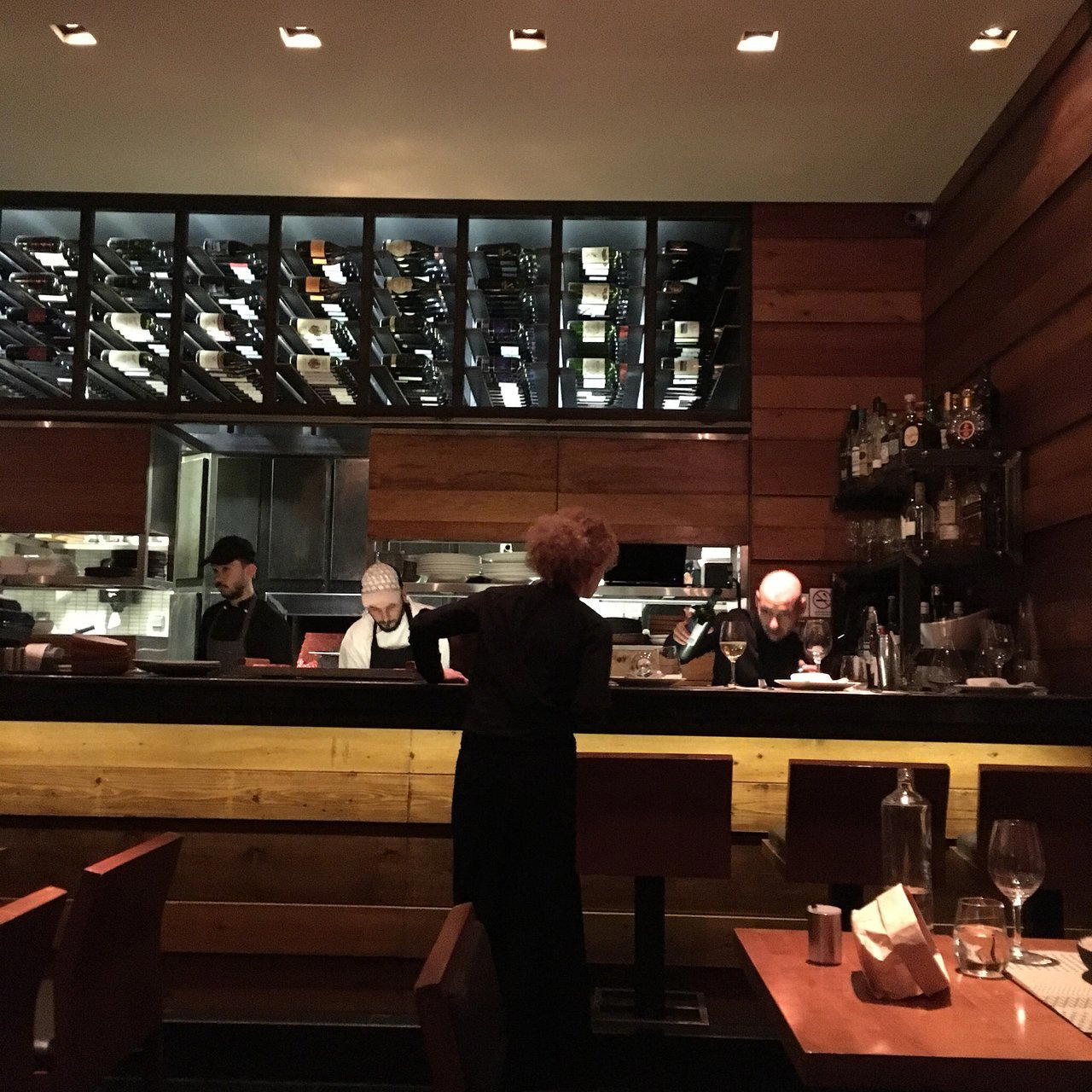
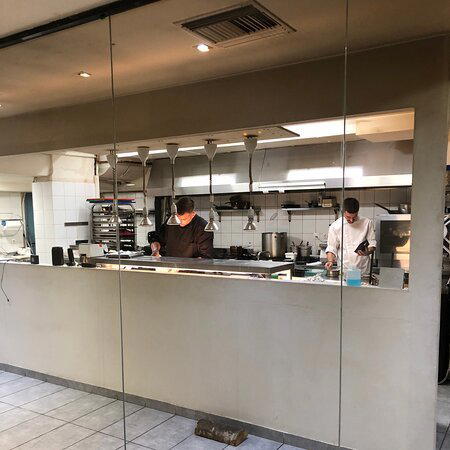
Inside, the dining room is formal without being stiff. An open-view kitchen anchors the room, placing the mechanics of production in plain sight, a signal that the kitchen's confidence in its technique is the décor. A chef's table option sits closer to the action for guests who want direct engagement with the cooking process. When Athens's weather allows, an outdoor terrace extends the space further, shifting the register from interior precision to something more relaxed. These three modes, main dining room, chef's table, terrace, let the same kitchen operate across different social temperatures on the same evening.
The Pull Between Greece and Italy
Contemporary Greek fine dining in Athens occupies a small but increasingly defined tier. At the leading end, restaurants like Hytra have built reputations on modern Greek identity expressed through refined technique, while Delta and Hervé approach contemporary European cuisine from Athens with similarly serious kitchens. Botrini's operates in that same price bracket, the €€€€ tier, shared with Spondi and Tudor Hall, but its editorial identity is different. The kitchen is defined by a dual geographical inheritance: the Greek islands (specifically Corfu and the plains of Thessaly) and Tuscany. That pairing isn't cosmetic. It shapes how the menu reads, how the vegetable-forward instinct of Italian countryside cooking grafts onto the brininess and herb-intensity of Greek island tradition.
Chef Ettore Botrini, who holds Greek-Italian heritage and is among the more publicly recognised figures in Athens's culinary scene, leads the kitchen alongside chef Nikos Billis and chef Ilias Ntoukas. Their collective approach foregrounds Greek roots and nostalgia for ingredient provenance, but the execution is unmistakably fine dining in register. The Opinionated About Dining Classical in Europe list placed Botrini's at number 227 in 2024, having already recommended it in 2023, a trajectory that suggests growing peer recognition rather than a single moment of notice.
Two Menus, Two Registers of the Same Story
The menu structure at Botrini's divides into two tasting formats, Peripatos (meaning a walk, or a peripatetic journey) and Taksidi (meaning a trip), with the option to add supplementary dishes to either. This architecture is common to Michelin-starred counters across Europe, but the naming here is deliberate: both words describe movement through landscape, which tracks with the restaurant's stated interest in tracing ingredients through geography and memory. Neither menu is publicly itemised in fixed form, which reflects the tasting-menu convention of seasonal evolution.
What the kitchen emphasises publicly is the balance between land and sea, and an increasing confidence with vegetables. The plant-forward direction isn't a concession to dietary preference but a cooking position: the kitchen appears to treat vegetables as a primary medium for creativity, with meat, fish, and dairy entering as considered additions rather than structural requirements. This puts Botrini's in a different register from the seafood-heavy traditions of many Greek fine dining addresses. The Aegean coast dominates a large portion of Athens's premium restaurant menus; an interior, terroir-conscious approach is rarer.
For readers familiar with the comparative frame, this approach has parallels with how certain New York kitchens have moved away from protein-centred luxury: Le Bernardin in New York City built its reputation on precise single-product focus, while Atomix integrates Korean produce traditions into fine dining structure. The plant emphasis at Botrini's is similarly a philosophical position, not a menu category.
The Michelin Recognition and What It Signals
Botrini's holds one Michelin star as of the 2024 guide, placing it in the middle band of Athens's starred restaurant tier. For context, the Athens Michelin Guide has expanded its coverage in recent years, with the city now supporting a cluster of starred addresses. Within that cluster, the one-star level includes restaurants working in distinct idioms, from the modernist Greek cooking at Makris Athens to the produce-led menu at Patio. Botrini's Michelin recognition is reinforced by its OAD Classical in Europe ranking (227th, 2024), which is a different evaluative framework: OAD rankings are sourced from peer and expert votes rather than inspector visits, which means the restaurant has earned recognition across two methodologically distinct systems.
For the Athens food scene, which has historically been underrepresented in international critical rankings relative to its actual quality, this kind of dual placement carries weight.
Greece Beyond Athens: A Wider Network
Botrini's Halandri location makes it an Athens restaurant in address but a Greek restaurant in identity, drawing its ingredient and cultural logic from a much wider geography. For visitors structuring a broader Greek itinerary around serious eating, the country's restaurant map extends well beyond the capital. On Santorini, Aktaion in Firostefani and Koukoumavlos in Fira offer different expressions of island fine dining; Lycabettus in Oia sits at the caldera's edge with its own particular register. In Mykonos, Almiriki operates within the island's more cosmopolitan restaurant mode. For Halkidiki, Avaton Luxury Beach Resort represents the resort dining tier. And for a direct echo of the Italian-Greek identity thread that runs through Botrini's kitchen, Etrusco in Kato Korakiana on Corfu, notably one of the geographic references in Botrini's own culinary biography, makes for an instructive comparison.
Planning a Visit
Botrini's operates Tuesday through Saturday, opening at 7 PM and closing at midnight, with Monday and Sunday closed. The evening-only format is standard for this tier of Athenian fine dining, and the late closing time aligns with the city's broader dining rhythm, where tables in leading restaurants rarely feel pressured before 9 PM. The Halandri location sits north of central Athens and is most comfortably reached by taxi or rideshare; the address on Leoforos Vasileos Georgiou B is direct to find but is not walkable from the central hotel zones. Booking in advance is advisable, particularly for weekend sittings and for the chef's table. The €€€€ price tier places this firmly in the special-occasion bracket for most visitors, comparable in spend to the top-end addresses in central Athens.
For a fuller picture of what Athens offers across restaurants, hotels, bars, wineries, and experiences, EP Club's dedicated guides cover the city in depth: our full Athens restaurants guide, Athens hotels guide, Athens bars guide, Athens wineries guide, and Athens experiences guide.
Frequently asked questions
What's the price range at Botrini's?
Pricing at Botrini's is listed as €€€€.
Where is Botrini's in Athens?
Botrini's is located at Leof. Vasileos Georgiou B 24B, Athina 152 33, Greece, Athens.
Is Botrini's Michelin-listed?
Botrini's has received recognition including: The Michelin-Star Restaurant Botrini's is located in Halandri, a northern suburb of Athens. The Executive Chef and owner is the Greek-Italian Chef Ettore Botrini, one of Greece's most famous and award...; Chef Ettore Botrini and Nikos Billi….
Recognition, Side-by-Side
| Venue | Cuisine | Price | Awards | Notes |
|---|---|---|---|---|
| Botrini'sThis venue (the venue you are viewing) | Greek Fine Dining | $100–150 | 1 Michelin Star · Star Wine List | Not listed |
| Spondi | French with Greek Influences | $100–150 | 1 Michelin Star · La Liste Top Restaurants | Contemporary Greek, French |
| Tudor Hall | Contemporary Greek Fine Dining | Not listed | 1 Michelin Star · Falstaff Restaurant - 95 Falstaff Points | Contemporary |
| Hytra | Modern Greek Fine Dining | $100–150 | 1 Michelin Star · We're Smart World 4 Radishes | Modern Greek, Modern Cuisine |
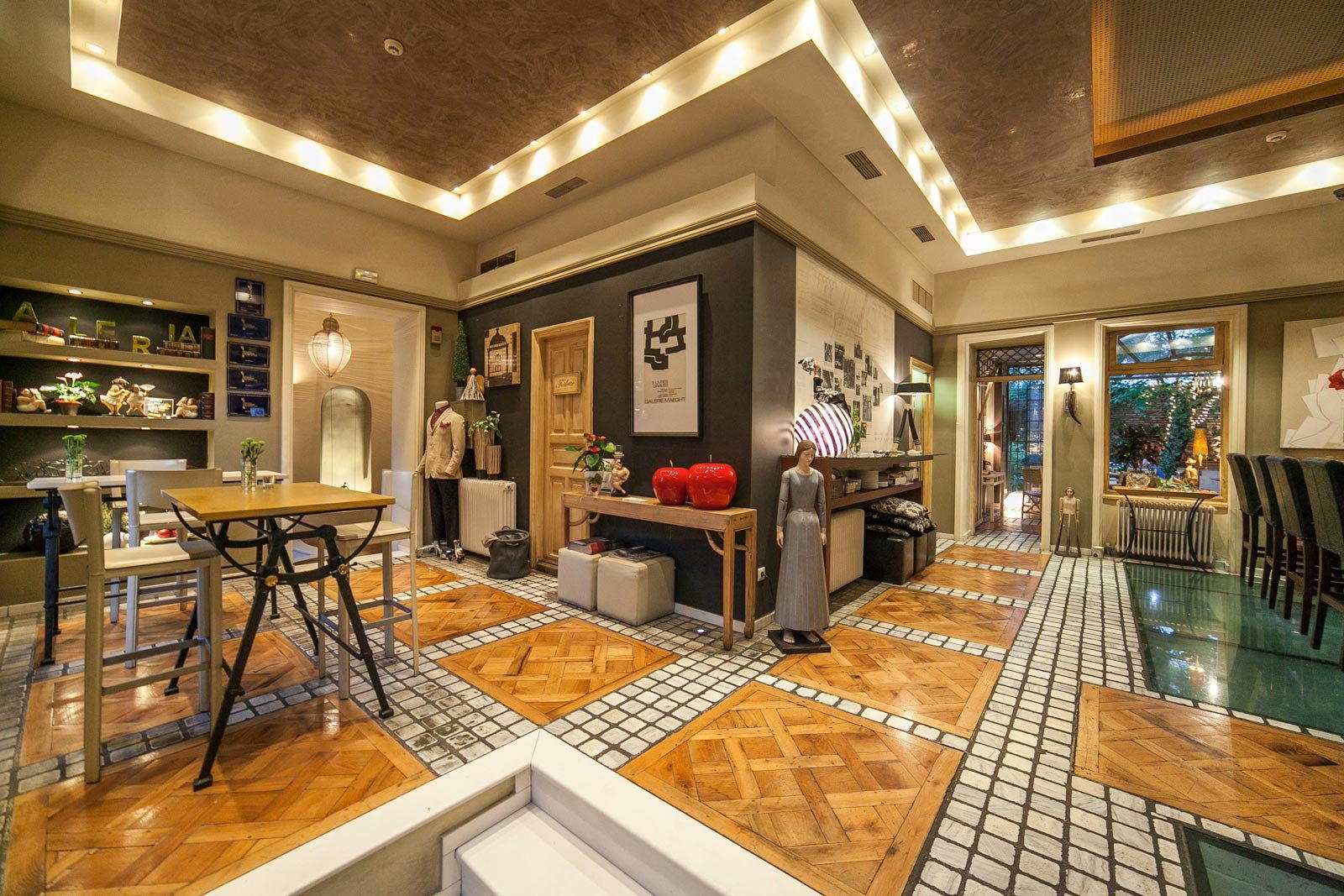
| Aleria | Modern Greek Fine Dining | $100–150 | Michelin Plate · Star Wine List | Not listed |
| Nolan | Greek-Asian Fusion Bistro | $20–30 | Michelin Bib Gourmand | Not listed |
Recognition history
Dated appearances from independent guides and award organizations, with the underlying list record or original source where available.
Michelin 1 Star
Michelin
Star Wine List
Star Wine List
Falstaff Restaurant - 94 Falstaff Points
Falstaff
We're Smart World 2 Radishes
We're Smart World
Opinionated About Dining Classical in Europe Ranked #227
Opinionated About Dining
Full recognition history (7 entries)
Michelin 1 Star
Michelin
Opinionated About Dining Classical in Europe Recommended
Opinionated About Dining
Continue exploring
More in Athens
Restaurants in Athens
All restaurants in Athens →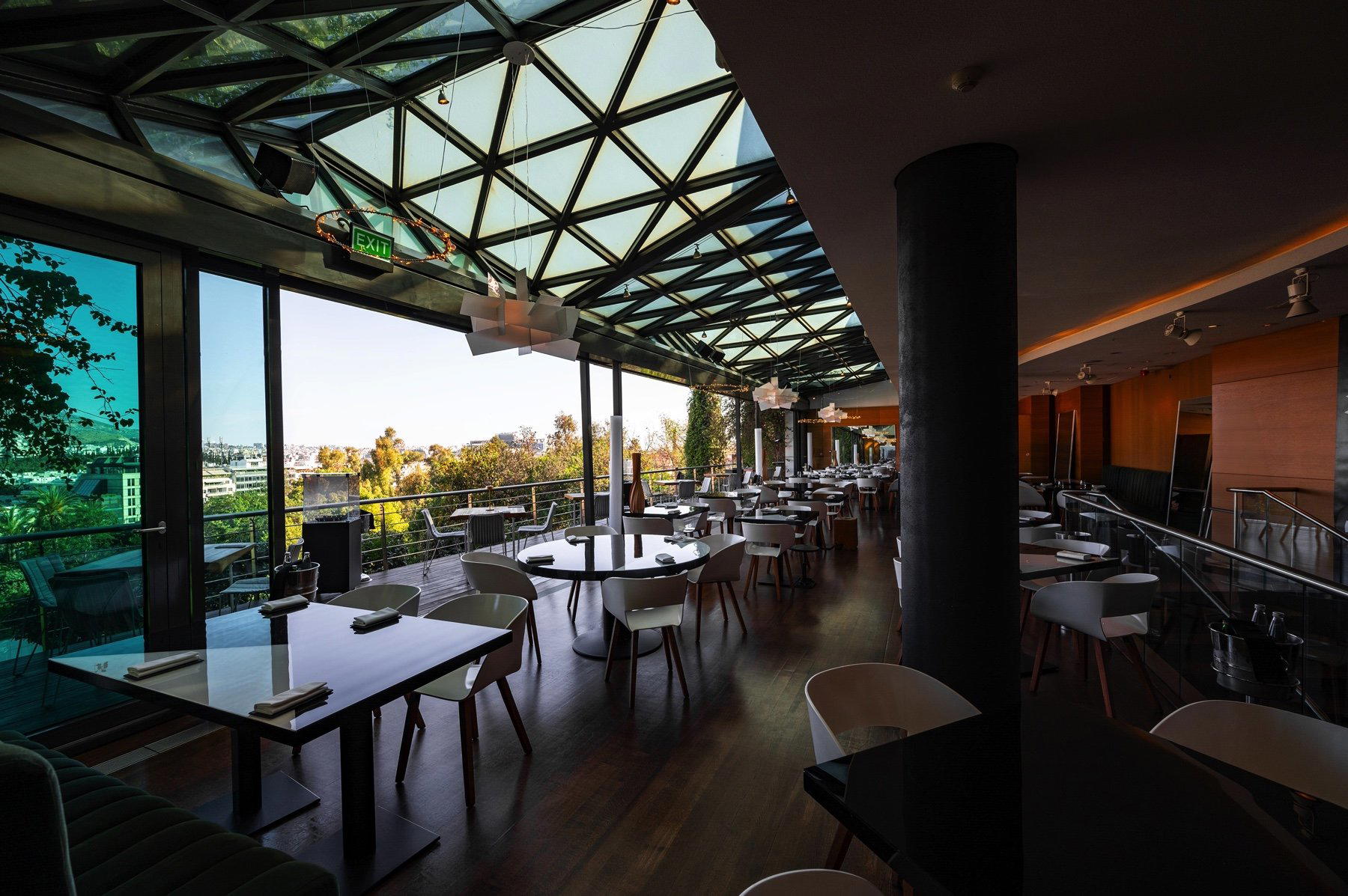
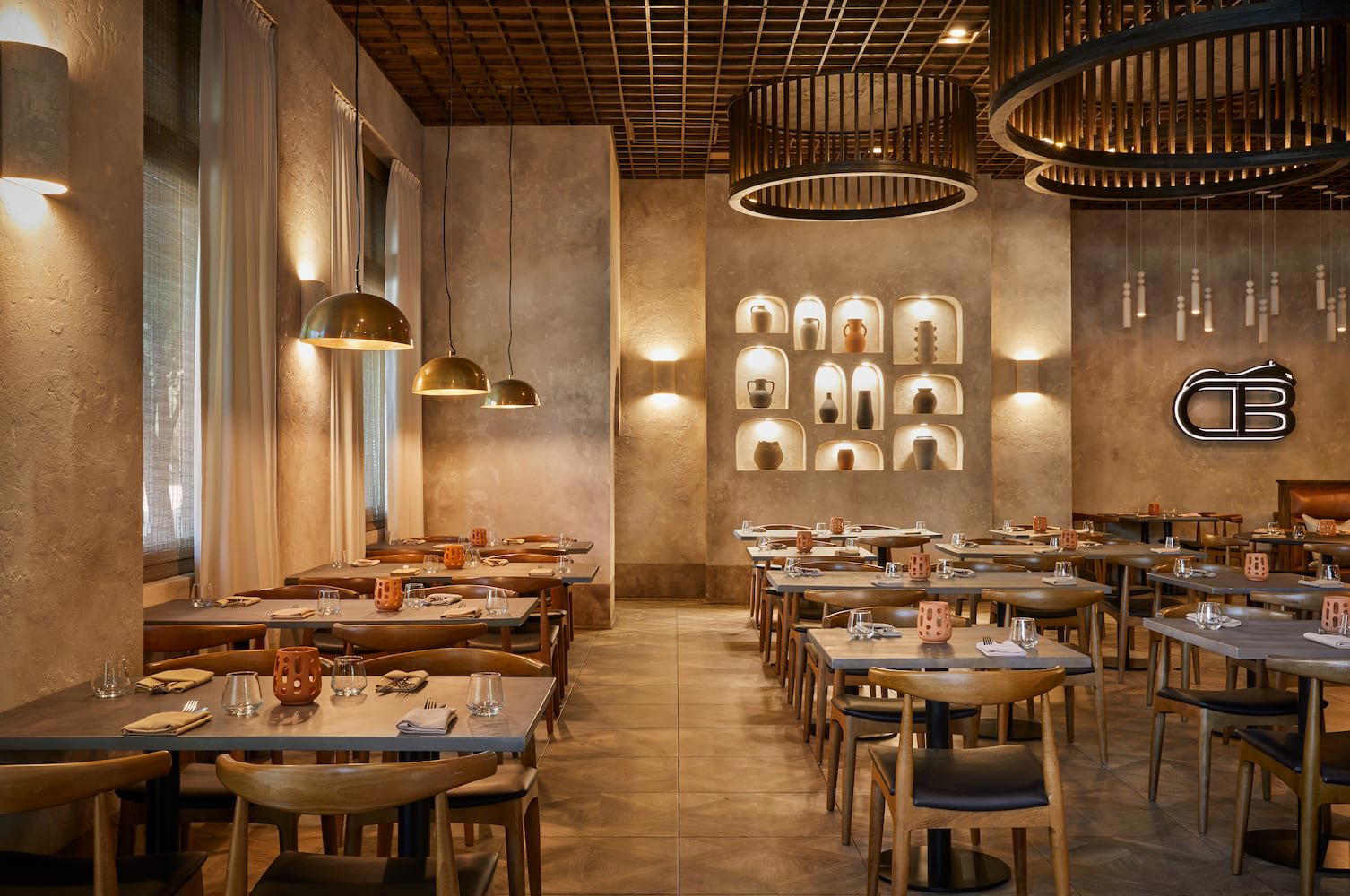
Bars in Athens
All bars in Athens →


Botrini's
The wine
- Wine program
- Deep wine list
- Extensive wine list
- Sommelier-led
Details
- Elegant
- Sophisticated
- Intimate
- Date Night
- Special Occasion
- Open Kitchen
- Extensive Wine List
- Sommelier Led
- Local Sourcing
- Tasting Menu
- Vegetarian Friendly
Current opening hours
- Monday
- Closed
- Tuesday
- 7–11 p.m.
- Wednesday
- 7–11 p.m.
- Thursday
- 7–11 p.m.
- Friday
- 7–11 p.m.
- Saturday
- 7–11 p.m.
- Sunday
- Closed
Hours can change for holidays and private events. Hours as of .
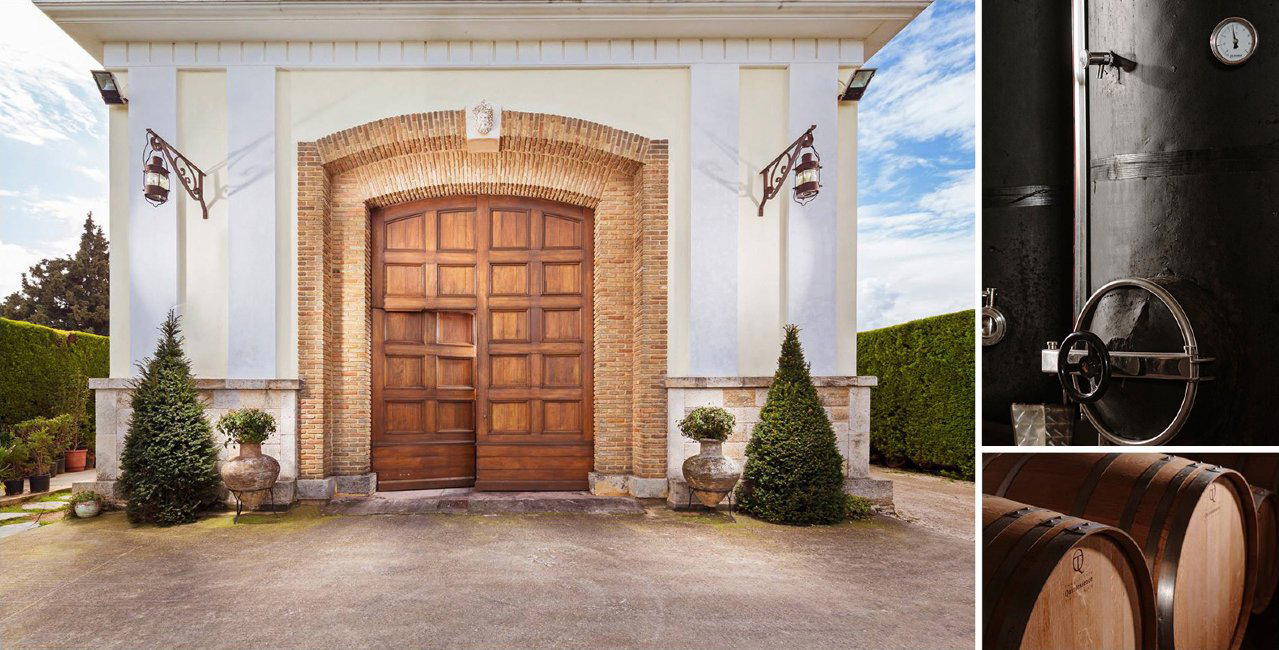
Elegant and beautifully curated space with warm lighting, modern airy dining room, and conservatory, creating a refined and intimate atmosphere.