Skinos Mastiha Spirit is a Piraeus-based producer. Operating from an address on Mesologiou street, Skinos sits within the wider Athens and Piraeus spirits scene alongside producers such as Brettos and Metaxa, bringing one of Greece's most historically rooted botanicals into a contemporary production context.

Pearl is the En Primeur Club membership app — saves, bookings, and concierge access live there. Same editors, same standards.
- Address
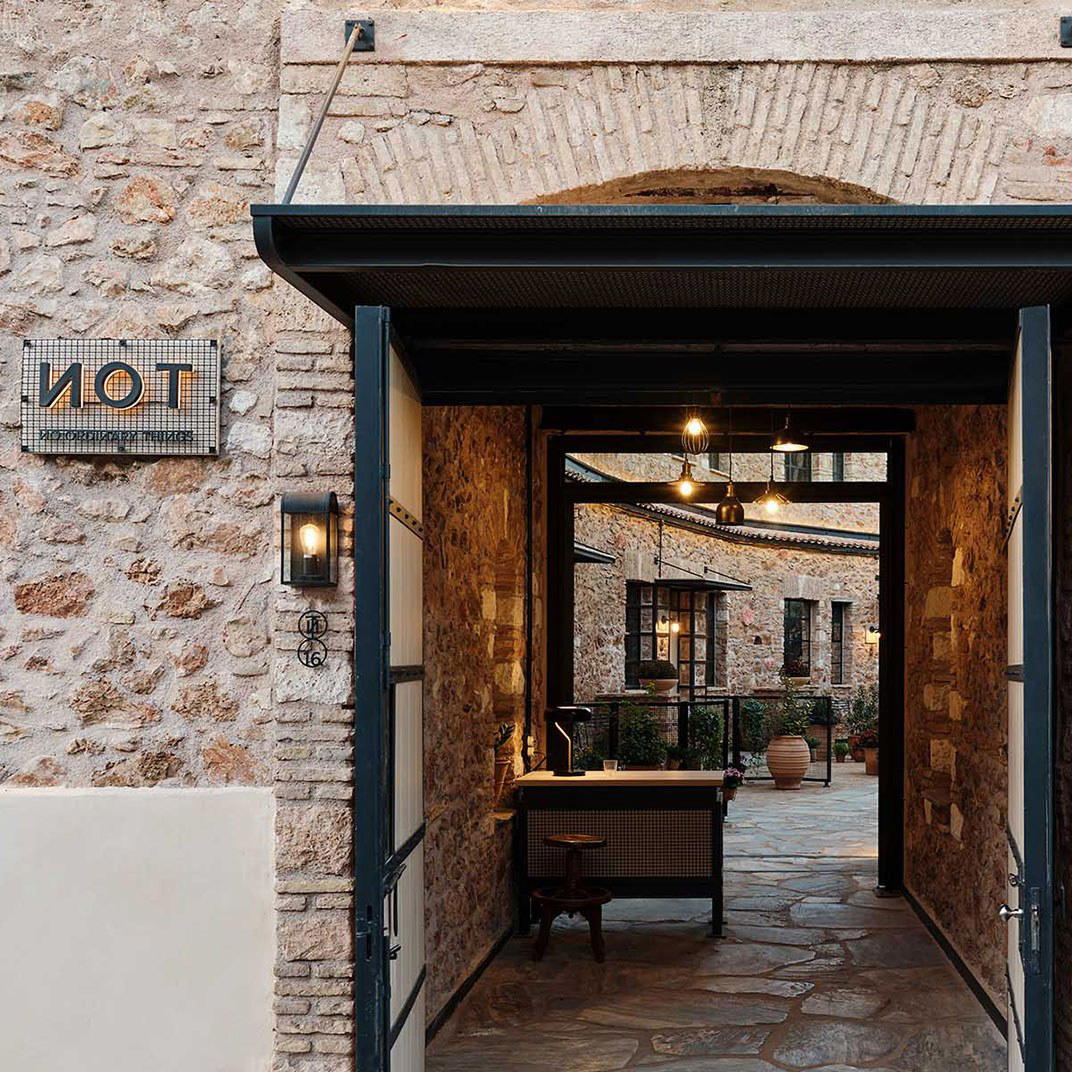
- 16 Mesologiou street, Piraeus, 18546, Greece
- Phone
- +302104100011
- Website
- myskinos.com
- Directions
- Get directions
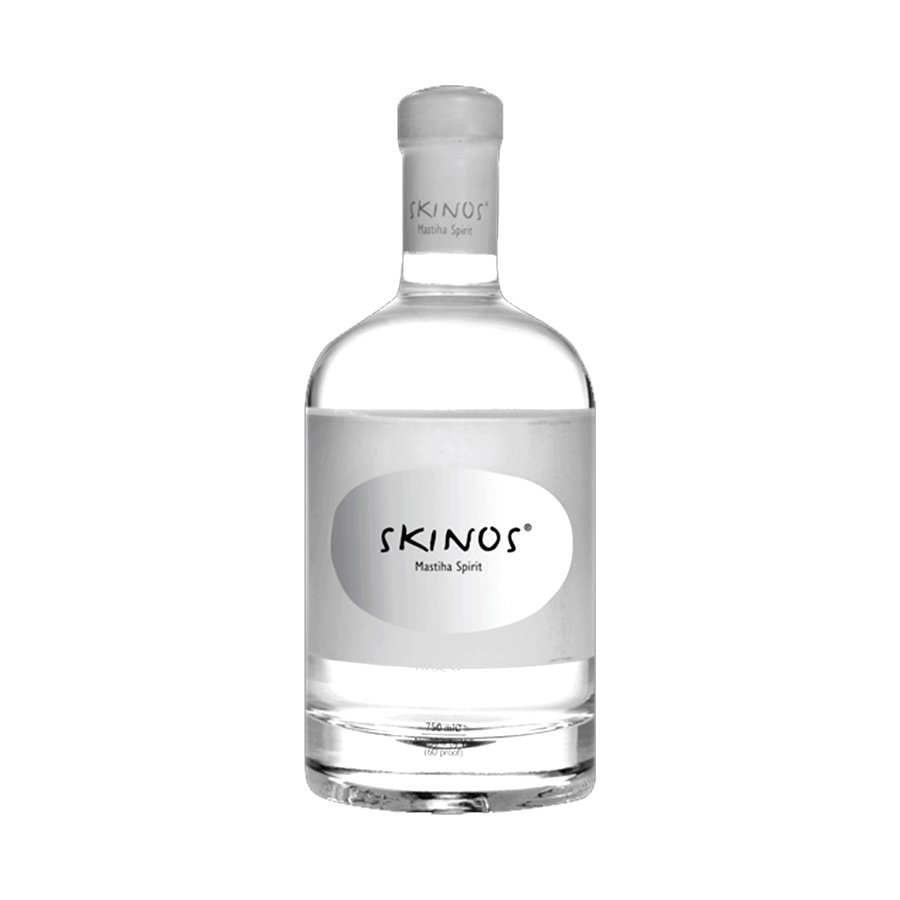
Mastiha and the Spirits It Has Shaped
Few botanical ingredients carry as specific a provenance as mastiha. The resin drawn from Pistacia lentiscus trees on Chios has been harvested in the same southern villages of the island, collectively called Mastichochoria, for at least two millennia. Ancient trade routes moved it across the Mediterranean as medicine, chewing resin, and flavouring agent. Today, Chios mastiha holds Protected Designation of Origin status under EU law, which means the raw material behind any credible mastiha spirit can only originate from one place on earth. That singular supply chain shapes everything about how producers in this category position their products: you are not simply buying a flavoured spirit, you are buying into a geographical and agricultural story with a fixed starting point.
It is against this backdrop that Skinos Mastiha Spirit, operating from 16 Mesologiou street in Piraeus, has developed its production programme. The Piraeus address is not incidental: the port city has historically been the commercial gateway through which Chios resin reached wider markets, and working here carries a kind of institutional logic for a mastiha producer.
How Mastiha Moves from Tree to Spirit
The production of mastiha spirit is one of the few categories in European distilling where the raw botanical cannot be substituted or approximated. Harvest takes place in summer, when scores on the bark of mature lentisk trees are left to bleed crystallised resin over several weeks before collection. The crystals, called dakrya or tears, are cleaned by hand and sorted before they reach a distillery. What the distiller then decides to do with that resin, how it is prepared, at what concentration it enters the still, what base spirit carries it, and how the resulting distillate is rested or blended, is where individual production philosophies diverge.
In the mastiha category specifically, the equivalent of barrel selection and aging decisions in wine production tends to involve questions of maceration depth and post-distillation treatment. A producer choosing a lighter maceration period will yield a spirit with more delicate pine and cedar leading notes; longer or more intensive contact pulls in deeper resinous and slightly sweet characteristics that recall the raw resin more directly. These are the decisions that distinguish one mastiha spirit from another in the same way that oak selection and aging duration separate producers within a wine appellation. Skinos, holding a 2 Star Prestige distinction from 2025, has positioned its approach within the more considered end of the category, though the specifics of its production programme are leading explored directly through the producer.
Piraeus and the Athens Spirits Scene
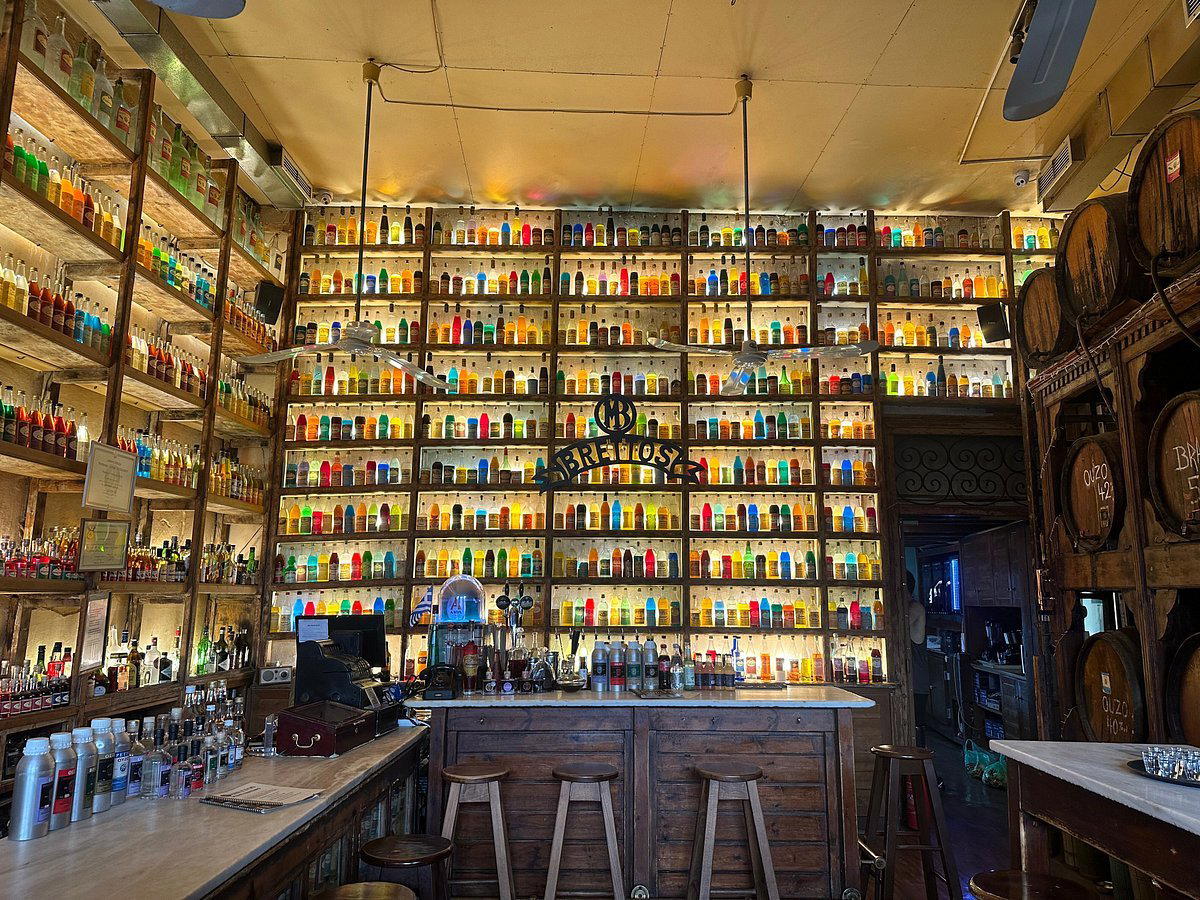
Athens and its port satellite Piraeus together form the commercial and creative centre of Greek spirits production. The scene is a varied one: Brettos Distillery operates one of the oldest distillery-bars in Athens, offering a retail and tasting experience rooted in decades of continuous production. Metaxa Distillery represents the internationally scaled end of the market, a brand with distribution across many countries and a product that blends grape spirit with wine and botanicals. At the smaller and more specialist end, producers like Polykala Distillery, Roots Spirits (Finest Roots), and Helion Distillery are working with Greek botanicals and local grain or grape bases in ways that reflect a broader European movement toward terroir-driven spirits.
Skinos sits within the specialist tier, defined by its focus on a single, PDO-protected ingredient rather than a broad botanical portfolio. That focus is both a commercial constraint and a point of distinction: mastiha has a flavour profile unusual enough in the international spirits market to require some education, but specific enough to attract buyers who already know what they are looking for.
Mastiha in Context: Greek Spirits Beyond Athens
Understanding what Skinos represents also means understanding where mastiha sits within the broader Greek spirits and wine production map. Greece's drinking culture is not narrowly defined by ouzo and retsina, though both carry significant historical weight. Wine production spans from Alpha Estate in Amyntaio in the north, working with Xinomavro at altitude, to Aiolos Winery in Palaio Faliro closer to the Attic coast. Producers such as Acra Winery in Nemea work with Agiorgitiko in one of Greece's most recognised red wine appellations, while Abraam's Vineyards in Komninades and Akrathos Newlands Winery in Panagia represent production in the northern regions where altitude and continental influence shape the wines quite differently from Aegean island production.
Spirit production follows a similarly distributed logic. Achaia Clauss in Patras is among the country's historically significant producers, with a legacy in fortified and aged wines that dates to the nineteenth century. The trajectory from that kind of heritage production toward contemporary spirit-making is a story Greek producers are still writing. Mastiha spirits occupy an interesting position in that story because the ingredient pre-dates the modern spirits industry by many centuries, yet the formats it appears in, clean distillates, liqueurs, cocktail ingredients, are entirely contemporary.
For visitors exploring the Greek spirits scene more broadly, the contrast between Anatolikos Vineyards in Xanthi in Thrace and a Piraeus-based mastiha house illustrates how geographically and stylistically diverse Greek production has become. Internationally, it is worth noting the contrast with aged Scotch traditions: Aberlour in Aberlour and California's Accendo Cellars in St. Helena both operate in categories where extended barrel aging is the primary craft signal. Mastiha spirit production, by contrast, derives its character from the botanical itself rather than from wood contact, which gives producers like Skinos a different set of production levers to work with.
Planning a Visit and Working with Skinos
Skinos Mastiha Spirit operates from Piraeus, which sits within the wider Athens metropolitan area and is accessible from the city centre via Metro Line 1, with Piraeus station serving as the terminus. Mesologiou street in the 18546 postal district places the operation in the commercial and industrial fabric of the port rather than in a visitor-facing tasting district, so prospective visitors should contact the producer directly to understand what access or trade visits look like.
Those building a wider Athens and Piraeus spirits itinerary can use our full Athens guide to map producers across the city, pairing a Piraeus visit with the more centrally located distillery experiences that the Athens scene offers. The mastiha category rewards a degree of prior reading: understanding the PDO status of Chios resin, the harvest cycle, and the production variables that distinguish one mastiha spirit from another will make tasting sessions at any mastiha producer considerably more informative.
Peers in This Market
Comparable venues nearby, for context on price, style, and recognition.
| Venue | Cuisine | Price | Notes |
|---|---|---|---|
| Skinos Mastiha Spirit (Greek Spirit Co.)This venue — the venue you are viewing | Chios PDO | $30–50 | Not listed |
| Brettos Distillery | Winery | Not listed | Plaka |
Continue exploring
More in Athens
Wineries in Athens
Browse all →

Bars in Athens
Browse all →
Restaurants in Athens
Browse all →
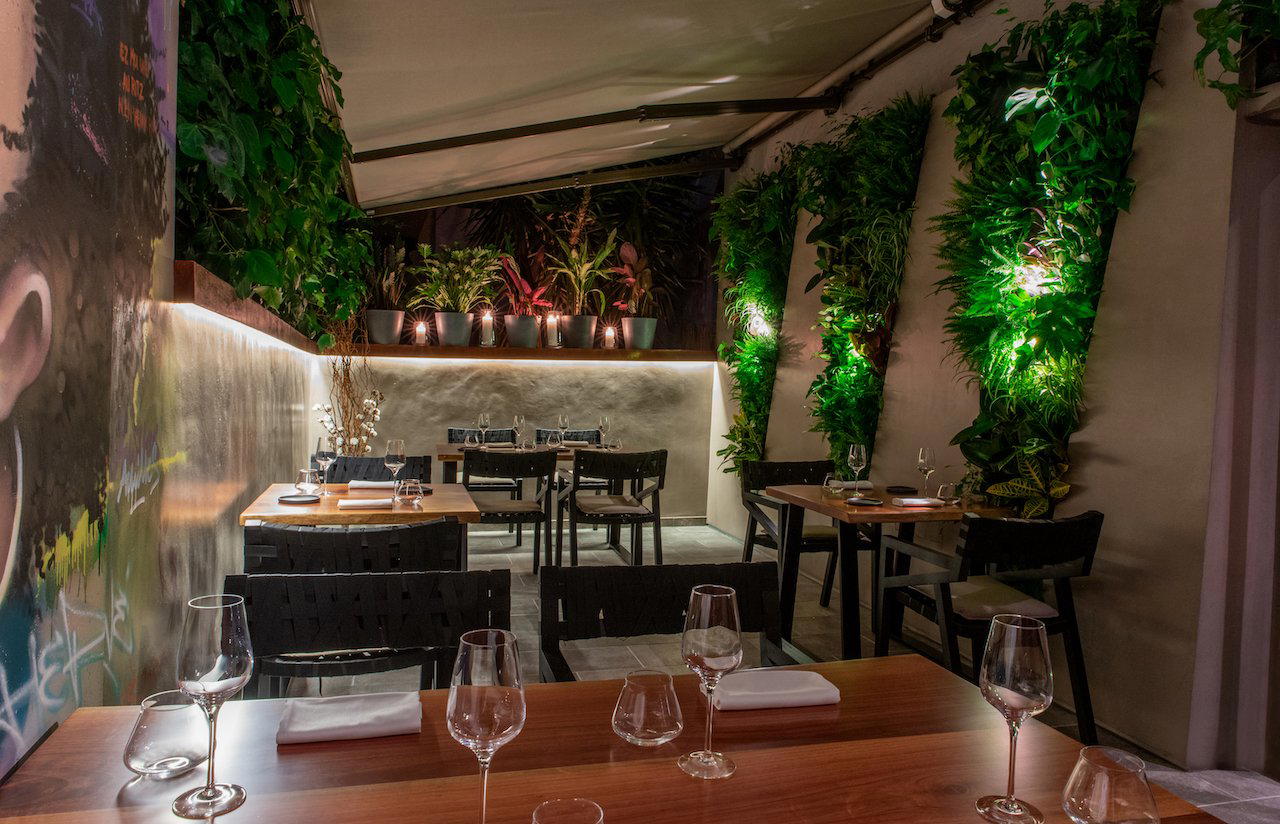
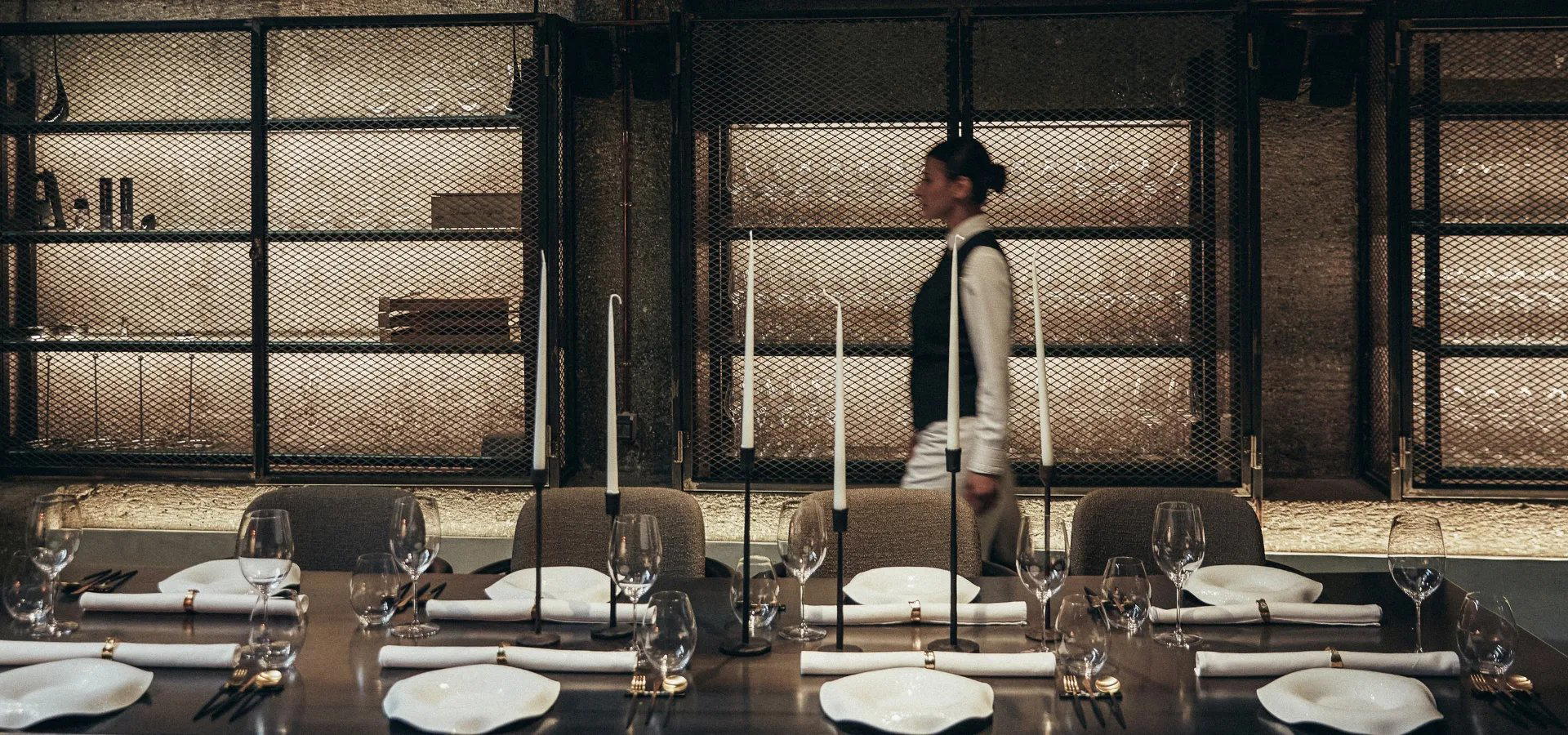


Details
- Sophisticated
- Elegant
- Classic
- Special Occasion
- Celebration
- Solo Exploration
- Private Tasting
- Sustainable
- Neat
- Cocktail
- English
Crystal-clear spirit with bright, fresh Mediterranean character; traditionally served well-chilled in small glasses, evoking a hillside covered in wild herbs.