Cacio e Pepe is an Italian Trattoria at 25is Martiou, Thira 847 00, Greece, set up for dinner with smart-casual, conversational service.
Pearl is the En Primeur Club membership app — saves, bookings, and concierge access live there. Same editors, same standards.
- Address
- 25is Martiou, Thira 847 00, Greece
- Phone
- +302286024971
- Website
- cacioepepe.gr
- Directions
- Get directions
 Saves & bookings on Pearl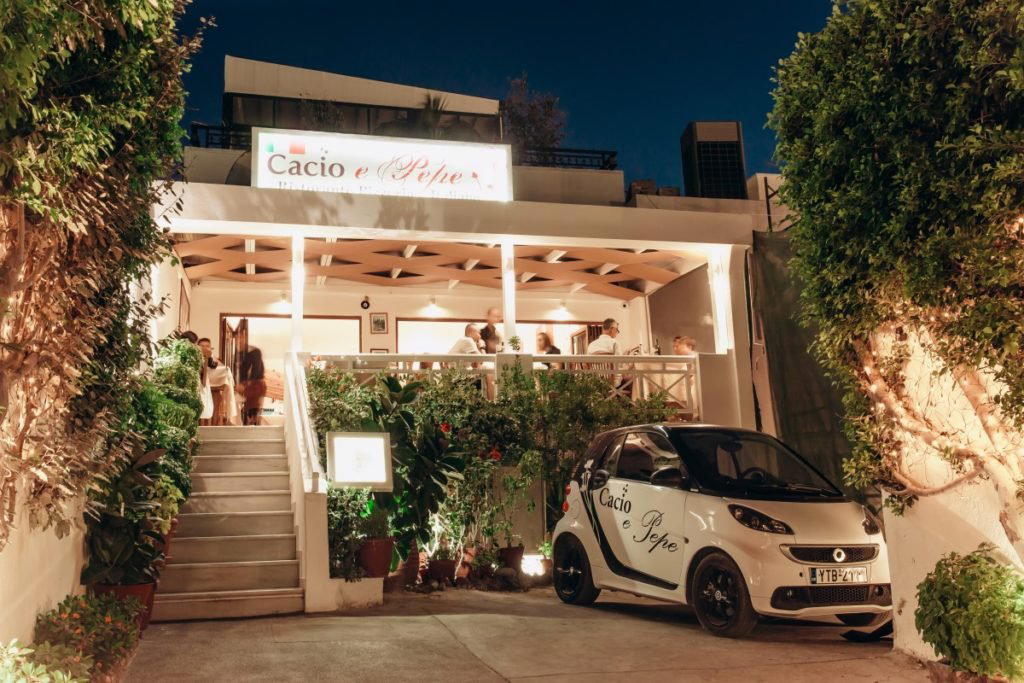
Roman Discipline in a Cycladic Setting
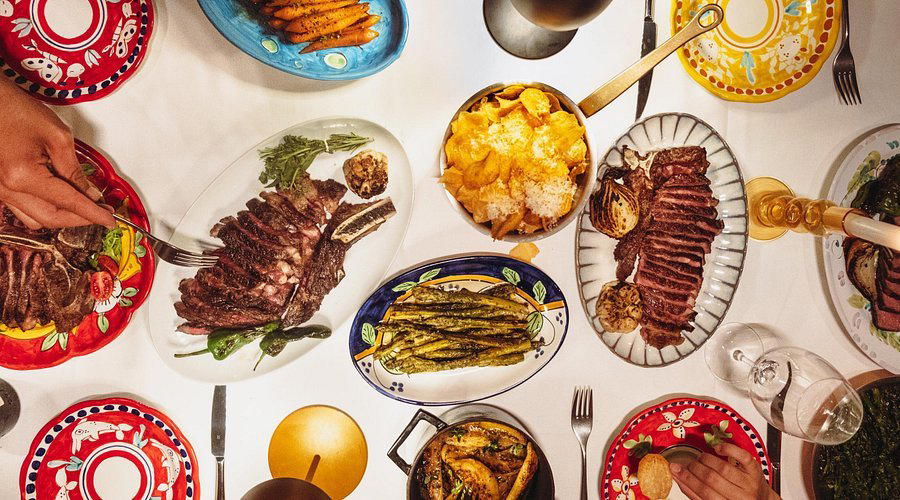
Cacio e Pepe is an Italian Trattoria in Thira, Santorini, at 25is Martiou,741 reviews. That distinction matters. Santorini's most-photographed restaurants occupy the cliff villages of Oia and Imerovigli, where the view does much of the editorial work. A restaurant operating in Thira proper competes on a different set of terms: the food has to carry the room without a sunset behind it.
The name signals a deliberate act of transposition. Cacio e pepe, the Roman pasta preparation built from aged pecorino, Pecorino Romano or Grana Padano, black pepper, and pasta water, is among the more technically exacting of the so-called simple Italian dishes. The emulsion demands precise starch content in the cooking water, correct pasta temperature, and restrained handling. It is the kind of dish that reveals a kitchen's discipline faster than a composed tasting plate. Choosing it as a namesake, in a Greek island town, is a statement about where the kitchen's interests lie.
Ingredient Logic on a Volcanic Island
Santorini's agricultural identity is more specific than its tourism profile suggests. The island's volcanic soil, low rainfall, and near-constant winds produce ingredients that carry genuine regional distinction: Assyrtiko grapes from vines trained in the kouloura basket method, cherry tomatoes with concentrated sugar and acid levels, white eggplant, and fava from the Cycladic lathyrus variety. These are not background details. Restaurants across the island's better addresses treat them as primary ingredients rather than garnish, and the degree to which a kitchen engages with local sourcing is often a useful proxy for ambition.
For an Italian-named restaurant on a Greek island, the sourcing question becomes more layered. The core tension is whether the kitchen imports its identity wholesale, relying on Italian products flown in to replicate a Roman dish, or whether it works with what the island actually produces. Particularly interesting kitchens in this position do neither cleanly: they hold the technique and let the ingredients shift, producing something that sits between traditions without apologising for it. Establishments like Rizes Gastro Taverna Santorini have built their identity precisely on this kind of rooted sourcing, while Mylos Restaurant takes a different route through the island's maritime pantry. Cacio e Pepe's position within that spectrum is the relevant question for a visitor trying to calibrate their evening.
The Wider Santorini Dining Map
Thira Municipality's restaurant scene has developed along two parallel tracks over the past decade. The caldera-facing track is dominated by high-spend, view-dependent venues where the pricing reflects location as much as kitchen ambition. The town-centre track, which includes addresses on streets like 25is Martiou, operates with lower overhead and, in the better cases, a greater reliance on the food itself to justify the visit. Ifestioni Restaurant and Fusionnelle represent different points along this non-caldera track, and the full picture of what Thira's inland addresses offer is covered in our full Thira Municipality restaurants guide.
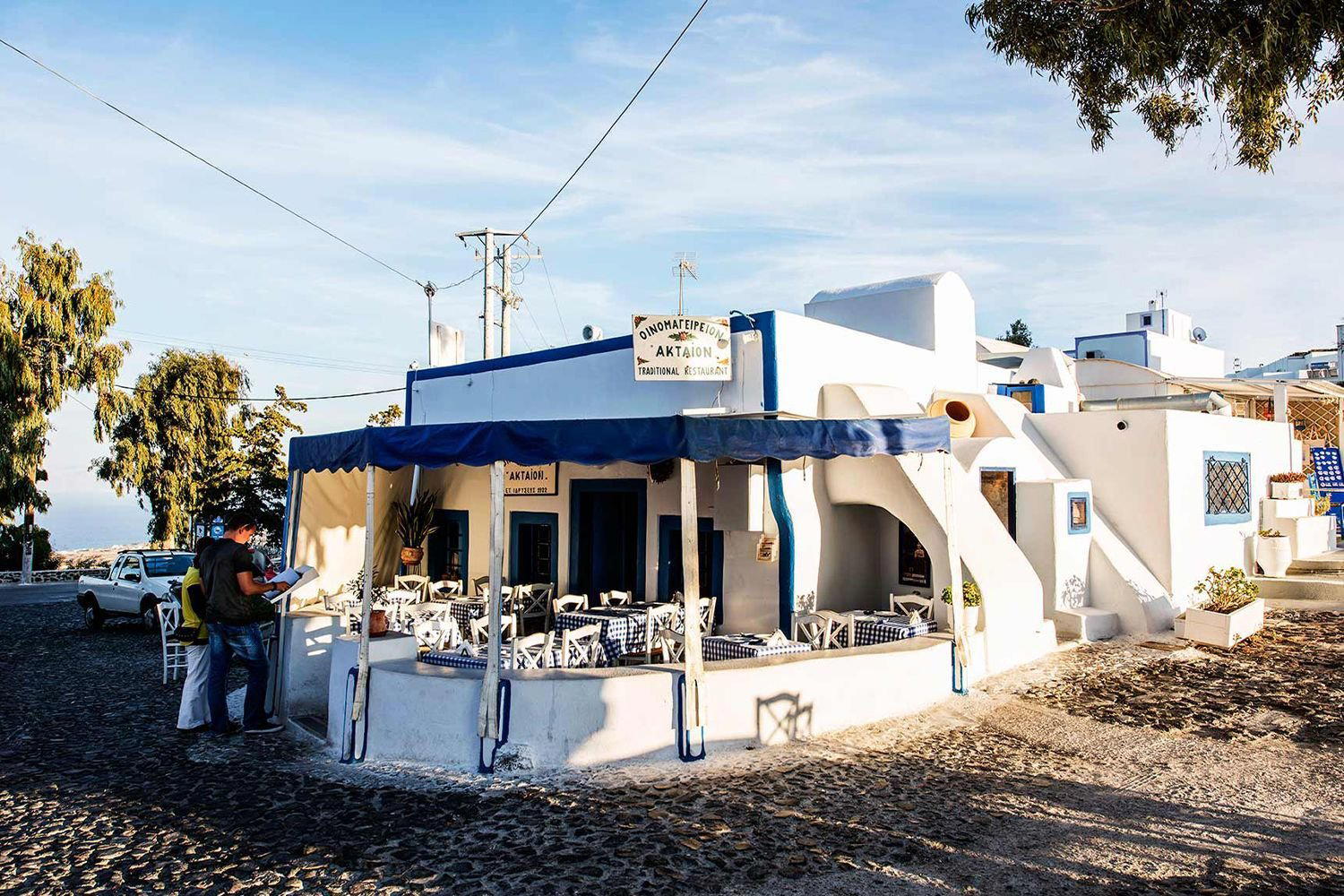
For reference points outside the island, Greek fine dining is no longer solely an Athens story. Delta in Athens has set a benchmark for what Greek produce-led cooking looks like at high ambition, while Aktaion in Firostefani demonstrates that serious cooking exists within Santorini's own administrative boundaries. Selene in Santorini has long held a reference position for the island's ingredient-first approach. For island dining more broadly across Greece, Almiriki in Mykonos and Olais in Kefalonia offer useful comparison points for how kitchens in the archipelago are handling the sourcing question.
Planning a Visit
The restaurant sits on 25is Martiou in Thira, the island's main town, which is accessible by bus from Oia, Kamari, and Perissa, and by a short taxi ride from most hotel clusters. The address is in the commercial centre of Thira rather than on the caldera rim, which means easier parking and less of the seasonal foot-traffic congestion that affects the cliff villages in July and August. Visiting outside peak summer, roughly before mid-June or after early September, typically means shorter waits and more attentive service across most of the island's non-resort dining.
Comparison Snapshot
Comparable venues nearby, for context on price, style, and recognition.
| Venue | Cuisine | Price | Notes |
|---|---|---|---|
| Cacio e PepeThis venue — the venue you are viewing | Italian Trattoria | $$$ | Not listed |
| Ifestioni Restaurant | Modern Greek Mediterranean | $$$ | Fira |
| Rizes Gastro Taverna Santorini | Modern Cycladic Greek | $$$ | Fira |
| Mylos Restaurant | Mediterranean-Asian Fusion Fine Dining | $$$$ | Firostefani |
| Fusionnelle | Greek & Italian Mediterranean | $$ | Thira |
| Cava di Pietra Italian Restaurant | Open-air Italian restaurant overlooking ancient quarry ruins | $$$ | Rhodes |
Continue exploring
More in Thira
Restaurants in Thira
Browse all →
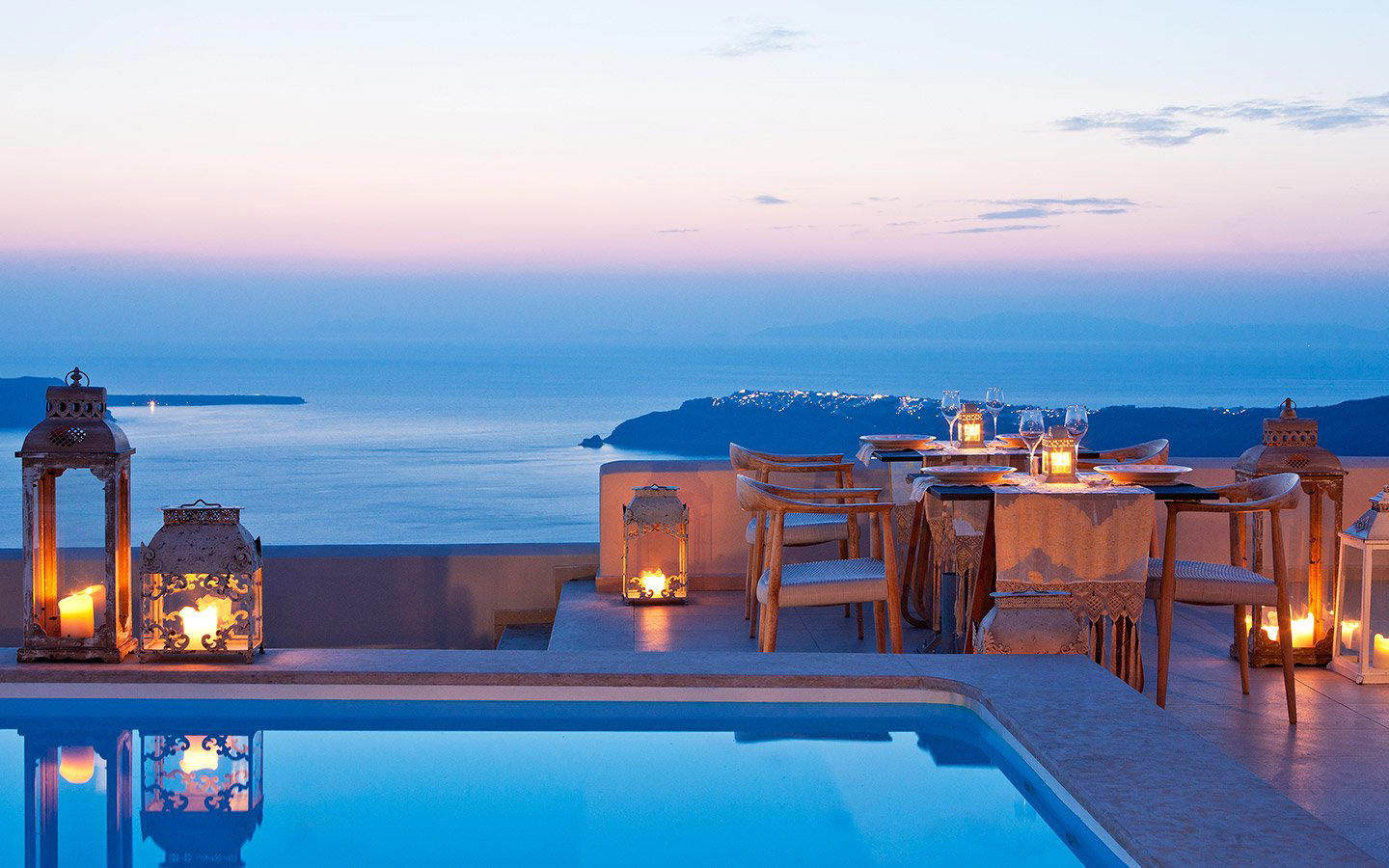
Bars in Thira
Browse all →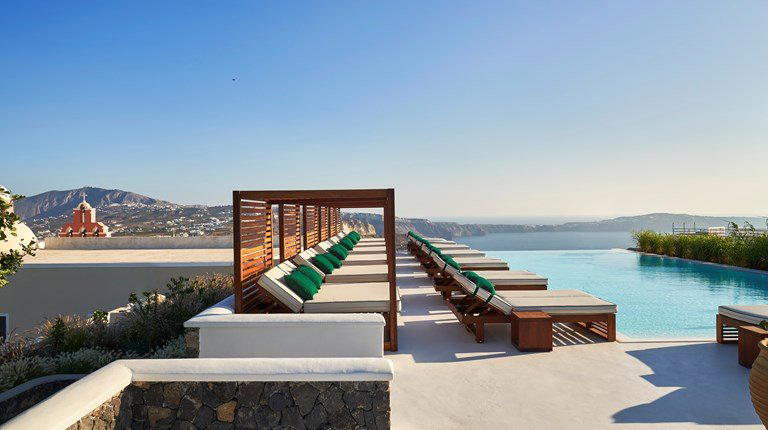
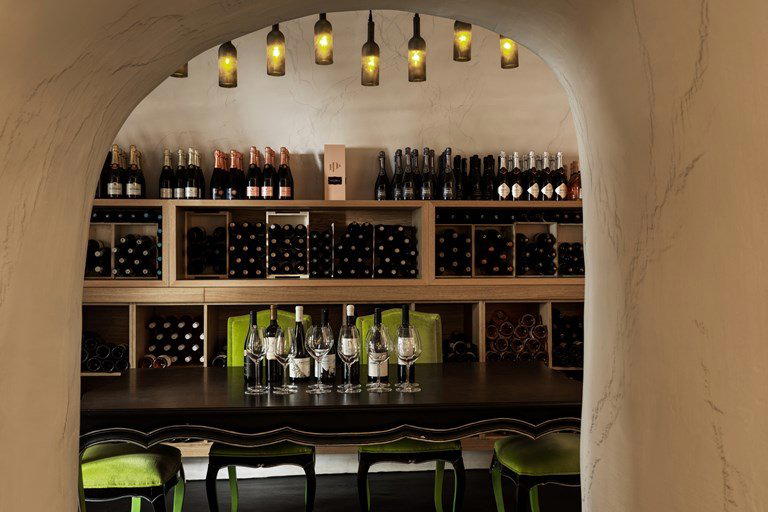
Hotels in Thira
Browse all →
At a Glance
- Romantic
- Elegant
- Date Night
- Special Occasion
- Standalone
Current opening hours
- Monday
- 12 PM–12 AM
- Tuesday
- 12 PM–12 AM
- Wednesday
- 12 PM–12 AM
- Thursday
- 12 PM–12 AM
- Friday
- 12 PM–12 AM
- Saturday
- 12 PM–12 AM
- Sunday
- 12 PM–12 AM
Hours can change for holidays and private events. Last verified .
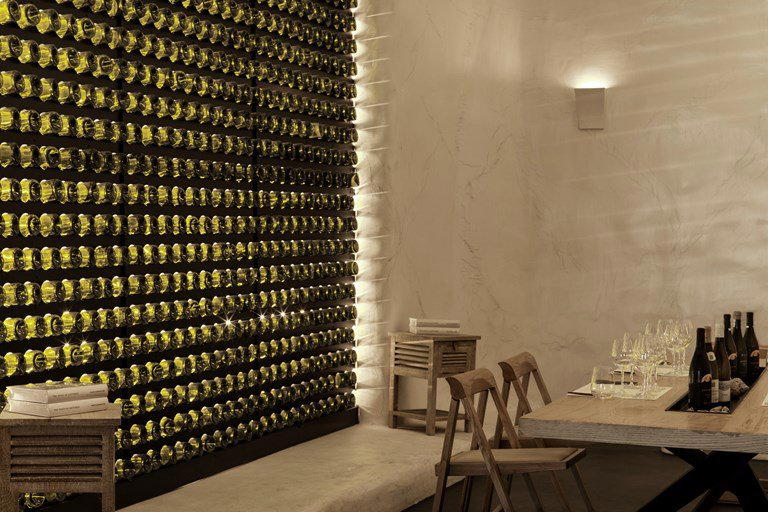
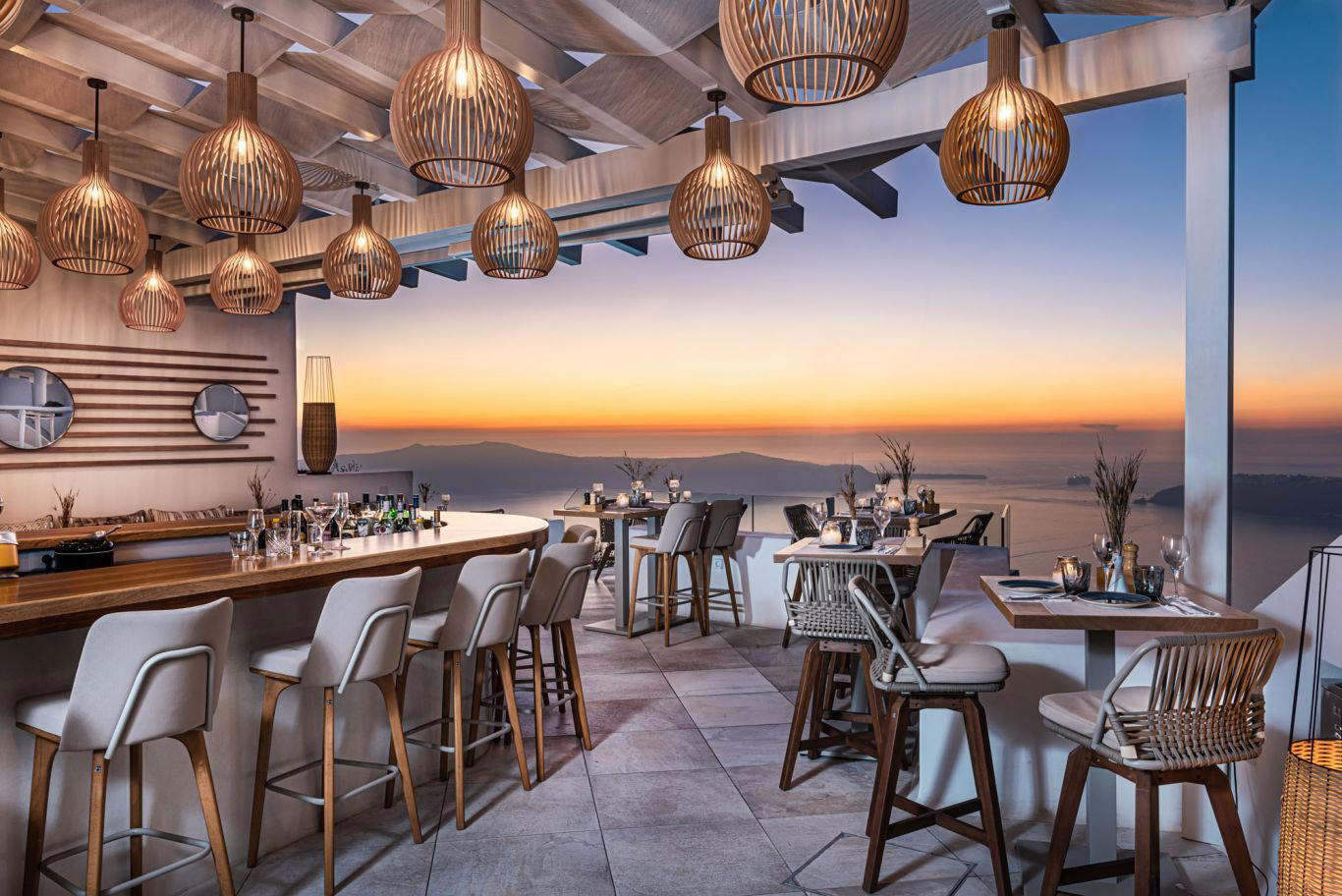
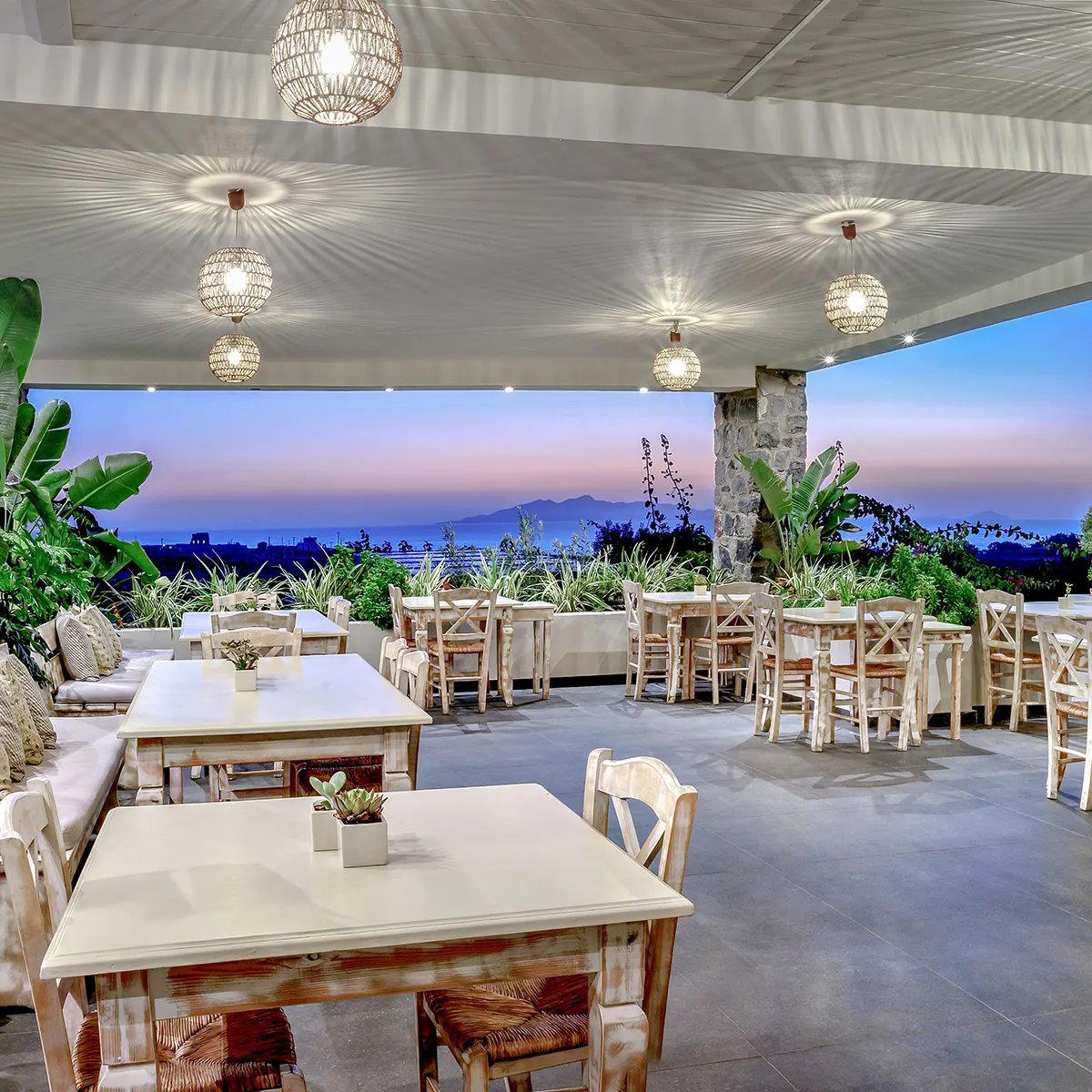
Beautifully designed interior offering an elegant and romantic atmosphere.