Alykes
Alykes sits in Palaio Faliro, the seaside suburb south of central Athens where the Saronic coastline meets a dense local dining culture. The restaurant's address places it close to the waterfront promenade that defines the neighbourhood's character, a setting that shapes what ends up on the plate as much as any menu decision. For visitors already exploring the Athens Riviera, it belongs in the itinerary alongside the broader southern Attica dining circuit.
Pearl is the En Primeur Club membership app — saves, bookings, and concierge access live there. Same editors, same standards.
- Address
- Κωνσταντίνου Παλαιολόγου 1, Agias Triados 3-5, Paleo Faliro 175 64, Greece
- Phone
- +302109888700
- Website
- alykes-restaurant.gr
- Directions
- Get directions
 Saves & bookings on Pearl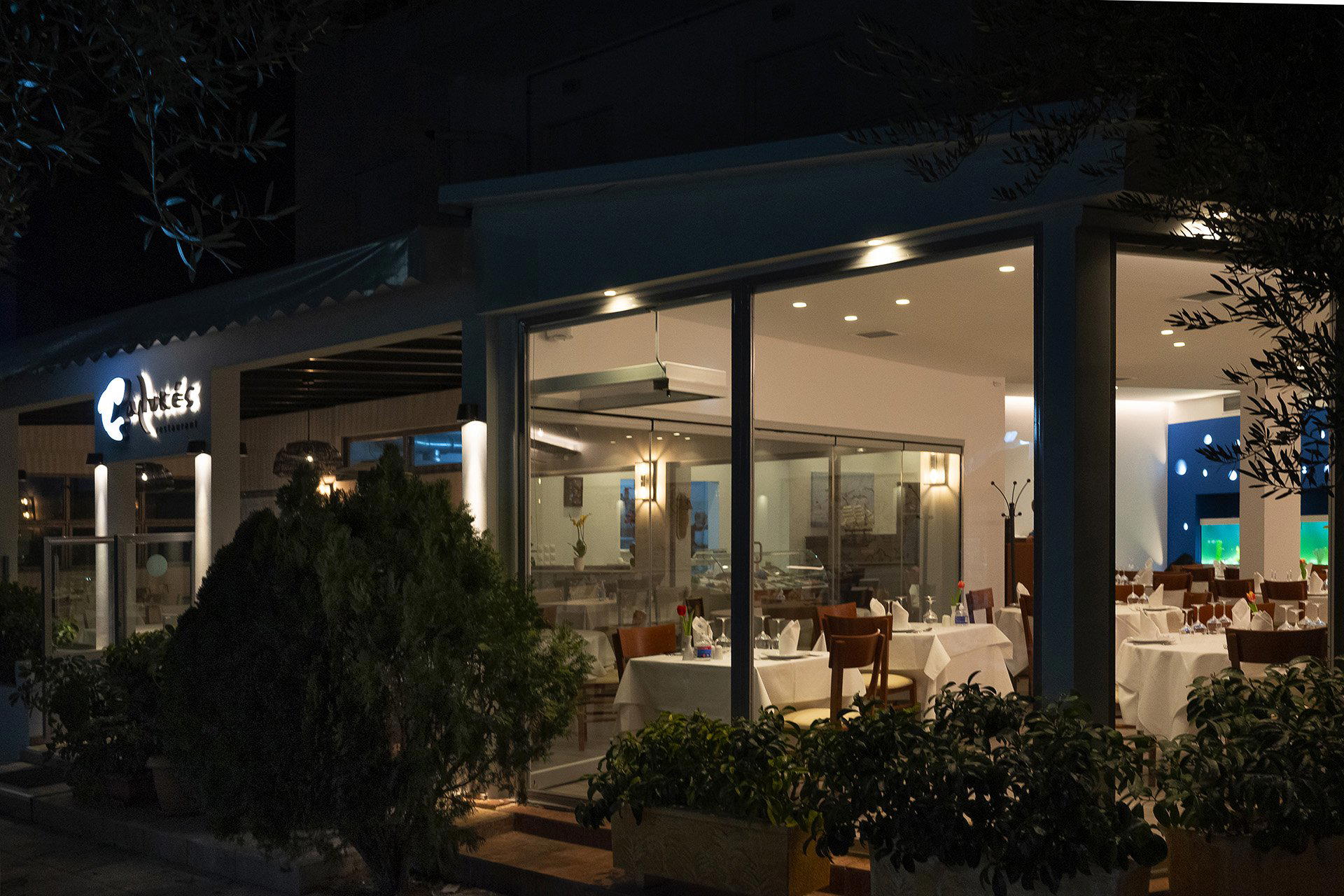
The Saronic Coast as Dining Context
Palaio Faliro occupies an interesting position in the Athens food conversation. It sits roughly eight kilometres south of Syntagma Square, close enough to draw Athenian regulars but far enough from the tourist circuit that its dining scene developed around local demand rather than visitor traffic. The coastal promenade along the Saronic Gulf gives the suburb its character: salt air, fishing-boat proximity, and a long tradition of seafood culture that predates the current wave of destination dining in the capital.
This matters for understanding Alykes. The restaurant sits at the junction of Konstantinou Palaiologou 1 and Agias Triados 3-5, in the Paleo Faliro postal district, a location that places it within the residential-coastal fabric of the suburb rather than on a purely tourist-facing strip. That geography implies a customer base with specific expectations: consistent quality, ingredient honesty, and a relationship with the sea that goes beyond decoration.
What Coastal Sourcing Looks Like in This Part of Greece
The Saronic Gulf has historically supplied Athens with some of its closest-to-hand seafood, a distinction that matters more as supply chains for restaurant kitchens grow longer and more opaque. Coastal restaurants in Palaio Faliro operate with the geographic advantage of proximity to Piraeus, Greece's main commercial port and one of the Mediterranean's largest fish markets. That proximity shortens the distance between catch and kitchen in ways that affect both flavour and the practical economics of a menu.
Greek coastal dining at this level tends to divide into two approaches. One treats local seafood as raw material for technique-heavy preparation, aligning with the contemporary Greek register found at places like Delta in Athens or the modern interpretations visible at Hytra and Aleria in the capital's central dining tier. The other prioritises the ingredient itself, smaller menus, simpler preparation, sourcing transparency, and positions against taverna informality without crossing into formal fine dining. Both approaches are legitimate; they address different reader decisions.
The same tension plays out across Greek islands and coastal towns. At Almiriki in Mykonos, the sourcing story is shaped by island logistics and the premium attached to getting quality product to a destination with high seasonal demand. At Olais in Kefalonia, local catch from Ionian waters defines the menu's identity. Palaio Faliro's version of that dynamic is mainland-coastal rather than island-isolated, which means more consistent supply but also more competition for the same Piraeus product.
Where Alykes Sits in the Athens-Riviera Tier
Athens' premium dining market clusters around a handful of reference points. Spondi and Tudor Hall anchor the formal end at the €€€€ tier. Hytra and Aleria operate a step below in price while maintaining serious kitchen credentials. The coastal suburbs, Glyfada, Voula, Palaio Faliro, represent a parallel circuit that runs on different logic: less Michelin-facing, more neighbourhood-embedded, often with better value-to-quality ratios for local seafood specifically.
Alykes operates in this coastal-suburban register. It sits outside the formal benchmark tier occupied by Botrini's or Spondi, but that positioning is not a deficit. Coastal dining in Palaio Faliro addresses a different reader decision than a three-course tasting menu in Kolonaki. The relevant peer comparison is the cluster of serious seafood addresses along the southern Attica coastline rather than the capital's destination-dining circuit.
For those building a wider Greek coastal itinerary, the ingredient-sourcing thread runs from suburban Athens all the way through the islands. To Psaraki in Vilcahda and Cantina in Sifnos Island both operate with island-sourcing logic. On the mainland periphery, Athenolia in Kyparissia reflects a similar commitment to place-specific produce. The common thread is a kitchen that accepts the discipline of working with what the surrounding geography provides, rather than importing to fill a fixed menu template.
The Broader Greek Seafood Tradition This Address Connects To
Greek seafood culture is not monolithic. The island registers, Aegean, Ionian, Dodecanese, each carry distinct species profiles and preparation traditions. Mainland coastal dining, particularly along the Saronic and Argolic gulfs, shares some of that vocabulary but operates closer to the urban Athenian palate: a little more formal, a little more influenced by the restaurant culture of the capital, but still grounded in the same respect for the raw material that defines Greek fishing-community cooking at its most direct.
Preparation methods across this tradition favour restraint: grilling over charcoal, poaching in sea water or court-bouillon, dressing with cold-pressed olive oil and lemon rather than constructed sauces. The skill lies in sourcing and timing rather than transformation. This is a different discipline from the technique-forward approach visible at places like Selene in Santorini or the resort-kitchen sophistication of Avaton Luxury Beach Resort in Halkidiki, and it demands a different kind of respect from the reader arriving with fine-dining expectations.
That distinction matters for calibrating what a visit to Alykes should deliver. The address is not competing with Le Bernardin in New York City or the kind of precision seafood program visible at Lazy Bear in San Francisco. It belongs to a specifically Greek, specifically coastal tradition that prioritises the quality of the raw ingredient and the discipline of not obscuring it.
Planning a Visit
Palaio Faliro is accessible from central Athens by tram, the coastal line runs from Syntagma through Neos Kosmos and down to the Faliro terminal, covering the journey in roughly 25 to 30 minutes without the parking constraints that affect driving along the seafront. The suburb is compact enough to walk between the tram stop and the waterfront dining addresses. Arriving with a reservation made directly through the restaurant's contact details is the standard approach for coastal addresses of this type in Greece. The shoulder seasons, April through May and September through October, tend to offer better availability and more comfortable seafront dining conditions than the August peak, when the southern Attica coast draws significant Athenian weekend traffic.
A Quick Peer Check
Comparable venues nearby, for context on price, style, and recognition.
| Venue | Cuisine | Price | Notes |
|---|---|---|---|
| AlykesThis venue — the venue you are viewing | Greek Seafood | $$ | Not listed |
| Zoodohos Pigi | Traditional Greek Taverna | $$ | Kaminia, Piraeus |
| Seychelles | Modern Greek Meze | $$ | Psyri |
| Aoritis Kritis Thimises | Traditional Cretan Greek | $$ | Kolonaki |
| Salt & Pepper (Αλάτι & Πιπέρι) | Traditional Greek Taverna | $$ | Fira |
| Ατίταμος | Traditional Greek | $$ | Exarcheia |
Continue exploring
More in Palaio Faliro
Restaurants in Palaio Faliro
Browse all →
Bars in Palaio Faliro
Browse all →
Hotels in Palaio Faliro
Browse all →
At a Glance
- Scenic
- Elegant
- Cozy
- Family
- Group Dining
- Business Dinner
- Celebration
- Standalone
Current opening hours
- Monday
- 12:30 PM–12 AM
- Tuesday
- 12:30 PM–12 AM
- Wednesday
- 12:30 PM–12 AM
- Thursday
- 12:30 PM–12 AM
- Friday
- 12:30 PM–12 AM
- Saturday
- 12:30 PM–12 AM
- Sunday
- 12:30–11 PM
Hours can change for holidays and private events. Last verified .
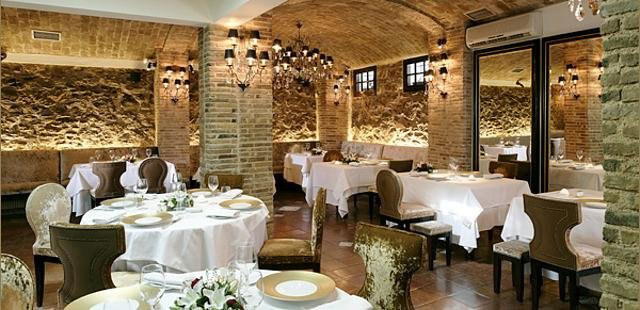
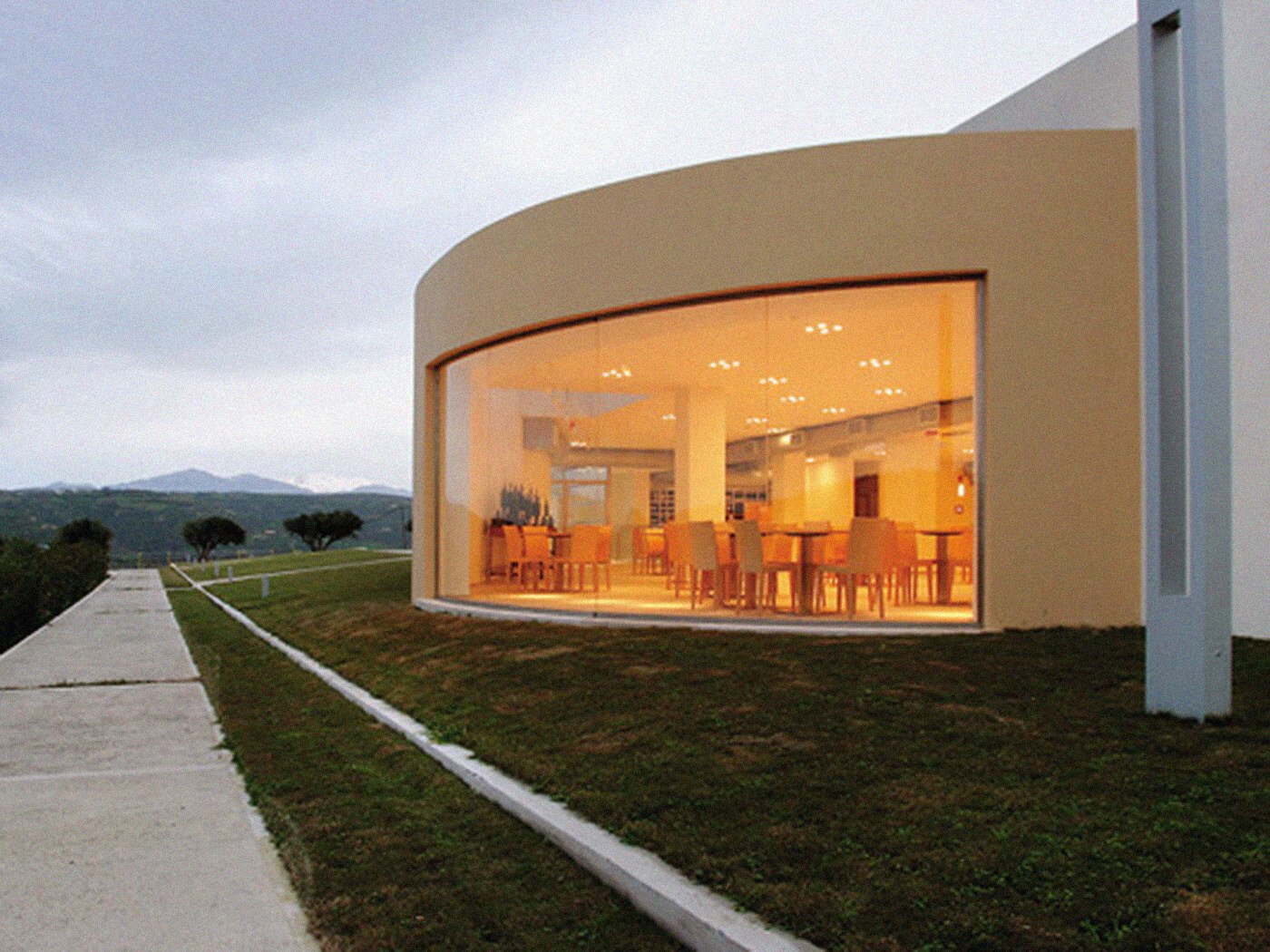
Light, bright, and comfortable atmosphere with a sea-like feel from aquariums and soft listening music.