A neighbourhood taverna on Crete's northern coast, Knossos Greek Taverna Gouves operates in the tradition of family-run Greek eating houses where proximity to local producers shapes the menu more than culinary trends. Located in Kato Gouves, just east of Heraklion, it represents the kind of unfussy regional cooking that defines Cretan hospitality at its most direct.
Pearl is the En Primeur Club membership app — saves, bookings, and concierge access live there. Same editors, same standards.
- Address
- Ioannoy Konstantinidi, Kato Gouves 700 14, Greece
- Phone
- +302897029758
- Website
- facebook.com
- Directions
- Get directions
 Saves & bookings on Pearl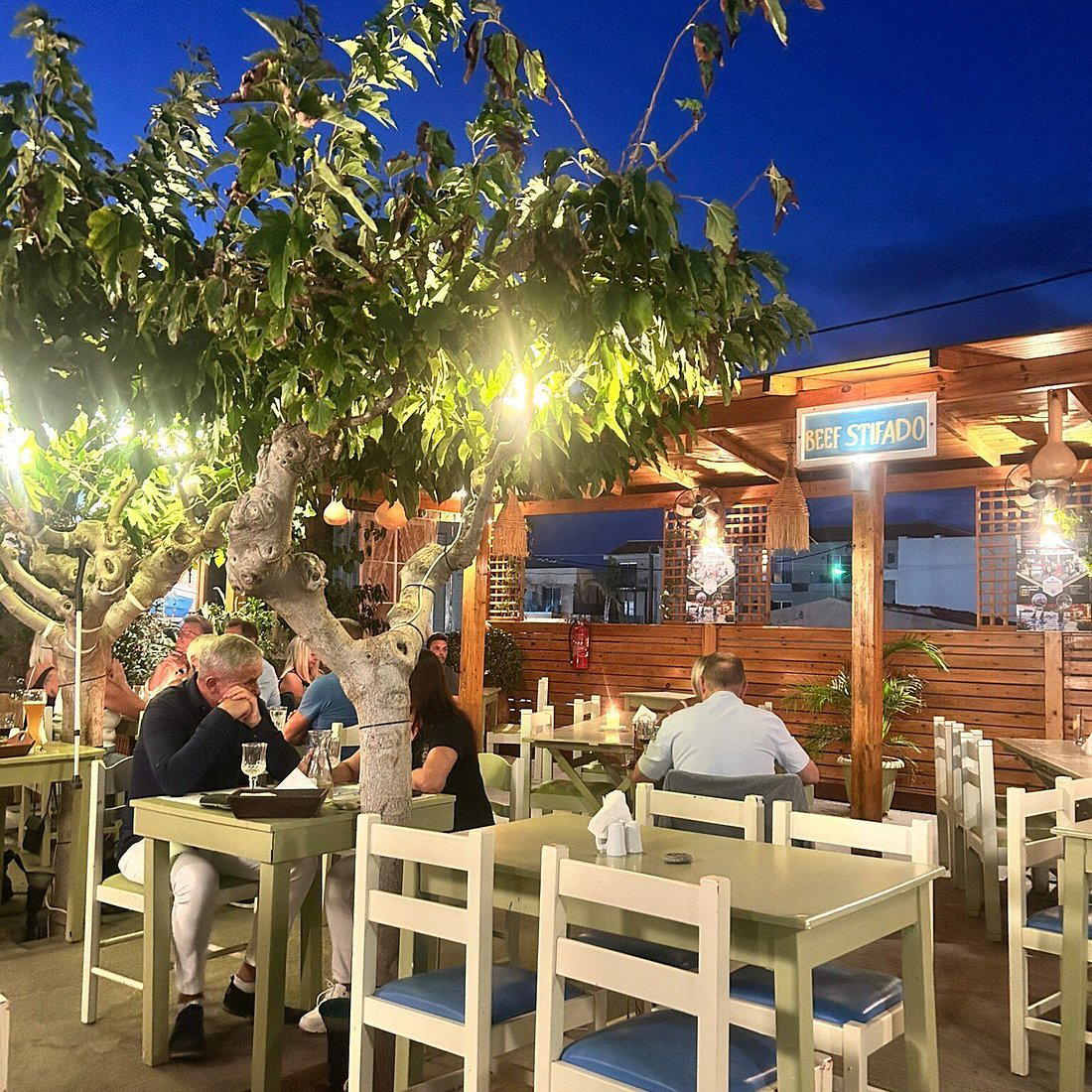
Cretan Taverna Cooking and the Logic of Place
Crete has long maintained a distinct food culture from mainland Greece, shaped by its agricultural fertility, its Minoan and Venetian layering, and a tradition of self-sufficiency that kept producers and kitchens in close proximity. In the villages and coastal settlements east of Heraklion, that tradition persists most clearly in the neighbourhood taverna: a format built around whatever the surrounding land and sea produces at a given moment, not around a fixed prestige menu. Knossos Greek Taverna Gouves, on Ioannoy Konstantinidi in Kato Gouves, operates squarely within this tradition.
The address places it in Gouves, a small settlement on the northern coast road between Heraklion and Hersonissos. This stretch of Crete is not a culinary destination in the way that Chania's old town or the interior villages around Archanes have become, but that relative absence of restaurant tourism is precisely what keeps places like this calibrated toward local demand rather than visitor expectation. When the primary audience is the neighbourhood, the cooking stays honest.
What Cretan Ingredient Culture Actually Means
Greece's food identity is often reduced to olive oil, feta, and grilled fish, but Cretan cooking is more regionally specific than that framing suggests. The island produces some of Greece's most prized olive oil, with the Kolymvari PDO and Sitia PDO designations marking oils that compete seriously in international markets. Cretan cheese traditions, particularly graviera and mizithra, follow their own production logic, distinct from mainland styles. Wild greens, known collectively as horta, are foraged or cultivated across the island's interior with a specificity that varies by altitude and season.
Tavernas in the Heraklion regional unit, which includes Gouves, typically draw ingredients from a tight geographic radius. The plains around Peza and Archanes supply wine grapes, Heraklion's central market consolidates produce from across the island, and the coast provides fresh catch from the Cretan Sea. For a taverna at Knossos's address, that network is accessible in ways that are genuinely logistical rather than aspirational. This is not farm-to-table positioning; it is how Cretan cooking has always worked when it works well.
Across Greece's broader restaurant tier, the relationship to sourcing has become more visible and more contested. Contemporary Greek kitchens like Delta in Athens and Hytra have built formal sourcing narratives into their identity, naming producers on menus and treating regional ingredients as a point of differentiation. The neighbourhood taverna operates on the same principle but without the declaration. At places like Knossos, the sourcing is embedded in the format rather than marketed as a feature.
The Taverna Format in Its Crete Context
Greece's taverna tradition is one of the more durable formats in European casual dining. It predates the contemporary trend toward informal eating by decades, and it has survived because its economics and its social function are aligned. A taverna is not a restaurant with a taverna aesthetic; it is a specific type of operation where the menu is limited, the kitchen is small, prices are structured around local purchasing power, and the room functions as a community gathering point as much as a dining room.
In Crete, that format has particular resilience because the island's food culture is genuinely village-oriented. Even in coastal areas with significant tourism infrastructure, the interior remains agricultural and the local eating habits reflect that. The tavernas that survive multiple decades in communities like Kato Gouves tend to do so because they serve the neighbourhood first. Tourism provides seasonal volume, but it does not typically reshape the menu in the way that a dedicated tourist-facing restaurant might reconfigure itself.
This contrasts sharply with the dining offer at high-volume coastal resorts nearby, where restaurant programming follows international demand. The Gouves area sits close enough to major resort corridors that both formats coexist within a short drive. For a visitor based in the Heraklion region, understanding that distinction matters when deciding where to eat.
Situating Knossos Within the Heraklion Dining Region
Heraklion itself supports a wider range of restaurants than most visitors expect, including Kastella Seafood Restaurant in Heraklion, which represents a more formal approach to the coastal seafood tradition. Gouves, by contrast, is a neighbourhood-scale operation. The drive from central Heraklion to Kato Gouves follows the E75 coastal road east, and the area is accessible by local bus as well as by car. For visitors staying along the northern coast between Heraklion and Hersonissos, Gouves is a natural stop rather than a special journey.
For comparison, the Greek island dining circuit includes more prominent names: Lure Restaurant in Oia and Aktaion in Firostefani represent the more polished end of island dining, while Feredini in Santorini and Bony Fish Santorini in Imerovigli sit at different points in the island casual tier. Knossos operates in an entirely different register: lower price point, neighbourhood orientation, and a format that does not position itself against any of those venues.
For those tracking the full range of Greek dining beyond Crete, the full Gouves restaurants guide provides additional local context. Further afield, venues like Alykes in Palaio Faliro, Lake Vouliagmeni in Vouliagmeni, and Avli tou Thodori in Mykonos illustrate the geographic breadth of Greek taverna and coastal dining worth knowing. For contrast in the premium international tier, Le Bernardin in New York City and Atomix in New York City show how sourcing narratives operate at the opposite end of the formality spectrum.
Planning a Visit
Knossos Greek Taverna Gouves is located at Ioannoy Konstantinidi in Kato Gouves, on Crete's northern coast road. No website or phone number is currently confirmed in public records, which is consistent with many small tavernas in the region that operate primarily through walk-in trade and local recommendation. Arriving directly is the practical approach. For Crete visitors with broader itineraries, venues like Beauvoir in Katakolo and Valia Calda in Kalambaka represent different Greek regional dining contexts worth considering alongside a Cretan itinerary.
- lamb chops
- pork with peppers and mushrooms
- seabass
- gyros
- calamari
- Greek salad
- moussaka
Continue exploring
More in Gouves
Restaurants in Gouves
Browse all →
Bars in Gouves
Browse all →

Hotels in Gouves
Browse all →

At a Glance
- Rustic
- Lively
- Cozy
- Romantic
- Family
- Date Night
- Group Dining
- Celebration
- Casual Hangout
- Live Music
- Courtyard
- Terrace
- Garden
- Beer Program
- Local Sourcing
Current opening hours
- Monday
- 12–11 PM
- Tuesday
- 12–11 PM
- Wednesday
- 12–11 PM
- Thursday
- 12–11 PM
- Friday
- 12–11 PM
- Saturday
- 12 PM–12 AM
- Sunday
- 12–11 PM
Hours can change for holidays and private events. Last verified .
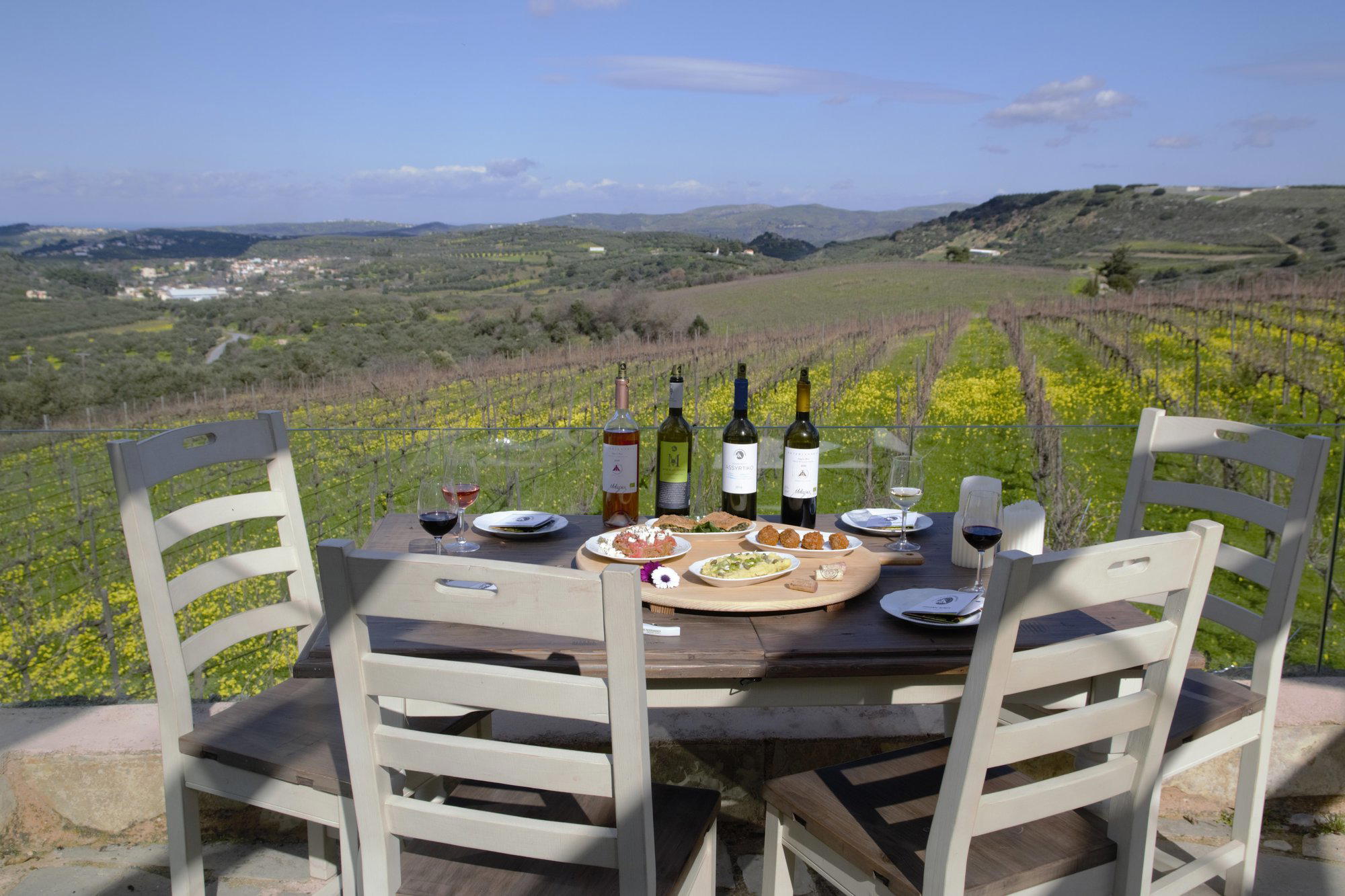
Warm and welcoming courtyard setting with cozy terrace seating, traditional Greek decor, and lively atmosphere enhanced by live music and dancing during Greek nights.