Our verdict
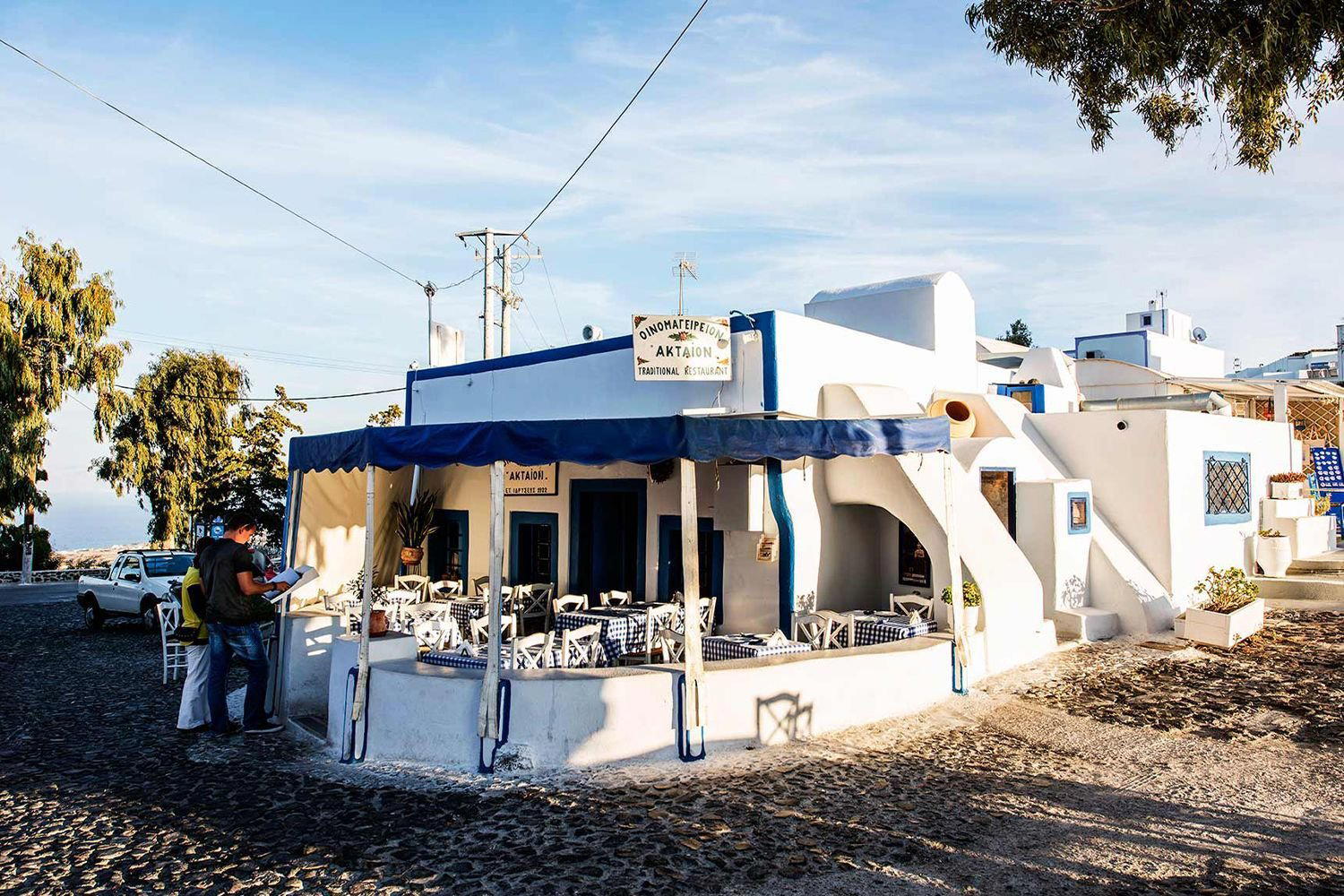
Aktaion sits in Firostefani, the quieter northern stretch of Santorini's caldera rim, where the volcanic drama of the landscape sets the terms for everything on the plate. Aegean proximity shapes sourcing choices here, with local producers and island traditions informing a kitchen that reads as distinctly Cycladic rather than generically Mediterranean. For the full picture of Firostefani's dining scene, see our Firostefani restaurants guide.

Pearl is the En Primeur Club membership app, where members save venues, book tables and use the concierge.
The menu
What to order
- Moussaka
- Lamb shank
- Grilled octopus
- Fried feta balls
The Caldera Rim and What It Demands of a Kitchen
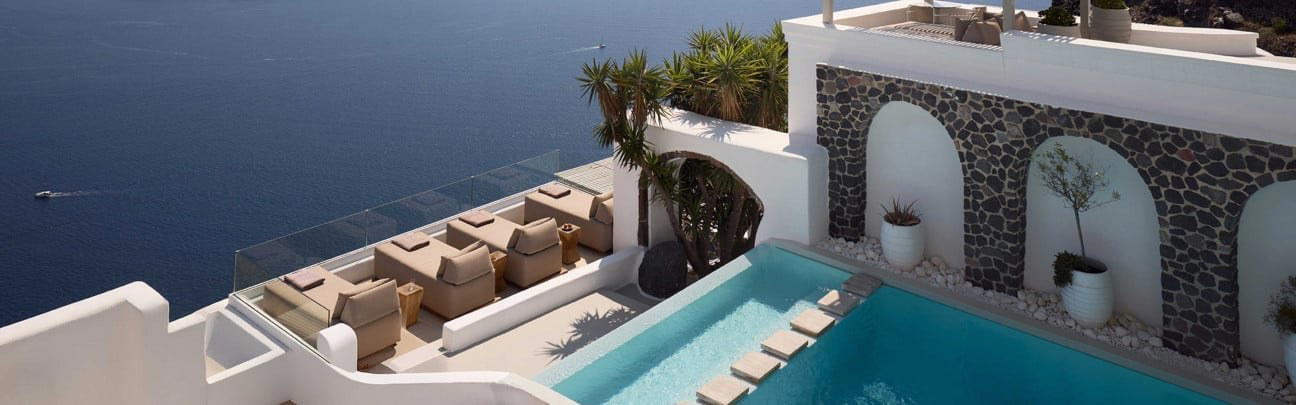
Firostefani occupies a narrow band of clifftop between Fira's commercial density and Imerovigli's rarefied calm. Restaurants along this stretch operate under conditions that concentrate the mind: the caldera drops sharply to the west, the Aegean stretches beyond it, and arriving guests carry expectations shaped by one of the most photographed coastlines in the Mediterranean. That pressure either produces kitchens that coast on the view or kitchens that treat the setting as an obligation to source and cook with equivalent seriousness. Aktaion sits in this village, where the physical environment is not a backdrop but a context that informs what lands on the table.
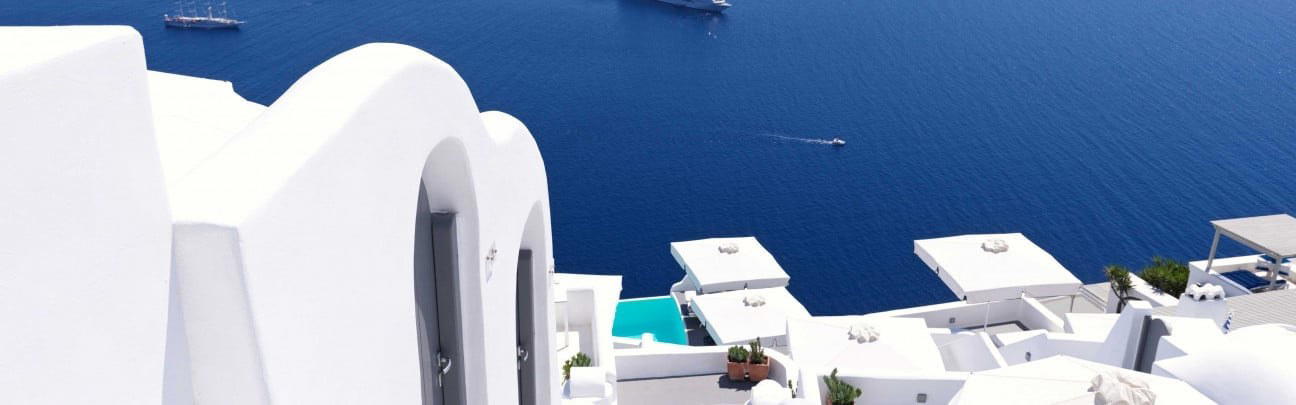
The approach to Firostefani from Fira is on foot or by the cliffside path that locals and in-the-know visitors prefer over the road. The path narrows past low whitewashed walls, and the caldera opens progressively to the left. By the time you reach the northern end of the village, the tourist density has thinned and the light, particularly in the late afternoon, drops at an angle that makes the volcanic rock glow ochre and rust. This is the neighbourhood that Aktaion belongs to, and the character of the place matters for understanding what kind of dining experience the setting enables. For context on where to stay nearby, the Firostefani hotels guide covers the full range of options along the rim.
Ingredient Logic on a Volcanic Island
Santorini's agricultural identity is narrow by design. The island's volcanic soil, low rainfall, and strong winds produce a small canon of ingredients that have adapted over centuries to conditions that would defeat most crops elsewhere. Assyrtiko grapes, the small sweet cherry tomatoes known as tomataki, white aubergines, and the split-pea fava that bears a protected designation of origin collectively define what grows here and, by extension, what a kitchen rooted in the island's terroir puts on the menu.
The sourcing logic that applies across Santorini's better restaurants is one of specificity over variety. Rather than importing continental produce to pad out a menu, the more considered kitchens here work within constraints, treating the limited local pantry as a discipline. This is the opposite of the approach taken at heavily tourist-facing operations, where the menu reads like a greatest-hits of generic Aegean dishes assembled from mainland suppliers. The distinction matters: Cycladic sourcing is verifiable on a plate in a way that broad claims about Mediterranean freshness are not. For comparison, Selene in Santorini has built a sustained reputation on exactly this premise, treating local agricultural heritage as a competitive position rather than a marketing phrase.
The same sourcing discipline shows up in the fish and seafood side of any serious Aegean kitchen. Day-boat catch from the waters between Santorini and Thirasia, octopus dried on lines in the sun, sea urchin harvested from the caldera rocks: these are the ingredients that contextualise a menu as specifically Cycladic rather than broadly Mediterranean. Restaurants further afield in the Greek islands that have made sourcing rigour a defining characteristic include Olais in Kefalonia and Old Mill in Elounda, each working within a regional ingredient logic that reflects its geography.
Where Aktaion Sits in the Firostefani and Santorini Dining Picture
Santorini's restaurant scene has stratified considerably over the past decade. At the upper end, venues like Lycabettus in Oia and Koukoumavlos in Fira have established reputations that draw visitors from beyond the island's general tourist market. Below that tier, a large middle band of caldera-view restaurants competes primarily on setting, with menus that vary less than their pricing implies. Aktaion occupies Firostefani, a village that sits between the two poles of Fira's busy commercial core and Oia's heavily curated premium market.
The Greek islands dining conversation has broadened in recent years, with recognition flowing to venues that combine serious cooking with specific regional character. On the mainland, restaurants like Delta in Athens have demonstrated that contemporary Greek cooking can carry international weight alongside peers such as Le Bernardin in New York City and Atomix in New York City in terms of technique and critical attention. On Mykonos, Almiriki and the dining options at Myconian Ambassador Thalasso Spa in Platis Gialos and Myconian Utopia Resort in Elia show how island settings are increasingly being taken seriously as culinary addresses. Across the Ionian islands, Etrusco in Kato Korakiana and Avaton Luxury Beach Resort in Halkidiki follow a similar trajectory.
Firostefani's particular position, quieter than Fira and less premium-signalled than Oia, means its restaurants operate for a guest who has already decided against the most obvious choices. That self-selection produces a dining room with a different demographic than either pole of the island: fewer first-time visitors on package tours, more travellers who have returned to Santorini specifically and are looking for something outside the main circuit.
Planning a Visit: Practical Notes
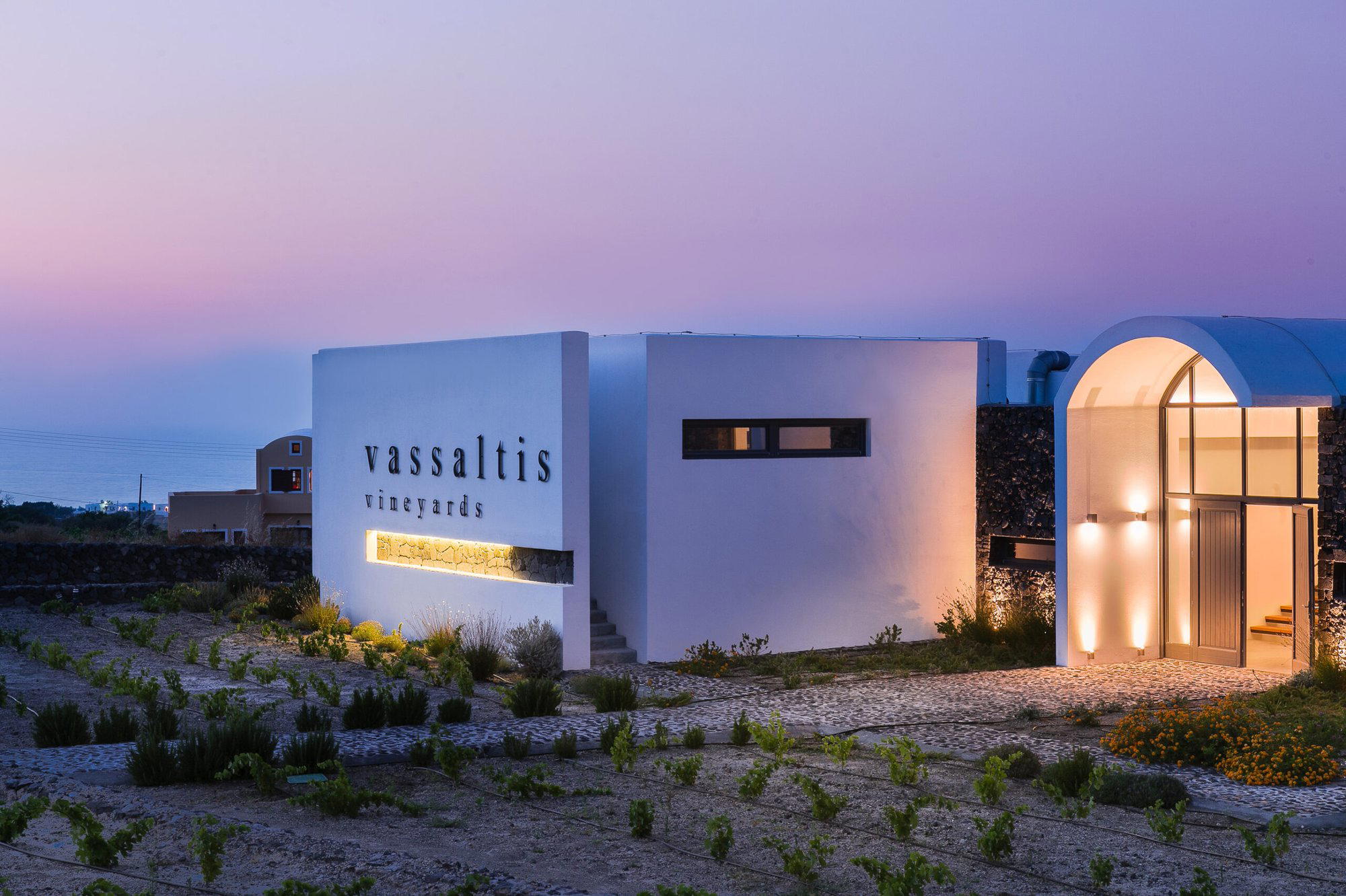
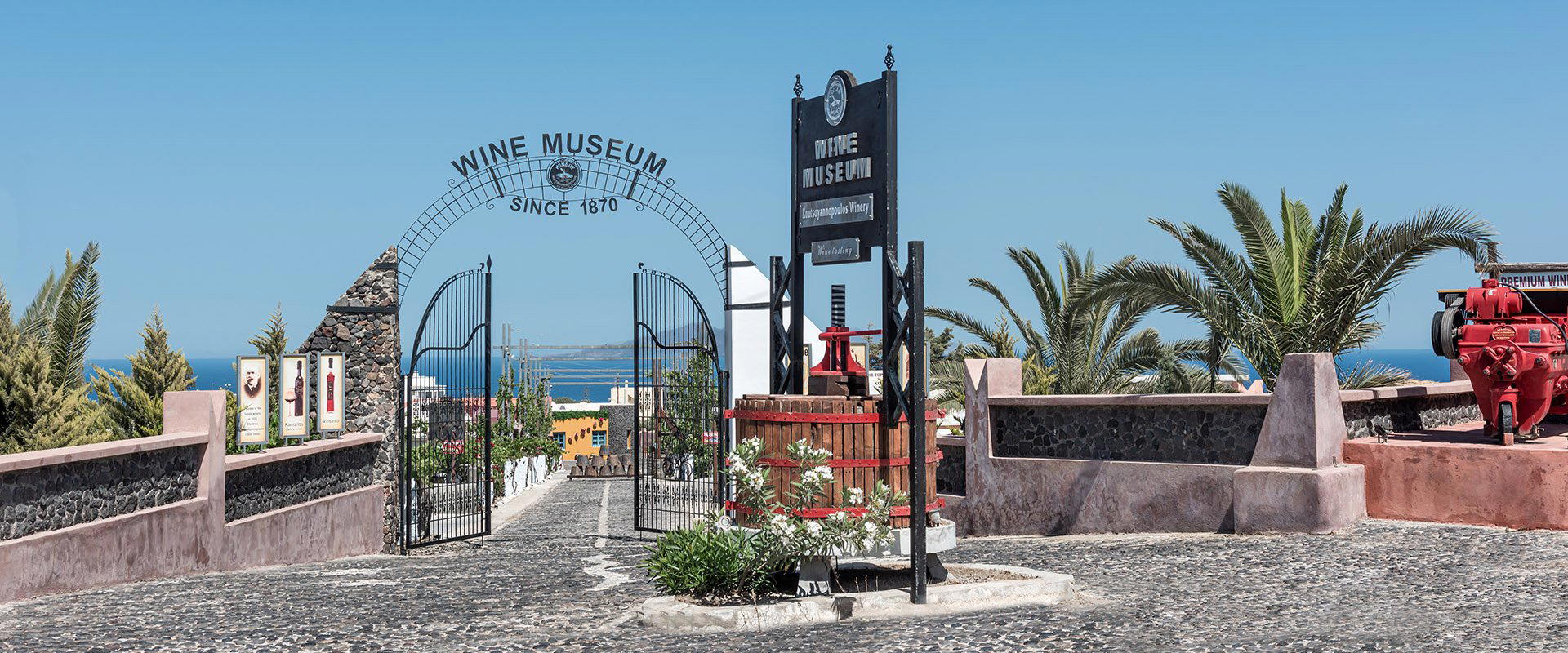
Firostefani is accessible on foot from Fira in under ten minutes along the caldera path, or by taxi from Fira's main square in under five. The village has no dedicated parking area, so arriving by vehicle is less practical than walking or taking a cab from Fira or the main island road above. For visitors staying along the caldera rim, the walk at dusk, timed to arrive as the sun sets over the caldera, is the obvious approach. The Firostefani experiences guide covers other ways to engage with the village and the surrounding area. For those exploring Santorini's wine production, the Firostefani wineries guide maps the local Assyrtiko producers worth visiting, and the Firostefani bars guide covers the caldera-view drinking options nearby.
Santorini's high season runs from late May through early September, with August bringing peak crowds and corresponding pressure on reservations across all dining tiers. Shoulder season, specifically May and October, offers the same caldera light with substantially fewer visitors and, at most serious restaurants, the same menu depth. Visiting outside August also means the island's agricultural producers are more accessible: the harvest period for Assyrtiko grapes typically falls in late August, and the tomato harvest runs through summer into early autumn.
Frequently asked questions
Is Aktaion good for families?
Firostefani's caldera path setting is better suited to adults and older children than families with young ones, the cliff-edge walkways require care, and the atmosphere along this stretch tends toward the relaxed rather than child-focused. Families staying in or near Firostefani will find it a short walk from Fira's more varied dining options if younger guests need alternatives.
What's the overall feel of Aktaion?
Aktaion occupies the quieter, less commercial stretch of Santorini's caldera rim in Firostefani, positioned between Fira's concentrated tourist density and the more secluded Imerovigli above. The feel reflects that geography: calmer than central Fira, with the caldera as a constant backdrop. It reads as a neighbourhood table rather than a destination-resort production.
How does Aktaion's location in Firostefani differ from dining in central Fira or Oia?
Firostefani sits on the caldera rim less than ten minutes on foot from Fira's main square, but operates at a noticeably lower commercial pitch than either Fira's tourist core or Oia's premium restaurant cluster. That positioning means fewer crowds and shorter queues than Oia venues, without the full remove of Imerovigli. For caldera views without the peak-season bottleneck, Firostefani is the practical middle ground.
What do people recommend at Aktaion?
Asking the kitchen what is sourced locally that day is the most reliable guide to ordering well at any Santorini table.
What's Aktaion's location?
Aktaion is located at Firostefani, Santorini 847 00, Greece, Firostefani.
Do they take walk-ins at Aktaion?
Given Firostefani's popularity during peak Aegean season, arriving early, particularly for caldera-facing seats at sunset, is the safest approach for walk-in guests.
A Quick Peer Check
Comparable venues nearby, for context on price, style, and recognition.
| Venue | Cuisine | Price | Notes |
|---|---|---|---|
| AktaionThis venue (the venue you are viewing) | Traditional Greek Taverna | $30–50 | Not listed |
| Blue Note | Traditional Greek & Mediterranean Seafood | $30–50 | Imerovigli |
| Valia Calda | Modern Greek Vlach Cuisine | Not listed | Kalambaka |
| Pelagos Restaurant | Traditional Greek Seafood | $20–30 | Kardamena |
| Souvlucky | Greek Beach Grill | Not listed | Maragkas |
| Ατίταμος | Traditional Greek | $10–20 | Exarcheia |
Continue exploring
More in Santorini
Restaurants in Santorini
All restaurants in Santorini →
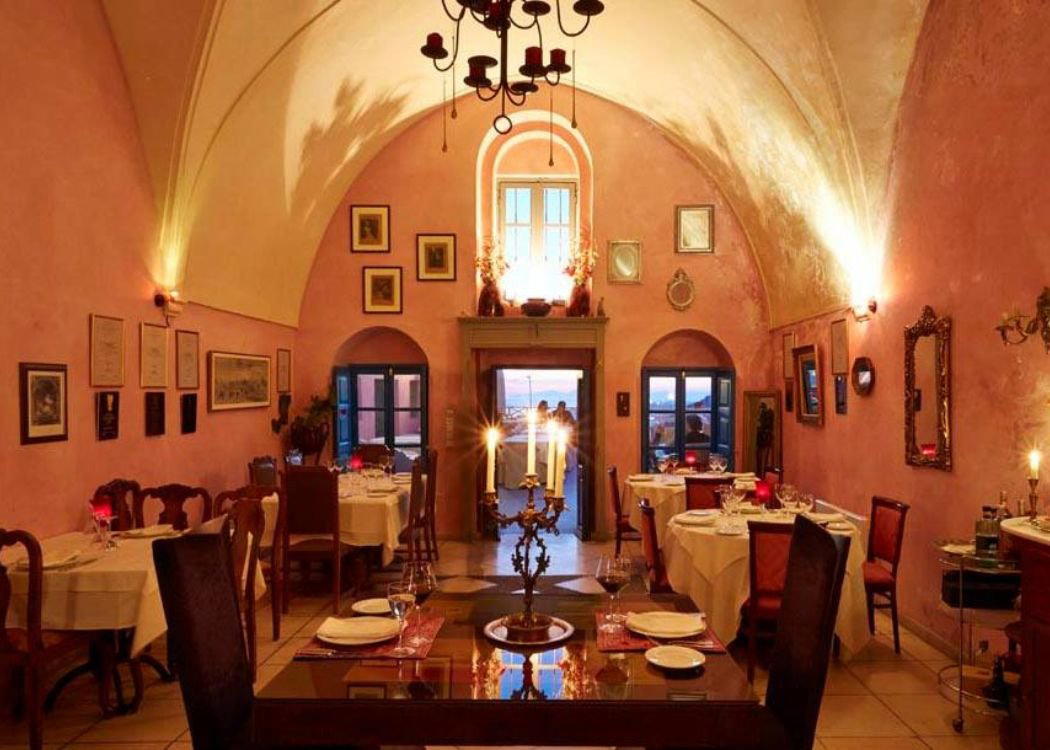
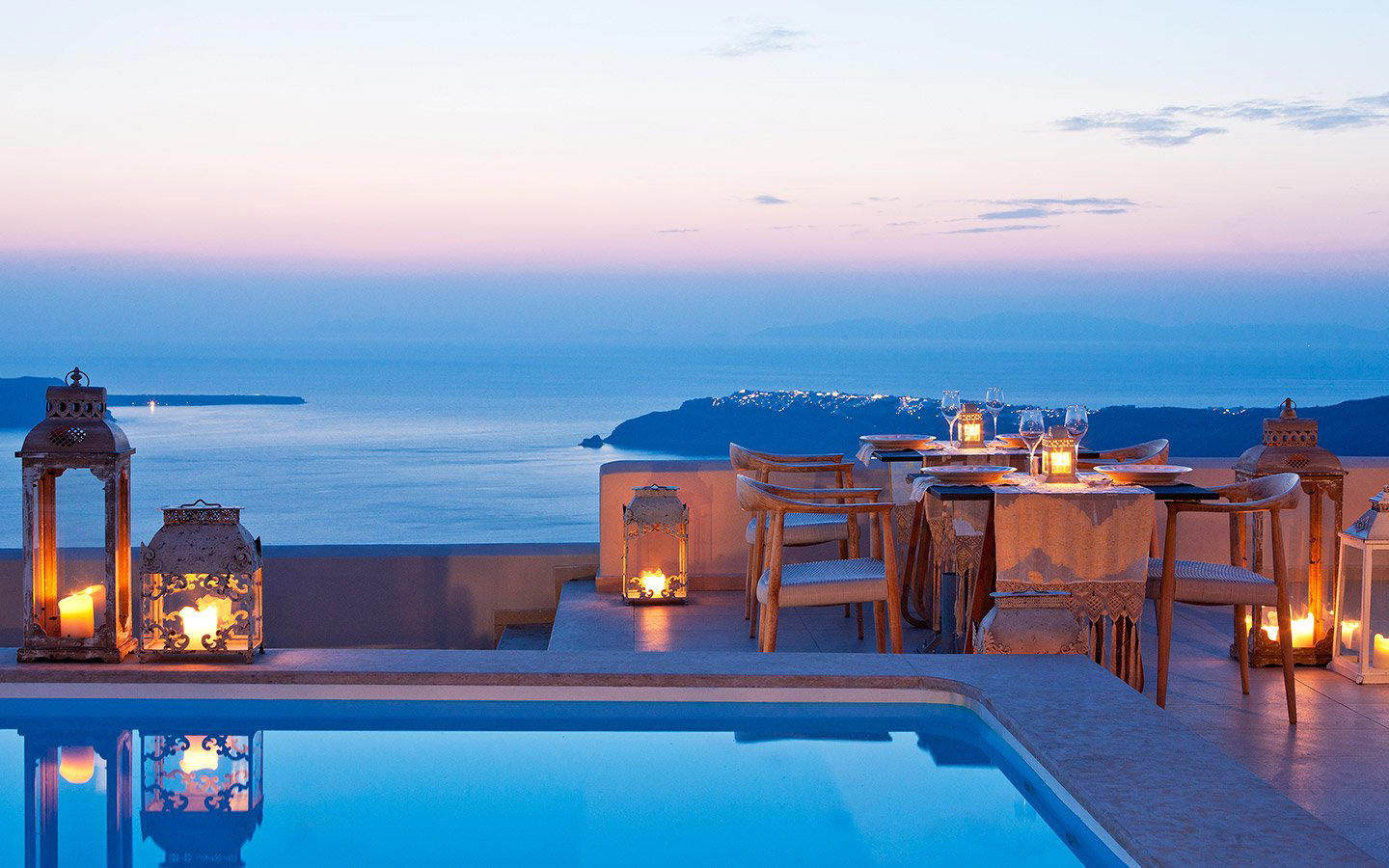
Bars in Santorini
All bars in Santorini →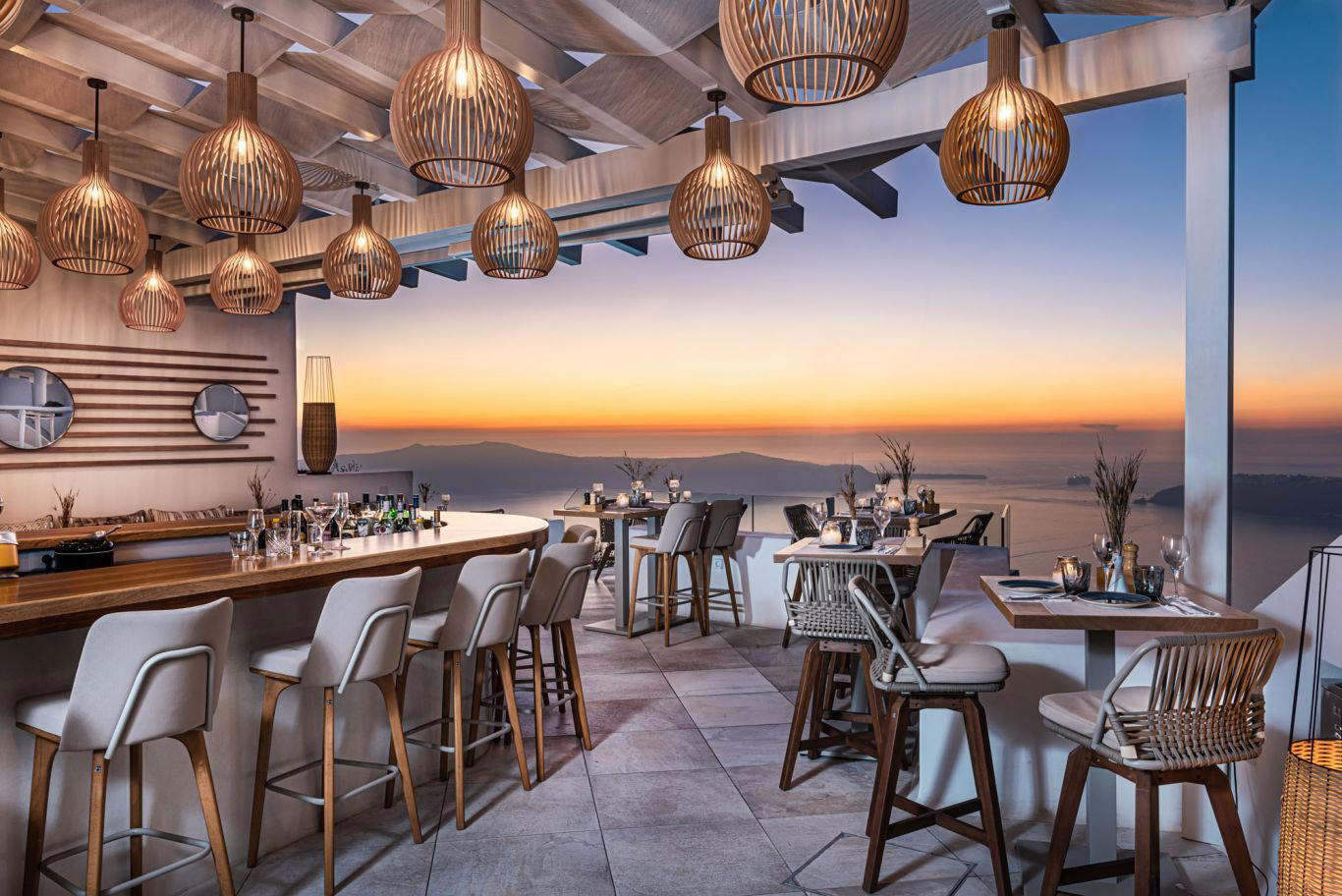
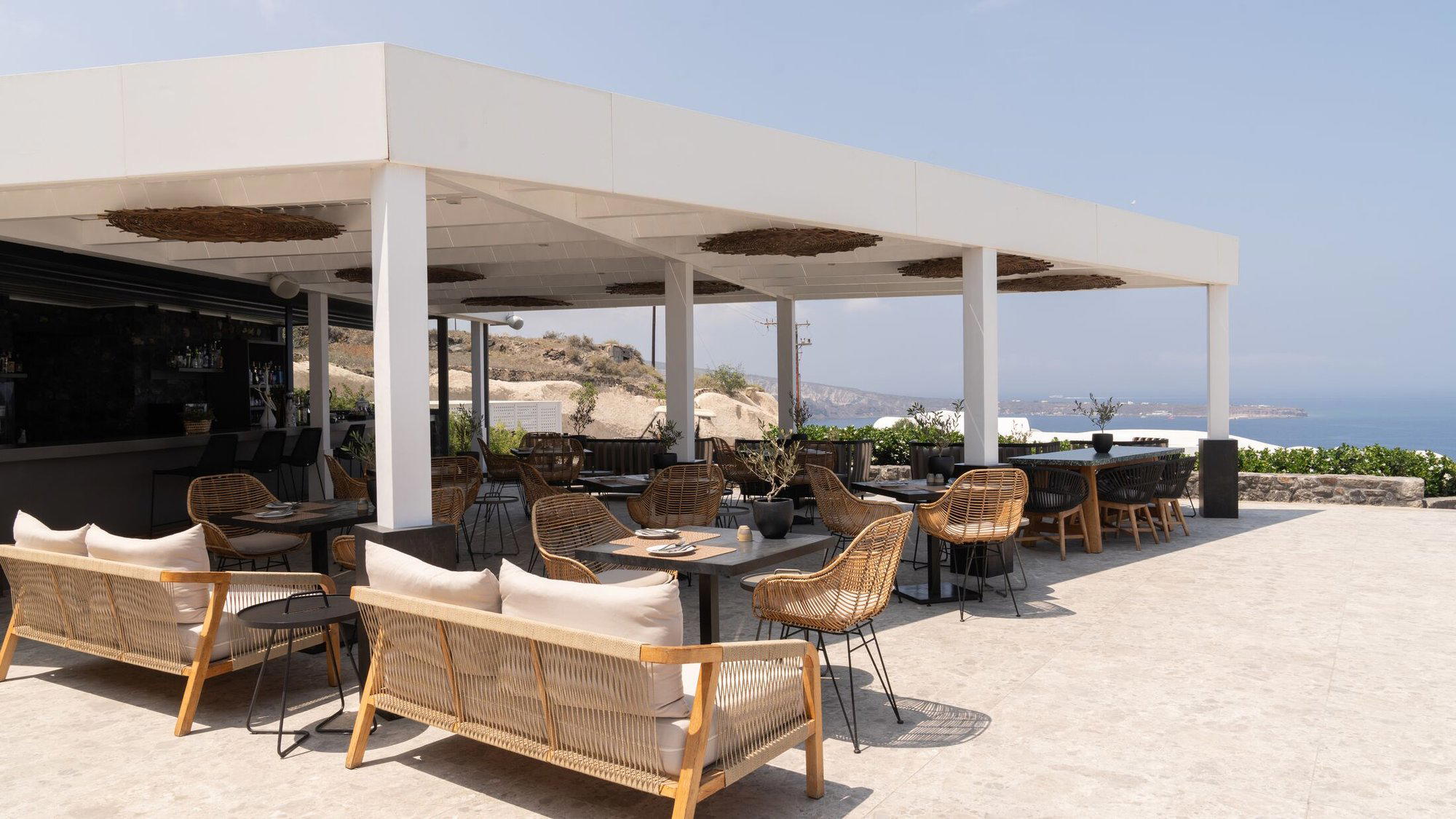
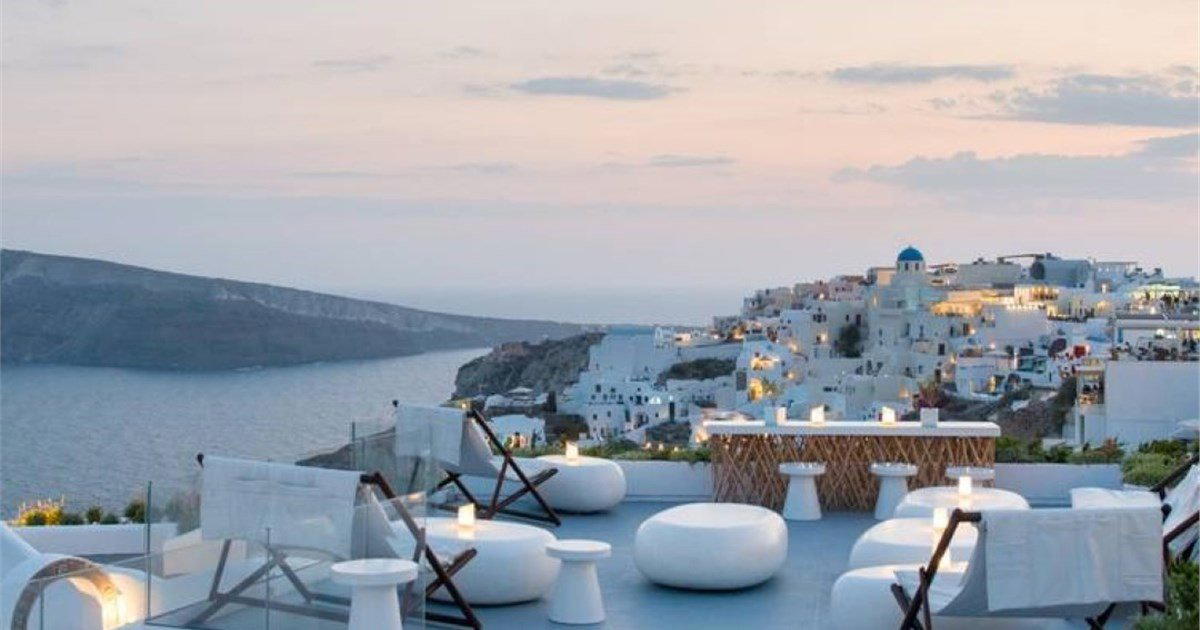
Hotels in Santorini
All hotels in Santorini →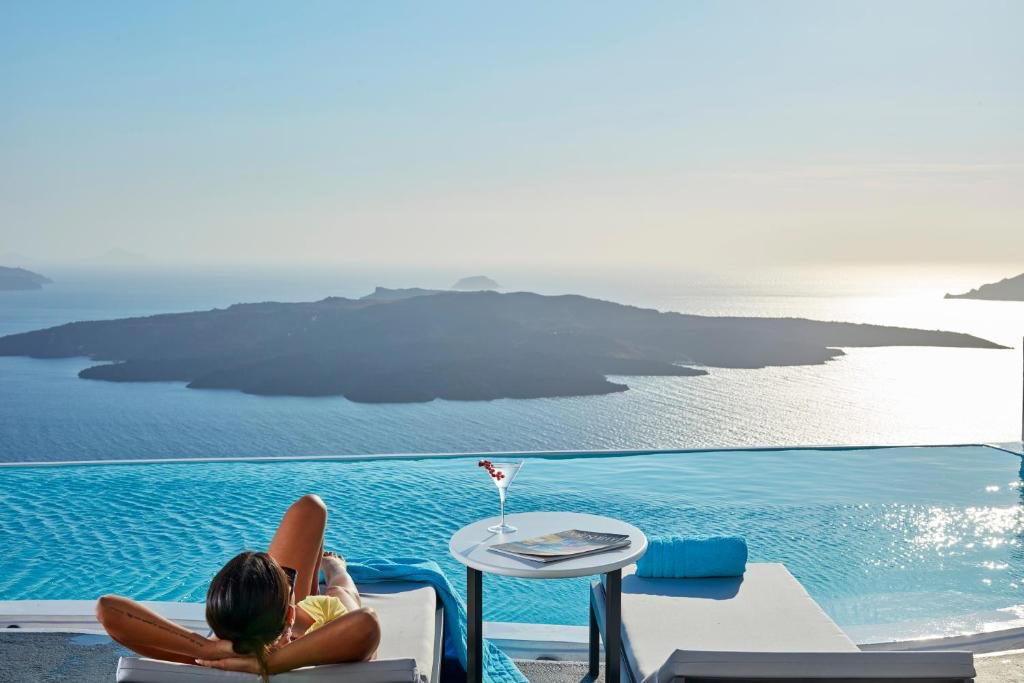
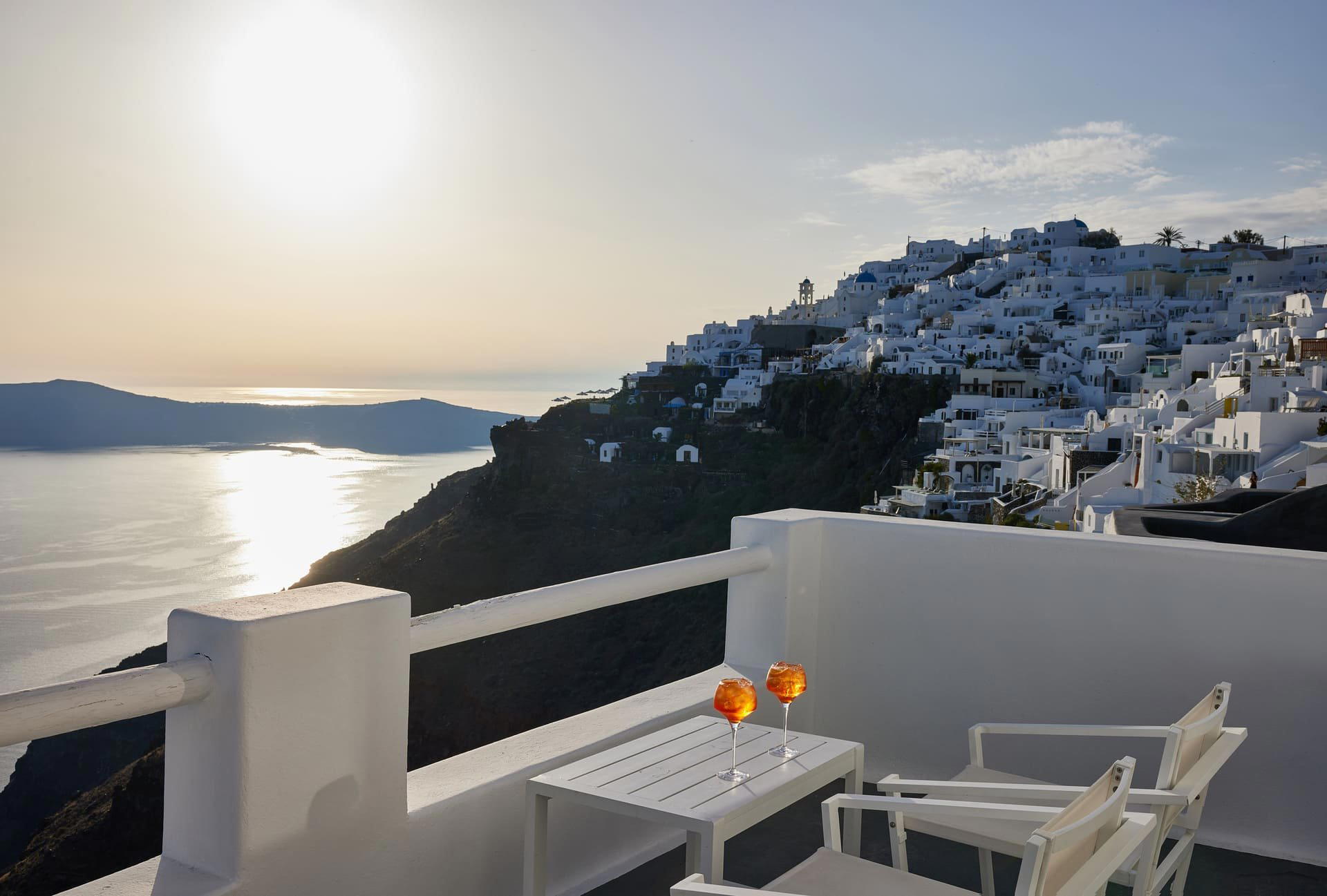
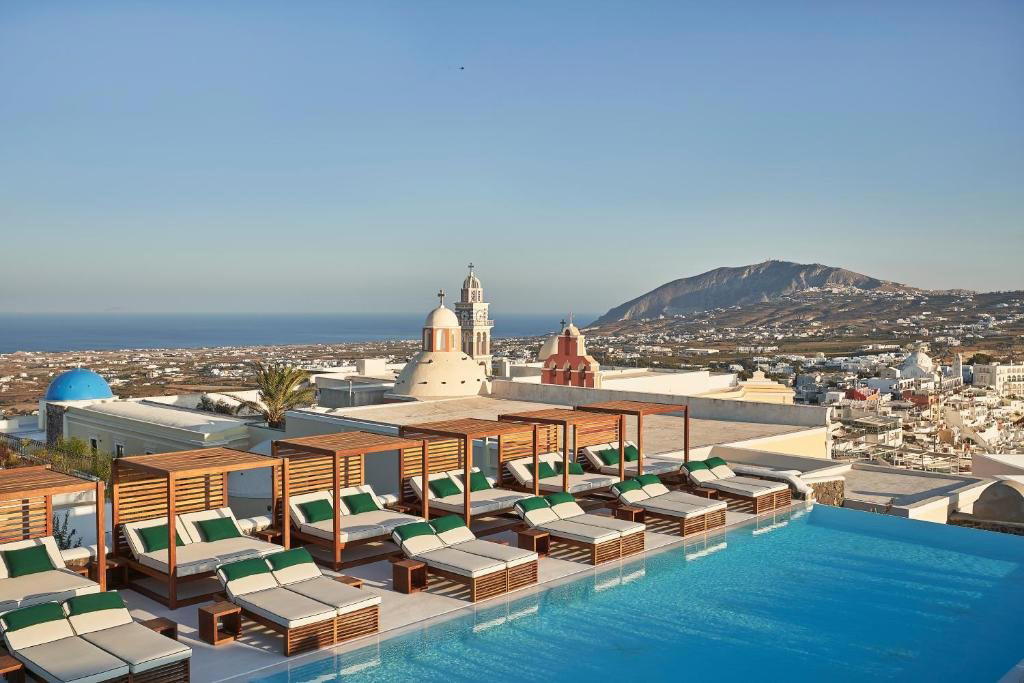
Details
- Classic
- Cozy
- Scenic
- Intimate
- Date Night
- Family
- Casual Hangout
- Terrace
- Panoramic View
- Historic Building
- Local Sourcing
- Waterfront
- A La Carte
- Vegetarian Friendly
- Vegan Options
- Gluten Free Options
Current opening hours
- Monday
- 1 PM–12 AM
- Tuesday
- 1 PM–12 AM
- Wednesday
- 1 PM–12 AM
- Thursday
- 1 PM–12 AM
- Friday
- 1 PM–12 AM
- Saturday
- 1 PM–12 AM
- Sunday
- 6 PM–12 AM
Hours can change for holidays and private events. Hours as of .
Charming rustic taverna with cozy blue-checked tablecloths, nostalgic family atmosphere, and terrace overlooking the caldera for dramatic sunsets.