On Makrigianni, within walking distance of the Acropolis, Arcadia Restaurant draws a clientele that returns not out of novelty but out of habit. The address places it inside one of Athens' most historically layered neighbourhoods, where the city's older dining culture persists alongside a newer wave of destination restaurants. Regulars know what they want before they sit down.
Pearl is the En Primeur Club membership app — saves, bookings, and concierge access live there. Same editors, same standards.
- Address
- Makrigianni 23-27, Athina 117 42, Greece
- Phone
- +302109238124
- Website
- greektaverna.gr
- Directions
- Get directions
 Saves & bookings on Pearl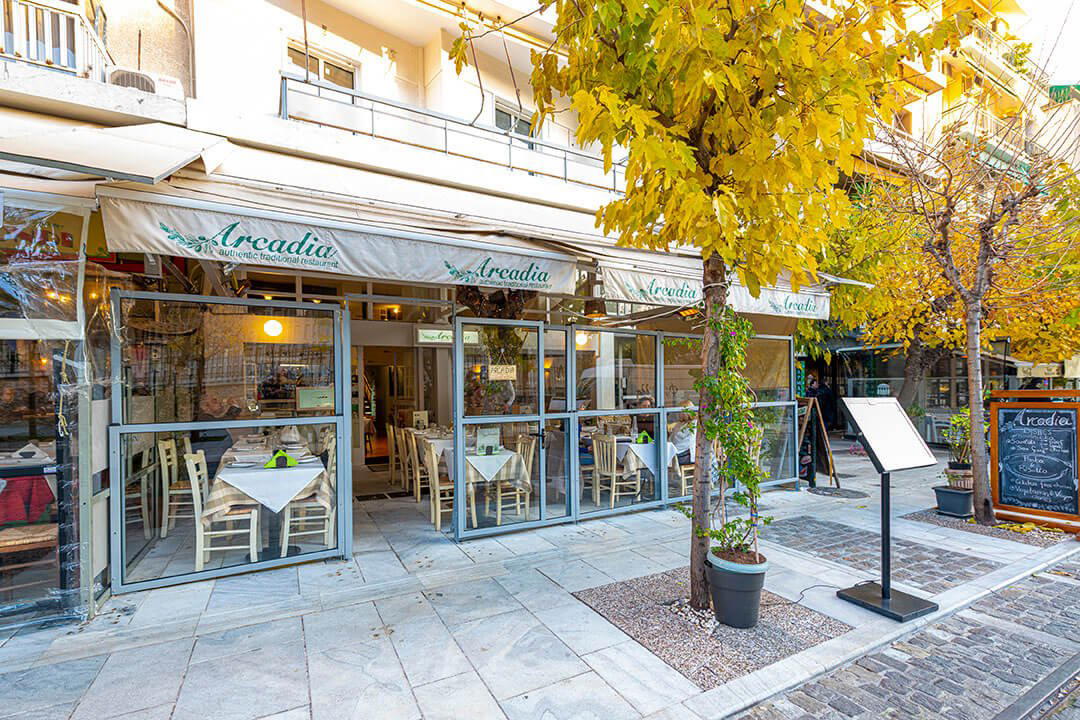
The Address and What It Signals
Makrigianni is not the neighbourhood Athens tends to export in its dining press. The streets immediately below the Acropolis are better known to tourists for museum proximity than to serious diners for kitchen ambition. That tension, between a location that draws foot traffic by geography and a restaurant that holds a loyal local following, is exactly where Arcadia sits. Addresses in this district carry a particular character: quieter than Monastiraki, less self-consciously fashionable than Kolonaki, closer in feeling to the Athens that eats at the same table on a Tuesday as it does on a Saturday.
That regularity is worth noting because it shapes what a restaurant has to offer. In Athens' more competitive tiers, where venues like Hytra and Delta (Creative) operate, the conversation is about seasonal menus, sourcing credentials, and critical recognition. Arcadia occupies a different register, one where the measure of success is less about industry attention and more about the dining room filling with familiar faces.
What Keeps the Regulars Returning
Athens has always maintained a distinction between the restaurant that wants to be written about and the restaurant that wants to be returned to. The city's most reviewed addresses, including Botrini's with its Contemporary Greek and Mediterranean positioning at the €€€€ tier, and Makris Athens in its creative format, build their reputations partly on critical visibility. The regular's restaurant builds its reputation differently: through consistency, through the unwritten menu of small adjustments that a kitchen makes for guests it recognises, and through a dining room atmosphere that rewards familiarity rather than punishing it.
Neighbourhoods like Makrigianni develop this kind of venue organically. The proximity to the Acropolis Museum means a constant turnover of one-time visitors, but the residential streets behind the main thoroughfare supply a steadier, more demanding audience. For a restaurant to persist in that environment, it has to satisfy the visitor on the first pass and the local on the fifteenth. These are not the same standards, and restaurants that navigate them well tend to develop a double identity: approachable on the surface, more layered underneath.
Greek dining culture reinforces this dynamic. The tradition of returning to a known table, of being recognised by a waiter who remembers your preference, runs deeper here than in cities where restaurant novelty drives the conversation. Across Greece, from the port-side tables of To Psaraki in Vilcahda to the terrace settings of Aktaion in Firostefani, the leading neighbourhood rooms understand that loyalty is earned through repetition, not revelation.
Athens Dining at the Mid-Tier: Where Arcadia Fits
Athens' restaurant scene has reorganised itself around a clearer price and ambition hierarchy over the past decade. At one end, venues with Michelin recognition or strong festival-circuit positioning, such as Hervé, pull from a national and international audience. At the other, neighbourhood Greeks operate on local custom and low margins. The middle tier, restaurants that price at €€ to €€€, serve Greek and Mediterranean food without heavy conceptual framing, and depend on return visits rather than destination-dining logic, is where Arcadia's address and format suggest it competes.
That middle tier is one honest expression of how Athens eats. The €€€€ rooms at venues like Spondi, with its Contemporary Greek and French register, or Tudor Hall's contemporary positioning, serve a particular kind of occasion dining. Aleria's Greek format at the €€€ level offers something closer to Arcadia's neighbourhood register, though with stronger critical recognition. Arcadia, with less documentation in the public record, operates with the relative anonymity that its regulars likely prefer.
Greece's island dining circuit offers a useful comparative frame. The resort-adjacent formats at Myconian Ambassador Thalasso Spa in Platis Gialos or Avaton Luxury Beach Resort in Halkidiki operate with seasonal intensity and visitor-driven demand. Athens venues like Arcadia operate year-round, across weather and occasions, which places different demands on consistency and range. Year-round operation in a residential neighbourhood is its own credential, one the awards circuit rarely measures but regulars understand immediately.
Greek Culinary Tradition and the Neighbourhood Table
The Greek table has always privileged sharing over sequence, informality over ceremony. The neighbourhood restaurant in Athens is its primary expression: a room where the food arrives without excessive theatrics, where the wine list skews toward the accessible rather than the aspirational, and where the meal's pace is set by conversation rather than kitchen timing. This tradition persists even as the city's upper-end rooms have adopted tasting menu formats and international sourcing language.
Across Greece's most respected destination restaurants, from Selene in Santorini to Etrusco in Kato Korakiana and Olais in Kefalonia, the conversation about Greek cuisine has shifted toward regional specificity and producer relationships. Arcadia's Makrigianni address puts it in a different conversation: not about what Greek food can become at its most ambitious, but about what it already is at its most consistent. Those are separate arguments, and both matter.
For context on how Athens compares to the international tier, the distance from this kind of neighbourhood format to the technical precision of Le Bernardin in New York City or the communal-dining ambition of Lazy Bear in San Francisco is considerable. That distance is a feature of this kind of restaurant, not a limitation. Athens' neighbourhood tables are not competing with those rooms. They are answering a different question about what dinner is for.
Planning Your Visit
Arcadia Restaurant sits at Makrigianni 23-27, a walkable distance from the Acropolis Museum and the main pedestrian corridor of Dionysiou Areopagitou. The neighbourhood is well-served by public transport, with the Acropolis metro station on Line 2 close by. For visitors combining a meal here with a daytime museum visit, the proximity works in both directions: the restaurant is accessible before or after the main tourist circuit without retracing distance. Given the limited documentation available in the public record for booking method, hours, and pricing, contacting the venue directly is the safest approach for reservations. The Makrigianni location means peak tourist season brings higher foot traffic to the area, so advance contact in summer months is advisable. Our full Athens restaurants guide provides broader context on how to structure a dining itinerary across the city's neighbourhoods, including comparisons with Almiriki in Mykonos and Myconian Utopia Resort in Elia for those extending their Greece trip beyond Athens and Old Mill in Elounda for Crete.
How ARCADIA RESTAURANT Athens compares with similar nearby venues.
| Venue | Cuisine | Price |
|---|---|---|
| SENSE | Creative | €€€ |
Continue exploring
More in Athens
Restaurants in Athens
Browse all →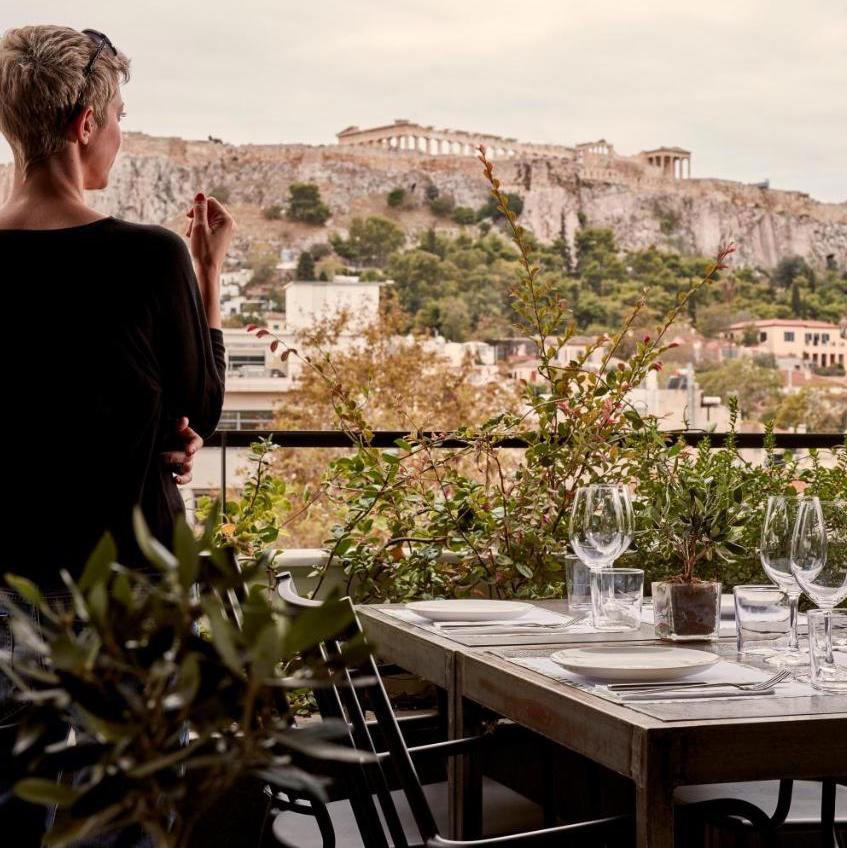
Bars in Athens
Browse all →
Hotels in Athens
Browse all →
At a Glance
- Classic
- Cozy
- Family
- Casual Hangout
- Terrace
- Historic Building
- Local Sourcing
- Street Scene
Current opening hours
- Monday
- 11 AM–11 PM
- Tuesday
- 11 AM–11 PM
- Wednesday
- 11 AM–11 PM
- Thursday
- 11 AM–11 PM
- Friday
- 11 AM–11 PM
- Saturday
- 11 AM–11 PM
- Sunday
- 11 AM–11 PM
Hours can change for holidays and private events. Last verified .
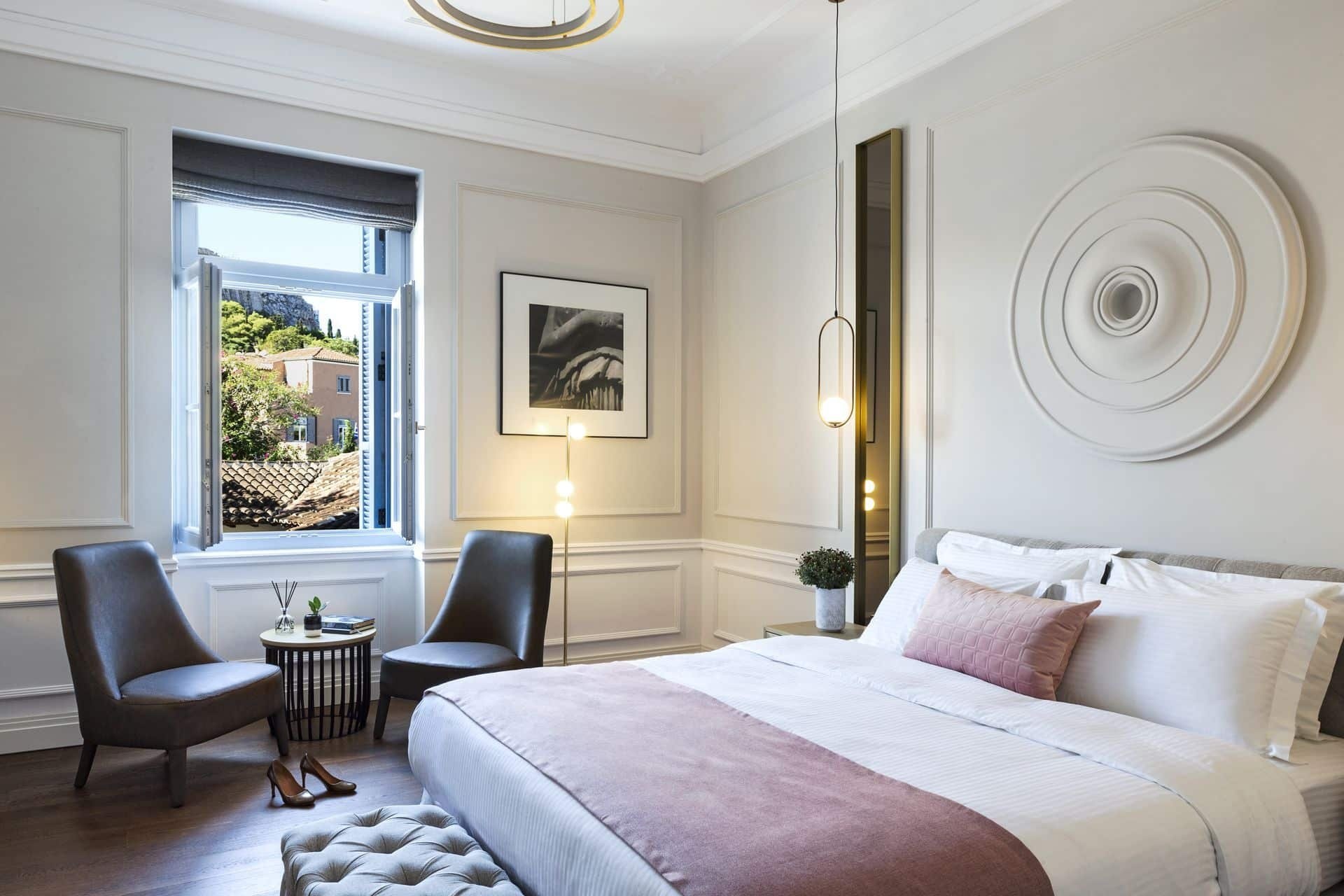
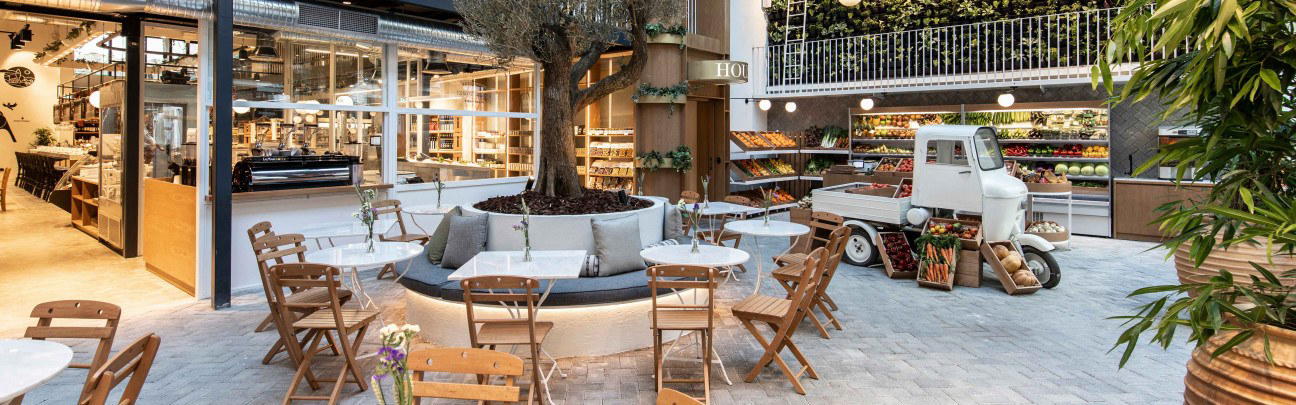
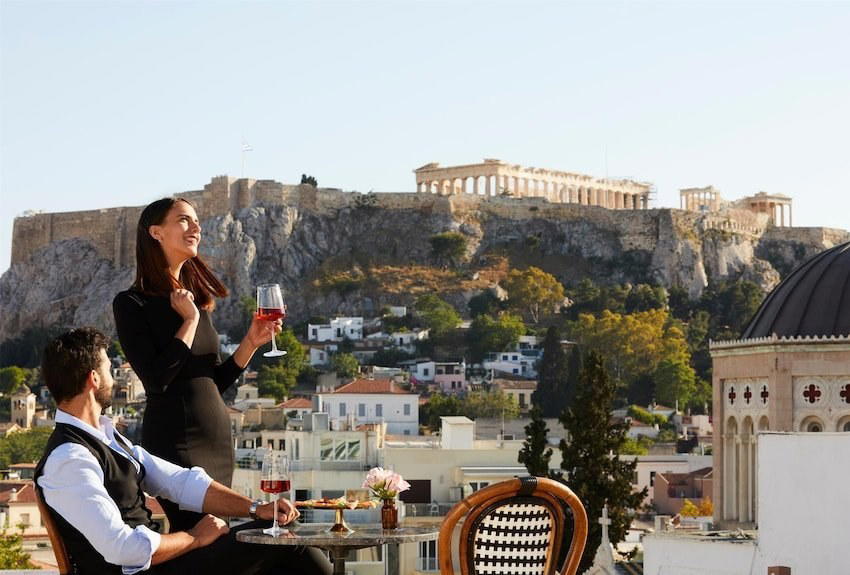
Carefully decorated interior with pedestrian street outdoor seating under the Acropolis view when weather permits.