Positioned inside Union Station, Amano Italian Kitchen sits at the intersection of transit-hub accessibility and Italian-leaning casual dining in downtown Toronto. The address places it among one of Canada's busiest commuter landmarks, drawing both office workers and visitors moving through the Financial District. For Italian options at this price point and location, it competes with a different comparable set than the city's destination dining rooms.
 Discover on Pearl
Pearl is the En Primeur Club membership app — saves, bookings, and concierge access live there. Same editors, same standards.
- Address
- Union Station, 65 Front St W, Toronto, ON M5J 1E6, Canada
- Phone
- +16473500092
- Website
- eatamano.com
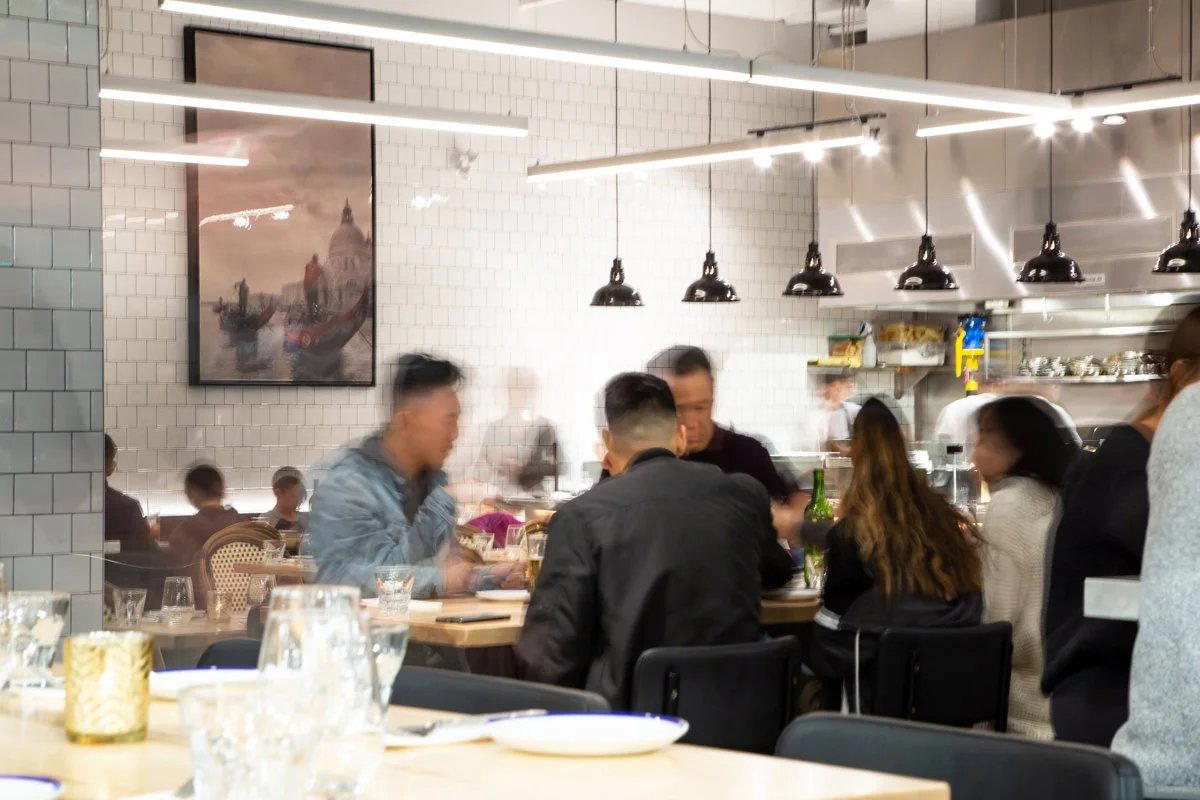
Italian in Motion: Dining at a Transit Landmark
Union Station is the defining setting for Amano Italian Kitchen. Toronto's central rail and transit hub processes hundreds of thousands of people each week, and a restaurant inside its walls operates under a logic that differs fundamentally from destination dining rooms. The audience is partly captive and partly curious. Italian-leaning menus work well in this context: recognizable formats, approachable entry points, and a cuisine tradition broad enough to serve both a quick plate and a slower meal.
Toronto's Italian kitchen scene covers a wide range. At the leading end, Don Alfonso 1890 operates at the $$$$-tier with contemporary Italian tasting formats and white-tablecloth pacing. DaNico occupies a similarly premium position, blending Italian and French technique at a fine-dining register. Amano sits well below that bracket, functioning as the accessible, location-anchored end of the city's Italian offer, the kind of place where the room itself is part of the proposition, rather than the kitchen's ambition driving everything.
What the Menu Format Reveals
Italian-kitchen menus structured around transit-adjacent dining tend to favour legibility over complexity. Expect formats built on pasta, proteins, and shared plates rather than multi-course progressions with long lead times. This is a deliberate architecture: dishes need to travel quickly from kitchen to table, hold their character under the noise and movement of a busy public space, and satisfy guests whose schedules may shift mid-meal. That kind of menu discipline is harder to execute consistently than it looks from the outside.
The broader question such menus raise is what version of Italian cooking they are referencing. Toronto's Italian-Canadian dining culture runs deep, the city has one of the largest Italian diaspora communities in North America, with roots in mid-twentieth-century immigration patterns that shaped neighbourhoods like Corso Italia and Little Italy. A restaurant inside Union Station is not drawing on that neighbourhood specificity; it is drawing on the broader legibility of Italian food as a global category. Pasta, antipasto, secondi, these function as a shared language rather than a regional statement.
That distinction matters when reading the menu architecture. A venue at this address is not making an argument about the cuisine the way a destination restaurant might. It is using Italian forms as a reliable, accessible frame for volume-ready cooking. Done carefully, that produces food worth stopping for. Done carelessly, it produces the kind of generic station-food experience that most travellers have learned to avoid. The difference shows in the specifics: whether pasta is made in-house or sourced, whether sauces are built from scratch or assembled, whether the wine list reflects any genuine Italian regional thinking.
Reading the Room: Union Station as Context
Few dining rooms in Toronto have the architectural drama of Union Station's Great Hall. The limestone columns, the coffered ceiling, the sheer scale of the public concourse, these are not features most restaurants could claim proximity to. For a visitor arriving by Via Rail from Montreal or Quebec City (where Tanière³ represents a very different end of the Canadian dining ambition spectrum), stepping into Union Station and finding a sit-down Italian kitchen is a reasonable alternative to the food-court tier that dominates most transit infrastructure.
The Financial District addresses surrounding the station, Bay Street, Front Street West, King Street, support a lunch and after-work dinner culture that Italian formats serve well. Office workers on a defined lunch hour need something faster than a tasting menu; commuters catching an evening train need something more considered than a grab-and-go counter. Amano's position at Union Station places it squarely in both windows, which shapes the operational logic more than any culinary philosophy would.
By comparison, Toronto's most demanding Italian dining happens away from transit corridors entirely. Both Don Alfonso 1890 and DaNico require deliberate evening commitments. The city's broader restaurant conversation at the top tier, venues like Alo for contemporary tasting menus, Sushi Masaki Saito and Aburi Hana for Japanese precision, operates on reservation-forward, occasion-dining terms. Amano functions differently: its value is in availability and location rather than scarcity.
Planning Your Visit
The Union Station address gives Amano logistical advantages that few Toronto restaurants can match. GO Transit, the TTC subway, Via Rail, and UP Express all converge at the building, making it one of the most transit-accessible dining addresses in the country. Arriving without a car is not just feasible, it is the obvious approach.
| Venue | Cuisine | Price Tier | Format | Location |
|---|---|---|---|---|
| Amano Italian Kitchen | Italian-leaning | Not confirmed | Casual / Transit-hub | Union Station, Front St W |
| DaNico | Italian | $$$$ | Fine dining | King West |
| Don Alfonso 1890 | Contemporary Italian | $$$$ | Contemporary tasting | Casa Loma area |
| Alo | Contemporary | $$$$ | Tasting menu | Spadina / Queen |
Check current hours, booking policy, and pricing directly with the venue before visiting.
For readers whose interest in Italian dining extends to the fine-dining tier elsewhere in Canada, the range is worth mapping: Jérôme Ferrer - Europea in Montreal operates at a European-influenced contemporary register, while destination properties in smaller markets like Eigensinn Farm in Singhampton or Restaurant Pearl Morissette in Lincoln demonstrate how far outside Toronto's urban core serious Canadian cooking now reaches. AnnaLena in Vancouver and Fogo Island Inn Dining Room in Newfoundland represent the geographic breadth of that picture. Internationally, comparable precision can be found in places like Le Bernardin in New York City or Lazy Bear in San Francisco.
Cuisine Context
Comparable venues nearby, for context on price, style, and recognition.
| Venue | Cuisine | Price | Awards | Notes |
|---|---|---|---|---|
| Amano Italian KitchenThis venue — the venue you are viewing | Modern Italian | $$ | , | |
| Gusto 101 | Modern Southern Italian | $$ | , | Fashion District |
| Uncle Tony's | Authentic Italian Pasta & Pizza | $$ | , | Church-Yonge Corridor |
| 7 Numbers DANFORTH | Authentic Southern Italian Family-Style | $$ | , | Playter Estates |
| Tulia Osteria | Italian Osteria with Neapolitan Pizza & Fresh Pasta | $$ | , | Leslieville |
| Pizzeria Badiali | New York-Style Pizza | $$ | , | Trinity Bellwoods |
Continue exploring
More in Toronto
Restaurants in Toronto
Browse all →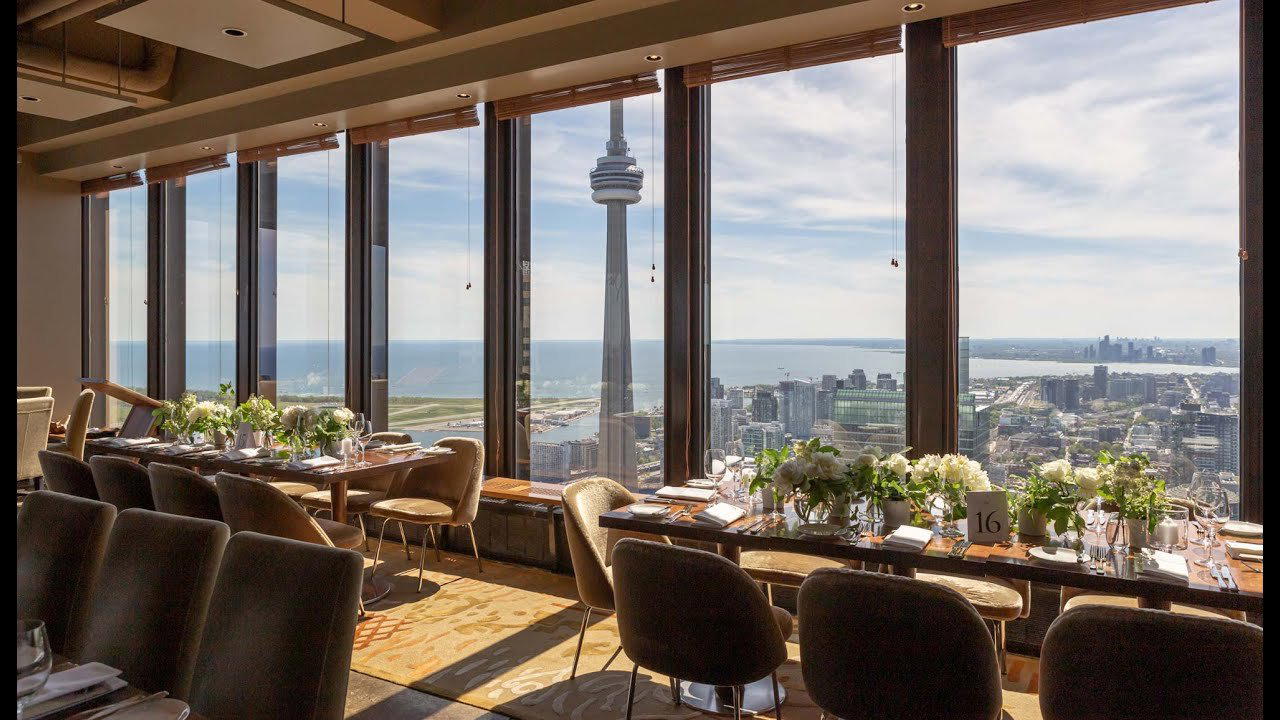
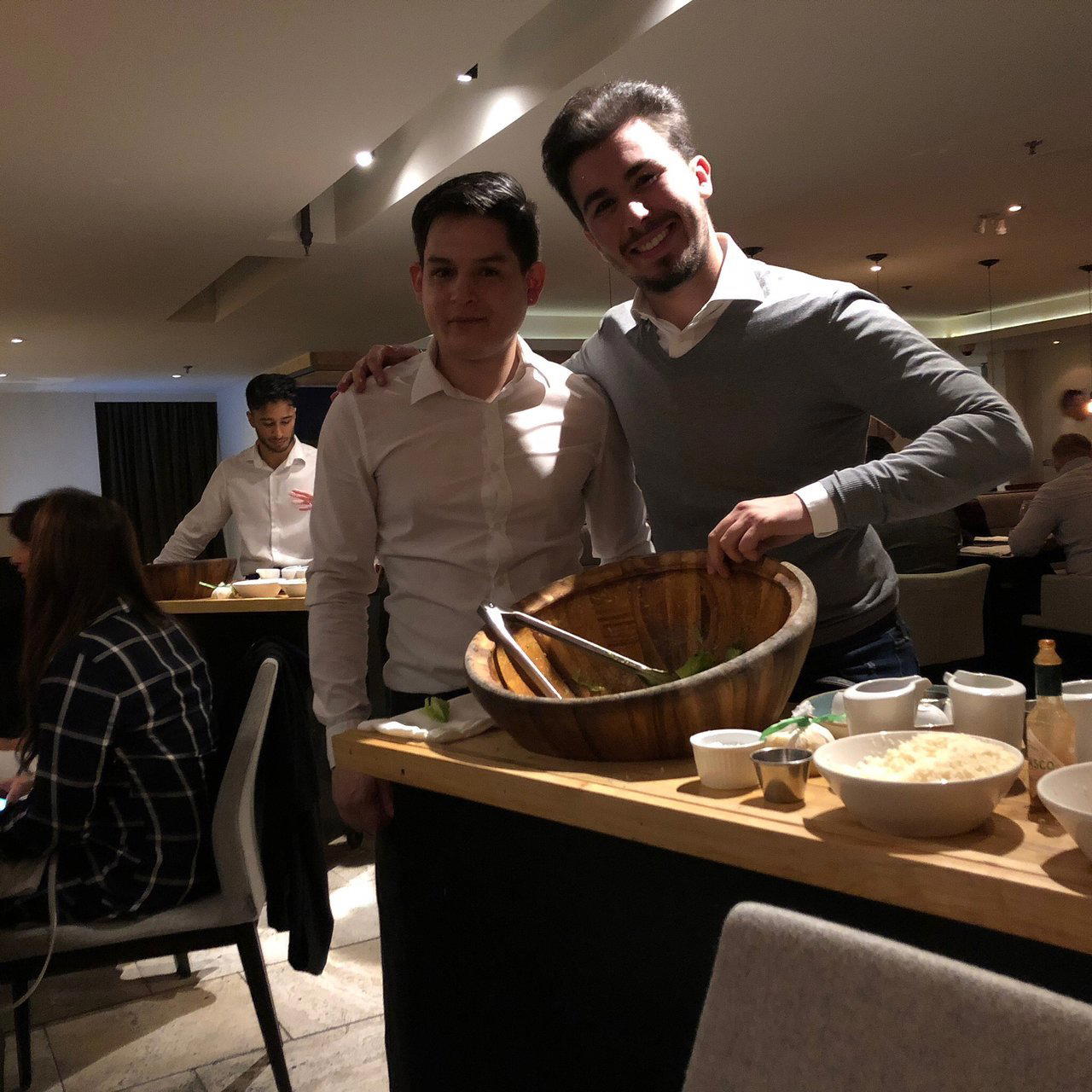
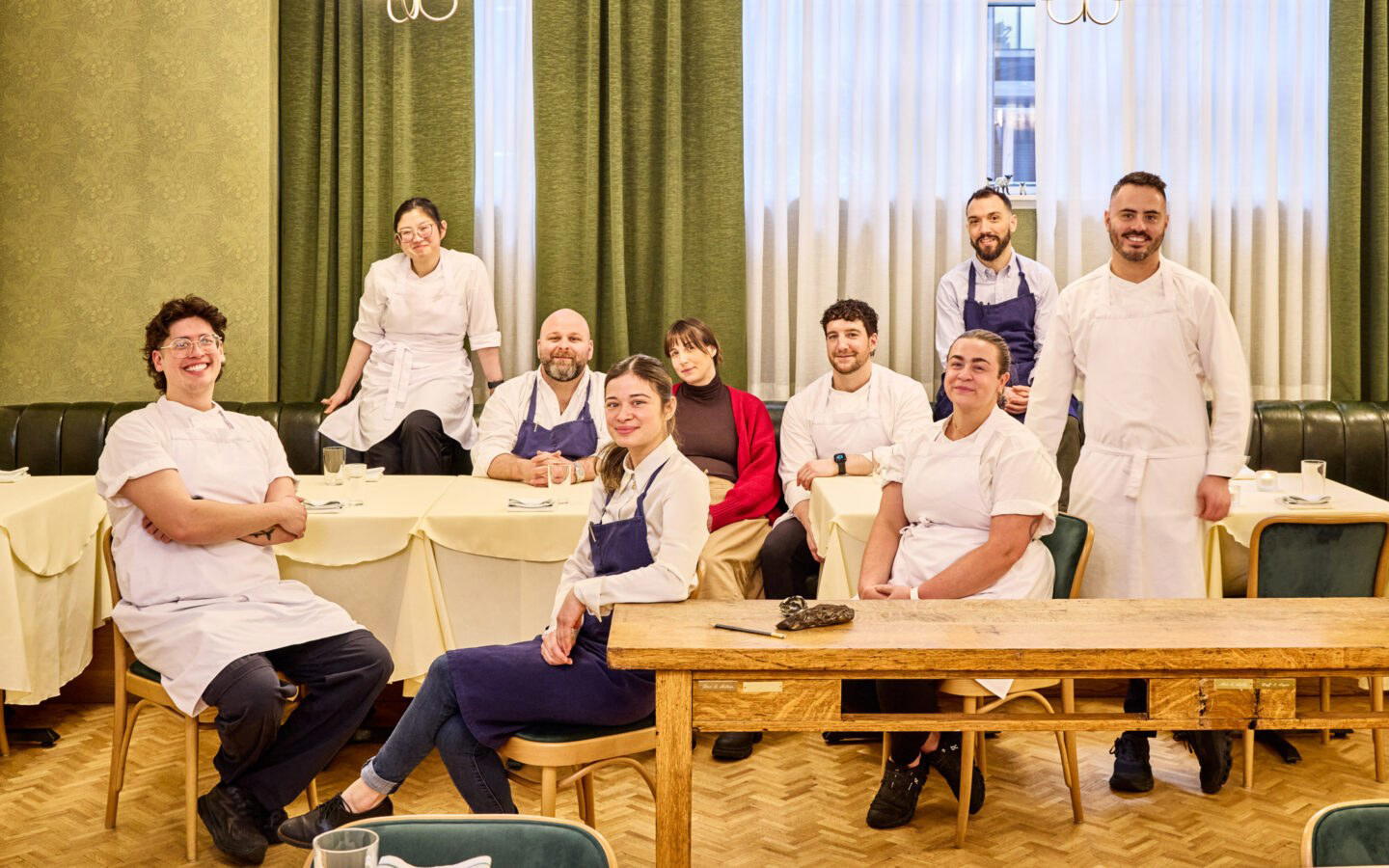

Bars in Toronto
Browse all →


Hotels in Toronto
Browse all →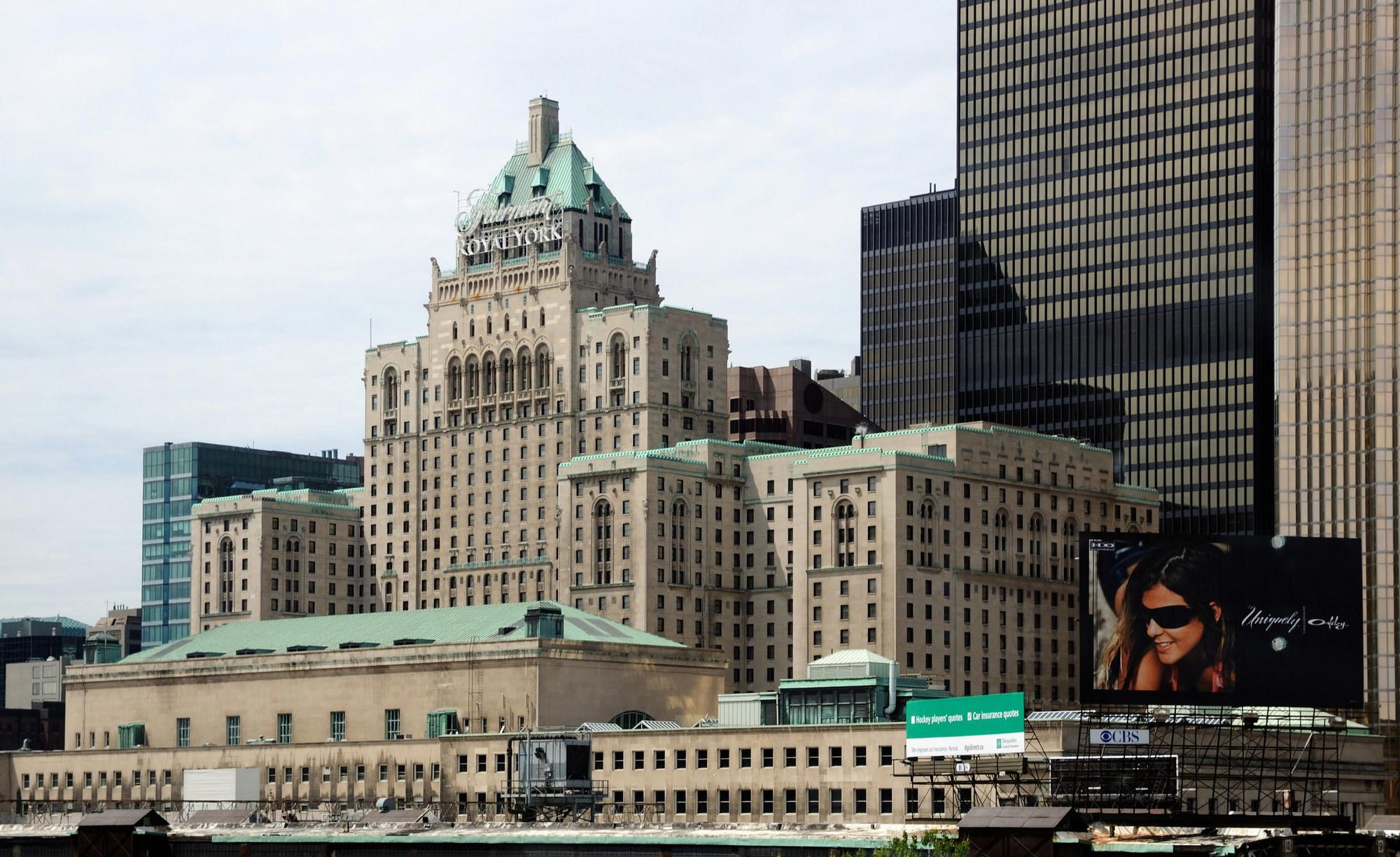
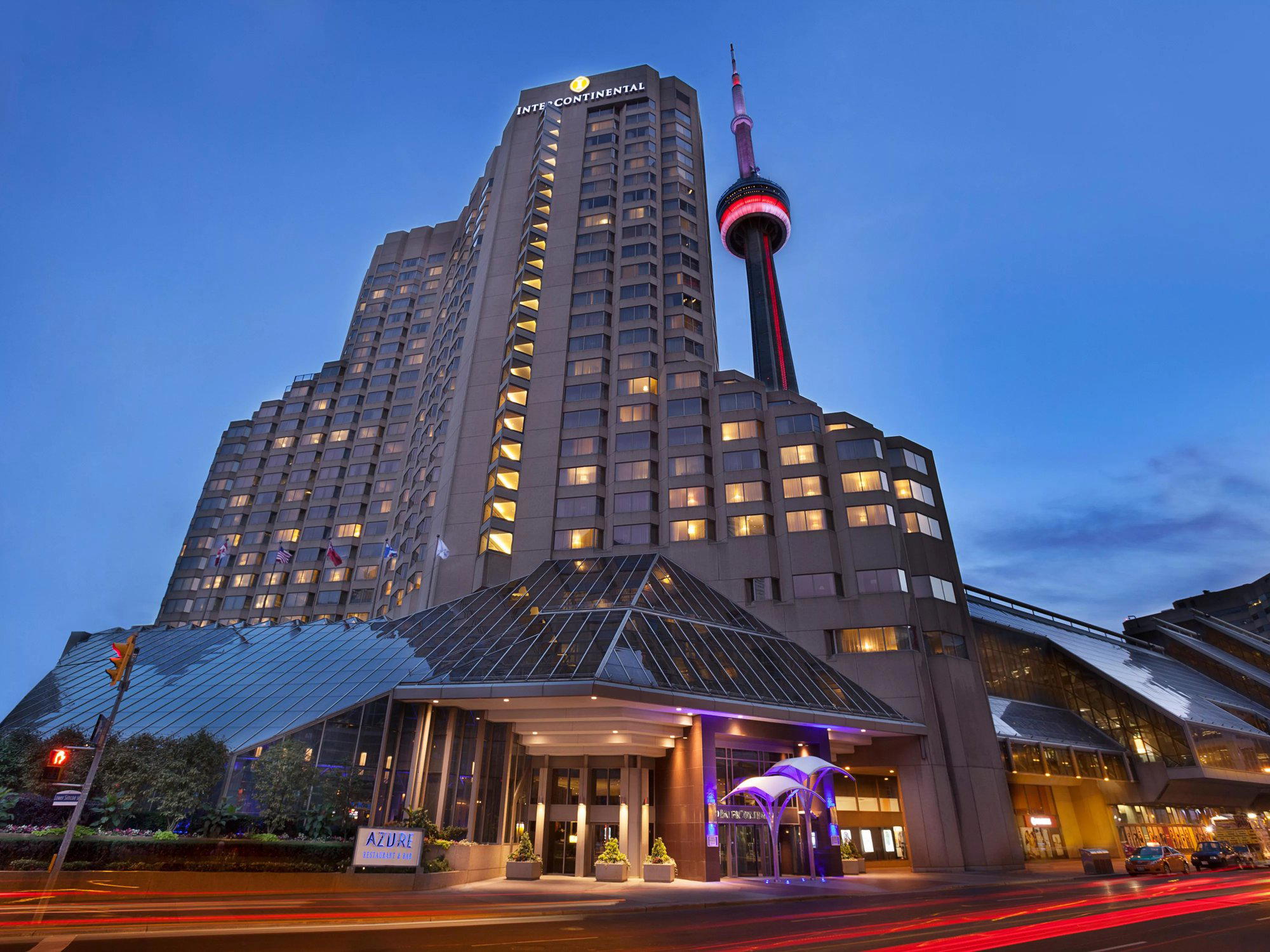
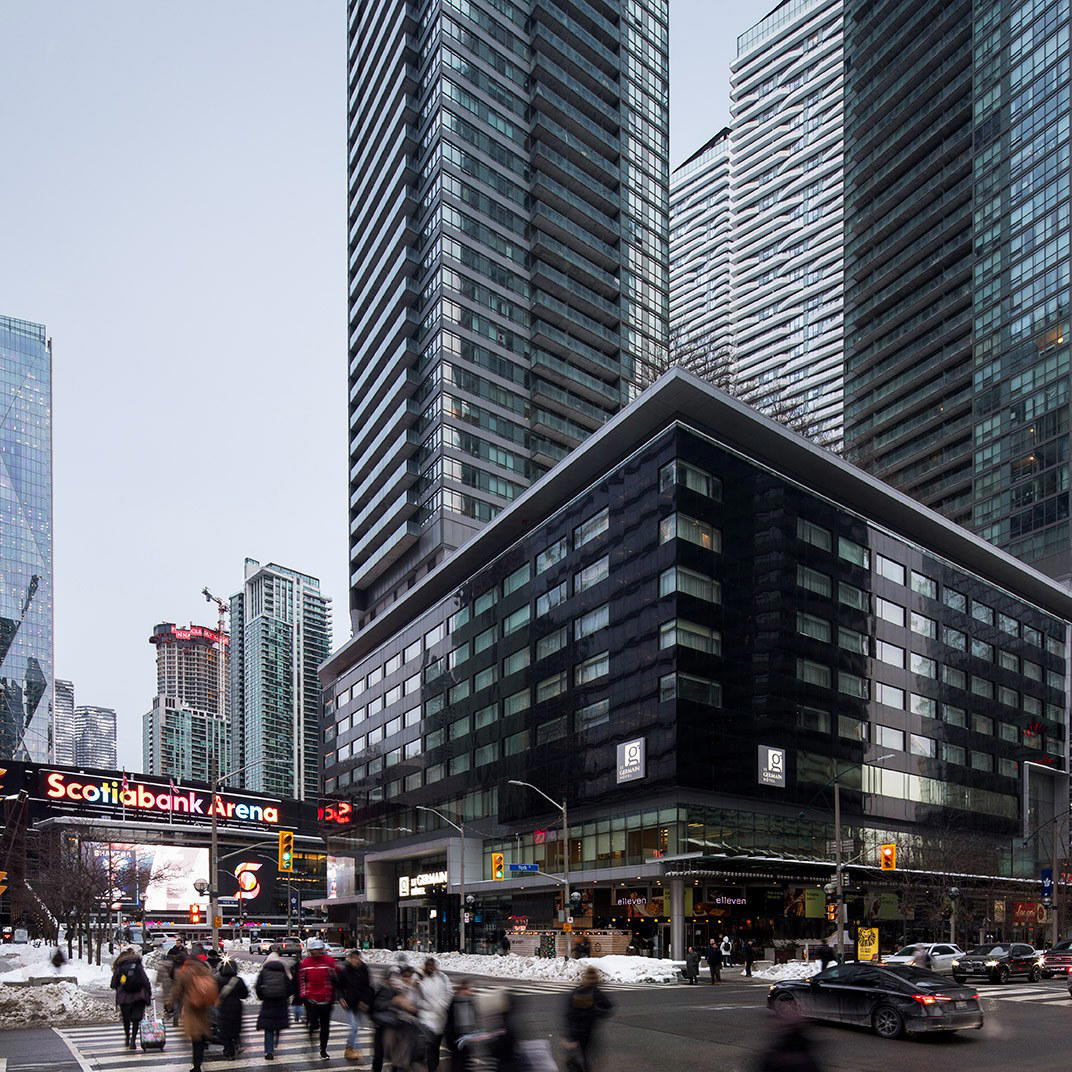
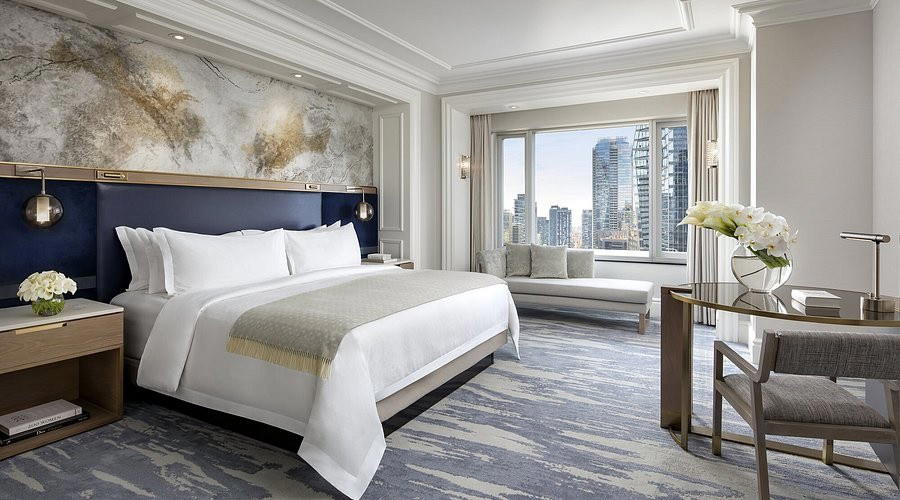
Wineries in Toronto
Browse all →
At a Glance
- Modern
- Elegant
- Sophisticated
- Date Night
- Business Dinner
- Group Dining
- Open Kitchen
- Historic Building
- Extensive Wine List
- Craft Cocktails
- Local Sourcing
Stylish yet laid-back with elegant marble and subway tile interiors, leather seats, and an open kitchen creating a sophisticated atmosphere.