Our verdict
On Dundas Street West, Zia's Place occupies a stretch of Toronto where neighbourhood kitchens still outnumber destination restaurants. The address sits in a corridor increasingly shaped by independent operators who source close to home and keep menus tight by season. It belongs to a recognisable type in the city's dining conversation: the sustainably minded neighbourhood room that earns its following through consistency rather than spectacle.

Pearl is the En Primeur Club membership app, where members save venues, book tables and use the concierge.

The menu
What to order
- Fusilli al ferretto con Calabrian pork ragu
- Culurgiones
- Sardinian-style ravioli
Dundas West and the Neighbourhood Kitchen Tradition
Toronto's Dundas Street West corridor, running through Roncesvalles and into Little Portugal, has long hosted the kind of restaurants that don't need a publicist. The strip has resisted the full-scale gentrification that erased equivalent stretches in other North American cities, and that resistance has kept rents low enough for operators to cook with intention rather than volume pressure. Zia's Place at 1543 Dundas St W sits inside that tradition: a neighbourhood address on a street where the dining character is defined by independent rooms, tight menus, and a repeat-customer logic rather than a destination-diner one.
That neighbourhood framing matters for understanding what kind of room this is. Toronto's premium dining tier, the Alo (Contemporary) bracket, or the formal Japanese counters like Sushi Masaki Saito and Aburi Hana, operates on a different axis entirely: high price points, long lead-time reservations, and menus designed as considered events. Zia's Place occupies a different position in the city's dining structure, one shaped by proximity to the community it serves rather than by competitive distance from the fine-dining tier.
The Sustainability Frame: How Ethical Sourcing Shapes Neighbourhood Dining
Across Canadian cities, the most coherent sustainability stories in food tend not to come from high-profile tasting-menu destinations but from mid-register neighbourhood rooms where smaller scale makes waste reduction and local sourcing practically achievable. The pattern is visible in other Canadian markets: AnnaLena in Vancouver has built a sustained reputation around ingredient discipline at a neighbourhood price point, while Narval in Rimouski demonstrates that regionally grounded sourcing can operate even outside major urban centres. The common thread is that these rooms keep menus short enough to honour what they order and change fast enough to track what is actually available.
Dundas West's independent operators fit this model by structural necessity as much as ideology. A small room with limited covers cannot absorb the waste margins that larger, higher-revenue establishments can. That constraint tends to produce menus that respond to what is arriving from suppliers rather than what is fixed on a printed card six months in advance. The result, when executed with care, is a kitchen that reads closer to seasonal reality than many restaurants that market sustainability more loudly. Ontario's agricultural calendar, with genuinely short windows for stone fruit, tender greens, and field-grown tomatoes, rewards kitchens that commit to it seriously. Those that do tend to eat well in July and August and cook honestly through the leaner months rather than paper over them with out-of-province imports.
This approach has a longer tradition in Canadian fine dining than the recent marketing cycle might suggest. Eigensinn Farm in Singhampton established a farm-to-table model for Ontario that predates the term's saturation, and Restaurant Pearl Morissette in Lincoln has demonstrated that ethical sourcing and serious wine programming can coexist at a high level. At the neighbourhood end of the spectrum, the ambition is scaled differently but the underlying logic, source with care, waste as little as possible, cook what's in season, runs parallel.
Positioning Inside Toronto's Broader Restaurant Scene
Toronto's dining map in 2024 and 2025 has become increasingly stratified. At the top of the Italian tier, rooms like DaNico and Don Alfonso 1890 operate at the $$$$ price band with tasting menus and reservation lead times to match. Below that tier, the city has a large and increasingly sophisticated mid-market of neighbourhood rooms where the cooking quality has risen considerably over the past decade, driven partly by chefs returning from stage experience abroad and partly by a local dining public that has grown more ingredient-literate.
Zia's Place fits this mid-tier competitive context. The Dundas West address places it in a neighbourhood where the dining public expects value in the truest sense, quality per dollar spent, cooking that respects the ingredient, and a room that functions as a local anchor rather than a one-visit event. That is a more demanding brief than it sounds. For comparison, cities with strong farm-to-table mid-market scenes, Jérôme Ferrer's Europea in Montreal operates at the higher end of that same impulse, tend to support these kinds of rooms only when the operator has both sourcing discipline and genuine cooking ability. The neighbourhood alone is not enough.
Regionally, the Ontario restaurant circuit has a few markers that contextualise what a Dundas West kitchen is operating against. The Pine in Creemore and Barra Fion in Burlington represent the out-of-city model where sourcing proximity drives identity. Urban rooms face a different challenge: the supply chains are less direct, the rent pressures are higher, and the diner's frame of reference is wider. Sustaining a credible sustainability story in that context requires more operational discipline, not less. For broader reference across Canadian cities with comparable aspirations, Tanière³ in Quebec City sets a high bar for what regionally inflected, sustainability-conscious cooking can look like at a serious level.
What to Know Before You Go
The address, 1543 Dundas St W, is accessible by the Dundas streetcar (route 505), which runs along the full length of Dundas Street and stops within a short walk. Dundas West has metered street parking along the main strip and residential side streets, though weekend evenings can be competitive for spaces. Reservations: Dress: Not specified; the neighbourhood character of the corridor suggests informal to smart-casual is appropriate. Budget: Price tier; the Dundas West neighbourhood context and independent operator profile suggest a mid-range positioning rather than the $$$$ tier occupied by destination rooms like Alo. For a broader view of the Toronto dining scene across price points and cuisine types, see our full Toronto restaurants guide. For international reference points on what sustainably minded, technically serious cooking looks like at the top of the market, Le Bernardin in New York City and Atomix in New York City represent the upper tier of that same commitment at different price points and with different cultural contexts.
Frequently asked questions
What dish is Zia's Place famous for?
Should I book Zia's Place in advance?
Is Zia's Place suitable for a first visit to the Dundas West neighbourhood?
Recognition Snapshot
Comparable venues nearby, for context on price, style, and recognition.
| Venue | Cuisine | Price | Notes |
|---|---|---|---|
| Zia's PlaceThis venue (the venue you are viewing) | Southern Italian Handmade Pasta | Not listed | Not listed |
| Taverna Mercatto | Modern Italian Trattoria | $30–50 | Waterfront Communities-The Island |
| Pizzeria Libretto | Authentic Neapolitan Pizza | $20–30 | Trinity Bellwoods |
| Vaticano Restaurant | Traditional Italian | $30–50 | Yorkville |
| General Assembly Pizza | Modern Wood-Fired Pizza | $20–30 | Entertainment District |
| Trattoria Mercatto | Authentic Italian Trattoria | $30–50 | Eaton Centre |
Continue exploring
More in Toronto
Restaurants in Toronto
All restaurants in Toronto →
Bars in Toronto
All bars in Toronto →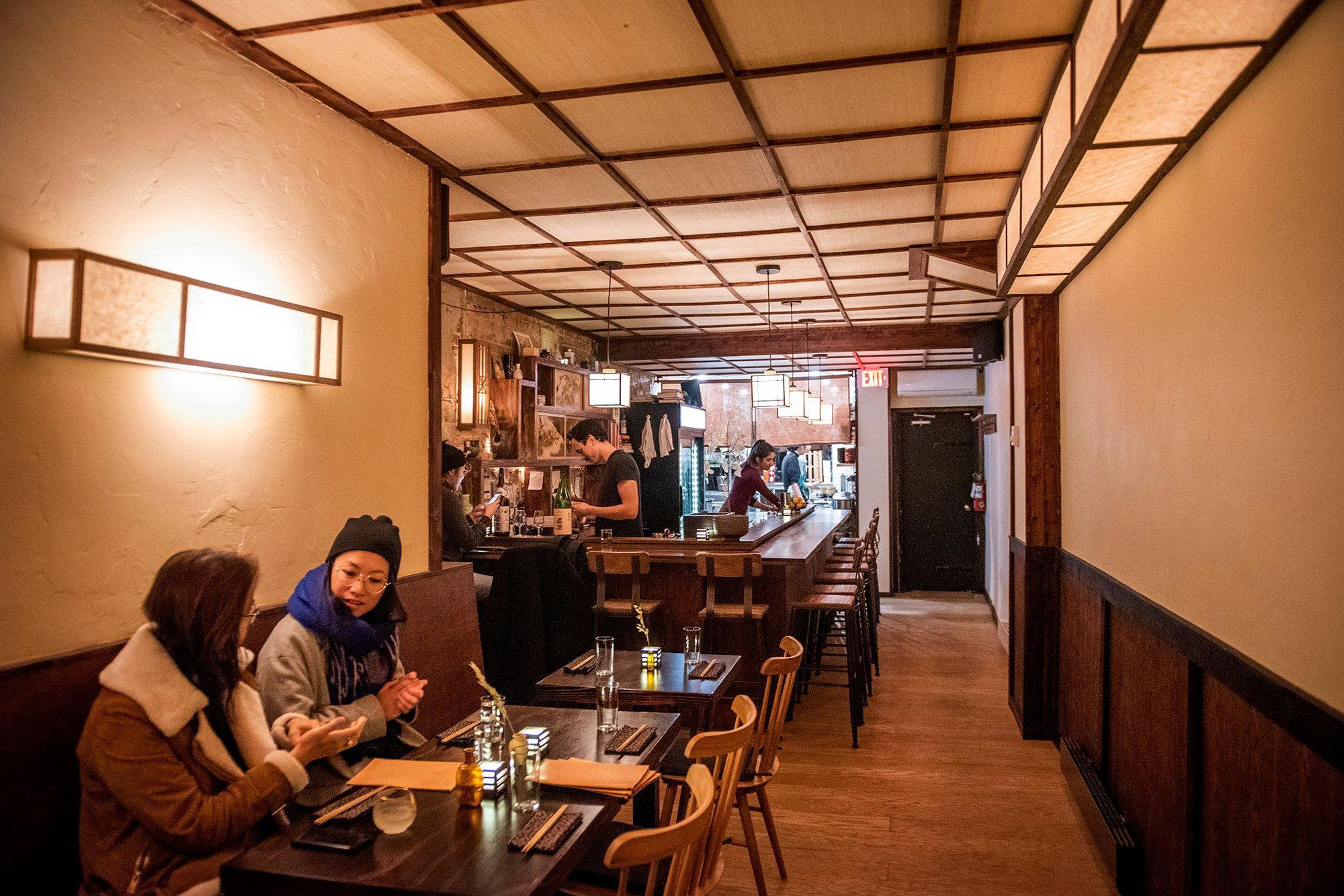






Details
- Cozy
- Intimate
- Classic
- Date Night
- Casual Hangout
- Open Kitchen
- Natural Wine
- Craft Cocktails
- Local Sourcing
- A La Carte
- Small Plates
- Natural Wine
- Vegetarian Friendly
- Gluten Free Options
Current opening hours
- Monday
- Closed
- Tuesday
- 5–10 PM
- Wednesday
- 5–10 PM
- Thursday
- 5–10 PM
- Friday
- 5–11 PM
- Saturday
- 5–11 PM
- Sunday
- 5–10 PM
Hours can change for holidays and private events. Hours as of .
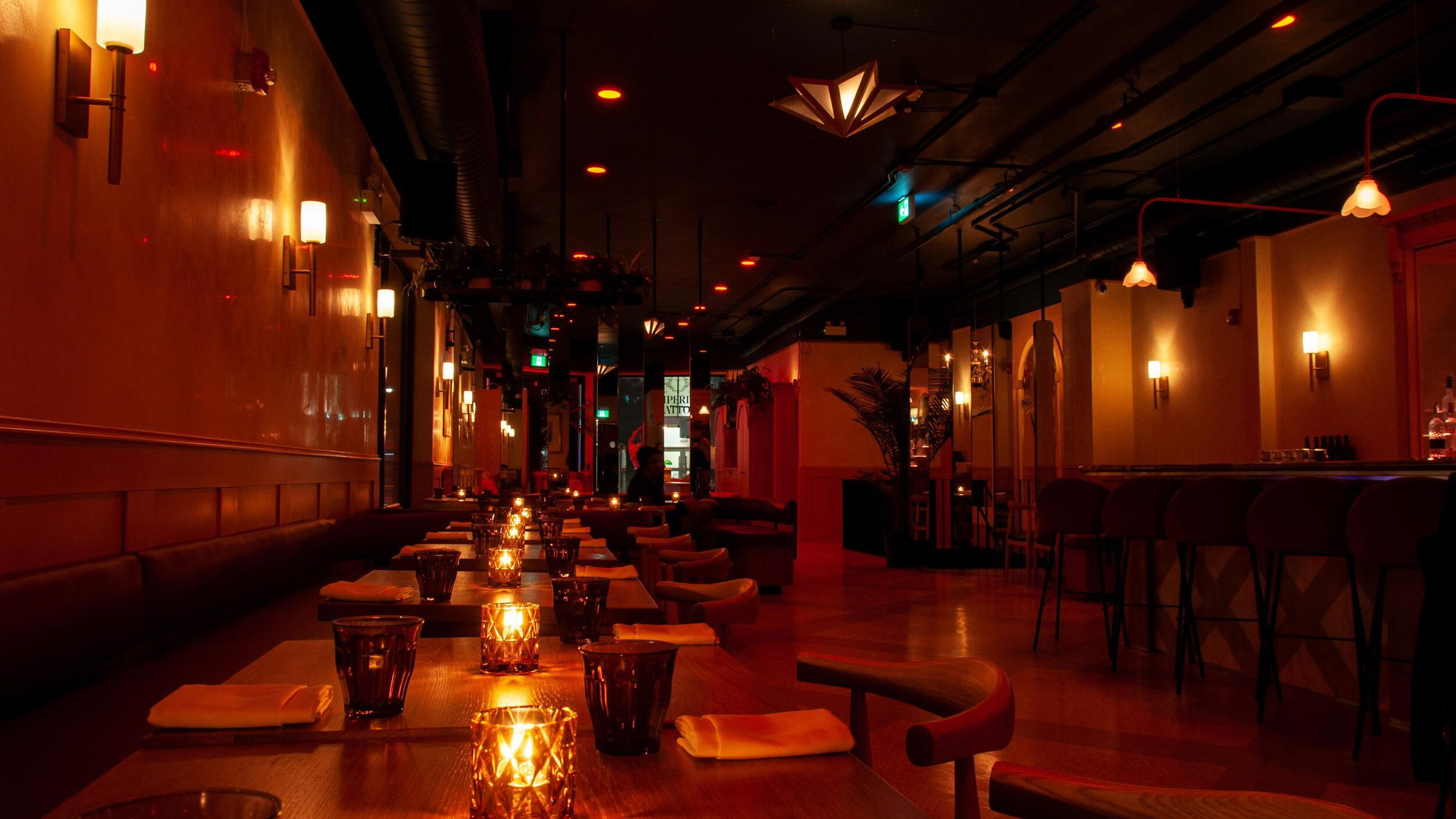
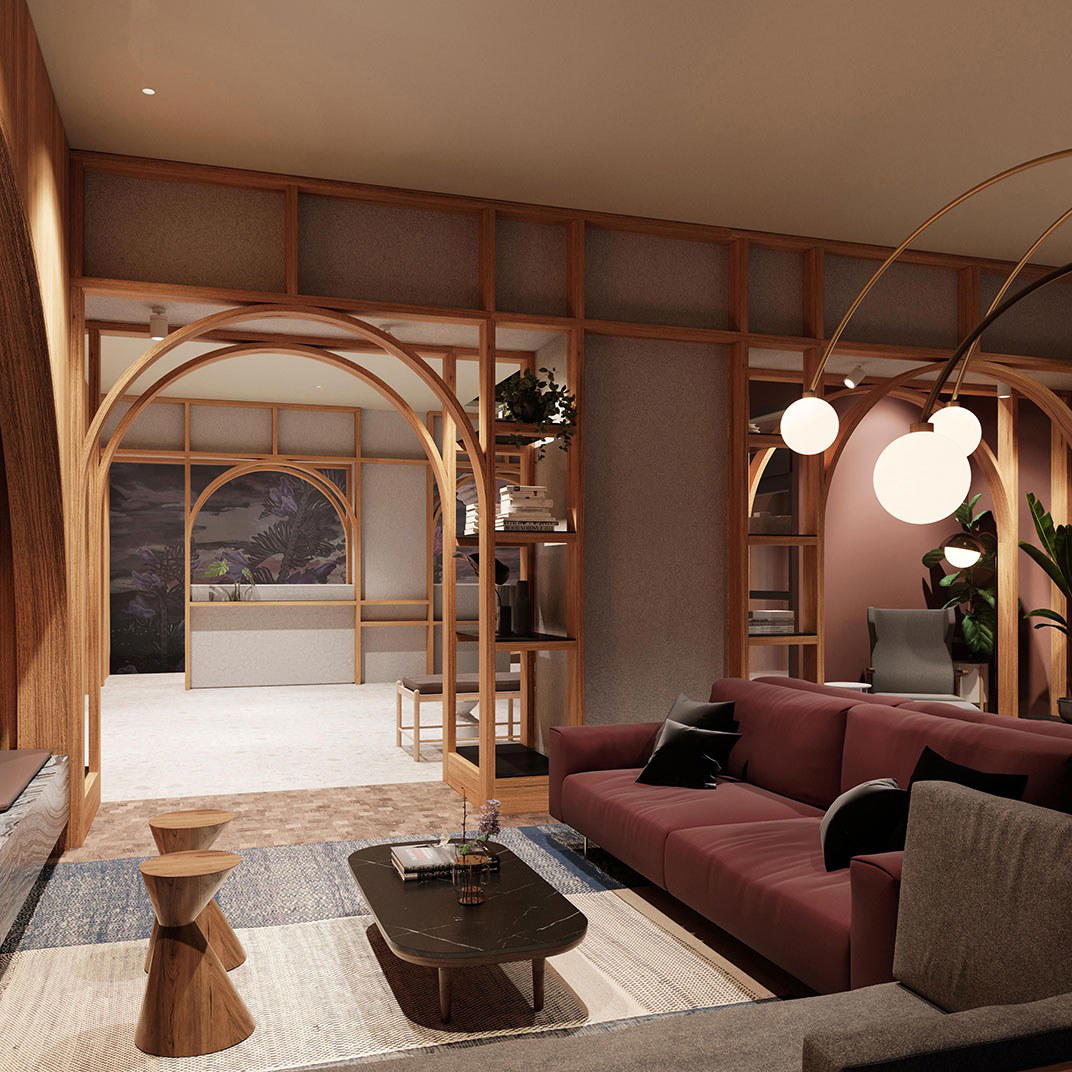
Long and intimate dining room with wooden floors and tables, burgundy banquettes, curved booths, and subtle strip lighting underneath.