Our verdict
No. 1, Section 1, Bade Rd sits at the administrative heart of Taipei's Zhongzheng District, where the city's oldest transit corridors meet a dining neighbourhood shaped by decades of institutional and street-level food culture. For curated dining recommendations across Taipei, see our full city guide.

Pearl is the En Primeur Club membership app, where members save venues, book tables and use the concierge.
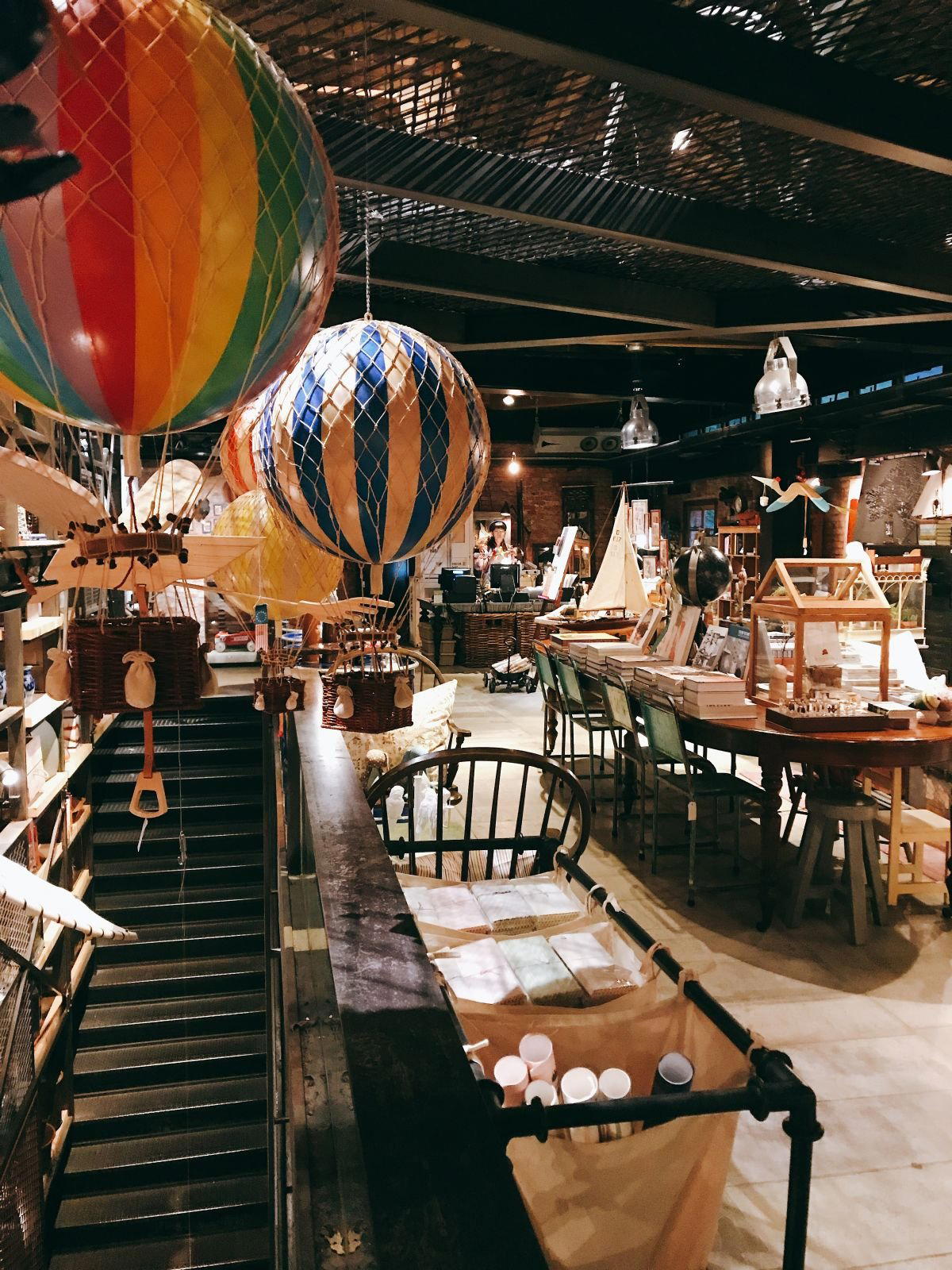
Zhongzheng District and the Bade Road Corridor
Zhongzheng District occupies the geographic and administrative centre of Taipei, anchored by the main station interchange where the TRA rail network, the MRT's Blue and Red lines, and the High Speed Rail terminal converge. Bade Road, running east from that interchange, carries a character shaped by proximity to government offices, older residential blocks, and decades of street-level commerce. It is not where Taipei's highest-profile fine dining concentrates, that centre of gravity has shifted toward Da'an, Songshan, and Xinyi, but the area holds a different kind of culinary authority: longer-established operations, institutional canteens, and the kind of neighbourhood-anchored eating that sustains a city rather than performs for it.
Understanding what this address represents requires understanding how Taipei's dining districts have evolved. The city's Michelin-recognised tier, operations like logy in its modern European-Asian register, Le Palais in classical Cantonese, and Taïrroir in its Taiwan-inflected contemporary French format, clusters in districts where real estate supports the room sizes, kitchen infrastructure, and foot traffic that high-investment dining requires. Zhongzheng's Bade Road corridor has historically served a different function: density of affordable eating, proximity to transit, and a clientele shaped by the rhythms of government and commerce rather than destination dining.
What Menu Architecture Reveals About a District
The editorial angle of menu architecture, how a menu is structured and what that structure discloses about a restaurant's intentions, is particularly instructive when applied at the district level rather than the individual venue level. In areas like the Bade Road corridor, menus tend toward breadth over depth: large laminated sheets covering braised meats, rice plates, noodle soups, and set lunches priced for daily repetition rather than occasional occasion. This is not a criticism. It reflects a coherent logic: in a district where the lunch rush is office workers and the dinner trade is families, the menu architecture prioritises speed, familiarity, and value density over curation and constraint.
Compare that structure to the counter-format tasting menus that define Taipei's premium tier. At operations like L'Atelier de Joël Robuchon or Molino de Urdániz, the menu functions as an argument: a fixed sequence of courses with a declared point of view, priced to signal commitment from both kitchen and guest. These are menus with no redundancy, where every course earns its position. The contrast between those two menu philosophies, high-volume breadth versus sequenced constraint, maps almost perfectly onto the contrast between Bade Road's institutional character and the tasting-menu district further east and south.
Taipei's Dining Geography: A Framework
Taipei rewards visitors who understand its dining geography before they book. The city's food culture operates across at least three distinct registers, each with its own spatial logic. The street and market register, night markets, breakfast shops, noodle houses, is distributed citywide but concentrates around transit nodes and older residential neighbourhoods, including parts of Zhongzheng. The neighbourhood restaurant register, mid-range Taiwanese, Cantonese, Sichuanese, Japanese, fills the commercial ground floors of residential towers across Da'an and Zhongshan. The destination dining register, Michelin-starred, prix-fixe, internationally credentialled, clusters in Xinyi, Songshan, and pockets of Da'an where the economics of premium real estate and premium pricing align.
Taiwan's dining scene extends well beyond Taipei's boundaries. JL Studio in Taichung has made that city a serious destination for contemporary Southeast Asian cooking. GEN in Kaohsiung represents the south's growing fine dining ambition. Amei in Tainan anchors a city whose food identity is arguably more rooted and historically distinct than the capital's. Further afield, operations like Akame in Wutai Township and Shen Yen in Yilan demonstrate how Taiwan's indigenous and regional food traditions are being reframed for contemporary audiences outside urban centres. For visitors whose frame of reference extends to resort dining, Volando Urai Spring Spa and Resort in Wulai District offers a contrasting register entirely.
Navigating Zhongzheng as a Visitor
For visitors arriving at Taipei Main Station, the natural entry point for this address, the immediate area offers practical eating rather than destination dining. The station's basement food halls and the surrounding blocks hold options for every hour of the day, from breakfast soy milk and egg crepes through to late-night beef noodle soup. These are not operations designed for leisurely meals; they are optimised for throughput, reliability, and price. That optimisation represents its own kind of craft, particularly in the breakfast and noodle categories where Taipei's institutional operators have refined their formats over decades.
Visitors whose priority is Taipei's higher-investment dining tier will find it more efficiently accessed from stations further along the MRT lines. The Dongmen and Da'an stations serve the concentration of contemporary restaurants in southern Da'an. Xinyi Anhe serves the district where much of the city's internationally recognised fine dining is located. Within Hsinchu County and City, operations like Bebu and Dongmen Rice Noodle Soup illustrate how northern Taiwan's secondary cities are developing their own distinct dining characters. For New Taipei's contribution to the region's food scene, Chi Yuan is worth attention. And for those with a comparative international lens, the tasting-menu tradition that Taipei has adopted finds analogues at operations like Le Bernardin in New York City and the collaborative dinner-party format represented by Lazy Bear in San Francisco, both of which share structural DNA with the more ambitious ends of Taiwan's contemporary dining scene. For a more thorough mapping of where to eat across the capital, our full Taipei restaurants guide organises the city's dining by district, register, and price tier. For yakiniku in a different register entirely, Abura Yakiniku in Taichung City represents how that Japanese format has been adopted and adapted across Taiwan's western corridor.
Planning Notes
Visitors to the Bade Road and Zhongzheng area should confirm current operations directly before visiting.
Frequently asked questions
Where exactly is No. 1, Section 1, Bade Rd, Zhongzheng District?
No. 1, Section 1, Bade Rd, Zhongzheng District is located at No. 1, Section 1, Bade Rd, Zhongzheng District, Taipei City, Taiwan 100, Taipei.
What type of traveller or visitor is this Zhongzheng District address best suited for?
This address on Section 1 of Bade Road in Taipei's Zhongzheng District is positioned for visitors arriving via the TRA network or the Taipei Main Station interchange who need a reliable stop close to transport. The district anchors Taipei's civic and administrative centre, making it a natural fit for business travellers or transit passengers rather than those building a dedicated dining itinerary around the address.
What's the signature dish at No. 1, Section 1, Bade Rd, Zhongzheng District?
The Bade Road corridor near Taipei Main Station is known for practical, high-turnover eating rather than destination tasting menus, so signature dishes vary by operator and season.
Can I walk in to No. 1, Section 1, Bade Rd, Zhongzheng District?
The address sits in Zhongzheng District at the Bade Road and Taipei Main Station interchange, one of the city's highest foot-traffic corridors. Walk-in availability at venues in this zone tends to be more accessible than at destination restaurants in Da'an or Xinyi, where reservation queues run weeks out.
What's the defining dish or idea at No. 1, Section 1, Bade Rd, Zhongzheng District?
What the location does define is context: Zhongzheng District eating skews toward efficiency and accessibility, serving the commuter and government-worker traffic that passes through Taipei's administrative core daily. That geography shapes what operators here prioritise.
Awards and Standing
| Venue | Cuisine | Price | Awards | Notes |
|---|---|---|---|---|
| No. 1, Section 1, Bade Rd, Zhongzheng DistrictThis venue (the venue you are viewing) | Italian-American Pizza Pub | $10–20 | Not listed | Not listed |
| logy | Modern Japanese-Taiwanese Fusion Omakase | $100–150 | 2 Michelin Stars · World's 50 Best #22 | Modern European, Asian Contemporary |
| Le Palais | Fine Dining Cantonese | $150–200 | 3 Michelin Stars · La Liste Top Restaurants | Cantonese |
| Taïrroir | Taiwanese-French Fusion Fine Dining | $150–200 | 3 Michelin Stars · La Liste Top Restaurants | Taiwanese/French, Taiwanese contemporary |
| Mudan Tempura | Michelin-Starred Tempura | Not listed | 2 Michelin Stars · La Liste Top Restaurants | Tempura |
| de nuit | Contemporary French | $150–200 | 1 Michelin Star · Star Wine List | French Contemporary |
Continue exploring
More in Taipei
Restaurants in Taipei
All restaurants in Taipei →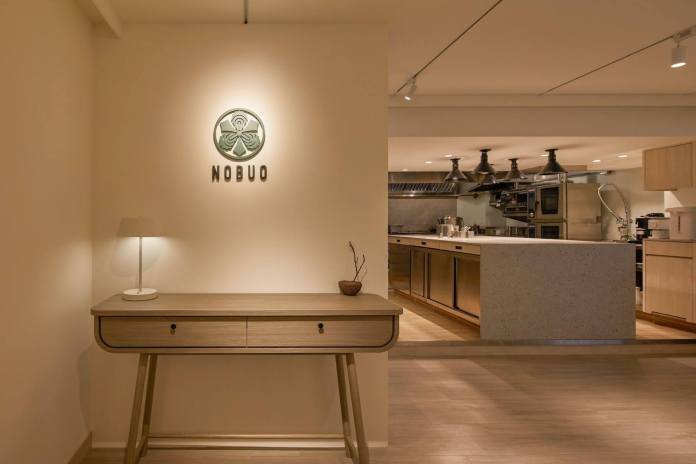
Bars in Taipei
All bars in Taipei →
Hotels in Taipei
All hotels in Taipei →
Wineries in Taipei
Browse all →
Details
- Trendy
- Modern
- Casual Hangout
- Group Dining
- Standalone
- Beer Program
- A La Carte
- Beer
- Vegetarian Friendly
- Vegan Options
Clean, zen interior with a casual pub atmosphere.