
Tatler Listed in Best Bars Asia-Pacific
Our verdict
Hiboru occupies a quiet lane off Jianguo North Road in Taipei's Zhongshan District, positioning itself within the city's growing tier of intimate, design-conscious dining rooms. With minimal public profile and a deliberate remove from the main dining corridors, it operates in a register that rewards advance research and direct inquiry rather than walk-in spontaneity.

Pearl is the En Primeur Club membership app, where members save venues, book tables and use the concierge.
The menu
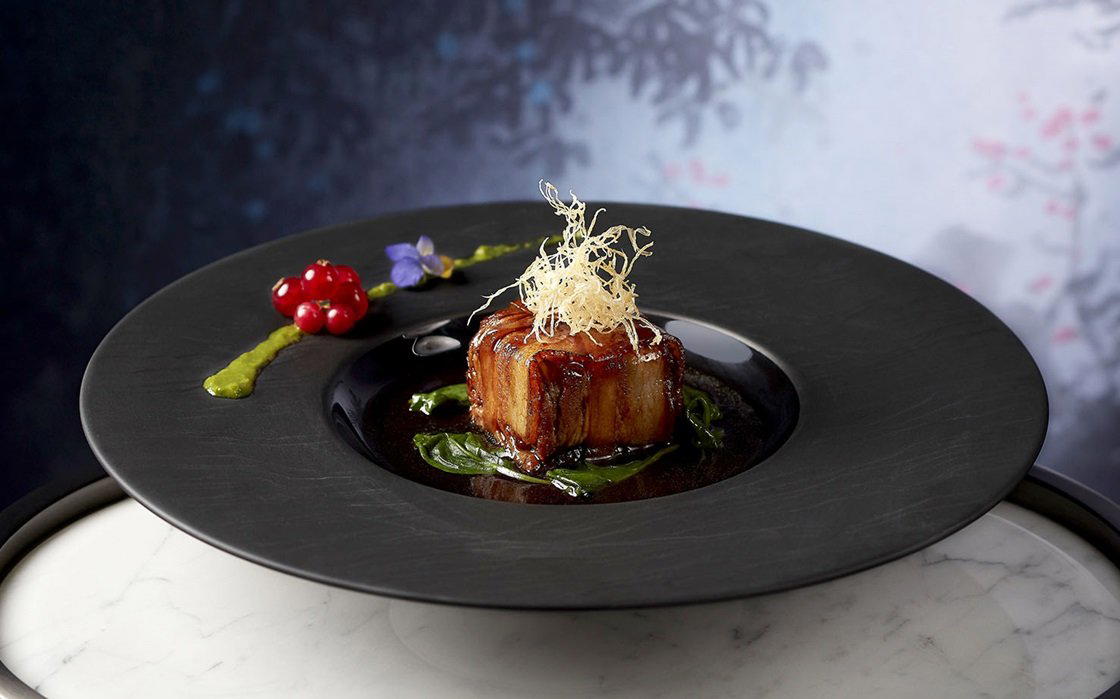
What to order
- Snow Lily
- Hillside Tea Shop
- Braised dish platter
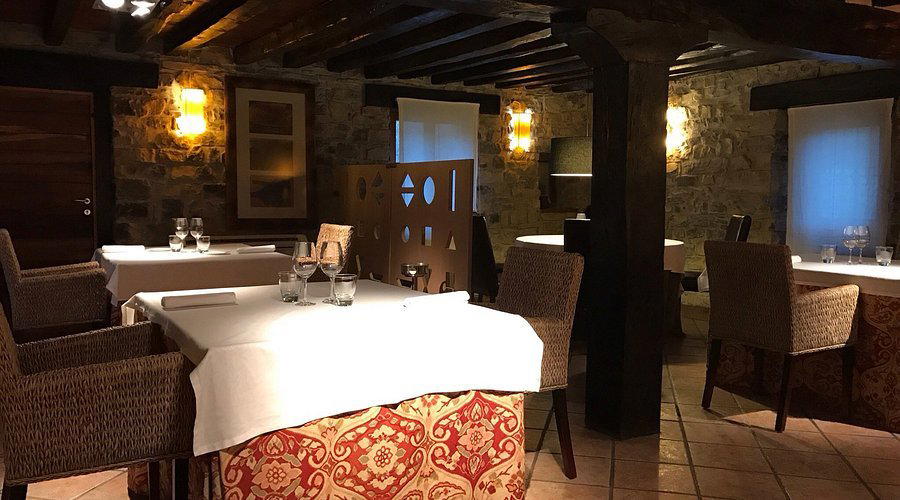
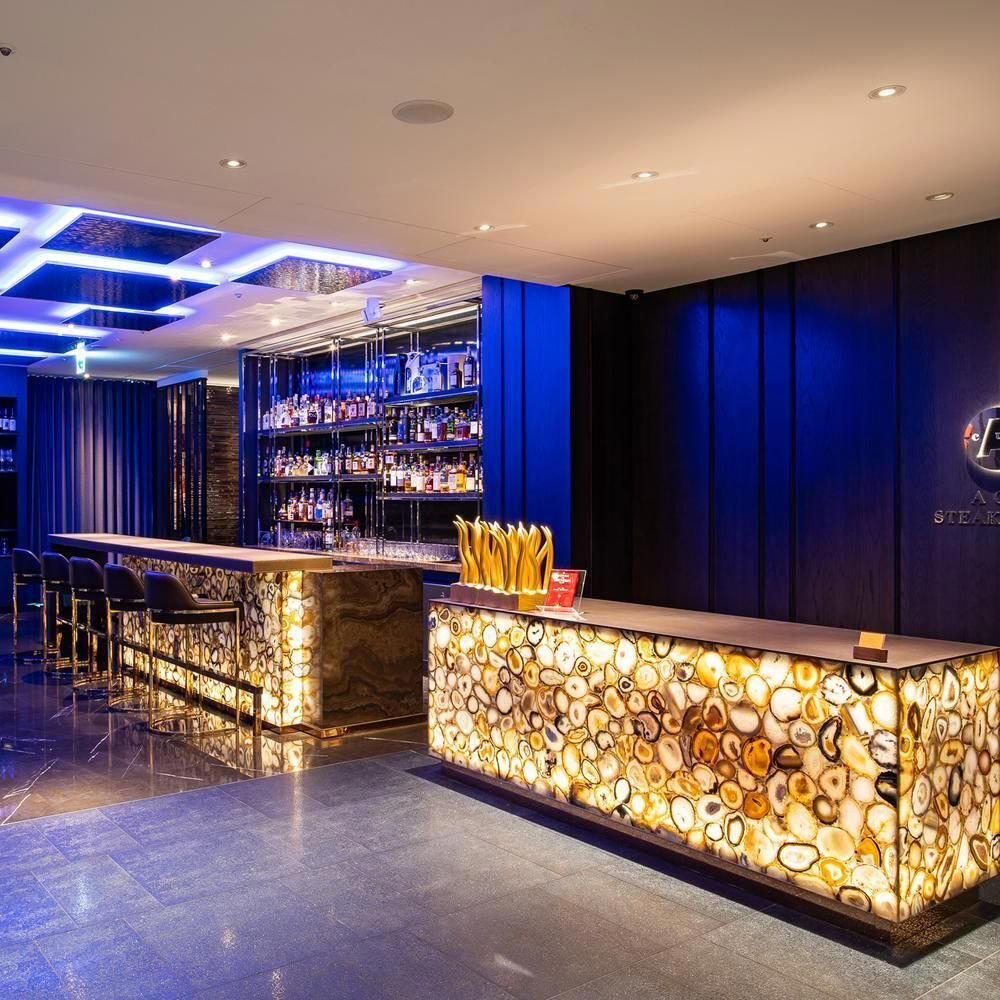
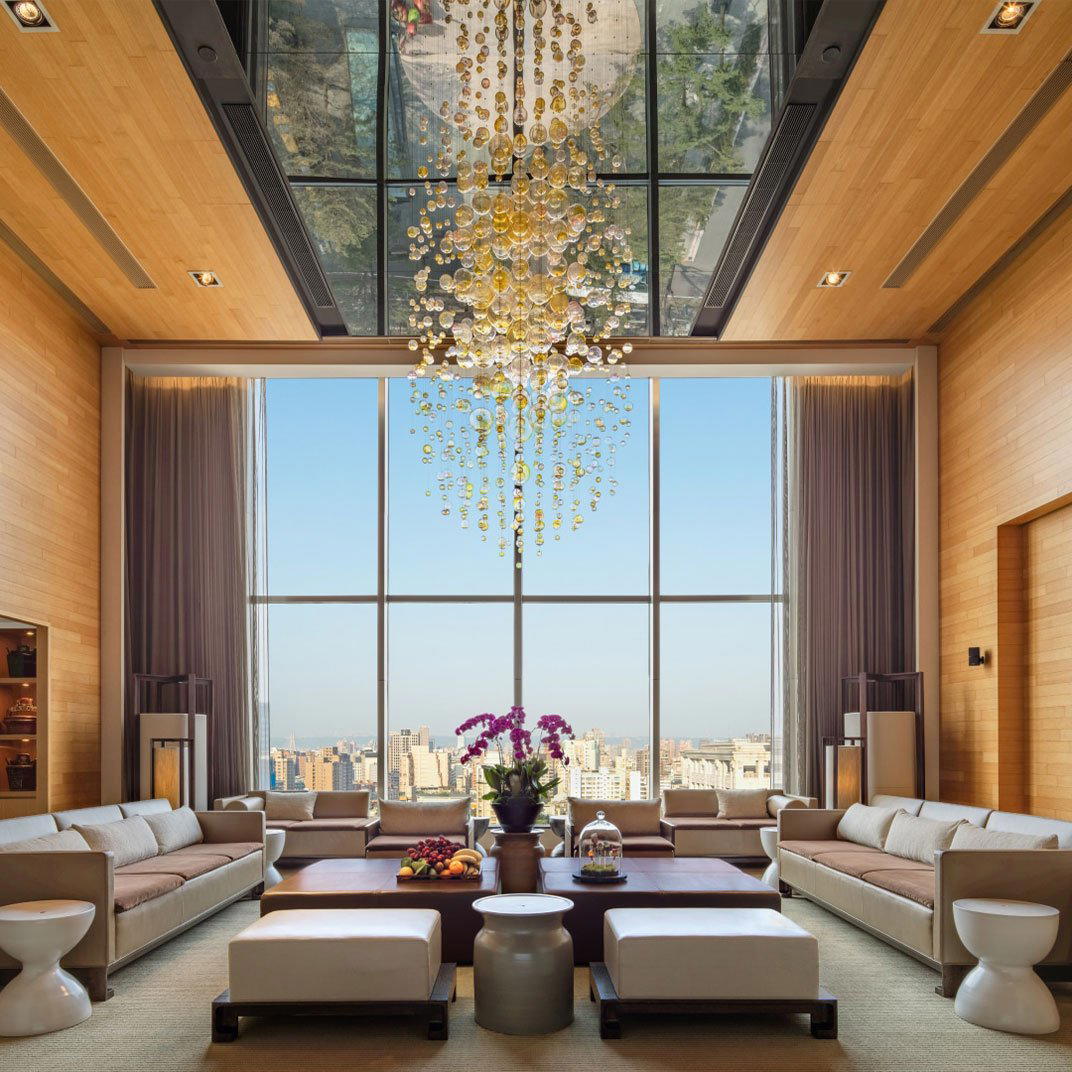
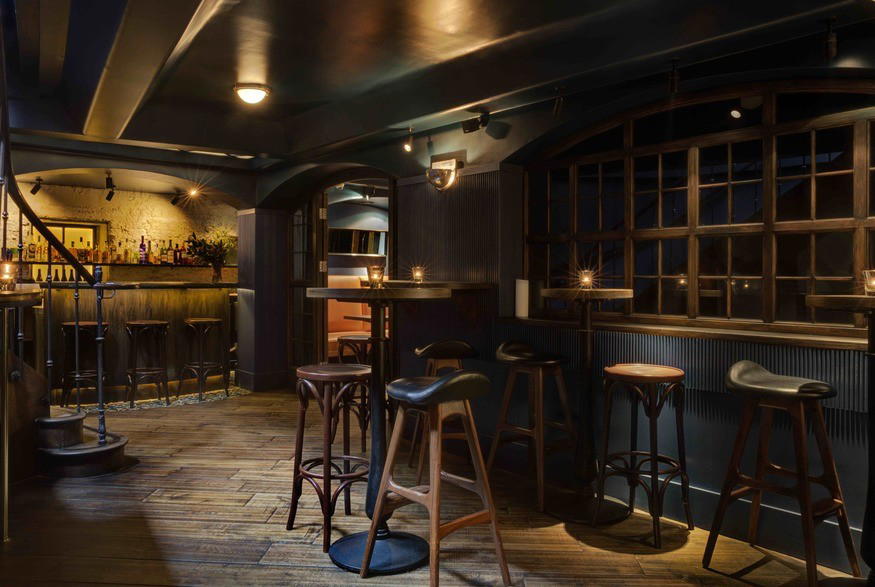
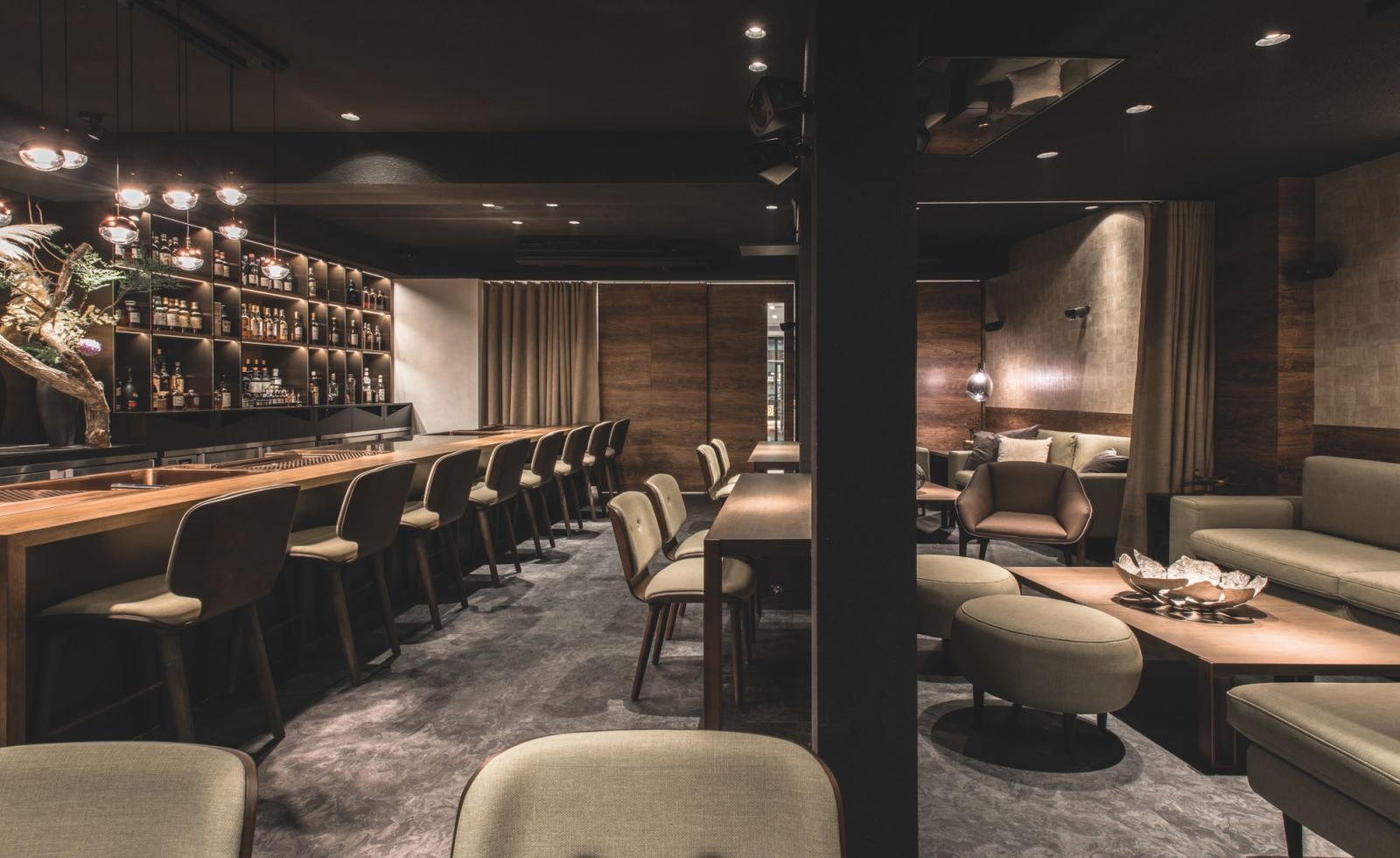
A Room That Does the Talking
Zhongshan District has become one of Taipei's more considered dining neighbourhoods, where converted shopfronts and low-signage addresses sit alongside the city's longer-established restaurant corridors. The lane off Section 1 of Jianguo North Road where Hiboru is addressed belongs to that pattern: a residential-scale street that filters out the casual foot traffic of Da'an or the Xinyi commercial blocks. Arriving here by design, not by chance, is part of what separates Hiboru from the more visible end of Taipei's dining options.
Taipei's serious dining rooms have, over the past decade, sorted themselves into a recognisable hierarchy. At the upper tier, multi-Michelin venues like logy and Le Palais command a level of public documentation that makes booking decisions relatively direct. Below that, a cohort of tighter, less publicised rooms operates on word-of-mouth and a smaller booking window. Hiboru appears to sit closer to that second group, with a lane address, no listed phone, and a digital presence that requires some initiative to locate. In a city where Taïrroir and L'Atelier de Joël Robuchon represent the more formalised end of fine dining, Hiboru's lower-visibility approach sets a different kind of expectation from the first inquiry onward.
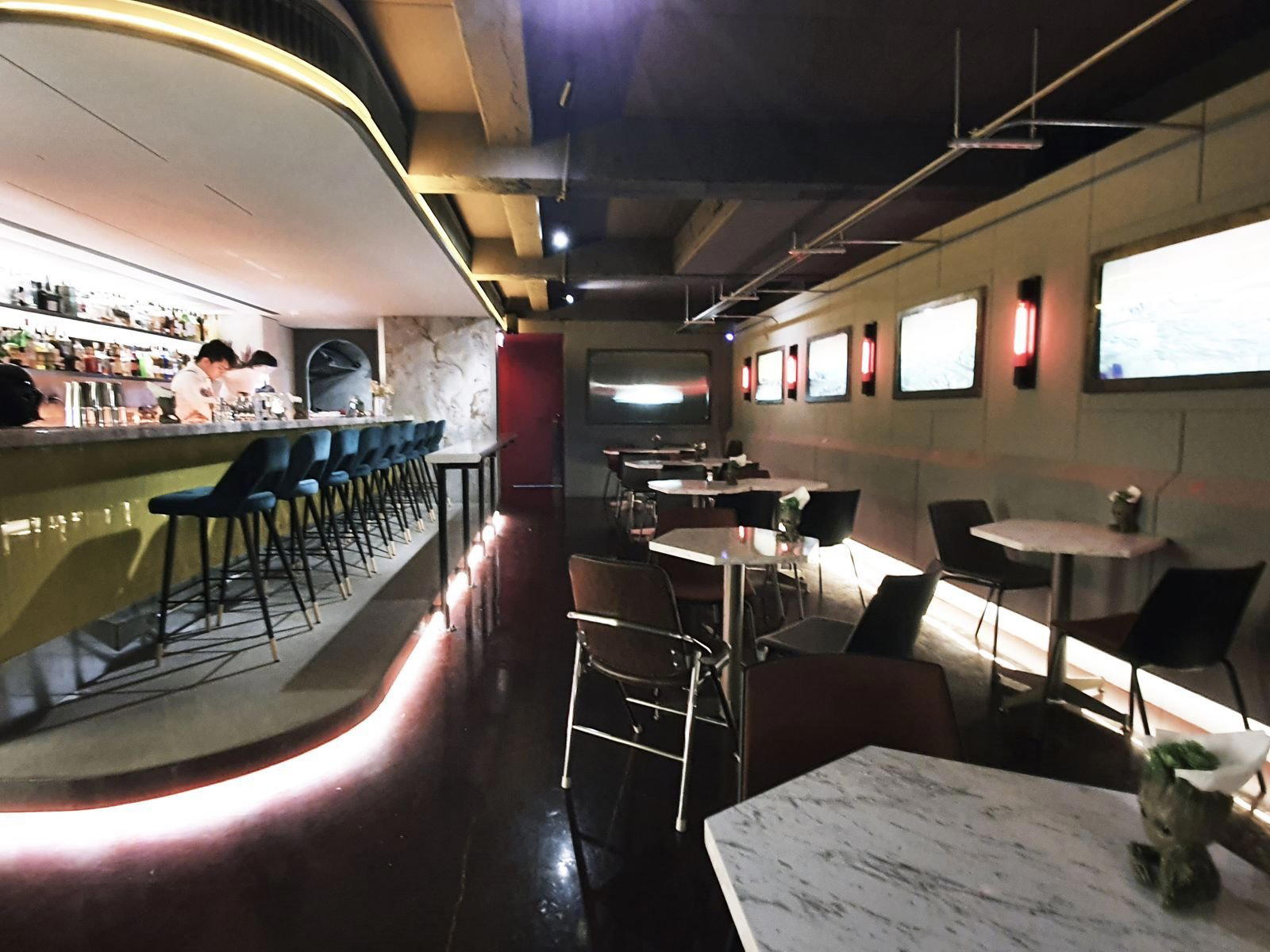
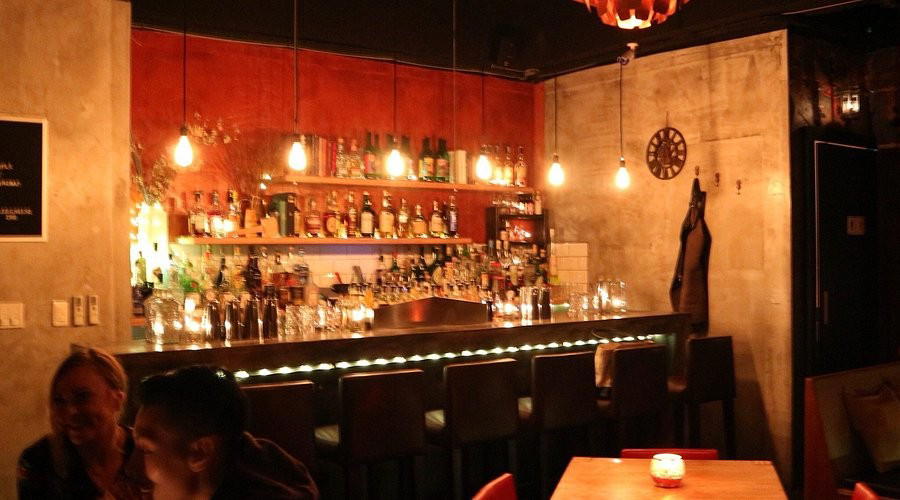
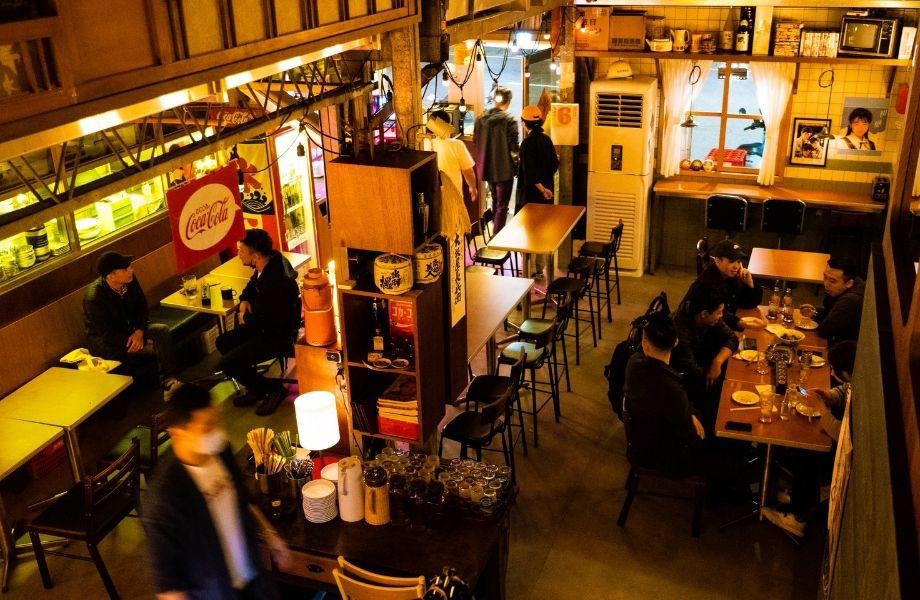
The Space as Editorial Statement
Across Taiwan's dining circuit, the physical container of a restaurant has increasingly become an argument in itself. In Taipei in particular, rooms are being used to make implicit claims about the kind of experience a diner should expect: the counter arrangement at a serious omakase operation, the open-kitchen sightlines at a contemporary tasting-menu room, the deliberate restraint of a space that refuses to over-explain itself. The address structure at Hiboru, a numbered lane entry rather than a street-level retail frontage, already signals something before any food arrives.
This design-forward approach to venue identity is not unique to Taipei. Across the region, from the spare interiors of comparable rooms in Tokyo to the materials-led design of boutique properties in Southeast Asia, there is a recognisable grammar to spaces that want to be taken seriously without shouting. The low-profile entry, the residential-scale exterior, the absence of large signage: these are not accidents, they are a position. In this regard, Hiboru aligns with a broader regional shift toward what might be called earned discovery, where the physical act of finding and entering the space is part of the value proposition.
For comparison within Taiwan's wider dining circuit, venues like JL Studio in Taichung and GEN in Kaohsiung each use their spatial design to communicate a culinary position before a menu is opened. Hiboru's Zhongshan address participates in that same logic, placing the room within a tradition of considered self-presentation that is as much about what the space withholds as what it offers.
Zhongshan and the Neighbourhood Context
Zhongshan District is not Taipei's most obvious fine-dining address, which is part of what makes it interesting. The area runs north from the old city centre toward Yuanshan, with a mix of mid-century residential blocks, independent retail, and a growing number of food and drink operations that have moved here precisely because it is not Da'an or Xinyi. The lane structure of the district, where numbered sub-addresses thread off main roads, creates a geography of accidental discovery that restaurants have started to use deliberately.
A diner who knows to look for a lane address in Zhongshan is already a different kind of customer than one following the standard Taipei restaurant corridor. That self-selection is itself a design choice, extending the room's physical identity into the act of getting there. For those building a Taipei itinerary around serious eating, it is worth noting that venues in this neighbourhood tier tend to reward the effort of research in ways that the more visible restaurant streets do not always replicate. Our full Taipei restaurants guide maps the broader picture for those planning across multiple meals and districts.
Where Hiboru Sits in the Taipei Tier
Taipei's restaurant market in the 2020s has developed a recognisable stratification. At the leading, venues with Michelin stars and international recognition, including Molino de Urdániz with its Spanish contemporary program, operate with full public documentation and forward booking windows measured in months. Below that, a second tier of ambitious, less-publicised rooms operates on shorter notice, tighter formats, and a more local-facing reputation. A third tier covers the city's accessible everyday dining, from the Taiwanese specialists you find in every neighbourhood to the kind of two-dollar beef noodle operations that anchor district identity.
What the address and format signal is a room that has chosen operational discretion over visibility, which in Taipei's current dining environment represents a coherent, if demanding, position. Venues further afield in Taiwan, including A Xia in Tainan, operate on comparable logic: a local address, a specific format, and an expectation that the diner arrives informed.
For international reference points, the movement toward intimate, low-signage dining rooms with restrained public profiles has parallels in New York, where venues like Atomix have built serious reputations without relying on conventional visibility, and in the more traditional end of European fine dining, where Le Bernardin has maintained its position through consistency rather than spectacle. The instinct to let the room and the experience do the work of public relations is not new; what is new is seeing it applied with increasing confidence in Taipei's secondary dining corridors.
Planning a Visit
The Jianguo North Road Section 1 location in Zhongshan District is accessible from the Xingtian Temple MRT station on the Songshan-Xindian Line, a short walk south along Jianguo North Road. Given the absence of confirmed hours or booking policy, confirming availability before making a special trip is advisable, particularly for visitors with limited days in the city. Those building a wider Taipei itinerary alongside Hiboru might also consider nearby dining options across Zhongshan and the adjacent districts, several of which are documented in our broader Taiwan coverage including GARDENh in Yonghe District and Volcanic rock in Zhubei City.
Frequently asked questions
Where exactly is Hiboru?
Hiboru is located at No. 2è, Lane 20, Section 1, Jianguo N Rd, Zhongshan District, Taipei City, Taiwan 104, Taipei.
Where exactly is Hiboru located in Taipei, and is it easy to find?
Hiboru's address is No. 2, Lane 20, Section 1, Jianguo North Road, Zhongshan District, Taipei. Lane addresses in Zhongshan often sit off the main arterial roads with minimal street-level signage, so mapping the specific lane number before arrival is advisable. Zhongshan District is well-connected by Taipei Metro, with Zhongshan and Xingtian Temple stations serving the broader area.
What do people recommend at Hiboru?
No menu has been published in the public record for Hiboru, so specific dish recommendations remain word-of-mouth. Given its address on Lane 20 in Zhongshan District, a neighbourhood where low-signage rooms tend to run tightly focused menus, asking staff directly on arrival is the most reliable approach. Local dining forums and Taipei food communities are your best source for current course details.
What's the best way to book Hiboru?
Hiboru lists no phone number or website in the public record. The practical route is inquiry through Taipei dining reservation platforms, local concierge contacts, or Taiwanese food communities that track Zhongshan District openings. Walk-in availability varies, and for a room at this address the safe assumption is that seats are limited.
What's the defining dish or idea at Hiboru?
No cuisine type or signature concept has been formally documented for Hiboru. What the address does signal is intentionality: Lane 20 off Jianguo North Road in Zhongshan is not a casual footfall location. Restaurants that choose it tend to rely on a clear point of view rather than passing trade, though the specifics of Hiboru's approach require a visit to verify.
What if I have allergies at Hiboru?
The most dependable method is reaching Hiboru through whichever local intermediary facilitates your booking, and confirming allergy information at that point rather than on arrival.
Is a meal at Hiboru worth the investment?
No pricing has been published for Hiboru, so a direct cost-value assessment is not possible here. Zhongshan District in the 2020s has attracted restaurants that occupy a deliberate middle tier: more considered than casual, less formalised than Taipei's Michelin-tracked venues. Whether Hiboru fits that pattern is best judged once booking details are confirmed.
Style and Standing
Comparable venues nearby, for context on price, style, and recognition.
| Venue | Cuisine | Price | Awards | Notes |
|---|---|---|---|---|
| HiboruThis venue (the venue you are viewing) | Taiwanese Street Food & Highball Bar | $10–20 | Tatler Listed in Best Bars Asia-Pacific | Not listed |
| Sato Curry (佐藤咖哩) | Japanese Curry House | $10–20 | Not listed | Da'an |
| 小倉屋鰻魚飯 大直店 | Kyushu-style Grilled Unagi | $20–30 | Not listed | Dazhi |
| 香港波記茶餐廳 | Hong Kong-Style Cha Chaan Teng | $10–20 | Not listed | 東區 |
| The zoo vegan food and beverage | Vegan Cafe | Not listed | Not listed | Ciyou |
| 魚庒 | Modern Japanese Kaiseki | $150–200 | Not listed | Zhengde |
Recognition history
Dated appearances from independent guides and award organizations, with the underlying list record or original source where available.
Tales Spirited Awards Best International Restaurant Bar Top 10 Nominee
Tales Spirited Awards
Tatler Listed in Best Bars Asia-Pacific
Tatler