Nishino
Nishino on East Madison Street has held a quiet but firm position in Seattle's fine Japanese dining conversation for years, drawing a neighborhood-loyal crowd that returns for the precision of its kitchen as much as for the room itself. The address sits in the Madison Valley corridor, a stretch that rewards those willing to leave downtown behind for a more composed dining experience.
Pearl is the En Primeur Club membership app — saves, bookings, and concierge access live there. Same editors, same standards.
- Address
- 3130 E Madison St, Seattle, WA 98112
- Phone
- +12063225800
- Website
- nishinorestaurant.com
- Directions
- Get directions
 Saves & bookings on Pearl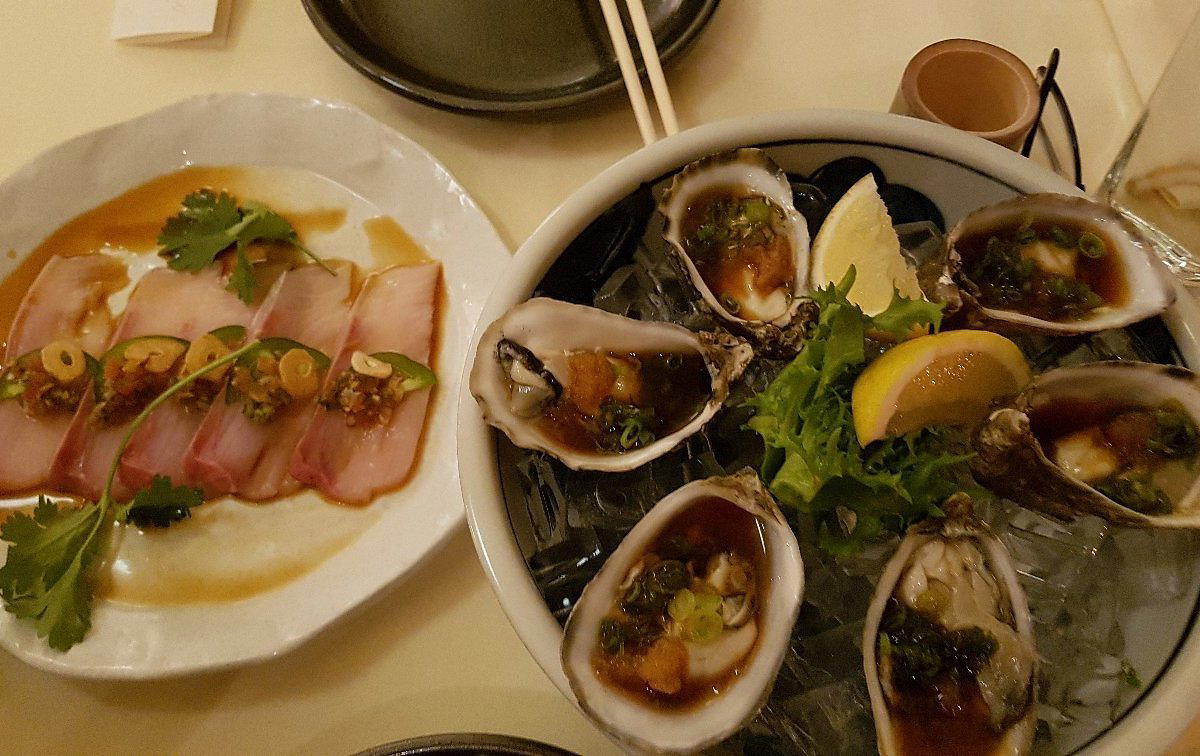
Madison Valley's Quiet Anchor in Seattle's Japanese Fine Dining Scene
Nishino is a Japanese restaurant in Seattle, known for Modern Japanese Sushi and Omakase, at 3130 E Madison St. The downtown and Capitol Hill corridors get the foot traffic and the press cycles, but the Madison Valley stretch of East Madison Street operates on a different rhythm. Restaurants here do not rely on passing trade. They earn regulars, and they keep them. Nishino, at 3130 E Madison St, fits that pattern: a neighborhood address with a dining room reputation that extends well beyond the zip code.
The city's high-end Japanese options have historically split between sushi-forward omakase formats and fuller Japanese cuisine operations that span cooked dishes, sashimi, and composed plates within a single menu. Nishino has long occupied the latter tier, offering a range of preparations that sits closer to the kaiseki-influenced American-Japanese hybrid than to the spare ten-seat counter omakase model increasingly associated with the Pacific Northwest's premium Japanese scene. In a market where Joule approaches Asian cuisine from a Korean-American fusion angle and Canlis anchors the fine dining establishment from a New American position, Nishino holds its own lane.
The Room: What You Walk Into
Madison Valley's residential character shapes the experience before the food arrives. The neighborhood runs quieter than Seattle's central dining districts, and that quiet extends into the Nishino dining room. This is not a room designed to perform. The space reads as composed rather than theatrical: warm lighting, measured spacing between tables, a setting that signals intention without demanding attention. For diners arriving from the denser, noisier blocks of Capitol Hill or downtown, the shift in register is immediate.
That environmental restraint is a deliberate positioning choice that Japanese fine dining has long understood: the room should not compete with the plate. Seattle's comparison set here extends nationally. Restaurants like Atomix in New York City and Le Bernardin in New York City demonstrate that particularly technically precise kitchens often operate within rooms of studied calm rather than visual spectacle. Nishino reads from the same logic applied to an intimate neighborhood scale.
Lunch vs. Dinner: Two Different Propositions
The lunch-versus-dinner divide is where Nishino's format becomes most practically interesting for a visiting diner making decisions about when to book. Fine Japanese dining in this format typically runs a compressed afternoon service alongside a more expansive evening program, and that split carries real consequences for mood, menu depth, and value calculus.
Dinner at this tier of Japanese cuisine is where the kitchen typically opens up: more courses, more elaborated preparations, and a pace that assumes the table has nowhere else to be. The composition of a full evening meal at a Japanese restaurant operating at Nishino's level involves sequencing that rewards patience, a movement from lighter, raw preparations through to richer cooked dishes and clean endings. The wine and sake program, if appropriately curated, runs alongside that arc rather than against it.
Lunch, by contrast, tends to offer a tighter edit: fewer courses, faster pacing, and often a more accessible entry point into the kitchen's range. For the diner who wants to assess what a kitchen can do without committing to a full dinner price point and timeline, a carefully chosen lunch is frequently the more revealing visit. The discipline required to produce a compressed lunch menu that still shows the kitchen's signature vocabulary is a different challenge from dinner's extended canvas. Nationally, restaurants such as The French Laundry in Napa and Single Thread Farm in Healdsburg have made their lunch services into serious programming decisions rather than afterthoughts. At the neighborhood Japanese level, the same principle applies.
For Seattle diners, the Madison Valley location makes booking ahead sensible, especially for dinner. The surrounding blocks include residential streets and small retail, meaning a midday table here carries a different energy than a downtown restaurant during the lunch rush. The room runs quieter, service moves at a more measured pace, and the experience skews closer to the calm of an evening dinner than to the transactional speed of a typical city lunch.
Where Nishino Fits in Seattle's Dining Hierarchy
Seattle's fine dining tier has become more competitive and more varied over the past decade. The city now sustains restaurants with national comparison sets: operations that can be placed alongside Lazy Bear in San Francisco, Providence in Los Angeles, or Addison in San Diego without the conversation feeling inflated. Within that context, the Japanese segment represents one of Seattle's stronger suits, a function of the city's Pacific proximity, its Japanese-American community history, and a diner base that has developed genuine fluency with the format.
Nishino's East Madison address places it slightly outside the restaurant rows where newer openings tend to cluster, a location pattern that often correlates with an older, more settled operation that has passed through the phase of needing foot traffic to survive. Restaurants at this stage compete on repetition: the table that comes back four times a year rather than the first-timer drawn in by a recent review. That is a different business model from the high-visibility downtown addresses at spots like 1415 1st Ave, and it produces a measurably different room dynamic on any given night.
For context on how other serious American Japanese rooms operate nationally, the comparison set includes not only West Coast references but also operations like Blue Hill at Stone Barns in Tarrytown and Alinea in Chicago when discussing what it means to build sustained credibility over time rather than sustained visibility. Nishino belongs to that durability conversation.
Other Seattle addresses worth noting alongside Nishino include 1744 NW Market St and 2963 4th Ave S. Internationally, 8 1/2 Otto e Mezzo Bombana in Hong Kong offers a useful reference for how a restaurant maintains long-run fine dining credibility in a shifting market, and the parallel to Nishino's Madison Valley positioning is instructive. The New Orleans comparison, via Emeril's in New Orleans, and the D.C. axis, through The Inn at Little Washington, round out the picture of what sustained institutional credibility looks like across American fine dining.
Know Before You Go
Same-City Peers
Comparable venues nearby, for context on price, style, and recognition.
| Venue | Cuisine | Price | Notes |
|---|---|---|---|
| NishinoThis venue — the venue you are viewing | Modern Japanese Sushi and Omakase | $$$ | Not listed |
| Umi Sake House | Japanese Sushi & Izakaya | $$$ | Belltown |
| Moshi Moshi Sushi | Japanese Sushi & Izakaya | $$ | Adams |
| Tarsan i Jane | Modern Valencian | $$$ | Frelard |
| COMMUNION | Seattle Soul - Modern Soul Food | $$$ | Mann |
| Taku | Japanese Fried Chicken (Karaage) | $$ | Pike/Pine |
Continue exploring
More in Seattle
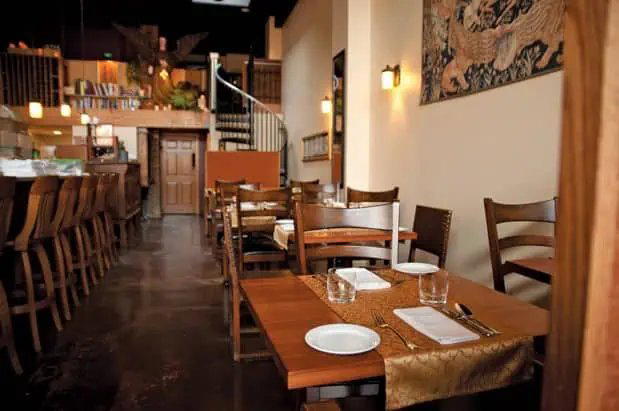
Restaurants in Seattle
Browse all →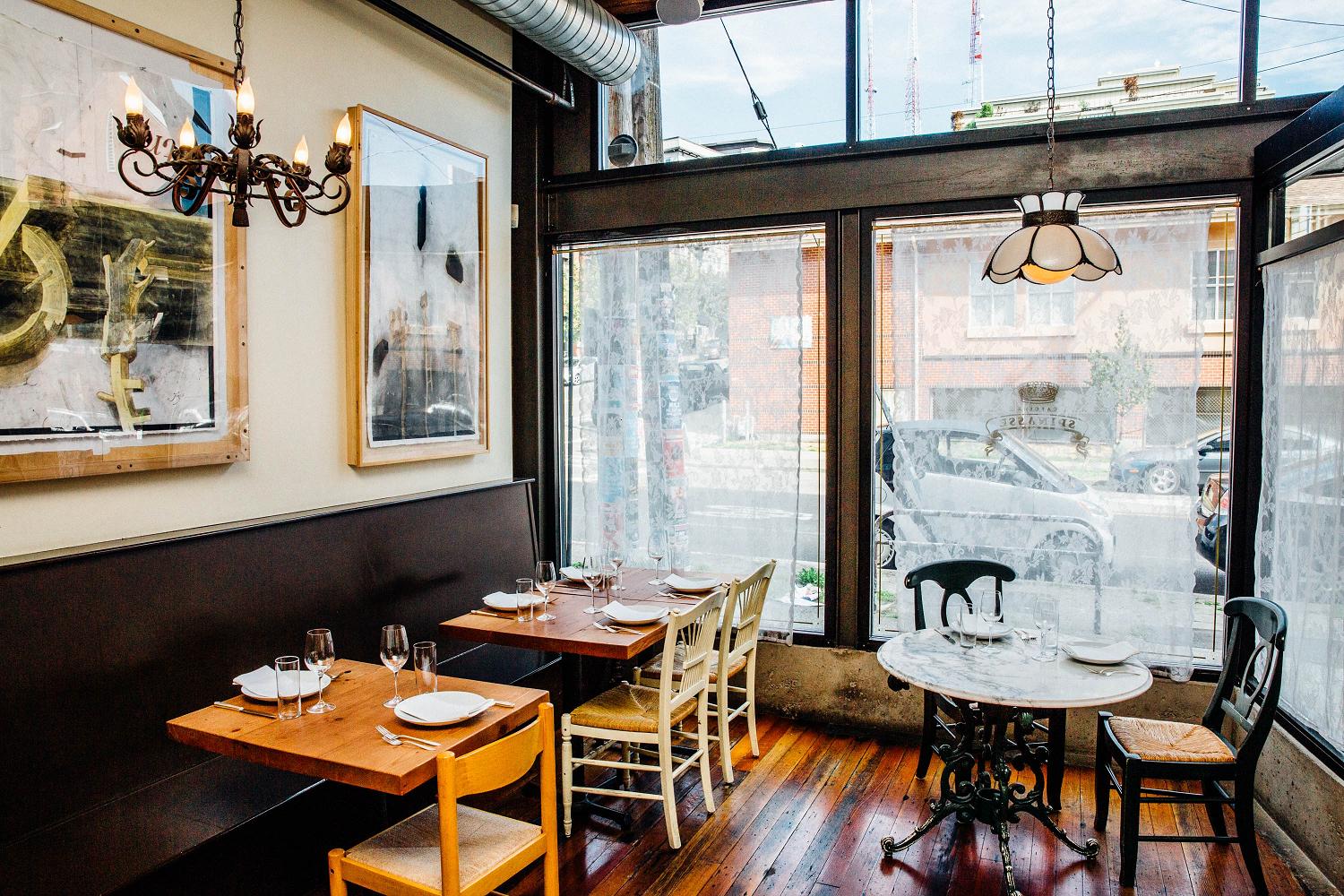
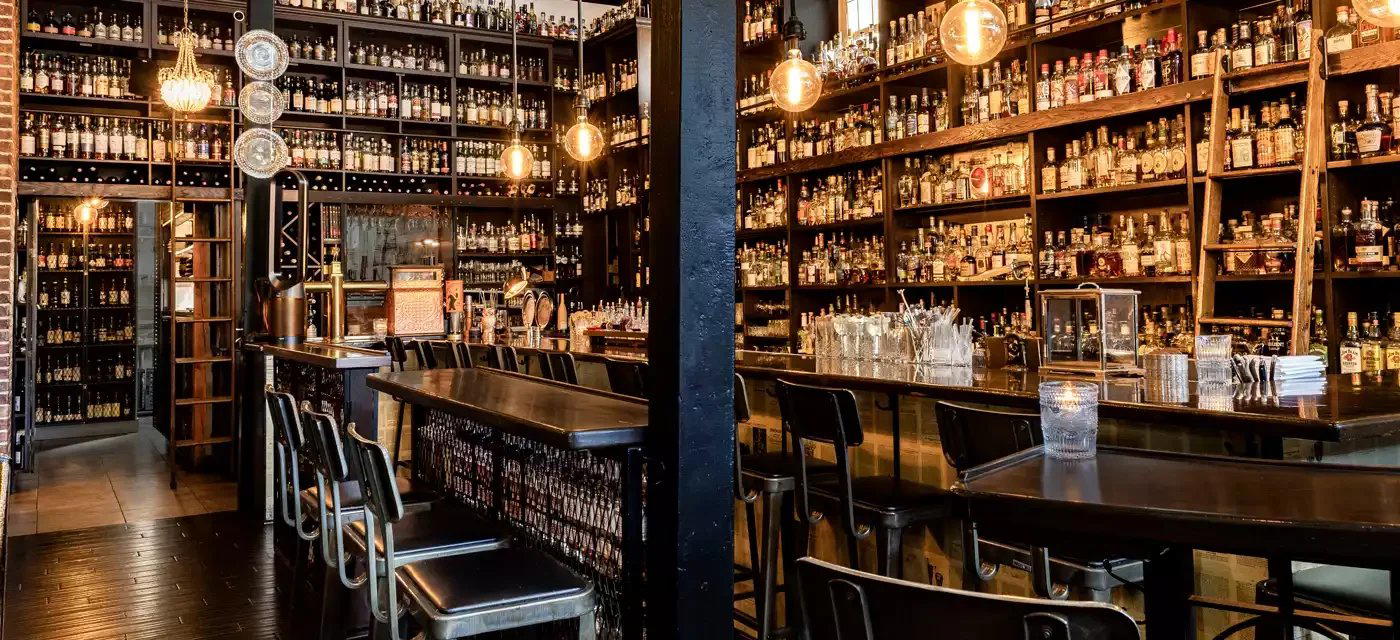
Bars in Seattle
Browse all →
Hotels in Seattle
Browse all →

At a Glance
- Elegant
- Sophisticated
- Intimate
- Date Night
- Special Occasion
- Business Dinner
- Open Kitchen
- Sake Program
Current opening hours
- Monday
- Closed
- Tuesday
- Closed
- Wednesday
- 5–9 PM
- Thursday
- 5–9 PM
- Friday
- 5–9 PM
- Saturday
- 5–9 PM
- Sunday
- 4:30–8:30 PM
Hours can change for holidays and private events. Last verified .
Low-key and cozy atmosphere with a welcoming, home-like feel ideal for quiet evenings or special occasions.