Moshi Moshi Sushi
On Ballard Avenue NW, Moshi Moshi Sushi occupies a stretch of Seattle's most consistently interesting dining corridor, where the neighborhood's mix of long-standing locals and newer arrivals has shaped a sushi scene that rewards repeat visits. The address places it within easy reach of Ballard's broader food-and-drink circuit, making it a logical anchor for an evening in the neighborhood.
Pearl is the En Primeur Club membership app — saves, bookings, and concierge access live there. Same editors, same standards.
- Address
- 5324 Ballard Ave NW, Seattle, WA 98107
- Phone
- +12069717424
- Website
- moshimoshiseattle.com
- Directions
- Get directions
 Saves & bookings on Pearl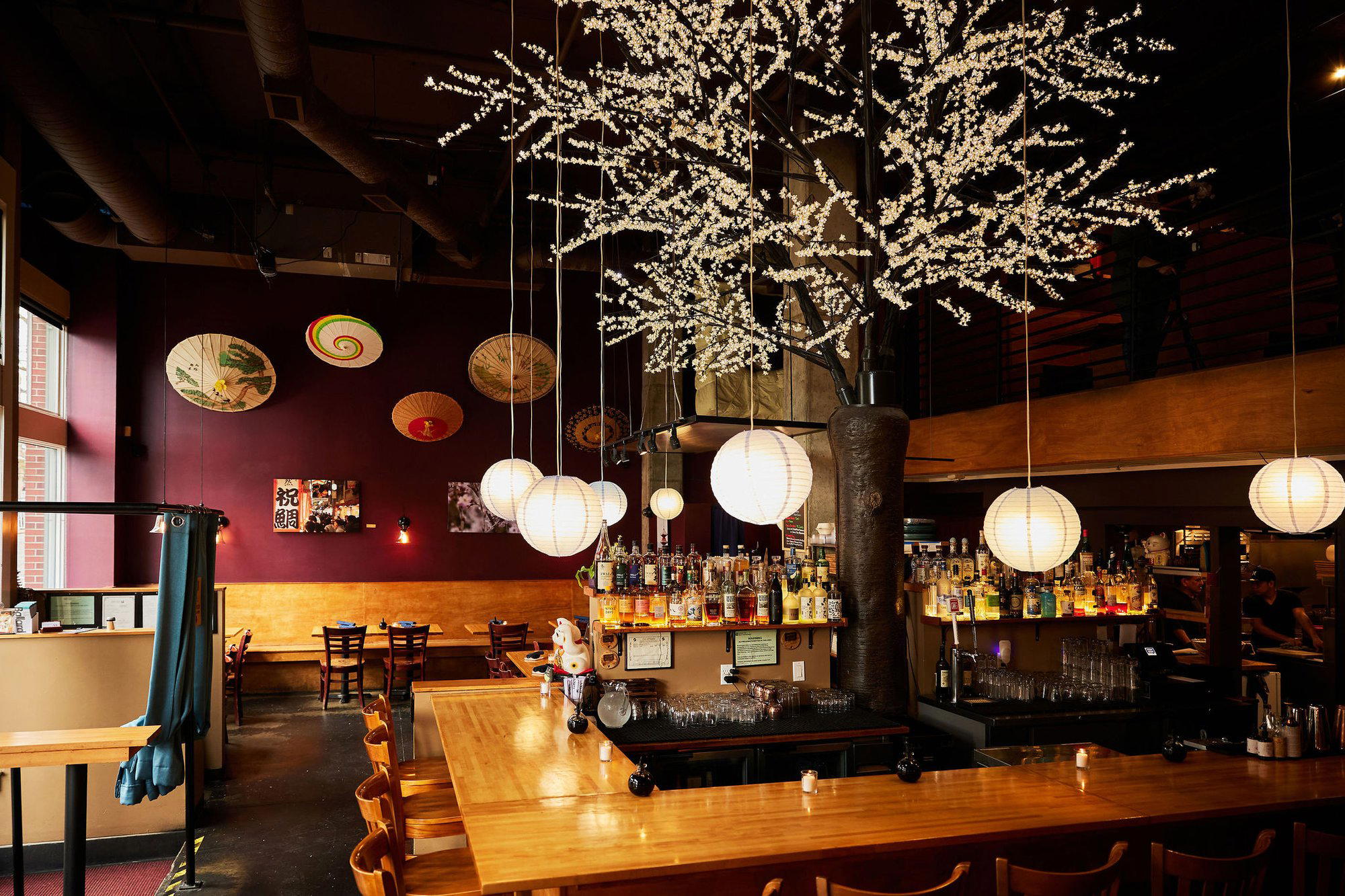
Ballard Avenue and the Physical Logic of a Neighborhood Sushi Counter
Ballard Avenue NW has a particular rhythm that most of Seattle's flashier dining corridors lack. The low-rise brick buildings, the mix of independent retailers and restaurants that have survived multiple cycles of the neighborhood's evolution, and the pedestrian scale of the street all create a setting where a sushi counter can exist without competing for attention against hotel lobbies or rooftop spectacle. On this block, the physical container of a restaurant does most of the social work before a single plate arrives. Moshi Moshi Sushi, at 5324 Ballard Ave NW, is a Japanese Sushi & Izakaya restaurant in Seattle with a casual dress code and a recommended reservation policy, sits within that logic.
In Seattle's broader sushi market, the conversation has split in a direction familiar to anyone tracking the category across West Coast cities. On one side, omakase-format counters have pushed price points and ceremony toward the register occupied nationally by destinations like Le Bernardin in New York City or Alinea in Chicago: tightly controlled, reservation-dependent, built around a specific chef's voice. On the other side, neighborhood sushi, the kind that absorbs a Tuesday dinner crowd, accommodates groups, and doesn't require a three-month lead time, has quietly become the more contested space, where design, consistency, and a sense of place matter as much as technical precision at the rice level.
Moshi Moshi Sushi operates in that second space, and Ballard is a reasonable home for it. The neighborhood has enough culinary density, including venues that skew toward more formal formats and higher price points, to give a well-positioned sushi spot a clear role in the local pecking order.
The Space as Argument
The design language of a Ballard Avenue address tends toward exposed material and low-intervention interiors. This is a neighborhood where the bones of a space, original wood floors, brick walls, proportionate windows onto the street, carry more cultural weight than a designed-from-scratch interior would. Sushi, as a format, fits that aesthetic logic reasonably well. The counter arrangement that defines serious sushi dining is itself a kind of interior argument: it prioritizes the transaction between diner and kitchen over social performance between tables. A counter-forward layout on Ballard Avenue reads as belonging, not as an imposition of a foreign format onto a residential neighborhood.
Seattle has absorbed the counter-dining model across multiple cuisines, partly because the city's dining culture skews toward engagement with process. The same inclination that drives interest in open kitchens at places like Joule, which has applied a rigorous New Asian lens to Seattle's dining scene, also supports a sushi format where the chef's movements are visible and the sequence of service is part of the experience. At the neighborhood scale, this means the physical arrangement of a room does real work in setting expectations before a menu is opened.
Where It Sits in Seattle's Sushi Picture
Seattle's proximity to Pacific fishing grounds has historically given its sushi scene access to product that many inland or East Coast cities pay a premium to import. That geographic advantage, however, is not automatically converted into quality at every price point. The range between entry-level conveyor-belt operations and serious nigiri counters is wide, and the middle tier, where neighborhood sushi restaurants live, is where particularly interesting differentiation happens. Venues in that tier compete less on ingredient sourcing, which is often comparable, and more on the cumulative decisions about space, format, staff knowledge, and the coherence of the experience from arrival to departure.
In that context, the Ballard Avenue address is a signal as much as a location. Ballard's food scene has become one of Seattle's most consistent, with a concentration of independently operated restaurants that have survived long enough to develop genuine regulars. The street-level scene on Ballard Avenue differs from the Capitol Hill corridor or the more tourist-oriented Pike Place adjacencies in that it supports a specific kind of local dining, neighborhood-anchored, repeat-visit driven, and largely insulated from the pressure to perform for out-of-town visitors. Compare that to the more formal tier occupied by Canlis, where the room, the view, and the occasion-dining positioning target a different kind of visit entirely.
Nationally, the sushi category has seen its upper tier develop into something closer to the event-dining model used by The French Laundry in Napa or Providence in Los Angeles: fixed menus, fixed seatings, and a booking process that filters the room before the first piece of fish is cut. The neighborhood counter operates under entirely different conditions, and those conditions shape everything about what the experience can and should deliver.
The Ballard Context: What the Neighborhood Adds
A meal on Ballard Avenue tends to begin and end outside the restaurant. The neighborhood rewards walking, before dinner through the weekend farmers market corridor, after dinner along the strip toward one of the area's bars. That pedestrian texture is part of what makes a sushi dinner here feel different from the same meal in a food hall or a hotel restaurant. Ballard and adjacent Seattle neighborhoods calibrate their offerings in distinct ways, but this address fits the city’s neighborhood-scale dining pattern well.
For visitors tracking the broader trajectory of American sushi, from the California roll era through the current omakase premium moment, the neighborhood counter remains the format where most people actually eat sushi most of the time. What venues like Moshi Moshi Sushi represent, in the wider American dining picture, is a category that destinations like Atomix in New York City or Blue Hill at Stone Barns in Tarrytown operate well above: accessible, neighborhood-scaled, and dependent on execution rather than ceremony for its reputation.
Quick Comparison
Comparable venues nearby, for context on price, style, and recognition.
| Venue | Cuisine | Price | Notes |
|---|---|---|---|
| Moshi Moshi SushiThis venue — the venue you are viewing | Japanese Sushi & Izakaya | $$ | Not listed |
| Jae's Asian Bistro & Sushi | Japanese Sushi & Pan-Asian | $$ | Stevens |
| Yoroshiku | Modern Hokkaido Ramen & Izakaya | $$ | Wallingford |
| Onibaba by Tsukushinbo | Japanese Onigiri Specialist | $$ | Japantown |
| Kushibar | Japanese Street Food & Kushiyaki | $$ | Belltown |
| Japonessa Sushi Cocina | Japanese-Latin Fusion Sushi Cocina | $$ | Pike Place Market |
Continue exploring
More in Seattle
Restaurants in Seattle
Browse all →
Bars in Seattle
Browse all →
Hotels in Seattle
Browse all →

At a Glance
- Modern
- Trendy
- Lively
- Date Night
- Casual Hangout
- Group Dining
- Open Kitchen
- Sake Program
- Craft Cocktails
Current opening hours
- Monday
- 12–2:30 PM, 4:30–9 PM
- Tuesday
- 12–2:30 PM, 4:30–9 PM
- Wednesday
- 12–2:30 PM, 4:30–9 PM
- Thursday
- 12–2:30 PM, 4:30–9 PM
- Friday
- 12–3 PM, 5–10:30 PM
- Saturday
- 12–3 PM, 5–10:30 PM
- Sunday
- 2–9 PM
Hours can change for holidays and private events. Last verified .
Airy contemporary space with sparkling LED lights from the sculpted metal tree, creating a lively yet welcoming atmosphere.