Umi Sake House
Umi Sake House on Seattle's 1st Avenue sits at the intersection of Belltown's late-night energy and a serious commitment to sake and Japanese small plates. The menu's architecture rewards methodical ordering, moving from raw preparations through cooked izakaya formats in a sequence that mirrors how the Japanese bar tradition has been adapted for the Pacific Northwest.
Pearl is the En Primeur Club membership app — saves, bookings, and concierge access live there. Same editors, same standards.
- Address
- 2230 1st Ave, Seattle, WA 98121
- Phone
- +12063748717
- Website
- umisakehouse.com
- Directions
- Get directions
 Saves & bookings on Pearl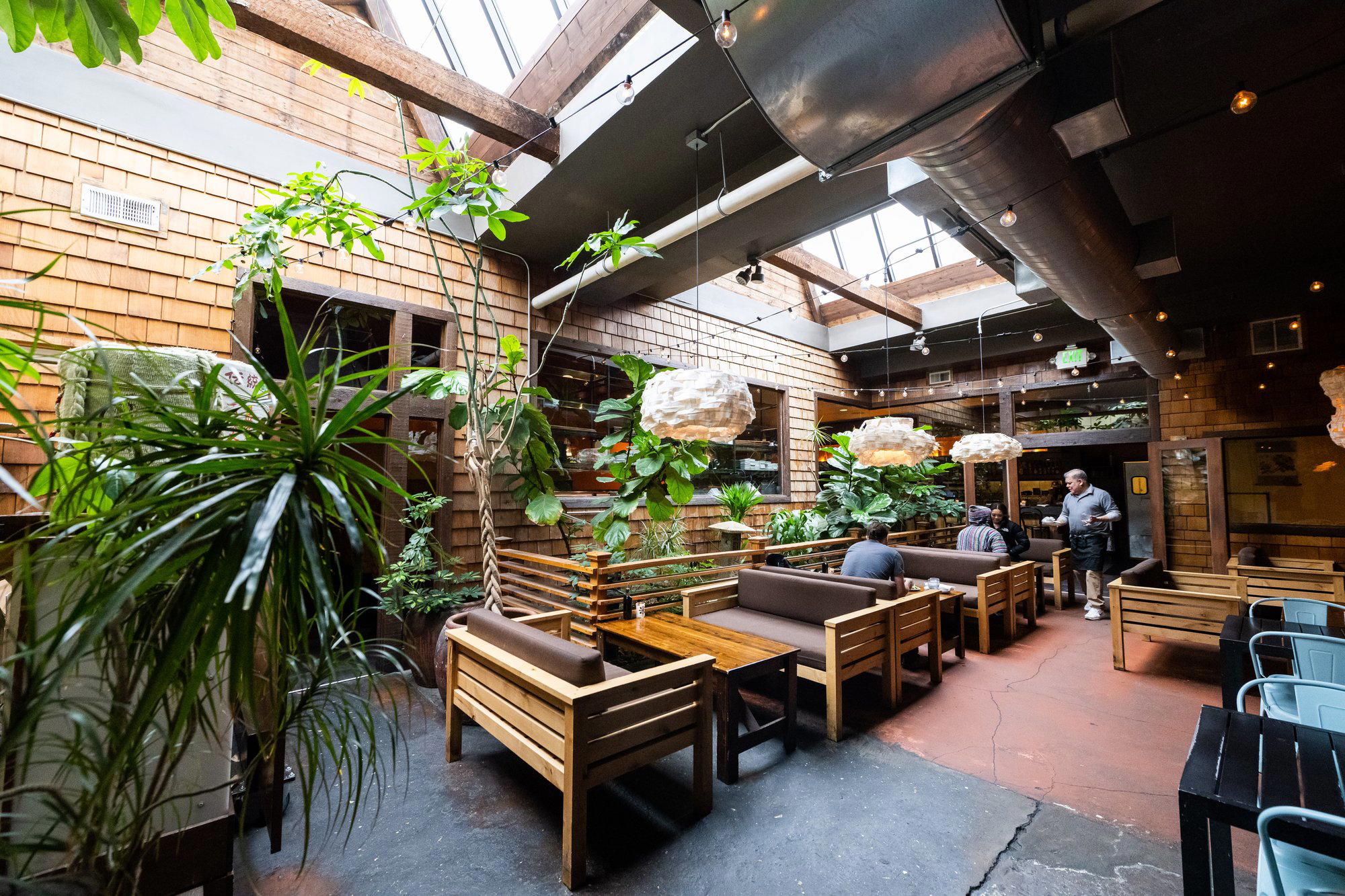
Belltown's Approach to the Japanese Bar Tradition
Seattle's 1st Avenue corridor has long occupied an interesting middle position in the city's dining geography: close enough to the Pike Place waterfront to catch tourist traffic, dense enough with residents and industry workers to sustain serious neighborhood operations. At 2230 1st Ave, Umi Sake House operates in that dual register. The building's Belltown address places it in a block that has seen the full arc of Seattle's dining ambitions, from the early 2000s cocktail-bar boom through the broader casualization of the 2010s and into the current moment, where Japanese-influenced formats have settled into one of the more consistent niches in the city's mid-to-upper casual tier.
That niche is worth understanding before you arrive. Seattle's Japanese dining scene doesn't map cleanly onto the omakase-or-nothing binary that defines cities like San Francisco or New York. Instead, the city has developed a layered market: a handful of high-commitment counter experiences at the leading, a broader band of izakaya-influenced spots that function as genuine destination dining, and a larger casual tier below that. Umi sits in that middle band, where the menu structure and sake program are the primary signals of seriousness rather than chef pedigree or tasting-menu format.
How the Menu Is Built, and What That Reveals
The editorial angle on Umi Sake House that matters most to a first-time visitor is menu architecture. Japanese bar menus in the American context tend to fall into one of two structural approaches: the comprehensive-list model, which offers everything to everyone and ends up meaning nothing in particular, or the curated-progression model, which signals a point of view about how a meal should move. Umi's menu reads as a version of the latter, organized around categories that correspond loosely to the izakaya sequence: raw preparations, cold plates, hot small dishes, and rice or noodle anchors toward the end.
That sequencing is not incidental. In the izakaya tradition, the meal is structured so that lighter, more delicate items come early, when the palate is sharpest and the sake is coldest. The format also assumes grazing rather than coursed eating, which shifts the role of the server from guide to collaborator. At Umi, the implication of that structure is that a useful approach is a table-wide ordering strategy, not individual entree selection. Order across the categories, move roughly from raw to cooked, and let the sake selections pace the meal.
In Seattle's broader Japanese dining context, this approach has precedents. Joule, which operates a Korean-inflected menu with similar small-plate ambitions, uses comparable architecture to push toward shared dining. The difference is that Umi's menu is organized specifically around the sake pairing logic, where the beverage program is not an afterthought but a structural element that the food list is built to support.
The Sake Program as the Primary Signal
In most American Japanese restaurants, sake occupies a decorative role on the menu: a few bottles, a house option served warm, and a general assumption that most guests will drink wine or cocktails. Venues that take sake seriously build their lists differently, organizing by style (junmai, ginjo, daiginjo, nigori) and by region of origin within Japan, and training staff to make pairing suggestions with the same fluency a sommelier brings to wine.
A sake-forward list in a city like Seattle also connects to a broader Pacific Northwest pattern. The region's proximity to Japan, its large Japanese-American community, and its established culture of producer-focused beverage programs (the same instincts that made Portland and Seattle leaders in natural wine) have created conditions where a serious sake program lands with an audience that can appreciate it. That context places Umi in a specific local tradition rather than a generic Japanese-American dining category.
For comparison, the approach Seattle diners might recognize from Canlis on the wine side, where the list is treated as an intellectual equal to the kitchen's output, maps roughly onto what a genuine sake program does for a Japanese bar format. The beverage is not a supplement; it shapes the meal.
Belltown Timing and Practical Orientation
Belltown dining operates on a rhythm that differs from Seattle's other dining districts. South Lake Union has become a tech-lunch corridor; Capitol Hill sustains late-night operations with a younger residential base; Pioneer Square is event-driven. Belltown sits between the downtown core and Seattle Center, which makes it functional for pre-event dining, late-night industry meals, and the kind of extended Saturday session that runs from early evening into the late hours.
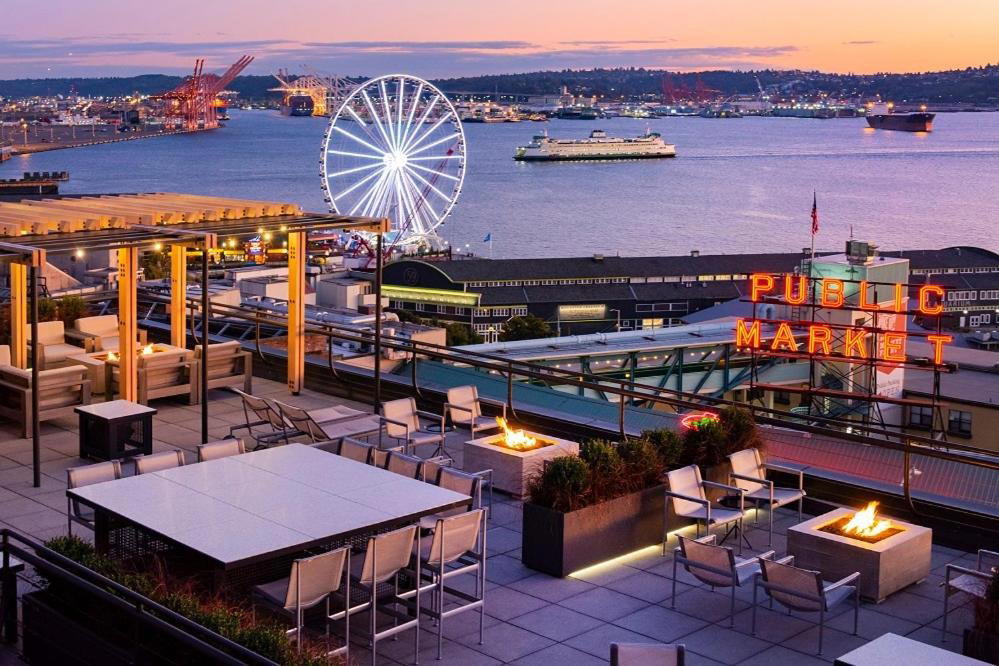
Umi's address on 1st Avenue puts it within a short distance of the broader Belltown bar and restaurant cluster, making it a reasonable anchor for a longer evening that moves through multiple venues. For visitors, the Pike Place Market area is walkable, which means Umi can function as a dinner stop inside a broader waterfront itinerary. Nearby addresses like 1415 1st Ave and 1744 NW Market St show the density of the corridor.
For those building a wider Seattle dining itinerary, our full Seattle restaurants guide maps the city's dining by neighborhood and category. Further afield, venues like Lazy Bear in San Francisco, Atomix in New York City, and Providence in Los Angeles represent the West Coast and national tier for comparison when calibrating ambition level. For Japanese-influenced dining at the highest register internationally, 8 1/2 Otto e Mezzo Bombana in Hong Kong offers a useful reference point for how Asian culinary traditions translate into fine-dining formats.
Closer to home, Seattle's other destination-level addresses span formats and price points: 2963 4th Ave S represents a different neighborhood anchor. Nationally, venues like Alinea in Chicago, The French Laundry in Napa, Single Thread Farm in Healdsburg, Blue Hill at Stone Barns in Tarrytown, Addison in San Diego, The Inn at Little Washington, Le Bernardin in New York City, and Emeril's in New Orleans define the broader American fine-dining comparable set against which Seattle's serious venues are increasingly measured.
Accolades, Compared
Comparable venues nearby, for context on price, style, and recognition.
| Venue | Cuisine | Price | Notes |
|---|---|---|---|
| Umi Sake HouseThis venue — the venue you are viewing | Japanese Sushi & Izakaya | $$$ | Not listed |
| wa'z | Modern Japanese Kaiseki | $$$$ | Uptown Triangle |
| Japonessa Sushi Cocina | Japanese-Latin Fusion Sushi Cocina | $$ | Pike Place Market |
| Nishino | Modern Japanese Sushi and Omakase | $$$ | Madison Park |
| Sushi Kappo Tamura | Modern Japanese Kappo Sushi | $$$ | Eastlake |
| Momiji SLU | Modern Japanese Sushi & Omakase | $$$ | South Lake Union |
Continue exploring
More in Seattle
Restaurants in Seattle
Browse all →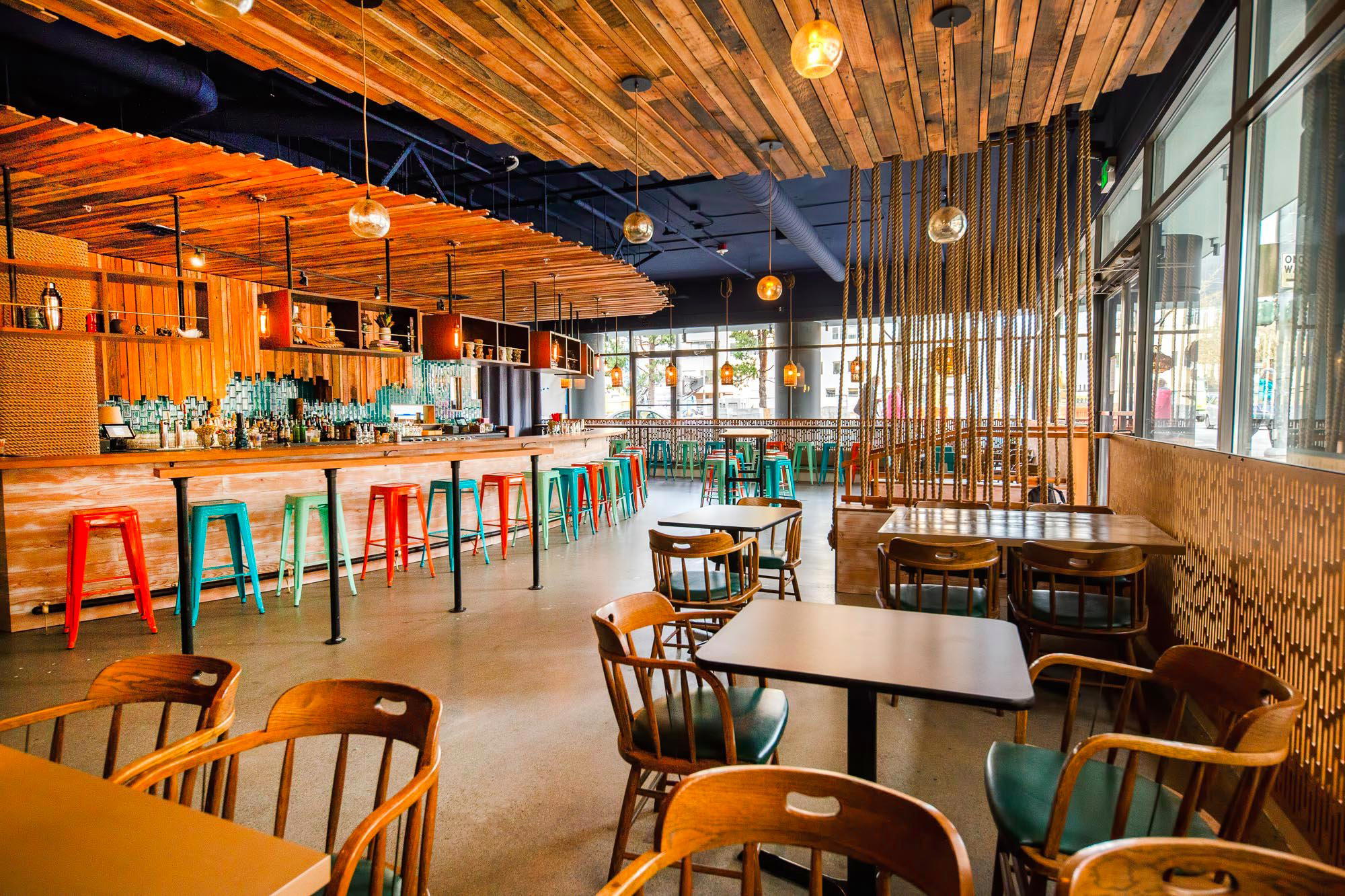
Bars in Seattle
Browse all →
Hotels in Seattle
Browse all →

At a Glance
- Trendy
- Sophisticated
- Lively
- Elegant
- Date Night
- Group Dining
- After Work
- Casual Hangout
- Chefs Counter
- Private Dining
- Garden
- Open Kitchen
- Sake Program
- Craft Cocktails
- Sustainable Seafood
- Garden
Current opening hours
- Monday
- 4–11 PM
- Tuesday
- 4–11 PM
- Wednesday
- 4–11 PM
- Thursday
- 4–11 PM
- Friday
- 4 PM–12 AM
- Saturday
- 4 PM–12 AM
- Sunday
- 4–11 PM
Hours can change for holidays and private events. Last verified .
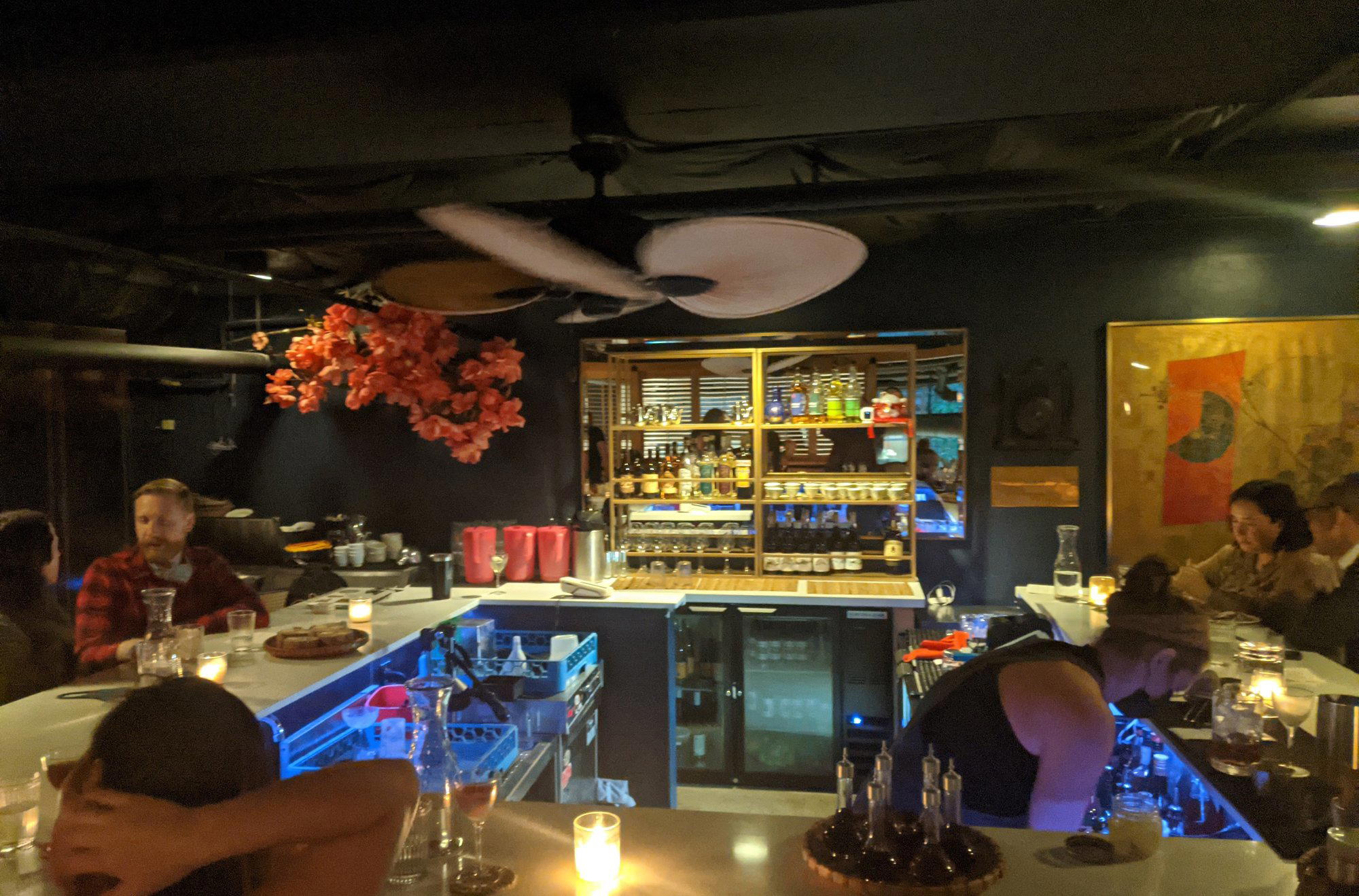
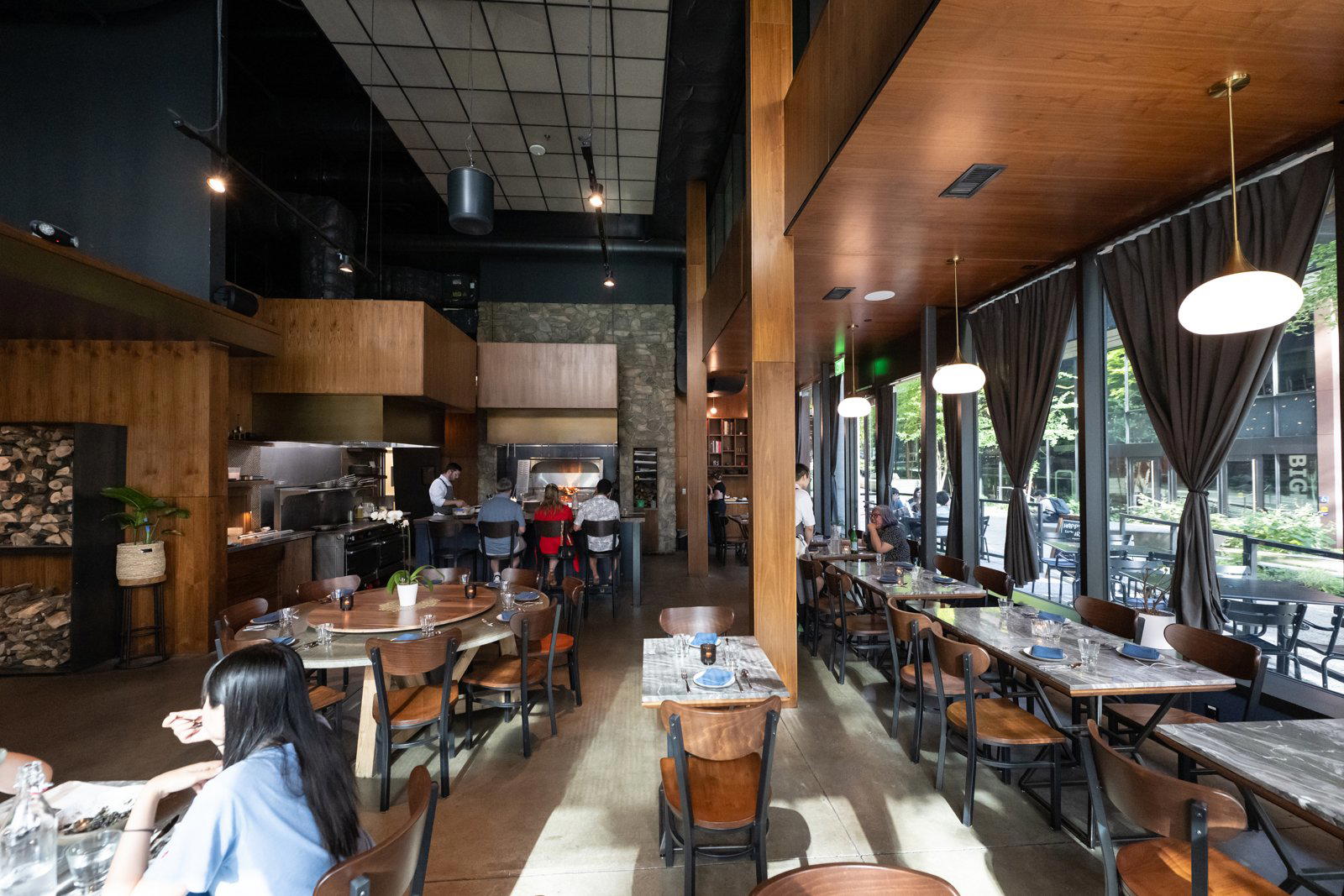
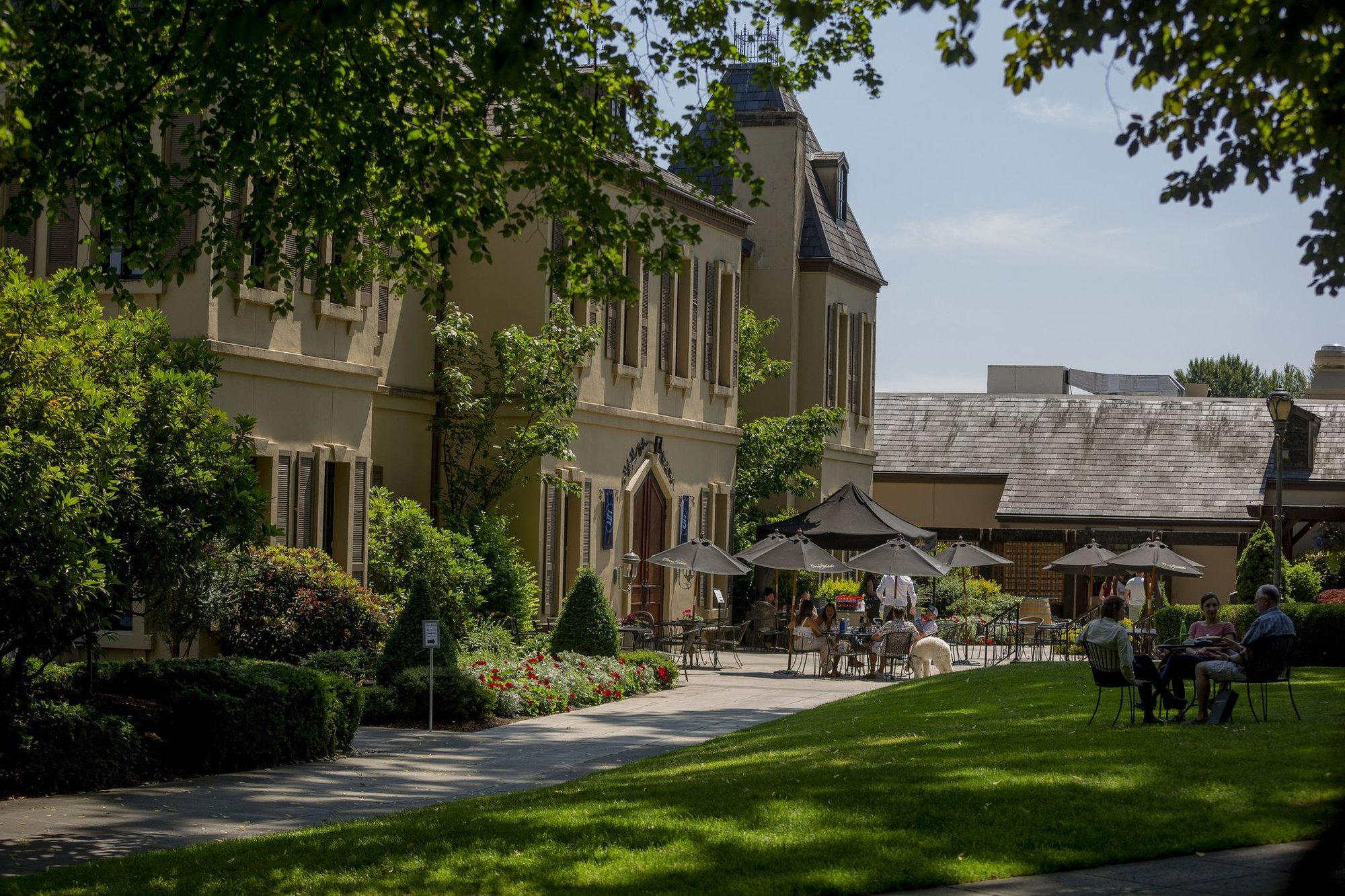
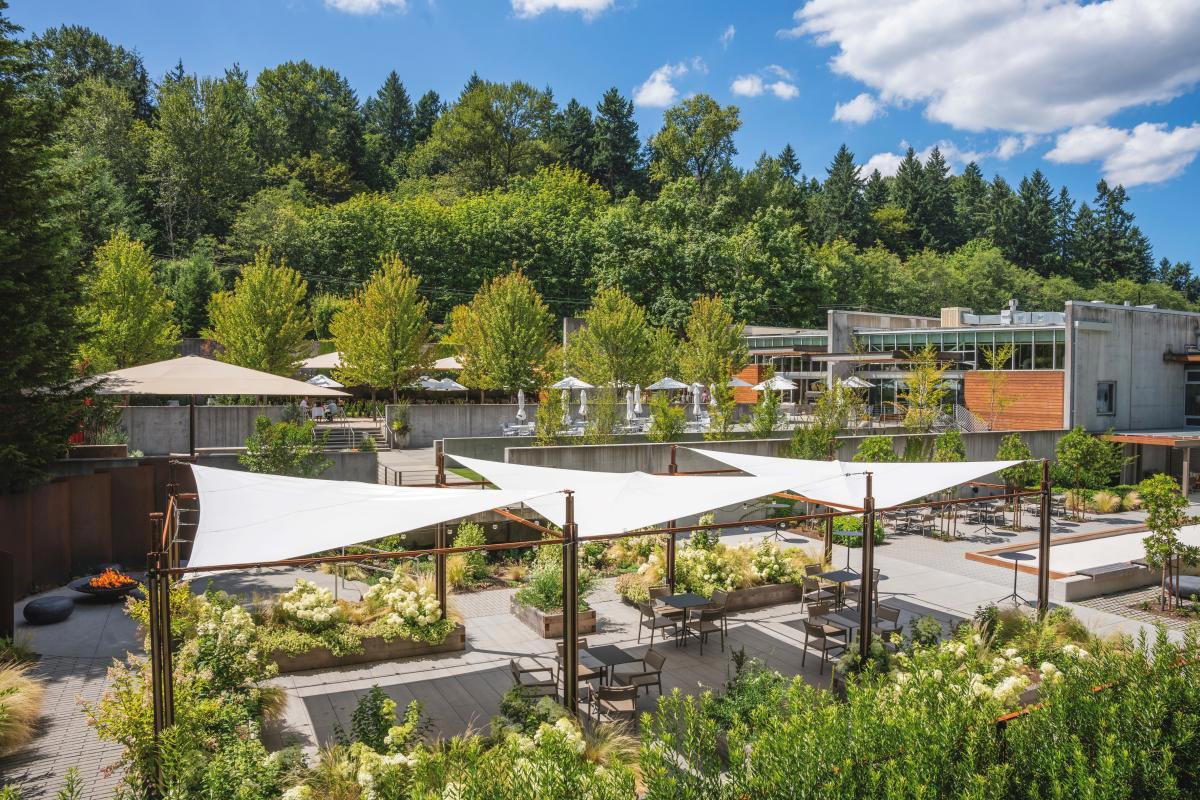
Trendy club vibe with black slate tiled traditional dining room, tropical garden patio, and black concrete liquor bar creating a sophisticated yet energetic atmosphere.