Taku
Taku sits on East Pike Street in Seattle's Capitol Hill, a neighborhood whose dining scene has shifted decisively toward precise, counter-driven formats. The address places it inside one of the city's densest concentrations of ambitious independent restaurants, where the atmosphere tends toward focused and deliberate rather than casual. For visitors tracking serious Seattle dining, Capitol Hill is the right starting point.
- Address
- 706 E Pike St, Seattle, WA 98122
- Phone
- +1 206 829 9418
- Website
- takuseattle.com
- Directions
- Get directions
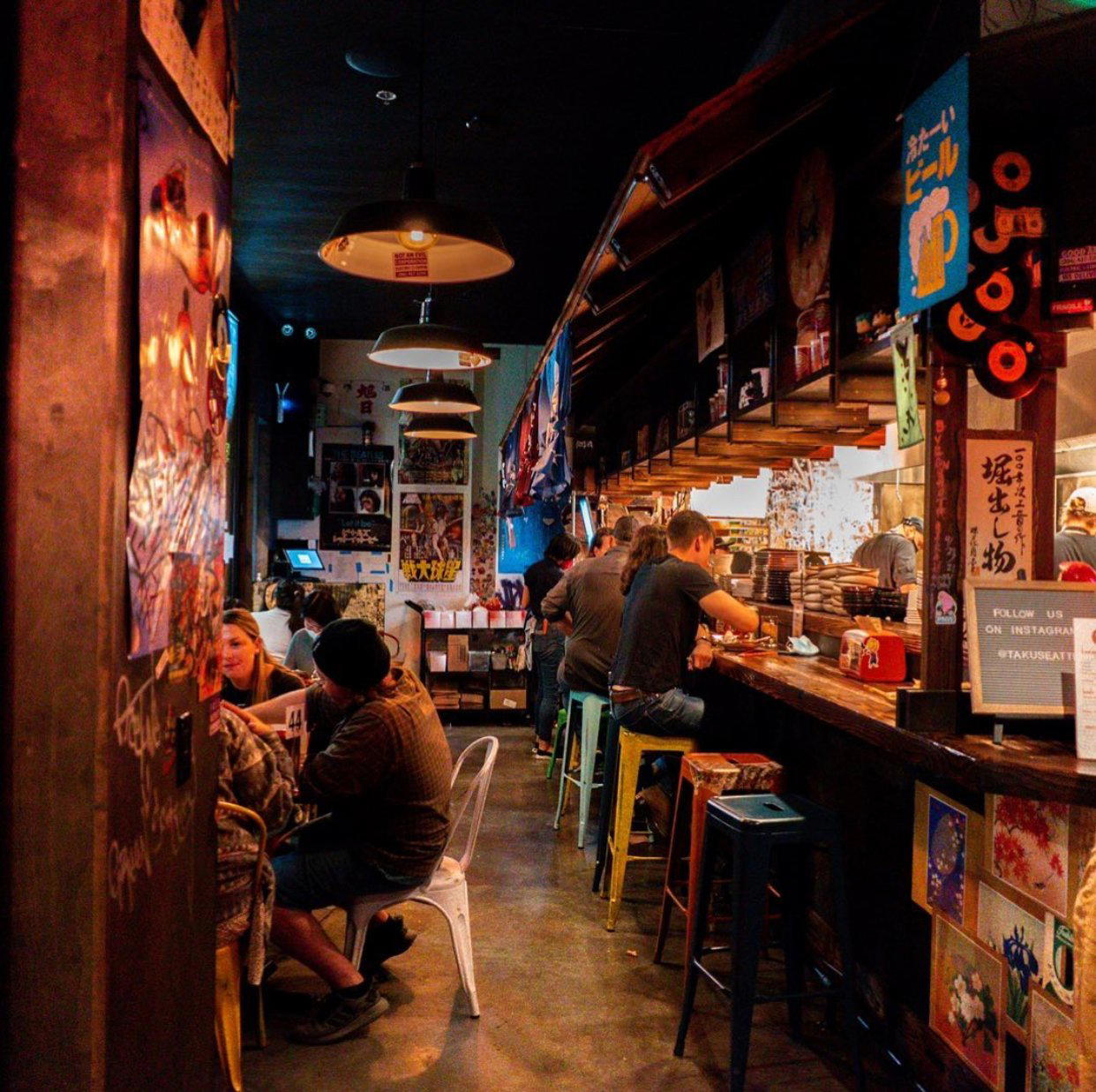
East Pike Street and the Counter Format
Taku is a Japanese Fried Chicken (Karaage) restaurant at 706 E Pike St in Seattle's Capitol Hill neighborhood, with a price tier of $15 per person. Capitol Hill's East Pike Street corridor has become one of Seattle's more interesting addresses for focused dining, the kind of block where the restaurants tend toward smaller footprints and deliberate formats rather than large, volume-driven rooms. Taku, at 706 E Pike St, sits inside this pattern. The neighborhood has shed much of its earlier casualness and now sustains a dining culture that rewards specificity: kitchens that know exactly what they are doing and rooms designed around watching them do it.
Counter-format dining, where the kitchen and the guest share the same sightlines, has moved from niche to dominant in cities like Seattle, San Francisco, and Los Angeles, producing a generation of restaurants where spatial design communicates as much as the food itself. Capitol Hill's iteration of that shift sits in a more independent key than, say, South Lake Union's corporate-adjacent dining strip, which makes the neighborhood a better place to read what Seattle's kitchen culture is actually doing.
The Atmosphere Capitol Hill Produces
Approach 706 E Pike and you are in a stretch of the street that cycles between independent retail, bars, and restaurants in close proximity. The sensory texture of arriving here is different from Seattle's waterfront or Belltown: denser, less tourist-oriented, with more foot traffic from people who live and work nearby. That local-first character matters for understanding what the restaurants along this corridor are building toward. They are not performing for visitors in transit; they are accumulating a regular audience.
Inside the tighter dining formats that Capitol Hill supports, sound behaves differently than in a large brasserie. Smaller rooms tend to produce a more layered acoustic environment: the rhythm of a kitchen working, low conversation at close proximity, the particular quiet of a group watching a dish come together. This is the sensory grammar that counter-format restaurants in cities like New York and Chicago have spent years calibrating. The West Coast version of that format has its own character, shaped partly by Pacific ingredient access and partly by a different relationship to formality.
Where Taku Sits in Seattle's Competitive Set
Seattle's serious restaurant tier spans a wider range of formats and price points than its reputation sometimes suggests. Canlis, which has anchored the city's fine dining conversation for decades, represents one pole: a New American institution with a view-driven room. Joule, the New Asian kitchen on the other side of the Capitol Hill orbit, represents a different approach, where cultural cross-referencing drives the menu rather than classical structure. Taku's East Pike address places it in the neighborhood that produces the independent, format-conscious dining the city currently offers.
Kitchens like Smyth in Chicago and Lazy Bear in San Francisco have demonstrated that smaller, deliberate formats can sustain both critical recognition and long booking queues. Single Thread Farm in Healdsburg operates with a similar spatial and ingredient philosophy, connecting kitchen and guest across a considered counter format. The leading equivalents in Los Angeles, including Providence, draw from a similar well of precision and restraint. Seattle's version of this format is still consolidating, but the Capitol Hill corridor is where it is most active.
The Broader Pacific Northwest Context
Seattle dining has always been shaped by its geography in ways that distinguish it from other American cities. Proximity to Pacific seafood, Cascades produce, and a deeply embedded Japanese-American culinary culture gives the city's kitchens a different pantry than those of, say, New Orleans or New York. That pantry shapes the sensory register of what gets cooked here: cooler, cleaner flavors, ingredients with strong seasonal definition, a preference for restraint over richness.
The Japanese-American thread runs through Seattle's dining culture in a way that is historically documented and still actively felt. Maneki, one of the city's oldest Japanese restaurants, represents one end of that lineage. The counter-format kaiseki and omakase restaurants that have opened across Capitol Hill and adjacent neighborhoods in recent years represent its current expression. The French Laundry in Napa and Blue Hill at Stone Barns both operate inside a tradition of hyper-local, seasonally defined tasting formats; Seattle's equivalents draw on a parallel tradition that routes through Japan rather than France.
Planning a Visit
Taku is at 706 E Pike St in Capitol Hill, accessible by the Capitol Hill Link light rail station a short walk north, which makes it reachable from most Seattle neighborhoods without a car. East Pike Street has enough density that arriving early or staying late extends the evening naturally into the surrounding bars and cafes.
Visitors tracking the city's wider dining range will find useful reference points at other Seattle addresses: 1415 1st Ave in the Pike Place corridor operates in a different register, while 1744 NW Market St anchors the Ballard end of the conversation. 2963 4th Ave S represents the city's southward dining expansion. For comparison beyond Seattle, Addison in San Diego, The Inn at Little Washington, and Atelier Moessmer Norbert Niederkofler in Brunico all operate inside the same international tier of focused, chef-driven formats, providing useful calibration for what this category demands at its reference level.
Comparable Venues
Comparable venues nearby, for context on price, style, and recognition.
| Venue | Cuisine | Price | Notes |
|---|---|---|---|
| TakuThis venue — the venue you are viewing | Japanese Fried Chicken (Karaage) | $$ | Not listed |
| Musashi's | Traditional Japanese Sushi | $$ | Wallingford |
| Moshi Moshi Sushi | Japanese Sushi & Izakaya | $$ | Adams |
| Onibaba by Tsukushinbo | Japanese Onigiri Specialist | $$ | Japantown |
| Matsu | Modern Japanese Sushi & Omakase | $$$ | Pioneer Square |
| Japonessa Sushi Cocina | Japanese-Latin Fusion Sushi Cocina | $$ | Pike Place Market |
Continue exploring
More in Seattle
Restaurants in Seattle
Browse all →
Bars in Seattle
Browse all →
Hotels in Seattle
Browse all →
At a Glance
- Trendy
- Lively
- Energetic
- Casual Hangout
- Late Night
- After Work
- Open Kitchen
- Craft Cocktails
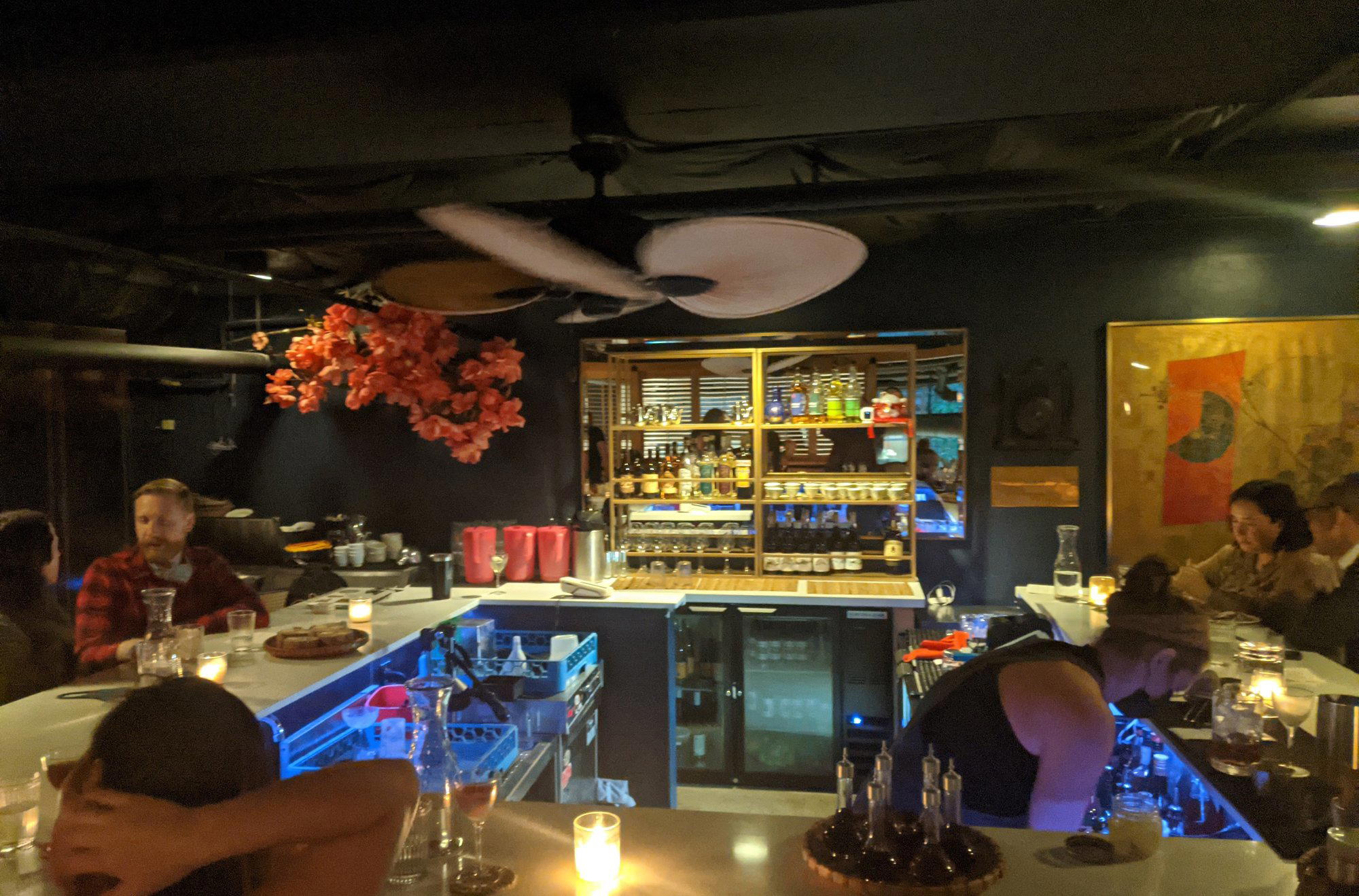
Frenetically stylish dive bar atmosphere suited for late-night casual hangs.