Nikutei Futago

Our verdict
Nikutei Futago brings Japanese yakiniku and meat-focused cooking to SoHo, earning recognition on the Opinionated About Dining Top Restaurants in North America list for 2025. Under chef Shinichiro Noguchi, the restaurant operates in a tier of Japanese specialists in New York that prizes precision and sourcing discipline over spectacle.

The menu
What to order
- Niku sushi
- Katsu sando
- Ozaki ribeye sukiyaki
- A5 Wagyu
Japanese Meat Cookery in SoHo: Where Yakiniku Meets New York's High-Precision Dining Scene
New York's Japanese restaurant tier has never been more stratified. At one end, omakase counters like Masa and Noda compete on fish sourcing and chef pedigree. At the other, izakaya formats offer accessibility and informality. The middle band, where serious Japanese culinary technique is applied to meat rather than fish, has historically been thinner in New York than in Tokyo, Osaka, or even Los Angeles. Nikutei Futago, at 341 W Broadway in SoHo, occupies that gap with enough conviction that the Opinionated About Dining panel placed it on their 2025 Leading Restaurants in North America list, a guide that weighs genuine kitchen consistency over marketing profile.
OAD recognition carries weight in part because it is driven by experienced diner nominations rather than a single critic's visit. For a meat-focused Japanese format to land on that list speaks to repetition of quality rather than a one-time impression. That is the standard against which Nikutei Futago now positions itself among New York's Japanese specialists.
The Format: Yakiniku Tradition Inside a SoHo Address
Yakiniku as a dining tradition has Japanese roots but draws on Korean barbecue techniques that entered Japanese culinary culture in the postwar period. By the 1970s and 1980s, dedicated yakiniku restaurants had developed their own protocols in Japan: the cuts presented, the sequence of the meal, the role of the server in guiding the table through the grill. What distinguishes a serious yakiniku house from a casual barbecue format is not the hardware, both involve tabletop grilling, but the sourcing, butchery, and sequencing discipline applied before anything reaches the customer.
In New York, that discipline has been harder to sustain than in Japan, where high-grade domestic wagyu supply chains are mature and well-understood. Restaurants like Blue Ribbon Sushi Izakaya and Chikarashi show different angles on Japanese-inflected dining in the city, but a focused, high-end meat format occupies a narrower position. Nikutei Futago's SoHo placement puts it inside a neighborhood that has absorbed a wide range of serious restaurant concepts over the past two decades, it is not a neighborhood that forgives mediocrity at a premium price point.
The Team and the Floor: How Collaboration Shapes a Meat-Led Experience
In any Japanese specialist restaurant operating at this level, the experience is rarely shaped by a single figure. Chef Shinichiro Noguchi's presence in the kitchen establishes the technical register of the menu, but a yakiniku format distributes responsibility across the room more than most Japanese styles do. The grill is at the table, which means front-of-house staff carry a significant portion of the guest experience: cut selection guidance, grill management, pacing, the sequence of courses. In Tokyo's high-end yakiniku houses, the floor team functions almost as an extension of the kitchen, translating butchery decisions into tableside theater.
That model, when executed consistently, is what separates a premium yakiniku experience from self-service barbecue. The front-of-house at a restaurant of this type must have working knowledge of cattle breeds, cut characteristics, fat distribution, and optimal grill temperatures. When a server explains why a particular cut is served first rather than last, or adjusts grill timing for the table, they are performing a role that requires training similar in depth to a sommelier's. In a room where the product is as perishable and temperature-sensitive as high-grade wagyu, that coordination between kitchen and floor is not atmospheric detail, it is what the guest is paying for.
Beverage alignment at a meat-heavy Japanese format also requires specific choices. The classic pairing in Japan runs toward shochu, sake, and high-end Japanese whisky, all of which cut fat differently than a European wine program would. Whether the beverage team at Nikutei Futago leans into that tradition or bridges toward a more New York-conventional wine list shapes the full coherence of the experience. Restaurants operating in the OAD orbit, such as odo and Tsukimi, tend to take beverage programming seriously as a component of the meal's architecture, not an afterthought.
Where Nikutei Futago Sits in New York's Japanese Dining Spectrum
New York's upper tier of Japanese dining has been dominated by fish-focused formats, omakase sushi, kappo, kaiseki, since the city's Japanese restaurant scene matured in the 1990s and 2000s. Meat has been present but secondary, typically as a supplement within a broader menu rather than the organizing principle. The emergence of serious yakiniku and nikutei formats in the past decade reflects both improving access to Japanese and American wagyu, and a diner base that has enough exposure to Tokyo's restaurant culture to understand what the format is trying to do.
By comparison, Chicago's Alinea, San Francisco's Lazy Bear, and Napa's The French Laundry represent the U.S. fine dining tradition that runs through European technique and tasting menu formats. Nikutei Futago operates in a different lineage entirely, one that traces back to Japan's own high-end meat dining culture, closer in spirit to what you find at specialists in Tokyo than to the Franco-American fine dining axis. For a broader view of that Tokyo reference point, the precision-led formats at Myojaku and Azabu Kadowaki illustrate how meat and high technique coexist in the Japanese capital. Other U.S. parallels include Single Thread Farm in Healdsburg and Providence in Los Angeles, both of which hold OAD recognition and show how sustained, detail-oriented kitchen programs translate to this kind of editorial credibility over time. Emeril's in New Orleans represents the longer-established anchor of American restaurant recognition, illustrating the breadth of what OAD tracks across the continent.
It does not reflect the volume of a tourist-destination restaurant; it reflects a room that draws people who came specifically for this format and left satisfied. At the SoHo address, the competitive context includes some of New York's most closely watched restaurant real estate. Holding OAD recognition in that environment is not a function of novelty.
Know Before You Go
| Address | 341 W Broadway, New York, NY 10013 |
|---|---|
| Neighbourhood | SoHo, Manhattan |
| Cuisine | Japanese (yakiniku / meat-focused) |
| Chef | Shinichiro Noguchi |
| Recognition | Opinionated About Dining Leading Restaurants in North America (2025) |
| Booking | Contact the restaurant directly; specific booking method not confirmed |
| Hours | Confirm directly, not confirmed at time of publication |
| Price | Not confirmed at time of publication |
Frequently asked questions
Is Nikutei Futago formal or casual?
Nikutei Futago occupies a middle register in New York's Japanese dining spectrum, more structured than a casual grill house, less ceremonial than an omakase counter or kaiseki room. The yakiniku format, where the cooking interaction shapes the pace of the meal, lends it a participatory quality that most white-tablecloth Japanese venues deliberately avoid. Its 2025 OAD Top Restaurants in North America recognition places it in serious company, but the format itself is convivial rather than solemn.
What kind of recognition has Nikutei Futago received?
Nikutei Futago has received recognition including: Opinionated About Dining Top Restaurants in North America (2025).
What do people recommend at Nikutei Futago?
Nikutei Futago's focus is Japanese meat cookery in the yakiniku tradition, so the cuts and grilling sequence are the throughline of any visit. Given chef Shinichiro Noguchi's direction and the restaurant's placement on the 2025 OAD Top Restaurants in North America list, the kitchen's handling of beef is the primary draw. Specific dish recommendations are best sourced from current diners, as the menu responds to seasonal and supplier availability.
Where exactly is Nikutei Futago?
Nikutei Futago is located at 341 W Broadway, New York, NY 10013, New York City.
Who is the chef or culinary lead at Nikutei Futago?
The chef associated with Nikutei Futago is Shinichiro Noguchi.
Cost and Credentials
Comparable venues nearby, for context on price, style, and recognition.
| Venue | Cuisine | Price | Notes |
|---|---|---|---|
| Nikutei FutagoThis venue (the venue you are viewing) | Osaka-style A5 Wagyu Yakiniku Tasting | Not listed | Not listed |
| Azabu New York | Traditional Edo-Mae Omakase | Not listed | Tribeca-Civic Center, Traditional Edo-Mae Omakase |
| Omakase Shihou - Midtown | Modern Japanese Omakase | $100–150 | East Midtown-Turtle Bay, Modern Japanese Omakase |
| Omakase Room by Mitsu | Traditional Edomae Omakase | $200–300 | West Village, Traditional Edomae Omakase |
| Sugiyama | Traditional Japanese Kaiseki | Not listed | Midtown West, Traditional Japanese Kaiseki |
| Juku | Japanese Omakase and Izakaya | Not listed | Chinatown-Two Bridges, Japanese Omakase and Izakaya |
Recognition history
Dated appearances from independent guides and award organizations, with the underlying list record or original source where available.
Opinionated About Dining Top Restaurants in North America Recommended
Opinionated About Dining
Full recognition history (2 entries)
Opinionated About Dining Top Restaurants in North America
Opinionated About Dining
Continue exploring
More in New York City
Restaurants in New York City
All restaurants in New York City →
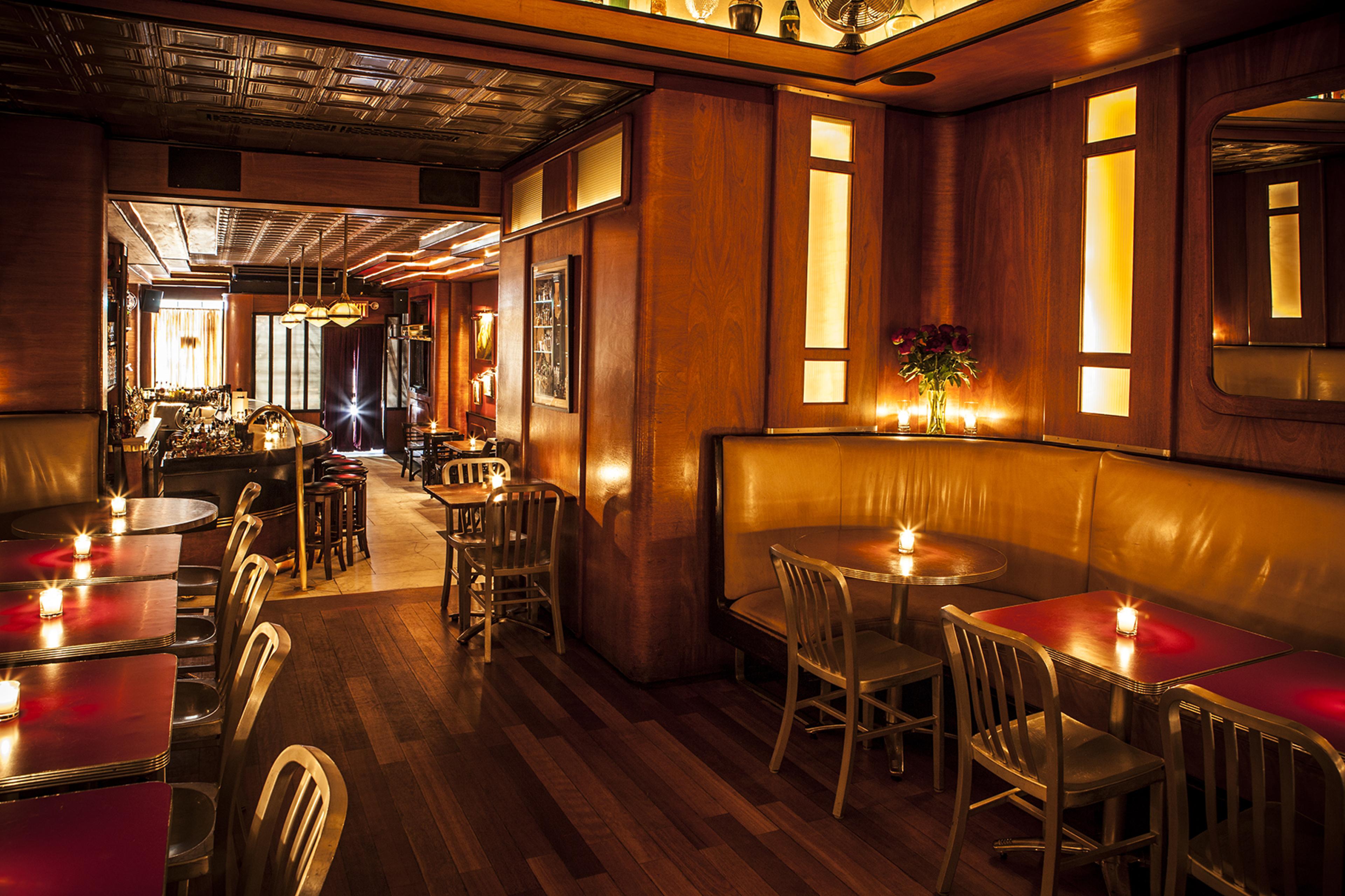
Bars in New York City
All bars in New York City →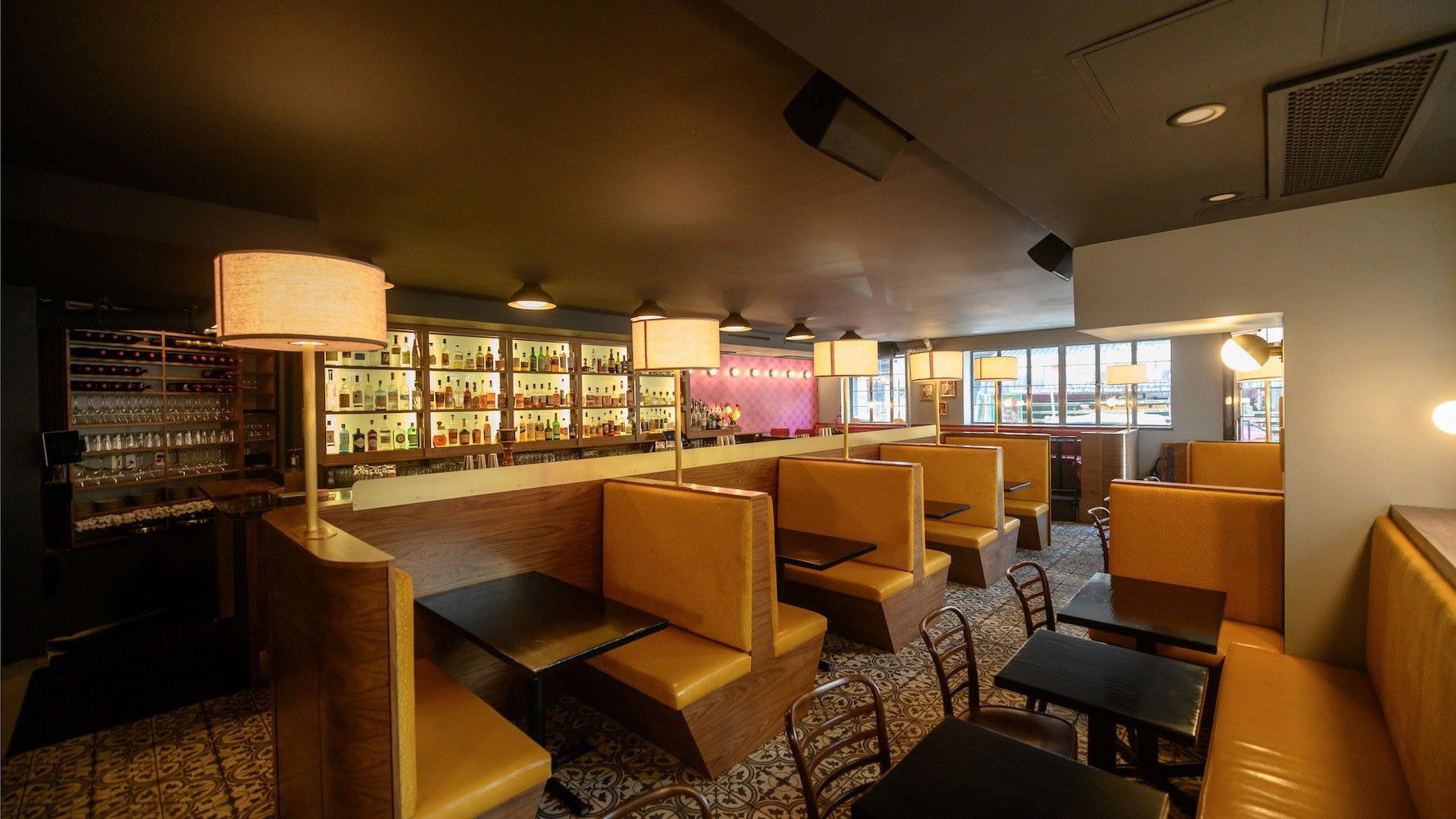
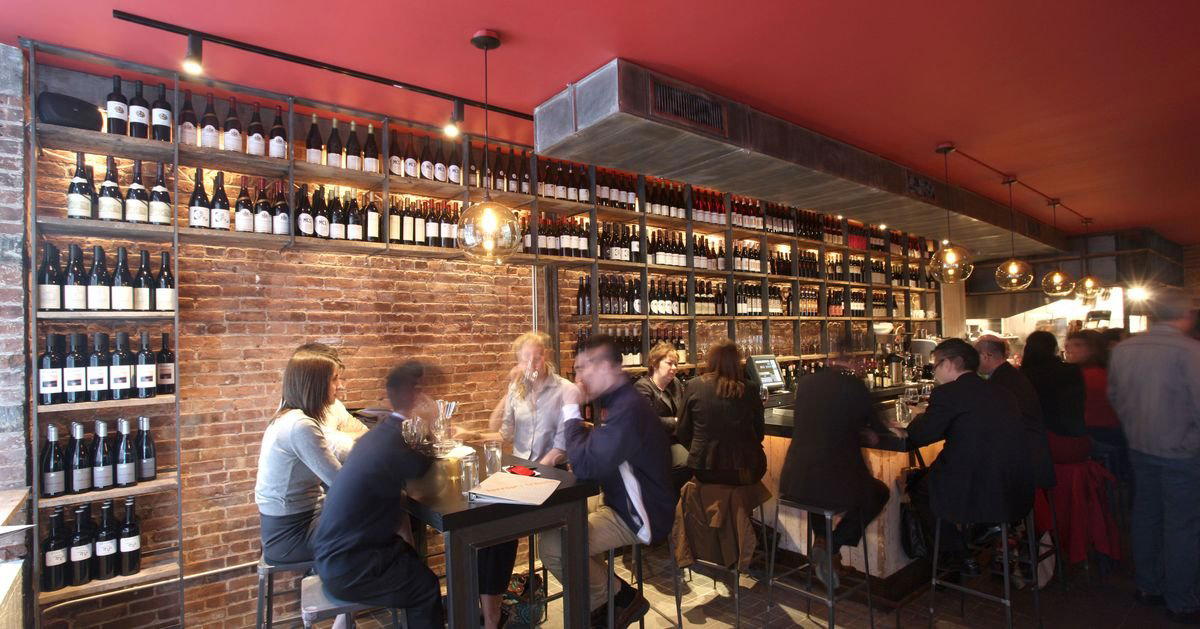
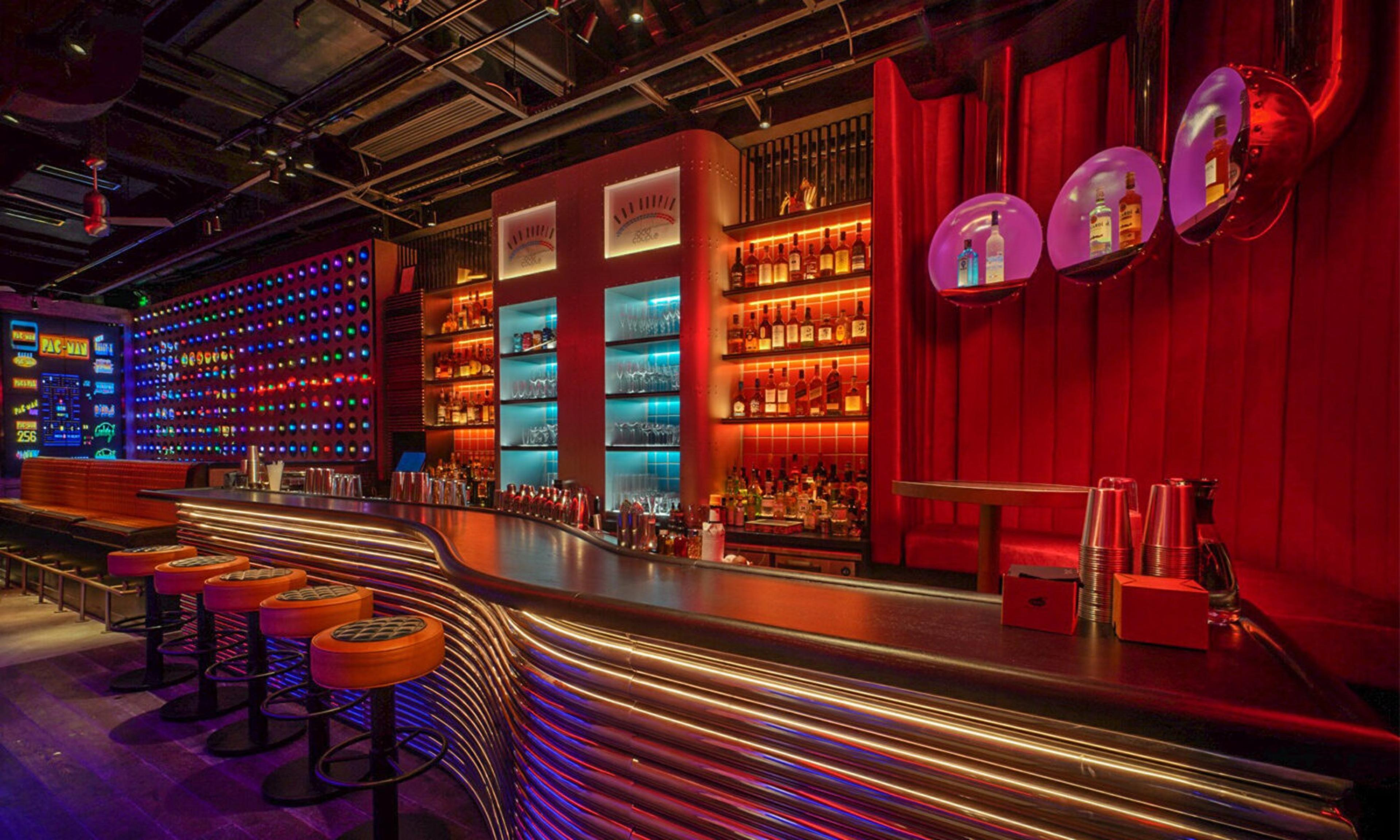




Details
- Intimate
- Elegant
- Cozy
- Sophisticated
- Date Night
- Special Occasion
- Celebration
- Open Kitchen
- Sake Program
- Garden
- Tasting Menu
- Sake
- Japanese Beer
- Vegetarian Friendly
- Vegan Options
- Gluten Free Options
Current opening hours
- Monday
- 5–11 PM
- Tuesday
- 5–11 PM
- Wednesday
- 5–11 PM
- Thursday
- 5–11 PM
- Friday
- 12–2:30 PM, 5–11 PM
- Saturday
- 12–2:30 PM, 5–11 PM
- Sunday
- 12–2:30 PM, 5–10 PM
Hours can change for holidays and private events. Hours as of .
Chic and simple interiors with cool neutral woods, natural light, Japanese artwork, lush Zen garden, and private spaces separated by shoji screens and noren curtains.