Omakase Shihou - Midtown
Omakase Shihou occupies the second floor of a Midtown East address on 2nd Avenue, positioning itself within New York's expanding tier of chef-driven omakase counters that sit between the city's most prominent sushi institutions and its newer wave of accessible omakase formats. The format follows the sequential, course-by-course logic that defines contemporary omakase dining in New York, where the kitchen dictates pace and the guest surrenders the menu entirely to the house.
Pearl is the En Primeur Club membership app — saves, bookings, and concierge access live there. Same editors, same standards.
- Address
- 988 2nd Ave 2nd Floor, New York, NY 10022
- Phone
- +12122017488
- Website
- shihou.nyc
- Directions
- Get directions
 Saves & bookings on Pearl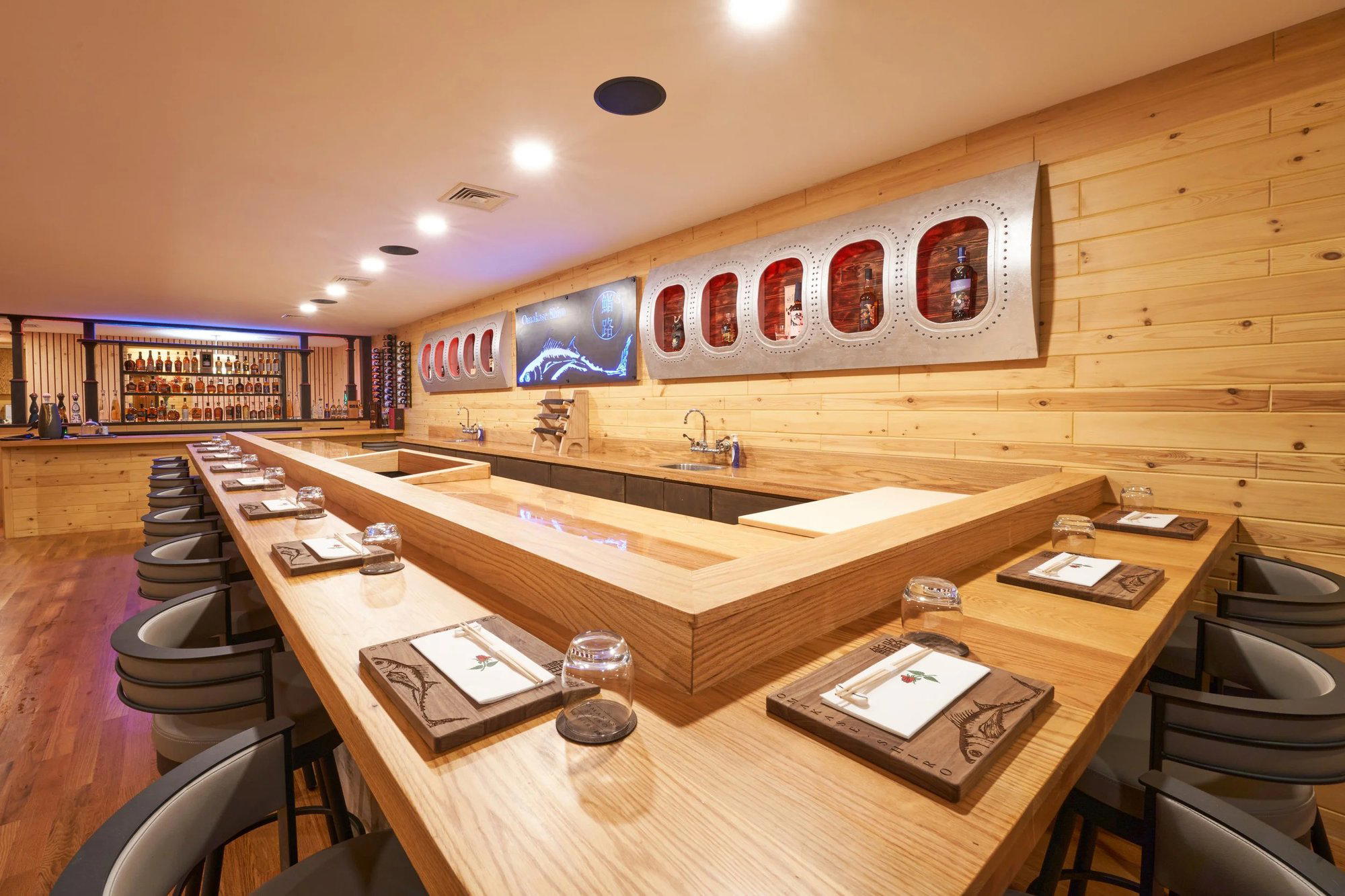
Where Midtown Omakase Fits in New York's Counter Dining Tier
New York's omakase market has stratified considerably over the past decade. At the apex sits a small group of counters, including Masa, where per-person spends routinely exceed $500 before beverage and the waiting period for a seat can stretch months. Below that, a second tier of serious, chef-driven counters has expanded, places operating on the omakase format's core logic of sequential progression, seasonal sourcing, and counter intimacy, but positioned at price points and booking windows that make them accessible to a broader audience of committed diners. Omakase Shihou is a Modern Japanese Omakase restaurant at 988 2nd Ave 2nd Floor in Midtown East, with reservations essential and an estimated price of $130 per person. The address places it in a neighbourhood better known for after-work bars and midrange dining than for precision Japanese counter work, which makes its presence there something worth noting for anyone mapping the city's omakase geography.
The Arc of an Omakase Meal: How the Progression Works
The sequencing logic that runs across the full meal matters most at a counter like this. Omakase, at its most considered, is a narrative structure. The kitchen opens with preparations designed to reset the palate: lighter, often raw or lightly cured items that establish the house's approach to acidity and temperature before anything richer arrives. This is where a kitchen's sourcing philosophy becomes readable, whether it is leaning on a particular regional fish market, favouring a certain texture profile, or building early courses around restraint rather than accumulation.
Mid-progression in a well-constructed omakase typically introduces cooked preparations alongside continued raw work, allowing the kitchen to demonstrate range. A rice course, when it arrives, functions as a structural pivot: it is both the technical centrepiece of the form and a signal that the arc is moving toward conclusion. The final courses in serious omakase counters tend toward consolidation rather than escalation, finishing with cleaner, often sweeter preparations that allow the earlier complexity to settle. This three-part logic, opening, development, resolution, is the grammar of the format, and it is what separates a counter with a genuine culinary point of view from one simply executing a checklist of expected items.
New York diners now expect at a counter of this type to be shaped significantly by the city's longer-standing reference points. Le Bernardin established decades ago that seafood handled with precision and restraint, rather than elaboration, is what serious New York diners respond to. The same philosophy runs through the Japanese counter tradition. Counters like Atomix have demonstrated that tasting-format dining in New York rewards kitchens willing to build a genuine course-by-course argument rather than a collection of individual showpieces. For anyone tracking the city's full restaurant picture, the omakase counter tier is one of the clearest examples of format discipline raising the floor across a category.
Midtown East as a Dining Destination
2nd Avenue corridor between 49th and 55th Streets has not historically been a destination for the kind of precision dining that omakase requires. The neighbourhood's dining character skews toward volume and convenience: large-format restaurants serving corporate lunch crowds, steakhouses operating on expense-account economics, and the kind of midrange Italian and Asian-American formats that absorb the overflow from nearby office towers. This makes the presence of a Japanese counter-format operation there an outlier in a useful sense. It signals either a deliberate bet on underserved neighbourhood demand, or a practical real-estate calculation that trades foot-traffic visibility for lower square-footage costs compared to Tribeca, the West Village, or the Upper East Side neighbourhoods where most of the city's comparable counters are concentrated.
For the diner, the Midtown East location carries a practical upside: it is reachable from Grand Central Terminal within a short walk, which makes pre- or post-theatre timing manageable in a way that downtown counters rarely allow. The neighbourhood does not have the ambient dining energy of the blocks around Per Se at Columbus Circle or Jungsik in Tribeca.
How Omakase Shihou Sits Against the comparable set
The competitive reference points for a Midtown omakase counter span a wide range. At the far end, Masa on the Time Warner Center's fourth floor represents the city's ceiling for the format, with price and prestige built over two decades of operation. Omakase Shihou's second-floor Midtown address places it in the middle of this range.
Nationally, the counter tasting format has expanded well beyond New York. Kitchens like Lazy Bear in San Francisco and Alinea in Chicago have built on the same core logic of chef-controlled sequencing in intimate formats, even where the cuisine diverges sharply from Japanese tradition. Single Thread Farm in Healdsburg and The French Laundry in Napa anchor the West Coast's version of this tier, while Blue Hill at Stone Barns in nearby Tarrytown represents the format's agricultural-sourcing variant. Providence in Los Angeles, Addison in San Diego, The Inn at Little Washington, Bacchanalia in Atlanta, and Emeril's in New Orleans each demonstrate how the multi-course, chef-directed format has dispersed across American dining. Internationally, 8½ Otto e Mezzo Bombana in Hong Kong and Alain Ducasse's Louis XV in Monte Carlo sit in the same tradition of format discipline applied at the highest level.
Know Before You Go
- Address: 988 2nd Avenue, 2nd Floor, New York, NY 10022
- Nearest Transit: Grand Central Terminal (4/5/6/7/S lines) is within walking distance via the 49th or 51st Street cross streets
- Format: Omakase counter; guests surrender menu selection entirely to the kitchen
- Booking: Reservations are essential
- Timing: Seatings typically run 90 minutes to two hours
- Practical Note: The second-floor location means no street-level presence
The Short List
Comparable venues nearby, for context on price, style, and recognition.
| Venue | Cuisine | Price | Notes |
|---|---|---|---|
| Omakase Shihou - MidtownThis venue — the venue you are viewing | Not listed | $$$$ | Not listed |
| Tachi | Not listed | $$$$ | Hell's Kitchen, Traditional Japanese Omakase |
| Unnamed flagship Japanese fine-dining at One Bryant Park | Not listed | $$$$ | midtown manhattan, Japanese Fine-Dining Tasting Menu |
| Gari Columbus | Not listed | $$$$ | Upper West Side (Central), Modern Japanese Sushi Omakase |
| Ume | Not listed | $$$$ | Williamsburg, Modern Japanese Sushi Omakase |
| Sushi Inoue | Harlem, Traditional Japanese Omakase | $$$$ | Not listed |
Continue exploring
More in New York City
Restaurants in New York City
Browse all →
Bars in New York City
Browse all →



Hotels in New York City
Browse all →






At a Glance
- Elegant
- Intimate
- Sophisticated
- Modern
- Date Night
- Special Occasion
- Chefs Counter
- Private Dining
- Sake Program
Current opening hours
- Monday
- 5–9:30 PM
- Tuesday
- 5–9:30 PM
- Wednesday
- 5–9:30 PM
- Thursday
- 5–9:30 PM
- Friday
- 5–9:30 PM
- Saturday
- 5–9:30 PM
- Sunday
- 5–9:30 PM
Hours can change for holidays and private events. Last verified .
Intimate and elegant atmosphere in a newly renovated private dining space on the upper level.