
.png)
A Michelin Bib Gourmand izakaya tucked above street level in Osaka's Honmachi district, Nihonshuzammai Utsutsuyo is named after the Japanese expression for 'is this a dream or reality?' The draw is a deep roster of local sake paired with drinking snacks that range from miso-preserved tofu and beef tendon stew to sweetfish confit and milt meunière. Google reviewers rate it 4.5 from 136 reviews.
Pearl is the En Primeur Club membership app — saves, bookings, and concierge access live there. Same editors, same standards.
- Address
- Japan, 〒541-0053 Osaka, Chuo Ward, Honmachi, 3 Chome−2−1 カレー屋本舗カサ・デューク 2F
- Phone
- +81 6-6281-8322
- Website
- ututuyo.jp
 Saves & bookings on Pearl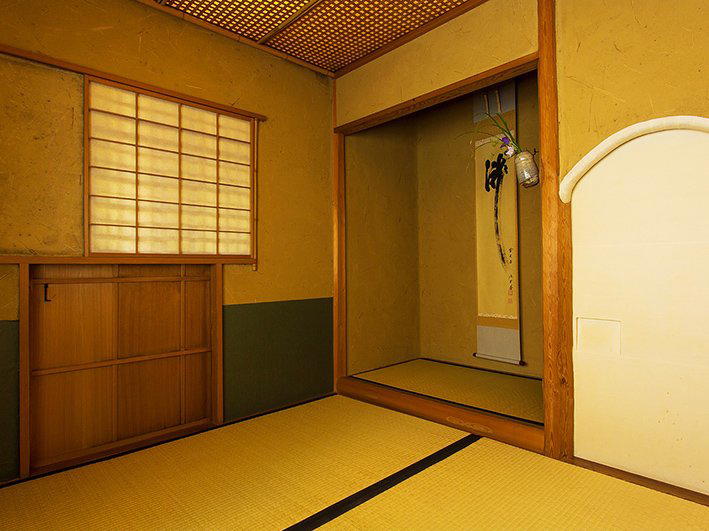
Second Floor, Honmachi: What Osaka's Sake Izakaya Tradition Looks Like at Its Most Considered
Nihonshuzammai Utsutsuyo is a Japanese izakaya with a sake focus in Osaka's Honmachi district. At one end sit the high-volume standing bars around Dotonbori, built for speed and familiarity. At the other end, a smaller tier of sake-specialist rooms has developed in the business districts closer to Honmachi, where the drinking culture skews deliberate: fewer beers, more regional nihonshu, and a kitchen that treats the snack menu as seriously as the bottle list. Nihonshuzammai Utsutsuyo, on the second floor of a building in Chuo Ward's Honmachi 3-chome, belongs to this second category. Google reviewers rate it 4.5 across 142 responses, a solid signal for a room that performs reliably.
The Name as a Frame for the Experience
The restaurant's name draws from a Japanese expression meaning 'is this a dream or reality?', utsutsuyo sitting at the boundary between the two states. It is an apt framing for what sake drinking at this level does: the ritual of small cups, rotating selections, and progressive food pairing produces a cumulative blur that is very specifically the point. In Osaka's sake bar culture, the leading rooms cultivate that quality deliberately. The range of local sakes here is substantial enough that choosing without guidance can feel genuinely difficult, which is itself a signal of seriousness. A list that presents no meaningful decision is a list curated for accessibility rather than depth.
The Sensory Shape of the Menu
The food at Utsutsuyo is structured around the logic of sake pairing rather than sequential courses. The kitchen's starting recommendation, an appetiser followed by decoratively arranged sashimi alongside the first cup, reflects how sake izakaya menus are designed to build: clean, cold protein first, then progressively richer drinking snacks as the evening and the sake develop. That progression matters in the sensory experience of a room like this. The sashimi presentation described in is visual before it is edible; the arrangement is part of what signals to the drinker that the kitchen is treating the occasion with care.
What distinguishes the snack menu here is its range across register. Miso-preserved tofu and beef tendon stew represent the deep umami notes of traditional Japanese drinking food, slow-cooked, fermented, designed to coat the palate and slow the drinking pace. Sweetfish confit and milt meunière represent a different orientation: French technique applied to Japanese ingredients, a move that has become more common in Osaka's serious izakaya kitchens over the past decade. The city's food culture has always been comfortable borrowing technique from European cooking without framing it as fusion, and these items sit on the menu without apparent tension beside the tofu and the tendon. That breadth of reference, executed at Bib Gourmand standard, is the defining characteristic of the kitchen's ambition.
Sake Depth in the Context of Osaka's Drinking Scene
Osaka is not always the first city named in discussions of Japan's sake culture, that conversation tends to centre on Kyoto's proximity to Fushimi breweries or the Niigata-school obsession with clean, dry junmai. But Osaka has its own sake geography, and Honmachi-area specialists like Utsutsuyo draw on regional producers whose output rarely travels far. The density of sake options on offer here means a first visit benefits from treating the opening selection as research: asking what's local, what's seasonal, and what the kitchen would pair with the sashimi that evening produces better results than arriving with a predetermined style preference. For those who want to cross-reference this kind of approach against other specialist formats, Jizakeya Iwatsuki and Benikurage operate in adjacent territory within Osaka's sake-forward drinking scene.
The ¥¥ price range positions Utsutsuyo well below the kaiseki tier occupied by Taian or Kashiwaya Osaka Senriyama, and far below the innovation-led tasting menu rooms such as Hajime, La Cime, or Fujiya 1935. This is not a comparison that works against it. Sake izakaya at the Bib Gourmand level occupy a distinct and legitimate space in Osaka's eating and drinking culture, and the affordability is part of the tradition's logic: you are meant to spend the evening here, working through the list, not arrive for a single expensive plate.
Placing It Among Osaka's Izakaya Options
Osaka's izakaya tradition is both deep and competitive. Izakaya Tokitame, Daidokoro Kamiya, and Kannomiho each represent different points on the city's izakaya spectrum, from neighbourhood regulars to more considered food-focused formats. Utsutsuyo's particular position is defined by the sake list's depth combined with a kitchen that can move between preserved tofu and milt meunière without the menu feeling unfocused. That range requires a kitchen with a clear understanding of what sake at different styles and temperatures asks of the food beside it.
For context across the Kansai region and beyond, the sake-and-small-plates format appears in different configurations at Berangkat in Kyoto, while the broader Osaka restaurant scene, from three-Michelin-star kaiseki to standing ramen bars, is covered in depth in our Osaka restaurants guide. Travellers building a broader Japan itinerary can also reference Harutaka in Tokyo, Gion Sasaki in Kyoto, akordu in Nara, Goh in Fukuoka, 1000 in Yokohama, and 6 in Okinawa for a sense of how the country's serious dining culture varies by city. For izakaya formats outside Japan entirely, Cube by Mika in Schwerin offers a point of comparison on how the format translates in a European setting.
Know Before You Go
- Address: 3 Chome-2-1 Honmachi, Chuo Ward, Osaka (2F, above street level)
- Cuisine: Sake izakaya with Japanese and French-influenced drinking snacks
- Price range: ¥¥ (mid-range; accessible relative to Osaka's kaiseki and tasting-menu tier)
- Recognition: Michelin Bib Gourmand 2024; Google rating 4.5 (136 reviews)
- Booking: Reservation is recommended.
- Hours: Mon to Sat, 5:30 to 10:30 PM; Sunday closed.
- Seasonal note: Sake selections shift with seasonal releases from regional producers; autumn and winter typically bring richer, fuller-bodied options that pair well with the heavier drinking snacks on the menu
What to Eat at Nihonshuzammai Utsutsuyo
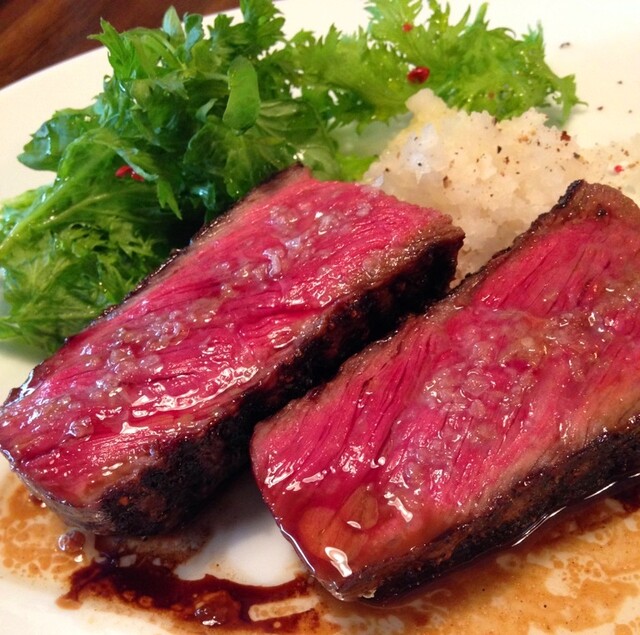
The menu at Utsutsuyo is built around sake accompaniment rather than standalone dining. The kitchen recommends starting with an appetiser and a decoratively arranged sashimi plate alongside the first sake of the evening, a pairing designed to establish the palate before moving into richer territory. Among the drinking snacks, the range spans miso-preserved tofu and beef tendon stew on the traditional side, through to sweetfish confit and milt meunière, which apply European preparation to Japanese seasonal ingredients. The breadth means the menu rewards grazing across several rounds rather than committing to a single dish, and the sake list's depth justifies taking time with both. This is the format that defines the kitchen's standing: consistency and intelligence of combination. For a comparable approach to sake-forward snack pairing in Osaka, Jizakeya Iwatsuki is the closest point of reference in the same tier.
Comparable Venues
Comparable venues nearby, for context on price, style, and recognition.
| Venue | Cuisine | Price | Notes |
|---|---|---|---|
| Nihonshuzammai UtsutsuyoThis venue — the venue you are viewing | Japanese Izakaya with Sake Focus | $$$ | |
| Yoshokuya Fujiya | Classic Yoshoku (Japanese Western Cuisine) | $$ | Chūō |
| Oryori Amenimomakezu | Japanese Izakaya with Sake Pairing | $$$ | Kita |
| Sakamoto Sushi | Kansai-style Omakase Sushi | $$$ | Konohana |
| Sumibiyakitori Ikoka | Charcoal-Grilled Yakitori Omakase | $$$ | Chūō |
| Shokudo Tanoshi | Modern Japanese Izakaya with Fusion Elements | $$$ | Chūō |
Continue exploring
More in Osaka
Restaurants in Osaka
Browse all →



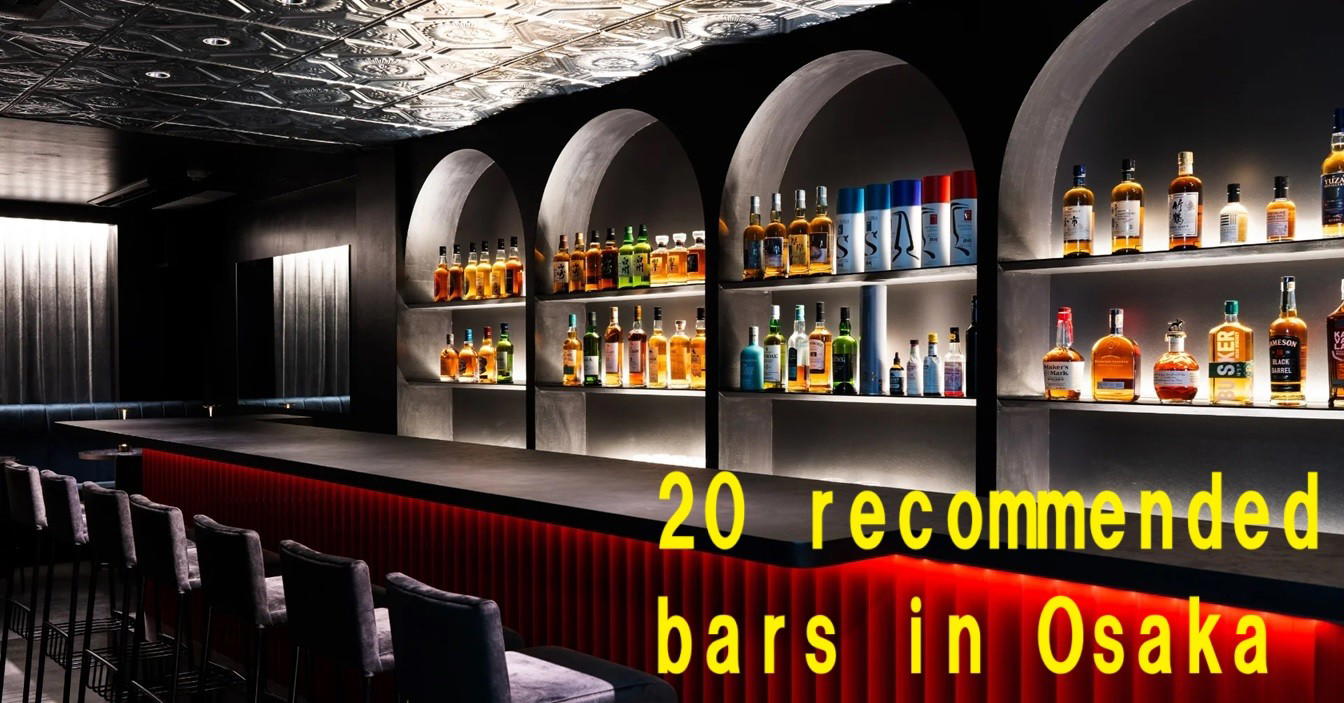
Bars in Osaka
Browse all →
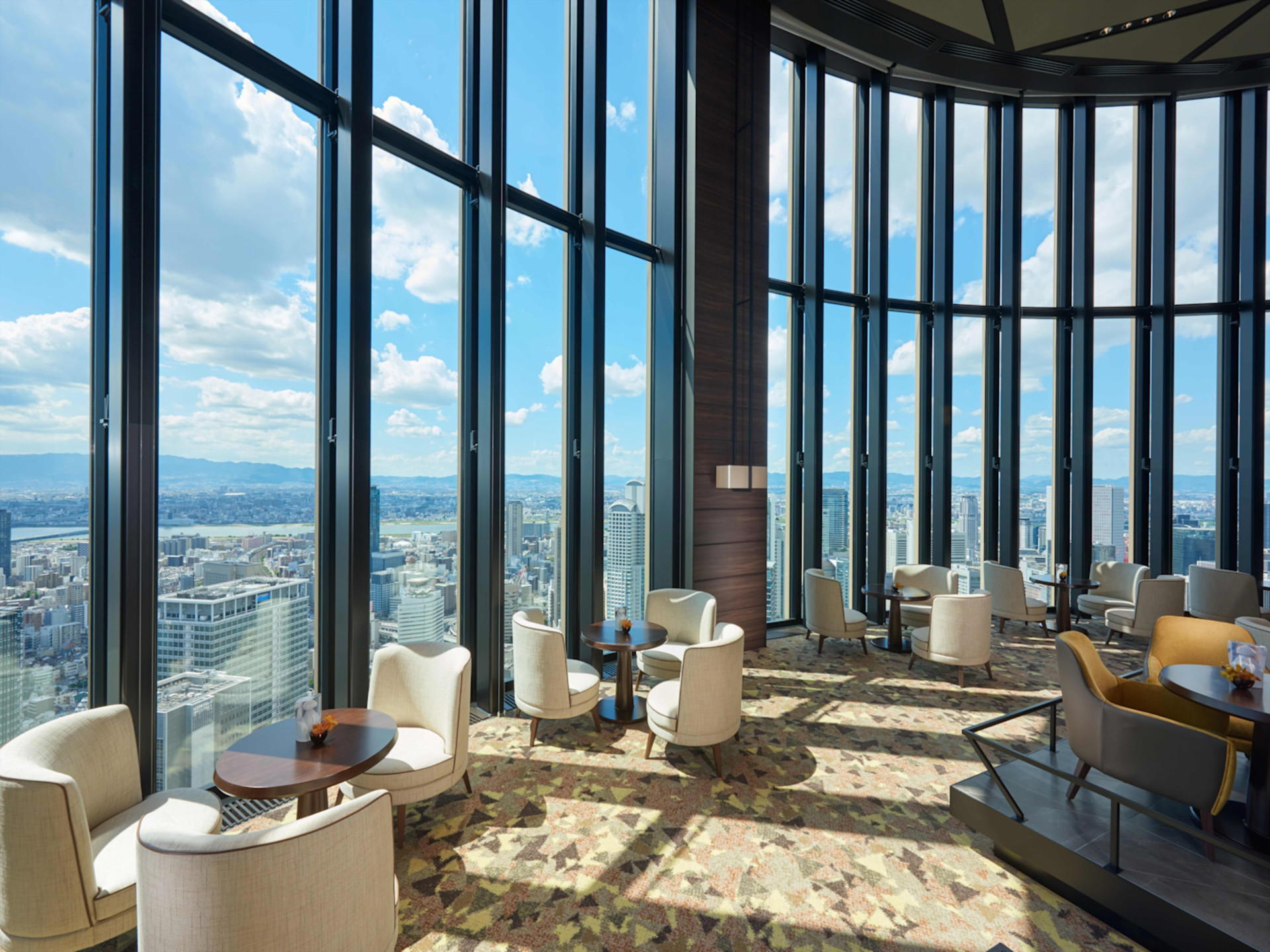
Hotels in Osaka
Browse all →



Wineries in Osaka
Browse all →
At a Glance
- Intimate
- Elegant
- Cozy
- Sophisticated
- Hidden Gem
- Date Night
- Solo
- Special Occasion
- Sake Program
- Local Sourcing
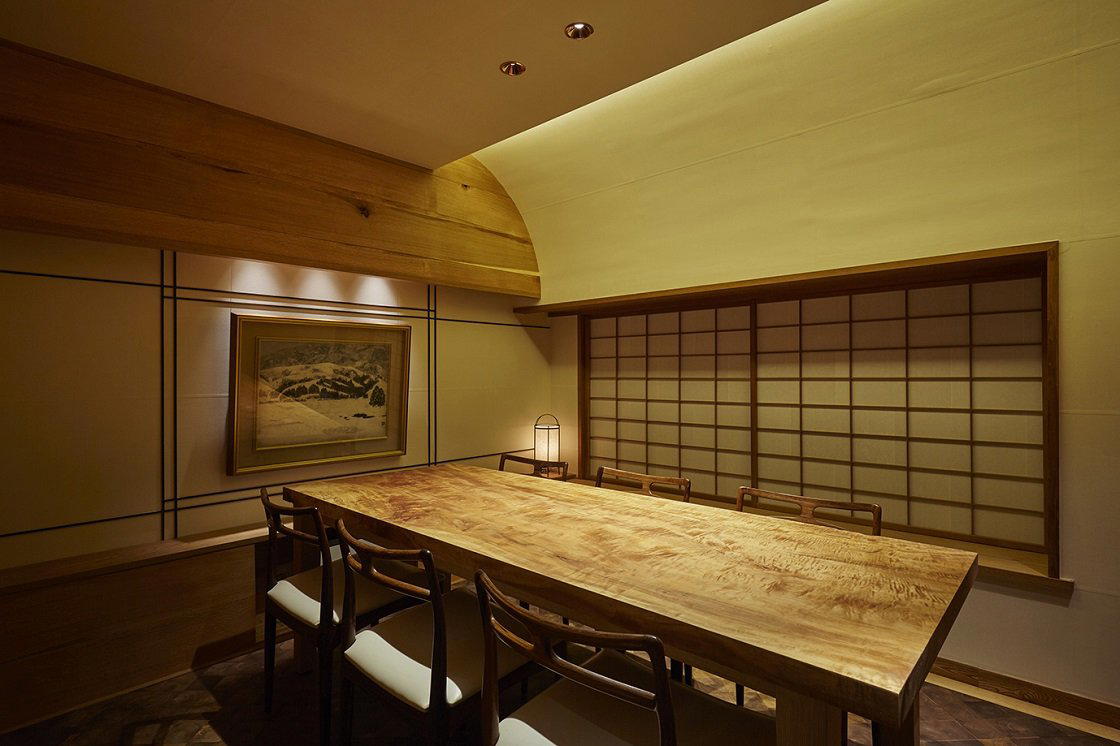
Hushed, amber-lit space with low lantern-like lighting, polished wood, and hand-thrown ceramics creating an intimate and elegant atmosphere.