
Niboshi Chuka Soba Ichikawa is a nine-seat counter in Tsukuba’s Amakubo area, built around the force and precision of dried-sardine ramen. Its repeated selection for Tabelog Ramen EAST 100 from 2017 through 2025 and a 2017 Tabelog Award Bronze place it in the serious ramen conversation beyond Ibaraki, without pushing the meal into luxury pricing.
Pearl is the En Primeur Club membership app — saves, bookings, and concierge access live there. Same editors, same standards.
- Address
- 茨城県つくば市天久保2-9-2 A101
- Website
- tabelog.com
 Saves & bookings on Pearl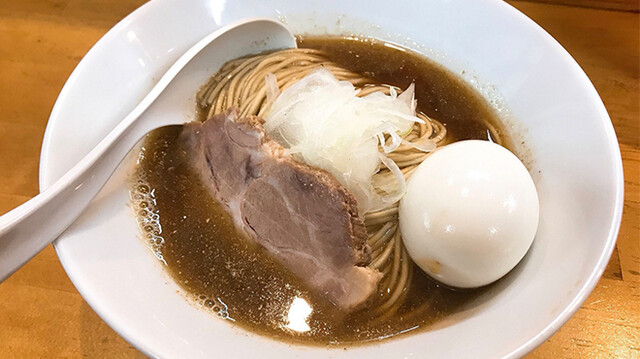
The approach to a serious ramen counter in Japan is rarely theatrical. The room is small, the sequence is quick, and the attention goes first to the bowl rather than the décor. In Tsukuba, a city better known for research institutes and university life than destination dining, that directness matters. Ramen here has to win on concentration, sourcing logic, and repeatability, not on the soft power of a major-city dining district.
That is the useful way to read Niboshi Chuka Soba Ichikawa. It belongs to the dried-sardine school of ramen, where the stock’s identity comes from niboshi rather than the broader pork-and-chicken richness many travellers associate with Tokyo ramen. The category rewards control. Push too hard and the broth turns metallic or bitter; pull back too far and it becomes ordinary shoyu ramen with a seafood accent. The point is not excess, but a narrow line between marine intensity and balance.
Dried sardines make the argument, not the room
Niboshi ramen is an ingredient-led format before it is a style statement. The dried fish bring glutamate, salt, oil, and a faint bitterness that can feel severe next to softer chicken-based chuka soba. In the right hands, that severity is the appeal. It gives the bowl a clipped, adult register, closer to a concentrated dashi than to comfort-food broth. Tsukuba’s student and research population gives this kind of counter a natural audience: people who will travel across town for a specific bowl rather than a long meal.
The restaurant’s national relevance is supported by recognition rather than by a chef mythology. It was selected for Tabelog Ramen EAST 100 in 2025, continuing a run of selections stretching back to 2017, and it also received The Tabelog Award Bronze in 2017. Those signals matter because ramen in eastern Japan is brutally competitive. Tokyo absorbs much of the attention, yet the EAST list catches shops that make regional detours credible. For a Tsukuba address, repeated selection says more than a burst of social-media heat.
The format reinforces the food’s narrow focus. A counter-only room with nine seats places the diner inside the mechanics of ramen service: ordering, waiting, eating, leaving. This is not the slower grammar of kaiseki, nor the relaxed sprawl of an izakaya. It is closer to a workshop. The bowl has a short window of peak temperature and texture, and the counter makes that plain. In a city where casual restaurants can cover everything from bakeries to South Asian cooking, this kind of ramen house asks for a more exact mood.
How it fits Tsukuba's practical dining map
Tsukuba’s dining scene is shaped by mobility. The city is spread out, and many useful addresses sit away from the simple walking logic of older Japanese urban cores. That affects how a ramen counter is judged. A quick meal can still require planning, and a small room intensifies the cost of poor timing. In that context, a place with a counter format and a long award trail operates less like a casual fallback and more like a targeted stop.
The comparison within Tsukuba is instructive. Backerei Brotzeit works in the bakery-café register, while heladiwa points to the city’s international, everyday eating habits. Bon Gout, david pain, and DROOL DINER round out a local field where low-to-mid-priced meals cover several needs. Niboshi Chuka Soba Ichikawa is different because its value lies in specialization: one ingredient tradition, one compact service model, one reason to cross town.
That distinction matters for travellers using Tsukuba as more than a science-city day trip. The broader guide map can help place the stop: Our full Tsukuba restaurants guide for meals, Our full Tsukuba hotels guide for where to base, Our full Tsukuba bars guide for later drinks, Our full Tsukuba wineries guide for regional drinking context, and Our full Tsukuba experiences guide for non-restaurant planning. Tsukuba rewards this kind of itinerary building because its good addresses are not always clustered for casual wandering.
Who should make the detour
The strongest case is for diners who care about ramen as a regional and technical category. Niboshi ramen can be divisive for people expecting round, fatty richness; its appeal is sharper and more mineral, with dried-fish depth doing the work that pork bones do elsewhere. That makes the counter a smart pick for travellers who have already eaten broadly in Tokyo and want a more specific Ibaraki-side reference point.
Price also changes the calculation. Recognition from Tabelog and a nine-seat format might suggest a destination restaurant rhythm, but ramen remains structurally democratic compared with tasting-menu dining. The result is a high-signal meal without a long-service commitment. In Tsukuba, where the restaurant field includes casual local anchors as much as special-occasion rooms, that combination gives the place its force.
For readers mapping a wider Japan eating route, the useful comparison is not to fine dining but to single-purpose specialists across cities: -Grilled beef Sukiyaki- KAMAKURA TANUKIAN 鎌倉 たぬき庵 in Kamakura. 鮪と炭火焼き うお炭 秋葉原店 in Tokyo.cafe in Osaka.know in Kumamoto, (Shoku) Vietnam in Kawasaki, and [Curry Senmon Ten] Maruyama Kyoju. in Sapporo. Outside Japan, the same planning logic applies to focused casual formats such as Jōdo Saké Bar in Los Angeles and Onigiri Time in Pasadena: the value is not breadth, but clarity.
The editorial read is simple. This is a specialist ramen counter with enough recognition to justify planning around it, especially for diners interested in how dried seafood shapes Japanese noodle culture. It is not the choice for lingering, large groups, or a broad menu. It is the choice when the meal’s purpose is a concentrated bowl and a clean reading of what niboshi can do.
Quick Comparison
Comparable venues by cuisine and price in the same metro.
| Venue | Cuisine | Price | Notes |
|---|---|---|---|
| Niboshi Chuka Soba IchikawaThis venue — the venue you are viewing | Niboshi-focused ramen | $ | Not listed |
| Kuradashi Yakiimo Kaitsu Ka Tsukuba ten | Japanese roasted sweet potato & sweets cafe | $ | >= Matsunoki (Tsukuba) |
| Ramen Kinoko | Japanese Ramen | $ | Inaoka |
| Hurricane Ramen Honten | Ramen & Tsukemen | $ | Tsukuba |
| Tsukuba Ramen Onimonogatari | Japanese Ramen | $$ | Bampaku Kinenkoen |
| david pain | Bakery Cafe | $ | Makizono, Tsukuba |
Recognition history
Dated appearances from independent guides and award organizations, with the underlying list record or original source where available.
Tabelog 100 #25 · No. 25
Tabelog · Tabelog 100 - Ramen - EAST - 2025



At a Glance
- Intimate
- Cozy
- Solo
- Casual Hangout
- Chefs Counter
- Standalone
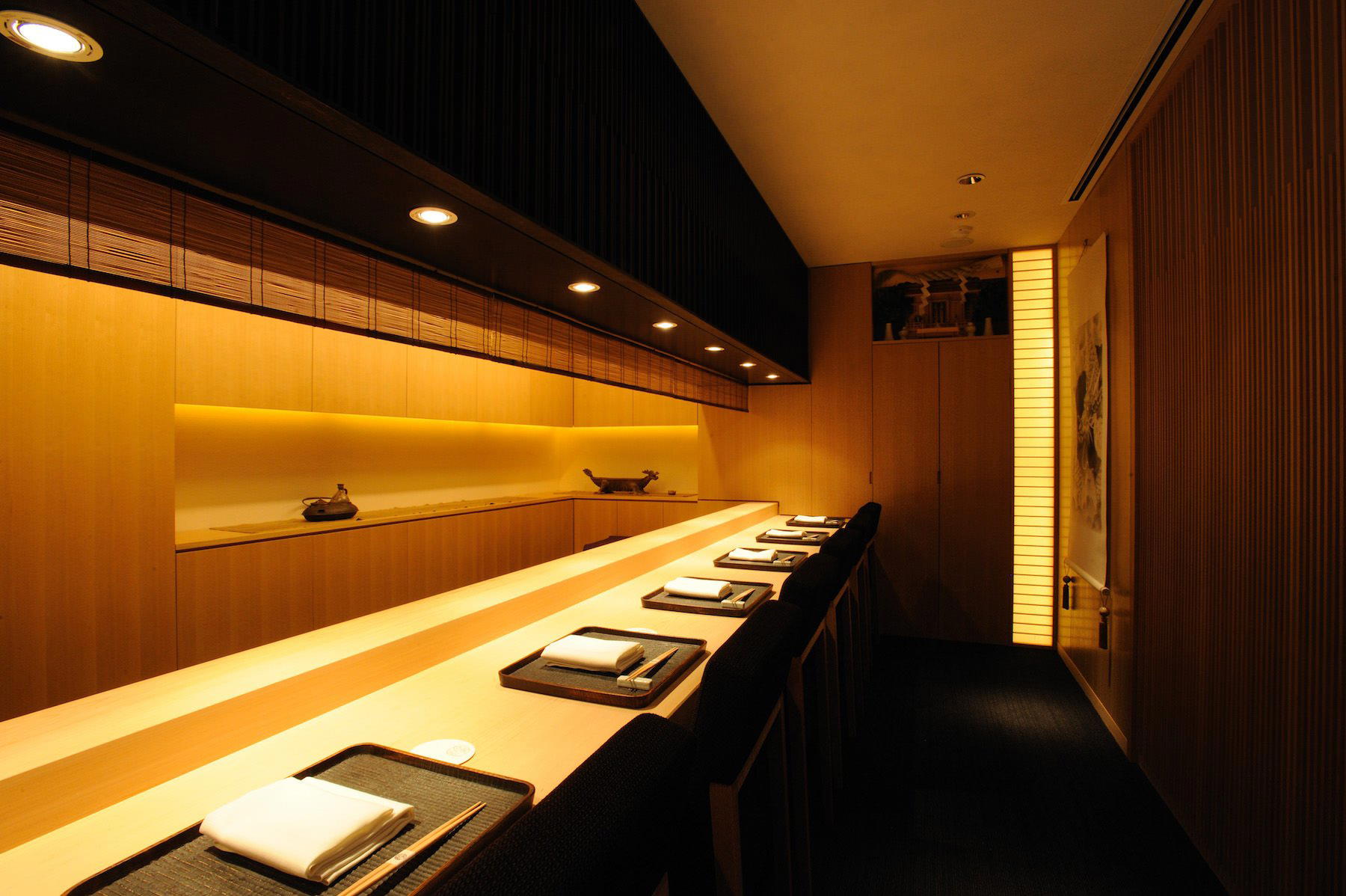
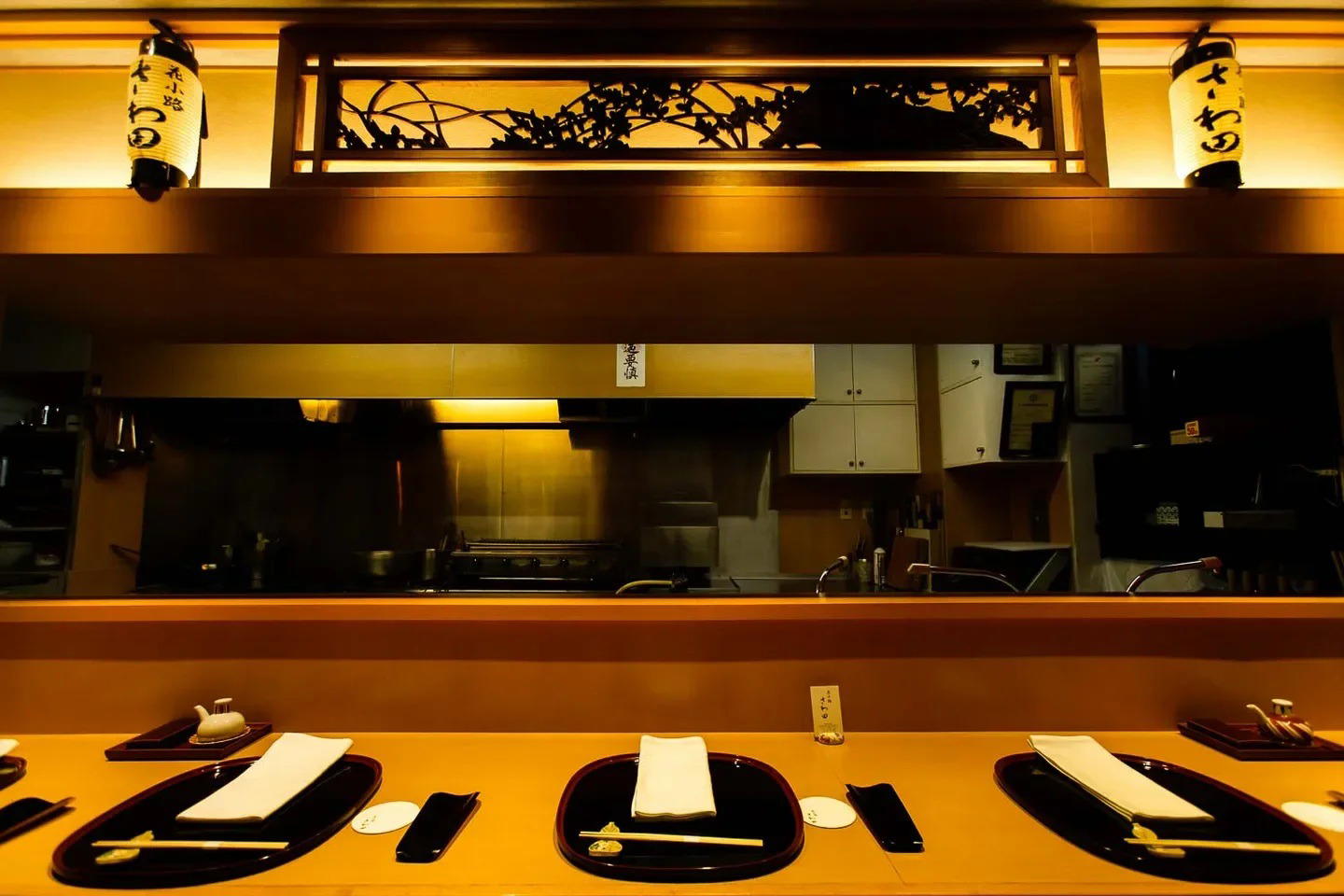
A small, counter-only ramen shop with just nine seats, creating an intimate, focused atmosphere where guests line up for a quick, intense bowl; the space feels simple and functional rather than decorative, with the energy driven by the steady flow of ramen enthusiasts.