
Bon Gout gives Tsukuba a compact Spanish, wine-bar and bistro address with a sourcing-led identity: vegetables, fish, wine and vegetarian options carry the argument more than ceremony. Its Tabelog Spanish Cuisine 100 selections in 2024 and 2026 place it in a national conversation, while the small-room format keeps the experience closer to a neighbourhood counter than a destination dining room.
Pearl is the En Primeur Club membership app — saves, bookings, and concierge access live there. Same editors, same standards.
- Address
- Japan, 〒305-0051 Ibaraki, Tsukuba, Ninomiya, 2 Chome−2−22
- Phone
- +81 29-893-4966
- Website
- tabelog.com
 Saves & bookings on Pearl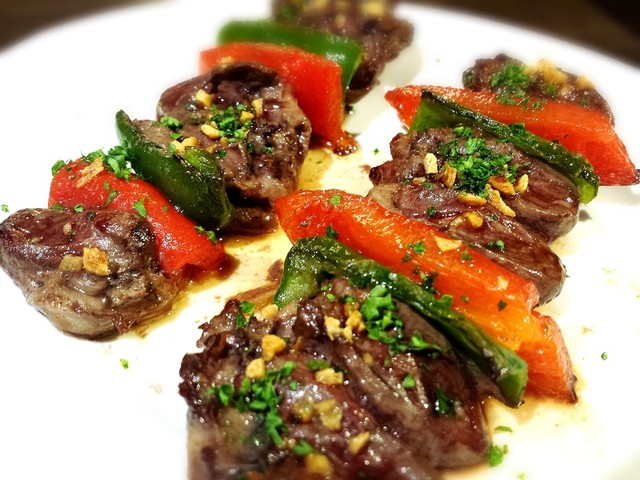
Tsukuba’s restaurant culture is often read through the lens of research institutes, student life and car-based suburban dining, but its better small rooms work on a different rhythm: compact, ingredient-minded and more personal than the city’s broad avenues suggest. In Ninomiya, the Spanish-wine-bar-bistro format at Bon Gout belongs to that smaller register, where produce, fish and wine do the heavy lifting and the room does not need hotel-dining ceremony to make its point.
That matters because Spanish cooking in Japan can split in two directions. One path leans into paella-pan theatre and group dining; the other treats the Iberian pantry as a flexible grammar for vegetables, seafood, preserved flavours, grill work and wine. Tsukuba is not Tokyo’s Ginza or Osaka’s Kitashinchi, so the second model carries more interest here. It allows a neighbourhood restaurant to read as serious without becoming stiff, and it suits a city where diners may be arriving from work, family schedules or a short detour from the station rather than a full evening built around luxury dining.
Vegetables, fish and wine define the Spanish-bistro lane
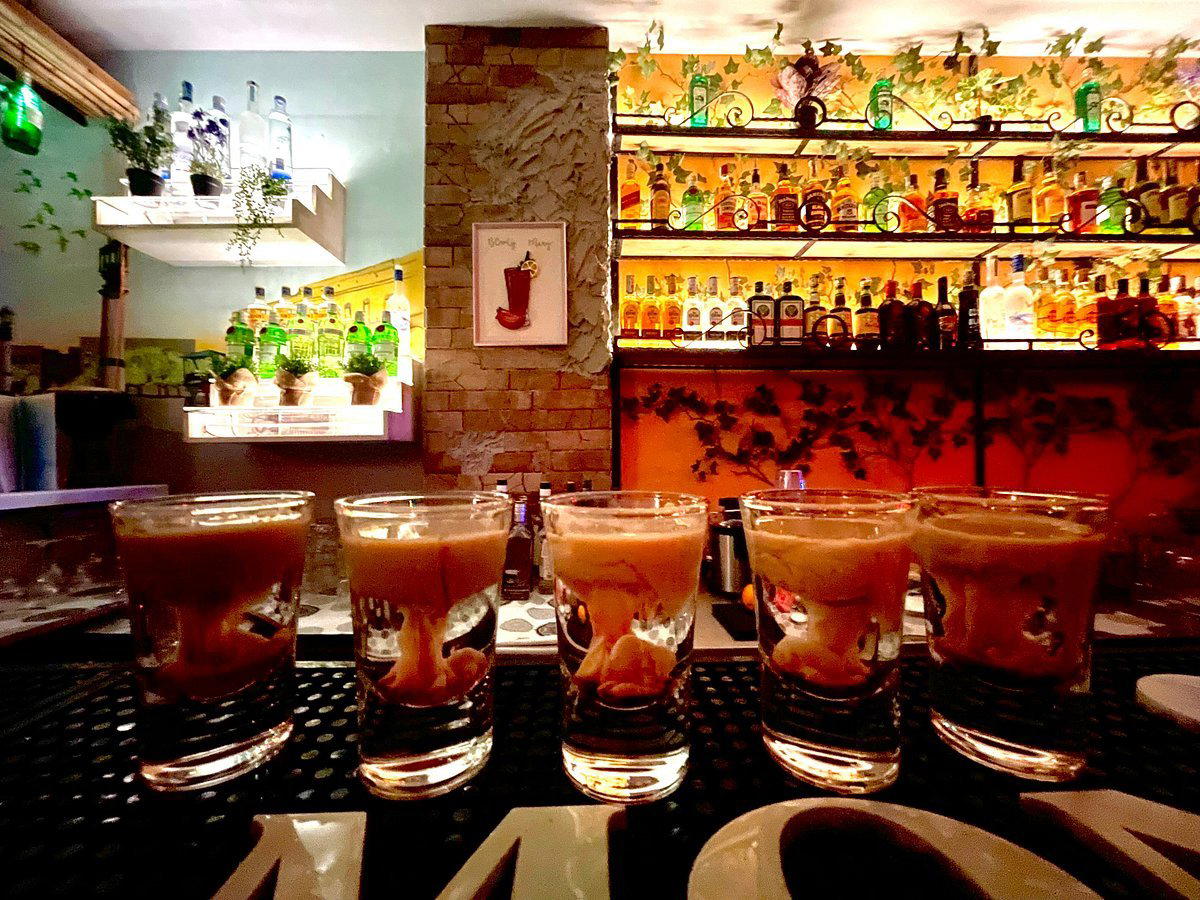
The useful way to read this table is through sourcing signals rather than chef mythology. The kitchen is listed across Spanish, wine bar and bistro categories, with stated attention to vegetables and fish, vegetarian options, cocktails and wine. Those details point to a restaurant built for breadth within a small frame: not a tasting-menu temple, not a tapas chain, and not a purely French bistro wearing Mediterranean colours. The Spanish element gives the meal its reference point, while the wine-bar side explains the pace and the bistro tag explains the informality.
Bon Gout’s Tabelog Spanish Cuisine 100 selections in 2024 and 2026 give that positioning outside validation. The list is national in scope for the category, so inclusion puts a Tsukuba address into a field more often dominated by larger urban dining markets. The listed Tabelog score of 3.59 is also meaningful in Japan’s rating culture, where scores in the mid-threes can indicate sustained local approval rather than casual search traffic. Awards and scores do not tell anyone what to order, but they do help separate a serious local specialist from a convenient neighbourhood fallback.
Ingredient sourcing is the more interesting story than any single plate. Japan’s Spanish restaurants have long been shaped by local fish markets, regional vegetables and a wine culture that borrows freely from Europe without copying a dining room in Madrid or Barcelona. In Ibaraki, that framework feels especially logical: vegetables and seafood can carry the meal without the kitchen needing to chase imported prestige. When a Spanish restaurant outside a major metropolitan centre states its focus on vegetables, fish and vegetarian options, the signal is clear. The cooking is likely being judged on how well it handles the market, not on how loudly it announces its foreignness.
A small room changes the stakes
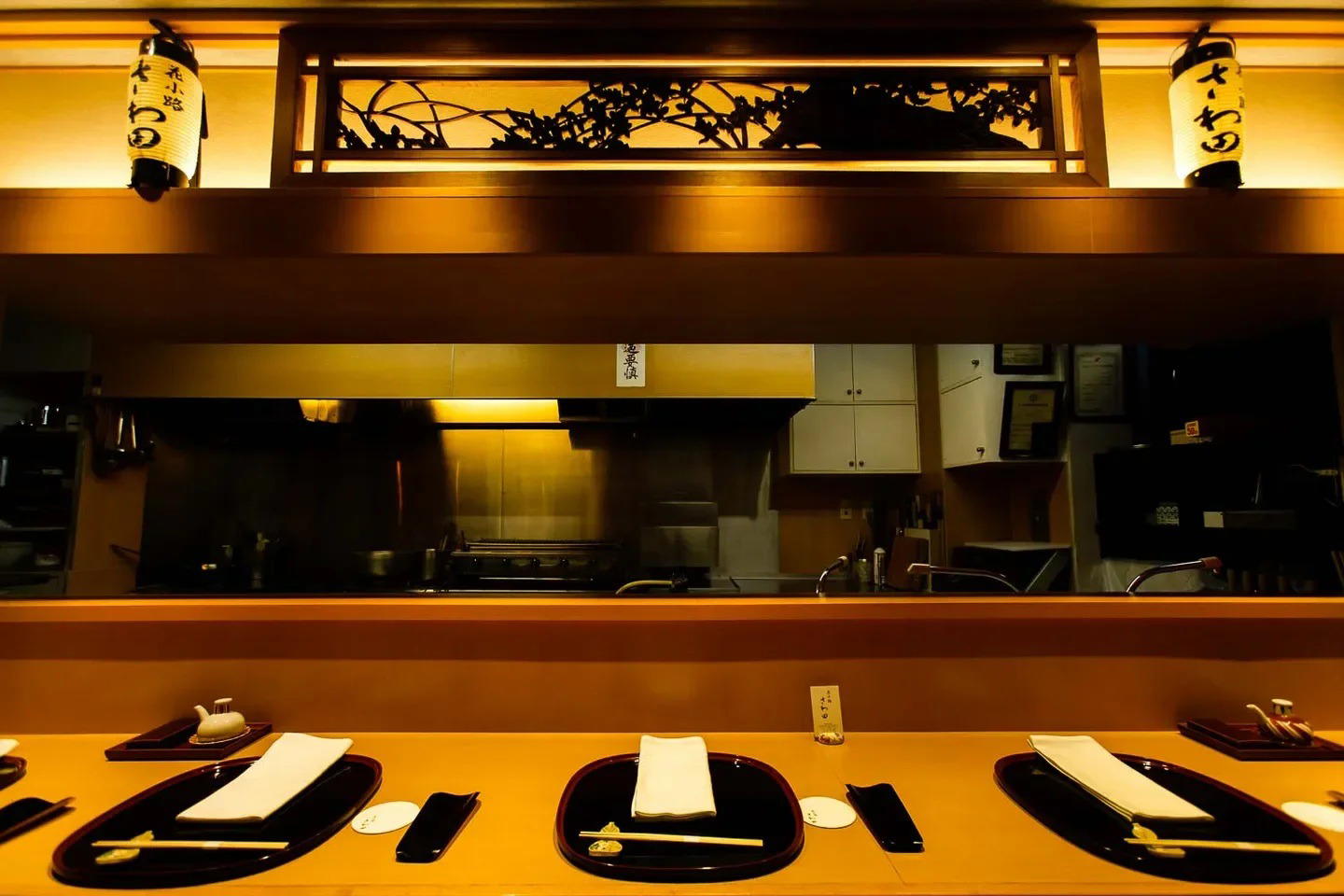
The 16-seat scale is central to the experience. Small restaurants in regional Japan often do not compete by offering grand dining rooms or long menus; they compete through repetition, regulars and format discipline. Counter seating, private use for up to 20 people and a non-smoking room place this in the practical, intimate category, where the dining decision is less about spectacle and more about whether the kitchen’s range fits the occasion.
That scale also sharpens the comparison within Tsukuba. Kuradashi Yakiimo Kaitsu Ka Tsukuba ten sits in a lower-priced sweet-potato lane, La Cote d'Azurl Honten is closer to the patisserie and casual-snack bracket, and Trattoria Pizzeria Amici gives Italian cooking a larger, more familiar Mediterranean route. Tsumu and La Ciccia occupy other small-restaurant positions in the city’s food map, but the Spanish-wine-bar-bistro combination gives this address a more specific identity: produce and fish with wine rather than pizza, pastry or single-product comfort.
The price band reinforces that middle-register role. This is not a blowout address, and it is not built as a quick counter meal either. For Tsukuba, that makes it useful: a dinner with enough structure for dates or a small group, lunch that does not require a major commitment, and a format that can absorb family dining without turning the room into a children’s restaurant. Children are explicitly welcomed, which is a practical distinction in Japan, where small independent rooms can vary sharply on family comfort.
How it fits into a Tsukuba itinerary
Tsukuba rewards diners who think beyond a single reservation. The city’s restaurant scene is dispersed, and the stronger day often comes from pairing a focused meal with one or two category contrasts. For a bread-led stop, Backerei Brotzeit and david pain show the city’s bakery side. DROOL DINER and Hurricane Ramen Honten pull the map toward casual comfort, while heladiwa adds a different international register. For a wider read, use Our full Tsukuba restaurants guide, then build the rest of the stay through Our full Tsukuba hotels guide, Our full Tsukuba bars guide, Our full Tsukuba wineries guide and Our full Tsukuba experiences guide.
Readers mapping Japan more broadly can place this kind of regional specialist beside different formats elsewhere: -Grilled beef Sukiyaki- KAMAKURA TANUKIAN 鎌倉 たぬき庵 in Kamakura. 鮪と炭火焼き うお炭 秋葉原店 in Tokyo.cafe in Osaka.know in Kumamoto, (Shoku) Vietnam in Kawasaki and [Curry Senmon Ten] Maruyama Kyoju. in Sapporo. Outside Japan, Jōdo Saké Bar in Los Angeles and Onigiri Time in Pasadena show how Japanese and Japan-adjacent dining formats translate into another market.
The editorial case for Bon Gout is not that Tsukuba suddenly needs to be treated like a major Spanish-dining capital. It is more precise than that. The restaurant gives the city a small, sourcing-aware Mediterranean address with credible national recognition, a wine-friendly structure and enough informality to fit local life. In a city where mobility, work patterns and family use shape dining choices, that combination has more value than another room chasing formality for its own sake.
In Context: Similar Options
Comparable venues by cuisine and price in the same metro.
| Venue | Cuisine | Price | Notes |
|---|---|---|---|
| Bon GoutThis venue — the venue you are viewing | Basque & Spanish Bistro and Wine Bar | $$ | Not listed |
| Sichuan Mararajusshoku | Sichuan Hotpot | $$ | Tsukuba |
| heladiwa | Authentic Sri Lankan Curry House | $$ | Amakubo |
| La Cote d'Azurl Honten | French patisserie & café | $$ | Higashiarai |
| Tsukuba Ramen Onimonogatari | Japanese Ramen | $$ | Bampaku Kinenkoen |
| DROOL DINER | Cheeseburger Diner | $$ | Tsukuba |
Recognition history
Dated appearances from independent guides and award organizations, with the underlying list record or original source where available.
Tabelog 100 #24 · No. 24
Tabelog · Tabelog 100 - Spanish cuisine - 2026









At a Glance
- Cozy
- Rustic
- Lively
- Intimate
- Casual Hangout
- After Work
- Date Night
- Group Dining
- Solo
- Standalone
- Design Destination
- Extensive Wine List
- Craft Cocktails
- Local Sourcing
Current opening hours
- Monday
- 11:30 AM–2 PM, 6–9 PM
- Tuesday
- Closed
- Wednesday
- 6–9 PM
- Thursday
- 11:30 AM–2 PM, 6–9 PM
- Friday
- 11:30 AM–2 PM, 6–9 PM
- Saturday
- 11:30 AM–2 PM, 6–9 PM
- Sunday
- 11:30 AM–2 PM, 6–9 PM
Hours can change for holidays and private events. Last verified .
A small, cozy and rustic Basque-inspired tavern with a stylish yet relaxed bar atmosphere, warm interiors reminiscent of a mountain restaurant, counter seating, and a casual, friendly vibe centered on conversation with the owner.