
heladiwa brings Sri Lankan curry culture into Tsukuba’s Amakubo dining mix, with Tabelog Asian cuisine / Ethnic cuisine EAST “Tabelog 100” selections in 2022, 2023, and 2024. The draw is less about ceremony than format: a small, counter-and-table room, modest local pricing, and a cooking category that gives Tsukuba a sharper South Asian register than the city’s campus-adjacent staples.
Pearl is the En Primeur Club membership app — saves, bookings, and concierge access live there. Same editors, same standards.
- Address
- 茨城県つくば市天久保1-8-6 グリーン天久保 2F
- Phone
- +81298934442
- Website
- tabelog.com
 Saves & bookings on Pearl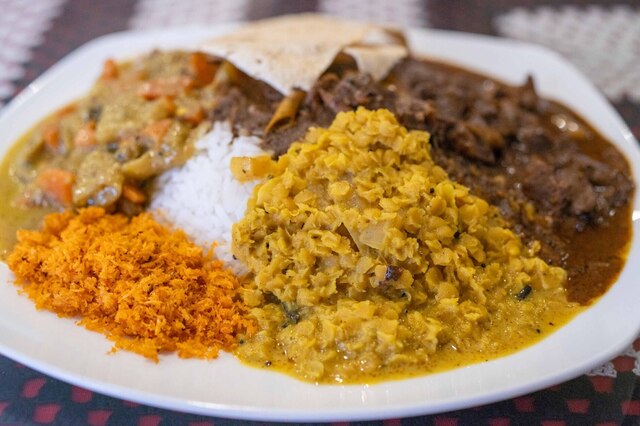
Amakubo’s restaurant buildings have a particular rhythm: compact stairwells, second-floor signs, students moving between classes and late meals, and small dining rooms that do not need spectacle to develop a following. In that setting, Sri Lankan curry reads differently from the ramen, bakeries, cafés, and casual European rooms that define much of Tsukuba’s everyday eating. The cuisine brings rice, spice structure, fish, vegetables, and curry gravies into a format built for repeat visits rather than occasion dining.
heladiwa sits inside that useful middle ground: serious enough to earn repeated Tabelog Asian cuisine / Ethnic cuisine EAST “Tabelog 100” selections in 2022, 2023, and 2024, but priced and arranged like a neighbourhood table rather than a destination tasting menu. That combination matters in Tsukuba, where a university city’s dining culture is shaped by weekday lunches, solo meals, shared parking, and the need for food with character that does not require a long evening.
Sri Lankan curry gives Tsukuba's casual dining scene a sharper spice register
Japanese curry culture often leans toward sweetness, thickness, and comfort; Sri Lankan curry works from a different grammar. The table is usually built around rice, layered curries, sambols, lentils, vegetables, fish or meat, and a sharper use of spice, coconut, acidity, and texture. When that tradition appears in a small Japanese city dining room, it expands the local map without abandoning the everyday price point that keeps regulars returning.
The Tabelog “Tabelog 100” context is useful because Asian and ethnic cuisine lists in Japan tend to reward places that have earned repeat attention beyond novelty. In a category crowded with curry specialists, Vietnamese counters, Thai kitchens, Nepalese dining rooms, and regional Chinese restaurants, selection across three consecutive years points to durability. The restaurant is not competing with luxury restaurants; it is competing with the places people trust when lunch or dinner has to deliver more than convenience.
Tsukuba’s better casual circuit is broad rather than showy. A bread stop such as Backerei Brotzeit, a French-leaning room like Bon Gout, bakery culture at david pain, American-inflected comfort at DROOL DINER, and noodle intensity at Hurricane Ramen Honten all serve different daily needs. Sri Lankan curry fills another slot: spice-led, rice-based, and flexible enough for solo dining or a quick table meal.
A compact room changes the way the meal works
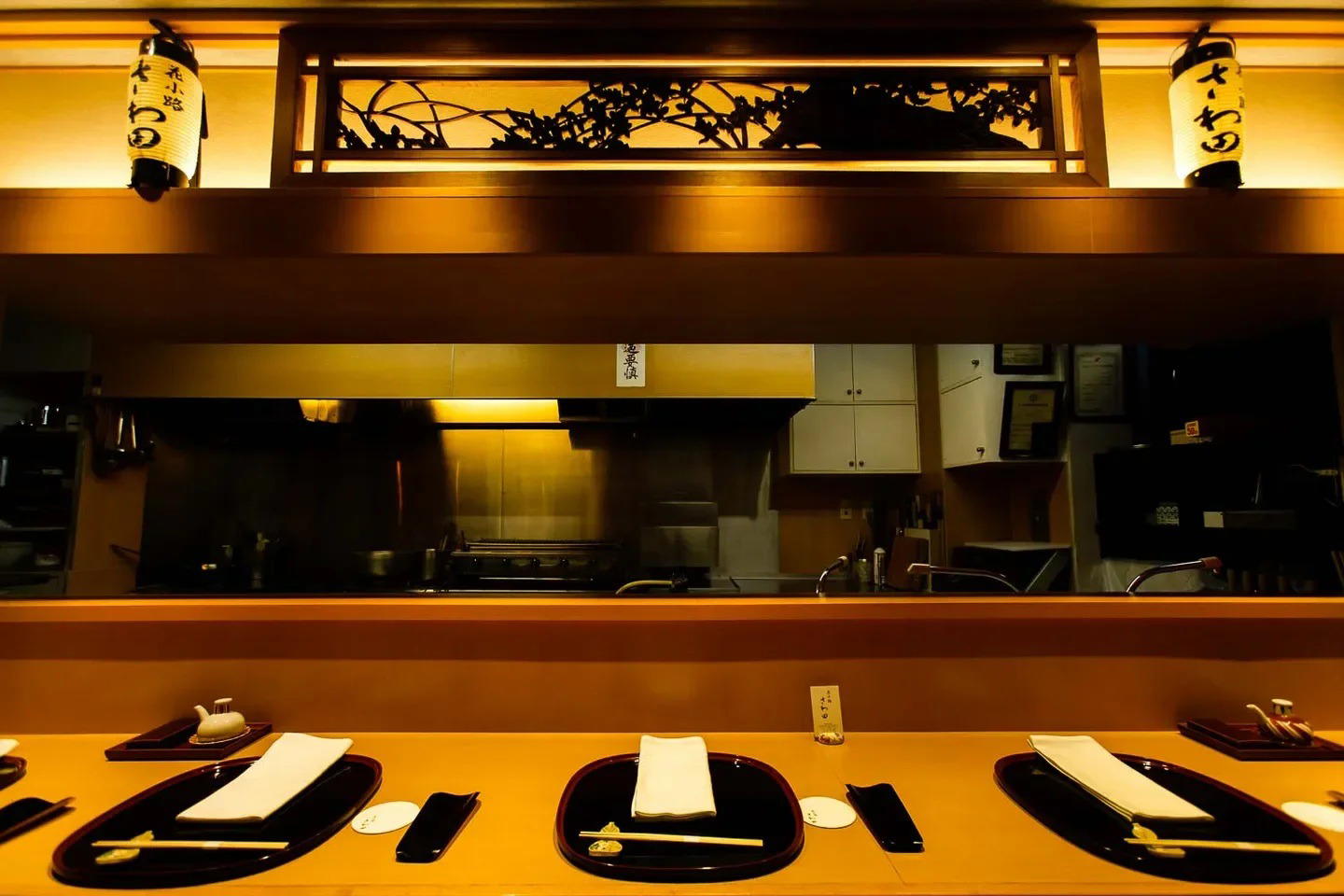
Small restaurants do not merely feel intimate; they alter the tempo of service. With 14 seats split between counter and tables, this is the kind of room where turnover, timing, and menu clarity matter. Counter seating also suits the solo diner, a detail that carries weight in a university city where weekday meals are often practical rather than social. The absence of private rooms keeps the experience public and casual, closer to a curry specialist than a formal restaurant.
The format also helps explain the restaurant’s position in Tsukuba. Many cities separate value dining from award-recognised dining, but Japan’s specialist food culture often collapses that distinction. Ramen shops, curry counters, bakeries, soba rooms, and compact ethnic restaurants can build serious reputations while remaining inexpensive by international standards. heladiwa belongs to that lineage: focused category, small footprint, repeatable meal, outside validation.
There is a monthly buffet signal as well, which tells a seasoned diner how the kitchen frames abundance. The last Sunday “Hera Diwa Special Buffet” runs as a timed lunch and dinner format, while a separate curry-only buffet day with dessert appears in the restaurant’s updates. Those events shift the restaurant from a regular curry stop into a broader Sri Lankan spread, useful for diners who want range rather than a single plate. Weekday one-coin lunch points in the opposite direction: speed, value, and local routine.
Where it fits in a Tsukuba food itinerary
For travellers, Tsukuba is not a single-theme food city. Its appeal lies in the way research-town life, student traffic, suburban parking, and independent specialists overlap. A visitor planning around restaurants should treat Amakubo and the station area as practical anchors, then build meals by category rather than chasing formality. Our full Tsukuba restaurants guide is the natural starting point; the wider city planning rails sit separately in our full Tsukuba hotels guide, our full Tsukuba bars guide, our full Tsukuba wineries guide, and our full Tsukuba experiences guide.
The decision point is simple. Choose this table when the meal should be spice-led, informal, and specific to Sri Lankan curry rather than generic South Asian cooking. Choose elsewhere when the brief is pastry, ramen, a café stop, or a longer Western meal. That is not a hierarchy; it is how Tsukuba works. Its stronger meals often come from specialists occupying narrow lanes.
For broader Japan context, compare how regional pages treat focused formats across the country: -Grilled beef Sukiyaki- KAMAKURA TANUKIAN 鎌倉 たぬき庵 in Kamakura for beef sukiyaki. 鮪と炭火焼き うお炭 秋葉原店 in Tokyo for tuna and charcoal-grill dining.cafe in Osaka for café culture.know in Kumamoto, (Shoku) Vietnam in Kawasaki, and [Curry Senmon Ten] Maruyama Kyoju. in Sapporo. The same pattern appears outside Japan in tightly focused rooms such as Jōdo Saké Bar in Los Angeles and Onigiri Time in Pasadena: narrow formats often tell the reader more than broad menus.
heladiwa’s critical value is that it makes Sri Lankan food part of Tsukuba’s everyday dining vocabulary. The recognition helps, but the stronger point is cultural: curry here is not treated as a side category to Japanese comfort food. It is a complete eating system, scaled to a small room, accessible to solo diners, and grounded enough to sit naturally beside the city’s ramen, bakeries, cafés, and casual European restaurants.
Price and Positioning
Side-by-side context: comparable cuisine and price.
| Venue | Cuisine | Price | Notes |
|---|---|---|---|
| heladiwaThis venue — the venue you are viewing | Not listed | $$ | Not listed |
| DROOL DINER | Tsukuba, Cheeseburger Diner | $$ | Not listed |
| Sichuan Mararajusshoku | Tsukuba, Sichuan Hotpot | $$ | Not listed |
| Hurricane Ramen Honten | Tsukuba, Ramen & Tsukemen | $ | Not listed |
| Trattoria Pizzeria Amici | Not listed | $$ | Teshirogi, Authentic Neapolitan Pizzeria & Southern Italian Trattoria |
| La Cote d'Azurl Honten | Higashiarai, French patisserie & café | $$ | Not listed |
Recognition history
Dated appearances from independent guides and award organizations, with the underlying list record or original source where available.
Tabelog 100 #77 · No. 77
Tabelog · Tabelog 100 - Asian cuisine / Ethnic cuisine - EAST - 2024








At a Glance
- Cozy
- Intimate
- Solo
- Casual Hangout
- Group Dining
- Family
- Celebration
- Standalone
Current opening hours
- Monday
- Closed
- Tuesday
- 11:30 AM–9:30 PM
- Wednesday
- 11:30 AM–9:30 PM
- Thursday
- 11:30 AM–9:30 PM
- Friday
- 11:30 AM–9:30 PM
- Saturday
- 11:30 AM–9:30 PM
- Sunday
- 11:30 AM–9:30 PM
Hours can change for holidays and private events. Last verified .
A small, relaxed second‑floor room with just 14 seats, counter and simple table seating, non‑smoking, and a homey neighborhood feel suited to solo diners and casual meals.